Every great structure starts with the ground beneath it. Whether you are designing a high-rise residential complex or a simple backyard shed, understanding the Soil Bearing Capacity is the single most critical step in foundation engineering. It’s the invisible handshake between your dream building and the earth that holds it up. But here’s the thing: the ground doesn’t always play by the rules we write in our textbooks.
In 2026, we have more computing power than ever before. Tools like the Soil Bearing Capacity Calculator from engineercalc.net or the visual simulations on simulations4all.com can spit out numbers in milliseconds. They use Terzaghi, Meyerhof, Hansen, and Vesic methods with ease. Yet, relying solely on these digital outputs is like driving a car by only looking at the GPS and never out the windshield. You might get there, but you’ll miss the potholes, the scenery, and the sudden detours that define the real journey. This article isn’t about throwing away the calculator. It’s about remembering what lies beyond it.
The Illusion of Precision
We love clean numbers. There is something comforting about a spreadsheet that turns messy dirt into a precise kilopascal value. When you plug data into a tool like the one from concretemetric.com, it evaluates settlement risk to ensure foundations remain within acceptable tolerances throughout the building’s design life. It feels safe. It feels certain. But soil is not concrete. It’s not steel. It’s a living, breathing, shifting mixture of minerals, water, air, and organic matter that has been forming for thousands of years.
The danger arises when we treat these calculations as absolute truths rather than educated estimates. A calculator might tell you the allowable bearing capacity is 150 kPa based on standard inputs. But did it account for that old tree root decaying three feet to the left? Did it know about the seasonal water table fluctuation that happens every spring? Probably not. These tools are invaluable for engineers and architects who require precise measurements, as noted by calculatorcorp.com, but they are only as good as the context provided by the human behind the keyboard.
This illusion of precision can lead to overconfidence. We’ve seen projects where the math was perfect, but the ground failed. Why? Because the model assumed uniformity in a material that is inherently chaotic. In 2026, with climate patterns shifting and extreme weather events becoming more common, the "standard" conditions we used to rely on are less standard than ever. The calculator gives you a snapshot; you need to understand the movie.
Reading the Dirt, Not Just the Data
Before you even open a laptop, you should be on your knees in the dirt. Literally. There is an ancient wisdom in feeling the soil between your fingers. Is it gritty? Sticky? Does it crumble or hold together? This tactile experience provides immediate clues that no sensor can fully replicate. While modern tools like GeoCalc offer professional geotechnical calculation tools including USCS classification, they still rely on someone correctly identifying the soil type first.
Take clay, for example. It’s tricky. Dry clay can be hard as rock, offering high bearing capacity. Wet clay? It turns into slip-and-slide mud. A presumptive value from IBC Table 1806.2, as mentioned in toolgrit.com, might give you a starting point, but it’s a broad brush. If you’re working with expansive clay, the calculator won’t warn you about the shrink-swell potential unless you explicitly input those specific parameters. And how do you know to input them? By observing the site. Are there cracks in the neighboring driveways? Is the ground heaving?
This observational phase is where the engineer becomes a detective. You’re looking for signs of past failures, water pooling, or unusual vegetation. These are the stories the land tells. Ignoring them because "the computer said it’s fine" is a recipe for disaster. The best practitioners in 2026 are those who blend this old-school intuition with new-school tech. They use the calculator to verify their hunches, not to replace them. It’s a partnership, not a handover.
The Water Factor: The Silent Saboteur
Water is the great equalizer in geotechnical engineering. It changes everything. A dry sand dune can support a heavy load, but saturate it, and the particles lose their friction, leading to liquefaction or significant settlement. Most online calculators, like the free tools from FIRGELLI Engineering, allow you to input groundwater levels. This is crucial. But here’s the catch: groundwater levels are rarely static.
In many parts of the world, 2026 has brought more erratic rainfall patterns. A site that was dry during your initial survey in summer might be underwater in winter. If your calculator assumes a constant water table depth, you’re building on a gamble. The summary from simulations4all.com highlights that their tools include groundwater effects, which is great. But you have to ask: what is the worst-case scenario? What if the water rises two meters higher than historical averages?
Accounting for this requires a shift in mindset. Instead of designing for the average condition, design for the extreme. Use the calculator to run multiple scenarios. What if the water table is at the surface? What if it’s five meters down? Compare the results. If the difference in bearing capacity is massive, you need a foundation strategy that is resilient to change, not just optimized for today’s conditions. This might mean deeper footings, better drainage, or soil stabilization techniques that go beyond simple sizing.
Settlement: The Slow Creep
Bearing capacity is often discussed in terms of shear failure—the ground giving way suddenly. But in reality, most foundation issues come from settlement. This is the slow, gradual sinking of a structure. It’s less dramatic than a collapse, but far more common and equally damaging. Cracks in walls, sticking doors, and tilted floors are the symptoms. The Soil Bearing Capacity Calculator from codingace.net mentions designing footings confidently using rigorous calculations, but settlement analysis is a different beast.
Settlement depends on time. Clay soils, for instance, consolidate slowly. It can take years for the full settlement to occur. A calculator might tell you the immediate settlement is within tolerance, but what about the consolidation settlement over ten years? This is where the "design life" mention in concretemetric.com becomes vital. You aren’t just building for today; you’re building for decades.
To address this, you need to look beyond the ultimate bearing capacity. Look at the allowable bearing capacity, which includes a safety factor to limit settlement. But don’t just accept the default safety factor. Consider the sensitivity of the structure. A warehouse with a flexible steel frame can handle more movement than a brittle masonry home. Tailor your approach. Use the calculator to check against both shear failure and settlement limits. And remember, sometimes the best solution isn’t a bigger footing, but a different foundation type altogether, like piles that bypass the weak soil layers.
The Human Element in Digital Workflows
We are inundated with tools. CivilWeb Spreadsheets offers a 74-page Ultimate Design Guide. Toolgrit gives you a pass/fail verdict. It’s easy to let these tools dictate the workflow. But technology should serve the engineer, not the other way around. The goal is to standardize the routine so you can focus on the exceptional. As noted by codingace.net, these tools help share insights and standardize design workflows. That’s powerful. But standardization shouldn’t mean stagnation.
In 2026, the role of the geotechnical engineer is evolving. It’s less about crunching numbers and more about interpreting them. It’s about communication. Can you explain to the architect why the footing needs to be wider, even if the calculator says it’s optional? Can you convince the client to invest in better soil testing because the presumptive values are too risky? These are human skills. They require empathy, persuasion, and clarity.
Moreover, collaboration is key. The calculator is a shared language between the structural engineer, the architect, and the contractor. When everyone understands the assumptions behind the numbers, the project runs smoother. Use the visual aids from tools like simulations4all.com, which show failure surface diagrams. Show, don’t just tell. Help the team visualize what’s happening underground. This builds trust and ensures that everyone is on the same page, reducing the risk of misunderstandings that can lead to costly errors.
What does the future hold for soil bearing capacity? As we move further into 2026 and beyond, the integration of real-time monitoring is becoming more prevalent. Imagine foundations equipped with sensors that track settlement and moisture levels in real-time, feeding data back into predictive models. This moves us from static calculations to dynamic management. The calculator becomes a living tool, updated with actual performance data.
But until that becomes the norm, we must rely on robust design principles. This means embracing redundancy. Don’t push the limits of the soil. Leave room for error. Use conservative estimates when uncertainty is high. And keep learning. The field of geotechnical engineering is constantly evolving. New materials, new methods, and new understandings of soil behavior emerge regularly. Stay curious. Read the latest research. Attend conferences. Talk to other engineers.
Ultimately, future-proofing is about humility. Acknowledge what you don’t know. Respect the complexity of the natural world. Use the best tools available, but keep your eyes on the ground. The calculator is a guide, but the soil is the boss. Listen to it. Adapt to it. And build with care.
So, where does this leave us? With a balanced approach. Embrace the technology. Use the calculators. They are powerful allies. But don’t let them blind you. Keep your boots muddy. Keep your questions sharp. And remember that every number on that screen represents a physical reality that is messy, unpredictable, and alive. By combining the precision of 2026’s digital tools with the timeless wisdom of observation and experience, we can build foundations that not only stand firm but also endure. It’s not just about the math. It’s about the match between human ingenuity and earthly truth. And that’s a calculation worth getting right.
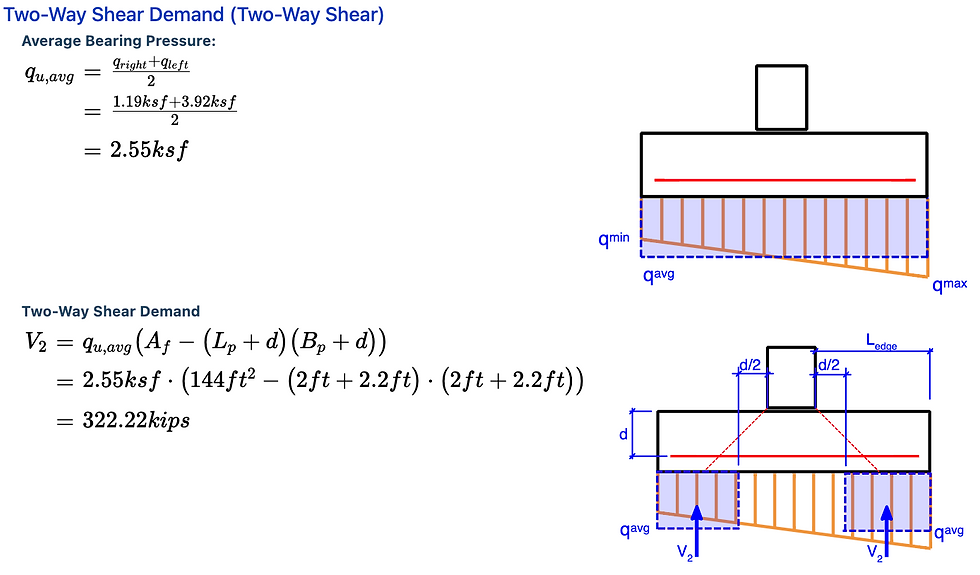
[sps_html tag=”img” src=”https://cdn.northcarolinafinearchitecture.com/2026/05/eccentric-spread-footing-design-aci-318-regarding-why-your-spread-footing-design-fails-shear-checks-in-2026.png” alt=”Eccentric Spread Footing Design (Aci 318) regarding Why Your Spread Footing Design Fails Shear Checks in 2026″ style=”width: 100%; height: auto;”]
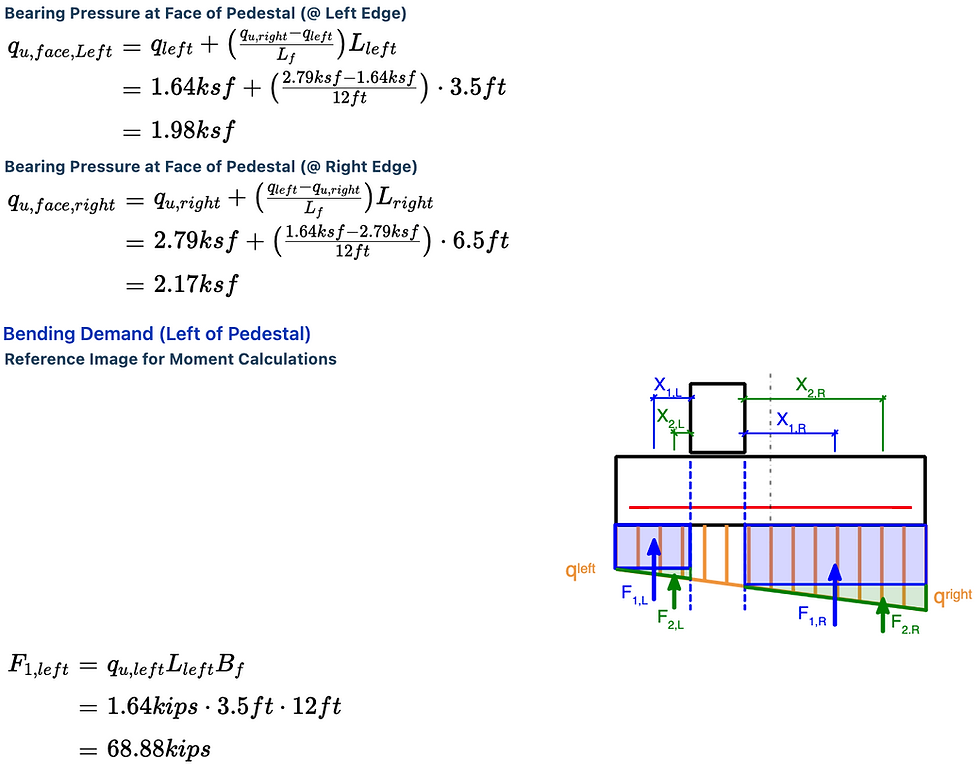
[sps_html tag=”img” src=”https://cdn.northcarolinafinearchitecture.com/2026/05/eccentric-spread-footing-design-aci-318-inside-spread-footing-design.png” alt=”Eccentric Spread Footing Design (Aci 318) inside Spread Footing Design” style=”width: 100%; height: auto;”]
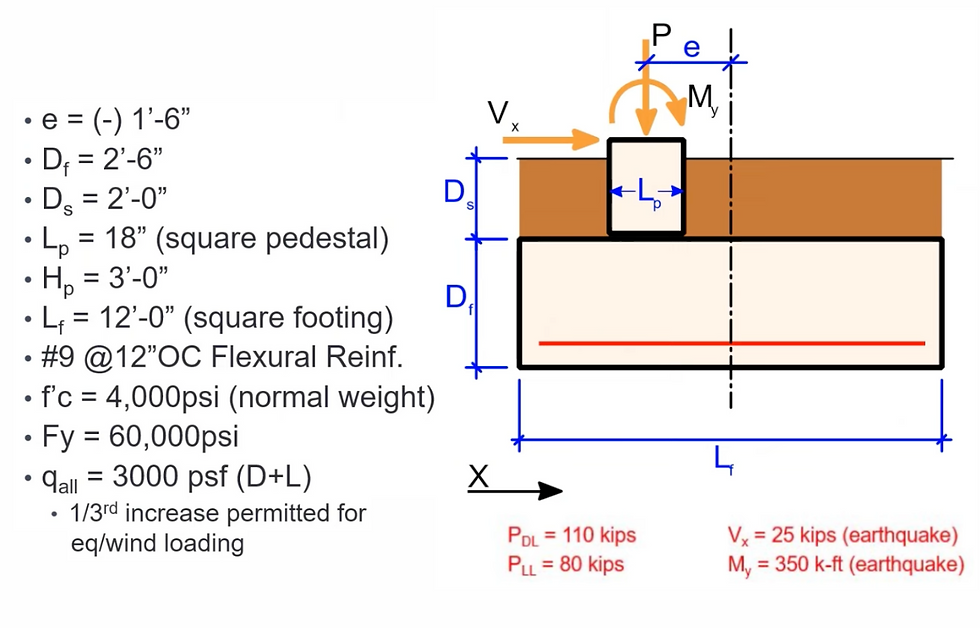
[sps_html tag=”img” src=”https://cdn.northcarolinafinearchitecture.com/2026/05/eccentric-spread-footing-design-aci-318-intended-for-spread-footing-design.png” alt=”Eccentric Spread Footing Design (Aci 318) intended for Spread Footing Design” style=”width: 100%; height: auto;”]
[sps_html tag=”img” src=”https://cdn.northcarolinafinearchitecture.com/2026/05/spread-footing-design-types-of-spread-footing-regarding-spread-footing-design.jpg” alt=”Spread Footing Design | Types Of Spread Footing regarding Spread Footing Design” style=”width: 100%; height: auto;”]
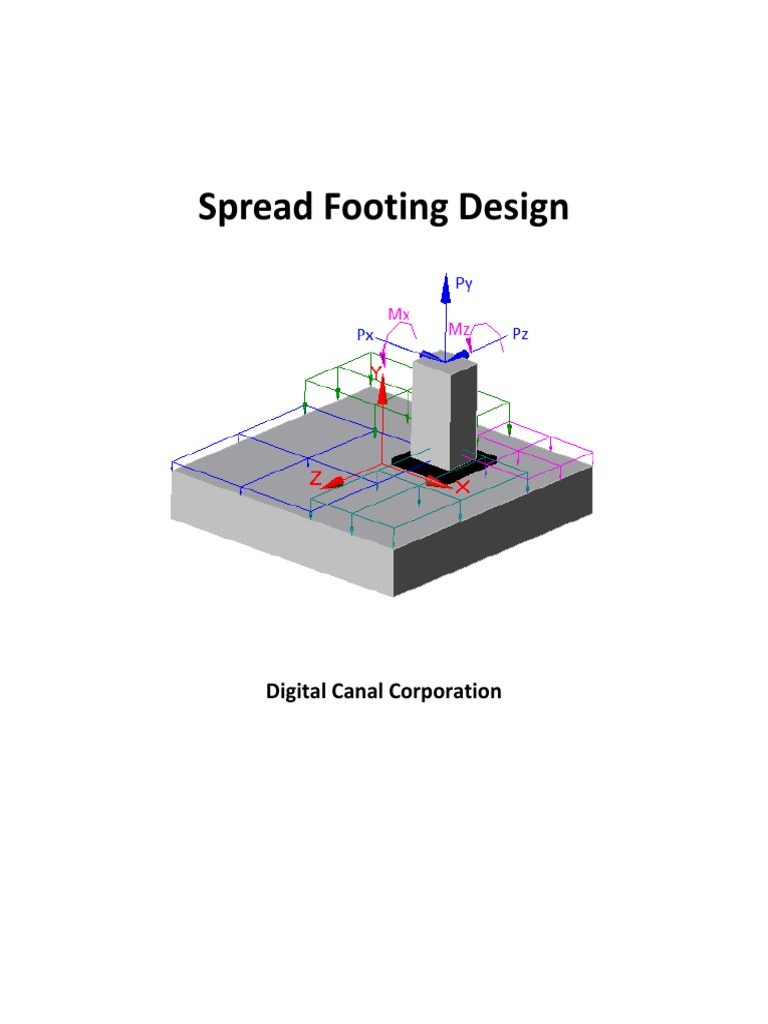
[sps_html tag=”img” src=”https://cdn.northcarolinafinearchitecture.com/2026/05/spread-footing-design-digital-canal-corporation-pdf-microsoft-word-within-why-your-spread-footing-design-fails-shear-checks-in-2026.jpg” alt=”Spread Footing Design: Digital Canal Corporation | Pdf | Microsoft Word … within Why Your Spread Footing Design Fails Shear Checks in 2026″ style=”width: 100%; height: auto;”]