You’ve probably stood on a sidewalk, neck craned back, staring up at a glass tower that seems to pierce the clouds. It looks sleek, maybe even effortless. Like a giant shard of ice or a mirror reflecting the sky. But have you ever wondered what’s actually holding that look together? It’s not just magic. It’s engineering, art, and a whole lot of physics working in a delicate dance. We call it the building envelope. And honestly, it’s the most misunderstood part of architecture.
For years, we treated the outside of a building like wallpaper. Something to stick on after the real work was done. But that old way of thinking? It’s dead. In 2026, we know better. The envelope isn’t just a pretty face. It’s the lungs, the skin, and the immune system of the structure. If it fails, the building gets sick. Leaks, mold, skyrocketing energy bills. Nobody wants that. So, how do we make these giants look good while keeping them efficient, safe, and comfortable for the people inside? That’s the million-dollar question. And the answer lies in stopping the fight between form and function. They aren’t enemies. They’re partners.
The Old Habit: Pretty First, Smart Later
Let’s be honest about how things used to go down. For decades, the design process had a clear hierarchy. Form came first. Always. The architect would sketch a stunning vision—sweeping curves, floor-to-ceiling glass, bold textures. The client would swoon. The renderings looked amazing. Then, usually much later in the process, the engineers would get involved. Their job? To make sure the thing didn’t fall down or leak. It was a reactive approach. "Form first, physics second," as some industry folks put it.
This created problems. Big ones. When you treat the envelope as an afterthought, you end up with compromises that hurt everyone. Maybe the beautiful all-glass facade turns the interior into a greenhouse, requiring massive AC systems to keep people from sweating through their shirts. Or perhaps the intricate cladding details trap water, leading to rot and structural damage five years after opening. These aren’t just technical glitches. They affect the people living and working there. Poor indoor air quality. Uncomfortable temperatures. Higher costs passed on to tenants. It’s a mess.
Thankfully, the tide is turning. We’re seeing a shift toward an "envelope-first" mindset. This means bringing performance experts into the room on day one. Instead of slapping a skin on a box, we design the skin as the box. It changes everything. By integrating thermal efficiency, fire safety, and durability into the initial concept, we avoid those nasty surprises later. It’s not about limiting creativity. It’s about grounding that creativity in reality. The result? Buildings that don’t just look good in pictures, but perform well in real life.
Glass: The Double-Edged Sword
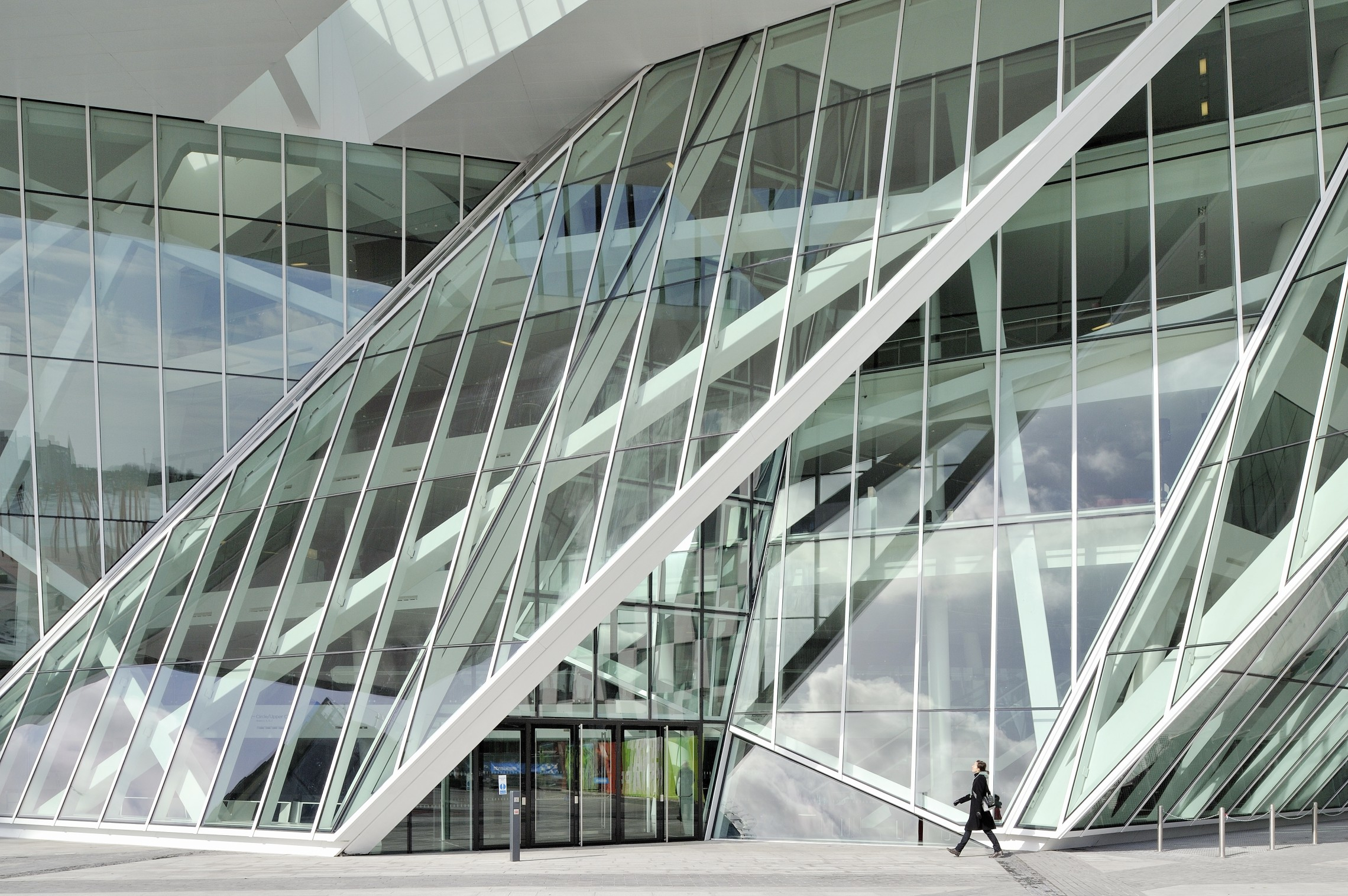
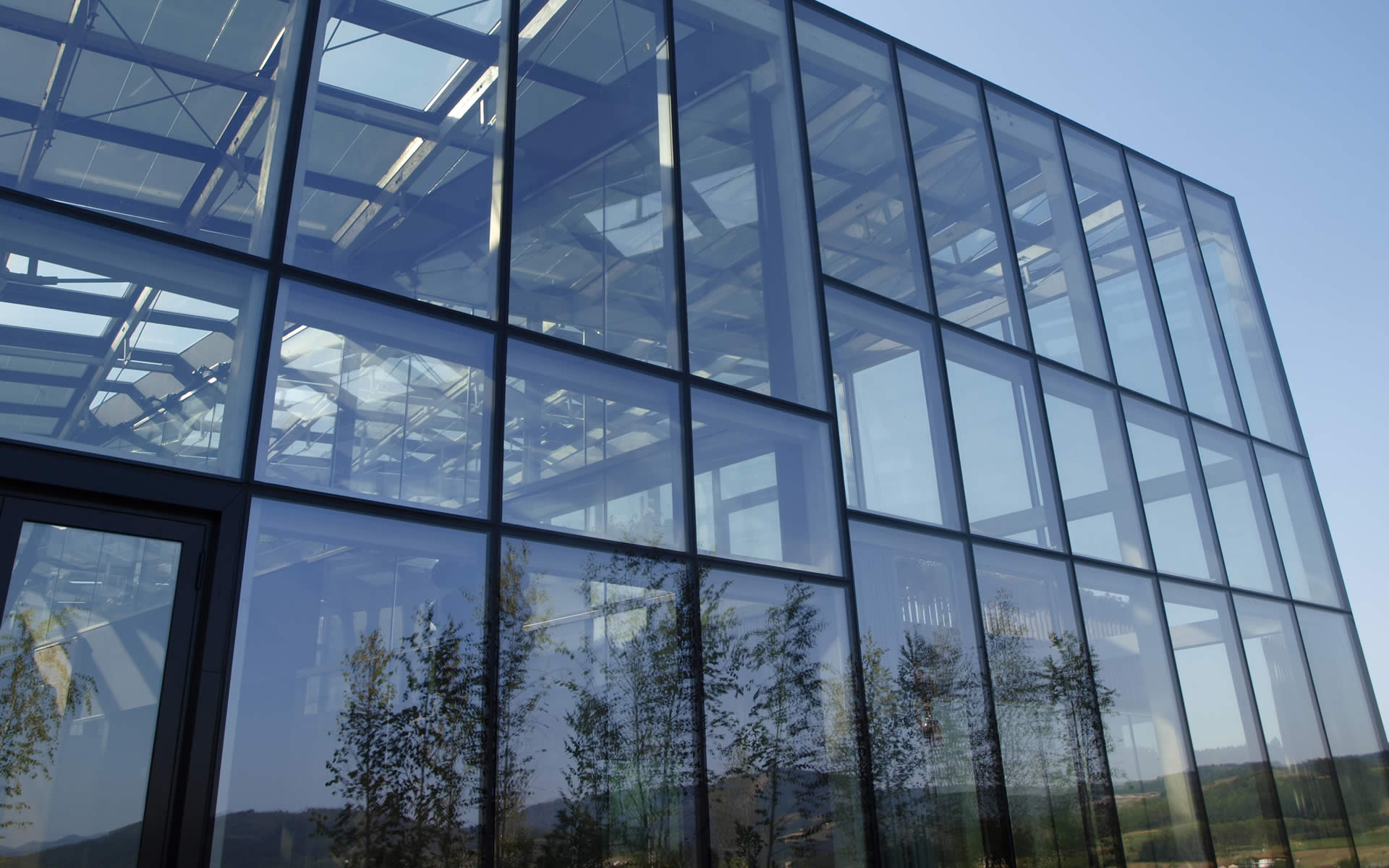
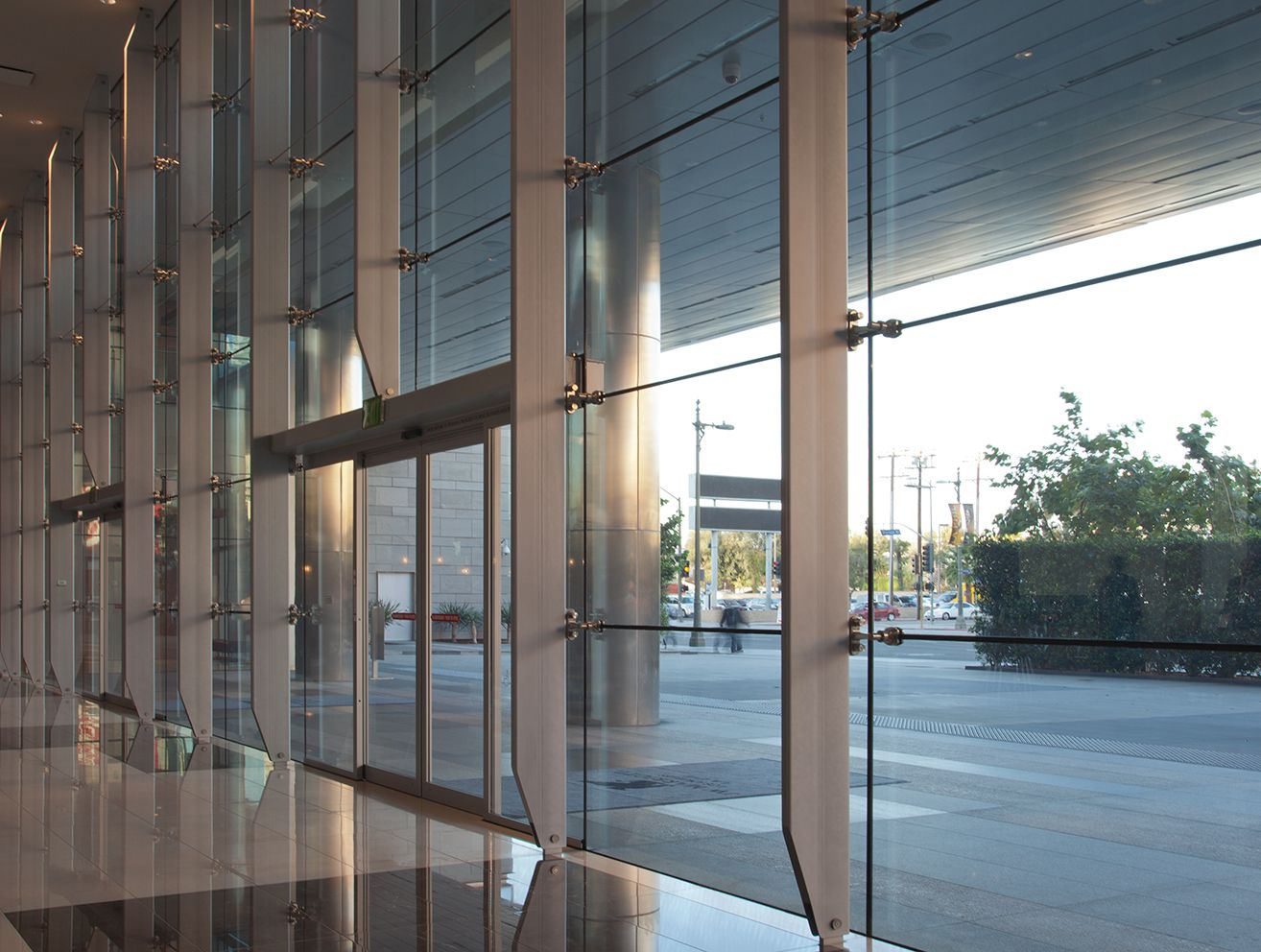
Ah, glass. The favorite material of modern skyscrapers. It offers transparency, light, and those breathtaking views that sell condos and office leases. Who doesn’t want to feel connected to the city below? But here’s the rub. Glass is terrible at insulation. Historically, it’s been the weak link in the envelope chain. Substantially glazed facades are everywhere because they look cool, but they create inherent conflicts. You want the aesthetic appeal, but you also don’t want your energy bills to explode. And now, with stricter energy codes in 2026, you can’t just ignore the heat gain or loss.
So, what’s the fix? Technology has come a long way. We’re no longer stuck with single-pane windows that let heat rush in and out like a revolving door. Today, we have dynamic glazing systems. These are smart glasses that can tint themselves based on sunlight intensity. Imagine a facade that adjusts its opacity throughout the day, blocking harsh afternoon sun while letting in soft morning light. It reduces the need for blinds and cuts down on cooling loads significantly. It’s like sunglasses for your building.
But it’s not just about tinting. We’re also seeing the rise of vertical photovoltaic integrated envelopes. This is huge. Instead of hiding solar panels on the roof where they’re less effective, we’re embedding them into the facade itself. Recent studies have shown that these dynamic, vertical systems can harvest solar energy while maintaining the transparent, airy look architects love. It addresses the conflict between aesthetics and energy harvesting head-on. You get the view, you get the power, and you reduce the building’s carbon footprint. It’s a win-win-win. Though, admittedly, getting the color match right so the solar cells don’t look ugly is still a bit of a challenge.
Material Matters: Beyond the Shine
While glass gets all the attention, the rest of the envelope matters just as much. We’re talking about cladding, insulation, and the hidden layers that keep the weather out. Sustainable exterior cladding is no longer a niche trend; it’s a requirement. Clients want materials that last. They want things that don’t need constant repair or replacement. Durability is key. If a facade looks great but starts fading or cracking in three years, it’s a failure.
We’re seeing a move toward holistic approaches. This means looking at the entire system, not just individual parts. How does the insulation interact with the outer layer? How does the cladding handle wind pressure at 80 stories up? Fire safety is another massive piece of the puzzle. After several high-profile incidents globally, regulations around combustible cladding have tightened considerably. Designers now have to balance aesthetic desires—like lightweight, colorful panels—with strict non-combustible requirements. It’s a tough needle to thread.
Advancements in materials are helping us out here. New composite materials offer the look of natural stone or wood but with better thermal performance and fire resistance. There are also innovative insulation techniques that allow for thinner profiles without sacrificing R-value. This means architects can maintain sleek lines without bulky walls eating into floor space. It’s about making smart choices. Choosing materials that age well. That resist pollution. That contribute to the building’s overall resilience. Because let’s face it, a building that falls apart isn’t beautiful, no matter how nice it looked on day one.
The Human Factor: Comfort and Connection
At the end of the day, buildings are for people. Not for renderings. Not for awards. For humans. And if the envelope doesn’t support human comfort, it’s not doing its job. This is where the rubber meets the road. A high-performance envelope regulates temperature, controls noise, and ensures fresh air. It creates an environment where people can thrive. Think about it. Have you ever tried to work in an office that’s too hot? Or slept in an apartment where you could hear every siren on the street? It’s miserable.
The envelope plays a critical role in indoor air quality too. If the sealing isn’t tight, pollutants and moisture can sneak in. This leads to mold and mildew, which are serious health hazards. In high-rise residential towers, this is especially concerning. Families live there. Kids breathe that air. So, when we talk about performance, we’re talking about health. We’re talking about safety. The consequences of envelope failures extend far beyond visible damage. They affect long-term value and, more importantly, well-being.
There’s also the psychological aspect. Natural light boosts mood. Views reduce stress. A well-designed envelope maximizes these benefits while minimizing the downsides (like glare). It’s a balancing act. You want enough glass to connect residents to the outside world, but not so much that they feel exposed or overheated. Smart design considers the orientation of the building. It uses shading devices strategically. It thinks about how the sun moves across the sky. It’s empathetic design. It cares about the experience of the person sitting by the window.
Tech to the Rescue: Smart Envelopes
We’re living in the age of smart everything. Why should buildings be any different? Innovation in envelope technology is rapidly changing the game. We’re moving from static skins to responsive systems. These "smart" envelopes use sensors and actuators to adapt to changing conditions. If it’s windy, the facade might adjust to reduce pressure. If it’s sunny, louvers might close to block heat. It’s like the building is breathing.
This tech is driven by green architecture trends and the pursuit of energy efficiency. In 2026, data is king. Building managers can monitor the performance of the envelope in real-time. They can spot issues before they become problems. Maybe a seal is failing in one corner. Maybe a panel is loose. Sensors pick it up instantly. This proactive maintenance saves money and extends the lifespan of the building. It also ensures that the building continues to perform as designed, year after year.
But it’s not just about monitoring. It’s about integration. The envelope talks to the HVAC system. It talks to the lighting. It works as part of a larger ecosystem. This level of connectivity allows for unprecedented levels of efficiency. It slashes operational costs. Research from recent years quantifies just how significantly these advanced systems can reduce energy use. We’re talking double-digit percentages. That’s huge for both the environment and the bottom line. Plus, it makes the building more resilient to climate change. As weather patterns become more extreme, having a facade that can adapt is a major advantage.
So, where do we go from here? The future of high-rise envelope design is integrated. It’s collaborative. It’s holistic. We’re seeing a breakdown of silos between architects, engineers, and contractors. Everyone is involved from the start. This leads to better outcomes. Designs that are both beautiful and high-performing. It’s not about choosing one over the other. It’s about finding the synergy.
Sustainability is the driving force. But it’s not just a buzzword. It’s a necessity. High-performance cladding is the key enabler of truly energy-efficient buildings. As cities grow denser and taller, the impact of each building adds up. We need structures that give back more than they take. That generate energy. That clean the air. That provide habitat. The envelope is the primary interface between the building and the environment. It’s the place where we can make the biggest difference.
And let’s not forget aesthetics. People love beautiful things. A striking facade can define a skyline. It can become an icon. But beauty without substance is hollow. The best buildings of 2026 and beyond will be those that marry the two seamlessly. Where the technology is invisible, but the effect is felt. Where the form follows the function, but elevates it. It’s a challenging path. It requires skill, patience, and innovation. But it’s worth it. Because when we get it right, we create spaces that inspire. Spaces that protect. Spaces that endure.
Balancing aesthetics and performance isn’t a one-time task. It’s an ongoing dialogue. As materials improve and technologies evolve, the possibilities expand. We’re just scratching the surface. The next generation of envelopes will be even smarter, greener, and more adaptable. They’ll respond to our needs in ways we can barely imagine today. And that’s exciting. It means our cities will be better places to live. More comfortable. More sustainable. More human.
So, the next time you look up at a skyscraper, don’t just admire the view. Think about the skin. Think about the thought, the science, and the care that went into wrapping that structure. It’s more than just glass and steel. It’s a promise. A promise of comfort, safety, and beauty. And honestly? That’s something worth looking up to.
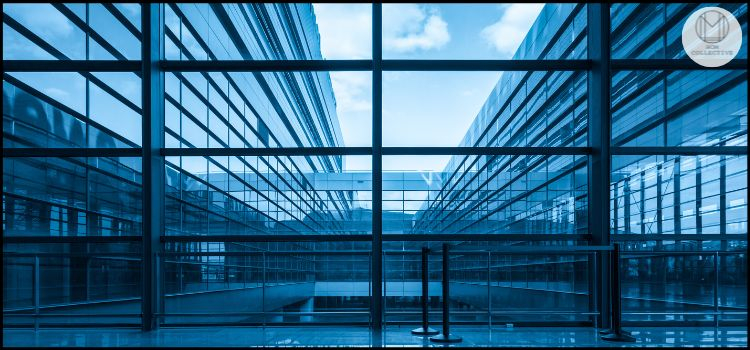
[sps_html tag=”img” src=”https://cdn.northcarolinafinearchitecture.com/2026/06/mullions-curtain-wall-on-libeskinds-theatre-022-facad3s-regarding-curtain-wall-design.jpg” alt=”Mullions Curtain Wall On Libeskind's Theatre (022) | Facad3S regarding Curtain Wall Design” style=”width: 100%; height: auto;”]
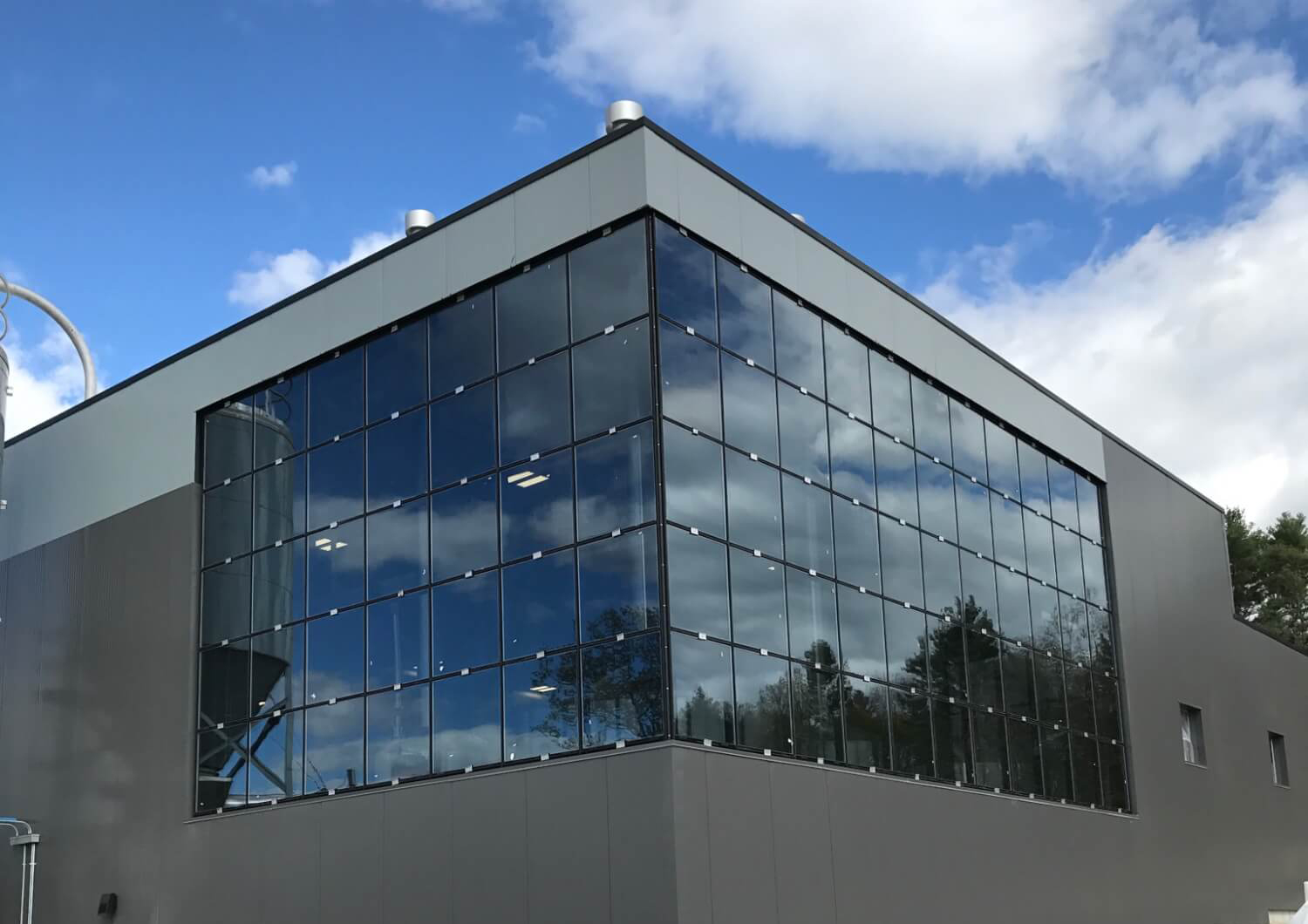
[sps_html tag=”img” src=”https://cdn.northcarolinafinearchitecture.com/2026/06/what-is-a-curtain-wall-system-modern-architectural-glazing-in-curtain-wall-design.jpg” alt=”What Is A Curtain Wall System? - Modern Architectural Glazing in Curtain Wall Design” style=”width: 100%; height: auto;”]
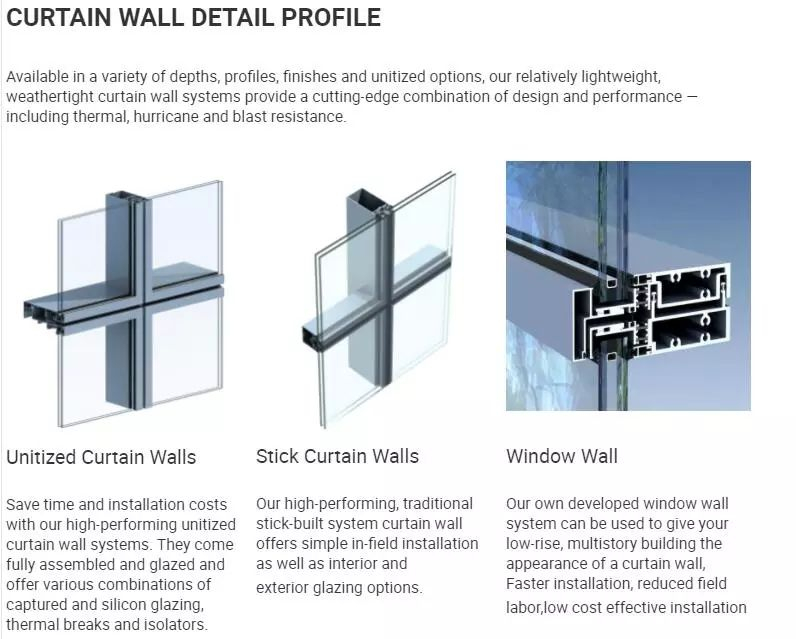
[sps_html tag=”img” src=”https://cdn.northcarolinafinearchitecture.com/2026/06/curtain-wall-structure-curtain-wall-back-to-basics-in-architecture-inside-beyond-the-glass-skin-how-modern-curtain-walls-define-2026-architecture.jpg” alt=”Curtain Wall Structure Curtain Wall: Back To Basics In Architecture inside Beyond the Glass Skin How Modern Curtain Walls Define 2026 Architecture” style=”width: 100%; height: auto;”]
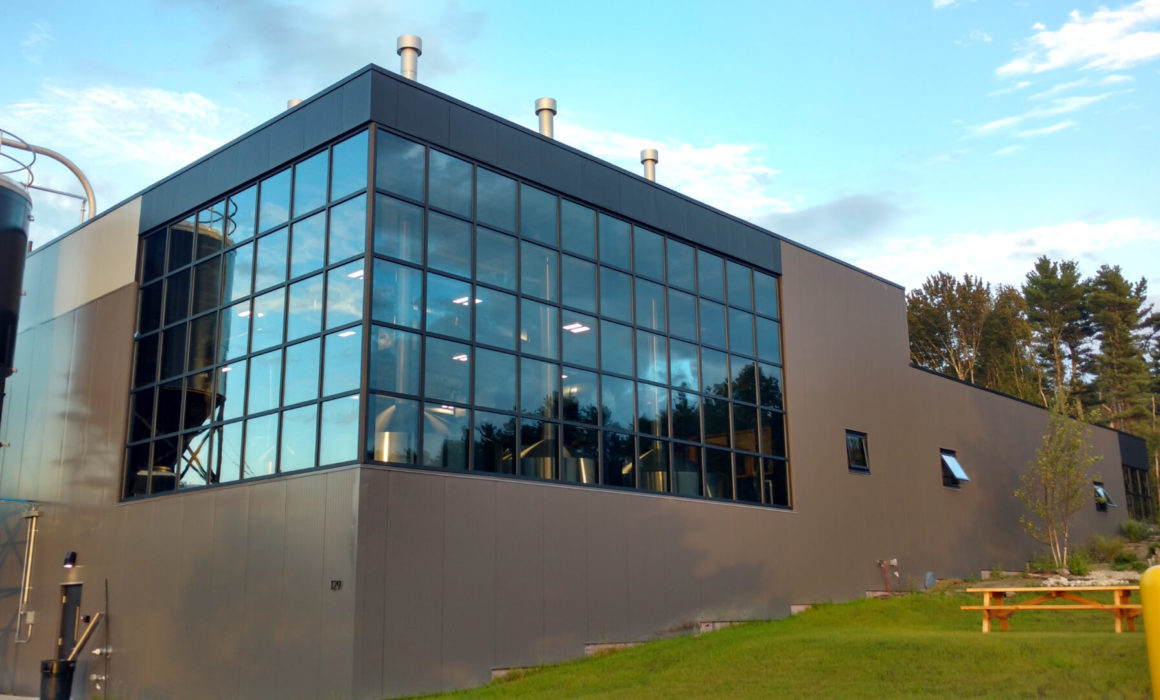
[sps_html tag=”img” src=”https://cdn.northcarolinafinearchitecture.com/2026/06/curtain-wall-in-curtain-wall-design.jpg” alt=”Curtain Wall in Curtain Wall Design” style=”width: 100%; height: auto;”]
[sps_html tag=”img” src=”https://cdn.northcarolinafinearchitecture.com/2026/06/facade-cladding-spider-structural-glass-curtain-wall-system-china-intended-for-beyond-the-glass-skin-how-modern-curtain-walls-define-2026-architecture.jpg” alt=”Facade Cladding Spider Structural Glass Curtain Wall System - China … intended for Beyond the Glass Skin How Modern Curtain Walls Define 2026 Architecture” style=”width: 100%; height: auto;”]