You’ve probably seen them hanging from bridge cables, securing stage lights, or holding up the mast on a sailboat. They look simple enough—just a metal barrel with hooks or eyes on the ends. But inside that unassuming cylinder lies a clever bit of engineering that has kept structures stable for over a century. It’s the turnbuckle. And if you’ve ever tried to tighten one only to find it spinning freely or, worse, stripping the threads, you know that there’s more to these devices than meets the eye.
Most people think of a turnbuckle as just a tensioner. Twist it, it gets tighter. Simple, right? Well, not quite. The magic—and the danger—lies in the details. Specifically, the direction of the threads and the shape of the body. Get these wrong, and you’re not just looking at a loose cable; you’re looking at a potential safety hazard. In 2026, as industrial standards tighten and materials evolve, understanding these nuances isn’t just for engineers. It’s for anyone who relies on things staying put.
Let’s pull back the curtain on this humble hardware hero. We’re going to talk about why one end twists left and the other right, how the body shape changes what you can do with it, and why ignoring these details can lead to catastrophic failure. It’s time to respect the turnbuckle.
The Dance of Opposing Threads
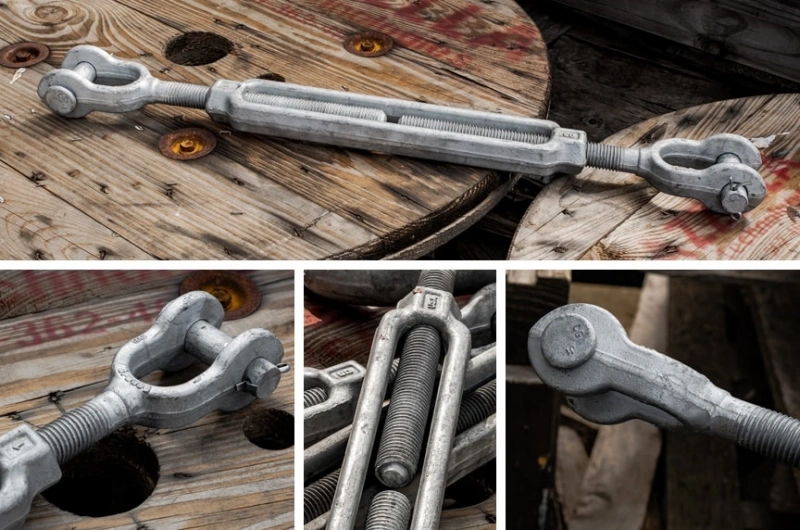
At the heart of every turnbuckle is a simple but brilliant concept: opposing threads. One end of the internal barrel has right-hand threads (the standard "righty-tighty" direction), and the other has left-hand threads ("lefty-tighty"). When you rotate the central body, both ends move inwards or outwards simultaneously. This is what allows you to adjust tension without having to unhook anything.
Think about it. If both ends had right-hand threads, turning the body would tighten one side while loosening the other. You’d get nowhere. The opposing threads ensure that the total length of the assembly changes uniformly. Clockwise rotation shortens the unit, pulling the connected cables tighter. Counter-clockwise lengthens it, releasing tension. This symmetry is critical for balanced loading.
But here’s where it gets tricky for beginners. You can’t just grab any wrench and start cranking. You need to know which way is "tight." In most industrial applications, clockwise is tight. But if you’re working in a confined space or using a specific type of rigging, the orientation matters. Misidentifying the thread direction can lead to accidental loosening when you meant to tighten. Always verify the thread pitch and direction before applying load. It’s a small step that saves big headaches.
Reading the Body: Jaw, Eye, and Hook Configurations
The body of the turnbuckle isn’t just a handle; it’s the structural core that transfers all the tension. And how it connects to your rigging matters immensely. The three most common end fittings are jaws, eyes, and hooks. Each has its place, and mixing them up is a classic rookie mistake.
Jaw ends are the workhorses of industrial rigging. They use a clevis pin to connect to a fixed point, providing a secure, non-slip attachment. This is crucial for permanent or semi-permanent installations like bridge suspensions or building bracing. The pin prevents the turnbuckle from detaching under vibration. If you’re dealing with high loads or safety-critical applications, jaws are usually the go-to choice.
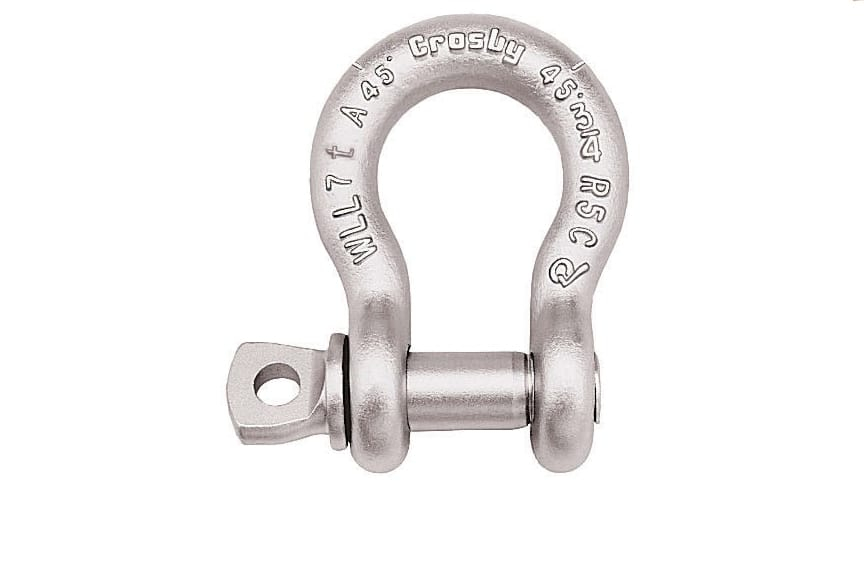
Eye ends, on the other hand, offer flexibility. They allow the turnbuckle to swivel, which can be helpful if the connected cables aren’t perfectly aligned. However, they require a shackle or another connector, adding another potential failure point. Hooks are the easiest to install but the least secure. They’re great for temporary setups, like stage rigging or tent poles, where quick adjustment is needed. But never use a hook for a permanent load unless it’s moused (secured with wire) to prevent accidental disengagement.
Material Matters: Steel, Stainless, and Galvanized Choices
In 2026, material science has given us stronger, more corrosion-resistant options, but the basics remain the same. The body and threads must be made from material that can handle the tensile load without stretching or breaking. Carbon steel is the standard for general industrial use. It’s strong, cheap, and readily available. But it rusts. So, if you’re outdoors or in a humid environment, you need protection.
Galvanized steel is the next step up. The zinc coating provides a barrier against moisture, extending the life of the turnbuckle. It’s a common choice for construction and marine applications where salt spray is a concern. However, galvanization can add thickness to the threads, so you need to ensure proper fit with mating components. Don’t force a galvanized turnbuckle onto a non-galvanized rod; the tolerances might be off.
Stainless steel is the premium option. It offers excellent corrosion resistance and maintains its strength over time. It’s ideal for food processing, chemical plants, or high-end marine rigs. But it’s also more expensive and can be prone to galling (thread seizing) if not lubricated properly. In recent years, we’ve seen advancements in coated alloys that offer the strength of carbon steel with the resistance of stainless, bridging the gap for budget-conscious projects.
The Physics of Adjustment: Pitch, Length, and Load
How much does one turn actually tighten your cable? That depends on the thread pitch. Pitch is the distance between threads. A coarse pitch (fewer threads per inch) means the turnbuckle adjusts quickly but with less precision. A fine pitch (more threads per inch) offers precise control but requires more turns to achieve the same length change.
For heavy industrial loads, fine threads are often preferred because they distribute the load over more thread engagement, reducing the risk of stripping. But they take longer to adjust. In emergency situations or quick-setup scenarios, coarse threads might be better. It’s a trade-off between speed and precision.
Length is another factor. The "take-up" range—the amount the turnbuckle can shorten or lengthen—is limited by the length of the threaded rods. You need to calculate your required adjustment range before selecting a size. A common error is buying a turnbuckle that’s too short, leaving no room for future adjustments. Always leave some thread exposed on both ends when fully tightened. This ensures you have room to loosen it later if needed.
Safety First: Locking, Inspection, and Common Pitfalls
A turnbuckle under load is a stored energy device. If it fails, it snaps back with dangerous force. That’s why locking mechanisms are non-negotiable. Once you’ve achieved the desired tension, you must secure the body to prevent it from rotating loose due to vibration or thermal expansion. Lock nuts, safety wires, or cotter pins are standard practices. In 2026, smart sensors are beginning to appear on high-end rigging, alerting users to tension changes, but mechanical locking remains the primary safeguard.
Inspection is equally critical. Look for signs of wear, corrosion, or deformation. Cracks in the body or stripped threads are immediate red flags. Never use a turnbuckle that shows signs of distress. Also, avoid using "cheater bars" (pipe extensions) on wrenches to gain leverage. This can overload the threads and distort the body, leading to sudden failure. Use the correct tool for the job.
One common pitfall is over-tightening. It’s tempting to crank it down as hard as possible, but this can exceed the yield strength of the material. Follow the manufacturer’s torque specifications. If you don’t have them, use a tension meter to measure the actual load in the cable. Guessing is not a strategy.
Real-World Applications: From Bridges to Stages
So, where do you see these principles in action? Everywhere. Take suspension bridges. The main cables are held in place by massive turnbuckles that allow engineers to fine-tune the tension during construction and maintenance. The opposing threads ensure that adjustments are balanced, keeping the bridge deck level.
In the entertainment industry, stage rigging relies on turnbuckles to hang lights, speakers, and scenery. Here, speed and ease of use are key, so hook-and-eye configurations are common. But safety is paramount, so every connection is double-checked and locked. A falling light fixture isn’t just an inconvenience; it’s a liability.
Even in your backyard, you might find turnbuckles securing a fence or supporting a clothesline. The principles are the same, even if the scale is smaller. Understanding how they work helps you maintain these structures safely. In 2026, as DIY culture grows, knowing the difference between a jaw and a hook end can save you from a weekend project gone wrong.
Turnbuckles are deceptively simple. But their simplicity hides a complex interplay of physics, material science, and mechanical design. By understanding thread direction, body configuration, and material choices, you can ensure that your rigging is safe, effective, and durable.
Don’t treat them as an afterthought. Choose the right type for the job. Inspect them regularly. Lock them securely. And remember, a little knowledge goes a long way in preventing accidents. Whether you’re building a bridge or hanging a hammock, the rules of tension apply.
So next time you reach for a turnbuckle, take a second to appreciate the engineering inside. It’s a small piece of metal, but it’s holding a lot together. Treat it with respect, and it’ll serve you well.
[sps_html tag=”img” src=”https://cdn.northcarolinafinearchitecture.com/2026/05/turnbuckle-inspection-steps-for-asme-b30-26-compliance-with-turnbuckle-design.webp” alt=”Turnbuckle Inspection Steps For Asme B30.26 Compliance with Turnbuckle Design” style=”width: 100%; height: auto;”]
[sps_html tag=”img” src=”https://cdn.northcarolinafinearchitecture.com/2026/05/asme-b30-26-shackle-inspection-requirements-best-practices-for-use-intended-for-how-asme-b30-26-safety-factors-redefine-modern-turnbuckle-load-ratings-in-2026.jpg” alt=”Asme B30.26 Shackle Inspection Requirements & Best Practices For Use intended for How ASME B30.26 Safety Factors Redefine Modern Turnbuckle Load Ratings in 2026″ style=”width: 100%; height: auto;”]
[sps_html tag=”img” src=”https://cdn.northcarolinafinearchitecture.com/2026/05/asme-b30-26-2015-pdf-with-regard-to-turnbuckle-design.jpg” alt=”Asme B30.26-2015 | Pdf with regard to Turnbuckle Design” style=”width: 100%; height: auto;”]
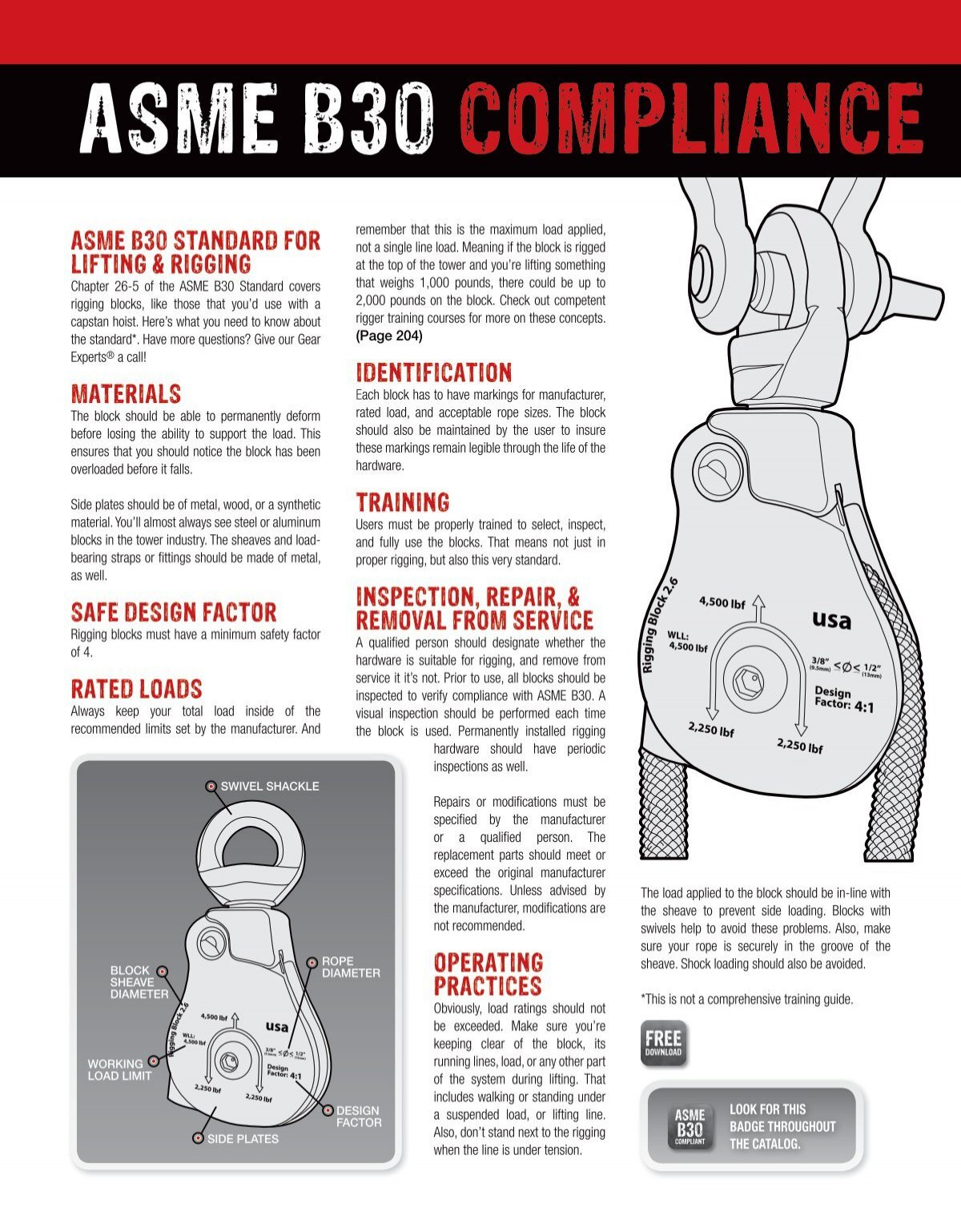
[sps_html tag=”img” src=”https://cdn.northcarolinafinearchitecture.com/2026/05/asme-b30-compliance-asme-for-how-asme-b30-26-safety-factors-redefine-modern-turnbuckle-load-ratings-in-2026.jpg” alt=”Asme B30 Compliance Asme for How ASME B30.26 Safety Factors Redefine Modern Turnbuckle Load Ratings in 2026″ style=”width: 100%; height: auto;”]
[sps_html tag=”img” src=”https://cdn.northcarolinafinearchitecture.com/2026/05/asme-b30-26-resources-mazzella-companies-inside-turnbuckle-design.jpg” alt=”Asme B30.26 Resources » Mazzella Companies inside Turnbuckle Design” style=”width: 100%; height: auto;”]