Ever walked into a basement that smelled like old gym socks? Or noticed peeling paint on your exterior walls after just one rainy season? We often blame the roof or the gutters. But the real culprit might be something you can’t even see. It’s called permeability. And if you’re building, renovating, or just trying to keep your current house standing, it’s arguably the most important concept you’re ignoring.
Most folks think of their home as a solid box. A fortress against the elements. But here’s the thing: houses need to breathe. Just like we do. If you seal a home up too tight without understanding how moisture moves, you aren’t keeping the bad stuff out. You’re trapping it inside. And that’s where the rot starts. In 2026, with energy codes getting stricter and weather patterns getting weirder, getting this right isn’t just about comfort. It’s about survival of your investment.
So, what exactly is permeability? In simple terms, it’s the ability of a material to let water vapor pass through it. Not liquid water—rain stays out, hopefully—but the invisible mist that floats in the air. This tiny distinction changes everything. It determines whether your walls dry out after a storm or turn into a sponge for mold. Let’s dig into why this matters more than you think.
The Invisible Enemy: How Moisture Moves
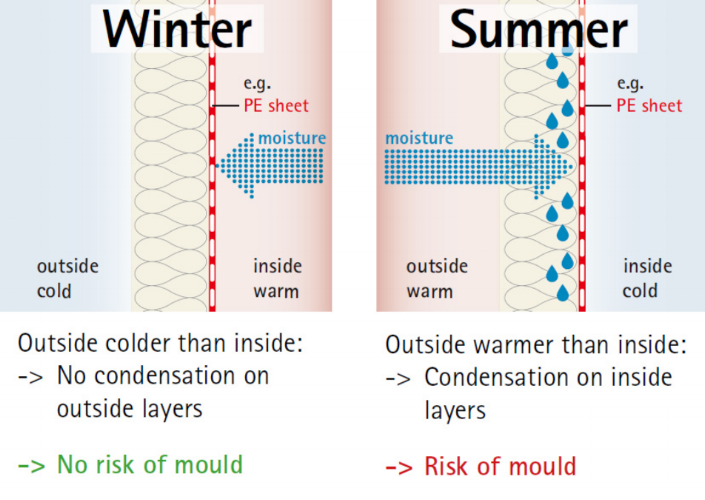
Water is sneaky. It doesn’t just fall from the sky. It lives in the air around us. Every time you shower, cook pasta, or even just breathe, you’re adding moisture to your home’s interior. In the winter, that warm, moist air inside wants to move to the cold, dry air outside. In the summer, especially in humid climates, the reverse happens. Hot, humid air pushes its way in.
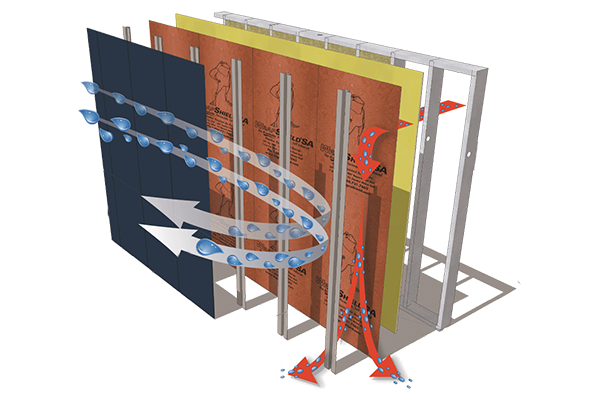
This movement is driven by physics. Specifically, vapor pressure differences. If your building materials don’t allow this vapor to pass through—or "permeate"—it hits a barrier. Imagine blowing up a balloon until it pops. That’s what happens inside your wall cavities when vapor gets trapped. It condenses into liquid water on the back side of your siding or the inside of your drywall. And once it’s liquid, game over. Wood rots. Insulation loses its R-value. Mold spores throw a party.
Understanding this flow is step one. You have to know where the water is coming from and where it wants to go. It’s not enough to just slap on a plastic sheet and call it a day. In fact, that old-school approach is exactly why so many homes built in the 90s and early 2000s are failing now. They were sealed too tight on the wrong side. The key isn’t blocking moisture entirely. It’s managing its path. You want it to get out, not get stuck.
Perm Ratings: Decoding the Numbers
You’ll hear contractors talk about "perms." It sounds like a haircut from the 80s, but it’s actually a unit of measurement. One perm is defined as one grain of water vapor passing through one square foot of material per hour, per inch of mercury pressure difference. Confusing? Yeah, a bit. But you don’t need to memorize the formula. You just need to know the categories.
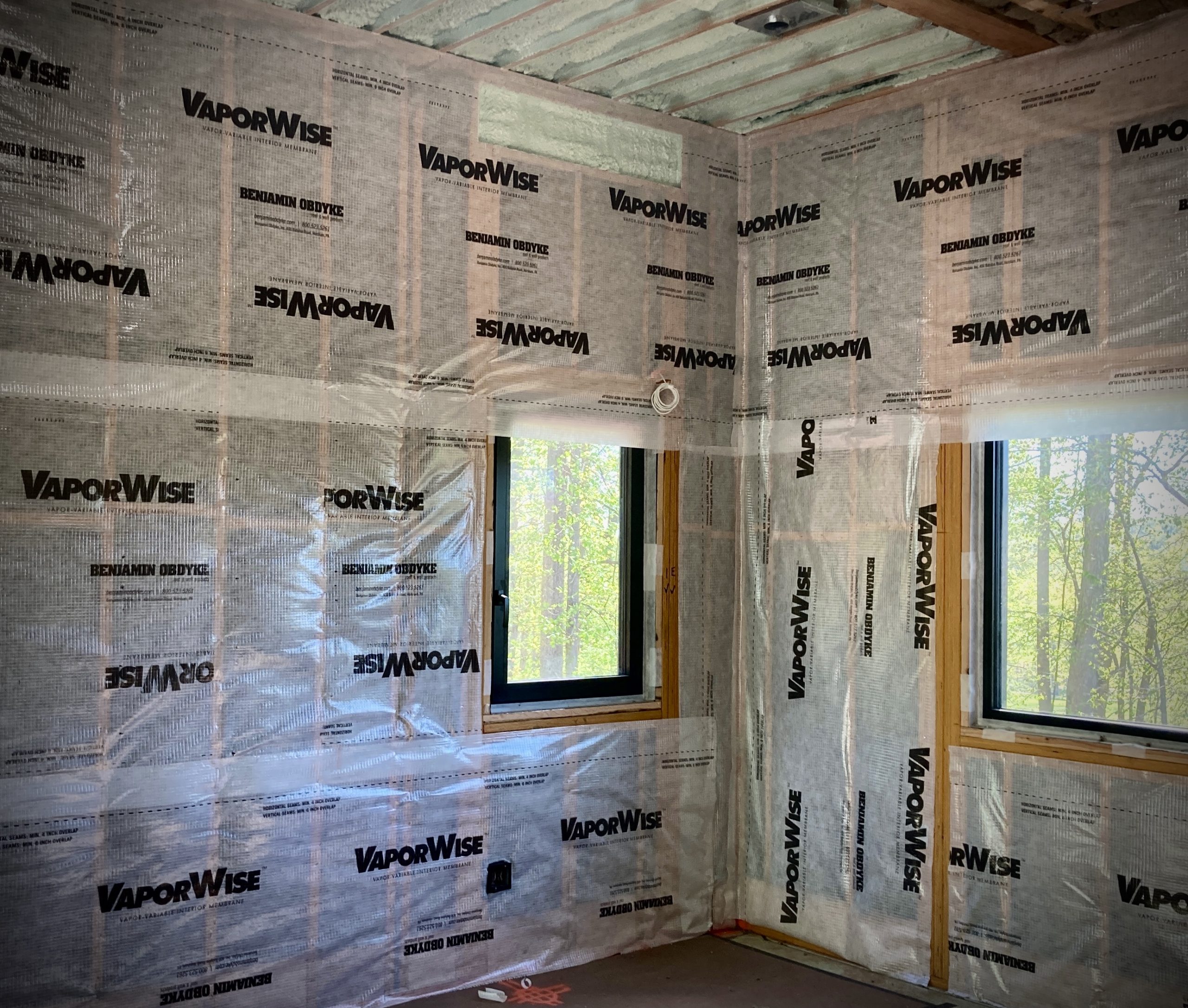
Materials are generally grouped into three classes based on their permeability. Class I vapor retarders (like polyethylene sheeting or aluminum foil) have a perm rating of less than 0.1. These are essentially impermeable. Class II retarders (like kraft paper facing on insulation) range from 0.1 to 1.0 perms. These are semi-permeable. Then you have Class III materials (like latex paint or certain housewraps) which range from 1.0 to 10 perms. These are considered vapor permeable.
Why does this matter? Because picking the wrong class for your climate zone is a disaster waiting to happen. In a cold climate like Minnesota, you want the vapor retarder on the inside (warm side) to stop indoor moisture from hitting the cold sheathing. But in a hot, humid place like Florida, you want the wall to be able to dry to the inside. If you put a Class I barrier on the inside there, you’re trapping all that AC-induced condensation in your walls. Always check the perm rating before you buy. Don’t just guess.
The Housewrap Debate: To Wrap or Not to Wrap?
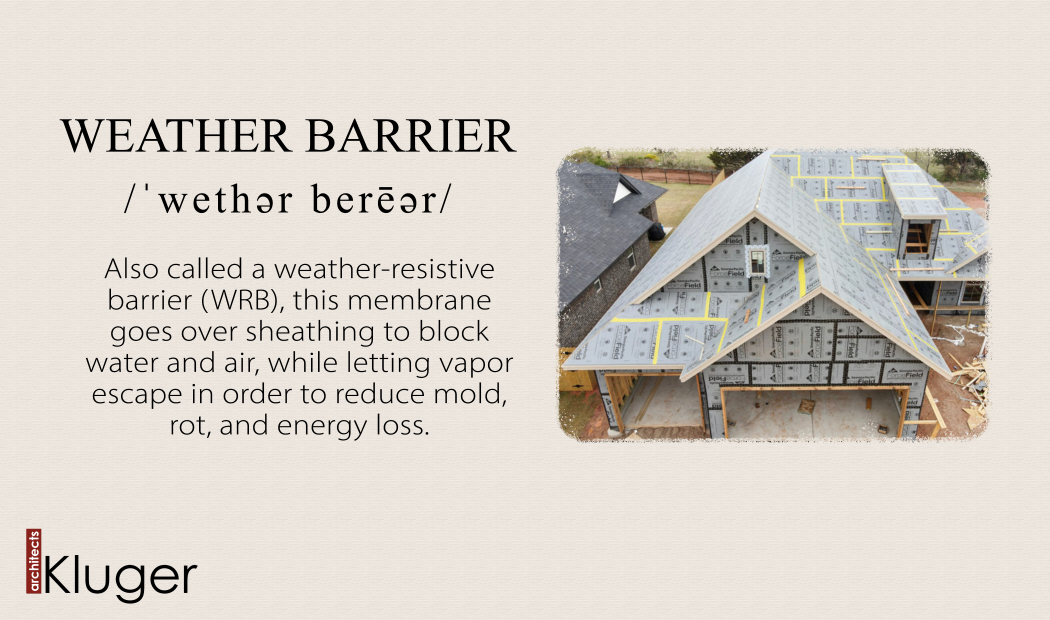
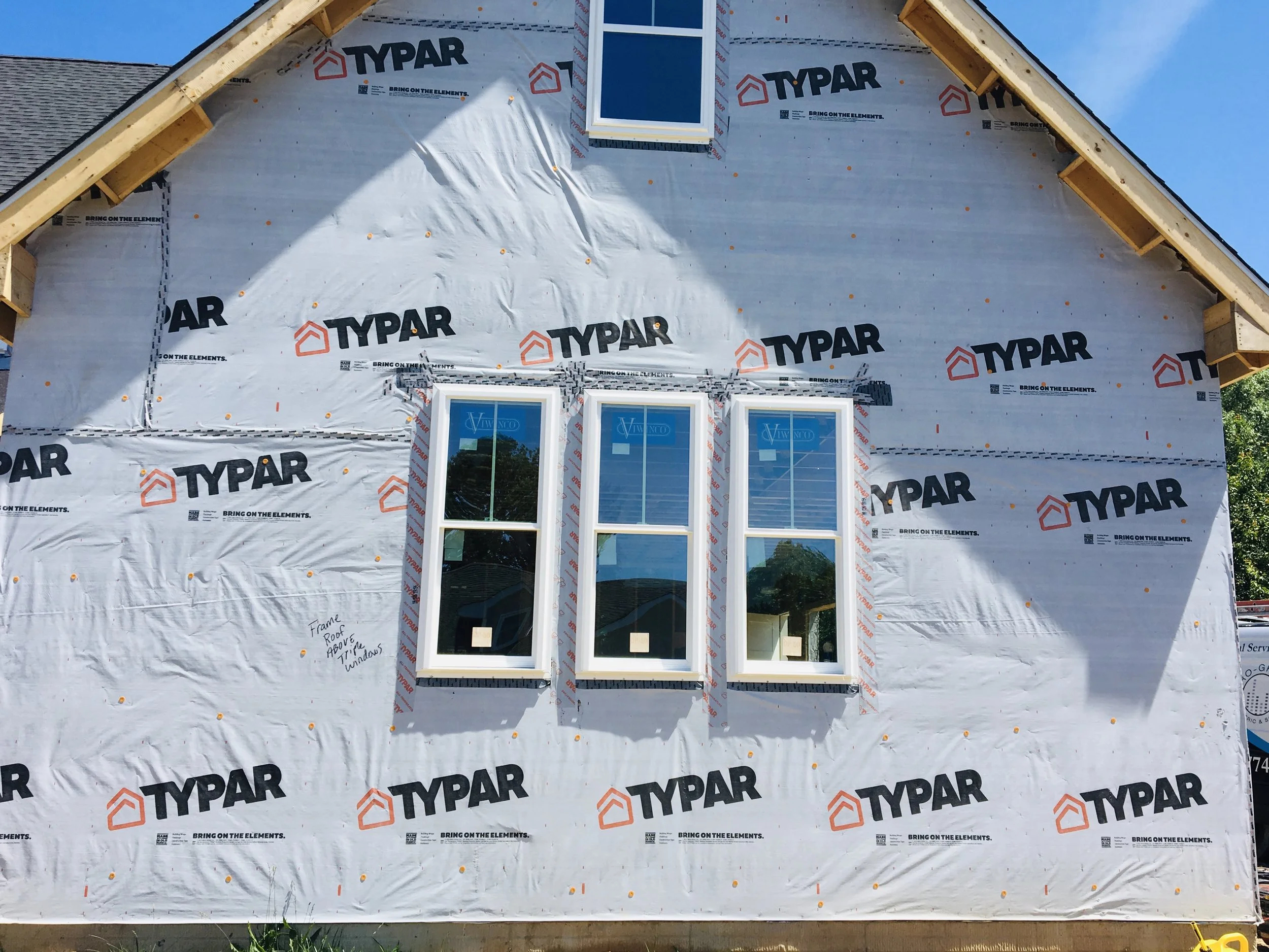
Housewrap has become standard in modern construction, but it’s also one of the most misunderstood products. Its job is twofold: keep liquid water (rain) out and let water vapor escape. This is where the concept of "breathability" comes in. A good housewrap is like a Gore-Tex jacket for your house. It stops the rain but lets sweat evaporate.
Not all wraps are created equal. Some older asphalt-impregnated felts (tar paper) have low permeability. They work, but they don’t dry out quickly if they get wet. Modern synthetic wraps, like Tyvek or similar spun-bonded olefin products, have high permeability. They allow walls to dry rapidly. This is crucial because walls will get wet. During construction, before the roof is on, rain gets in. Leaks happen. A high-perm wrap ensures that when the sun comes out, the moisture leaves.
But here’s the catch: installation matters more than the brand. If you don’t tape the seams properly, or if you leave huge gaps around windows, the wrap fails. Air leakage carries way more moisture than vapor diffusion does. So, while permeability is key, air sealing is the partner crime-fighter. You need both. A permeable wrap with poor air sealing is like wearing a raincoat with the zipper open. You’re still gonna get soaked.
Siding and Sheathing: The Outer Skin
Your siding isn’t just for looks. It’s the first line of defense. And its permeability plays a huge role in how your wall assembly performs. Vinyl siding, for instance, is somewhat permeable. It has gaps and holes that allow some airflow and drying. Brick veneer is highly permeable but holds water, so it needs a drainage plane behind it. Stucco can be tricky—if it cracks, water gets in and stays there if the underlying layers aren’t permeable enough to let it out.
Then there’s the sheathing. This is the layer nailed to your studs. Traditional plywood and OSB (oriented strand board) have low permeability when they get wet. They swell and can take a long time to dry. Newer products like fiberboard or gypsum sheathing have higher permeability. They allow moisture to pass through more easily, reducing the risk of rot at the stud level.
In 2026, we’re seeing a shift toward "smart" sheathing and integrated systems. These materials adjust their permeability based on humidity levels. When it’s dry, they resist vapor flow to keep conditioned air in. When it’s humid, they open up to let moisture escape. It’s pretty cool tech. But even with smart materials, the principle remains: the outer layers should generally be more permeable than the inner layers in mixed climates. This ensures that any water that gets in can find its way back out. Don’t trap it.
Foundations and Soil: The Ground Beneath You
We usually talk about permeability regarding walls, but it starts at the bottom. The soil around your foundation has its own permeability profile. Clay soil, for example, has very low permeability. It holds water like a bathtub. If you have clay soil and poor drainage, water sits against your foundation walls. Hydrostatic pressure builds up. Cracks form. Water seeps into your basement.
Sand and gravel, on the other hand, have high permeability. Water flows through them quickly. This is why we use gravel drains around foundations. To move water away fast. But if your drainage layer gets clogged with silt or dirt over time, its permeability drops. Suddenly, that French drain is just a damp ditch. Maintenance matters.
Inside the slab, concrete is porous. It wicks moisture from the ground up through capillary action. This is why you need a vapor barrier under your slab. A thick polyethylene sheet (Class I retarder) stops ground moisture from rising into your living space. Without it, your hardwood floors might cup, and your carpet could smell musty. Don’t skip the underslab vapor barrier. It’s cheap insurance against a wet, miserable basement.
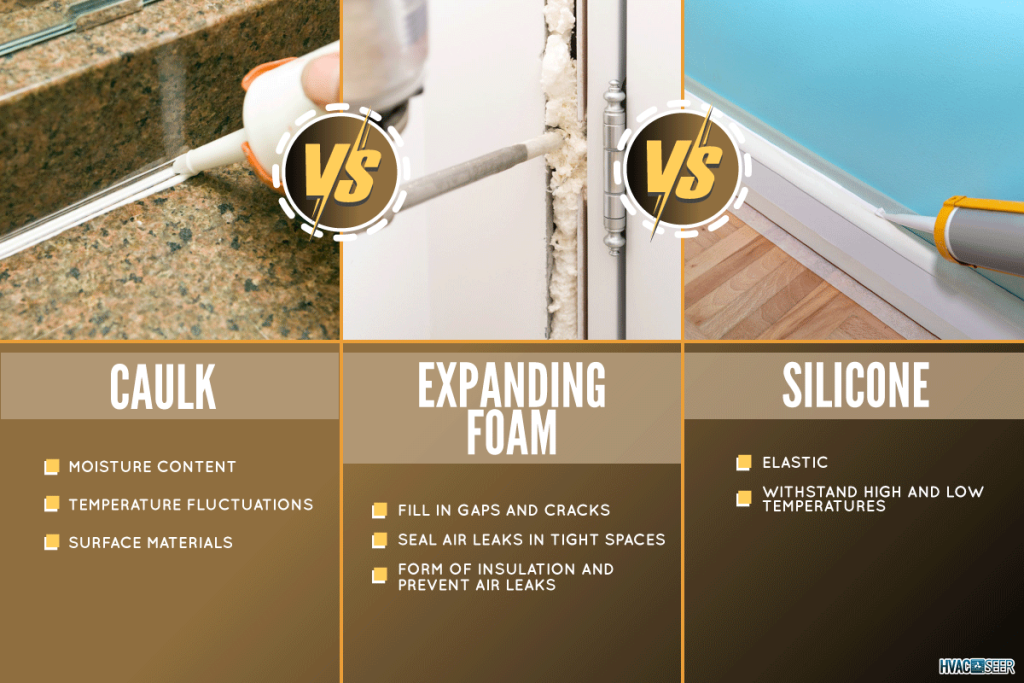
Okay, so you’ve got a existing home. Maybe it’s not perfect. What can you do? First, inspect your exterior. Look for signs of moisture damage. Peeling paint is a big red flag. It means water is getting behind the siding and can’t get out. Check your caulking around windows and doors. If it’s cracked, replace it. Air leaks are moisture highways.
Second, look at your ventilation. Bathrooms and kitchens need exhaust fans that vent outside, not into the attic. Run them during and after showers or cooking. This removes moisture at the source. In humid climates, consider a whole-house dehumidifier. It takes the load off your AC and keeps indoor humidity in the safe zone (30-50%).
Third, if you’re renovating, think about permeability before you pick materials. Don’t put vinyl wallpaper over drywall in a bathroom. It traps moisture. Use breathable paints. If you’re adding insulation, make sure you aren’t creating a double vapor barrier. For example, don’t put foam board on the exterior AND polyethylene on the interior. Pick one strategy and stick to it. When in doubt, consult a building scientist or a knowledgeable contractor. It’s worth the fee to avoid tearing out walls later.
Permeability isn’t sexy. It doesn’t show up in Instagram photos of kitchen remodels. But it’s the backbone of a healthy home. Ignoring it leads to expensive repairs and health issues. Embracing it leads to durability and comfort. So next time you’re making a decision about your house, ask yourself: "How will this handle moisture?" If the answer involves trapping it, rethink your plan. Let your home breathe. It’ll thank you for it.
[sps_html tag=”img” src=”https://cdn.northcarolinafinearchitecture.com/2026/06/vapor-retarders-vs-air-vapor-weather-barriers-regarding-weather-barrier-design-scaled.jpeg” alt=”Vapor Retarders Vs Air, Vapor, & Weather Barriers regarding Weather Barrier Design” style=”width: 100%; height: auto;”]
[sps_html tag=”img” src=”https://cdn.northcarolinafinearchitecture.com/2026/06/bsd-104-understanding-air-barriers-buildingscience-com-intended-for-weather-barrier-design.jpg” alt=”Bsd-104: Understanding Air Barriers | Buildingscience.com intended for Weather Barrier Design” style=”width: 100%; height: auto;”]
[sps_html tag=”img” src=”https://cdn.northcarolinafinearchitecture.com/2026/06/sustainability-matters-air-barriers-studio-upwall-architects-for-weather-barrier-design.png” alt=”Sustainability Matters: Air Barriers — Studio Upwall Architects for Weather Barrier Design” style=”width: 100%; height: auto;”]
[sps_html tag=”img” src=”https://cdn.northcarolinafinearchitecture.com/2026/06/air-barriers-vs-vapor-barriers-you-need-to-know-the-difference-youtube-with-regard-to-weather-barrier-design.jpg” alt=”Air Barriers Vs Vapor Barriers | You Need To Know The Difference - Youtube with regard to Weather Barrier Design” style=”width: 100%; height: auto;”]
[sps_html tag=”img” src=”https://cdn.northcarolinafinearchitecture.com/2026/06/layers-of-the-building-sheathing-weather-barrier-furring-cladding-with-regard-to-the-hidden-difference-between-air-and-weather-barriers.png” alt=”Layers Of The Building: Sheathing, Weather Barrier, Furring & Cladding … with regard to The Hidden Difference Between Air and Weather Barriers” style=”width: 100%; height: auto;”]