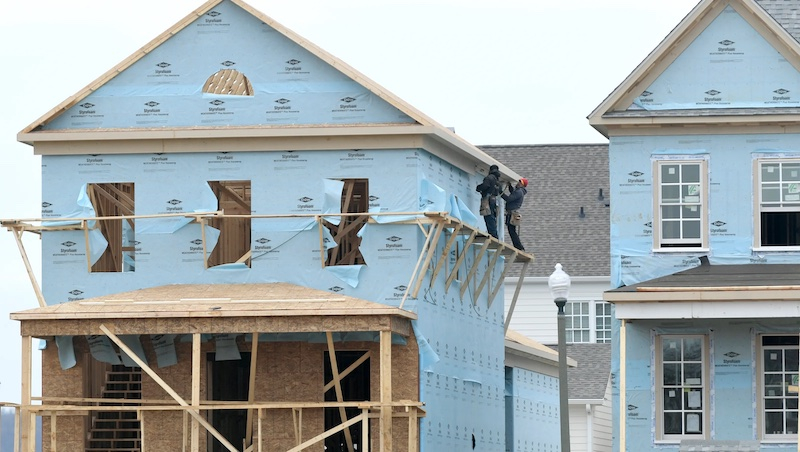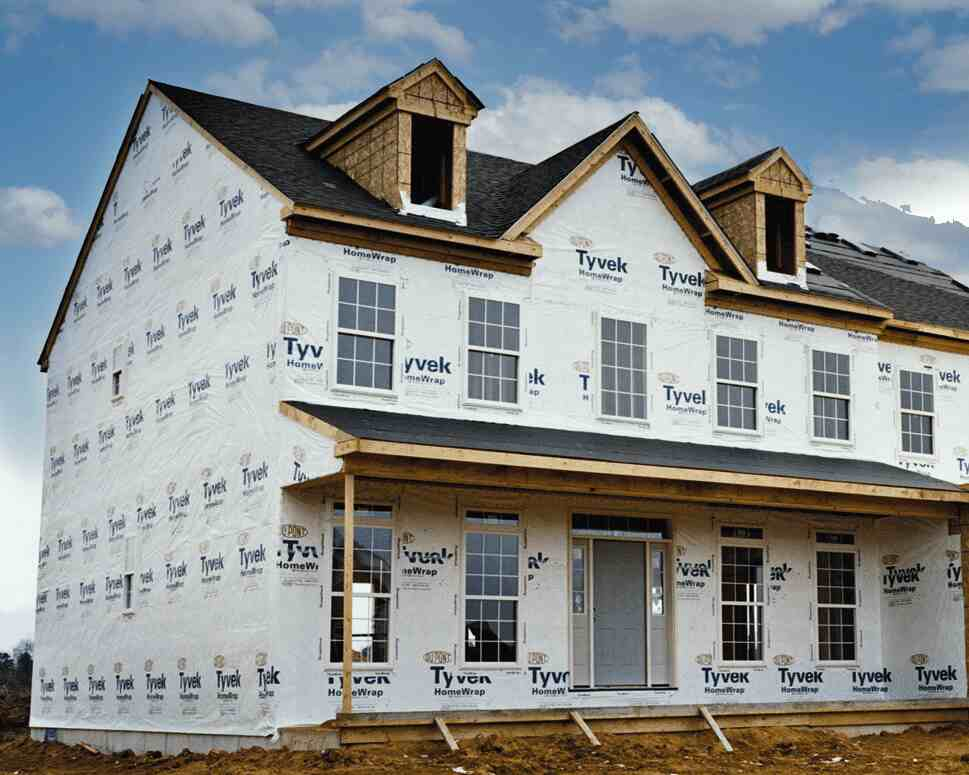
You walk into a new construction site. It smells like fresh pine and sawdust. The framing is straight, the roof is on, and everything looks crisp. But there’s a secret hiding behind those walls. A secret that could cost you tens of thousands of dollars in repairs five years from now. It’s not the siding. It’s not the windows. It’s the thin, often overlooked layer known as the water-resistive barrier (WRB).
Most people think the siding keeps the rain out. That’s a myth. Siding is just the first line of defense, sure, but it’s leaky by design. Wind-driven rain gets behind it. Ice dams push water up under it. The real hero—the thing that actually keeps your house dry—is that flimsy-looking paper or plastic sheeting stapled to the sheathing. And here’s the kicker: it’s probably installed wrong.
We’ve seen it too many times in 2026. Homes that look perfect on the outside are rotting from the inside out. Why? Because the WRB was treated like an afterthought. A quick wrap-up job before the siding crew arrives. But water doesn’t care about your schedule. Water finds the path of least resistance. And if your contractor made one of these common blunders, that path leads straight into your wall cavity.
The Myth of "Good Enough" Overlap
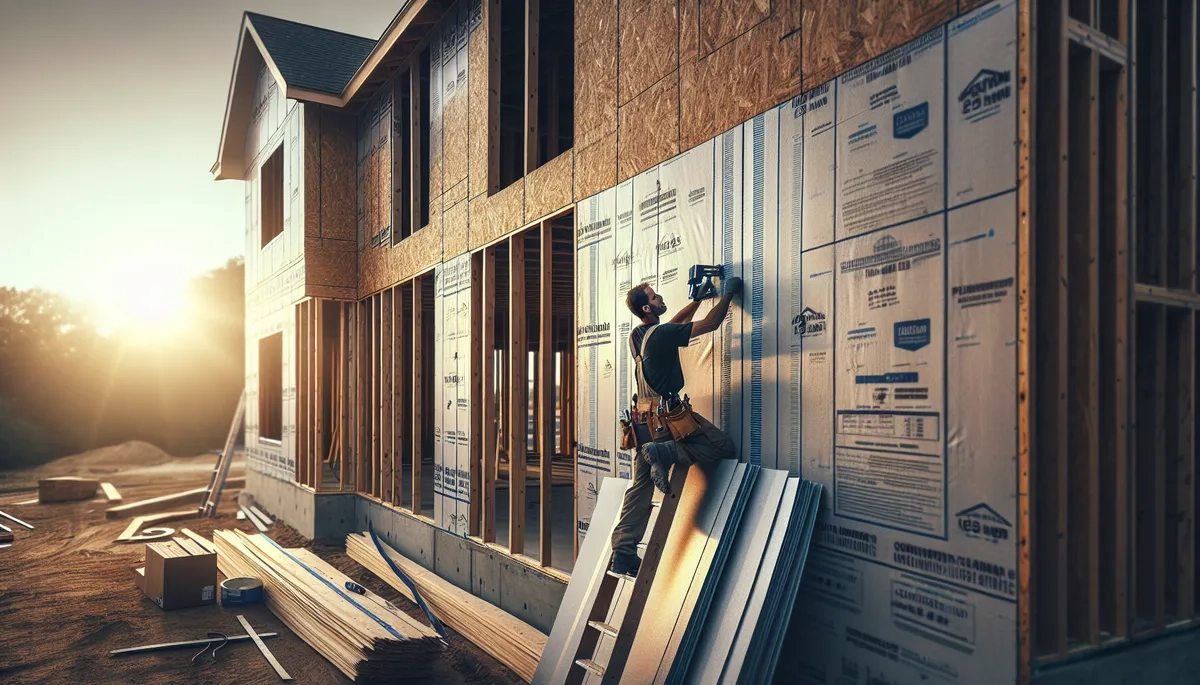
Let’s talk about laps. Specifically, the horizontal and vertical seams where one sheet of house wrap meets another. This is where things go sideways. Literally. The rule is simple: shingle it. Just like roof shingles, each upper layer should overlap the lower layer. Gravity is your friend here. Water runs down. If the top sheet overlaps the bottom one, water flows over the seam and away from the house. Simple, right?
But watch a crew on a tight deadline. They’re rushing. Maybe it’s windy. Maybe they’re tired. They install the bottom row, then the top row, but they forget to tuck the top sheet over the bottom one properly. Or worse, they butt the edges together and slap a piece of tape over it. Tape is not a magic fix. Tape fails. Adhesives degrade in UV light, heat, and cold. In five years, that tape is brittle dust. And now you have a direct channel for water to enter your wall.
Vertical laps are just as critical. They need to overlap towards the corners, away from the center of the wall, or follow the manufacturer’s specific instructions. But often, contractors just run the wrap straight up and down, leaving gaps or relying solely on staples. Staples create holes. Hundreds of them. Each one is a potential leak point if not sealed. And if the lap isn’t wide enough—usually at least six inches for horizontal seams—you’re asking for trouble. Wind can drive rain sideways, up, and even backwards. A narrow lap won’t stop it.
Taping Tears and Holes Like It’s Duct Tape Season
Here’s a scene we see all the time. The wrap is up. But during the window installation, someone trips. Or a ladder leans against it. Or a piece of siding gets dragged across it. Rip. Tear. Hole. No big deal, right? Just grab the tape.
Wrong.
Not all tears are created equal. A small puncture from a staple gun? Sure, tape it. But a three-inch gash? That needs a patch. A proper patch means using the same WRB material, cutting a piece larger than the hole, and taping all four edges. Not just slapping a strip of tape over the rip. And don’t use duct tape. Or masking tape. Or whatever random roll is lying in the truck bed. Use the manufacturer’s recommended tape. It’s designed to bond with the specific chemistry of that wrap. Using the wrong tape is like putting a band-aid on a broken leg. It might hold for a week, but it’s not fixing the problem.
And let’s be honest. How many contractors actually carry the right tape? Many don’t. They improvise. They use cheap, generic flashing tape that loses its stickiness after a few months. By the time the homeowner notices a stain on the drywall, the damage is done. The sheathing is soft. The studs are wet. Mold is growing. All because someone couldn’t be bothered to use the correct patching method.
Window Flashing: The Silent Killer
If there’s one place where water intrusion happens most often, it’s around the windows. Windows are holes in your wall. Big holes. And sealing them properly is an art form that many contractors have forgotten. Or never learned.
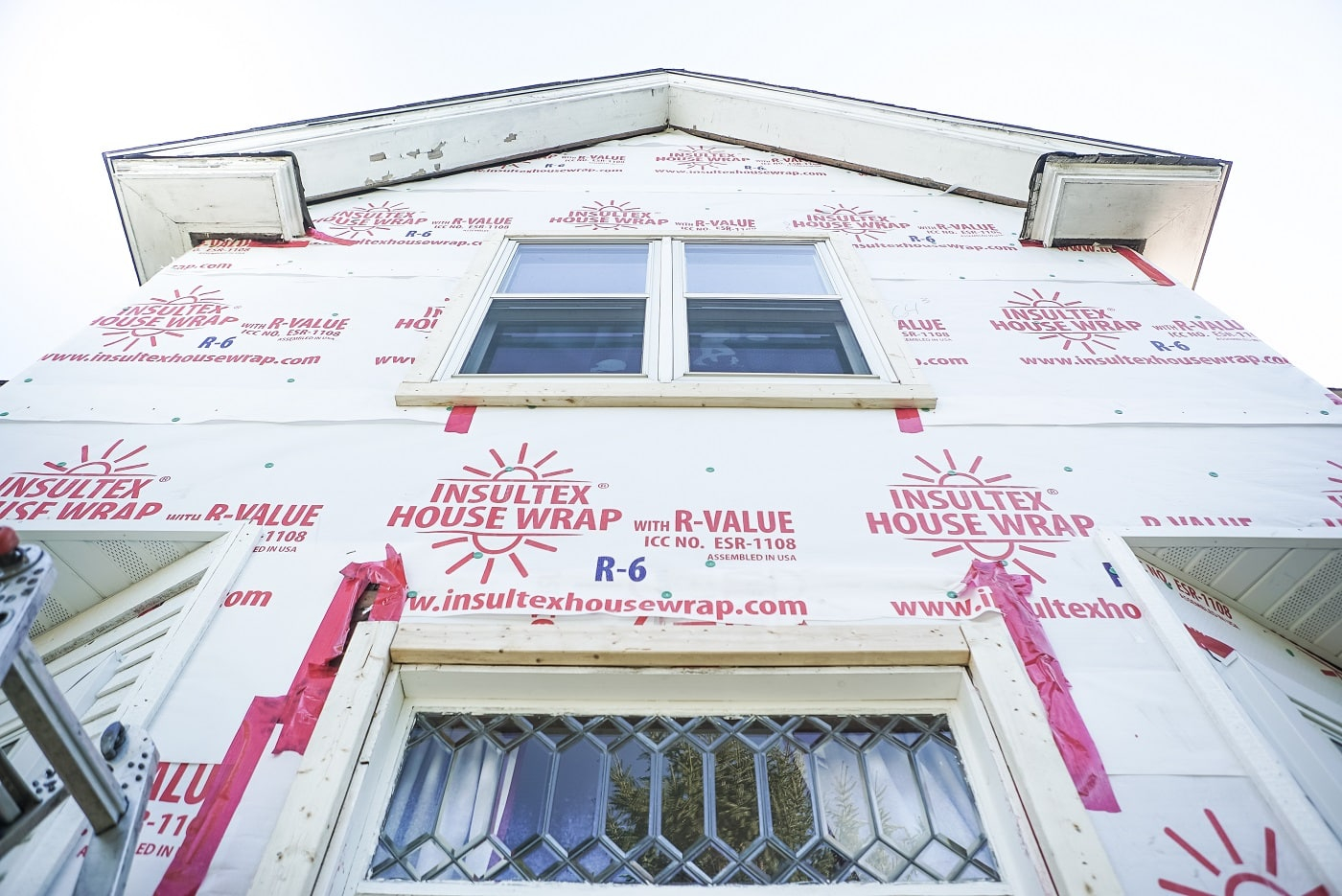
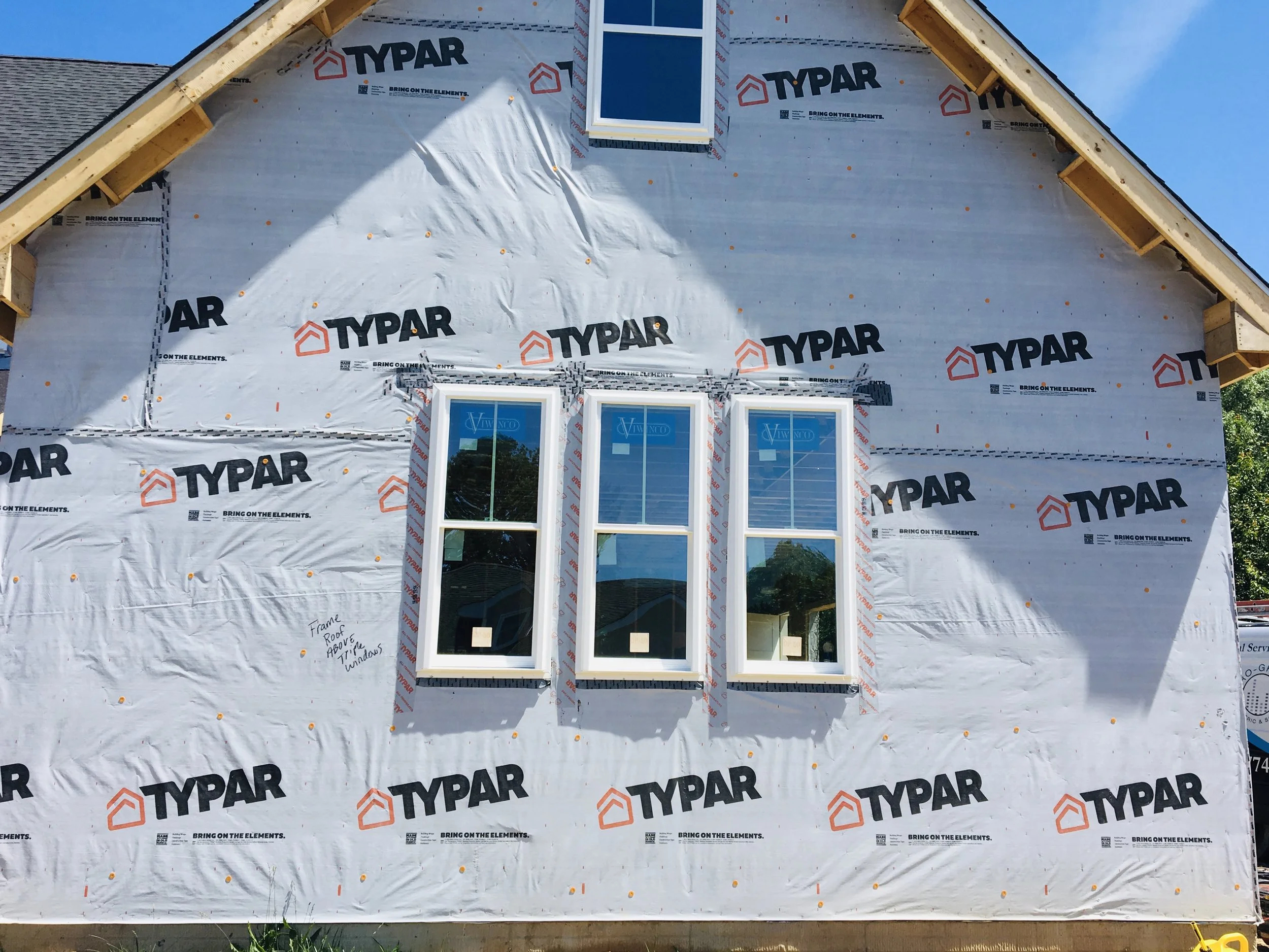
The biggest mistake? Installing the window flange over the house wrap instead of integrating it. Think about it. If the window flange sits on top of the wrap, any water that gets behind the wrap (and it will) hits the flange and has nowhere to go but into the wall. The correct method is to cut the wrap in a specific pattern—often called an "I-cut" or "Z-cut"—and fold the flaps back. Then, you install the window. Then, you seal the flange to the sheathing or the wrap using a liquid-applied membrane or high-quality flashing tape. Finally, you fold the wrap flaps back over the flange and tape them down.
This creates a shingled effect. Water hitting the wrap flows down. Water hitting the window flange flows down. Everything directs water outward and downward. But skip a step? Fold the wrap wrong? Forget the liquid membrane? You’ve just created a bucket. A bucket that catches every drop of rain that sneaks past the siding. And that bucket is sitting inside your wall.
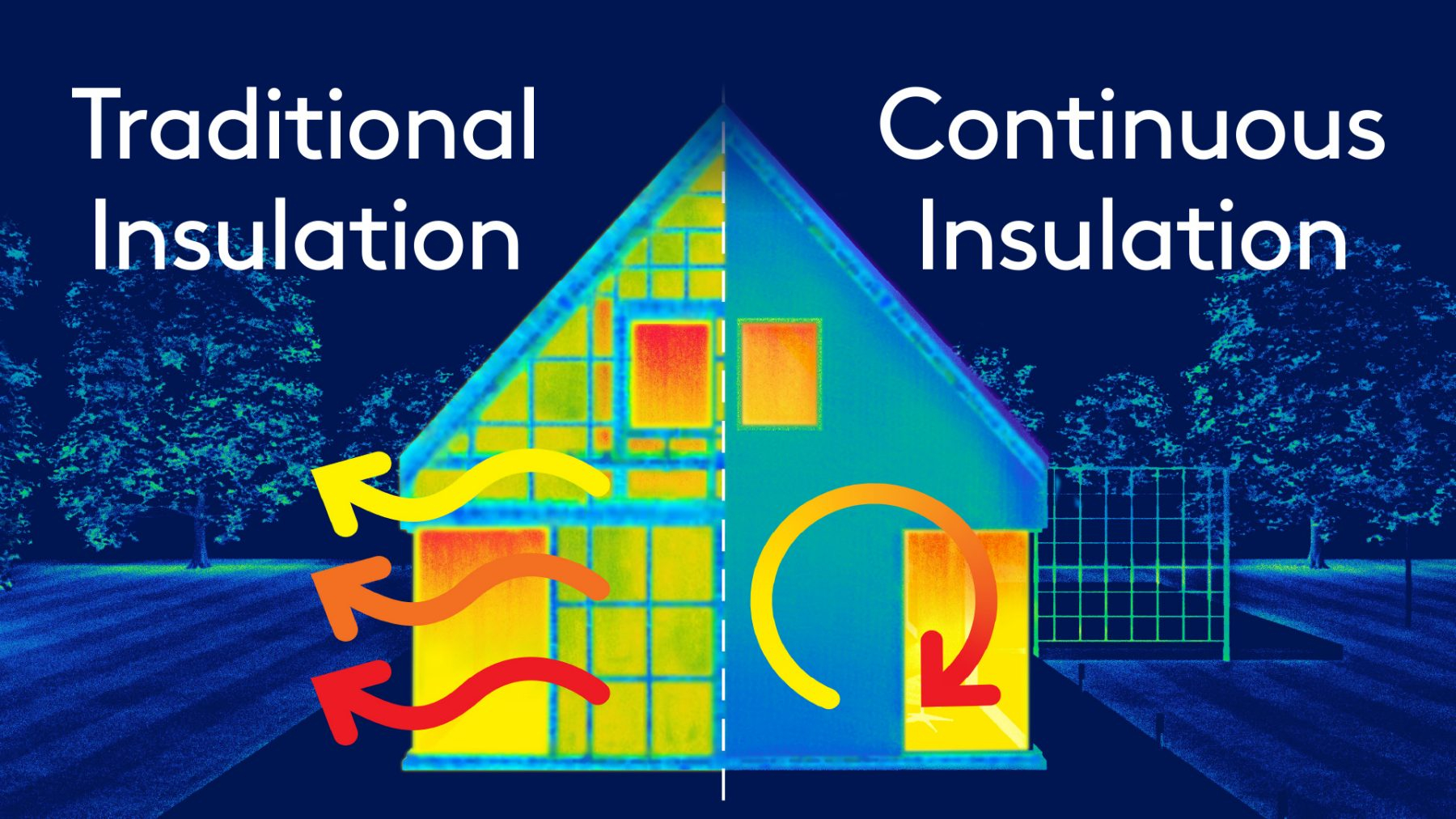
In 2026, we still see houses built with "face-flashed" windows where the tape is just slapped on the exterior of the wrap without proper integration. It looks neat. It passes a casual inspection. But it’s a ticking time bomb. Thermal imaging often reveals cold spots and moisture accumulation around these poorly flashed windows long before any visible damage appears.
Ignoring the Drainage Plane
Here’s a concept that trips up even experienced builders: the drainage plane. Your WRB isn’t just a barrier; it’s part of a system. And that system needs to let water out. If water gets behind the siding—and it will—it needs a way to escape. If the WRB is pressed tightly against the sheathing with no air gap, that water has nowhere to go. It sits there. Soaking into the wood. Rotting it out.
This is why many experts recommend using a textured WRB or adding furring strips to create a gap between the wrap and the siding. This gap allows air to circulate and water to drain down and out through weep holes at the bottom of the wall. But contractors often skip this. They think the wrap is enough. They don’t realize that trapped moisture is just as dangerous as leaking moisture.
Imagine wearing a raincoat. If the raincoat is pressed tightly against your shirt, and you sweat, your shirt gets wet. Even if no rain gets in. The same thing happens in your walls. Without a drainage plane, humidity from inside the house can condense on the back of the cold sheathing. If that moisture can’t escape, you get mold. You get rot. You get a sick building.
Some contractors argue that adding furring strips costs too much time and money. But compare that to the cost of replacing rotted sheathing and studs five years later. It’s a no-brainer. Yet, the shortcut persists. It’s easier to just staple the wrap flat and call it a day. But easy isn’t always right.
The Staple Gun Trap
Staples are fast. They’re cheap. They’re convenient. And they’re terrible for water resistance. Every staple punch creates a hole in your WRB. A tiny hole, sure. But multiply that by thousands of staples across a whole house, and you’ve got a sieve.
Manufacturers specify how far apart staples should be placed. Usually, it’s something like 12 to 18 inches. But in the field? It’s often every six inches. Or less. Crews want the wrap to stay put. They don’t want it flapping in the wind while they install siding. So they over-staple. They create a perforated mess.
And here’s the thing: most contractors don’t seal those staple holes. They assume the wrap is "water-resistant" enough to handle it. But water-resistant doesn’t mean waterproof. Under pressure—like wind-driven rain—water will push through those holes. Especially if the wrap is old or damaged.
Some newer WRBs are designed to be self-sealing around staples. But not all. And even the self-sealing ones have limits. If you staple too close to the edge, or if you use the wrong size staple, the seal fails. The best practice? Use cap nails or plates that cover the hole. Or use a liquid-applied WRB that has no seams or holes at all. But those cost more. And take more time. So the staple gun wins. Again. Until it doesn’t.
Waterproofing isn’t just about the product. It’s about the process. And the process starts with prep. The sheathing needs to be clean. Dry. Smooth. If there are gaps between sheets of plywood or OSB, they need to be filled. If there are protruding nails, they need to be hammered flat. If the surface is wet, you need to wait.
But waiting costs money. So contractors often wrap wet sheathing. They think, "It’ll dry out eventually." But if you trap moisture inside the wall by covering wet wood with a vapor-permeable wrap, that moisture has a hard time escaping. It can lead to mold growth before the house is even finished.
And let’s talk about weather. Installing WRB in the rain? Bad idea. Installing it in extreme cold? Also bad. Adhesives don’t stick well in freezing temperatures. Tapes don’t bond. Wraps become brittle and crack. Yet, schedules don’t care about the forecast. So crews push through. They tape wet surfaces. They staple frozen wrap. And they wonder why it fails six months later.
Proper planning is key. Check the weather. Prepare the surface. Use the right materials for the conditions. It sounds basic. But it’s skipped all the time. Because it’s easier to just keep moving. To just get it done. But doing it right takes patience. And patience is in short supply on most job sites.
So, what’s the takeaway? Your home’s water-resistive barrier is critical. It’s not just a piece of plastic. It’s a system. And every part of that system matters. From the overlaps to the tape, from the window flashing to the drainage plane. Don’t let your contractor cut corners. Ask questions. Look at the details. Because once the siding is on, you can’t see the mistakes. But water can. And water always wins.
[sps_html tag=”img” src=”https://cdn.northcarolinafinearchitecture.com/2026/05/custom-house-wrap-mistakes-to-avoid-with-water-resistive-barrier.webp” alt=”Custom House Wrap Mistakes To Avoid with Water Resistive Barrier” style=”width: 100%; height: auto;”]
[sps_html tag=”img” src=”https://cdn.northcarolinafinearchitecture.com/2026/05/housewraps-whats-the-difference-and-why-does-it-matter-canalfront-within-why-your-house-wrap-is-failing-and-what-actually-works-in-2026.jpg” alt=”Housewraps - What's The Difference And Why Does It Matter? — Canalfront … within Why Your House Wrap Is Failing and What Actually Works in 2026″ style=”width: 100%; height: auto;”]
[sps_html tag=”img” src=”https://cdn.northcarolinafinearchitecture.com/2026/05/is-house-wrap-safe-to-use-on-my-roof-come-away-home-pertaining-to-water-resistive-barrier.jpg” alt=”Is House Wrap Safe To Use On My Roof? - Come Away Home pertaining to Water Resistive Barrier” style=”width: 100%; height: auto;”]
[sps_html tag=”img” src=”https://cdn.northcarolinafinearchitecture.com/2026/05/he-best-house-wraps-you-can-buy-today-9-top-brands-in-water-resistive-barrier.jpg” alt=”He Best House Wraps You Can Buy Today (9 Top Brands) in Water Resistive Barrier” style=”width: 100%; height: auto;”]
[sps_html tag=”img” src=”https://cdn.northcarolinafinearchitecture.com/2026/05/insultex-house-wrap-home-weatherization-solution-lindus-within-water-resistive-barrier.jpg” alt=”Insultex™ House Wrap Home Weatherization Solution | Lindus within Water Resistive Barrier” style=”width: 100%; height: auto;”]