Have you ever stood in your backyard, looking at that overgrown corner or the dusty old shed, and felt a sudden pull? A quiet whisper saying, "This could be more." It’s not just about storage. It’s about possibility. In 2026, the line between our living spaces and our working spaces has blurred more than ever. We aren’t just looking for places to park lawnmowers anymore. We are hunting for sanctuaries. Places where the noise of the digital world fades out, and the sound of a pencil scratching on paper or a chisel hitting wood takes center stage.
Creating a custom workshop in your garden isn’t merely a construction project. It is an act of self-care. It is declaring that your creativity matters enough to have a home. Whether you are a painter, a woodworker, a jeweler, or someone who just needs a quiet spot to think, the principles remain the same. You need light. You need flow. And you need a soul. This guide walks you through turning that patch of grass into a place that breathes life into your projects. It’s easier than you think, and honestly, it’s never been more important.
The trend toward backyard studios has exploded recently. People are realizing that separating their creative work from their main house helps them switch off. It creates a mental boundary. When you walk down the garden path to your workshop, you are leaving chores behind. You are stepping into a zone of creation. But how do you build it right? How do you make sure it’s not just a cold box, but a warm, inviting retreat? Let’s dig in.
Finding Your Footprint and Flow
Before you buy a single nail or sketch a floor plan, you need to look at your land with fresh eyes. Where does the sun rise? Where does it set? This isn’t just poetic advice; it’s practical necessity. Natural light is the lifeblood of any creative space. If you are a painter, north-facing light (in the northern hemisphere) offers consistent, shadow-free illumination. If you are a woodworker, you might prefer morning sun to warm up the space early in the day. Walk your garden at different times. Notice the shadows. Notice the wind.
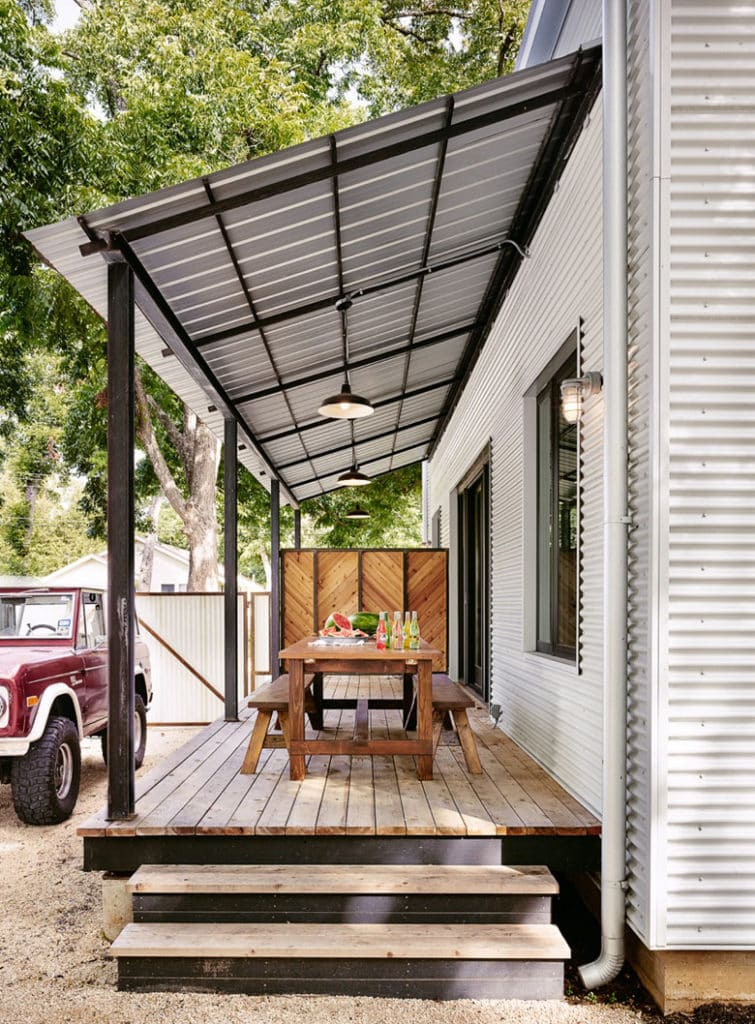
Location also dictates accessibility. You don’t want your sanctuary to feel like an expedition. If it’s too far from the house, you might skip those quick evening sessions because it’s dark and muddy getting there. Ideally, place your workshop where it feels connected to the home but distinct from it. A spot near a existing patio or along a well-trodden path works best. Think about utilities too. Running electricity and water is much cheaper and easier if you are close to the main house. Don’t underestimate the value of having a sink nearby for cleaning brushes or washing hands after a messy project.
Consider the view from inside, too. When you look up from your workbench, what do you see? A blank wall? Or a cluster of lavender and a bird feeder? The visual connection to nature is what makes a garden workshop superior to a basement studio. Position your windows to frame the best parts of your garden. This biophilic design element reduces stress and boosts focus. In 2026, we know that seeing greenery lowers cortisol levels. So, let your garden be part of your workspace, not just the container for it. Make sure the path to your door is stable and lit, so even on rainy November evenings, the journey feels welcoming, not like a chore.
Structure, Style, and Sustainable Choices
Now comes the fun part: the build. You have options ranging from prefabricated sheds to custom-built timber frames. The key is choosing a structure that reflects your aesthetic while serving your functional needs. Prefab kits have come a long way. They are faster to install and often more affordable. However, they can feel generic. Custom builds allow you to tailor every inch. Want a vaulted ceiling to make the space feel airy? Go for it. Need extra-wide doors to move large canvases or lumber in and out? Design for that. The goal is a space that feels like it grew there, not like it was dropped from the sky.
Sustainability is huge right now. In 2026, using reclaimed materials isn’t just eco-friendly; it’s stylish. Old barn wood, recycled windows, or repurposed doors add character and history to your workshop. They tell a story. Plus, they keep waste out of landfills. Insulation is another critical factor. A poorly insulated shed is unusable in the height of summer or the depth of winter. Invest in good insulation—wool, cellulose, or rigid foam boards. It regulates temperature and dampens sound. You want a space that feels cozy year-round, not an oven in July and an icebox in January.
Roofing matters more than you’d think. A green roof (covered in plants) provides excellent insulation and blends the structure into the landscape. It also manages rainwater runoff. If that’s too complex, consider metal roofing for durability or cedar shingles for a classic look. Don’t forget ventilation. Creative work often involves fumes from paints, solvents, or sawdust. Install operable windows high up on the walls to let hot air escape, and consider a small, quiet exhaust fan. Good air quality keeps your mind clear and your lungs happy. The structure should protect you, but it shouldn’t seal you off from the rhythm of the outdoors.
Lighting the Way to Inspiration
Lighting can make or break a creative space. Relying solely on overhead fluorescent tubes is a recipe for eye strain and sterile vibes. You need layers. Start with ambient light. This is your general illumination. Large skylights are fantastic for flooding the space with natural daylight. If you’re working at night, warm LED panels that mimic daylight color temperatures (around 4000K-5000K) are ideal for task accuracy without feeling clinical. Avoid harsh, cool-white lights that make everything look blue and cold.
Next, add task lighting. This is focused light for specific activities. An adjustable architect’s lamp on your desk, under-cabinet lights on your workbench, or track lighting directed at your easel. These ensure you can see the details of your work clearly. Dimmers are your friend. Being able to lower the lights when you’re brainstorming or raising them when you’re doing intricate detail work gives you control over the mood. In the evening, softer, warmer lights help signal to your brain that it’s time to wind down, even if you’re still tinkering.
Don’t ignore exterior lighting. The approach to your workshop should be safe and inviting. Solar-powered path lights are easy to install and energy-efficient. Motion-sensor lights on the exterior walls provide security and convenience when you’re carrying tools in the dark. Inside, consider adding some decorative elements too. A string of fairy lights or a vintage pendant lamp adds warmth and personality. It makes the space feel lived-in and loved. Remember, light shapes emotion. Bright, even light energizes. Soft, directional light calms. Use both intentionally to support the type of work you do. A well-lit space feels bigger, cleaner, and more professional.
Organizing Chaos into Creativity
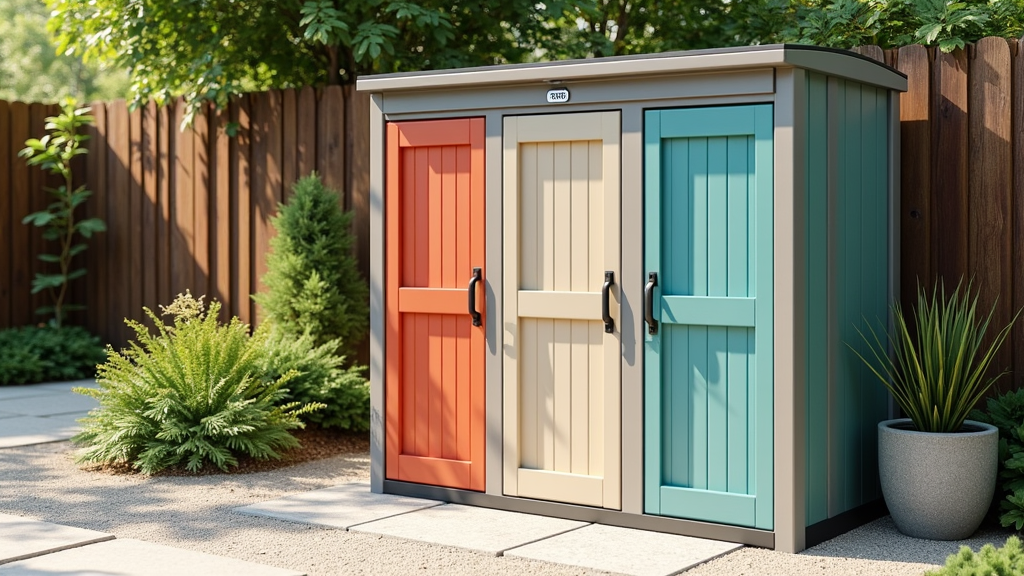
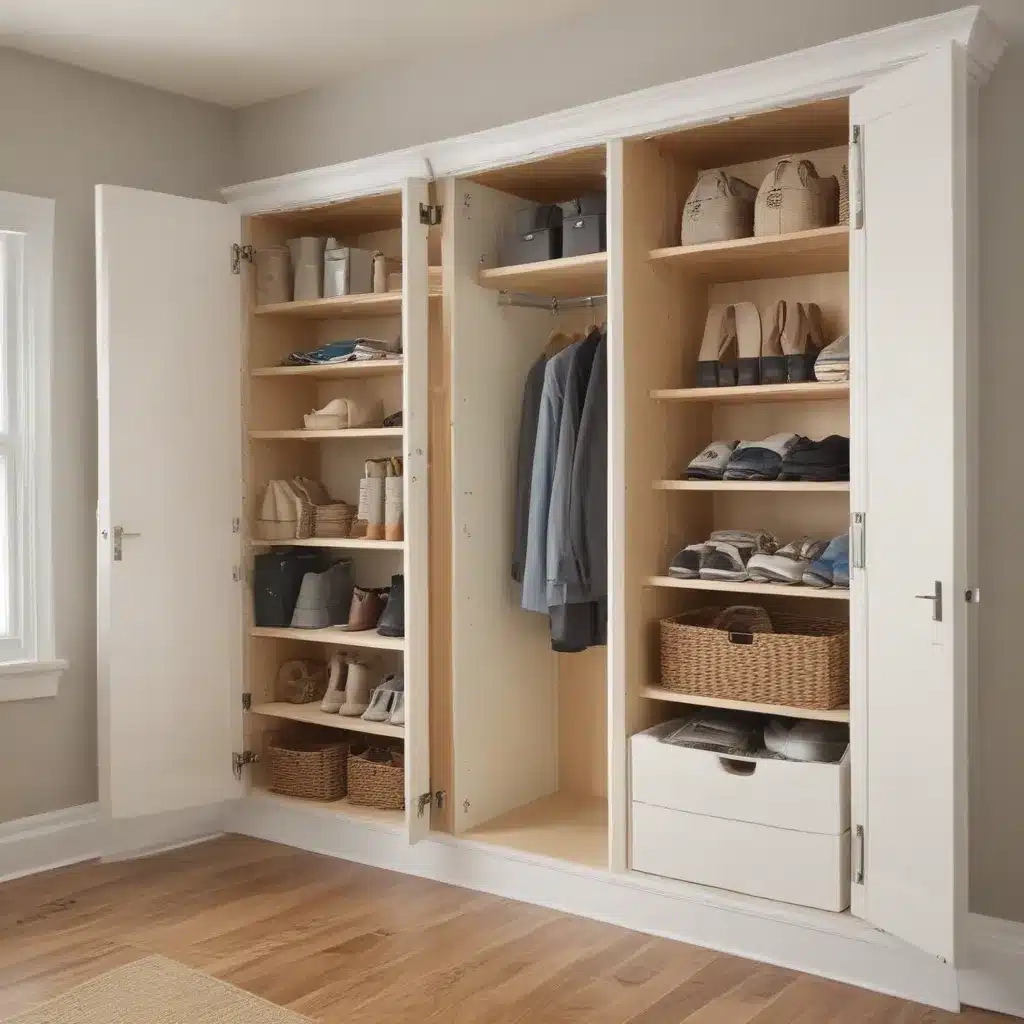
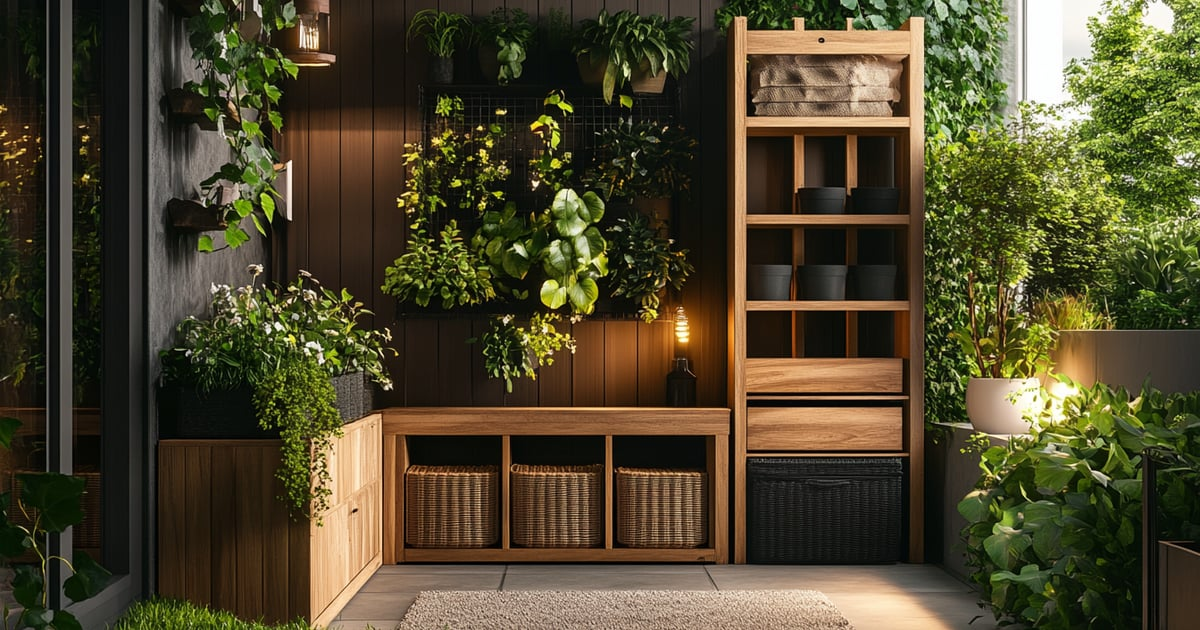
A cluttered space leads to a cluttered mind. But organization doesn’t mean sterile minimalism. It means everything has a home, so you can find it when inspiration strikes. Vertical space is your best ally in a small workshop. Pegboards are classic for a reason. They are flexible, cheap, and keep tools visible and within reach. Magnetic strips for chisels or scissors are sleek and save drawer space. Shelving units that go all the way to the ceiling maximize storage for less frequently used items. Label bins clearly. It sounds boring, but it saves hours of searching.
Think about workflow. Arrange your space based on how you work. If you’re a potter, you need space for the wheel, the clay, and the drying racks in a logical sequence. If you’re a writer, you might need a large desk, a comfortable chair, and bookshelves nearby. Keep frequently used items at waist-to-eye level. Heavy or rare items go low or high. Leave open floor space for movement. You don’t want to be dodging boxes every time you turn around. A clear central area allows you to step back and look at your work from a distance, which is crucial for perspective.
Flexibility is key. Your interests might change. Your projects might grow. Use furniture on wheels. A rolling tool cart or a mobile workbench can be reconfigured as needed. Modular storage systems allow you to add or remove components as your collection of supplies expands. In 2026, smart organization solutions are popular, like app-connected inventory trackers for small parts, but simple analog systems often work best. Clear jars for screws, hooks for cords, and dedicated zones for wet vs. dry materials. The goal is to reduce friction. When setup and cleanup are easy, you’re more likely to start working. Spend time organizing before you start creating. It pays off.
Bringing the Outside In
Your workshop is in the garden, so why fight it? Embrace the connection. Large glass doors or folding bifold doors can open up the entire wall of your workshop to the outdoors in good weather. This blurs the boundary between inside and out, making the space feel twice as big. It lets in fresh air and the sounds of birdsong. Just make sure you have screens to keep bugs out. Flooring is another place to connect. Polished concrete is durable and modern. Reclaimed wood floors add warmth. Cork is soft underfoot and sustainable. Choose something that feels good to stand on for hours.
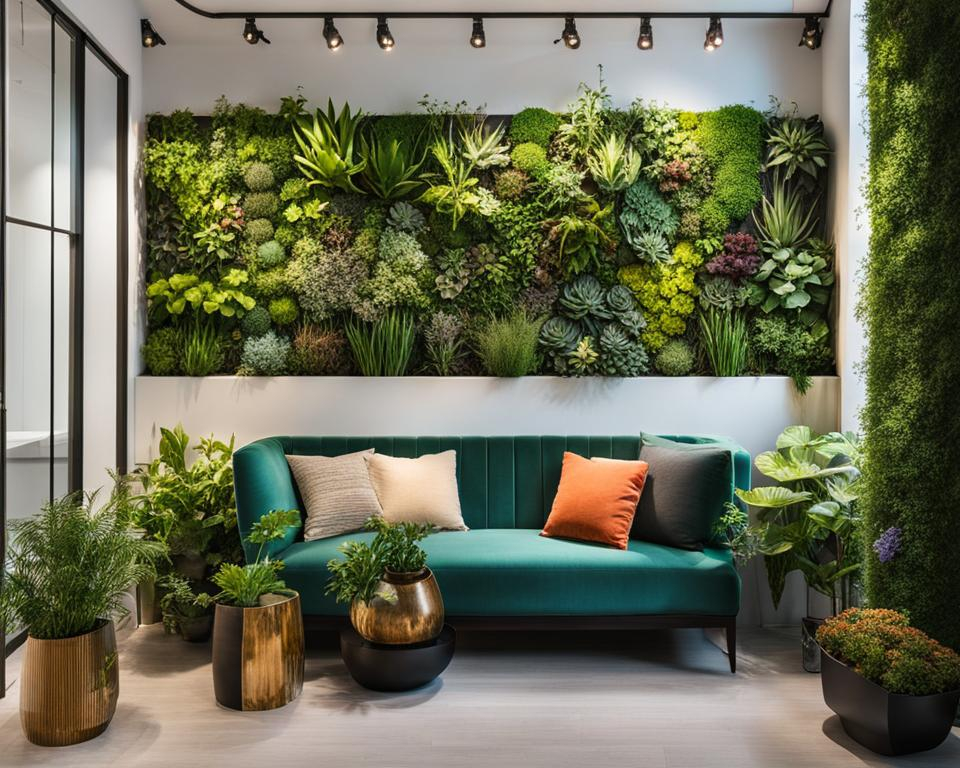
Bring plants inside too. Snake plants, pothos, or ferns thrive in indoor conditions and improve air quality. They add a splash of green and life to the room. Place them on shelves or hang them from the ceiling. Just be mindful of humidity if you’re using certain materials or tools that might rust. A small water feature outside the window can provide soothing background noise. The sight and sound of water are naturally calming. It helps mask traffic noise or neighborhood distractions. Create a small seating area just outside the door. A bench or a couple of chairs where you can take a break, drink coffee, and look at your garden.
Personalize the space with artifacts from nature. Driftwood, stones, or dried flowers can serve as decor or inspiration boards. Let the seasons influence your interior. Change out textiles or accessories as the year progresses. In spring, bring in fresh branches. In autumn, use warm tones and textures. This keeps the space feeling dynamic and connected to the natural cycle. It reminds you that creativity, like nature, is seasonal. Sometimes it blooms wildly; other times, it rests. Your workshop should honor both states. Don’t be afraid to get a little dirt on the floor. It’s a garden workshop, after all. It’s supposed to feel alive.
The final layer of your sanctuary is you. What makes you feel inspired? Is it music? Install a good sound system or Bluetooth speakers. Is it silence? Invest in soundproofing materials like acoustic panels or heavy curtains. Do you need a place to nap or meditate? Add a cozy nook with a cushion or a small daybed. This space is for you, so it should reflect your personality. Hang art that you love, not just what looks trendy. Pin up photos, sketches, or quotes that motivate you. Make it a place where you feel safe to experiment and fail.
Comfort is non-negotiable. You’ll spend hours here. Invest in a good chair. Ergonomics matter. Adjust your workbench height to suit your stature. Add anti-fatigue mats if you stand for long periods. Keep a mini-fridge for drinks and snacks. A kettle for tea. Small comforts make the space inviting. They encourage you to stay longer and dive deeper into your work. Think about security too. Good locks, maybe a camera, and sturdy windows give you peace of mind. You want to leave your projects and tools safely when you go back to the house.
Finally, maintain it. A workshop needs care. Sweep the floors. Oil the wood. Clean the windows. Treat the space with respect, and it will serve you well. Invite friends over to see it. Share your process. Let the workshop be a hub of connection, not just isolation. In 2026, we are craving real, tangible experiences. Your garden workshop is a testament to that. It’s a place where you make things with your hands. Where you solve problems. Where you find peace. It’s more than a building. It’s a partner in your creative journey. Start small. Build slowly. Let it evolve. The perfect sanctuary isn’t built in a day. It’s grown, season by season, project by project.
So, where will you begin? Maybe it’s clearing that corner. Maybe it’s sketching a plan. Or maybe it’s just sitting in the garden, imagining the possibilities. The ground is waiting. The light is right. Your creativity deserves a home. Build it, and they will come—not just visitors, but your best ideas.
[sps_html tag=”img” src=”https://cdn.northcarolinafinearchitecture.com/2026/05/24-smart-storage-ideas-to-declutter-every-room-for-outdoor-workshop-design.jpg” alt=”24 Smart Storage Ideas To Declutter Every Room for Outdoor Workshop Design” style=”width: 100%; height: auto;”]
[sps_html tag=”img” src=”https://cdn.northcarolinafinearchitecture.com/2026/05/10-smart-outdoor-storage-solutions-for-a-clutter-free-patio-breeze-within-smart-storage-solutions-for-clutter-free-outdoor-workspaces.png” alt=”10 Smart Outdoor Storage Solutions For A Clutter-Free Patio | Breeze … within Smart Storage Solutions for Clutter Free Outdoor Workspaces” style=”width: 100%; height: auto;”]
[sps_html tag=”img” src=”https://cdn.northcarolinafinearchitecture.com/2026/05/weatherproof-outdoor-storage-ideas-for-a-neat-tidy-yard-with-outdoor-workshop-design.png” alt=”Weatherproof Outdoor Storage Ideas For A Neat & Tidy Yard with Outdoor Workshop Design” style=”width: 100%; height: auto;”]
[sps_html tag=”img” src=”https://cdn.northcarolinafinearchitecture.com/2026/05/build-custom-storage-solutions-for-clutter-free-homes-abc-home-ltd-intended-for-smart-storage-solutions-for-clutter-free-outdoor-workspaces.webp” alt=”Build Custom Storage Solutions For Clutter-Free Homes - Abc Home Ltd intended for Smart Storage Solutions for Clutter Free Outdoor Workspaces” style=”width: 100%; height: auto;”]
[sps_html tag=”img” src=”https://cdn.northcarolinafinearchitecture.com/2026/05/smart-storage-solutions-for-a-clutter-free-home-office-with-smart-storage-solutions-for-clutter-free-outdoor-workspaces.webp” alt=”Smart Storage Solutions For A Clutter-Free Home Office with Smart Storage Solutions for Clutter Free Outdoor Workspaces” style=”width: 100%; height: auto;”]