Ever walked into a room that felt… flat? You know the feeling. The colors are nice, sure. The furniture is functional. But something is missing. It’s like eating a meal that’s all beige—no crunch, no spice, no surprise. That missing ingredient is usually texture. It’s the secret sauce that turns a house into a home. And honestly, it’s not just about making things look pretty. It’s about how a space feels when you’re in it. Does it hug you? Does it energize you? Or does it just sit there, cold and distant?
In 2026, we’re seeing a huge shift away from those super-sleek, sterile minimalism trends of the early 2020s. People are craving comfort. They want spaces that feel lived-in and layered. But here’s the thing: getting texture right isn’t as simple as throwing a rug on the floor and calling it a day. It’s an art form. It requires a bit of intuition and a lot of trial and error. You have to think about how light hits a surface. How your hand feels when it brushes against a wall. How sound travels through a room full of soft fabrics versus hard surfaces. It’s sensory design, plain and simple.
So, why do so many of us struggle with it? Maybe we’re afraid of clutter. Maybe we don’t know where to start. Or maybe we think texture is just for winter, when we want to bundle up. But the truth is, texture is a year-round player. It changes with the seasons, sure, but it’s always working hard in the background. Let’s dive into how you can master this skill, without needing a degree in interior design or a massive budget. Because everyone deserves a home that feels good, not just one that looks good for Instagram.
Understanding the Basics of Tactile Design
Before we start buying throw pillows, let’s talk about what texture actually is. In design terms, it’s the surface quality of an object. Is it rough? Smooth? Shiny? Matte? Soft? Hard? But there’s also visual texture, which is how something looks like it feels. Think of a photo of wood grain printed on laminate flooring. It looks textured, but if you touch it, it’s smooth. Both types matter. Visual texture adds interest from across the room. Tactile texture invites you to come closer and touch. You need a mix of both to keep a space engaging.
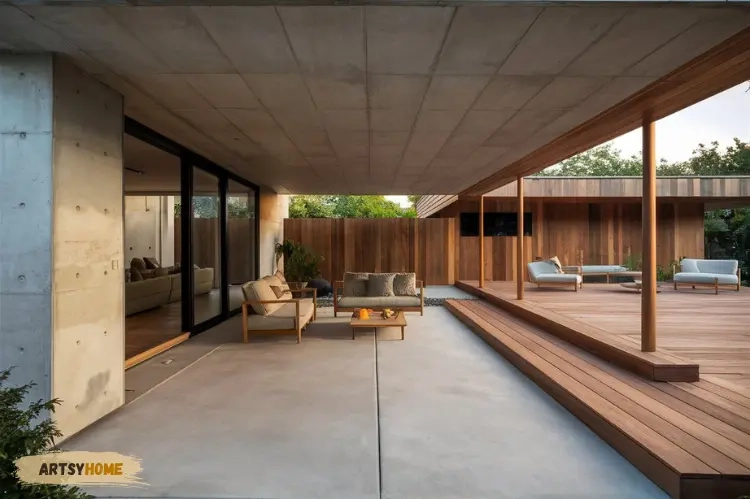
The biggest mistake people make is sticking to one type of material. If everything in your living room is smooth—glass coffee table, leather sofa, polished wood floors—it’s going to feel cold. Even if the color palette is warm. Your eyes get bored because there’s nowhere for them to rest. They just slide off the surfaces. On the flip side, if everything is fuzzy and rough, the room can feel heavy and suffocating. It’s about balance. You want contrast. A smooth marble countertop looks even smoother when it’s next to a rough-hewn wooden cutting board. That juxtaposition is where the magic happens.
Think of texture like music. You don’t want a song that’s just one note played over and over. You want highs and lows, fast and slow, loud and quiet. In a room, your "high notes" might be a glossy ceramic vase or a metallic lamp. Your "low notes" could be a chunky knit blanket or a jute rug. When you layer them, you create a rhythm. It’s subtle, but your brain notices it immediately. This is why some rooms feel "expensive" even when they aren’t. It’s not the price tag. It’s the complexity of the materials working together. Start looking at your own home with this lens. What’s the dominant texture in each room? Is it all the same? If so, that’s your first clue on where to start.
Seasonal Shifts: Adapting Your Space for Spring and Summer
When the weather warms up, our instinct is to strip everything down. We put away the heavy wool coats, so why not the heavy wool throws? Exactly. Spring and summer are all about lightness and breathability. But that doesn’t mean your rooms should feel bare. It means swapping out heavy textures for lighter, airier ones. Think linen instead of velvet. Cotton instead of chenille. These natural fibers allow air to circulate, which keeps the room feeling cool physically and visually. In 2026, sustainable fabrics are huge, so look for organic cotton or hemp blends. They have a beautiful, slightly irregular texture that adds character without weight.
Color plays a big role here too, but texture is the star. Light-colored woods like oak or ash feel cooler than dark walnut. Rattan and bamboo bring in a natural, woven texture that screams "summer." These materials reflect light differently than solid woods. They create shadows and patterns that change throughout the day as the sun moves. It’s dynamic. Try adding a rattan chair or a seagrass basket. Even small touches, like a woven placemat or a linen curtain, can shift the vibe of a room instantly. The goal is to mimic the outdoors. Bring the breeze inside.
Don’t forget about the floors. In winter, you might have a thick, plush rug. In summer, swap it for a flat-weave kilim or a sisal runner. These are easier to clean (hello, sandy feet) and they don’t trap heat. They also add a geometric pattern that breaks up large expanses of floor space. If you have hardwood floors, leaving them bare is an option too, but add a few textured elements elsewhere so it doesn’t feel empty. A ceramic bowl with a glazed, uneven surface on your dining table can catch the summer light beautifully. It’s all about keeping things feeling fresh and open. You want to feel like you can breathe deeply when you walk in.
Cozy Layers: Embracing Warmth in Autumn and Winter
As the days get shorter, the mood shifts. We crave cocooning. This is where texture really shines. It’s time to bring out the heavy hitters. Velvet, wool, faux fur, cable knits. These materials absorb light rather than reflecting it, which makes a room feel intimate and cozy. In autumn 2025, designers noted a surge in "maximalist comfort," where more is definitely more. Don’t be afraid to pile it on. Literally. Stack pillows. Drape throws over every available surface. The goal is to create nests. Places where you want to curl up with a book and stay for hours.
Layering is key here. Start with a base layer, like a large wool rug. Then add a smaller, softer rug on top, maybe sheepskin or a high-pile synthetic. This adds height and depth. On your sofa, mix different knit weights. A chunky arm-knit blanket looks great next to a smoother merino wool throw. Vary the sizes of your pillows too. Mix square lumbar pillows with round ones. Use different fabrics for each. One velvet, one linen, one embroidered cotton. The variety keeps the eye moving. It prevents the "matchy-matchy" look that can feel stiff and unnatural.
Lighting interacts with these heavy textures in a wonderful way. Soft, warm light enhances the plushness of fabrics. Harsh overhead lighting can flatten them. So, use lamps with fabric shades. The light filters through the weave, creating a glow. Candlelight is also amazing for highlighting texture. The flickering flame casts shadows that emphasize the bumps and folds in a knitted blanket or a carved wooden box. It’s atmospheric. In winter, we spend more time indoors, so these details matter more. They affect our mood. A room that feels soft and welcoming can combat the gloom of short days. It’s self-care through design. And who doesn’t need a bit more of that?
Mixing Materials: The Rule of Contrast and Harmony
Okay, so you have your seasonal basics. Now, how do you mix them without creating chaos? The rule of thumb is contrast. If you have a smooth surface, pair it with a rough one. If you have something shiny, pair it with something matte. This creates tension, and tension is interesting. Think of a sleek metal lamp base on a rustic wooden side table. The contrast makes both pieces stand out more. If the table was also metal, the lamp would disappear. If the lamp was wood, it might blend in too much. The difference is what makes it pop.
But you also need harmony. You can’t just throw random things together. There needs to be a thread that connects them. Color is the easiest way to do this. If you’re mixing leather, wood, and metal, keep them in the same color family. Warm browns, blacks, and bronzes work well together. Cool grays, whites, and silvers work well together. Another way to create harmony is through repetition. If you have a brass lamp, add a small brass accent elsewhere in the room, like a picture frame or a drawer pull. It ties the space together. It tells the eye, "This belongs here."
Natural materials are your best friends when mixing. Wood, stone, clay, fiber. They tend to play nice with each other because they come from the same place: the earth. They have organic variations that make them forgiving. A piece of live-edge wood has knots and cracks. A stone vase has veins and color shifts. These imperfections help bridge the gap between different textures. They add a human element. In 2026, there’s a big focus on "wabi-sabi," the Japanese aesthetic of finding beauty in imperfection. Embrace it. Don’t worry if your textures don’t match perfectly. They shouldn’t. They should complement each other. Like a good conversation, they should bounce off one another.
Budget-Friendly Ways to Add Depth Without Renovating
You don’t need to knock down walls or buy new furniture to add texture. Some of the best ways are cheap and easy. Paint is one of them. Instead of flat paint, try a finish with some sheen, like eggshell or satin. Or even better, use a textured paint additive. You can mix sand or plaster into your paint to create a stucco-like effect on an accent wall. It’s DIY-friendly and adds huge visual impact. Wallpaper is another option. Grasscloth wallpaper has a beautiful woven texture. Peel-and-stick options make it renter-friendly. You can do a small backsplash in the kitchen or a feature wall in the bedroom.
Textiles are the easiest swap. Pillows, throws, curtains, rugs. You can find these at thrift stores, discount shops, or even make them yourself. Learn to knit or crochet. Even a simple scarf draped over a chair adds texture. Swap out your shower curtain for a waffle-weave one. Change your bed sheets from percale to sateen or linen. These small changes add up. They layer up. And they’re low commitment. If you don’t like it, you can change it back. No harm done.
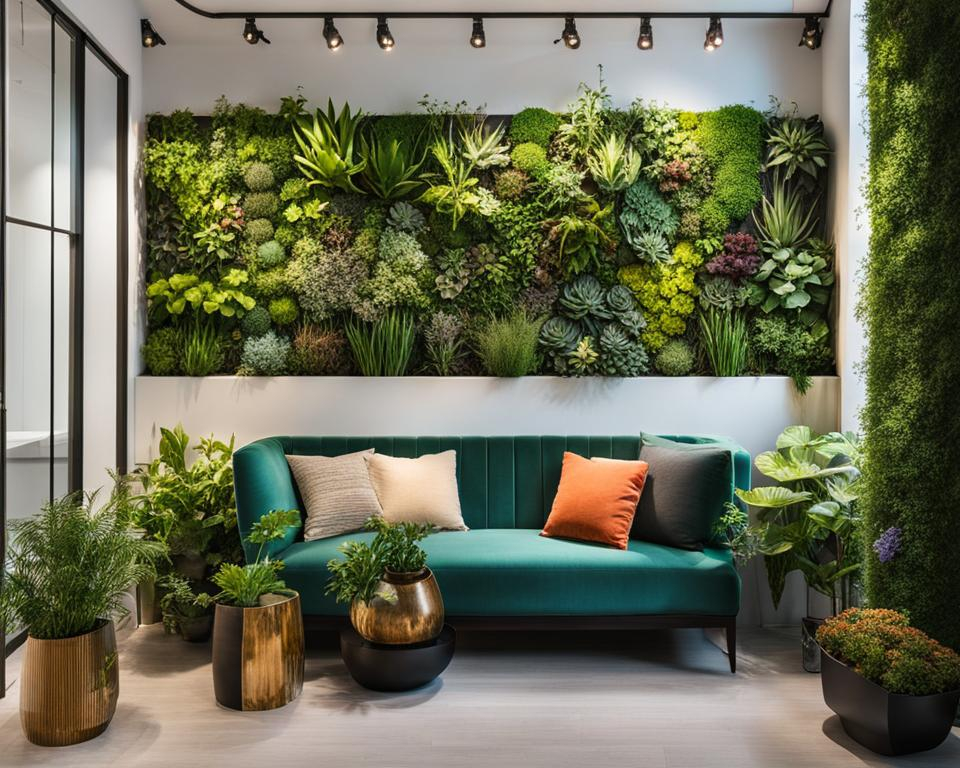
Look at what you already have. Can you reupholster a chair seat with a different fabric? Can you stain a wooden table to bring out the grain? Can you add hardware to plain cabinets? Brass knobs on white cabinets add a metallic texture that breaks up the monotony. Plants are also great textural elements. A fiddle leaf fig has large, smooth leaves. A succulent has fleshy, spiky leaves. A fern has delicate, feathery fronds. Mix them up. Put them in different pots—terracotta, ceramic, woven baskets. The plants themselves are living textures. They change and grow. They bring life to the room. And they’re relatively cheap. Especially if you propagate them from friends’ plants. Free texture!
Common Mistakes and How to Avoid Them
One common mistake is over-texturing. Yes, it’s possible. If every surface is busy, the eye doesn’t know where to look. It becomes exhausting. You need some "quiet" spaces. Areas where the eye can rest. Usually, this is a large, solid-colored surface. A plain wall. A smooth floor. A simple sofa. Let the textured items be the stars. Don’t make everything compete for attention. Think of it like seasoning food. You don’t dump the whole spice rack into the pot. You add a pinch here, a dash there. Taste as you go. Step back and look at the room. Does it feel balanced? Or does it feel chaotic?
Another mistake is ignoring scale. Texture has scale too. A large, chunky knit looks different on a big sectional than it does on a small accent chair. On the small chair, it might look overwhelming. On the big sofa, it might look just right. Similarly, a small, tight weave might get lost on a large rug. Match the scale of the texture to the size of the object. Large objects can handle larger textures. Small objects need finer textures. This creates proportion. It keeps things looking intentional, not accidental.
Finally, don’t forget about function. Texture isn’t just about looks. It’s about use. A shag rug looks amazing, but is it practical for a high-traffic hallway? Probably not. It’ll trap dirt and be hard to vacuum. A velvet sofa is luxurious, but does it show every cat hair? Maybe choose a performance fabric that mimics the look of velvet but is more durable. Think about how you live. Do you have kids? Pets? Do you entertain often? Your textures need to withstand your lifestyle. Otherwise, you’ll resent them. Beauty shouldn’t come at the cost of sanity. Find materials that are both beautiful and tough. There are plenty of options out there now. Technology has improved fabrics significantly in recent years. Stain-resistant linens? Yes, please.
So, where does this leave us? Texture is the unsung hero of interior design. It’s the difference between a showroom and a sanctuary. It’s what makes a house feel like your house. By understanding the basics, adapting to the seasons, mixing materials wisely, and avoiding common pitfalls, you can create a space that has depth and soul. It doesn’t have to be expensive. It doesn’t have to be perfect. It just has to feel right. And "right" is different for everyone. For some, it’s minimal and smooth. For others, it’s maximal and cozy. Listen to your instincts. Touch things. See how they make you feel.
Start small. Pick one corner of one room. Add a textured throw. Swap a pillow. Put a plant in a woven basket. See how it changes the vibe. Then move to the next spot. Build it up slowly. Layer by layer. Season by season. Over time, you’ll develop an eye for it. You’ll start noticing textures everywhere. In the bark of a tree. In the weave of a basket. In the grain of a wooden spoon. It becomes a way of seeing the world. And your home becomes a reflection of that awareness.
In 2026, we’re all spending more time at home than ever before. Our spaces need to support us. They need to comfort us. They need to inspire us. Texture is a powerful tool to achieve that. It’s accessible. It’s versatile. And it’s deeply human. So go ahead. Mix that silk with that wool. Pair that metal with that wood. Don’t be afraid to experiment. After all, it’s your home. Make it feel good. Make it feel real. Make it feel like you. Because at the end of the day, that’s what design is really about. Not trends. Not rules. Just you, comfortable in your own skin, in your own space.
[sps_html tag=”img” src=”https://cdn.northcarolinafinearchitecture.com/2026/05/low-maintenance-backyard-landscaping-ideas-that-look-amazing-mossy-street-within-outdoor-garden-design.jpg” alt=”Low-Maintenance Backyard Landscaping Ideas That Look Amazing - Mossy Street within Outdoor Garden Design” style=”width: 100%; height: auto;”]
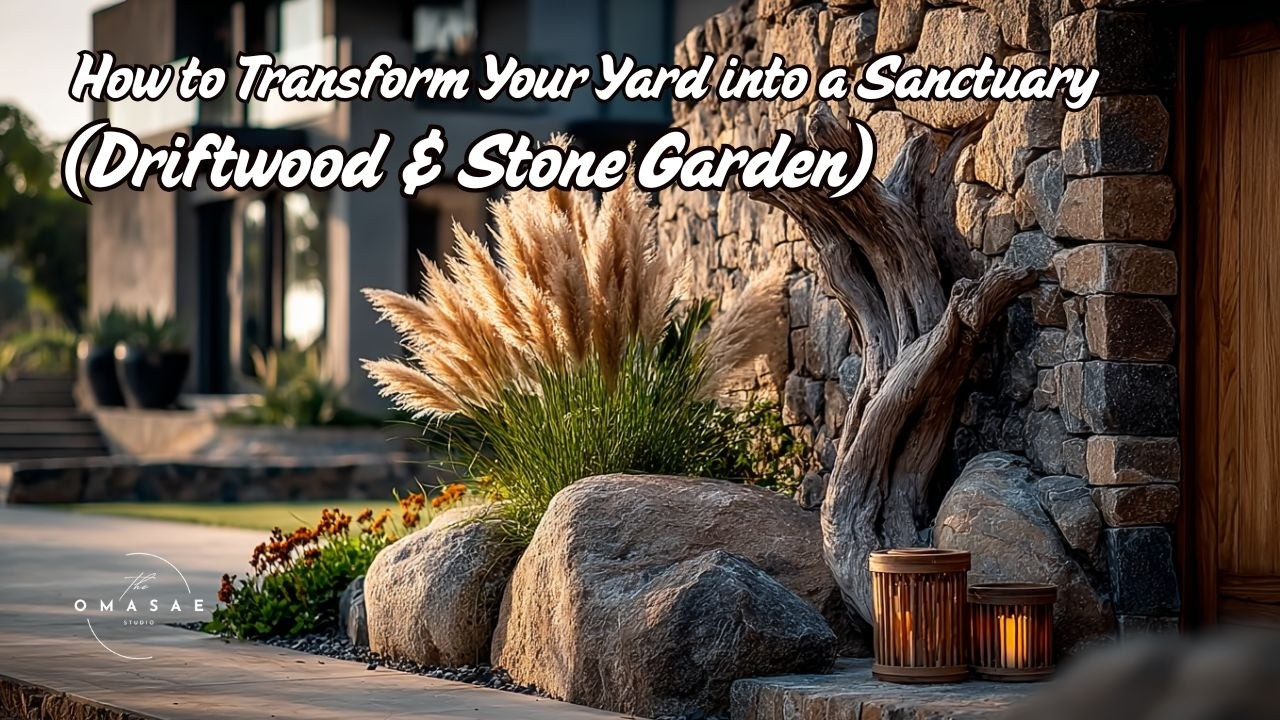
[sps_html tag=”img” src=”https://cdn.northcarolinafinearchitecture.com/2026/05/how-to-transform-your-yard-into-a-sanctuary-driftwood-stone-garden-with-outdoor-garden-design.jpg” alt=”How To Transform Your Yard Into A Sanctuary (Driftwood & Stone Garden … with Outdoor Garden Design” style=”width: 100%; height: auto;”]
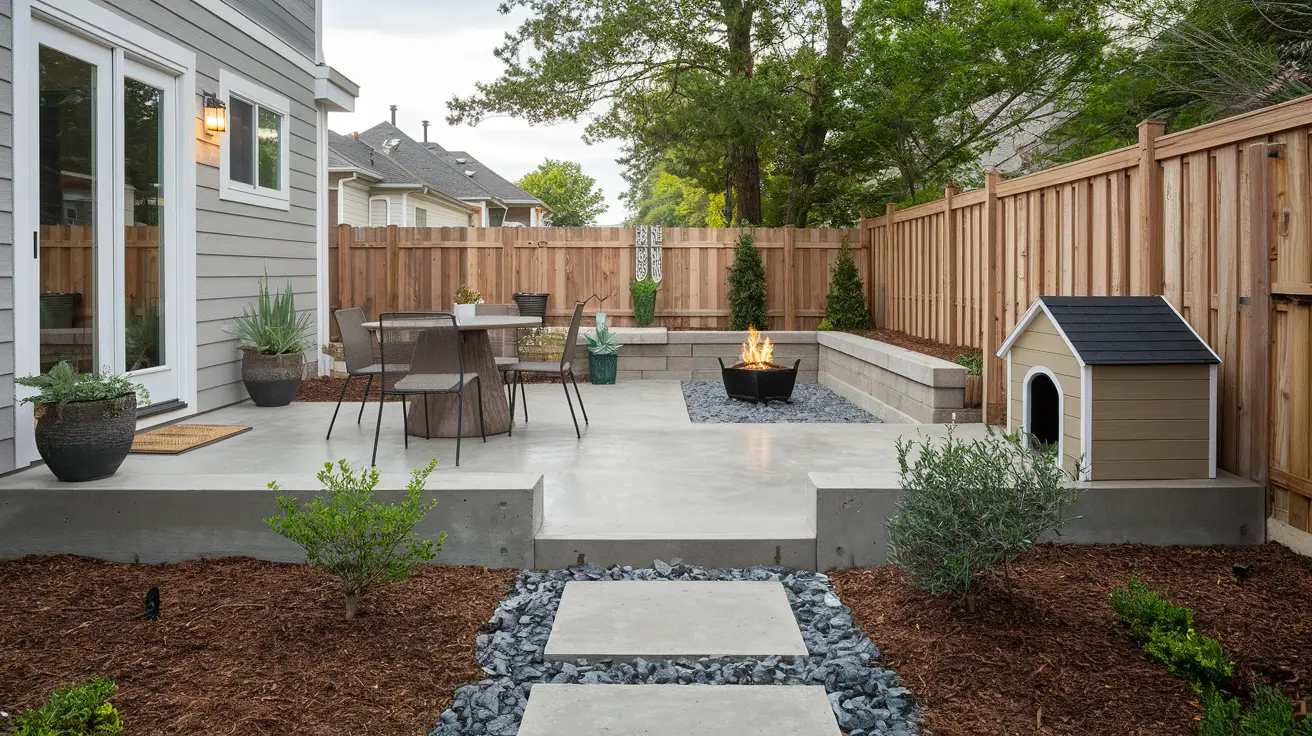
[sps_html tag=”img” src=”https://cdn.northcarolinafinearchitecture.com/2026/05/15-low-maintenance-backyard-ideas-for-dog-owners-middlekingdomrescue-com-inside-transforming-your-backyard-into-a-low-maintenance-sanctuary.png” alt=”15 Low-Maintenance Backyard Ideas For Dog Owners - Middlekingdomrescue.com inside Transforming Your Backyard Into a Low Maintenance Sanctuary” style=”width: 100%; height: auto;”]
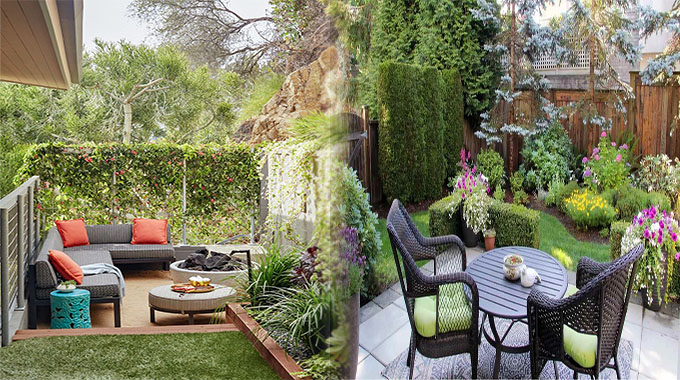
[sps_html tag=”img” src=”https://cdn.northcarolinafinearchitecture.com/2026/05/14-low-maintenance-florida-backyard-ideas-lush-backyard-inside-transforming-your-backyard-into-a-low-maintenance-sanctuary.jpg” alt=”14 Low Maintenance Florida Backyard Ideas - Lush Backyard inside Transforming Your Backyard Into a Low Maintenance Sanctuary” style=”width: 100%; height: auto;”]
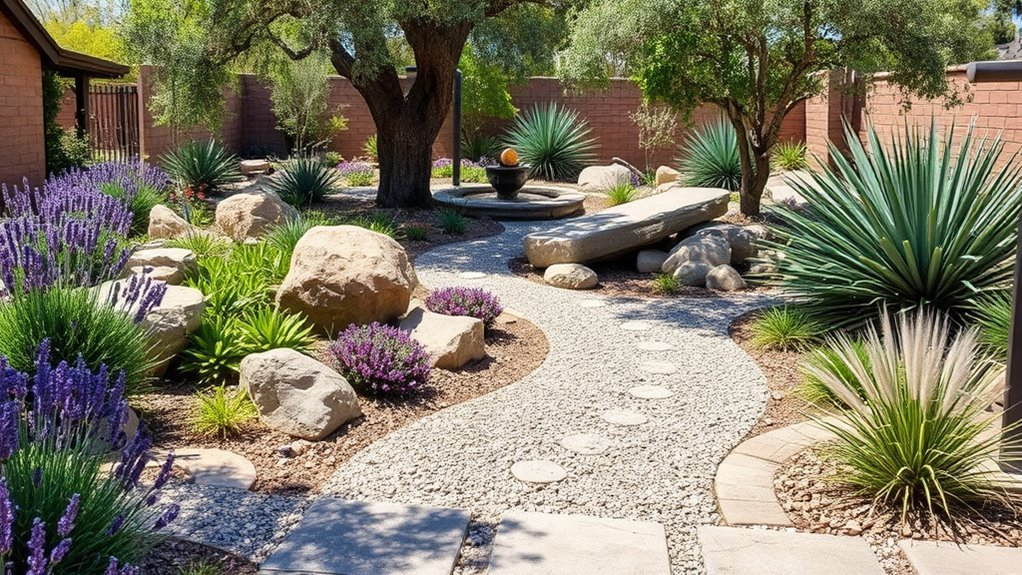
[sps_html tag=”img” src=”https://cdn.northcarolinafinearchitecture.com/2026/05/22-low-maintenance-backyard-landscaping-ideas-tips-savepini-intended-for-outdoor-garden-design.jpg” alt=”22 Low-Maintenance Backyard Landscaping Ideas & Tips - Savepini intended for Outdoor Garden Design” style=”width: 100%; height: auto;”]