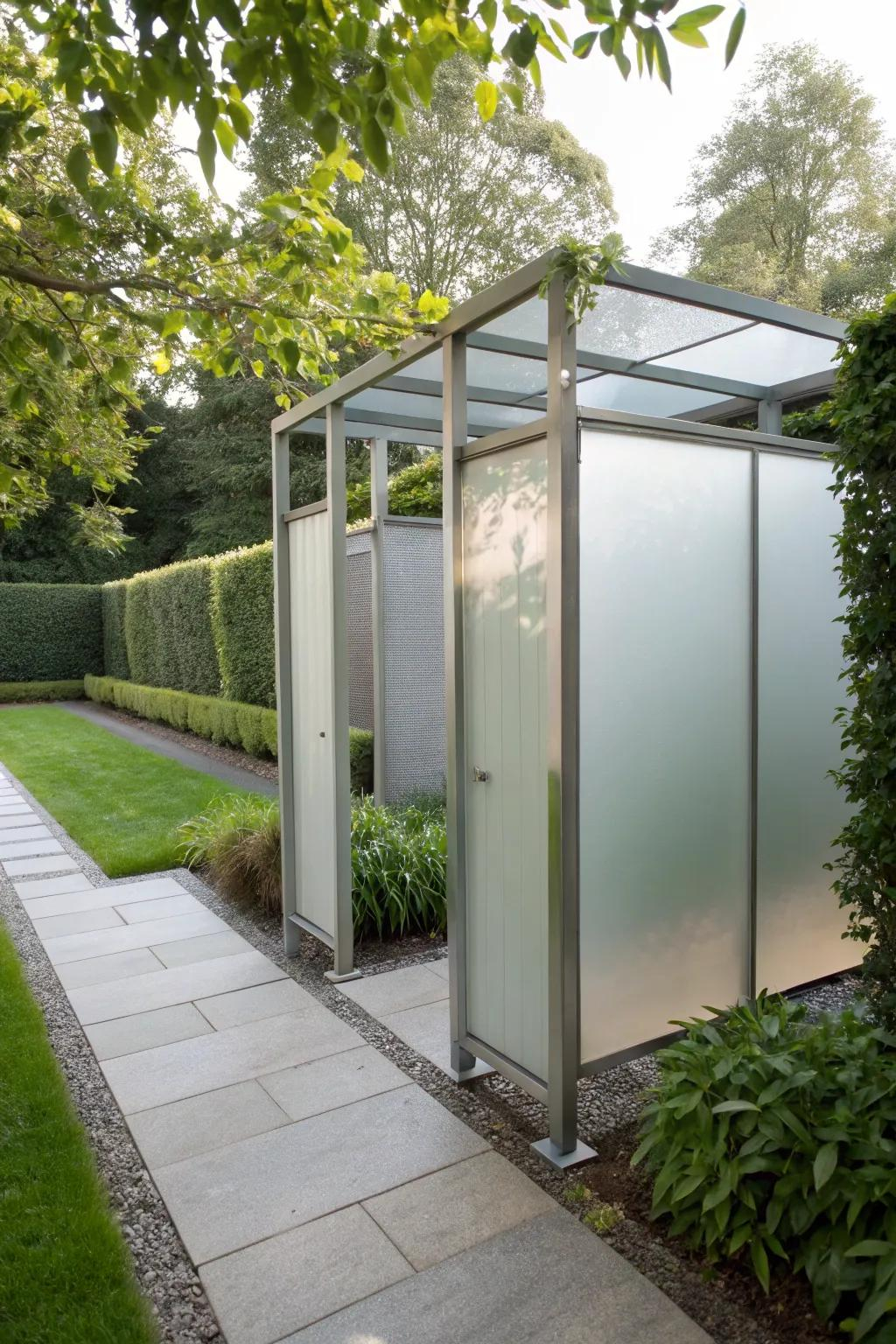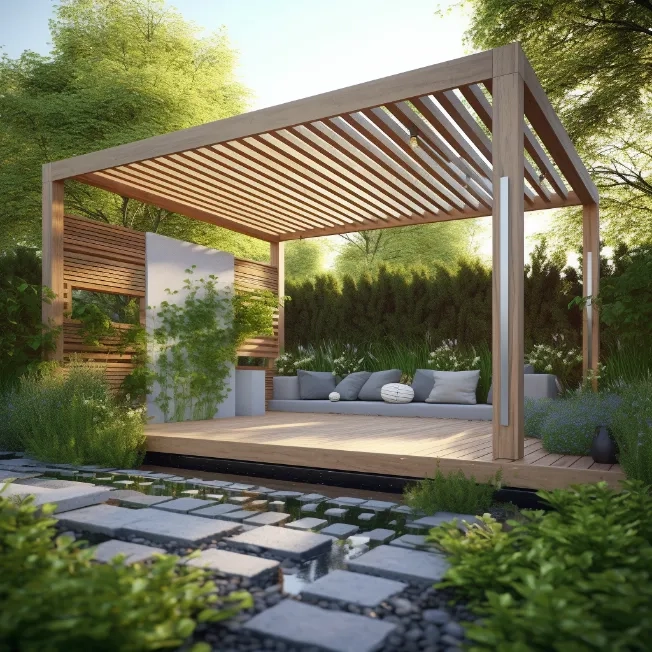
You know that feeling when you’re trying to concentrate on a big project, but the dishwasher is running, the dog is barking at a leaf, and your partner is on a call in the next room? Yeah. We’ve all been there. For years, we tried to make it work at the kitchen table. Or we squeezed a desk into a spare bedroom that was really just a glorified closet. It worked for a bit. But then remote work stopped being a temporary fix and became just… life. And suddenly, those makeshift solutions started to feel less like hacks and more like headaches.
Enter the garden shed. Not the dusty, spider-web-filled relic from the nineties where your dad kept rusty lawnmowers. We’re talking about sleek, insulated, wifi-ready structures that sit quietly at the bottom of your lawn. They are popping up everywhere. In 2026, this isn’t just a trend anymore; it’s a full-blown shift in how we think about our homes and our jobs. People are realizing that to work well from home, you sometimes need to leave home. Just not by much.
The appeal is simple. It’s physical separation. When you walk out that back door and across the grass, your brain gets a signal. You are leaving "home mode" and entering "work mode." It’s a psychological boundary that a laptop on the dining table just can’t provide. And honestly? It’s kind of luxurious. Imagine stepping out into the fresh air, hearing the birds instead of the traffic, and sitting down in a space that is 100% yours. No one is going to ask you to move your charger so they can vacuum. It’s freedom.
The Psychology of Separation in a Blurred World
Let’s be real for a second. Working from home blurred the lines between our professional and personal lives in a way that left a lot of us feeling burnt out. When your office is also your living room, when does the workday actually end? Studies have shown that having a dedicated workspace improves mental well-being significantly. But it’s not just about having a desk. It’s about detachment. A detached structure, like a shed, offers acoustic control and visual privacy that an indoor room rarely can.
Think about it. Inside the house, you are constantly aware of household chores. The pile of laundry. The dishes in the sink. It’s hard to focus on a spreadsheet when your peripheral vision is screaming "clean me." A garden shed removes those visual cues. You step inside, close the door, and the domestic chaos disappears. It creates a sanctuary for deep work. Research indicates that privacy and daylight are huge factors in concentration. A shed lets you design for exactly that—big windows facing the trees, soundproof walls, and zero distractions from the TV in the other room.
This separation also helps with the shutdown ritual. In a traditional office, the commute home serves as a decompression period. Without it, many people struggle to switch off. Walking back from the shed to the main house recreates that micro-commute. It’s a thirty-second transition that allows your brain to process the day and let go of work stress before you walk through your front door. It’s a small thing, but it makes a massive difference in how relaxed you feel in the evenings.
Designing for Comfort, Not Just Storage
Gone are the days when a shed meant thin walls and a dirt floor. Modern garden offices are built with the same care as the main house. Insulation is key. You don’t want to be freezing in January or sweltering in July. High-quality sheds now come with double-glazed windows, proper roofing, and climate control options. It’s about creating a comfortable environment where you can spend eight hours a day without discomfort. If your back hurts or you’re shivering, you aren’t going to be productive.
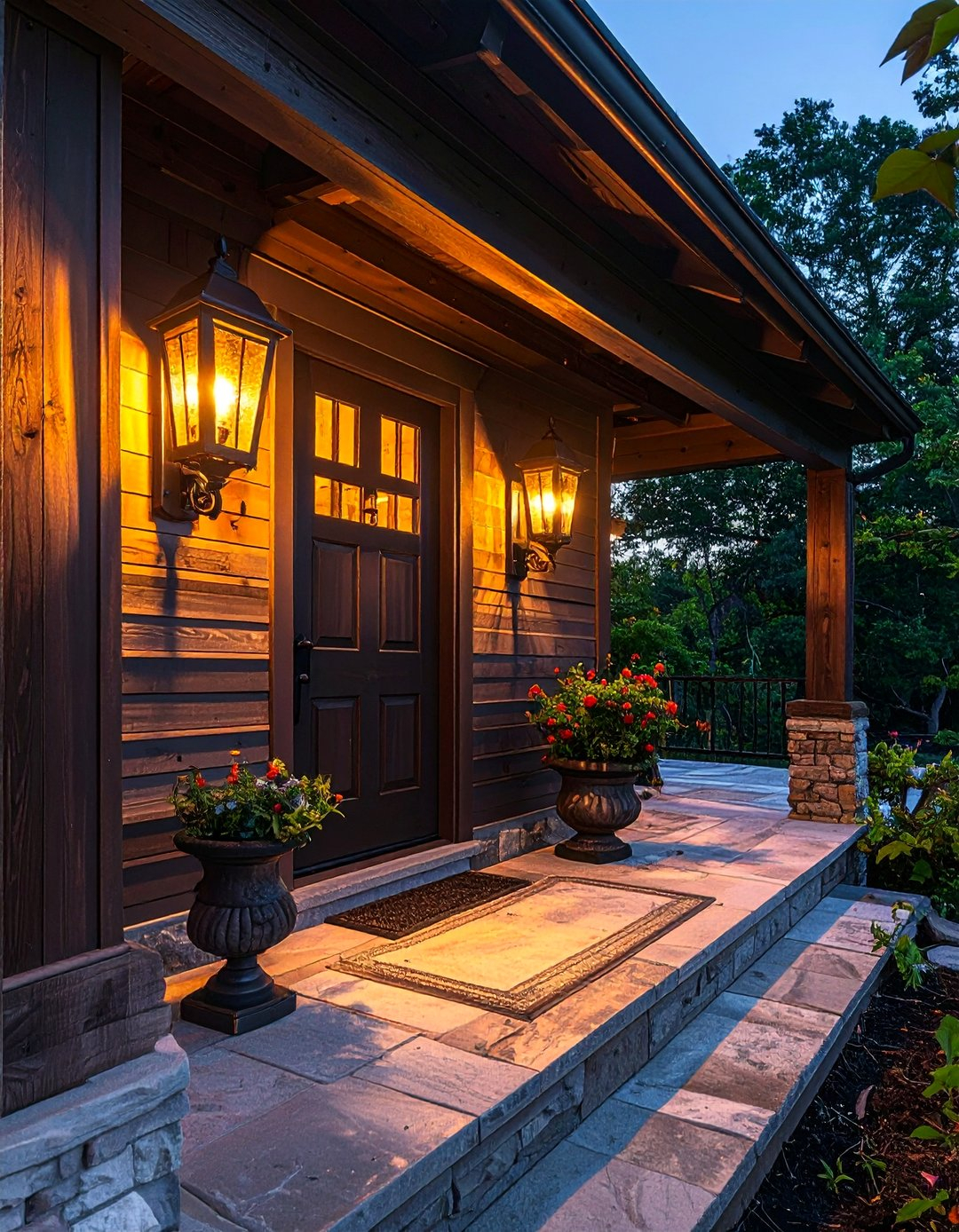
Lighting is another huge piece of the puzzle. Natural light boosts mood and energy levels. Many homeowners are opting for large glass doors or skylights to flood the space with daylight. But you also need good artificial lighting for those gloomy afternoons or late-night deadlines. Layered lighting—ambient, task, and accent—makes the space feel warm and inviting rather than sterile. It should feel like a cozy cabin, not a cubicle.
Then there’s the layout. Since these spaces are smaller, every inch counts. Smart storage solutions are essential. Built-in shelves, hidden cable management, and multi-functional furniture help keep the clutter at bay. The goal is to create a flow that suits your specific work style. Are you a writer who needs a quiet corner? Or a designer who needs wide open tables for spreading out materials? The beauty of a custom or modular shed is that you can tailor it to fit your needs. It’s your space, designed by you, for you.
The Tech Side: Power, Connectivity, and Infrastructure
Okay, so the shed looks great. But can it actually handle your work? This is where things get technical, but don’t worry, it’s simpler than it sounds. The biggest hurdle for most people is internet connectivity. If your WiFi signal doesn’t reach the backyard, you’re stuck. Fortunately, there are easy fixes. Mesh network extenders can push your home signal further out. For those needing serious speed, a direct ethernet cable run from the house is the gold standard. It’s reliable and fast. Some even opt for separate fiber lines if their budget allows, ensuring zero lag during video calls.
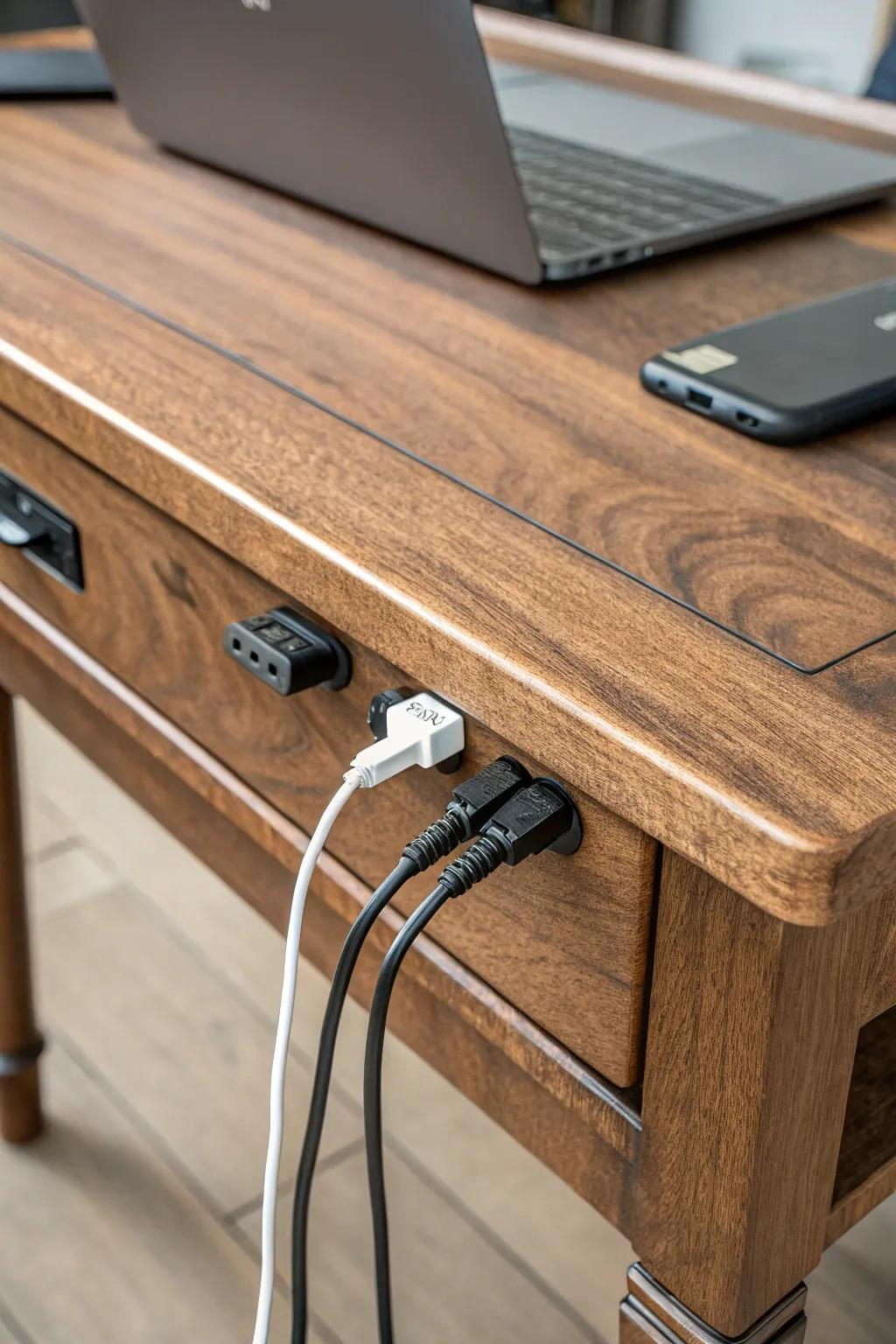
Power is the next consideration. You’ll need enough outlets for your computer, monitor, printer, phone charger, and maybe a mini-fridge for snacks. Most modern sheds are wired with standard electrical panels, but it’s worth hiring a licensed electrician to ensure everything is up to code. Safety first, right? You might also want to consider heating and cooling. Mini-split HVAC systems are popular because they are quiet and efficient. They keep the temperature stable without taking up valuable floor space like a bulky radiator would.
Don’t forget about soundproofing, both for keeping noise out and keeping it in. If you take a lot of calls, you don’t want the neighbor’s lawnmower ruining your presentation. Adding insulation batts in the walls and using solid-core doors can drastically reduce noise transmission. Carpet or rugs on the floor also help dampen sound. It’s about creating a bubble of calm. When you invest in the infrastructure, you’re investing in your ability to work without frustration. It turns a cute structure into a functional powerhouse.
Cost vs. Value: Is It Worth the Investment?
Let’s talk money. Building or buying a garden office isn’t cheap. Prices can range from a few thousand dollars for a basic DIY conversion to tens of thousands for a high-end, custom-built studio. So, is it worth it? For many, the answer is a resounding yes. Compared to renting external office space, the long-term savings are significant. Plus, you’re adding value to your property. Real estate experts note that functional outdoor living spaces are highly desirable to buyers in 2026. It’s an upgrade that pays dividends.
But it’s not just about resale value. Think about the daily return on investment. How much is your productivity worth? If a quiet space helps you finish tasks faster and with better quality, that has tangible value. Also, consider the cost of alternatives. Renovating an interior room often involves disrupting the whole house—dust, noise, and limited access to bathrooms or kitchens. A shed construction happens outside. Your daily life indoors remains largely uninterrupted. That convenience has a price tag too.
There are also different tiers of investment. You don’t need to break the bank. Prefab kits are becoming increasingly popular because they offer a middle ground. They are quicker to install and often come with pre-wired electrical options. On the other hand, converting an existing old shed can be a budget-friendly project if you’re handy. Sanding down floors, adding insulation, and painting can transform a tired structure into a charming workspace. The key is to align your budget with your needs. Don’t overspend on features you won’t use, but don’t skimp on the essentials like insulation and internet.
Navigating Rules, Permits, and Neighborhood Vibes
Before you start dreaming about French doors and skylights, you need to check the rules. Zoning laws and building codes vary wildly depending on where you live. In some places, you can put up a small shed without any permits. In others, you might need approval for anything over a certain square footage or height. It’s boring stuff, I know, but ignoring it can lead to fines or being forced to tear it down. Always check with your local council or municipality first. It saves a lot of heartache later.
Homeowners associations (HOAs) can also be a hurdle. If you live in a community with strict guidelines, you might need to get your design approved. They might have rules about color, materials, or where the structure can be placed. It’s best to approach this early in the process. Presenting a neat, professional plan often helps get approval faster. Remember, you’re not just building for yourself; you’re impacting the look of the neighborhood. Being a good neighbor matters.
Privacy is another social aspect to consider. If your shed faces directly into your neighbor’s backyard, they might not appreciate looking straight into your office. Thoughtful placement and landscaping can help. Planting tall shrubs or installing a trellis with climbing plants can create a natural screen. It softens the look of the building and gives you both some breathing room. Communication is key here. Talking to your neighbors about your plans can prevent misunderstandings. Most people are supportive if they know what you’re doing and why.
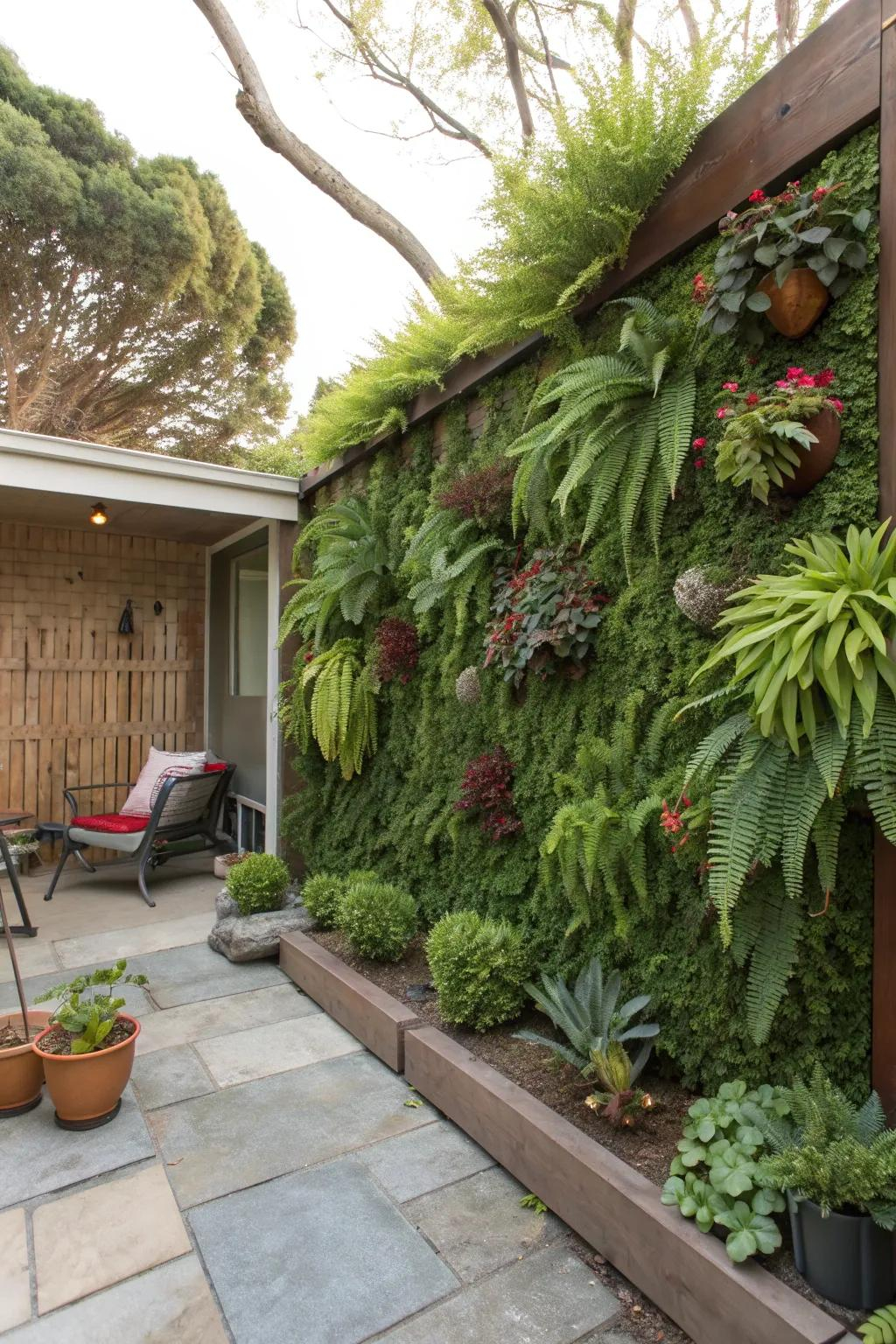
Once the structure is up, the fun part begins. Making the space reflect your personality is what turns it from a building into a home office. Do you love plants? Fill it with greenery. Studies show that biophilic design—bringing nature indoors—reduces stress and boosts creativity. A few potted ferns or a hanging ivy plant can make the air feel fresher and the space more alive. It connects you to the garden outside, even when you’re staring at a screen.
Art and decor play a huge role too. This is your canvas. Hang prints that inspire you. Use colors that calm you down or energize you, depending on your work. Maybe you need a cozy reading nook for brainstorming sessions. Or perhaps a standing desk converter to keep you moving. The flexibility of a small space allows you to experiment. You can change things up as your needs evolve. It’s not a permanent fixture like a built-in kitchen cabinet. It’s a dynamic environment.
Finally, think about how this space integrates with your overall lifestyle. Does it become a yoga studio on weekends? A guest room when family visits? Many modern sheds are designed with multi-use in mind. Murphy beds or fold-away desks can transform the room quickly. This versatility adds even more value. It’s not just an office; it’s an extension of your living space that adapts to your life. In 2026, flexibility is the name of the game. Your shed should work as hard as you do, but in a way that feels effortless and joyful.
So, where does this leave us? The shift toward garden offices isn’t just about following a trend. It’s a response to a fundamental change in how we live and work. We’ve learned that our environment shapes our output. By creating a dedicated, peaceful space away from the hustle of the main house, we reclaim our focus and our sanity. It’s about setting boundaries in a world that never seems to stop.
Whether you choose a sleek prefab model or renovate an old wooden shed, the result is the same: a place that is yours. A place where you can think, create, and breathe. It’s an investment in your well-being and your career. And honestly, isn’t that worth a little bit of effort? As we move further into this era of remote work, the backyard office is proving itself to be more than a luxury. It’s a necessity for many.
Take a look at your own space. Could a corner of your garden be the answer to your work-from-home struggles? It might just be the change you need. Start small, dream big, and remember that the best office is the one that makes you happy to log on.
[sps_html tag=”img” src=”https://cdn.northcarolinafinearchitecture.com/2026/05/smart-pergolas-harnessing-automation-and-connectivity-for-ultimate-inside-integrating-smart-technology-and-automation-into-traditional-wood-pergola-designs.jpg” alt=”Smart Pergolas: Harnessing Automation And Connectivity For Ultimate … inside Integrating Smart Technology and Automation Into Traditional Wood Pergola Designs” style=”width: 100%; height: auto;”]
[sps_html tag=”img” src=”https://cdn.northcarolinafinearchitecture.com/2026/05/13-wooden-pergola-ideas-backyard-paradise-garden-diy-ideas-for-outdoor-structure-design.jpg” alt=”13 Wooden Pergola Ideas – Backyard Paradise – Garden & Diy Ideas for Outdoor Structure Design” style=”width: 100%; height: auto;”]
[sps_html tag=”img” src=”https://cdn.northcarolinafinearchitecture.com/2026/05/the-power-of-automation-exploring-automatic-and-smart-pergola-features-intended-for-integrating-smart-technology-and-automation-into-traditional-wood-pergola-designs.jpg” alt=”The Power Of Automation: Exploring Automatic And Smart Pergola Features intended for Integrating Smart Technology and Automation Into Traditional Wood Pergola Designs” style=”width: 100%; height: auto;”]
[sps_html tag=”img” src=”https://cdn.northcarolinafinearchitecture.com/2026/05/mastering-ambiance-a-gallery-of-60-wooden-pergola-designs-egy-gazebo-with-outdoor-structure-design.webp” alt=”Mastering Ambiance: A Gallery Of 60 Wooden Pergola Designs - Egy Gazebo with Outdoor Structure Design” style=”width: 100%; height: auto;”]
[sps_html tag=”img” src=”https://cdn.northcarolinafinearchitecture.com/2026/05/mastering-ambiance-a-gallery-of-60-wooden-pergola-designs-egy-gazebo-pertaining-to-integrating-smart-technology-and-automation-into-traditional-wood-pergola-designs.webp” alt=”Mastering Ambiance: A Gallery Of 60 Wooden Pergola Designs - Egy Gazebo pertaining to Integrating Smart Technology and Automation Into Traditional Wood Pergola Designs” style=”width: 100%; height: auto;”]