Ever stood in your backyard during a sudden downpour, watching the rain soak your patio furniture, and thought, "If only I had some cover"? Or maybe you’ve shivered through an early autumn evening, wishing you could stay outside just a bit longer without freezing. It’s a common feeling. We love the outdoors, but the weather doesn’t always cooperate. That’s where the right structure comes in. A gazebo isn’t just a pretty addition to your garden; it’s a functional room without walls. But not all gazebos are created equal. Some are flimsy tents meant for a weekend camping trip, while others are built like fortresses, ready to take on whatever 2026’s climate throws at them.
Choosing an all-season gazebo is about more than just picking a color you like. It’s about investing in a piece of your home that works as hard as you do. Whether you want to protect a hot tub, create a dining area that stays dry, or just have a quiet spot to read while snow falls around you, the right choice makes all the difference. Let’s dive into what actually matters when you’re looking for something that lasts.
Understanding What Makes a Gazebo "All-Season
So, what exactly separates a summer-only canopy from a true four-season shelter? It mostly comes down to materials and engineering. An all-season gazebo needs to handle wind, heavy rain, snow load, and intense UV rays without falling apart or fading into oblivion. According to recent insights from experts at Backyard Discovery, the key is ensuring the structure can withstand all elements year-round. This isn’t just marketing speak; it’s about structural integrity. You’re looking for frames made from powder-coated aluminum or heavy-duty steel, which resist rust and corrosion much better than untreated wood or cheap iron.
The roof is another critical component. Soft tops, usually made of polyester or canvas, might be cheaper, but they degrade faster under constant sun and can tear in high winds. Hardtops, often made from galvanized steel or polycarbonate panels, are the gold standard for durability. They shed snow easily, don’t leak, and provide better insulation. Brands like SUNJOY emphasize this shift toward premium, luxury structures that offer dependable performance. If you live in an area with harsh winters, a hardtop is non-negotiable. It’s the difference between replacing your roof every two years and having it last for a decade or more.
Don’t forget the foundation either. A gazebo is only as stable as what it’s anchored to. Many people skip this step, thinking the weight of the structure is enough. It’s not. Wind can lift even heavy gazebos if they aren’t secured properly. Look for models that come with robust anchoring kits, or plan to bolt your gazebo to a concrete slab or deck. This simple step ensures your investment stays put, no matter how gusty it gets. It’s a small detail that makes a huge difference in longevity.
Frame Materials: Steel vs. Wood vs. Aluminum
When you start shopping, you’ll see three main contenders for frame materials: steel, wood, and aluminum. Each has its own vibe and practical benefits. Steel is the tough guy of the group. It’s incredibly strong and can support heavy roofs and accessories like ceiling fans or lighting rigs. The Patio Pro notes that steel gazebos are among the best for 2026 because of their sheer durability. However, steel can be heavy and prone to rust if the coating chips. You need to keep an eye on it and touch up any scratches promptly.
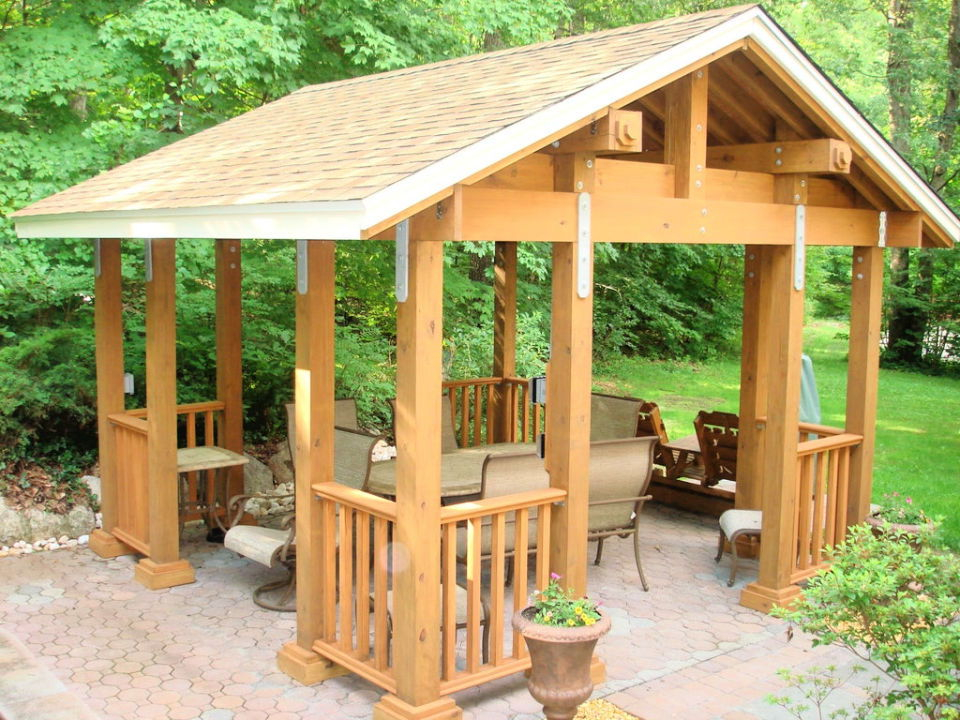
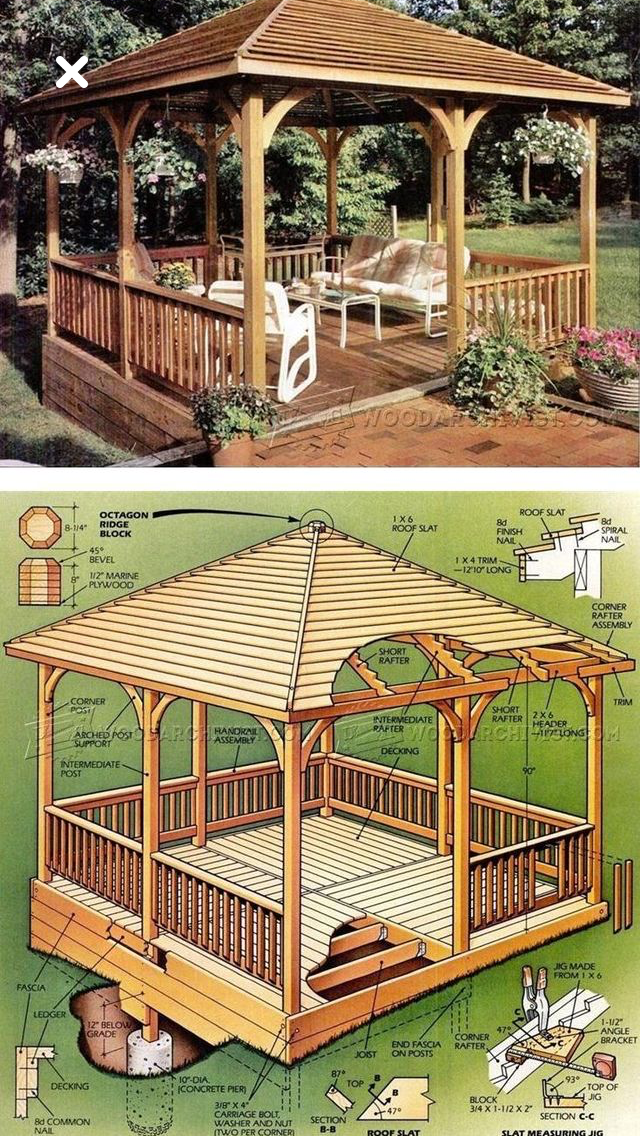
Wood, particularly cedar or redwood, offers a natural, classic look that blends seamlessly with gardens. It feels warm and inviting, unlike the industrial feel of metal. But wood requires maintenance. You’ll need to stain or seal it regularly to prevent rot, warping, and insect damage. If you love DIY projects and don’t mind spending a weekend every few years caring for your structure, wood is a beautiful choice. Just remember, it’s not truly "low maintenance," even if it looks rustic and charming.
Aluminum is the lightweight champion. It doesn’t rust, it’s easy to move if you need to reposition it, and it requires almost zero upkeep. Modern aluminum frames are surprisingly strong, thanks to advanced alloys and design engineering. They’re perfect for coastal areas where salt air eats away at other metals. While they might not have the heft of steel, they offer a great balance of strength and convenience. For most homeowners who want a "set it and forget it" solution, aluminum is often the smartest pick. It’s versatile, durable, and won’t leave you scrubbing rust stains off your patio.
Roofing Options: Hardtop vs. Soft Top Debate
The roof is where the rubber meets the road, so to speak. Soft tops are popular because they’re affordable and often come with ventilation features like double-tiered designs that let heat escape. This keeps the space cooler in summer. However, they have a shorter lifespan. Fabric fades, stretches, and can mildew if not treated properly. In winter, snow can accumulate and weigh them down, potentially causing collapse if not cleared regularly. They’re fine for mild climates, but risky elsewhere.
Hardtops are the superior choice for year-round use. Made from metal or durable polycarbonate, they are impervious to rain and snow. Polycarbonate panels have the added benefit of filtering UV rays while still letting in natural light, creating a bright, airy feel without the glare. Metal roofs are tougher and can handle heavier snow loads, but they can be noisy during rainstorms. Some modern designs include sound-dampening layers to mitigate this. The trade-off is worth it for the peace of mind. You don’t have to worry about checking the forecast before leaving your gazebo up.
Ventilation is crucial regardless of the roof type. Without proper airflow, a gazebo can become a sauna in summer or trap moisture in winter, leading to mold. Look for structures with vented peaks or open sides that can be closed with curtains when needed. This flexibility allows you to control the environment inside. It’s about creating a comfortable microclimate that adapts to the season, rather than fighting against it. A well-ventilated hardtop gazebo is essentially an outdoor room that breathes.
Essential Accessories for Comfort and Utility
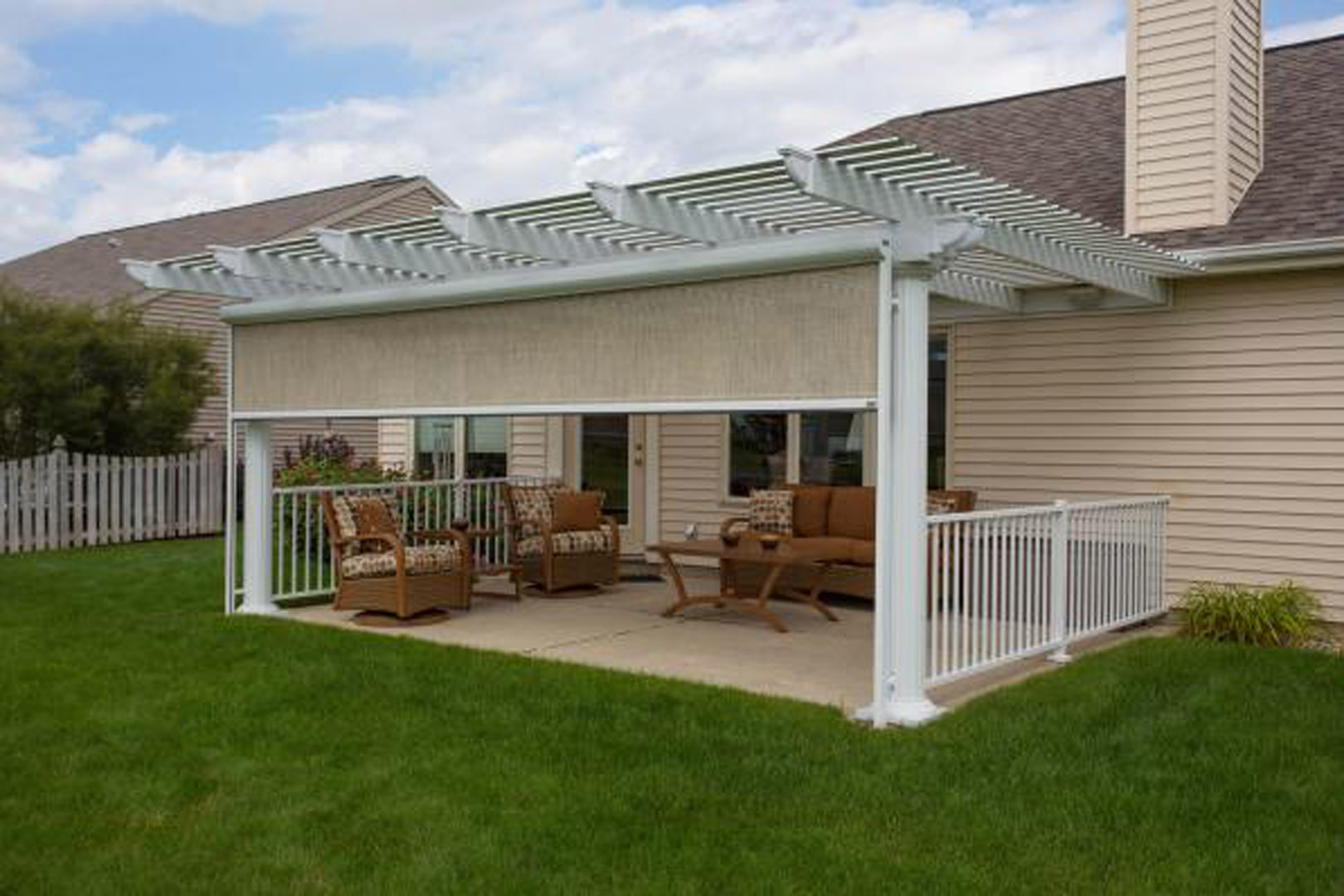
A bare gazebo is just a shell. To make it truly livable, you need the right accessories. Curtains and netting are probably the most important additions. They provide privacy, block wind, and keep bugs out. LIDA OUTDOOR highlights top picks for gazebos with curtains, noting their role in enhancing comfort and style. Look for weather-resistant fabrics that can withstand rain and sun without fading or tearing. Zippered screens are great for summer evenings when you want fresh air but no mosquitoes.
Lighting transforms the space from daytime useful to nighttime magical. String lights, lanterns, or even installed ceiling fixtures can extend your usage hours. Solar-powered options are easy to install and eco-friendly, though they might not be as bright as wired solutions. If you have access to electricity, consider adding a fan or a small heater. A ceiling fan keeps air moving in humid months, while a propane or electric heater can take the chill off in early spring or late fall. These small additions make a big impact on how often you actually use the space.
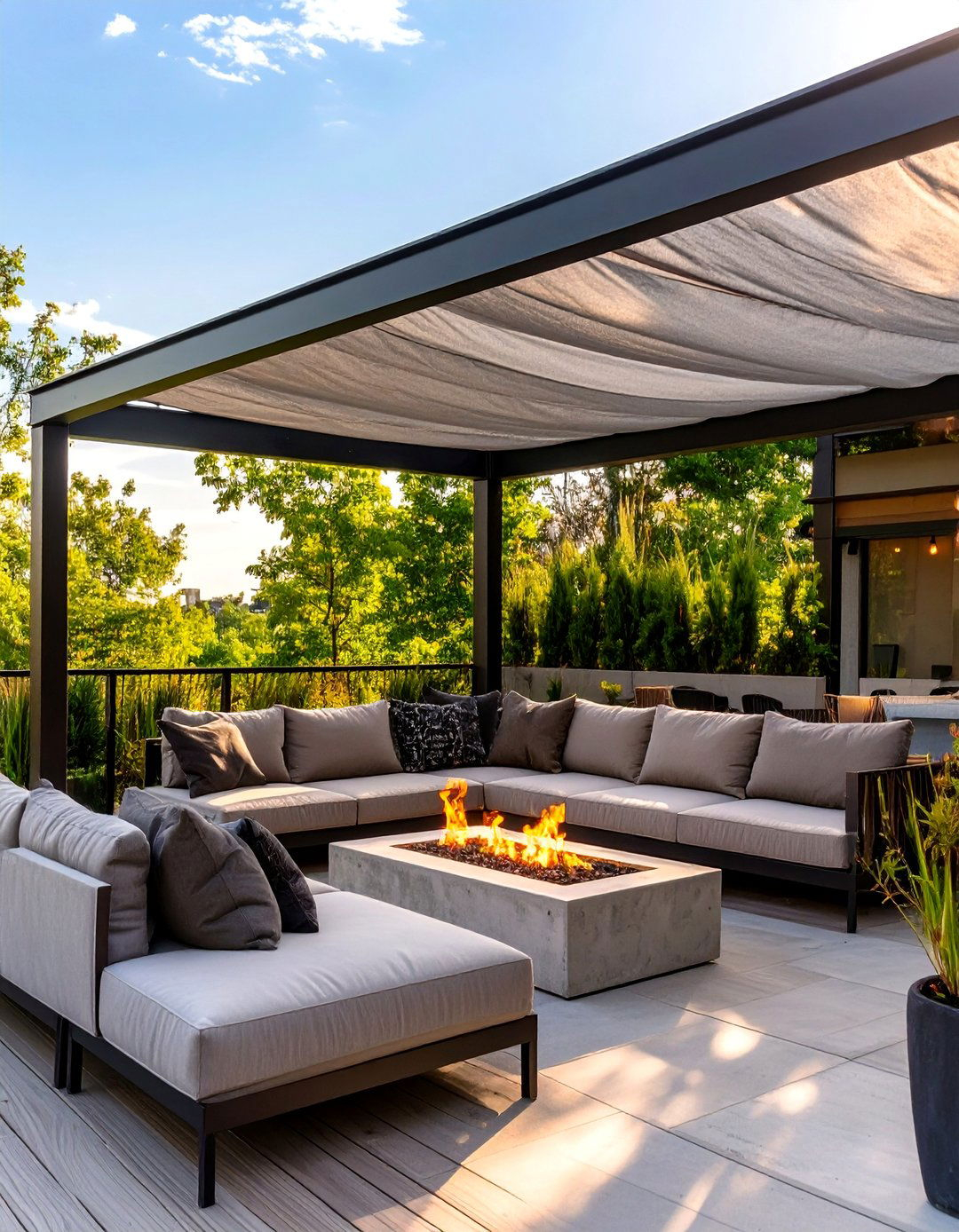
Furniture selection matters too. Choose pieces designed for outdoor use, with cushions that dry quickly and fabrics resistant to mildew. Teak, aluminum, or all-weather wicker are good choices. Avoid bringing indoor furniture outside unless it’s strictly covered, as humidity and temperature changes will ruin it fast. Think of your gazebo as an extension of your living room, but one that needs to be tougher. Layering rugs, throw pillows, and blankets can add warmth and texture, making it feel cozy and inviting regardless of the season.
Maintenance Tips to Extend Lifespan
Even the best-built gazebo needs some love to last. Regular cleaning is the first step. Wash the frame with mild soap and water a couple of times a year to remove dirt, pollen, and bird droppings, which can corrode finishes over time. For hardtops, rinse off leaves and debris to prevent clogging drains or staining the surface. If you have a soft top, check the manufacturer’s instructions for cleaning specific fabrics, as harsh chemicals can damage waterproof coatings.
Inspect the structure seasonally. Look for loose bolts, rust spots, or tears in the fabric. Tighten any hardware that has worked itself loose due to wind vibration. Touch up any paint chips on metal frames immediately to prevent rust from spreading. For wood structures, check for signs of rot or insect activity and reapply sealant as needed. Catching small problems early saves you from costly repairs or replacements later. It’s like changing the oil in your car; a little prevention goes a long way.
Winter preparation is key if you live in snowy regions. While hardtops can handle snow, it’s wise to brush off heavy accumulations to reduce stress on the frame. Remove any removable accessories like curtains or screens if they aren’t designed for extreme cold, as they can become brittle and crack. Store them indoors until spring. Taking these simple steps ensures your gazebo remains a reliable retreat year after year, rather than becoming an eyesore that needs replacing every few seasons.
Size matters more than you might think. A gazebo that’s too small feels cramped and unusable, while one that’s too large can overwhelm your yard and budget. Measure your available space carefully, leaving room for walking paths and other landscaping features. Consider what you’ll be using it for. If it’s for dining, make sure there’s enough room for a table and chairs with space to pull them out. For a hot tub, ensure the footprint accommodates the tub plus seating and access panels. Standard sizes range from 10×10 feet for intimate spaces to 12×14 or larger for family gatherings.
Placement is equally critical. Think about sun exposure, wind patterns, and views. You’ll likely want shade during the hottest part of the day, so positioning the gazebo to block afternoon sun can make it more comfortable. Avoid placing it under large trees that drop sap or branches, which can damage the roof. Also, consider proximity to your house. Having it close to the kitchen makes serving food easier, while a secluded spot in the garden offers more privacy and tranquility. Check local zoning laws too; some areas have restrictions on structure size and placement relative to property lines.
Finally, think about the foundation. A level surface is essential for stability and proper drainage. Concrete slabs, pavers, or reinforced decks work best. Avoid placing it directly on grass or dirt, which can shift and cause the structure to lean or sink over time. Proper placement and foundation work set the stage for years of enjoyment. It’s the groundwork that supports everything else, literally and figuratively. Take your time to get this right, and the rest will fall into place.
In the end, an all-season gazebo is more than just a purchase; it’s a lifestyle upgrade. It gives you back your outdoor space, no matter the weather. By choosing durable materials, adding thoughtful accessories, and maintaining it properly, you create a sanctuary that serves you year-round. Whether you’re sipping coffee in the morning mist or hosting a dinner party under the stars, your gazebo becomes the heart of your outdoor life. It’s worth taking the time to choose wisely, because the comfort and joy it brings are priceless. So go ahead, step outside, and make your backyard a place you love in every season.
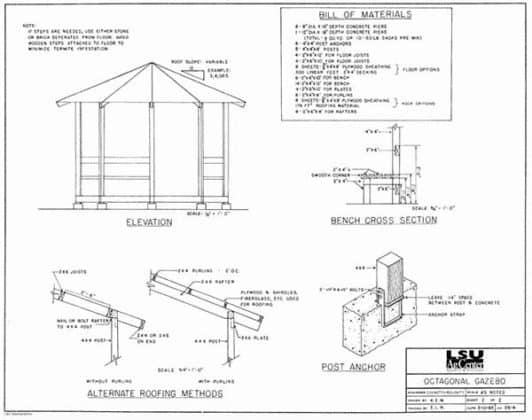
[sps_html tag=”img” src=”https://cdn.northcarolinafinearchitecture.com/2026/06/20-free-diy-gazebo-plans-to-build-a-gazebo-yourself-artofit-pertaining-to-outdoor-gazebo-design.jpg” alt=”20 Free Diy Gazebo Plans To Build A Gazebo Yourself – Artofit pertaining to Outdoor Gazebo Design” style=”width: 100%; height: auto;”]
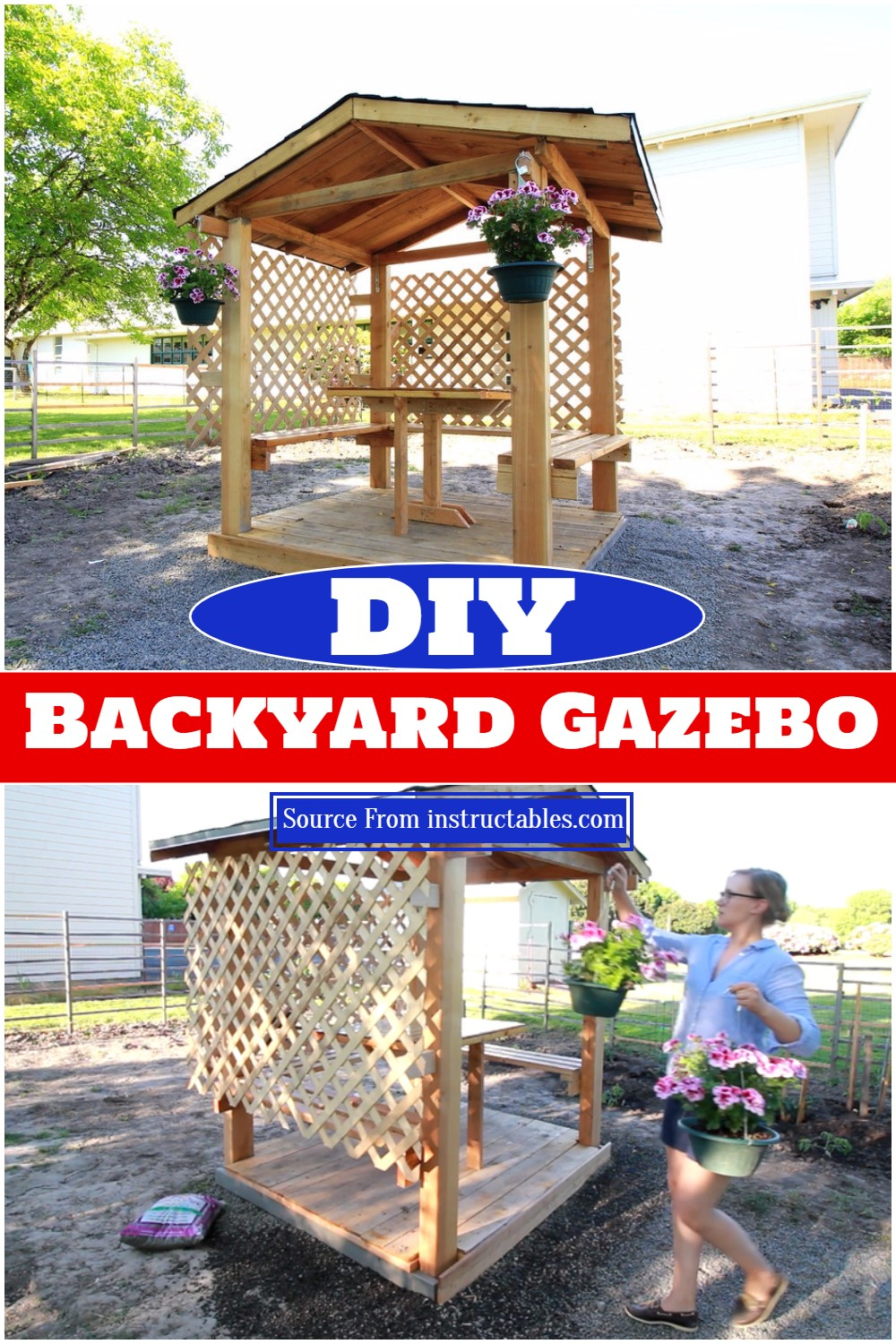
[sps_html tag=”img” src=”https://cdn.northcarolinafinearchitecture.com/2026/06/outdoor-gazebo-plans-intended-for-outdoor-gazebo-design.jpg” alt=”Outdoor Gazebo Plans intended for Outdoor Gazebo Design” style=”width: 100%; height: auto;”]
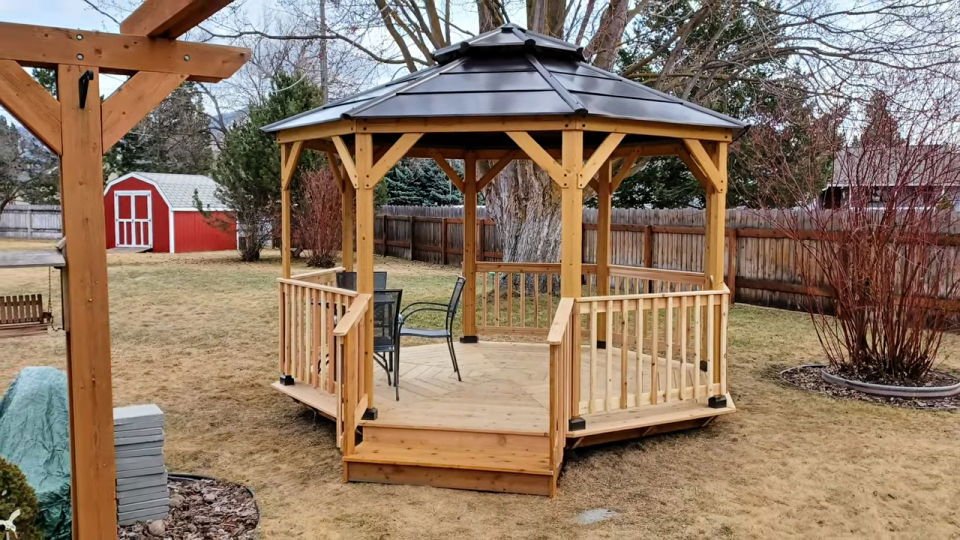
[sps_html tag=”img” src=”https://cdn.northcarolinafinearchitecture.com/2026/06/31-diy-gazebo-plans-you-can-build-free-diyscraftsy-inside-outdoor-gazebo-design.jpg” alt=”31 Diy Gazebo Plans You Can Build Free - Diyscraftsy inside Outdoor Gazebo Design” style=”width: 100%; height: auto;”]
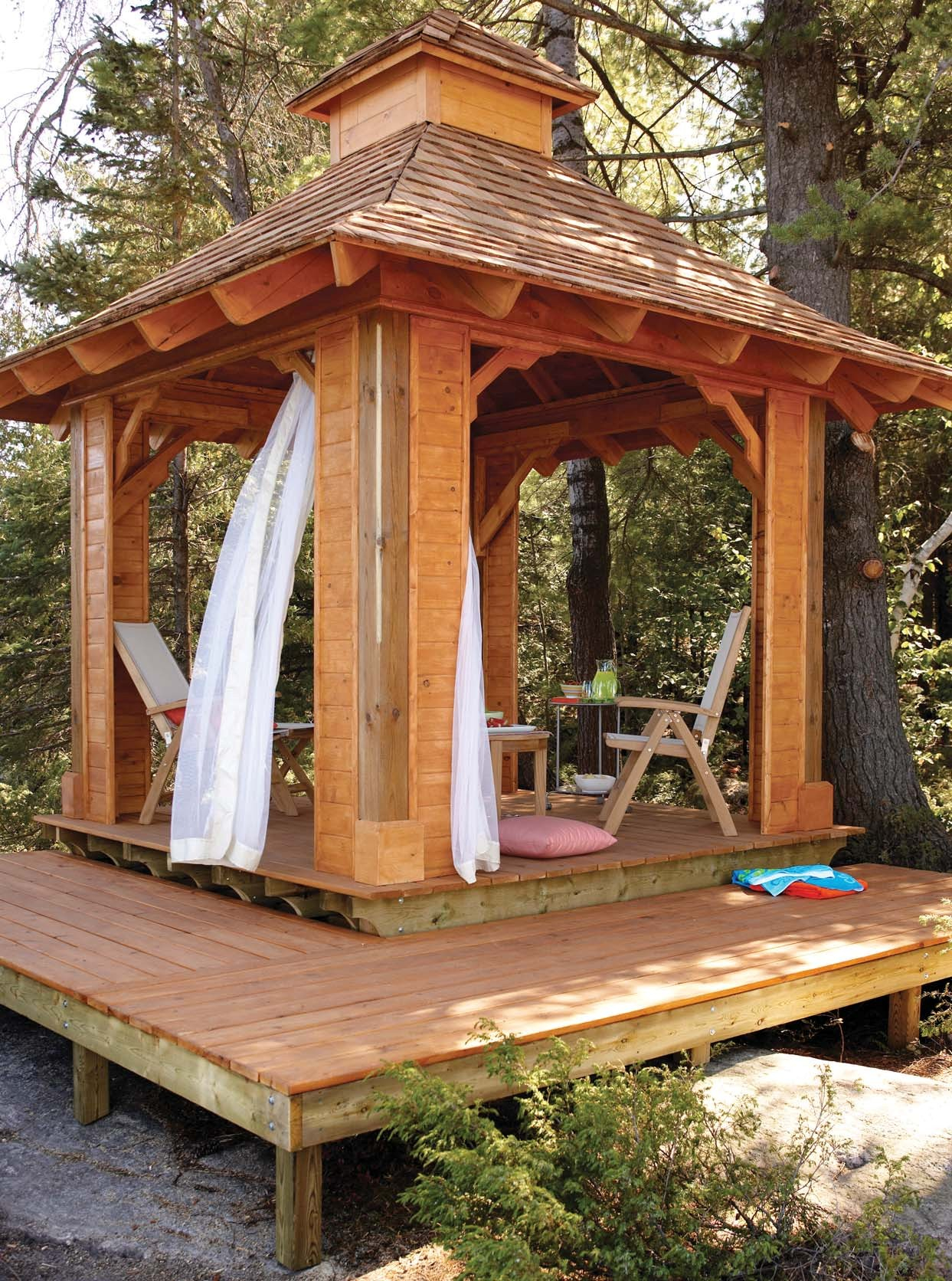
[sps_html tag=”img” src=”https://cdn.northcarolinafinearchitecture.com/2026/06/27-free-diy-gazebo-plans-design-ideas-for-a-stunning-backyard-upgrade-for-27-free-diy-gazebo-plans-to-build-your-own-backyard-retreat-in-2026.jpg” alt=”27 Free Diy Gazebo Plans & Design Ideas For A Stunning Backyard Upgrade for 27 Free DIY Gazebo Plans to Build Your Own Backyard Retreat in 2026″ style=”width: 100%; height: auto;”]
[sps_html tag=”img” src=”https://cdn.northcarolinafinearchitecture.com/2026/06/22-free-diy-gazebo-plans-ideas-to-build-with-step-by-step-tutorials-throughout-27-free-diy-gazebo-plans-to-build-your-own-backyard-retreat-in-2026.png” alt=”22 Free Diy Gazebo Plans Ideas To Build With Step By Step Tutorials … throughout 27 Free DIY Gazebo Plans to Build Your Own Backyard Retreat in 2026″ style=”width: 100%; height: auto;”]