You know that feeling when you step outside on a scorching July afternoon? The sun beats down, the air shimmers, and your beautiful backyard feels more like an oven than a retreat. It’s frustrating. You bought that nice outdoor sofa, planted those hydrangeas, and set up the grill, but you can’t actually use any of it because the elements are winning. That’s where a patio cover comes in. But here’s the catch: picking one isn’t just about blocking the sun. It’s about making a statement. It’s about extending your living space without making your house look like it’s wearing a hat that doesn’t fit.
In 2026, the options are overwhelming. Scroll through any home improvement site, and you’ll see everything from high-tech motorized louvers to rustic wooden pergolas draped in wisteria. It’s easy to get lost in the pictures. You might fall in love with a sleek, modern aluminum structure, only to realize it clashes with your craftsman-style home. Or maybe you pick a cheap fabric awning that looks great in June but is ripped to shreds by August winds. The secret isn’t finding the "best" cover. It’s finding the one that balances how you want your yard to look with how you actually live in it. Let’s cut through the noise and figure out what works for you.
Start With How You Live, Not Just How It Looks
Before you even think about materials or colors, you need to have an honest conversation with yourself about your daily routine. This sounds boring, I know. But trust me, it saves you from buyer’s remorse. Are you the type who hosts big dinner parties every weekend? Or do you prefer a quiet morning coffee while watching the birds? Maybe you have kids who need a safe, shaded spot to play while you keep an eye on them from the kitchen window. The "perfect" cover for a party host is very different from the ideal setup for a introverted gardener.
Think about the weather in your specific area, too. If you live in a place with heavy snow loads, a flimsy fabric sail isn’t going to cut it. You need structure. On the flip side, if you’re in a windy coastal region, a solid roof might act like a sail and cause issues unless it’s engineered correctly. In 2026, we’re seeing more extreme weather patterns, so durability isn’t just a bonus; it’s a necessity. Ask yourself: Do I need full protection from rain? Or is filtering the sunlight enough? Do I want to use this space year-round, or just in the summer? These answers will narrow down your choices significantly.
Also, consider who else will be using the space. If you have pets, you might want a material that’s easy to hose down. If you have elderly relatives visiting, you might prioritize a cover that reduces glare and heat without creating a dark cave. It’s about integrating the structure into your life, not forcing your life to adapt to the structure. Take a week to observe your backyard usage. Note when it’s too hot, when it’s too bright, and when it’s just right. That data is worth more than any catalog.
The Big Four: Pergolas, Solid Roofs, Awnings, and Gazebos
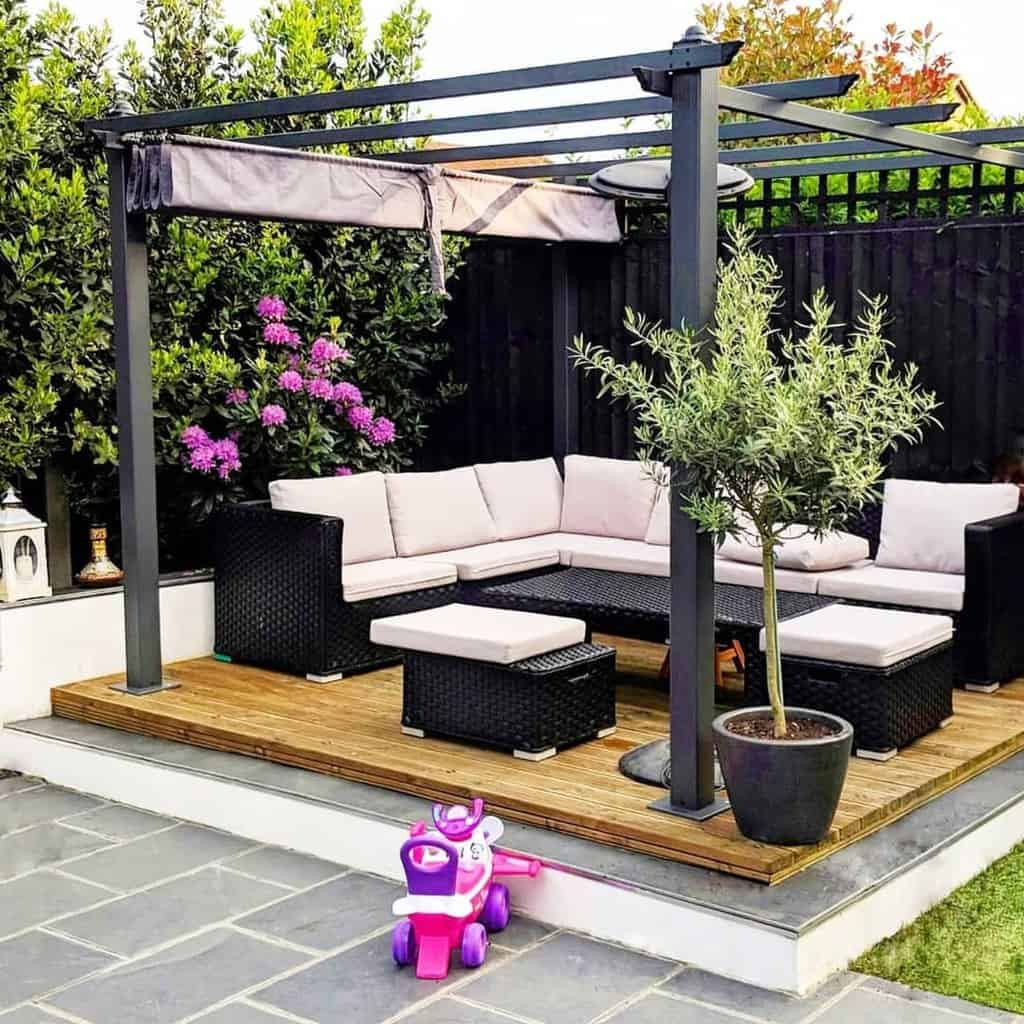
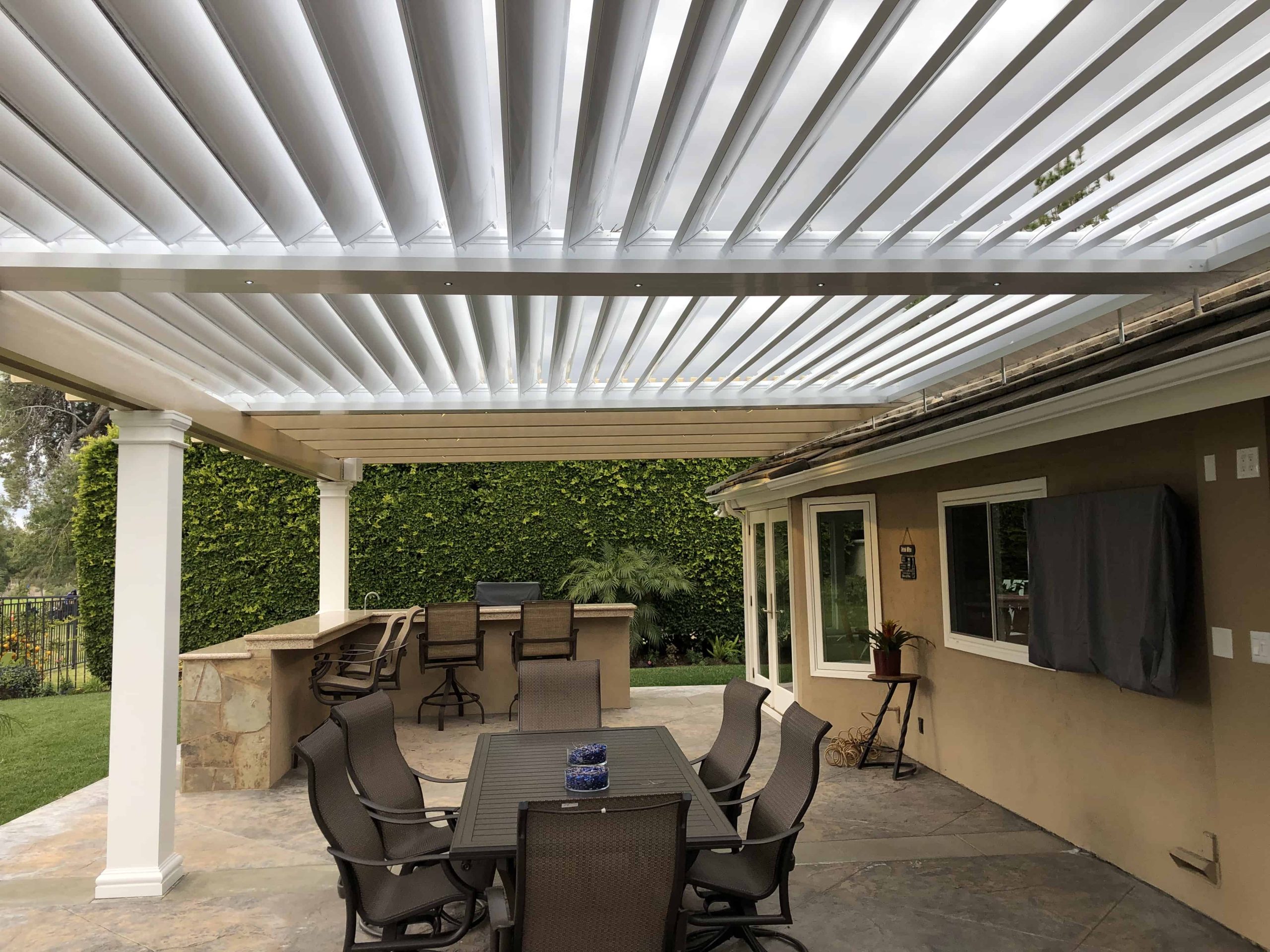
Once you know your needs, you can look at the main types of covers. Each has its own personality. Let’s break them down so you don’t get confused by the jargon. First, there’s the pergola. This is the romantic choice. It’s open, airy, and lets dappled light filter through. It’s perfect if you want shade but still want to feel connected to the sky. However, it doesn’t stop rain. If you live in a dry climate, it’s fantastic. If you’re in Seattle? Not so much. Modern pergolas in 2026 often come with retractable canvas tops or louvered roofs, which gives you the best of both worlds, but that adds to the cost.
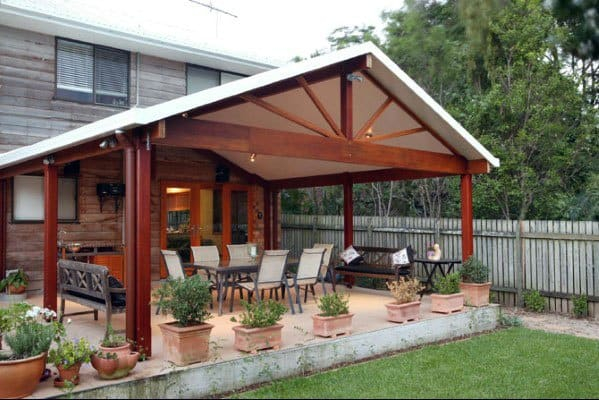
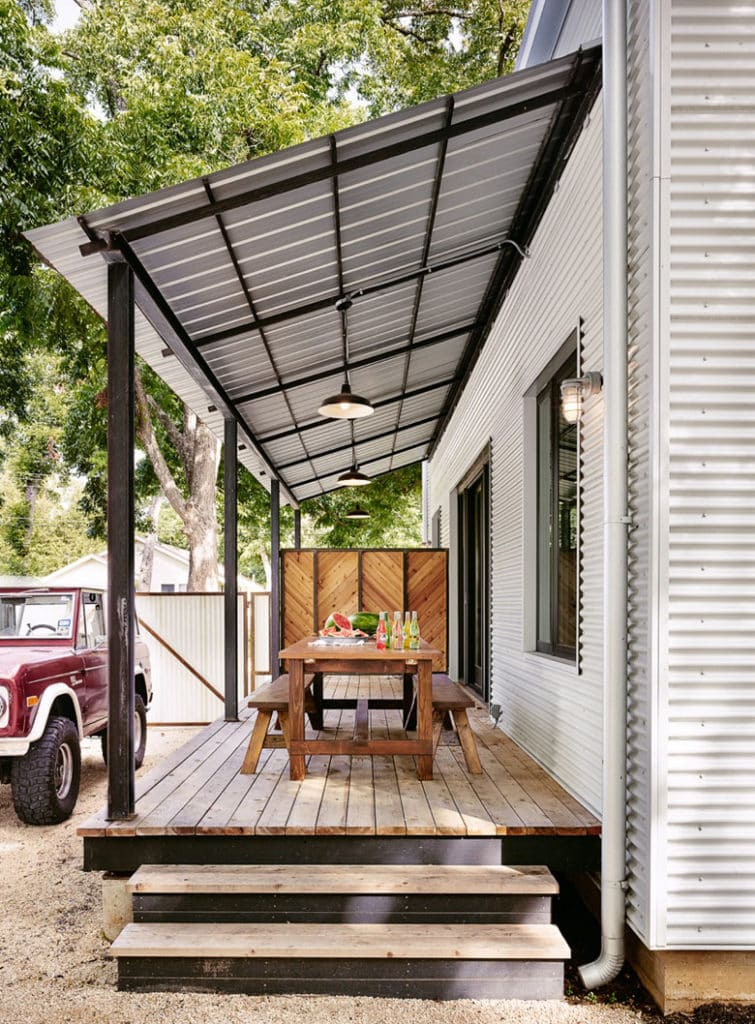
Then you have solid roof covers. These are usually attached to the house and extend out over the patio. They offer complete protection from sun and rain. Think of them as an outdoor room without walls. They’re great for maximizing usable square footage because you can leave your cushions out even when it storms. The downside? They can feel heavy or boxy if not designed well. You need to make sure the style matches your home’s architecture. A massive solid roof on a small bungalow can look overpowering.
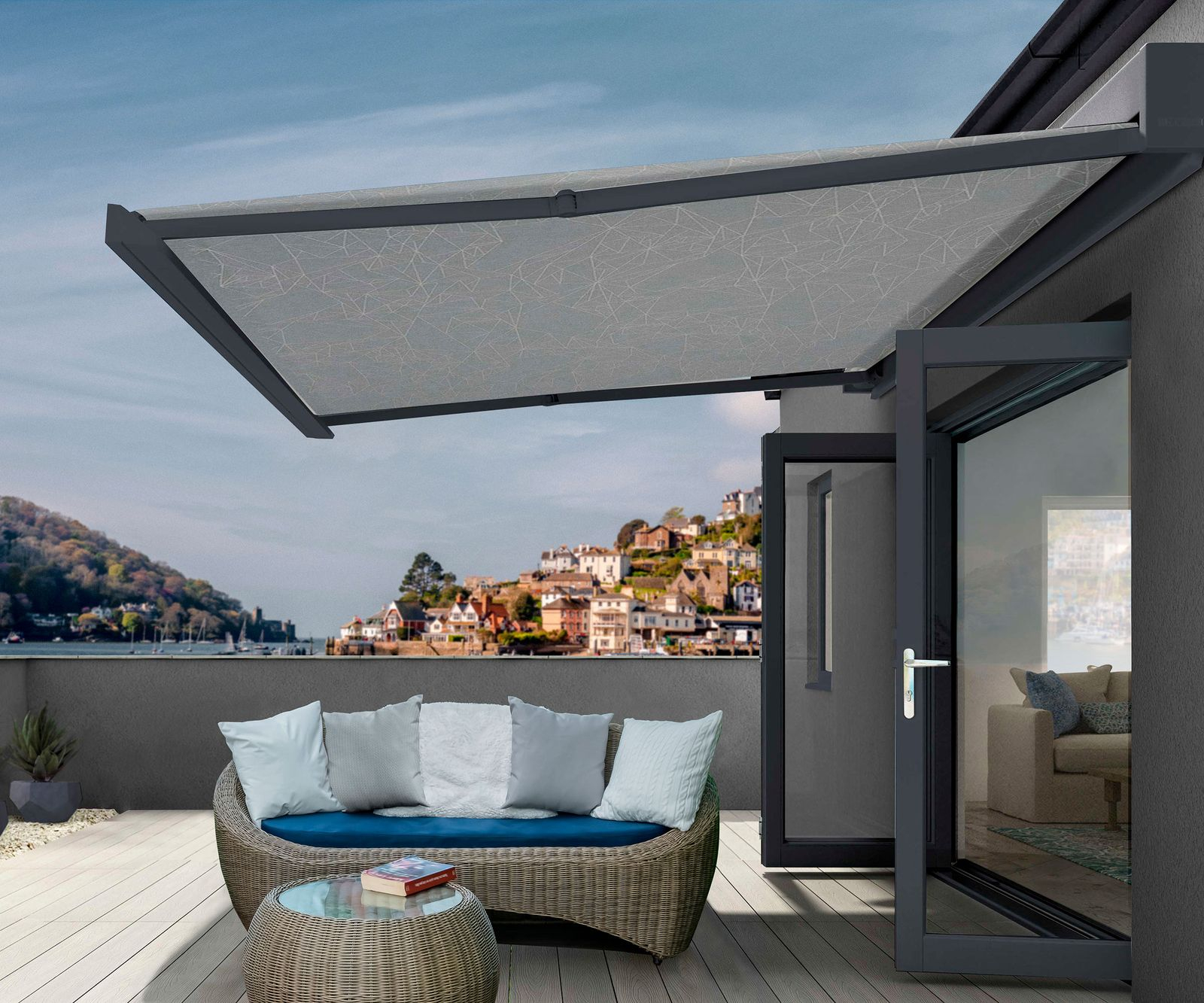
Awnings are the flexible friends. Retractable awnings have come a long way. They’re not just those striped things you see on old cafes. Today’s models are sleek, motorized, and can withstand surprising amounts of wind. They’re perfect if you want shade only part of the day. You can pull them out during the harsh afternoon sun and retract them in the evening to stargaze. They’re generally cheaper than permanent structures, but they do require more maintenance and have a shorter lifespan. Lastly, gazebos. These are freestanding and offer 360-degree views. They’re great for creating a focal point in a large yard, but they don’t attach to your house, so you’re walking through the elements to get to them.
Material Matters: Wood, Aluminum, and Vinyl
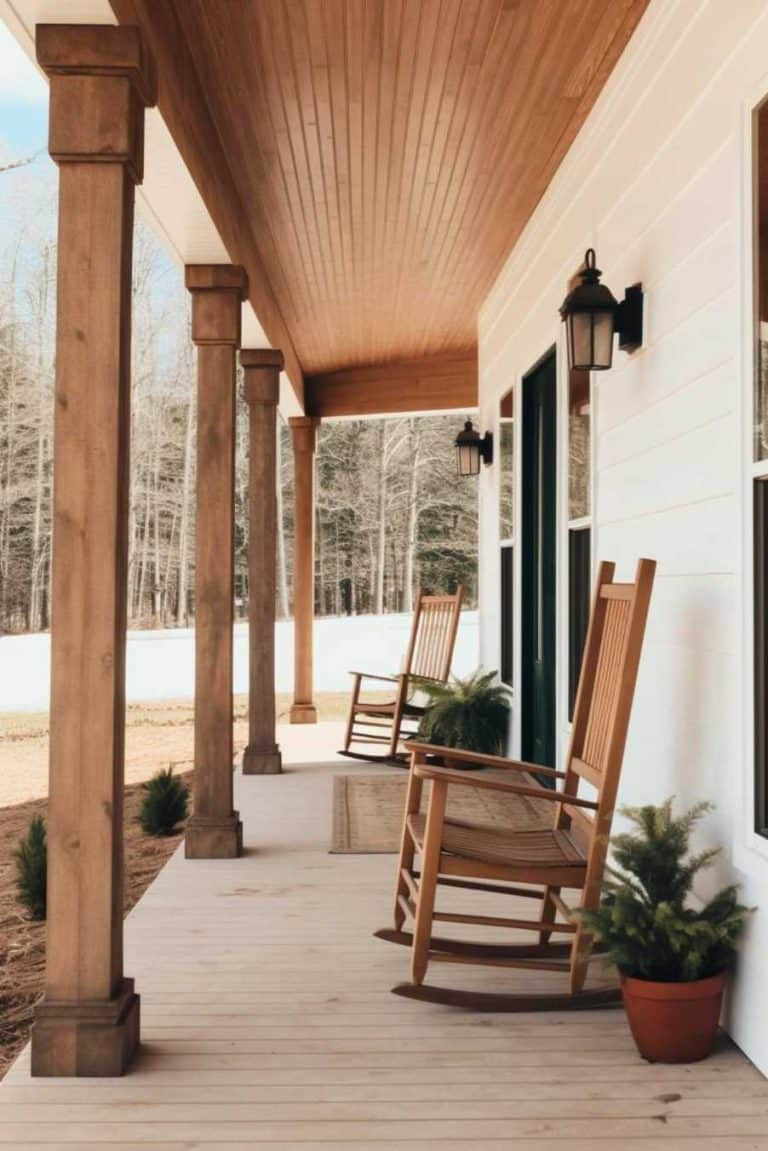
The look of your patio cover is largely dictated by the material you choose. Wood is the classic choice. It’s warm, natural, and ages beautifully if you take care of it. Cedar and redwood are popular because they resist rot and insects. But let’s be real: wood requires work. You need to stain or seal it every few years. If you ignore it, it turns gray and can warp. For many people, that rustic charm is worth the effort. For others, it’s a chore they’ll dread. In 2026, we’re also seeing more sustainable wood options and composite woods that mimic the look without the same level of upkeep.
Aluminum is having a major moment right now. And for good reason. It’s lightweight, rust-proof, and incredibly durable. It doesn’t rot, warp, or crack. Plus, it comes in a huge variety of powder-coated colors. You can get an aluminum cover that looks like wood grain if you want that aesthetic without the maintenance. It’s also often more affordable than high-end hardwoods. The downside? Some people find it feels "cold" or industrial. But with the right design, it can look very modern and chic. It’s a practical choice for busy homeowners who want a "set it and forget it" solution.
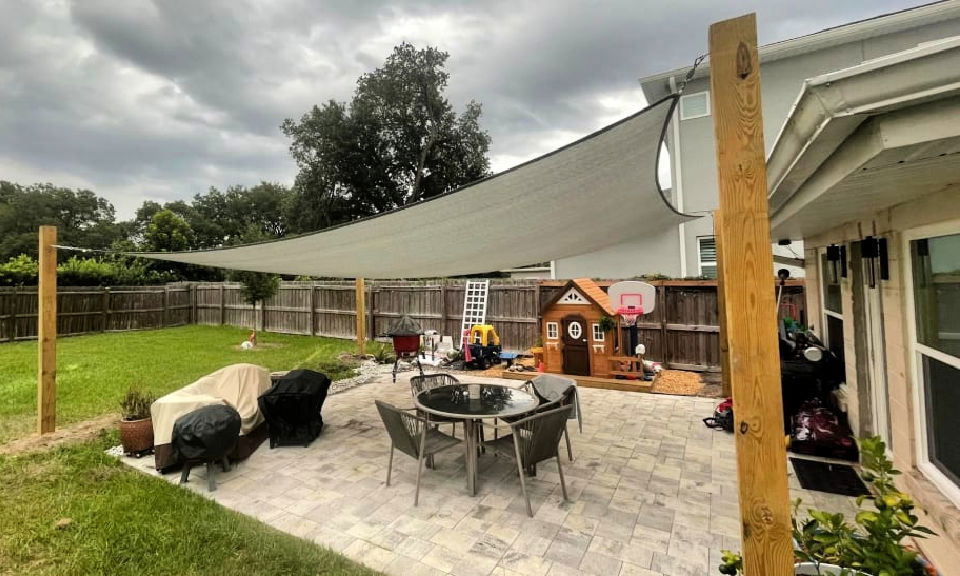
Vinyl is another low-maintenance contender. It’s clean, bright, and resists fading. It’s great for traditional or colonial-style homes. However, vinyl can become brittle in extreme cold and may sag in intense heat if not properly supported. It’s also limited in color options—usually white or tan. Then there’s fabric. Whether it’s for an awning or a shade sail, the quality of the fabric is crucial. Look for acrylics that are UV-resistant and water-repellent. Cheap fabric will fade and mildew quickly. Spend a bit more here, and it’ll last years longer. Balancing the initial cost with the long-term care is key.
Mixing Aesthetics With Your Home’s Architecture
Here’s where things get tricky. You might love the look of a modern, minimalist steel pergola, but if your house is a Victorian with intricate trim, it’s going to look like a mistake. Harmony is essential. Your patio cover should feel like it belongs there. If you have a ranch-style home with clean lines, a simple, flat-roofed aluminum structure might blend in perfectly. If you have a cottage, a wooden pergola with climbing vines might enhance the cozy vibe. Don’t fight your home’s architecture; work with it.
Color plays a huge role in this balance. You don’t have to match your trim exactly, but you should coordinate. A dark charcoal cover can ground a light-colored house and add contrast. A white cover can keep things feeling light and airy. In 2026, we’re seeing a trend toward earth tones—slate greens, warm grays, and terracottas—that help the structure blend into the landscape rather than standing out against it. Think about the view from inside your house, too. When you look out your back window, what do you want to see? A bulky beam blocking your view of the garden? Or a slender profile that frames it?
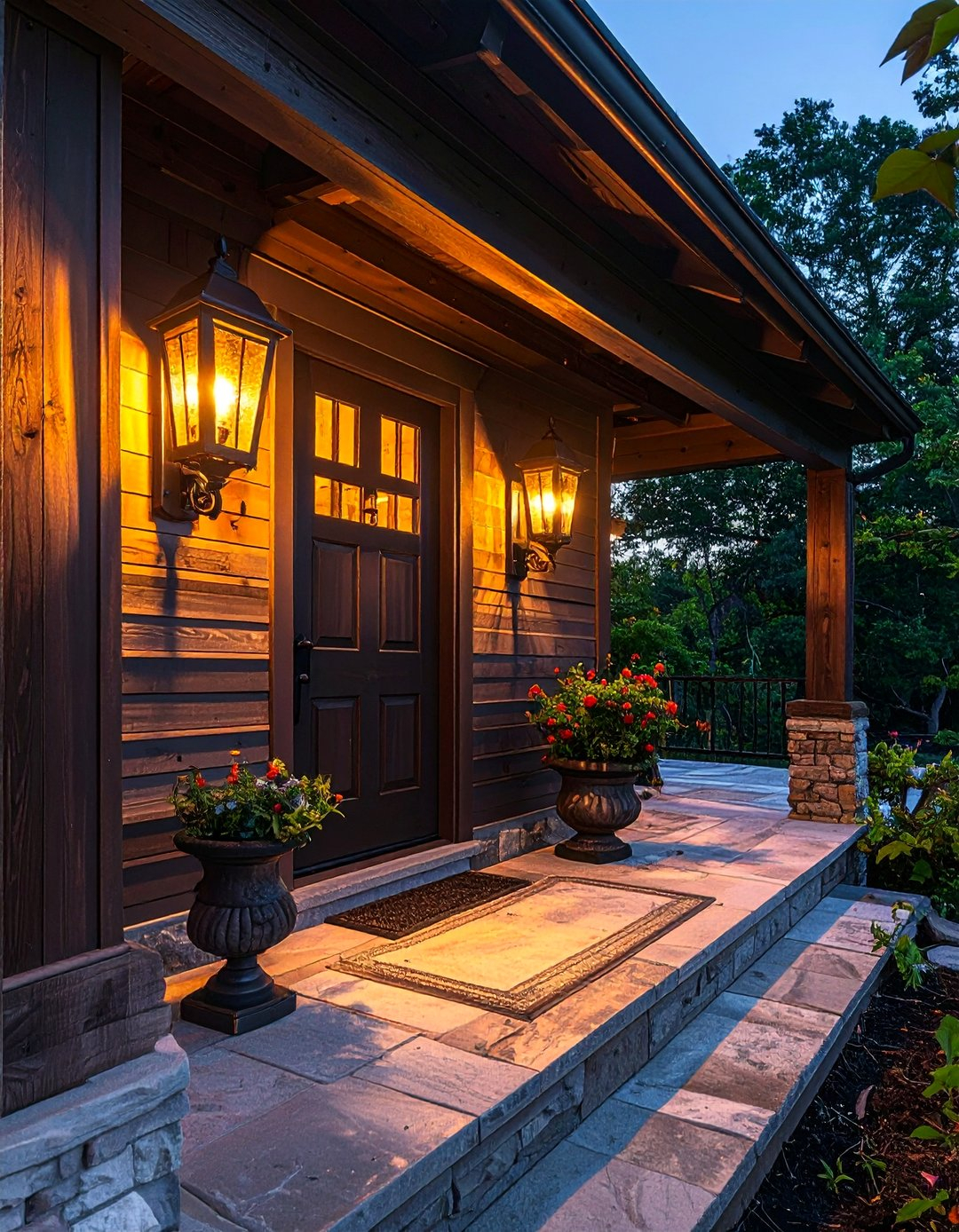
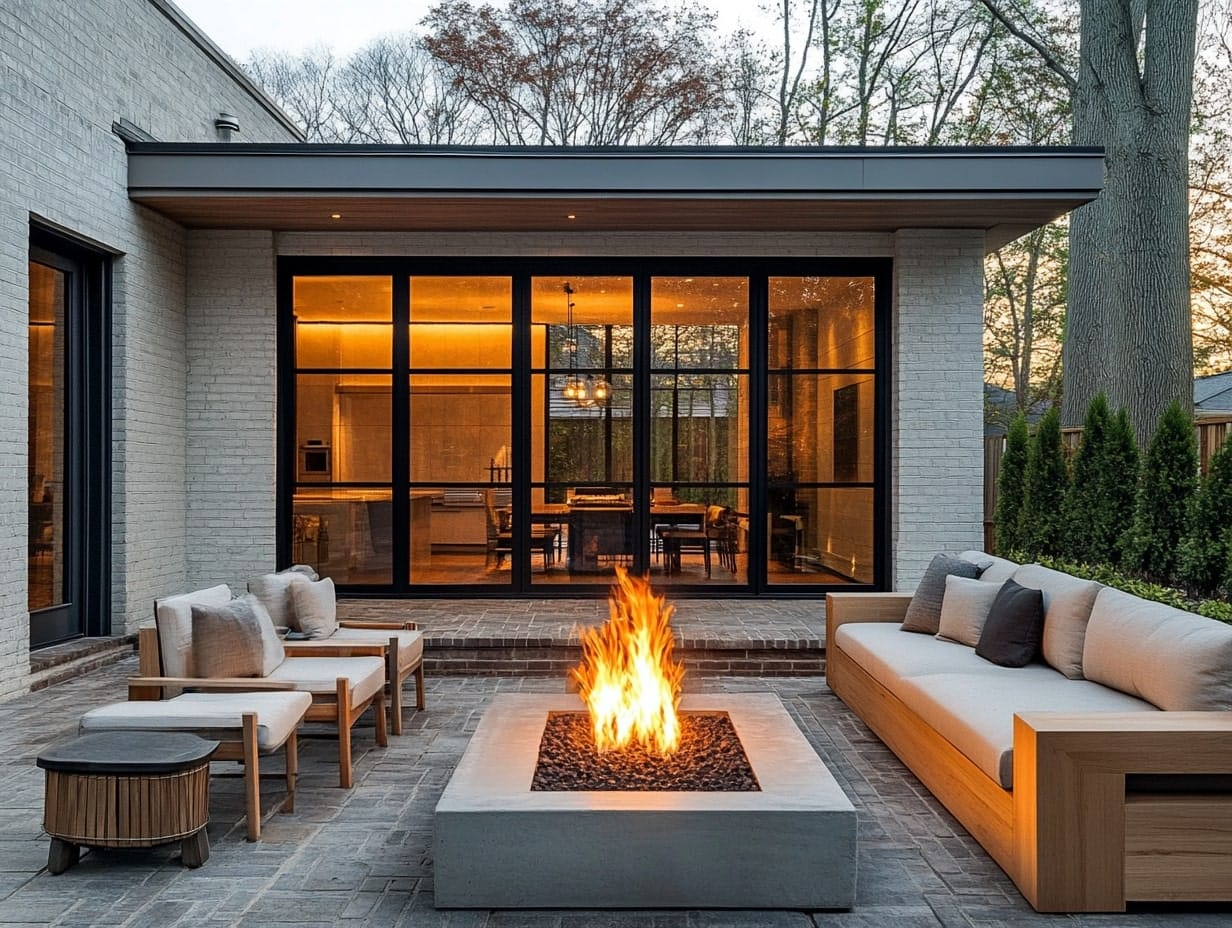
Lighting is part of the aesthetic, too. A patio cover isn’t just for daytime. Integrating lighting into the design can transform the space at night. Recessed LED lights in a solid roof create a clean, modern look. String lights wrapped around pergola beams add whimsy and warmth. Solar-powered lanterns hanging from gazebo posts are eco-friendly and charming. Plan for electricity early if you want hardwired options. It’s much harder to add later. The goal is to create a seamless transition between indoor and outdoor living, where the style flows naturally from one to the other.
Budgeting for the Long Haul
Let’s talk money. It’s the elephant in the room. Patio covers range from a few hundred dollars for a DIY shade sail to tens of thousands for a custom-built, insulated solid roof with motorized features. It’s tempting to go for the cheapest option, but remember: you get what you pay for. A cheap awning might save you money now, but if you have to replace it every two years, it’s not a bargain. Think about total cost of ownership. Include installation, maintenance, and potential repairs.
In 2026, labor costs are still high, so DIY is attractive for some. Installing a simple pergola kit might be a manageable weekend project if you’re handy. But anything structural, especially if it attaches to your house, likely needs a professional. Improper installation can lead to leaks, damage to your home’s foundation, or even collapse under snow load. Don’t skimp on the foundation. Also, check your local building codes. Many areas require permits for patio covers, especially if they’re attached or exceed a certain size. Failing to get a permit can cause headaches when you try to sell your home.
Consider the value add. A well-designed patio cover can increase your home’s resale value. It’s seen as an extension of livable space. Real estate agents in 2026 are highlighting outdoor living areas more than ever. So, while it’s an expense, it’s also an investment. But don’t over-improve for your neighborhood. If every house on your block has a modest deck, building a $50,000 luxury pavilion might not give you a full return. Balance your desire for beauty with financial sense. Get three quotes, ask for references, and make sure the contractor is insured. It’s worth the peace of mind.
You’ve picked your style, chosen your material, and installed your cover. Now what? You want it to last. Maintenance varies wildly by material. Wood needs annual inspection for cracks or rot. Aluminum might just need a yearly wash with soap and water to remove pollen and dirt. Fabric awnings should be cleaned gently and treated with a water repellent spray every season. Ignoring small issues leads to big problems. A small leak in a solid roof can rot the underlying structure if not caught early. Make a calendar reminder to check your cover twice a year.
Future-proofing is also smart. Think about how your needs might change in five or ten years. Will you want to add a ceiling fan? Make sure your electrical wiring is accessible. Are you thinking about enclosing the space later with screens or glass? Design the structure to allow for that. In 2026, smart home integration is big. Consider adding smart sensors that automatically retract awnings when wind speeds rise, or smart lights that adjust color temperature based on the time of day. Technology is making our outdoor spaces more comfortable and easier to manage.
Finally, keep an eye on trends, but don’t chase them too hard. Classic designs age better than fads. A simple, well-proportioned structure will look good in 2036 just as it does in 2026. Avoid overly trendy colors or shapes that might look dated in a few years. Stick to timeless principles: proportion, balance, and quality materials. Your patio cover should be a backdrop for your life, not the main character. It should support your memories, your meals, and your moments of rest. When you get it right, you won’t even notice the cover itself; you’ll just notice how much more you enjoy being outside.
Choosing the right patio cover is a journey. It’s about listening to your needs, respecting your home’s style, and planning for the future. It’s not just about blocking the sun; it’s about creating a space where you want to be. Whether you choose the rustic charm of wood, the sleek efficiency of aluminum, or the flexibility of an awning, the goal is the same: comfort. Take your time. Measure twice. Ask questions. And soon, you’ll have that perfect spot to watch the sunset, shielded from the glare, ready for whatever the day brings.
[sps_html tag=”img” src=”https://cdn.northcarolinafinearchitecture.com/2026/05/12-beautiful-shade-structures-patio-cover-ideas-a-piece-of-rainbow-intended-for-why-your-patio-roof-needs-more-than-just-shade-to-feel-like-home.jpg” alt=”12 Beautiful Shade Structures & Patio Cover Ideas - A Piece Of Rainbow intended for Why Your Patio Roof Needs More Than Just Shade to Feel Like Home” style=”width: 100%; height: auto;”]
[sps_html tag=”img” src=”https://cdn.northcarolinafinearchitecture.com/2026/05/wood-shade-structures-how-to-build-wood-shade-structure-pdf-plans-with-regard-to-outdoor-living-roof-design-scaled.jpg” alt=”Wood Shade Structures How To Build Wood Shade Structure Pdf Plans with regard to Outdoor Living Roof Design” style=”width: 100%; height: auto;”]
[sps_html tag=”img” src=”https://cdn.northcarolinafinearchitecture.com/2026/05/patio-shade-ideas-for-a-comfortable-outdoor-retreat-within-outdoor-living-roof-design.jpg” alt=”Patio Shade Ideas For A Comfortable Outdoor Retreat within Outdoor Living Roof Design” style=”width: 100%; height: auto;”]
[sps_html tag=”img” src=”https://cdn.northcarolinafinearchitecture.com/2026/05/25-cheap-diy-sun-shade-ideas-for-your-patio-intended-for-outdoor-living-roof-design.jpg” alt=”25 Cheap Diy Sun Shade Ideas For Your Patio intended for Outdoor Living Roof Design” style=”width: 100%; height: auto;”]
[sps_html tag=”img” src=”https://cdn.northcarolinafinearchitecture.com/2026/05/what-side-of-the-sun-shade-faces-out-in-why-your-patio-roof-needs-more-than-just-shade-to-feel-like-home.jpg” alt=”What Side Of The Sun Shade Faces Out in Why Your Patio Roof Needs More Than Just Shade to Feel Like Home” style=”width: 100%; height: auto;”]