You know that feeling. You pull a towel off the line after a summer day at the lake. It looks fine from a distance. Maybe a bit faded. But when you touch it? It’s stiff. Brittle. Almost like sandpaper. You rub it against your arm and it feels like it might just crumble into dust. We’ve all been there. We blame the sun. We blame the cheap brand. We blame bad luck.
But here’s the thing. It’s not really bad luck. It’s chemistry. And physics. And a little bit of biology too. Most of us treat our towels like they are all the same. A towel is a towel, right? Wrong. The towel hanging in your guest bathroom and the one you drag across the hot pool deck are fighting two completely different battles. One is fighting humidity and occasional washing. The other is fighting ultraviolet radiation, chlorine, salt, and extreme temperature swings. If you don’t know the difference, you’re basically throwing money away. Or at least, you’re replacing things way more often than you need to.
Let’s talk about what’s actually happening to those fibers. Because once you understand the war being waged on your terry cloth, you can pick the right soldier for the job.
The Invisible Enemy: UV Radiation and Fiber Breakdown
When we think of towel damage, we usually think of wear and tear. Friction. Rubbing. But outdoors, the biggest killer isn’t friction. It’s light. Specifically, ultraviolet (UV) light. In 2026, with ozone layers still fluctuating in certain regions, UV intensity remains a major factor in material degradation. Sunlight doesn’t just fade colors. It breaks chemical bonds.
Think of cotton fibers like long chains of pearls. Each pearl is a molecule. When UV rays hit natural fibers like standard cotton or bamboo, they snap those chains. This process is called photodegradation. It happens slowly at first. You might not notice it for a few months. But by the second summer, those long chains are short, weak fragments. The towel loses its tensile strength. That’s why an old outdoor towel tears so easily. It’s not worn out from use. It’s rotted from the inside out by the sun.
Synthetic fibers handle this differently. Polyester and nylon are plastics, essentially. They are naturally more resistant to UV damage than cotton, but they aren’t immune. Cheap polyester will yellow and become brittle. High-quality solution-dyed acrylics, however, are built differently. The color is in the fiber, not coated on top, and the polymer structure is tighter. This is why your high-end patio cushion covers last five years while your cotton beach towel lasts one season. It’s not magic. It’s molecular stability.
Moisture Management: The Mold and Mildew Trap
Indoors, moisture is manageable. You hang a towel in a ventilated bathroom. It dries in a few hours. Maybe a day if it’s humid. Outdoors? It’s a different story. Outdoor towels often stay damp for days. They get rolled up wet in a beach bag. They sit in a cooler next to ice melt. They get left on a chair overnight when the dew settles. This constant dampness is a paradise for mold and mildew.
Mildew doesn’t just smell bad. It eats fabric. Specifically, it feeds on the organic materials in natural fibers. Cotton is cellulose. Cellulose is food for fungi. If you’ve ever seen those black or pink spots on an old towel that won’t wash out, that’s mildew digesting your linen. Once the fiber is eaten, it’s gone. No amount of bleach brings it back. Bleach kills the mold, sure, but it also weakens the already compromised fiber. It’s a lose-lose situation.
Synthetics don’t rot the same way. Polyester doesn’t provide food for mold. The mold can grow on the dirt and skin cells stuck to the towel, but it can’t eat the fiber itself. This is a huge durability advantage for outdoor use. However, synthetics have their own issue. They hold onto oils. Body oils, sunscreen, coconut oil from your hair. These oils trap bacteria and cause odors that are hard to shake. So while the synthetic towel won’t rot, it might start smelling like a locker room if you don’t wash it properly. It’s a trade-off. Rot versus stink.
The Chemistry of Chlorine and Salt Water
If you’re swimming in a pool or the ocean, your towel is getting splashed. Even if you dry off before wrapping up, residual chemicals remain. Chlorine is a bleach. It’s designed to kill bacteria by oxidizing them. Unfortunately, it doesn’t distinguish between bacteria and your towel’s fibers. Chlorine attacks the elastic components in blends and weakens cotton fibers over time. It makes them rough and prone to breaking.
Salt is equally nasty, but in a different way. Salt crystals are sharp. Microscopically sharp. When salt water dries on a towel, those crystals form within the fibers. As you fold, unfold, or rub the towel, those crystals act like tiny knives, cutting the fibers from the inside. This is called abrasion. It’s why sea-side towels feel gritty and thin out faster than pool-side ones. The combination of salt abrasion and sun exposure is the ultimate durability killer.
Recent textile innovations in 2025 and 2026 have started addressing this. Some new outdoor-specific fabrics use hydrophobic coatings that repel water entirely, preventing salt and chlorine from soaking in deep. These towels dry in minutes because the water beads up and rolls off. While this helps durability, it changes the feel. They don’t have that plush, absorbent hug of a traditional terry cloth. They feel smoother, slicker. Like a wetsuit material. It’s a functional shift, not just a cosmetic one.
Weave and Weight: Structure Matters More Than You Think
We often judge towels by GSM (grams per square meter). Higher GSM means thicker, plusher, right? For indoor luxury, yes. For outdoor durability? Not necessarily. A super thick, high-GSM cotton towel takes forever to dry. Remember the mold issue? The longer it stays wet, the more damage occurs. Heavy indoor towels are terrible for outdoor use because they trap moisture in the core. You might feel the surface is dry, but the middle is still damp. That’s a recipe for mildew.
Outdoor durability favors lighter, tighter weaves. Think microfiber or thin, flat-woven cotton (like a peshtemal). These fabrics have less bulk to hold water. They dry fast. Fast drying equals less time for UV damage to occur while wet (wet fibers degrade faster under UV than dry ones) and less time for mold to grow. The structure also matters. Loops, like in traditional terry cloth, snag easily. On a rough concrete pool deck or a wooden boat, those loops catch and pull. A flat weave has no loops to snag. It’s smoother and tougher against physical abrasion.
Also, consider the edges. Indoor towels often have simple hemmed edges. Outdoor towels need reinforced binding. Why? Because we drag them. We pull them across sand. We yank them off chairs. The stress on the edges is immense. A double-stitched bound edge distributes that stress. A simple hem will unravel after a dozen beach trips. It’s a small detail, but it’s the difference between a towel that lasts a summer and one that lasts five years.
The Human Factor: How We Use and Abuse Linens
Let’s be honest. We treat outdoor towels worse. Way worse. Indoors, we hang them up. Maybe we toss them in the hamper. Outdoors, we ball them up. We sit on them with sandy bottoms. We use them to wipe off sunscreen, insect repellent, and soda spills. We leave them in the trunk of a hot car. Heat accelerates chemical breakdown. The interior of a car in July can reach 140°F (60°C). That heat bakes the stains into the fibers and weakens the elastic.
Sunscreen is another silent killer. Many sunscreens contain avobenzone or oxybenzone. These chemicals can react with fabrics, causing yellowing that is impossible to remove. They also break down spandex and elastane, which are often added to towels for stretch or fit. If your beach cover-up or towel has any stretch to it, sunscreen will destroy that elasticity within a single season. The fabric will bag out and never snap back. It’s not a manufacturing defect. It’s a chemical reaction.
Then there’s the washing. People often wash outdoor towels with regular detergent and cold water. That’s not enough. To remove sunscreen oils and salt, you need warm water and a detergent that targets enzymes and oils. But here’s the catch: hot water weakens fibers over time. So you’re stuck in a loop. You need heat to clean, but heat causes wear. Indoor towels don’t face this dilemma as sharply because they aren’t coated in industrial-grade sunscreen and salt crust. Understanding this tension helps you care for them better. Rinse immediately. Wash separately. Don’t let the grime sit.
Choosing the Right Tool for the Job in 2026
So, what should you buy? The market in 2026 offers some great hybrids, but specialization still wins. For indoors, stick with natural fibers. Cotton, bamboo, linen. They feel amazing. They absorb well. They breathe. Since they aren’t facing UV and salt, they will last for years if you rotate them and wash them gently. Look for long-staple cotton for better strength. It’s worth the extra cost for the daily comfort.
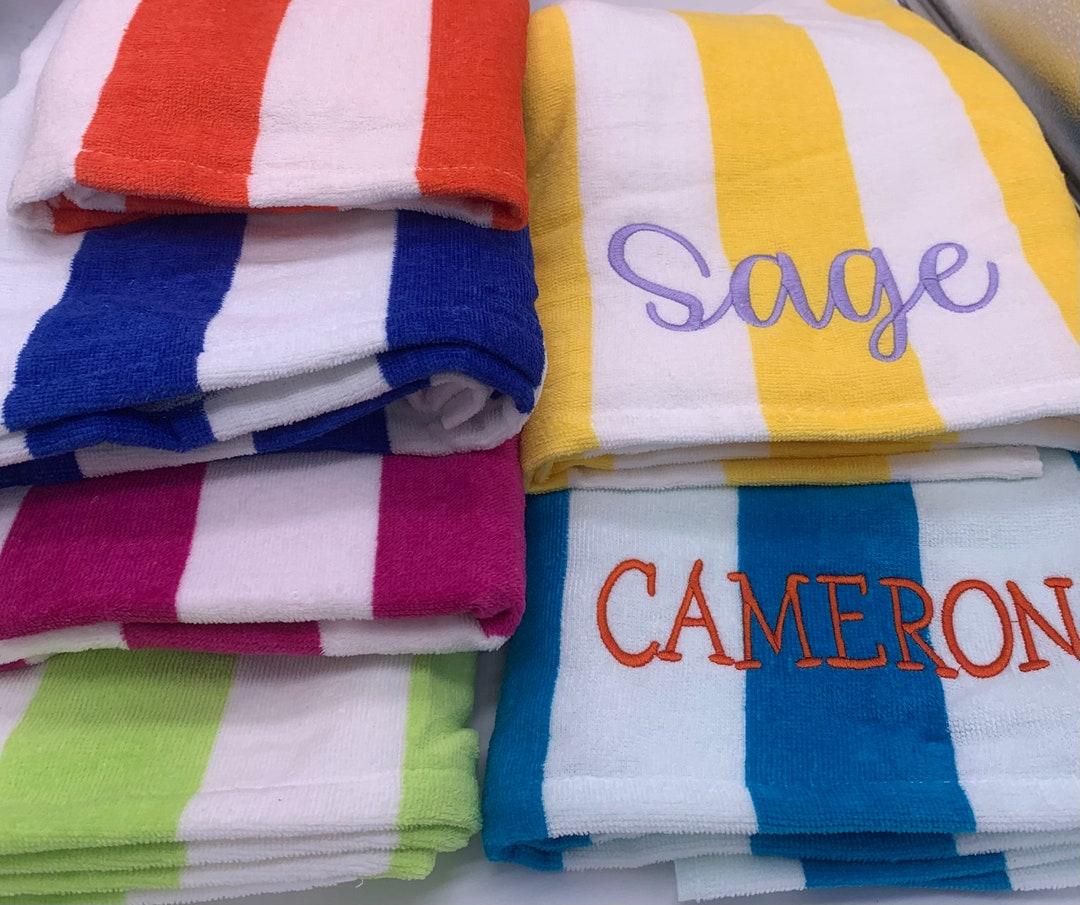
For outdoors, go synthetic or treated natural. Look for "solution-dyed" acrylics or polyesters. These are color-fast and UV-resistant. Microfiber is excellent for quick-drying needs, like gym bags or boat trips, but it holds smells, so be diligent with washing. If you love the feel of cotton outdoors, look for "peshtemal" style flat-weave cottons. They are lightweight, dry fast, and are less prone to snagging. Avoid heavy terry cloth for the beach. It’s a mismatch of tool and task.
Check the labels for UV protection ratings. Just like clothing has UPF, some high-end outdoor textiles now list UV stability ratings. A rating of 50+ means the fabric itself won’t degrade significantly for several seasons. Also, look for antimicrobial treatments. Silver-ion or similar tech is becoming standard in 2026 outdoor gear. It doesn’t stop UV damage, but it stops the smell and the mold, giving you more time between washes and extending the life of the fiber.
Durability isn’t just about what you buy. It’s about how you treat it. Here are some practical tips to squeeze every bit of life out of your linens. First, rinse your outdoor towels with fresh water immediately after use. Even if you don’t wash them right away, a quick hose-down removes salt and chlorine. This simple step can double the life of a cotton towel. Second, never store a damp towel. If you’re coming home from the beach and the towel is wet, hang it up immediately. Do not leave it in the bag.
Third, skip the fabric softener. Especially for outdoor towels. Softener coats fibers with a waxy residue. This reduces absorbency (bad for drying off) and traps oils and dirt (bad for smell). It also breaks down elasticity. For indoor towels, use vinegar in the rinse cycle instead. It strips buildup and keeps fibers fluffy without the chemical coating. Fourth, dry outdoors towels in the shade if possible. Yes, sun kills bacteria, but it also kills fibers. Air drying in a breezy, shaded spot is the sweet spot. Fast drying, low UV damage.
Finally, rotate your stock. Don’t use the same two beach towels all summer. Have four or five. Rotate them. This gives each towel time to rest and recover, and it spreads the UV exposure out over time. It’s like crop rotation for your laundry. It sounds silly, but it works. By spreading the wear, you prevent any single towel from reaching the breaking point too quickly. It’s a small habit that saves money and reduces waste.
At the end of the day, a towel is just a piece of cloth. But it’s a piece of cloth that works hard. It deals with our sweat, our swims, and our lazy Sundays. Understanding the difference between the quiet life of an indoor towel and the harsh reality of an outdoor one helps us respect them a bit more. It helps us choose better. And maybe, just maybe, it stops us from cursing at a frayed edge when we realize we were asking a cotton soldier to fight a plastic war. Treat them right, and they’ll wrap you up in comfort for years to come. Even if they do get a little speling mistakes along the way.
[sps_html tag=”img” src=”https://cdn.northcarolinafinearchitecture.com/2026/05/how-to-machine-embroider-a-tea-towel-at-marsha-shain-blog-inside-outdoor-towel-design.jpg” alt=”How To Machine Embroider A Tea Towel At Marsha Shain Blog inside Outdoor Towel Design” style=”width: 100%; height: auto;”]
[sps_html tag=”img” src=”https://cdn.northcarolinafinearchitecture.com/2026/05/personalized-tote-bags-design-your-tote-bags-custom-embroidered-inside-outdoor-towel-design.jpg” alt=”Personalized Tote Bags - Design Your Tote Bags - Custom Embroidered … inside Outdoor Towel Design” style=”width: 100%; height: auto;”]
[sps_html tag=”img” src=”https://cdn.northcarolinafinearchitecture.com/2026/05/beach-towel-personalized-embroidered-name-6-colors-second-towel-style-with-how-personalized-embroidery-changes-the-way-we-care-for-beach-gear.jpg” alt=”Beach Towel, Personalized Embroidered Name. 6 Colors Second Towel Style … with How Personalized Embroidery Changes the Way We Care for Beach Gear” style=”width: 100%; height: auto;”]
[sps_html tag=”img” src=”https://cdn.northcarolinafinearchitecture.com/2026/05/personalized-embroidered-towel-custom-bath-hand-or-washcloth-with-regarding-outdoor-towel-design.jpg” alt=”Personalized Embroidered Towel – Custom Bath, Hand, Or Washcloth With … regarding Outdoor Towel Design” style=”width: 100%; height: auto;”]
[sps_html tag=”img” src=”https://cdn.northcarolinafinearchitecture.com/2026/05/step-by-step-guide-to-embroidery-designs-printful-inside-outdoor-towel-design.webp” alt=”Step-By-Step Guide To Embroidery Designs | Printful inside Outdoor Towel Design” style=”width: 100%; height: auto;”]