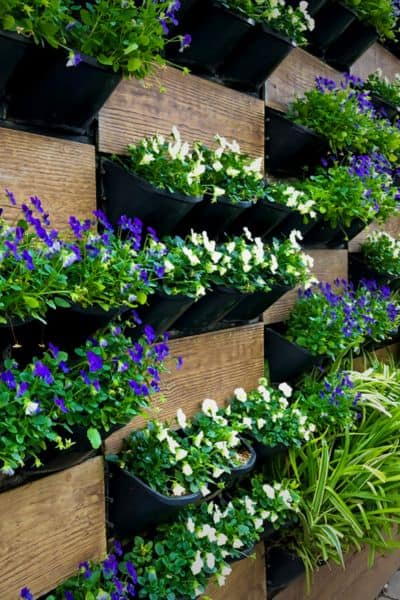
You’ve seen them on Instagram. Those breathtaking cascades of ferns, succulents, and trailing ivy that turn a boring brick fence into a breathing piece of art. It looks so easy, doesn’t it? Just slap some plants on a wall and watch nature do its thing. But here’s the harsh truth: behind every thriving outdoor living wall is a lot of invisible engineering, planning, and sweat equity. And behind every dead, brown, moldy mess? Usually a homeowner who skipped the basics.
I’ve walked through dozens of backyards where the dream of a green oasis turned into a nightmare of rotting wood, dying plants, and water damage. It’s heartbreaking. You spend hundreds, maybe thousands, on plants and materials, only to watch them wither in a few weeks. Why does this happen? Because living walls are not just gardening. They’re construction. They’re plumbing. They’re biology. And if you get even one part wrong, the whole system collapses.
Let’s be real for a second. Most of us want the reward without the risk. We want the lush look without understanding the load-bearing requirements or the irrigation nuances. But in 2026, with climate patterns becoming more unpredictable and water conservation taking center stage, guessing isn’t an option anymore. This guide isn’t about scaring you away from your project. It’s about giving you the roadmap to actually pull it off. Let’s dig into the mistakes that trip people up, so you don’t have to learn them the hard way.
Ignoring the Weight and Structural Reality
The first thing that kills a living wall project isn’t drought or pests. It’s gravity. People forget that soil, especially when wet, is heavy. Really heavy. A standard potting mix can weigh up to 100 pounds per cubic foot when saturated. Now multiply that by the size of your wall. Suddenly, that flimsy wooden fence or that drywall-covered exterior stud wall isn’t looking so sturdy.
I spoke with a structural engineer last month who told me he sees this all the time. Homeowners attach modular planting pockets to vinyl siding or weak timber frames without checking if the structure can handle the dynamic load. Wind adds another layer of stress. When a gust hits a leafy wall, it acts like a sail. If the anchor points aren’t drilled into studs or masonry, the whole thing can rip away. It’s not just about the plants falling; it’s about damaging your home’s exterior.
Before you buy a single plant, you need to know what your wall is made of. Is it brick? Concrete? Wood studs? If it’s wood, you must find the studs and use heavy-duty lag bolts. If it’s brick, you need masonry anchors. And if you’re renting or unsure, consult a pro. It’s better to spend $200 on a consultation than $2,000 on repairs later. Also, consider using lightweight substrates like coconut coir or specialized felt systems instead of heavy soil. They hold moisture well but weigh a fraction of traditional dirt.
Choosing Plants Based on Looks, Not Logic
We’ve all done it. You’re at the nursery, and you see a gorgeous, delicate orchid or a tropical fern. It looks amazing in the display photo. So you buy ten of them. But here’s the catch: that plant might hate your specific microclimate. Outdoor living walls are exposed to wind, direct sun, rain, and temperature swings that potted plants on the ground never face.
Wind is the silent killer. It dries out leaves faster than you can water them. Sun exposure varies wildly depending on which way your wall faces. A south-facing wall in the northern hemisphere gets brutal afternoon heat. A north-facing one stays cool and damp. If you put sun-loving succulents on a shady wall, they’ll rot. If you put shade-loving hostas in full sun, they’ll crisp up. It’s that simple.
In 2026, native plant selection is smarter than ever. Instead of fighting nature, work with it. Choose plants that are already adapted to your local weather. Drought-tolerant sedums and grasses for sunny, windy spots. Ferns and mosses for shaded, moist areas. And don’t forget about root systems. Some plants have aggressive roots that will choke out their neighbors in a confined pocket. Stick to shallow-rooted, clumping varieties. Check the hardiness zone, sure, but also check the wind tolerance and light needs. It’s boring advice, but it saves your garden.
Skimping on the Irrigation System
Hand-watering a living wall is a recipe for burnout. Seriously. Try climbing a ladder with a watering can every day in July. You won’t last a week. Most failed living walls die because of inconsistent watering. Too little, and the top plants dry out. Too much, and the bottom ones drown. The solution is an automated irrigation system, but here’s where people mess up: they install it incorrectly.
A drip line running across the top isn’t enough. Water needs to reach every pocket evenly. If you have a tall wall, gravity pulls water down, leaving the top dry and the bottom soggy. You need pressure-compensating drippers or a manifold system that distributes water uniformly. And don’t forget the timer. In 2026, smart controllers that adjust based on local weather data are affordable and essential. They skip watering when it rains and increase frequency during heatwaves.
Another huge mistake? Ignoring drainage. Every planting module needs a way for excess water to escape. If water sits in the pockets, roots rot. Period. Make sure your system has weep holes or permeable backing. I’ve seen walls where the owner wrapped the back in plastic to "protect" the house. That trapped moisture against the siding, leading to mold and wood decay. Always leave an air gap between the wall and the planting system. Let it breathe.
Overlooking Maintenance Access and Design
It looks sleek when the plants are young and small. But six months later? It’s a jungle. And if you didn’t plan for access, you’re in trouble. Pruning, replacing dead plants, and checking for pests requires you to reach every part of the wall. If you build a floor-to-ceiling wall without a way to get to the middle, those central plants will become neglected and die.
Think about scale. A massive wall might look impressive in a rendering, but it’s a maintenance beast. Start smaller. Maybe a 4×4 foot section to test your skills. Or break a large wall into smaller, manageable modules with walkways or gaps in between. This also helps with air circulation, which reduces fungal diseases.
Also, consider the visual rhythm. Monocultures (using only one type of plant) are risky. If a pest targets that species, your whole wall dies. Mix it up. Use a combination of textures and colors. But keep the care requirements similar. Don’t mix high-water ferns with low-water cacti. Group them by need. And leave some empty space. Plants grow. If you pack them in tight day one, they’ll strangle each other by month three. Give them room to spread.
Neglecting the Microclimate and Wind Exposure
Your backyard isn’t a uniform environment. It has microclimates. The corner near the AC unit is hotter. The spot under the tree is shadier. The area near the fence is windier. These small differences matter immensely for living walls. A wall installed in a wind tunnel between two buildings will dry out twice as fast as one in a sheltered courtyard.
Wind doesn’t just dry plants; it damages them. Constant buffeting breaks stems and tears leaves. In 2026, we’re seeing more extreme weather events, including stronger gusts. If your wall is in an exposed spot, consider adding a windbreak. A trellis with climbing vines can soften the blow. Or choose tough, flexible plants like ornamental grasses that bend rather than break.
Temperature fluctuations are another factor. Dark-colored walls absorb heat, creating a hot surface that can cook plant roots. Light-colored walls reflect heat. If your wall is dark, add a layer of insulation or use a mounting system that creates a significant air gap. This buffer zone protects both the plants and your home’s siding from extreme temps. It’s a small detail that makes a huge difference in plant survival rates.
Soil in containers depletes nutrients fast. Unlike ground soil, which has a vast ecosystem of microbes and minerals, potting mix in a vertical garden is isolated. After a few months, it’s exhausted. If you don’t fertilize, your plants starve. But here’s the twist: over-fertilizing burns roots. It’s a delicate balance.
Use slow-release organic fertilizers mixed into the substrate at installation. Then, supplement with liquid seaweed or fish emulsion every few weeks during the growing season. Avoid synthetic high-nitrogen fertilizers that cause rapid, weak growth prone to pests. Organic options feed the soil biology, which in turn feeds the plants. It’s a slower process, but it builds resilience.
Also, watch for pests. Vertical gardens can be havens for aphids, spider mites, and whiteflies. Because the plants are close together, infestations spread quickly. Inspect your wall weekly. Spray with neem oil or insecticidal soap at the first sign of trouble. Don’t wait. And remove dead leaves promptly. Decay attracts fungus gnats and mold. Keep it clean. A healthy living wall is a tidy one.
So, there you have it. The path to a successful outdoor living wall isn’t paved with good intentions. It’s built on structural integrity, smart plant choices, reliable irrigation, thoughtful design, microclimate awareness, and consistent care. It’s a lot to take in, I know. But don’t let it discourage you. Every expert was once a beginner who killed a few plants along the way.
Start small. Learn from your mistakes. Talk to local nurseries. Observe how light moves across your yard. And remember, a living wall is a living thing. It changes, grows, and sometimes struggles. That’s part of the beauty. It’s not a static picture; it’s a dynamic ecosystem. When you get it right, the reward is unparalleled. A quiet, green sanctuary that breathes life into your home.
Take your time. Plan thoroughly. And when you finally step back to look at your thriving vertical garden, you’ll know every drop of sweat was worth it. Now, go get your hands dirty.
[sps_html tag=”img” src=”https://cdn.northcarolinafinearchitecture.com/2026/06/landscaping-mistakes-avoid-these-10-common-issues-for-your-best-garden-within-why-most-outdoor-vertical-gardens-fail-and-how-to-avoid-common-mistakes.jpg” alt=”Landscaping Mistakes: Avoid These 10 Common Issues For Your Best Garden … within Why Most Outdoor Vertical Gardens Fail and How to Avoid Common Mistakes” style=”width: 100%; height: auto;”]
[sps_html tag=”img” src=”https://cdn.northcarolinafinearchitecture.com/2026/06/11-vertical-garden-mistakes-to-avoid-urban-garden-gal-with-regard-to-why-most-outdoor-vertical-gardens-fail-and-how-to-avoid-common-mistakes.jpg” alt=”11 Vertical Garden Mistakes To Avoid - Urban Garden Gal with regard to Why Most Outdoor Vertical Gardens Fail and How to Avoid Common Mistakes” style=”width: 100%; height: auto;”]
[sps_html tag=”img” src=”https://cdn.northcarolinafinearchitecture.com/2026/06/4-ways-to-grow-vertical-gardens-in-small-spaces-with-why-most-outdoor-vertical-gardens-fail-and-how-to-avoid-common-mistakes.jpeg” alt=”4 Ways To Grow Vertical Gardens In Small Spaces with Why Most Outdoor Vertical Gardens Fail and How to Avoid Common Mistakes” style=”width: 100%; height: auto;”]
[sps_html tag=”img” src=”https://cdn.northcarolinafinearchitecture.com/2026/06/how-to-start-a-vertical-garden-at-mason-beattie-blog-with-outdoor-green-wall-design.jpg” alt=”How To Start A Vertical Garden At Mason Beattie Blog with Outdoor Green Wall Design” style=”width: 100%; height: auto;”]
[sps_html tag=”img” src=”https://cdn.northcarolinafinearchitecture.com/2026/06/perfect-raised-bed-soil-the-no-fail-recipe-your-plants-will-love-for-outdoor-green-wall-design.jpeg” alt=”Perfect Raised Bed Soil: The No-Fail Recipe Your Plants Will Love … for Outdoor Green Wall Design” style=”width: 100%; height: auto;”]