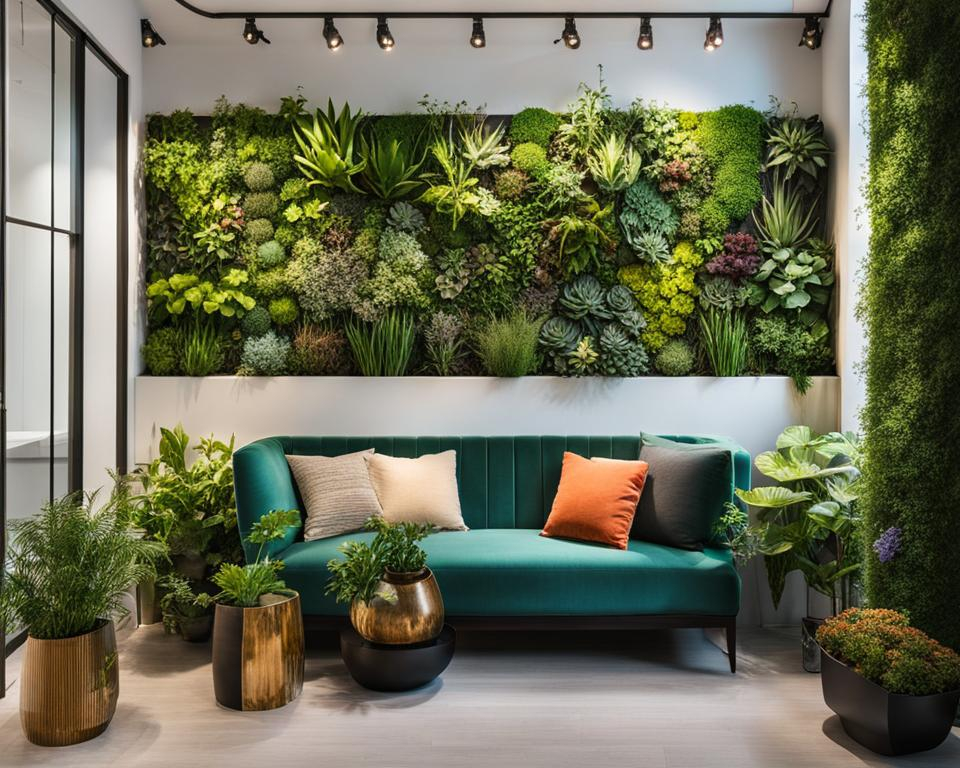
So you’ve got a tiny balcony. Or maybe a blank wall that’s been staring at you, judging your lack of greenery. You scroll through Instagram and see these lush, cascading walls of ferns and herbs, and you think, "I can do that." You buy some pots. You buy some seeds. You stick them in the wall. And then… nothing happens. Or worse, everything dies in a week.
It’s frustrating, right? We’ve all been there. The truth is, a vertical garden isn’t just a regular garden turned on its side. It’s a completely different ecosystem. If you treat it like a horizontal bed, you’re setting yourself up for failure. The plants are the stars, sure. But they can’t perform without the stage, the lighting, and the crew behind the scenes. Let’s talk about what those invisible support systems are, and why ignoring them is the fastest way to kill your new hobby.
The Skeleton Matters More Than You Think
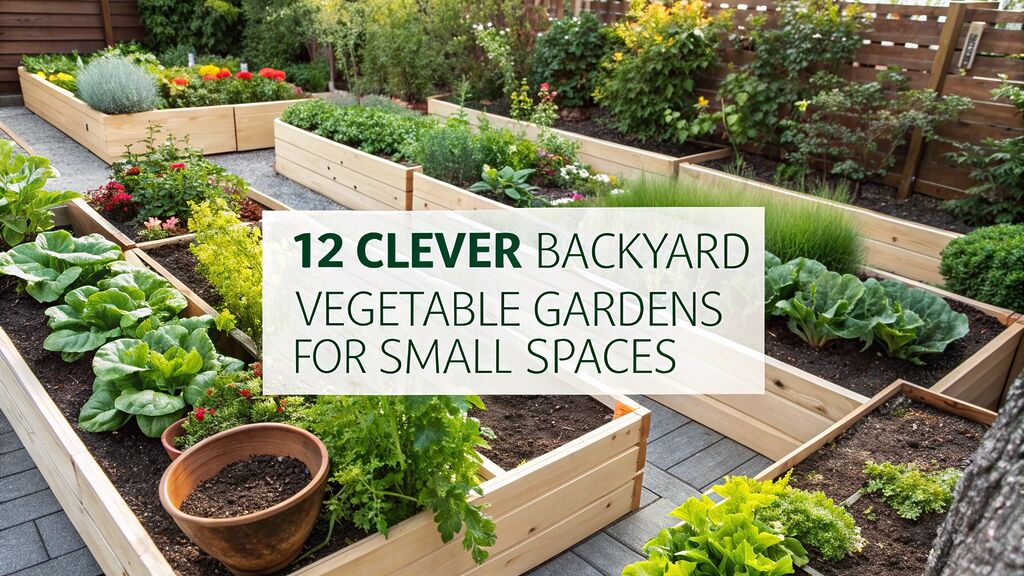
When we picture a vertical garden, we usually focus on the leaves. But the first thing you need to nail is the structure holding them up. This isn’t just about aesthetics; it’s about physics and plant health. A flimsy trellis might look cute in the store, but once your tomatoes start fruiting or your ivy gets dense, gravity becomes your enemy. In 2026, we’re seeing a shift away from cheap plastic grids toward more durable, modular systems. Why? Because people are tired of rebuilding their gardens every season.
You need to consider the weight. Wet soil is heavy. A mature cucumber vine is heavy. Wind adds even more stress. If your structure wobbles when you touch it, it’s not going to survive a summer storm. Experts recommend using materials like powder-coated steel or treated cedar that can handle moisture without rotting or rusting instantly. Don’t skimp here. A sturdy frame allows for better airflow, which is crucial for preventing fungal diseases that love stagnant, damp corners.
Also, think about accessibility. Can you reach the back of the planter to check for pests? Can you easily swap out a dead plant without dismantling the whole unit? Good design means thinking ahead. Obelisks and arch trellises are great because they allow light to hit the plant from all sides, whereas flat wall panels can sometimes create shadow zones where plants struggle. Choose a skeleton that supports growth, not just decoration.
Watering Is Not a Set-It-and-Forget-It Job
Here is the hard truth: vertical gardens dry out faster than any other type of garden. It’s simple physics. Water pulls down due to gravity. The top plants get drenched, while the bottom ones might get soggy, or vice versa depending on your setup. In traditional ground gardening, the earth acts as a massive reservoir. In a vertical system, you have limited soil volume. This means you’re fighting against evaporation and drainage constantly.
Many beginners make the mistake of watering from the top only. By the time the water reaches the bottom row, the top row is already bone dry again. This uneven moisture stress causes root rot in some plants and wilting in others. It’s a balancing act. In recent years, drip irrigation systems designed specifically for vertical setups have become much more affordable and easier to install. These aren’t just luxuries; for many urban gardeners, they’re necessities.
If you’re on a budget and can’t install an automated system, you need a routine. Check your soil daily. Stick your finger in. If it’s dry an inch down, water it. But don’t just splash water on the leaves; aim for the roots. Mulching can also help retain moisture in those exposed top layers. Remember, consistency is key. A vertical garden forgives forgetfulness less than a ground bed does. You have to be present.
Soil Science: It’s Not Dirt, It’s Engineering
You can’t just dig up some dirt from your backyard and shove it into a vertical planter. It won’t work. Ground soil compacts too easily. In a vertical container, compacted soil means no air for the roots. No air means suffocation. You need a mix that is light, fluffy, and holds moisture without becoming a swamp. This is where the "engineering" part comes in. You’re building a growing medium, not just filling a hole.
Look for mixes labeled for containers or raised beds. They usually contain peat moss or coconut coir for water retention, perlite or vermiculite for aeration, and compost for nutrients. Some advanced gardeners in 2026 are adding biochar to their mixes to improve long-term soil health and carbon sequestration. It sounds fancy, but it’s basically just helping your soil hold onto nutrients so they don’t wash out every time you water.
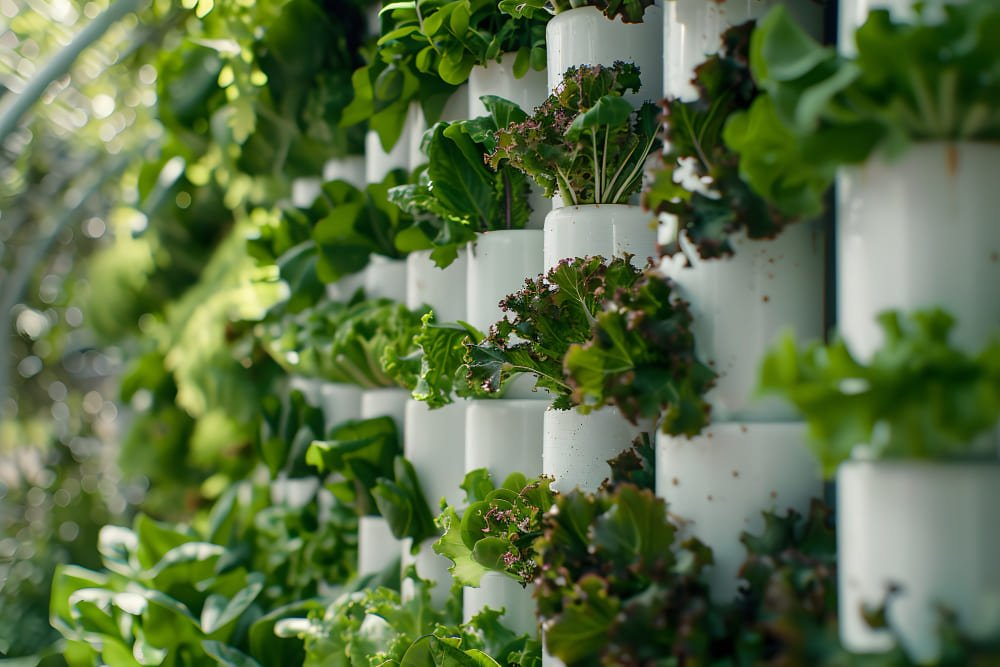
Also, consider the depth of your pockets. Leafy greens like lettuce and spinach have shallow roots and can thrive in thinner profiles. But if you want to grow peppers or strawberries, you need deeper soil volumes. Don’t try to force a deep-rooted plant into a shallow pocket. It’ll stunt its growth and leave you with a sad, tiny harvest. Match the soil volume to the plant’s needs. It’s that simple.
Light Exposure Changes Everything
In a horizontal garden, every plant generally gets the same amount of sun (unless you have big trees blocking things). In a vertical garden, light distribution is uneven. The top rows get blasted with direct sunlight, while the bottom rows might be in perpetual shade, especially if you have a dense canopy above. This microclimate variation is something you have to plan for, not fight against.
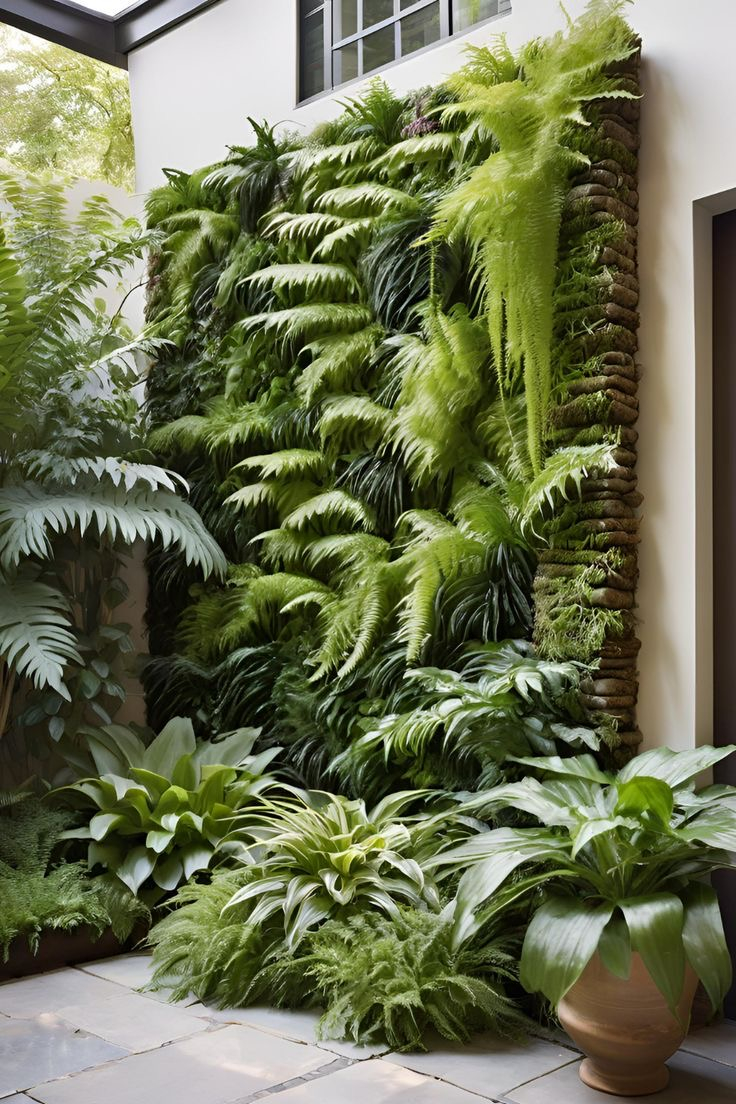
You need to know your orientation. A south-facing wall (in the Northern Hemisphere) is a heat trap. It’s great for heat-loving herbs like rosemary and thyme, but it might scorch delicate lettuces. A north-facing wall is cooler and shadier, perfect for ferns, mint, or leafy greens that bolt in high heat. Don’t put a sun-lover in the shade. It will stretch, get leggy, and produce little to no food.
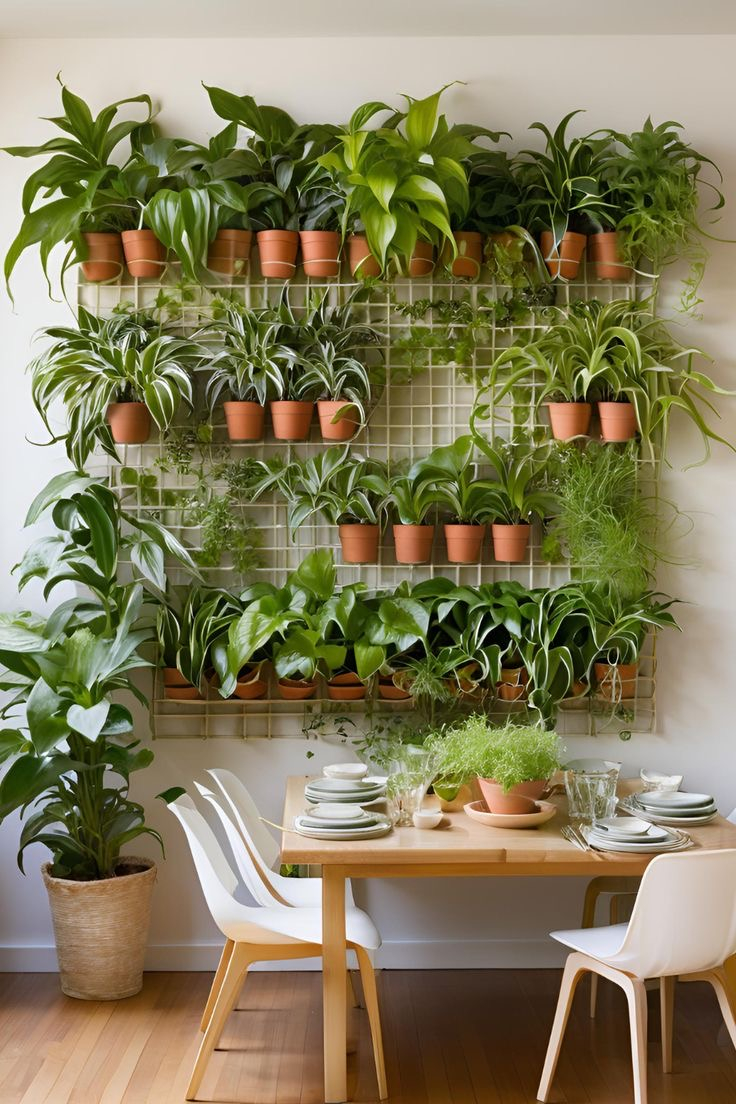
Rotate your plants if you can. Or, choose plants that match the specific light conditions of each tier. Put the drought-tolerant, sun-loving succulents or herbs at the top. Put the moisture-loving, shade-tolerant greens at the bottom. This strategic placement mimics nature, where different plants occupy different niches in a forest layer. Work with the light, not against it. It makes a huge difference in your success rate.
Choosing the Right Plants for the Climb
Not every plant wants to go up. Trying to force a bush bean to climb a trellis is a waste of time. You need plants that have natural climbing mechanisms or compact growth habits. Vining plants like peas, pole beans, cucumbers, and indeterminate tomatoes are the classics for a reason. They have tendrils or stems that naturally wrap around supports. They’re eager climbers.
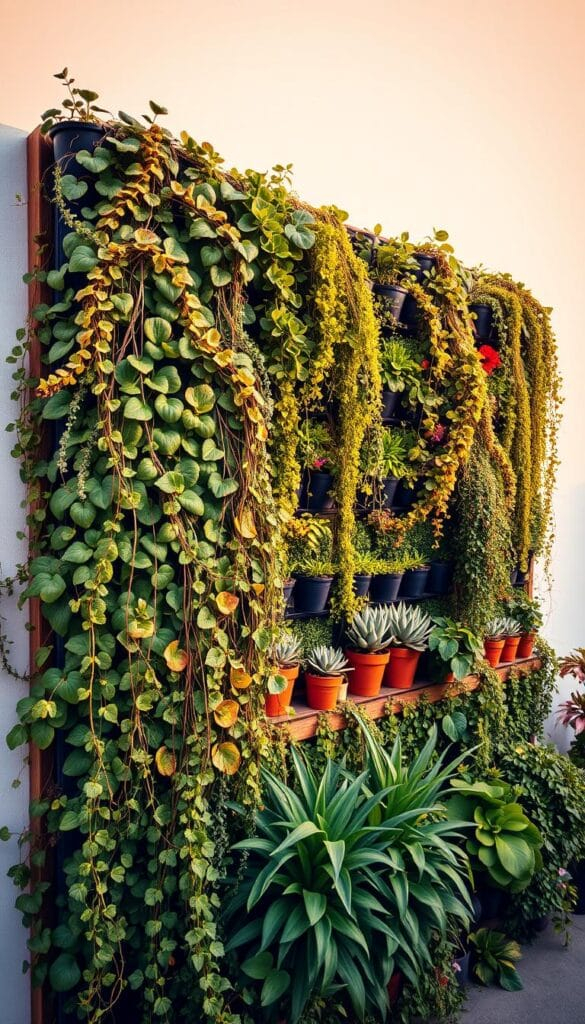
But don’t forget about trailing plants. Strawberries, nasturtiums, and certain herbs like oregano look stunning cascading over the edges of a vertical pocket planter. They soften the hard lines of the structure and add visual interest. In 2026, we’re also seeing more interest in edible flowers and compact dwarf varieties of fruits that are bred specifically for small spaces. These are goldmines for vertical growers.
Avoid large, heavy feeders unless you have a robust system. A pumpkin vine might look cool, but the weight of the fruit can tear down a lightweight panel. Stick to crops that are proportional to your structure. Also, consider succession planting. As one crop finishes, have another ready to go in. Vertical spaces are premium real estate; don’t let them sit empty. Keep the momentum going.
Pests don’t care that your garden is vertical. In fact, some pests find vertical gardens easier to access because the plants are often closer together and more accessible. Aphids, spider mites, and whiteflies can spread quickly in the dense foliage of a wall garden. Because you can’t easily till the soil or rotate crops in the traditional sense, you need to be vigilant.
Regular inspection is your best defense. Take a minute every few days to look under the leaves. Catching an infestation early means you can spray it off with water or use a mild soap solution before it takes over. Beneficial insects like ladybugs can also be introduced to help keep pest populations in check. Since vertical gardens are often on patios or balconies, you’re in a controlled environment where introducing helpers is easier.
Pruning is also critical. Dead leaves trap moisture and invite disease. Snip them off. Harvest regularly. The more you pick, the more the plant produces. If you let a zucchini hang too long, it signals the plant to stop producing. Keep the air flowing by thinning out dense growth. It feels counterintuitive to cut away healthy-looking leaves, but it strengthens the remaining plant. Stay engaged with your garden. It’s a living thing, not a piece of furniture.
Starting a vertical garden is an adventure. It’s about maximizing space, yes, but it’s also about connecting with nature in a new way. It requires a bit more thought upfront. You have to think about structure, water, soil, light, plant choice, and maintenance. It’s a holistic approach. But when you step back and see that wall of green thriving against the odds, pulling fresh basil for your dinner or snapping a crisp bean right off the vine, you’ll realize it was worth every bit of effort.
Don’t get discouraged if your first attempt isn’t perfect. Gardening is a practice, not a performance. Each season teaches you something new about your specific space and conditions. Maybe next year you’ll upgrade your irrigation. Maybe you’ll switch to a different soil mix. That’s part of the fun. You’re learning. You’re growing. And you’re creating something beautiful and useful in a space that might have otherwise gone unused.
So, go ahead. Build that frame. Mix that soil. Pick those seeds. But remember, the plants are just the beginning. The magic happens in the details you can’t always see. Give them the support they need, and they’ll give you back more than you imagined. Happy growing.
[sps_html tag=”img” src=”https://cdn.northcarolinafinearchitecture.com/2026/06/21-stunning-plant-wall-vertical-garden-designs-to-transform-your-home-inside-outdoor-vertical-garden-design.jpeg” alt=”21 Stunning Plant Wall & Vertical Garden Designs To Transform Your Home … inside Outdoor Vertical Garden Design” style=”width: 100%; height: auto;”]
[sps_html tag=”img” src=”https://cdn.northcarolinafinearchitecture.com/2026/06/elevate-your-outdoor-style-18-vertical-garden-designs-with-outdoor-vertical-garden-design.jpg” alt=”Elevate Your Outdoor Style: 18 Vertical Garden Designs with Outdoor Vertical Garden Design” style=”width: 100%; height: auto;”]
[sps_html tag=”img” src=”https://cdn.northcarolinafinearchitecture.com/2026/06/master-the-art-of-vertical-gardening-systems-diy-today-urban-with-regard-to-turn-bare-walls-into-living-art-with-these-2026-vertical-garden-designs.jpg” alt=”Master The Art Of Vertical Gardening Systems Diy Today! – Urban … with regard to Turn Bare Walls Into Living Art With These 2026 Vertical Garden Designs” style=”width: 100%; height: auto;”]
[sps_html tag=”img” src=”https://cdn.northcarolinafinearchitecture.com/2026/06/vertical-gardening-in-kolkata-pertaining-to-outdoor-vertical-garden-design.jpg” alt=”Vertical Gardening In Kolkata pertaining to Outdoor Vertical Garden Design” style=”width: 100%; height: auto;”]
[sps_html tag=”img” src=”https://cdn.northcarolinafinearchitecture.com/2026/06/21-stunning-plant-wall-vertical-garden-designs-to-transform-your-home-regarding-turn-bare-walls-into-living-art-with-these-2026-vertical-garden-designs.jpeg” alt=”21 Stunning Plant Wall & Vertical Garden Designs To Transform Your Home … regarding Turn Bare Walls Into Living Art With These 2026 Vertical Garden Designs” style=”width: 100%; height: auto;”]