Have you ever stood by a window on a blustery winter evening and felt that faint, persistent chill? It’s not just in your head. That tiny draft is your home leaking money and comfort, slipping through gaps you probably didn’t even know existed. We tend to think of insulation as the fluffy stuff in the attic or the thick glass in new windows, but the real hero of home efficiency is often much smaller, quieter, and surprisingly geometric.
It’s called V-channel weatherstripping. And while it might sound like a boring hardware store item, its design is actually a marvel of simple engineering. It’s not just a strip of rubber or metal; it’s a spring-loaded barrier that uses shape to fight the elements. In 2026, as energy costs remain a concern and homeowners look for sustainable, low-tech fixes, understanding this little "V" could be the smartest upgrade you make all year. Let’s peel back the layers on why this shape matters so much.
The Simple Genius of the V Shape
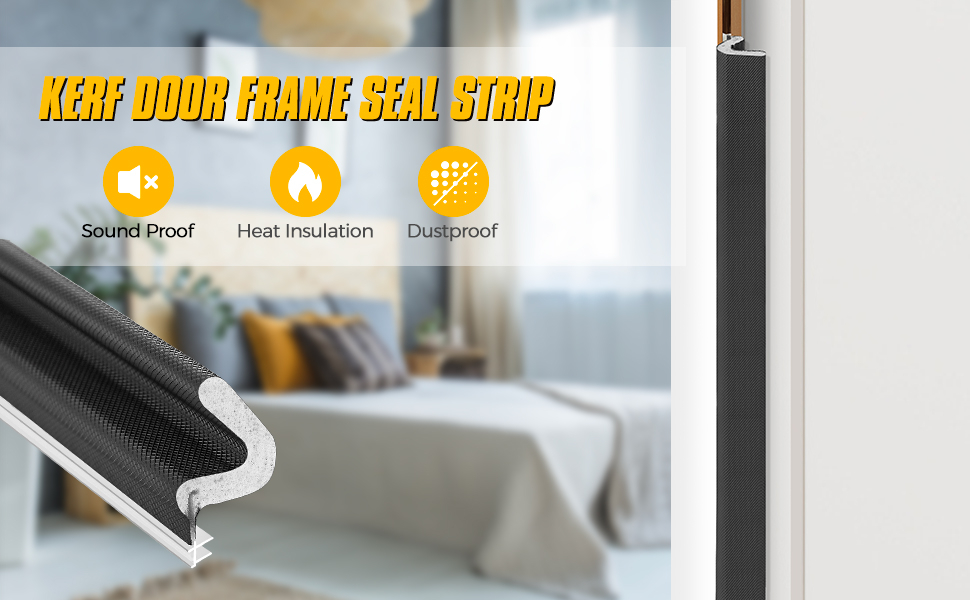
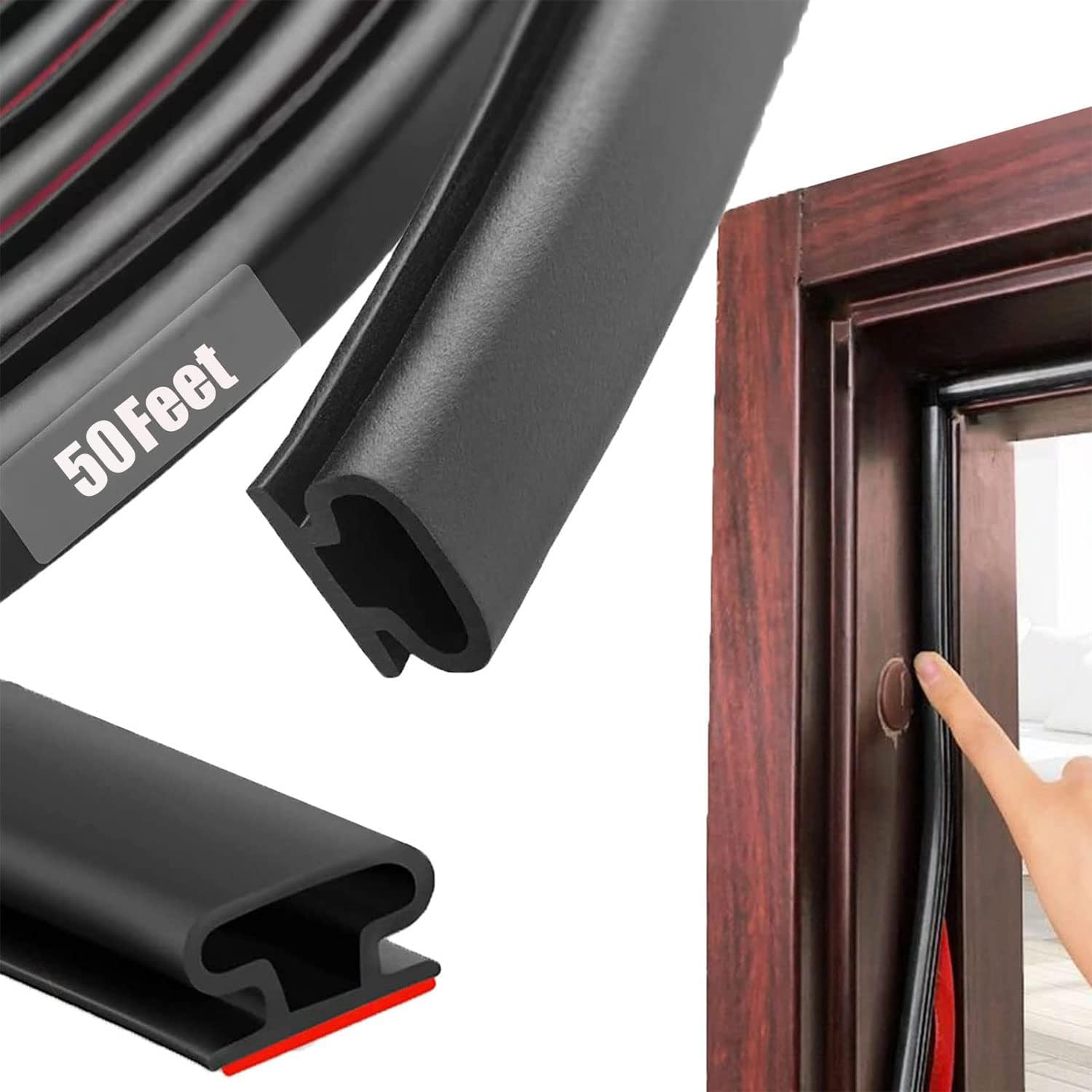
At first glance, it looks like a piece of folded metal or plastic. But that V-shape is doing some heavy lifting. Unlike a flat strip that just sits there, a V-channel profile is dynamic. It’s designed to compress and spring back. Think of it like a tiny, continuous hinge. When you close a door or slide a window sash, the two sides of the "V" get squished together. This compression creates tension.
That tension is the secret sauce. It means the seal isn’t static; it’s active. If your door frame is slightly warped (and let’s be honest, most old houses have frames that aren’t perfectly square), a flat seal might miss a spot. But the V-shape? It flexes. It bridges the gap. Whether the space is two millimeters or five, the legs of the V adjust to maintain contact. This ability to handle misalignment is why it’s been a go-to solution for decades, from historic sash windows to modern patio doors.
The geometry also dictates directionality. You can’t just slap it on anywhere. The point of the V needs to face the direction of the wind or the pressure. It acts like a one-way valve for air. When the wind blows against the outside of the window, it pushes the legs of the V tighter together, enhancing the seal rather than breaking it. It’s a passive system that gets stronger when the weather gets worse. Pretty clever, right?
Materials Matter: Bronze, Vinyl, and Silicone
Not all Vs are created equal. The material you choose changes everything about how long it lasts and how well it works. For years, spring bronze was the gold standard. You’ll still see it in high-end restorations and historic homes. It’s durable, looks great with a patina, and has incredible memory—it springs back thousands of times without losing its shape. But it requires nailing into place, which can be intimidating for a DIY beginner. Plus, if it gets painted over, it sticks. Game over.
Then there’s the modern contender: vinyl and silicone. These materials are flexible, cheap, and often come with adhesive backing. They’re great for quick fixes. However, they have a shorter lifespan. Vinyl can get brittle in extreme cold, and adhesive can fail after a few seasons of heat and humidity. In 2026, we’re seeing more hybrid options—silicone-coated fabrics or reinforced polymers—that try to bridge the gap between the longevity of bronze and the ease of vinyl.
Choosing the right one depends on your situation. If you’re fixing a rental apartment window, a self-adhesive vinyl V-seal is perfect. It’s non-destructive and easy to replace. But if you own a century-old home with original wood windows, investing in spring bronze or a high-grade silicone insert is worth it. It preserves the historical integrity while giving you modern performance. Don’t skimp on quality here; a cheap seal that fails in six months is more expensive than a good one that lasts ten years.
Where to Put It: Doors, Windows, and Tricky Spots
Knowing what it is helps, but knowing where to put it is where the magic happens. The most common use is on the meeting rails of sash windows. That’s the horizontal bar where the top and bottom sashes meet. It’s a notorious draft hotspot. Sliding a V-channel strip into the groove there stops air from sneaking through the middle of your window. It’s invisible from the outside and doesn’t stop the window from sliding up and down.
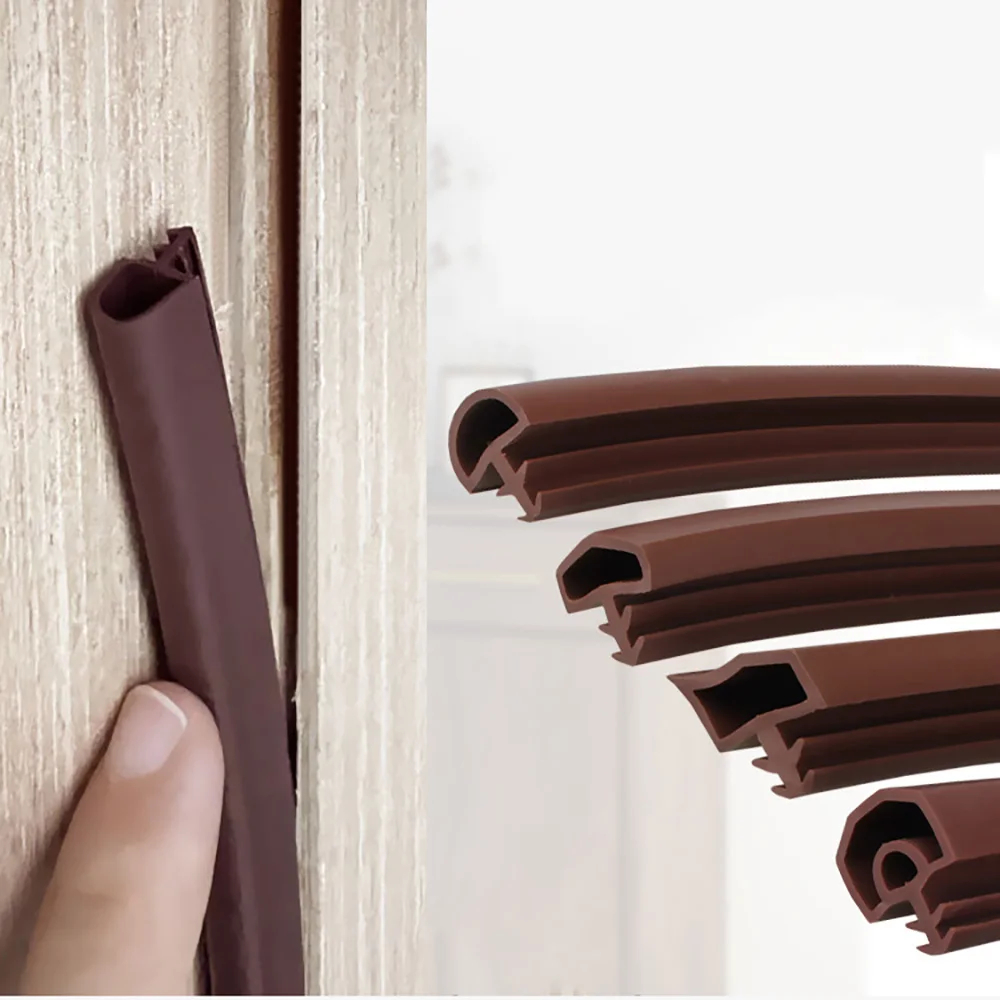
Doors are another prime target. Specifically, the jambs—the vertical sides of the door frame. You install the V-strip so that when the door closes, it compresses against the edge of the door. Here’s a pro tip: the longer leg of the V should usually touch the stop (the part of the frame the door hits). This ensures the spring action works correctly. If you put it on backwards, it won’t seal properly. It’s a small detail, but it makes or breaks the installation.
Don’t forget the less obvious spots. Attic hatches, basement bulkhead doors, and even sliding glass panel tracks can benefit from this tech. Anywhere two surfaces slide past each other or press together is a candidate. I’ve seen people use it to seal gaps around older cabinet doors to keep pests out, too. It’s versatile. Just remember to measure the gap first. If the gap is too wide, the V won’t compress enough to seal. If it’s too narrow, you’ll struggle to close the window. Aim for a compression of about 50% of the V’s height for the best result.
Installation Secrets for a Perfect Seal
Installation sounds simple, but it’s where most people mess up. Cleanliness is key. If you’re using adhesive-backed strips, the surface must be spotless. Dust, old paint flakes, or grease will prevent it from sticking. Use alcohol wipes to clean the area first. Let it dry completely. Then, peel and stick. But don’t just slap it on. Press it firmly along the entire length. Some people use a roller tool to ensure even pressure.
For nailed-in bronze strips, patience is your friend. Start at one end and work your way down. Nail every inch and a half or so, as recommended by experts. Don’t pull the strip tight as you nail it; let it sit naturally. If you stretch it, it’ll want to shrink back later, pulling away from the corners. Cut the ends at a 45-degree angle where two strips meet for a clean corner joint. It looks professional and prevents gaps.
One common mistake is over-compressing the seal. If you force a window shut and it feels stiff or binds, the strip might be too thick for the gap. You can sometimes trim the legs of the V slightly, but it’s better to buy the right size initially. Test the movement of the window or door after installation. It should open and close smoothly, with just a bit of resistance. If it slams shut, it’s too loose. If you have to shoulder-check it closed, it’s too tight. Find that sweet spot.
The Payoff: Energy Savings and Comfort
So, why bother? What’s the actual return on investment? The immediate benefit is comfort. No more cold spots near the windows. No more whistling winds keeping you awake at night. It creates a tighter thermal envelope for your home. In winter, warm air stays in. In summer, hot air stays out. This reduces the workload on your HVAC system.
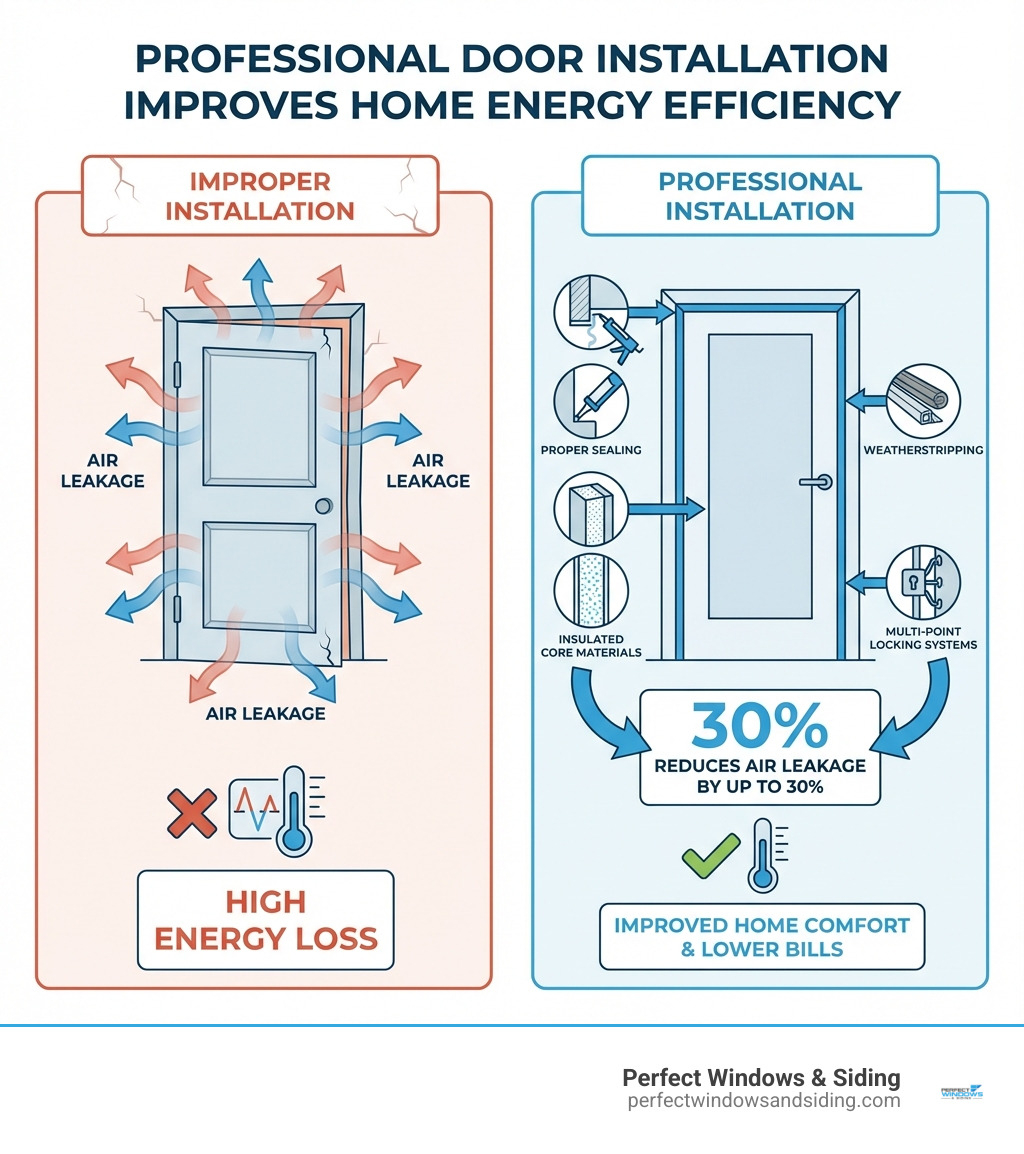
Studies and real-world data consistently show that air leakage accounts for a huge chunk of energy loss in older homes—sometimes up to 30%. Sealing these leaks with V-channel weatherstripping is one of the cheapest ways to cut that number down. You aren’t replacing windows, which costs thousands. You’re spending maybe twenty dollars per window. The payback period is often less than a single heating season.
Beyond money, there’s noise reduction. Those same gaps that let air in also let sound in. Traffic noise, neighbors, wind roar—it all gets dampened by a good seal. It makes your home feel more solid, more secure. There’s a psychological comfort in knowing your shelter is actually sheltering you. In 2026, with remote work still common, having a quiet, draft-free home office is invaluable. It’s not just about physics; it’s about peace of mind.
Like anything in your home, weatherstripping needs a little love. It’s not install-and-forget. Twice a year, ideally in spring and fall, take a look at your seals. Are they cracked? Peeling? Flattened out? If the V has lost its spring and stays squashed, it’s time to replace it. Vinyl might last three to five years. Bronze can last decades if it’s not painted over.
Cleaning them helps extend their life. Wipe them down with a damp cloth to remove dirt and grime. Avoid harsh chemicals that might degrade rubber or vinyl. For bronze, a light wax can prevent corrosion and keep it sliding smoothly. If you notice a draft returning, check the alignment first. Sometimes the strip is fine, but the window has settled or shifted. A quick adjustment might fix it without needing new materials.
Also, keep an eye on the paint. If you’re painting your windows or doors, be careful not to get paint on the weatherstripping. Paint acts like glue. It will bond the V-shape shut, rendering it useless. If you do get paint on it, try to scrape it off gently before it dries completely. If it’s already dried, you’ll likely need to replace that section. It’s a small hassle, but catching it early saves headache later. Treat these strips like the moving parts they are, and they’ll serve you well.
In the end, the hidden geometry of V-channel weatherstripping is a testament to the power of simple solutions. It doesn’t require smart home tech or expensive contractors. It just requires a bit of knowledge and a Saturday afternoon. By understanding how that little V works, you take control of your home’s comfort. You stop fighting the drafts and start living in a space that feels truly sealed and safe.
It’s easy to overlook the small things. We focus on big renovations and flashy upgrades. But the quiet heroes like weatherstripping do the daily heavy lifting. They protect your energy bill, your comfort, and your peace. So next time you feel that chill, don’t just put on a sweater. Look at the gap. Measure it. Pick the right V. And seal it up. Your home—and your wallet—will thank you.
[sps_html tag=”img” src=”https://cdn.northcarolinafinearchitecture.com/2026/06/black-rubber-weather-stripping-door-seal-strip-d-shape-door-rubber-within-weatherstripping-design.jpg” alt=”Black Rubber Weather Stripping Door Seal Strip, D Shape Door Rubber … within Weatherstripping Design” style=”width: 100%; height: auto;”]
[sps_html tag=”img” src=”https://cdn.northcarolinafinearchitecture.com/2026/06/seal-stain-on-door-at-pearl-peterson-blog-in-weatherstripping-design.jpg” alt=”Seal Stain On Door At Pearl Peterson Blog in Weatherstripping Design” style=”width: 100%; height: auto;”]
[sps_html tag=”img” src=”https://cdn.northcarolinafinearchitecture.com/2026/06/push-in-door-seal-at-kevin-davidson-blog-regarding-how-proper-door-seals-cut-home-energy-loss-by-40-percent.jpg” alt=”Push In Door Seal At Kevin Davidson Blog regarding How Proper Door Seals Cut Home Energy Loss by 40 Percent” style=”width: 100%; height: auto;”]
[sps_html tag=”img” src=”https://cdn.northcarolinafinearchitecture.com/2026/06/weather-stripping-door-seal-strip-19-8ft-soundproofing-v-shape-sound-for-how-proper-door-seals-cut-home-energy-loss-by-40-percent.jpg” alt=”Weather Stripping Door Seal Strip 19.8Ft Soundproofing V-Shape Sound … for How Proper Door Seals Cut Home Energy Loss by 40 Percent” style=”width: 100%; height: auto;”]
[sps_html tag=”img” src=”https://cdn.northcarolinafinearchitecture.com/2026/06/door-installers-chicago-expert-smart-2025-throughout-weatherstripping-design.jpg” alt=”Door Installers Chicago: Expert & Smart 2025 throughout Weatherstripping Design” style=”width: 100%; height: auto;”]