You walk onto the warehouse floor. It looks solid. Smooth. Maybe even a bit shiny if it’s been polished recently. Everything seems fine. But underneath that surface, a slow-motion disaster is unfolding. It’s not dramatic. There’s no explosion. No sudden collapse. Just tiny cracks spreading like spiderwebs, edges chipping away under the weight of forklifts, and vibrations traveling where they shouldn’t.
Most people don’t notice until it’s too late. By then, the bill has arrived. And it’s huge.
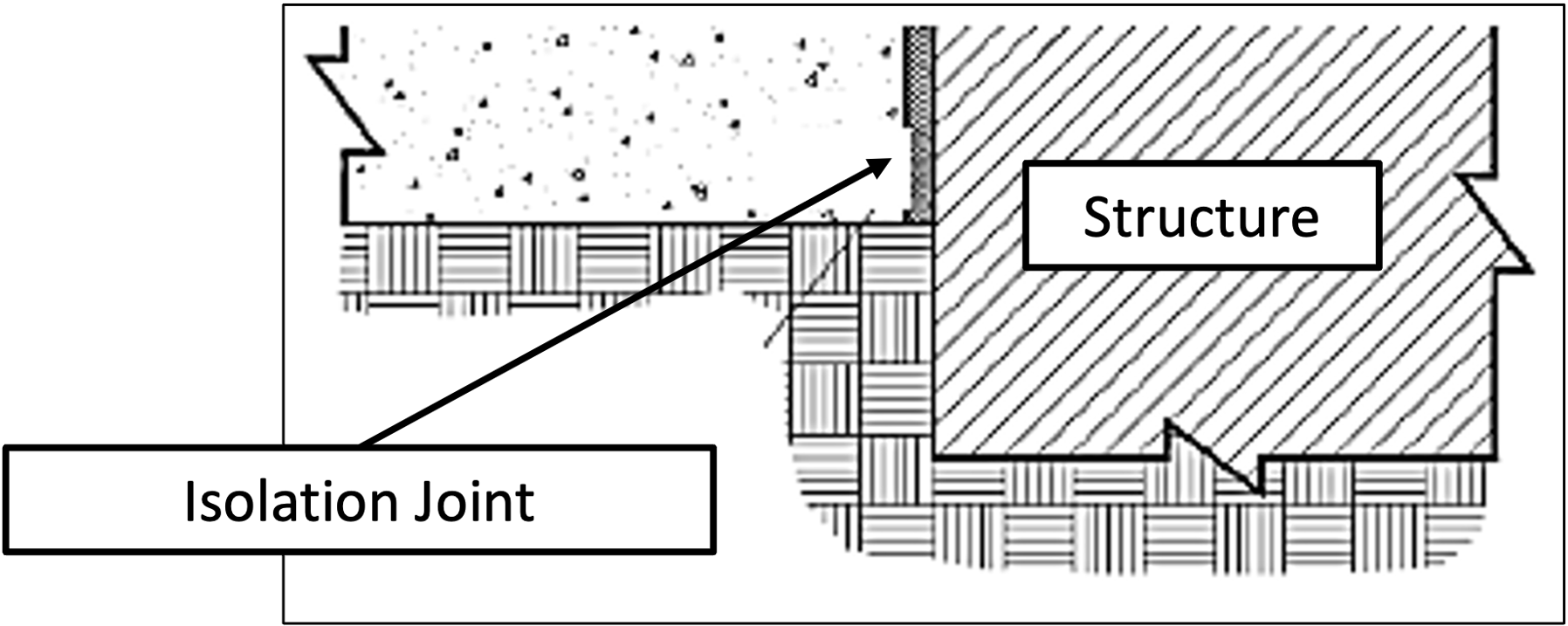
We’re talking about isolation joints. Those little gaps around columns, walls, and fixed objects that often get overlooked during construction. Some contractors skip them to save time. Others think they’re unnecessary. "Concrete is strong," they say. "It’ll hold." But concrete isn’t just strong. It’s stubborn. It moves. It shrinks. It expands with temperature changes. And when it can’t move freely because you didn’t give it room, it fights back.
The cost of ignoring this simple detail? It’s not just about fixing cracked concrete. It’s about disrupted operations. Damaged equipment. Safety liabilities. And a floor that fails years before it should. Let’s dig into why these joints matter so much, and what happens when you leave them out.
The Physics of Failure: Why Concrete Needs Room to Breathe
Concrete is weird. It’s hard as rock, but it acts like it’s alive. When it cures, it shrinks. As temperatures rise and fall, it expands and contracts. In a big industrial slab, that movement adds up. We’re talking inches over the life of the floor. If that slab is tied tightly to columns or walls without any give, stress builds up. Like a rubber band stretched too far. Eventually, something snaps.
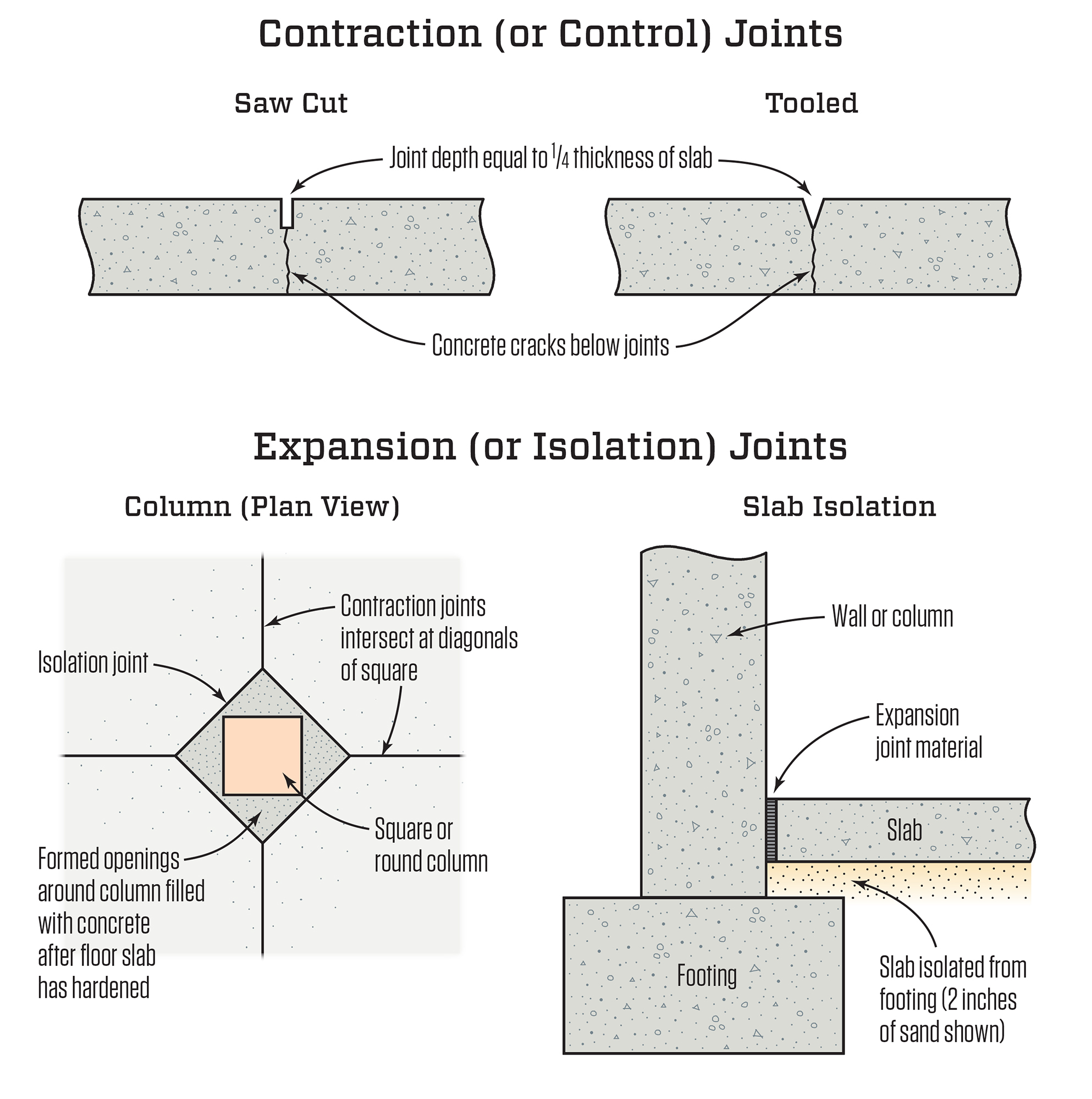
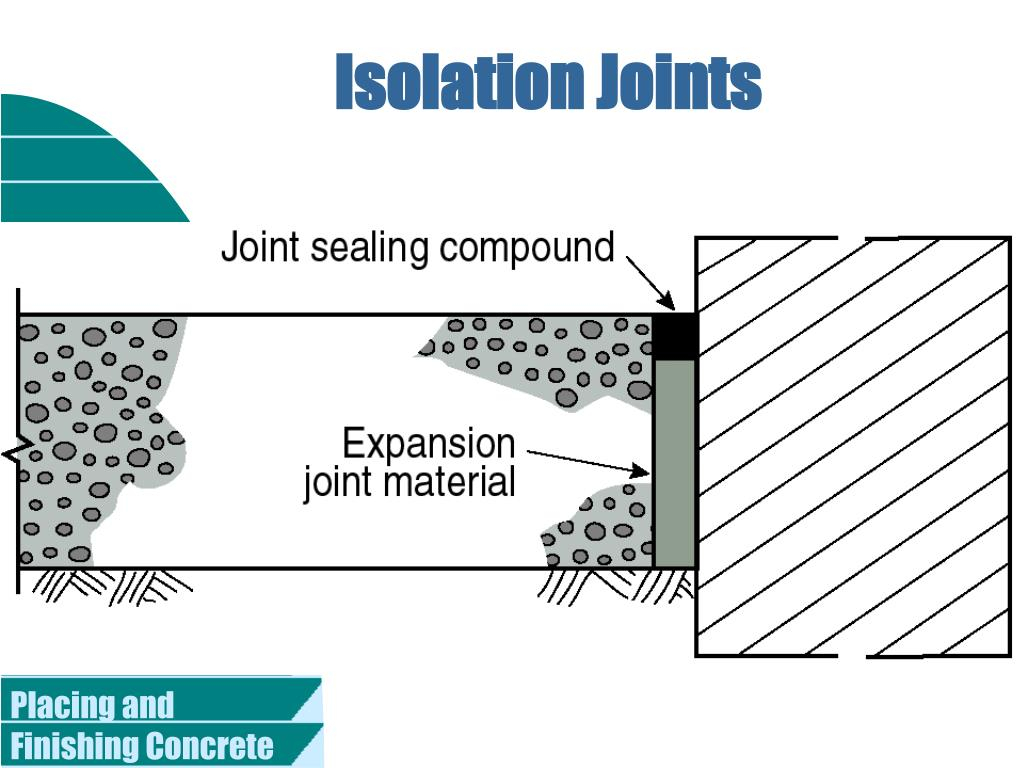
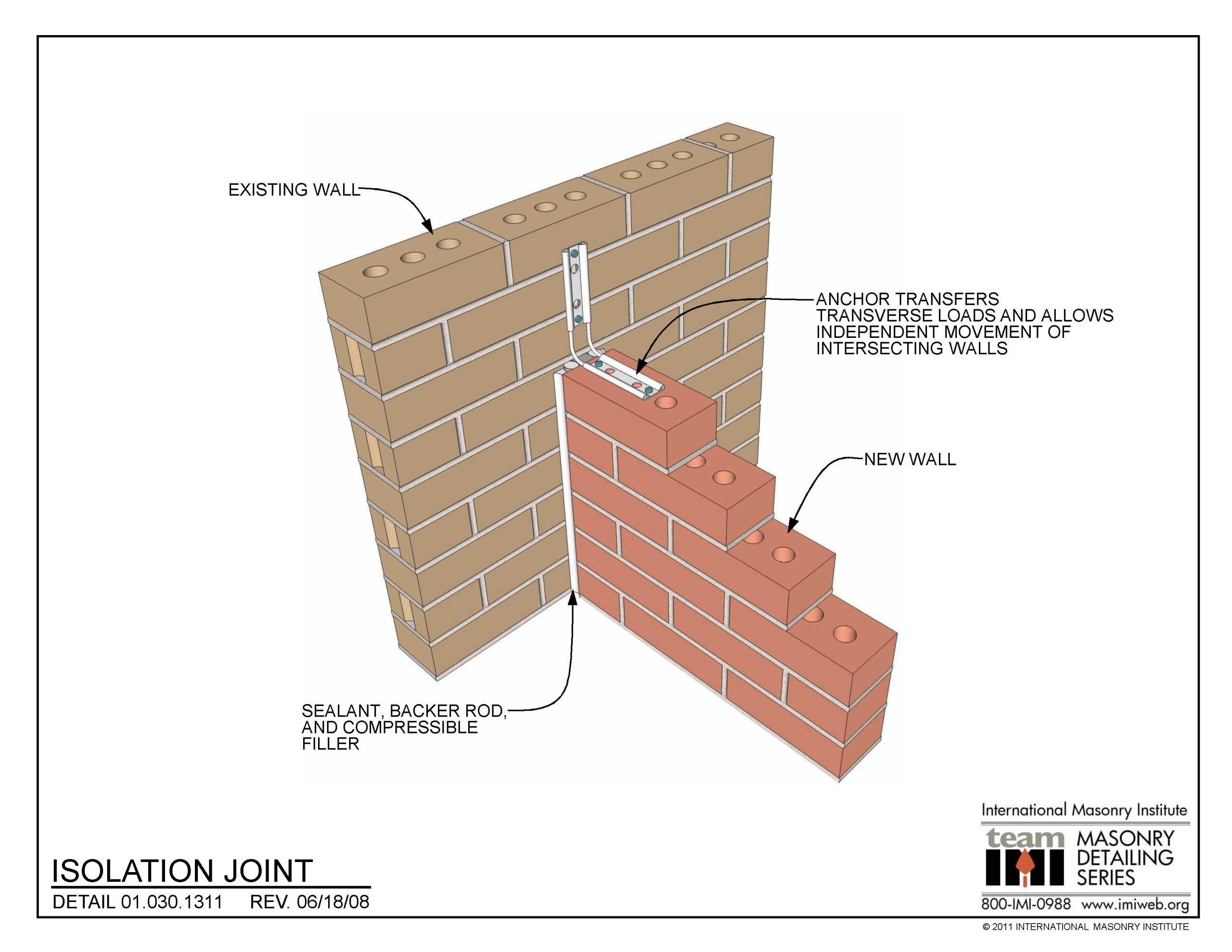
That’s where isolation joints come in. They’re basically buffer zones. Thin strips of compressible material placed between the concrete slab and any fixed object—columns, footings, drain pipes, you name it. They let the slab move independently. No tugging. No pulling. No stress transfer. Without them, the concrete has nowhere to go. So it cracks. Usually right where you don’t want it to. Near the column base. Along the wall edge. Places that take the most abuse from traffic.
Think about a column in the middle of your warehouse. Forklifts zip around it all day. Every turn, every stop, every load drop sends shockwaves through the floor. If there’s no isolation joint, those shockwaves travel straight into the column footing. The concrete around the column starts to spall. Little chunks break off. Then bigger chunks. Before long, you’ve got a jagged mess that damages forklift wheels and creates trip hazards for workers. It’s not just ugly. It’s dangerous. And expensive to fix.
The Domino Effect: How One Missing Joint Triggers Cascading Damage
Here’s the thing about concrete failures. They rarely stay isolated. One crack leads to another. One spalled edge weakens the surrounding area. And suddenly, you’re not dealing with a small repair job. You’re looking at systemic deterioration. It starts small. A tiny gap near a column. Maybe some dust accumulating there. Then a forklift tire hits that uneven edge. Hard. The impact chips away more concrete. Now the gap is wider. The next forklift hits it harder. More damage. More debris.
This cycle accelerates fast. Especially in high-traffic areas. Warehouses and distribution centers operate 24/7 now. There’s no downtime for the floor to rest. Every hour, hundreds of loads move across that surface. Each one adds stress. Without proper isolation joints, that stress concentrates at weak points. The concrete around columns and walls bears the brunt. Edge spalling becomes widespread. Load transfer fails. The floor literally starts to break apart at the seams.
And it’s not just the concrete suffering. Think about the equipment. Forklifts driving over jagged, uneven surfaces take a beating. Tires wear out faster. Suspensions get damaged. Maintenance costs spike. Operators complain about rough rides. Productivity drops because drivers slow down to avoid the worst spots. It’s a ripple effect that touches every part of your operation. All because a few feet of compressible filler material got skipped during construction.
The Hidden Price Tag: Calculating the True Cost of Neglect
Let’s talk numbers. Because at the end of the day, this is about money. Installing isolation joints during construction is cheap. We’re talking dollars per linear foot. Maybe a few hundred bucks for an entire warehouse. Sounds negligible, right? But compare that to the cost of fixing the damage later. Now we’re in thousands. Sometimes tens of thousands.
First, there’s the repair itself. You can’t just patch spalled concrete and call it done. The underlying issue—the lack of movement allowance—still exists. So you need to cut out the damaged sections. Install proper isolation joints retroactively. Pour new concrete. Let it cure. That’s labor. Materials. Equipment rental. And it’s messy. Dust everywhere. Noise. Disruption.
Then there’s the downtime. In 2026, warehouses are running leaner than ever. Inventory turnover is rapid. Every hour the floor is out of commission, you’re losing revenue. Orders delay. Shipments miss deadlines. Customers get upset. If you operate 24/7, shutting down even a small section for repairs can bottleneck your entire operation. The lost productivity often outweighs the repair bill by a wide margin.
Don’t forget liability either. Trip hazards from spalled edges are lawsuits waiting to happen. Worker injuries. Equipment damage claims. Insurance premiums go up. Legal fees pile up. And your reputation takes a hit. Who wants to lease space in a facility with crumbling floors? It signals neglect. Poor management. Risk. All from skipping a step that cost pennies on the dollar upfront.
Modern Solutions: Armored Joints and Advanced Sealants for 2026
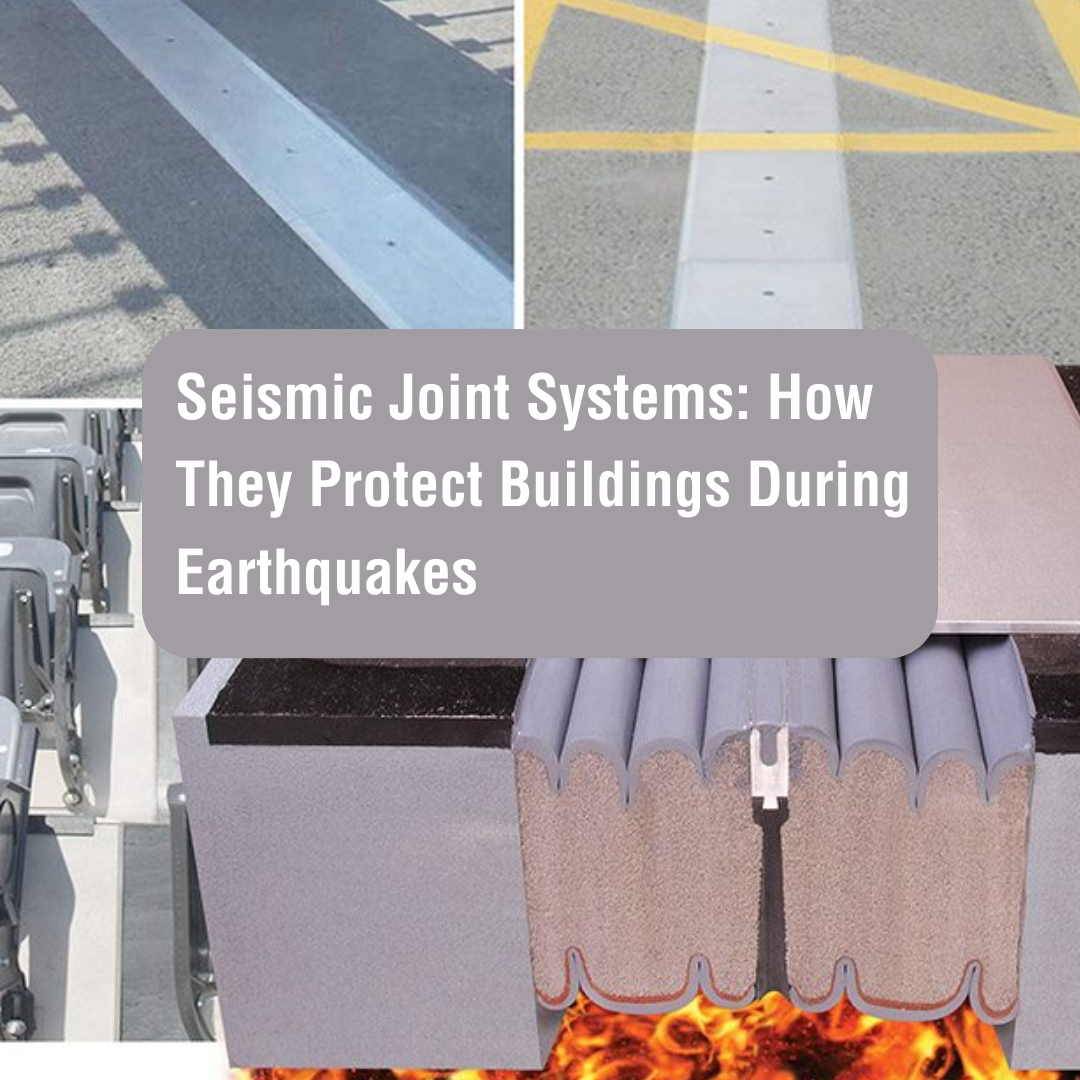
Thankfully, technology has moved forward. We’re not stuck with the same old solutions from decades past. In 2026, there are smarter ways to handle isolation joints. Armored joints, for example. These are heavy-duty systems designed specifically for high-traffic industrial environments. They feature steel or composite armor plates that protect the concrete edges from direct wheel impact. The armor takes the abuse. The concrete stays intact. Simple idea. Huge difference in longevity.
Then there’s sealant technology. Old-school caulk doesn’t cut it anymore. It dries out. Cracks. Falls out. Modern sealants are engineered for punishment. Semi-rigid epoxies. Rapid-curing polyurea elastomers. High-performance polyurethanes. These materials flex with the concrete movement. They resist chemical spills. They withstand abrasion from tires. And they last. Years longer than traditional options. Properly installed, they keep moisture out too. Preventing sub-slab erosion and further structural issues.
Some facilities are even going jointless. Using steel fiber reinforced concrete (SFRC) to minimize the number of joints needed. It’s not completely joint-free—you still need isolation joints around columns—but it reduces the overall maintenance burden. Fewer joints mean fewer potential failure points. Less sealing. Less monitoring. It’s a premium option, sure. But for large distribution centers handling massive volumes, the long-term savings can be significant. The key is choosing the right system for your specific needs. Traffic levels. Load weights. Environmental conditions. One size doesn’t fit all.
Real World Examples: Lessons from Facilities That Skipped Corners
You don’t have to look far to find examples of this going wrong. Take a mid-sized logistics hub in the Midwest. Built in 2018. Fast-tracked construction. The contractor saved time by omitting isolation joints around interior columns. Seemed fine for the first year. Then the spalling started. By 2021, half the columns had significant edge damage. Forklift operators were navigating around craters. Maintenance crews were constantly patching. The facility manager estimated they’d spent over $150,000 in repairs and lost productivity. All to save maybe $5,000 upfront.
Or consider a manufacturing plant in Texas. Heavy machinery. Constant vibration. No isolation joints between the floor slab and the equipment foundations. Within three years, cracks radiated out from every machine base. Some reached six feet long. The vibrations were transferring directly into the slab, causing fatigue failure. They had to shut down production lines for two weeks to install retroactive joints and repair the cracks. Lost output? Millions. Lesson learned the hard way.
These aren’t isolated incidents. They’re common. Too common. Facility managers often inherit these problems. They didn’t make the original decision to skip the joints. But they pay the price. Day after day. Dealing with complaints. Scheduling repairs. Explaining to upper management why the floor looks like a war zone. It’s frustrating. And entirely preventable. The pattern is always the same. Short-term savings. Long-term pain. Every single time.
So how do you avoid becoming another statistic? Start at the design phase. Don’t leave joint placement to chance. Work with engineers who understand industrial floor dynamics. Specify isolation joints around every fixed object. Columns. Walls. Drainage structures. Equipment anchors. Make it non-negotiable. Use detailed drawings. Clear specs. No ambiguity.
Choose the right materials. For standard warehouses, pre-formed foam strips work well. They’re affordable. Easy to install. For heavier duty applications, consider armored systems. Yes, they cost more upfront. But they pay for themselves in reduced maintenance. Pair them with high-quality sealants. Polyurea or epoxy-based. Avoid cheap silicone or acrylic caulks. They won’t survive the environment.
Installation matters just as much as specification. Ensure the joints are clean. Dry. Free of debris before sealing. Follow manufacturer guidelines for application thickness and curing times. Don’t rush it. A poorly installed joint is almost as bad as no joint at all. Inspect regularly. Look for signs of sealant degradation. Edge spalling. Gap widening. Catching issues early prevents major failures later.
And educate your team. Forklift operators. Maintenance staff. Floor cleaners. Everyone should understand why these joints exist. Why they shouldn’t be filled with random debris. Why reporting damage immediately is crucial. Culture plays a role here. A facility that values preventative care will spot problems before they escalate. One that ignores small issues will face big ones eventually. It’s that simple.
Skipping isolation joints might seem like a minor oversight. A small corner cut. But the consequences ripple outward. Damaged concrete. Broken equipment. Injured workers. Lost revenue. It’s a false economy. Saving a few thousand dollars today to spend ten times that amount tomorrow. In 2026, with margins tighter than ever and expectations higher, you can’t afford that kind of mistake.
The fix is straightforward. Plan properly. Specify correctly. Install carefully. Maintain consistently. Treat your industrial floor like the critical asset it is. Because it is. It’s the foundation of your entire operation. Literally and figuratively. Give it the attention it deserves. Include those isolation joints. Protect your investment. Your bottom line will thank you. And so will your workers.
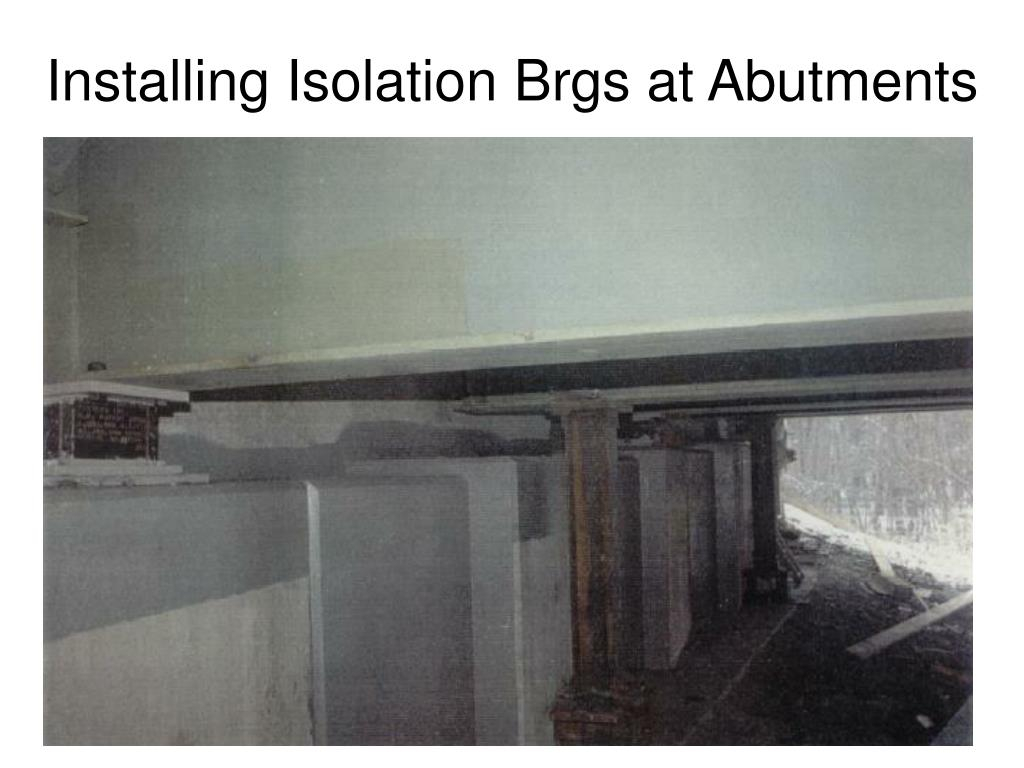
[sps_html tag=”img” src=”https://cdn.northcarolinafinearchitecture.com/2026/05/ppt-quick-release-field-experiments-on-seismically-isolated-bridges-inside-isolation-joint-design.jpg” alt=”Ppt - Quick-Release Field Experiments On Seismically Isolated Bridges … inside Isolation Joint Design” style=”width: 100%; height: auto;”]
[sps_html tag=”img” src=”https://cdn.northcarolinafinearchitecture.com/2026/05/seismic-assessment-and-retrofitting-of-existing-road-bridges-state-of-intended-for-what-happens-when-you-forget-the-isolation-joint-at-bridge-abutments.jpg” alt=”Seismic Assessment And Retrofitting Of Existing Road Bridges: State Of … intended for What Happens When You Forget the Isolation Joint at Bridge Abutments” style=”width: 100%; height: auto;”]
[sps_html tag=”img” src=”https://cdn.northcarolinafinearchitecture.com/2026/05/understanding-the-types-of-joints-in-jpcp-and-proper-layout-and-maintenance-inside-isolation-joint-design.png” alt=”Understanding The Types Of Joints In Jpcp And Proper Layout And Maintenance inside Isolation Joint Design” style=”width: 100%; height: auto;”]
[sps_html tag=”img” src=”https://cdn.northcarolinafinearchitecture.com/2026/05/concrete-isolation-joints-at-zoe-szabados-blog-for-isolation-joint-design-scaled.jpg” alt=”Concrete Isolation Joints At Zoe Szabados Blog for Isolation Joint Design” style=”width: 100%; height: auto;”]
[sps_html tag=”img” src=”https://cdn.northcarolinafinearchitecture.com/2026/05/concrete-isolation-joint-definition-at-catherine-dorsey-blog-regarding-isolation-joint-design.jpg” alt=”Concrete Isolation Joint Definition At Catherine Dorsey Blog regarding Isolation Joint Design” style=”width: 100%; height: auto;”]