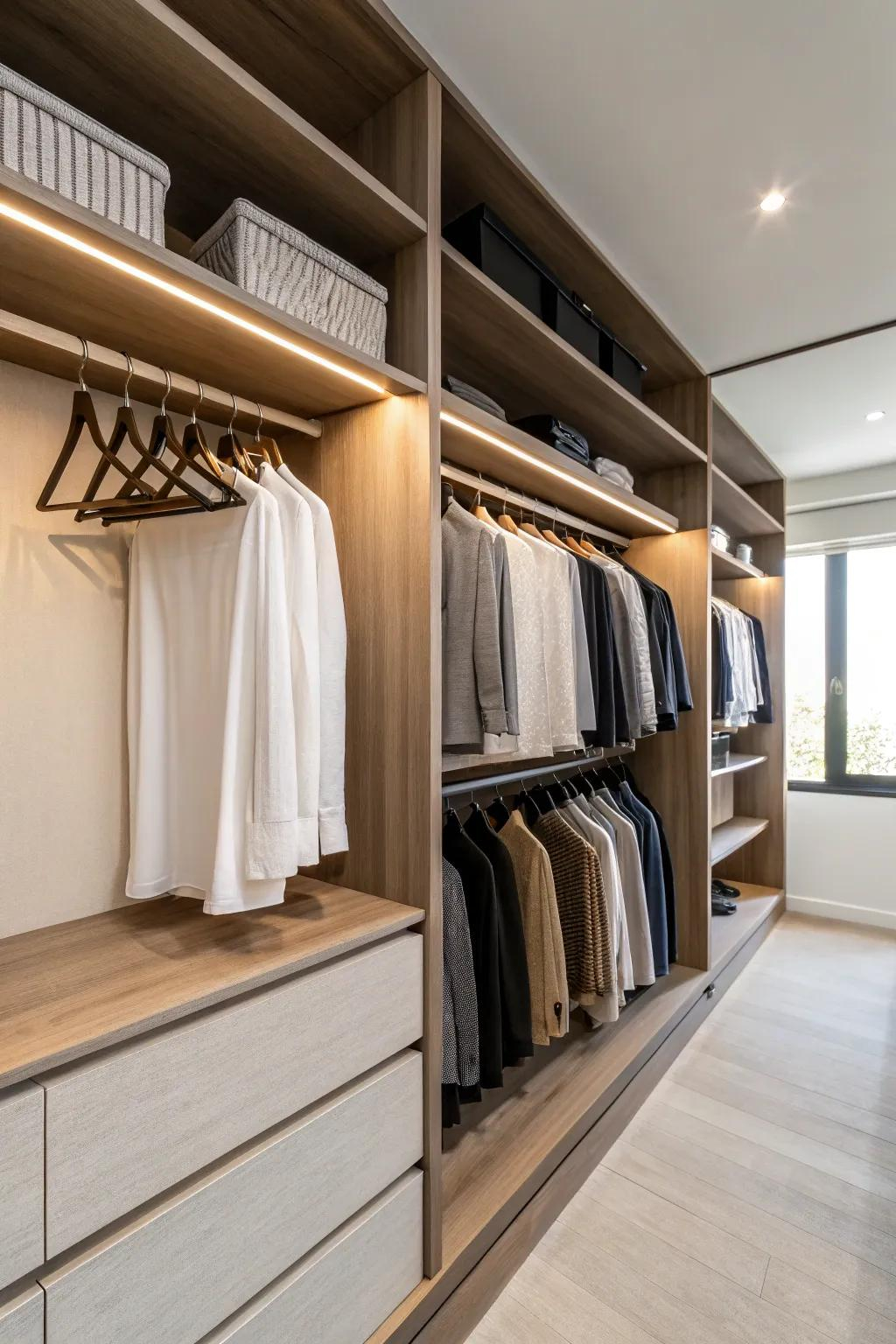
It’s a familiar scene. You stand in front of your closet, coffee in hand, staring at that crisp white shirt you bought last week. You spent good money on it. You also spent a pretty penny on those beautiful, wide-shouldered cedar hangers everyone on social media swears by. You hang the shirt up with care, feeling like you’ve finally cracked the code to adulting.
But the next morning? Disaster. There’s a crease right across the shoulder. The sleeves look crumpled. The fabric just doesn’t sit right. You feel cheated. Maybe even a little foolish. Did you just throw cash down the drain? It’s frustrating, isnt it? You did everything "right" according to the influencers and the magazine articles. So why does your wardrobe still look like it survived a tumble dryer?
The truth is, hangers are only one piece of a very complicated puzzle. And honestly? Most of us are missing the other pieces entirely. We think buying the tool fixes the problem, but we ignore how we use it, where we store it, and what we do before we even hang the garment. Let’s dig into why your premium hangers aren’t working as advertised, and what you can actually do about it.
The Myth of the Magic Hanger
Let’s get one thing straight immediately: a hanger is not an iron. It never has been, and it never will be. When we buy high-end hangers, we’re often sold a dream of effortless perfection. The marketing shows smooth fabrics draping elegantly over curved wood. It looks easy. But here’s the reality check. A hanger’s job is support, not restoration. If a garment goes onto the hanger with wrinkles, tension, or bad folding lines, those imperfections will set in.
Premium hangers, like the solid wood ones recommended by experts at thegarmenthanger.com, are designed to prevent new damage. They stop shoulder bumps. They keep the shape of a jacket from collapsing. But they can’t magically erase the chaos of daily wear or improper storage. Think of them like a good mattress. A great mattress supports your back while you sleep, but if you curl up in a weird position all night, you’ll still wake up stiff. The mattress didn’t fail; your posture did. Same with your clothes.
Many people assume that once they upgrade from wire or flimsy plastic, their problems are solved. Wire hangers are indeed terrible—they bend, they rust, and they create sharp pressure points that ruin fabric, as noted by victoryclosets.com. But swapping wire for walnut doesn’t automatically grant you wrinkle-free bliss. It just raises the floor of quality. You’ve stopped the bleeding, but you haven’t healed the wound. To get rid of wrinkles, you need active care, not just passive support.
Material Matters, But Fit Is King
You might have bought the most expensive hangers on the market, but if they don’t fit your specific garments, they’re useless. This is where things get tricky. Not all "premium" hangers are created equal, and not all clothes need the same support. For instance, heavy wool coats need thick, contoured wooden hangers to hold their structure. Slippery silk blouses? They might slide right off that smooth wood unless you have a non-slip finish or a different design entirely.
According to tough-hook.com, different materials interact with fabrics in unique ways. Velvet-covered hangers are great for keeping things in place because they grip the fabric, but they have downsides. Some users report that the flocking (that fuzzy velvet layer) can shed onto dark clothes or trap moisture if the closet isn’t well-ventilated. Plus, as hangar327.com points out, cheaper velvet hangers often snap at the hook after a year or two. So you think you’re buying luxury, but you’re actually buying disposable decor.
Then there’s the issue of shape. A standard suit hanger has broad shoulders. If you hang a delicate knit sweater on it, the weight of the sweater will pull down on those broad points, stretching out the shoulders permanently. That’s not a wrinkle; that’s deformation. And no amount of steaming will fix stretched-out knits. You need padded hangers or folded storage for knits. Using a "premium" hanger incorrectly is arguably worse than using a cheap one correctly, because you trust it more. You assume it’s doing its job, while it’s slowly destroying your favorite cashmere.
The Humidity Factor Nobody Talks About
Here’s a secret that closet organizers rarely put in their Instagram captions: air quality matters. A lot. If you live in a humid climate, or if your closet is in a damp basement or a bathroom-adjacent hallway, your clothes are fighting a losing battle. Fabric fibers absorb moisture from the air. When they get damp, they swell. When they dry unevenly, they wrinkle. You can have the best hangers in the world, but if the air around them is thick with humidity, your shirts will look rumpled within hours.
In 2026, we’re seeing more extreme weather patterns, which means fluctuating indoor humidity levels are a bigger issue than ever. Wooden hangers, particularly cedar, are often praised for absorbing moisture and repelling moths. That’s true to an extent. But they have limits. If the ambient humidity is consistently above 60%, even cedar can’t keep your linen trousers crisp. In fact, if the wood itself absorbs too much moisture, it can warp, changing the shape of the hanger and creating new pressure points on your clothes.
So, what’s the fix? It’s not more hangers. It’s environmental control. A simple dehumidifier in the closet can make a massive difference. Or even silica gel packs tucked into the corners of your shelves. Keeping the air dry helps fibers stay relaxed and smooth. If you’ve invested in premium hangers but ignored the air quality, you’re basically trying to dry your hair with a towel while standing in a shower. It’s just not going to work efficiently.
How You Hang Is Just As Important
Let’s talk technique. Seriously. The way you physically put a shirt on a hanger can introduce wrinkles instantly. Do you button it up? Do you leave it open? Do you shove it onto the hanger quickly while rushing to get dressed? Rushing is the enemy of crispness. When you force a garment onto a hanger, especially a structured one, you create friction. Friction creates static and temporary creases. If you don’t smooth them out immediately, they set.
For button-down shirts, always button the top button and the middle button before hanging. This distributes the tension evenly across the shoulders and chest. If you leave it unbuttoned, the weight of the fabric pulls unevenly, causing the front panels to twist and wrinkle. Also, take a second to smooth the fabric down with your hands. Pull the hem gently. Straighten the collar. It takes five seconds, but it saves you five minutes of ironing later.
Pants are another common culprit. housedigest.com warns against using hangers with locking bars or clamps that squeeze the fabric tightly. Those metal clips leave permanent indentations and creases. Instead, fold your trousers over the bar of a sturdy wooden hanger, alternating the legs to balance the weight. Or, better yet, use hangers with a wide, flat bar designed for draping. Never hang pants by the cuffs—that stretches them out. And please, stop using those wire hangers with the cardboard tube. They bend, the pants slide off, and you end up with a ball of fabric on the closet floor.
The Weight Distribution Problem
One of the biggest reasons clothes look wrinkled on expensive hangers is simple physics: gravity. Over time, heavy garments pull down on the fabric. If the hanger doesn’t distribute that weight evenly, stress points form. These stress points turn into deep creases. This is especially true for jackets and blazers. A cheap plastic hanger might flex under the weight, causing the jacket to slump. A premium wooden hanger is rigid, which is good, but if the curve of the hanger doesn’t match the natural slope of your shoulders, it creates gaps or tight spots.
indyhanger.com highlights that hangers can bend over time, especially when holding heavy items like winter coats or multiple layers. Even high-quality wood can fatigue if it’s constantly overloaded. When the hanger bends, the garment bunches up in the middle. This bunching creates horizontal creases across the back or chest. It’s not a manufacturing defect in the cloth; it’s a failure of support.
To combat this, rotate your hangers. Don’t leave heavy coats on the same hanger for months on end during the off-season. Give the wood a rest. Check the shape of your hangers periodically. If you see any warping or cracking, replace them. Also, consider the weight of the garment relative to the hanger. Don’t use a lightweight satin hanger for a heavy tweed jacket. Match the sturdiness of the hanger to the heaviness of the fabric. It seems obvious, but most of us just grab whatever is closest.
Finally, let’s talk about maintenance. Hangers aren’t install-it-and-forget-it fixtures. They need care too. Dust builds up on wooden hangers. That dust transfers to your clothes, attracting moisture and dirt, which can lead to staining and stiffening of fibers. Wipe your hangers down with a dry cloth every few months. If you use velvet hangers, vacuum them gently to remove lint and dust. Clean hangers mean cleaner clothes, and cleaner clothes wrinkle less because the fibers aren’t clogged with grime.
But beyond physical maintenance, there’s a mindset shift needed. We need to stop viewing hangers as a cure-all. They are tools. Like any tool, they require skill to use effectively. Accept that some fabrics—like linen and pure cotton—are naturally prone to wrinkling. No hanger will change that fundamental characteristic of the fiber. Embrace the texture. Or, accept that ironing is part of the ritual of wearing those fabrics. Trying to fight the nature of the material is a losing game.
Also, give your clothes space. Overcrowded closets are wrinkle factories. When garments are squished together, they rub against each other, creating friction wrinkles. They can’t breathe. Air needs to circulate around each piece to keep it fresh and smooth. If your closet is packed tight, even the best hangers in the world won’t help. Thin out your wardrobe. Keep only what you love and wear. Give the remaining items room to hang freely. It’s liberating, and your clothes will thank you.
So, are premium hangers worth it? Yes, absolutely. But not for the reason you think. They’re worth it because they respect the structure of your clothing. They prevent long-term damage. They look nice. But they won’t iron your shirts for you. That part is still up to you. By combining quality hangers with proper hanging techniques, humidity control, and a bit of patience, you’ll finally get that crisp, polished look you’re chasing. It’s not magic. It’s just mindful care. And honestly? That feels a lot better than just swiping a credit card.
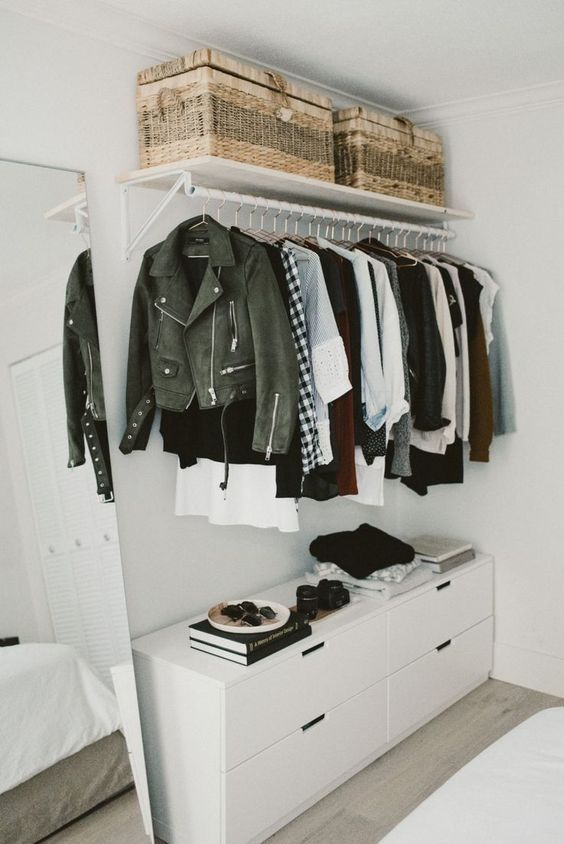
[sps_html tag=”img” src=”https://cdn.northcarolinafinearchitecture.com/2026/06/23-inspiring-ideas-for-minimalist-walk-in-closets-for-hanger-design.jpg” alt=”23+ Inspiring Ideas For Minimalist Walk-In Closets for Hanger Design” style=”width: 100%; height: auto;”]
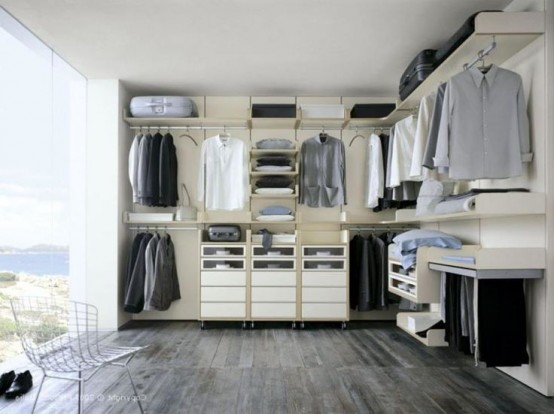
[sps_html tag=”img” src=”https://cdn.northcarolinafinearchitecture.com/2026/06/25-stylish-minimalist-closet-design-ideas-shelterness-for-how-minimalist-hanger-design-is-reshaping-modern-closets.jpg” alt=”25 Stylish Minimalist Closet Design Ideas - Shelterness for How Minimalist Hanger Design Is Reshaping Modern Closets” style=”width: 100%; height: auto;”]
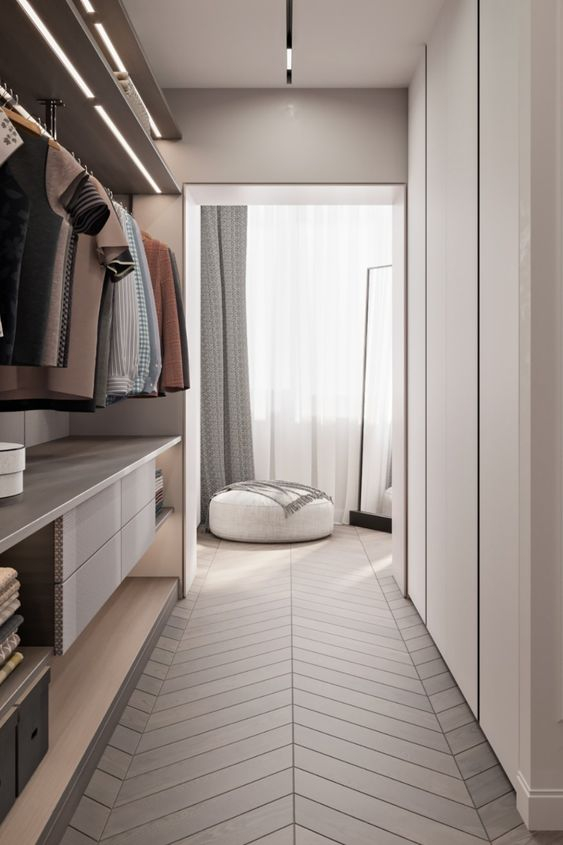
[sps_html tag=”img” src=”https://cdn.northcarolinafinearchitecture.com/2026/06/45-stylish-minimalist-closet-design-ideas-digsdigs-pertaining-to-hanger-design.jpg” alt=”45 Stylish Minimalist Closet Design Ideas - Digsdigs pertaining to Hanger Design” style=”width: 100%; height: auto;”]
[sps_html tag=”img” src=”https://cdn.northcarolinafinearchitecture.com/2026/06/25-stylish-minimalist-closet-design-ideas-shelterness-intended-for-hanger-design.jpg” alt=”25 Stylish Minimalist Closet Design Ideas - Shelterness intended for Hanger Design” style=”width: 100%; height: auto;”]
[sps_html tag=”img” src=”https://cdn.northcarolinafinearchitecture.com/2026/06/25-stylish-minimalist-closet-design-ideas-shelterness-within-hanger-design.jpg” alt=”25 Stylish Minimalist Closet Design Ideas - Shelterness within Hanger Design” style=”width: 100%; height: auto;”]