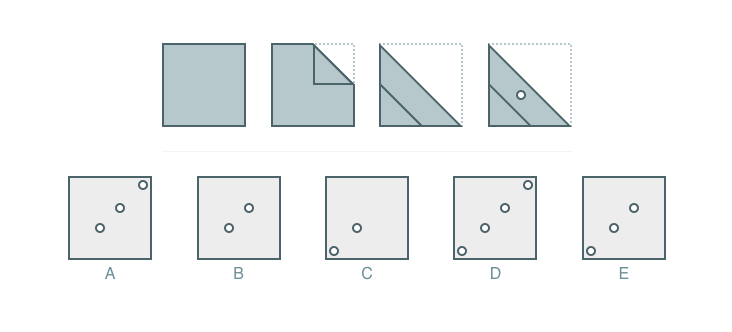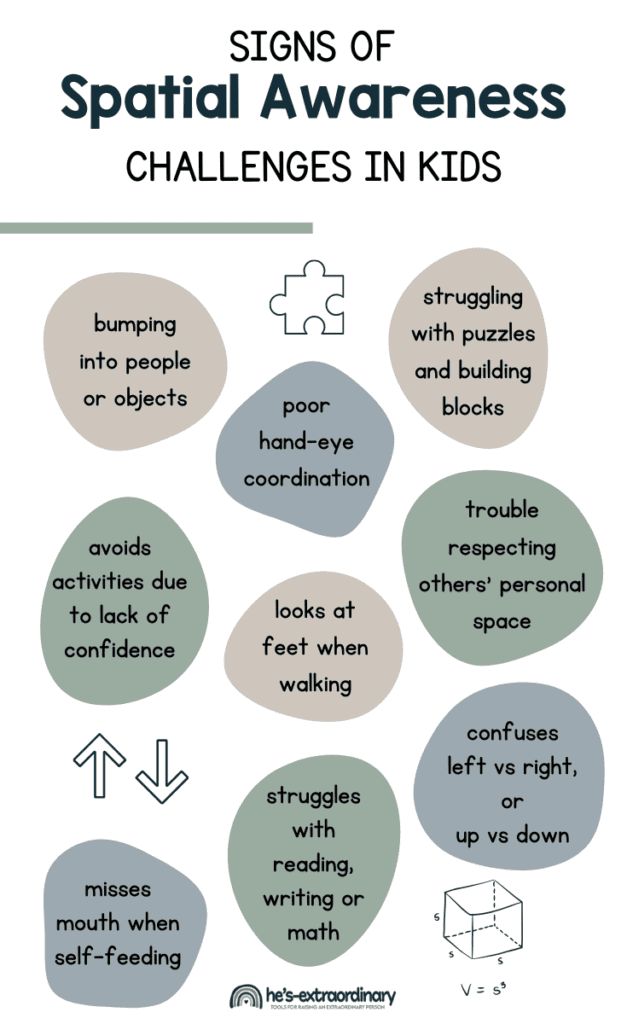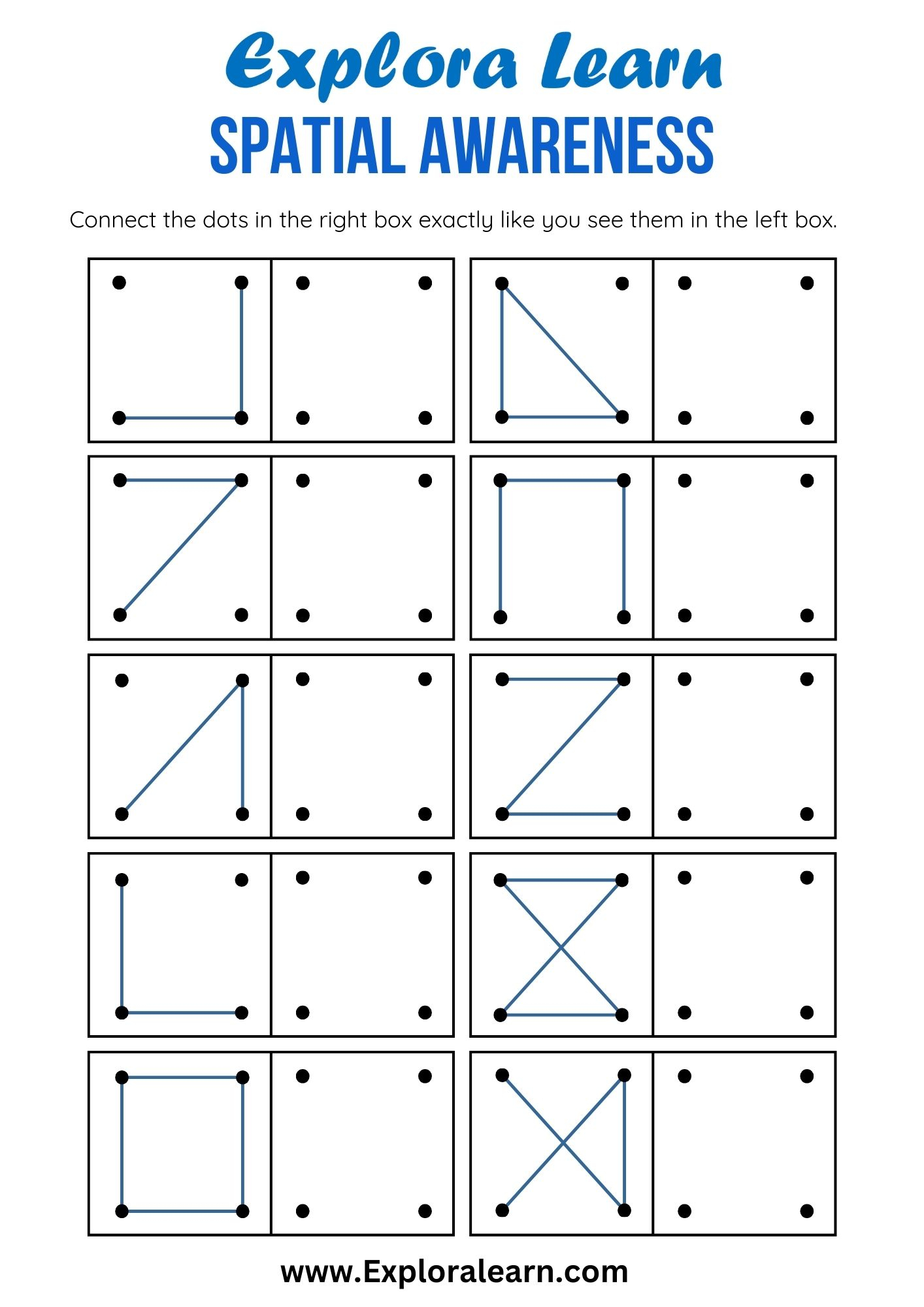
It starts with a sigh. You hand a kid a single sheet of printer paper—maybe leftover from a jammed office machine or a crumpled draft of a grocery list—and two stacks of books spaced six inches apart. "Make it hold weight," you say. They look at you like you’ve lost your mind. The paper is limp. It’s weak. It barely supports its own mass, sagging into a sad, white U-shape before you even touch it.
But then, something shifts. A fold here. A crease there. Suddenly, that same flimsy sheet is holding a toy car. Then a rock. Then a full water bottle. The look on their face? Pure magic. It’s not just about the paper. It’s about the realization that strength isn’t always about what you’re made of; it’s about how you stand. In 2026, as we lean harder into digital learning and virtual simulations, this tactile, messy, low-tech challenge remains one of the most powerful ways to teach the core of engineering. It turns abstract physics into something you can hold in your hands.
We often think of STEM as high-tech. Robots, coding, 3D printers. And sure, those are cool. But the paper bridge challenge strips away the batteries and the screens. It leaves only the raw logic of structure. It forces young minds to act like real-world engineers, tackling a design problem, testing hypotheses, and, crucially, learning from failure. When the bridge collapses, it’s not a bad grade. It’s data. It’s a conversation starter. Why did it fall? Was it the span? The load distribution? The fold? This activity cultivates a way of thinking that lasts far longer than any memorized fact.
The Physics of a Fold: Why Shape Beats Material
Let’s get into the nitty-gritty. Why does a flat piece of paper fail while an accordion-folded one succeeds? It comes down to a concept called the second moment of area, but let’s call it what it really is: geometry fighting gravity. When paper lies flat, its material is concentrated right at the center line. It has no depth. When you push down on it, there’s nothing to resist the bending force. It buckles instantly.
But when you fold that paper into a corrugated shape—like an accordion or a series of triangles—you change everything. You’re moving the material away from the center. You’re creating depth. Those folds act like tiny beams, distributing the weight across a wider area. The top of the fold handles compression (being squished), and the bottom handles tension (being pulled). By simply changing the shape, you haven’t added any new material. You haven’t used glue or tape. You’ve just used smart design.
This is the "aha!" moment for students. They see firsthand that engineers don’t always need stronger materials; they need smarter shapes. It’s the same principle behind I-beams in skyscrapers or the trusses in a railroad bridge. The paper bridge makes this invisible force visible. In recent educational studies from 2024 and 2025, researchers noted that students who physically manipulated these shapes retained the concepts of load distribution significantly better than those who only saw diagrams. It’s muscle memory meeting mental models.
Beyond the Accordion: Exploring Diverse Designs
Most people start with the accordion fold. It’s intuitive. But the real learning happens when you push past the obvious. What if you roll the paper into a tight cylinder? Cylinders are incredibly strong because they distribute stress evenly around their circumference. Try placing a tube vertically, and it can hold surprising weight. Now, imagine laying that tube horizontally as a bridge deck. It resists bending because the circular shape has rigidity in all directions.
Then there’s the arch. If you curve the paper between the supports, you create an arch bridge. Arches work by transferring the weight outward to the supports (the abutments). The paper wants to flatten out, but the books on either side push back. This creates a state of compression throughout the arch. It’s elegant. It’s ancient. And it works beautifully with paper, provided the ends are secured so they don’t slip.
Don’t forget the beam bridge with reinforcements. Some students try folding the edges up to create walls, forming a U-channel or a box beam. This adds vertical sides that prevent the bridge from twisting or tipping sideways. It’s a lesson in stability versus strength. A bridge might be strong enough to hold weight, but if it’s narrow and tall, it might tip over. These variations encourage kids to iterate. They build one, test it, watch it fail, and then ask, "What if I tried this instead?" That iterative process is the heartbeat of engineering.
The Classroom as a Construction Site
Setting up this activity doesn’t require a lab. You need paper. Lots of it. Copy paper is standard, but cardstock offers a different challenge—it’s stiffer but heavier. You need supports. Books work great. Blocks of wood. Even two chairs. And you need weights. Pennies are classic because they’re uniform. Washers. Small toys. In 2026, some teachers are using standardized 3D-printed weights to ensure consistency across different classrooms, but honestly? A handful of marbles works just fine for home learning.
The key is the setup. Define the span. Six inches is a good starting point for younger kids. Ten inches for older students. Make sure the supports are stable and level. If the books are wobbly, the experiment is flawed. This teaches precision. Engineers care about details. Ask the students to predict how many pennies their bridge will hold before they start loading it. Write it down. This introduces the scientific method: hypothesis, experiment, observation.
When the bridge collapses, don’t just clear the debris. Talk about it. Where did it fail? Did it buckle in the middle? Did the ends slip? Did the paper tear? These observations guide the next design. One teacher in Ohio reported that her sixth-grade students spent three days iterating on their designs. They started with flat sheets, moved to folds, then to rolled tubes, and finally to complex truss systems made of rolled paper rods. By day three, they weren’t just playing; they were debating the merits of triangular trusses versus square frames. That’s deep engagement.
Failure is Just Data in Disguise
We live in a world that fears failure. Grades punish it. Social media hides it. But in engineering, failure is the best teacher. The paper bridge challenge normalizes collapse. When a bridge crashes down, it’s not a disaster. It’s information. It tells you exactly where the weak point is. Maybe the fold wasn’t crisp enough. Maybe the span was too wide. Maybe the weight was placed unevenly.
Encouraging a "fail forward" mindset is crucial. Ask questions like, "What did the bridge tell you?" instead of "Why did it break?" This subtle shift changes the emotional tone. It moves from blame to curiosity. Kids learn to detach their self-worth from the outcome of the test. They start to see themselves as problem-solvers, not just test-takers.
In a 2025 study on STEM integration, researchers found that students who engaged in iterative design challenges like the paper bridge showed higher resilience in other academic areas. They were more willing to tackle difficult math problems because they had practiced the art of trying, failing, adjusting, and trying again. The paper bridge becomes a metaphor for life. You build something. It falls. You learn. You build it better.
Connecting to the Real World: From Paper to Steel
It’s easy to dismiss this as a kid’s game. But the principles are identical to those used by the engineers who designed the Golden Gate Bridge or the Millau Viaduct. When you look at a steel truss bridge, you’re seeing giant versions of those paper triangles. When you walk through a tunnel with a curved ceiling, you’re inside a massive concrete arch. The materials change, but the physics don’t.
Use this connection to spark broader conversations. Show pictures of real bridges. Ask students to identify the shapes they used in their paper models. Do they see triangles? Arches? Beams? This bridges the gap between the classroom and the community. It makes the built environment feel less like magic and more like understandable, human-made structures.
In 2026, with infrastructure becoming a hot topic globally, understanding how things stand up is more relevant than ever. Students begin to appreciate the complexity of the world around them. They notice the bridges they cross on the way to school. They wonder about the materials. They ask questions. That curiosity is the seed of future innovation. Whether they become engineers, architects, or just informed citizens, they carry with them an understanding of how design impacts strength.
To get the most out of this activity, keep a few things in mind. First, limit the resources. Give them exactly one sheet of paper per attempt. This forces creativity. If they have endless paper, they’ll just keep adding layers. Constraints drive innovation. Second, vary the load. Don’t just stack coins in the center. Try spreading the weight out. Try hanging weight from the bottom. Different loads reveal different weaknesses.
Third, document the process. Take photos of each design. Record the number of weights held. Create a simple chart. This introduces data analysis. Which design was the strongest? Which was the most efficient (strongest relative to the amount of paper used)? Efficiency is a key engineering concept. A bridge that holds 100 pounds but uses 10 sheets of paper is less efficient than one that holds 80 pounds using only one sheet.
Finally, let them lead. Don’t give them the answer. Let them struggle a bit. The frustration is part of the learning. If you jump in too early with the solution, you rob them of the discovery. Stand back. Offer encouragement. Ask open-ended questions. "What do you notice?" "What could you change?" Let them own the success and the failure. It’s their bridge. Their discovery. Their triumph.
So, grab a ream of paper. Clear off the kitchen table. Set up two stacks of books. And watch the magic happen. It’s not just about building a bridge. It’s about building confidence. It’s about showing kids that they have the power to change the strength of something just by changing its shape. In a world that often feels fragile, that’s a pretty powerful lesson to learn. And hey, if the bridge collapses? Just laugh, pick up the pieces, and fold it again.
[sps_html tag=”img” src=”https://cdn.northcarolinafinearchitecture.com/2026/05/colorin-pages-101-spatial-relations-activities-for-kindergarten-free-throughout-how-folding-paper-helps-kids-understand-scale-and-spatial-reasoning-naturally.png” alt=”Colorin Pages 101: Spatial Relations Activities For Kindergarten : Free … throughout How Folding Paper Helps Kids Understand Scale and Spatial Reasoning Naturally” style=”width: 100%; height: auto;”]
[sps_html tag=”img” src=”https://cdn.northcarolinafinearchitecture.com/2026/05/spatial-awareness-activities-for-kids-45-fun-games-exercises-pertaining-to-how-folding-paper-helps-kids-understand-scale-and-spatial-reasoning-naturally.png” alt=”Spatial Awareness Activities For Kids: 45+ Fun Games & Exercises pertaining to How Folding Paper Helps Kids Understand Scale and Spatial Reasoning Naturally” style=”width: 100%; height: auto;”]
[sps_html tag=”img” src=”https://cdn.northcarolinafinearchitecture.com/2026/05/rethink-your-math-start-lead-with-spatial-reasoning-the-robertson-intended-for-how-folding-paper-helps-kids-understand-scale-and-spatial-reasoning-naturally.png” alt=”Rethink Your Math Start: Lead With Spatial Reasoning | The Robertson … intended for How Folding Paper Helps Kids Understand Scale and Spatial Reasoning Naturally” style=”width: 100%; height: auto;”]
[sps_html tag=”img” src=”https://cdn.northcarolinafinearchitecture.com/2026/05/jouet-educatif-enfant-2-ans-paper-folding-game-spatial-reasoning-pertaining-to-how-folding-paper-helps-kids-understand-scale-and-spatial-reasoning-naturally.jpg” alt=”Jouet Éducatif Enfant 2 Ans Paper Folding Game - Spatial Reasoning … pertaining to How Folding Paper Helps Kids Understand Scale and Spatial Reasoning Naturally” style=”width: 100%; height: auto;”]
[sps_html tag=”img” src=”https://cdn.northcarolinafinearchitecture.com/2026/05/what-is-spatial-visualization-what-careers-use-it-youscience-throughout-how-folding-paper-helps-kids-understand-scale-and-spatial-reasoning-naturally.jpg” alt=”What Is Spatial Visualization? What Careers Use It? | Youscience throughout How Folding Paper Helps Kids Understand Scale and Spatial Reasoning Naturally” style=”width: 100%; height: auto;”]