The Sunday morning sun hits the kitchen counter, warming a surface made not of quarried granite from half a world away, but of recycled glass and local quartz bound with bio-resins. In the corner, a digital indoor air quality monitor reads a steady 400 parts per million for carbon dioxide, a reassuring sign that the heat-recovery ventilator has been quietly cycling fresh air into the tight, well-insulated structure all night. Down in the basement, the monthly utility bill shows an electric draw that reads like a rounding error, despite freezing temperatures outside.
This is not a utopian fantasy sketched by an avant-garde architect. It is the lived reality of families occupying LEED-certified residences across the globe. Yet, for many homeowners stepping into the real estate market, the acronym LEED remains an opaque badge—often conflated with eco-marketing buzzwords, greenwashing, or elitist architectural vanity. Behind the plaque on the front porch lies a rigorous, data-driven accounting system that measures how a building interacts with the earth, the municipal grid, and, most importantly, the human beings sleeping inside its walls.
Understanding what Leadership in Energy and Design (LEED) certification actually means for a household requires stripping away the architectural jargon and looking at the mechanics of daily domestic life. A home is the single largest financial and emotional investment most families will ever make. When that home is built or retrofitted to meet the gold standard of environmental performance, the ripple effects touch everything from childhood asthma rates to college savings accounts.
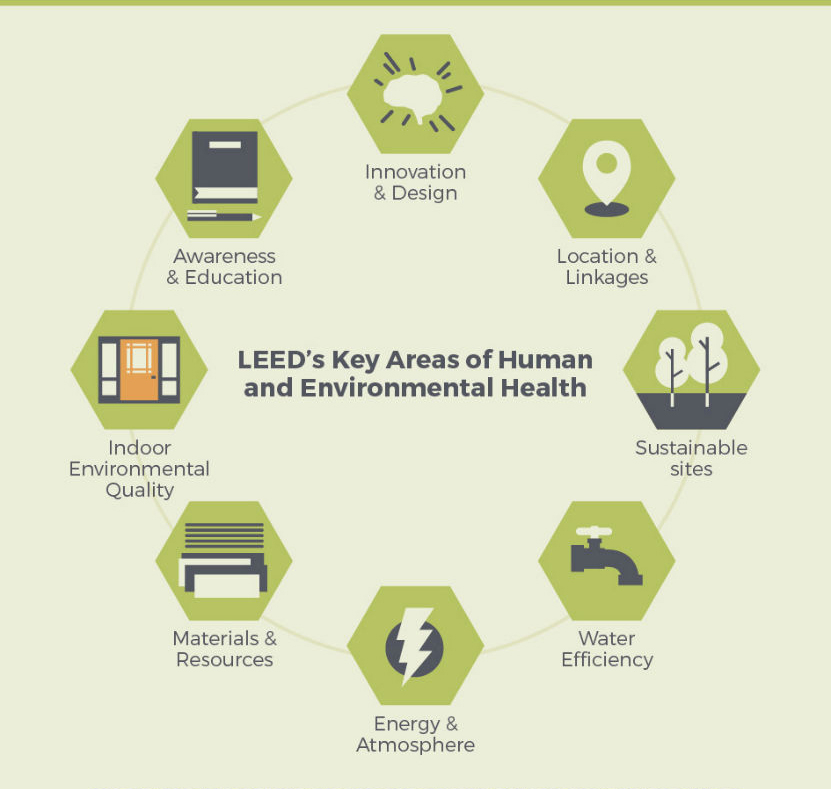
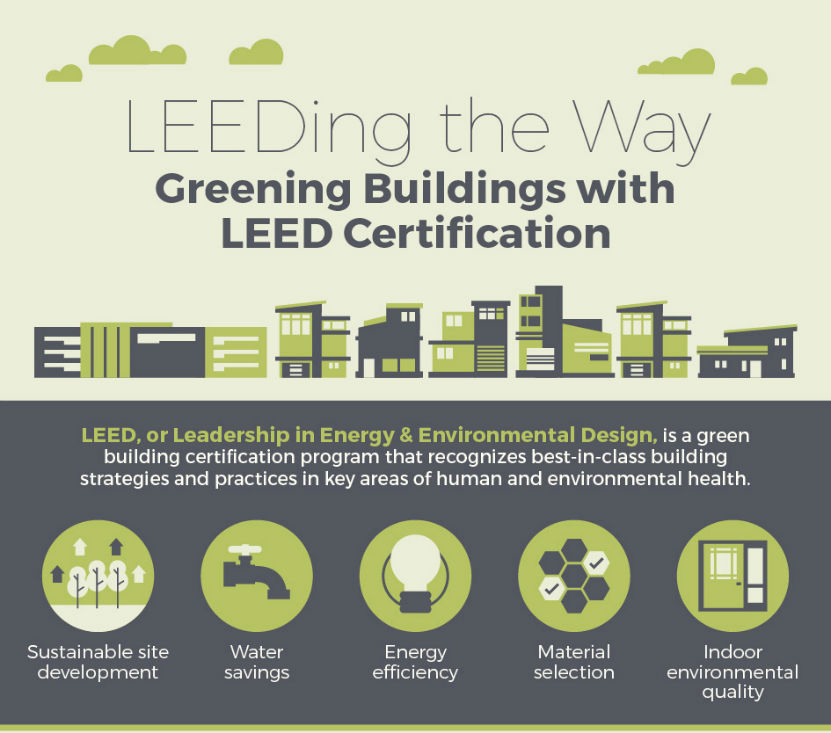
The U.S. Green Building Council (USGBC) developed LEED decades ago to overhaul commercial construction, but its residential arm has quietly revolutionized how single-family and multifamily homes are conceived. Far from being a simple checklist of solar panels and low-flow showerheads, LEED evaluates a property through a holistic lens: location and transportation, sustainable sites, water efficiency, energy and atmosphere, materials and resources, indoor environmental quality, and awareness.
Each category forces builders and designers to account for variables that traditional construction completely ignores. For instance, the materials section does not just ask whether wood is sustainably harvested; it tracks the carbon footprint of transporting that wood from the forest to the job site. The indoor environmental quality category mandates rigorous testing for volatile organic compounds (VOCs) emitted by paints, adhesives, and cabinetry, ensuring that families aren’t breathing a toxic soup of industrial chemicals in their own living rooms.
The Architecture of Efficiency: How LEED Rewrites the Rules of Residential Energy
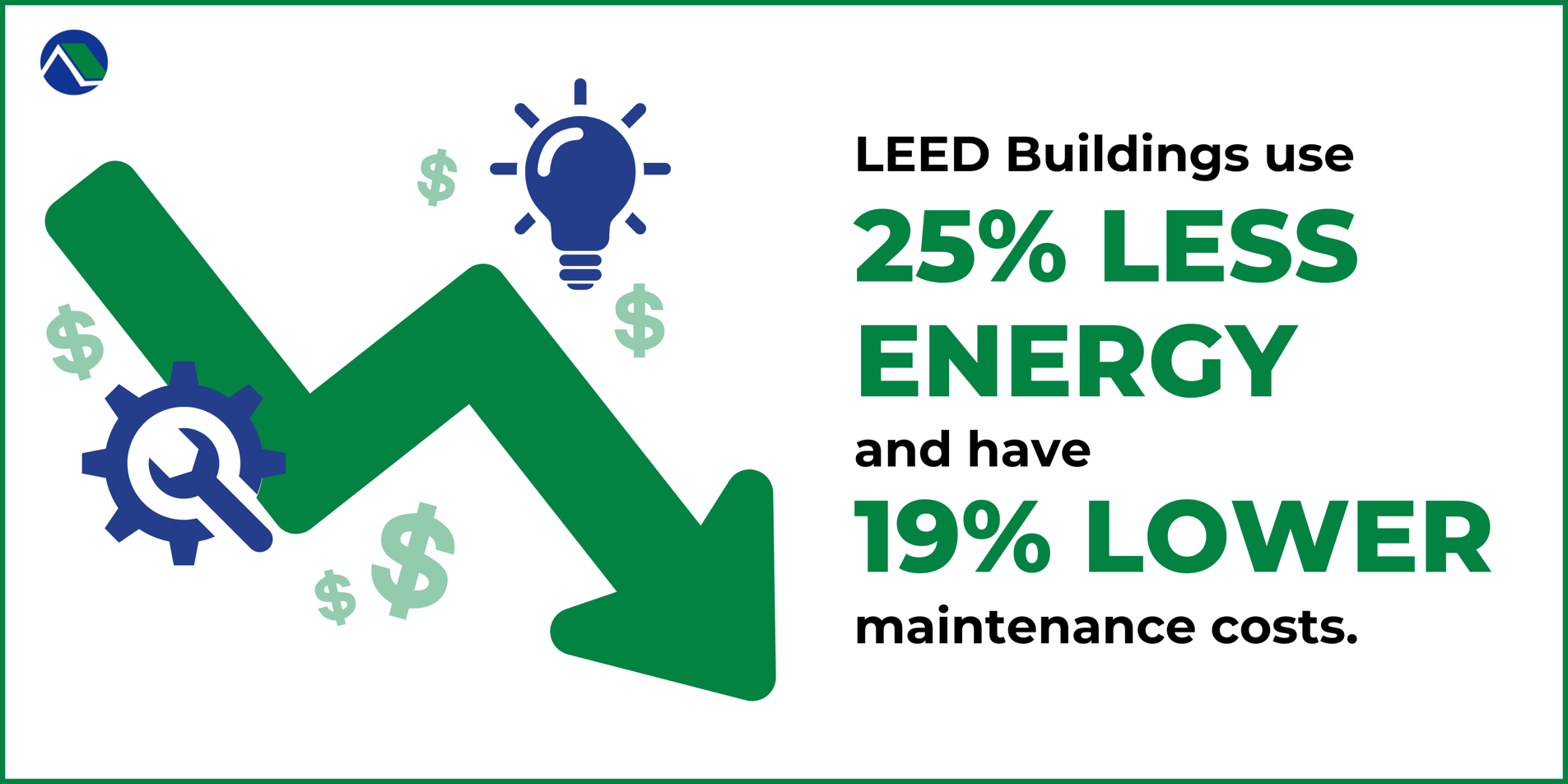
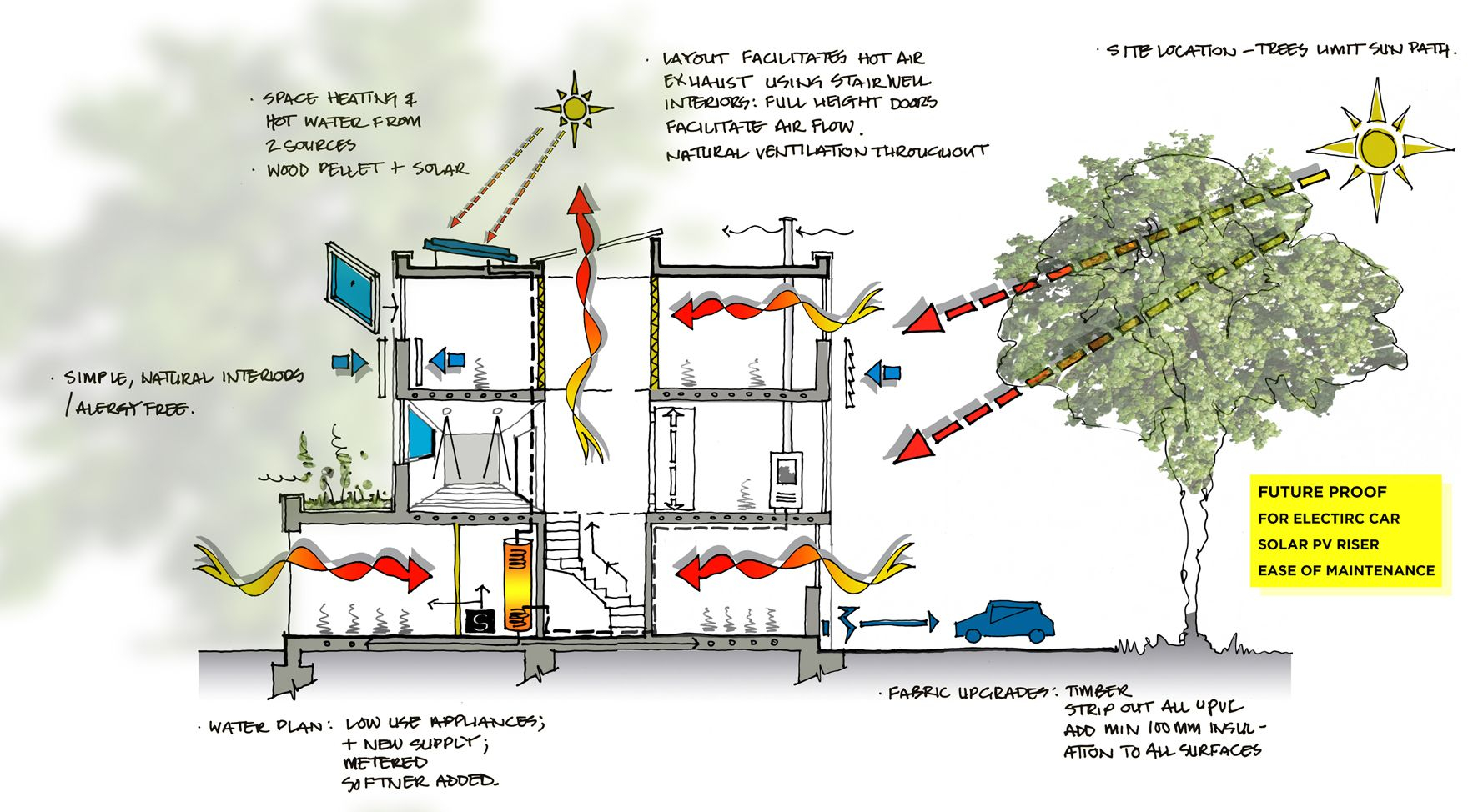
Energy performance sits at the very heart of the LEED rating system, serving as the heaviest weighted category in most residential scoring models. Traditional homes are notorious energy sieves, leaking conditioned air through gaps in framing, unsealed ductwork, and poorly performing windows. A LEED-certified home operates on an entirely different philosophy, treating the building envelope as a continuous, high-performance thermal barrier.
Achieving this level of performance demands advanced diagnostic tools during construction. Builders cannot simply guess whether insulation is installed correctly; they must undergo mandatory blower door tests to measure air leakage rates. Infrared thermography is frequently deployed to expose hidden thermal bridges where heat escapes in winter or invades in summer. The result is a structure that requires a fraction of the heating and cooling energy demanded by code-built houses constructed twenty years ago.
This extreme tightness, however, introduces a critical engineering challenge: air exchange. If a house is sealed like a thermos, indoor pollutants, moisture, and stale air become trapped inside. LEED addresses this by requiring whole-house mechanical ventilation systems, typically Energy Recovery Ventilators (ERVs) or Heat Recovery Ventilators (HRVs). These devices continuously exhaust stale indoor air while drawing in fresh outdoor air, scrubbing it of particulates and transferring thermal energy in the process so the HVAC system doesn’t have to work overtime to condition the incoming air.
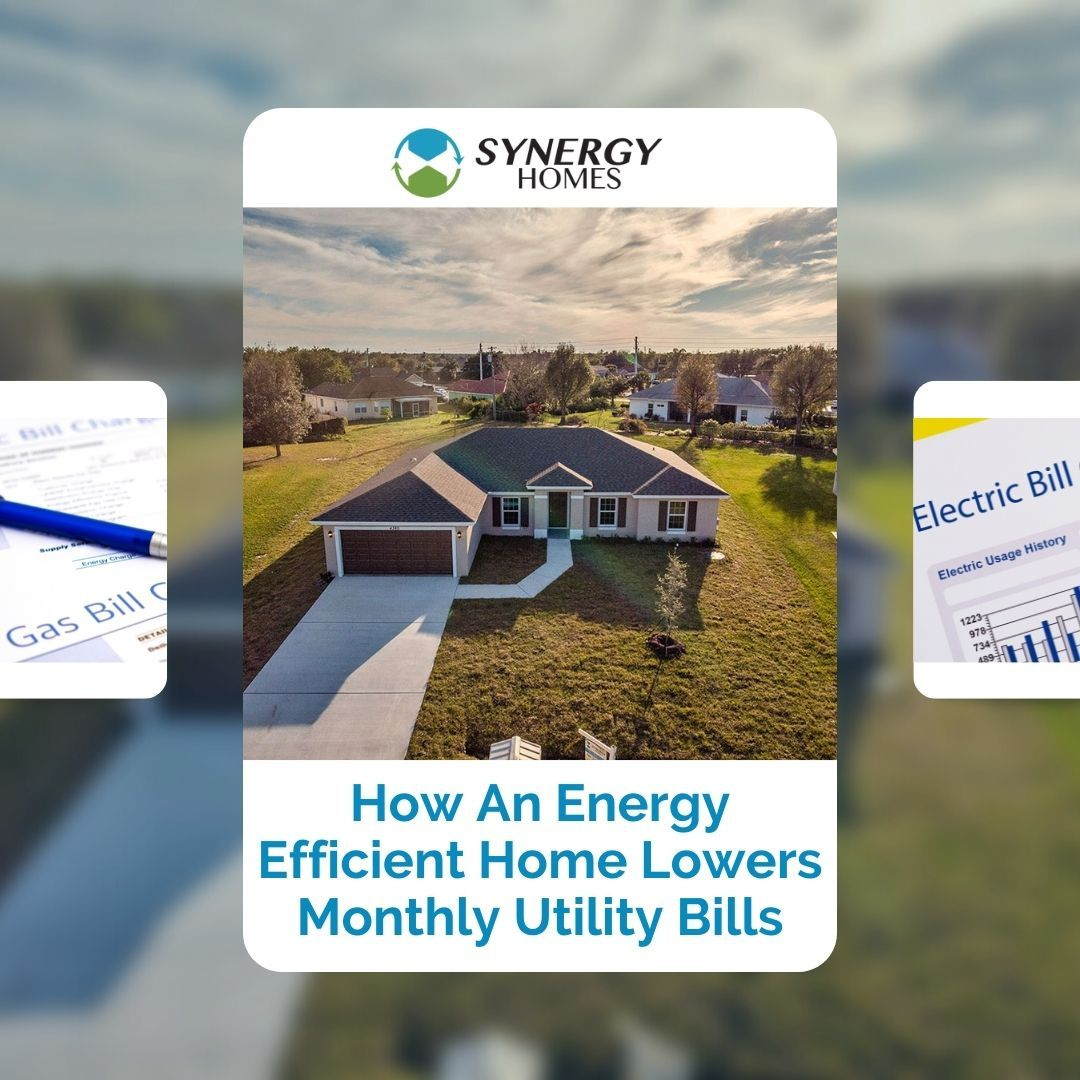
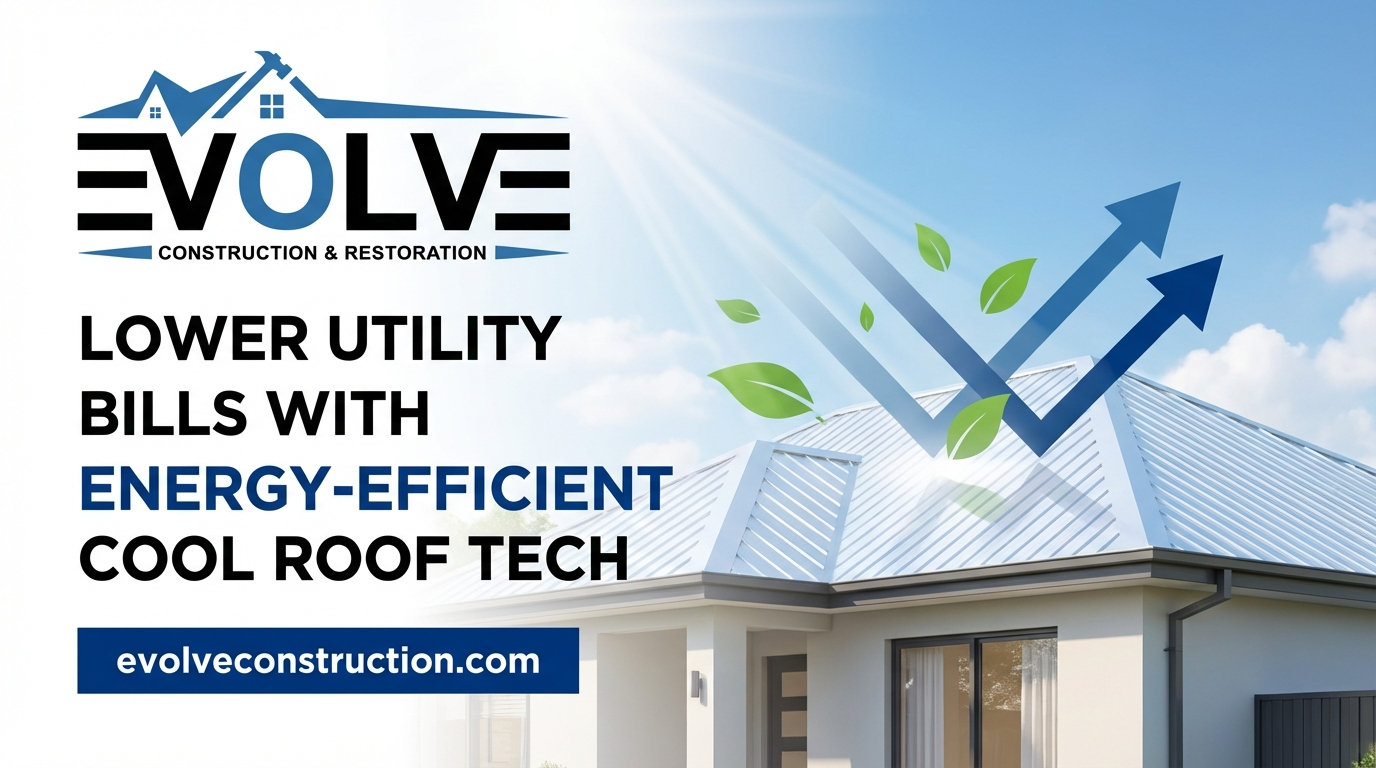
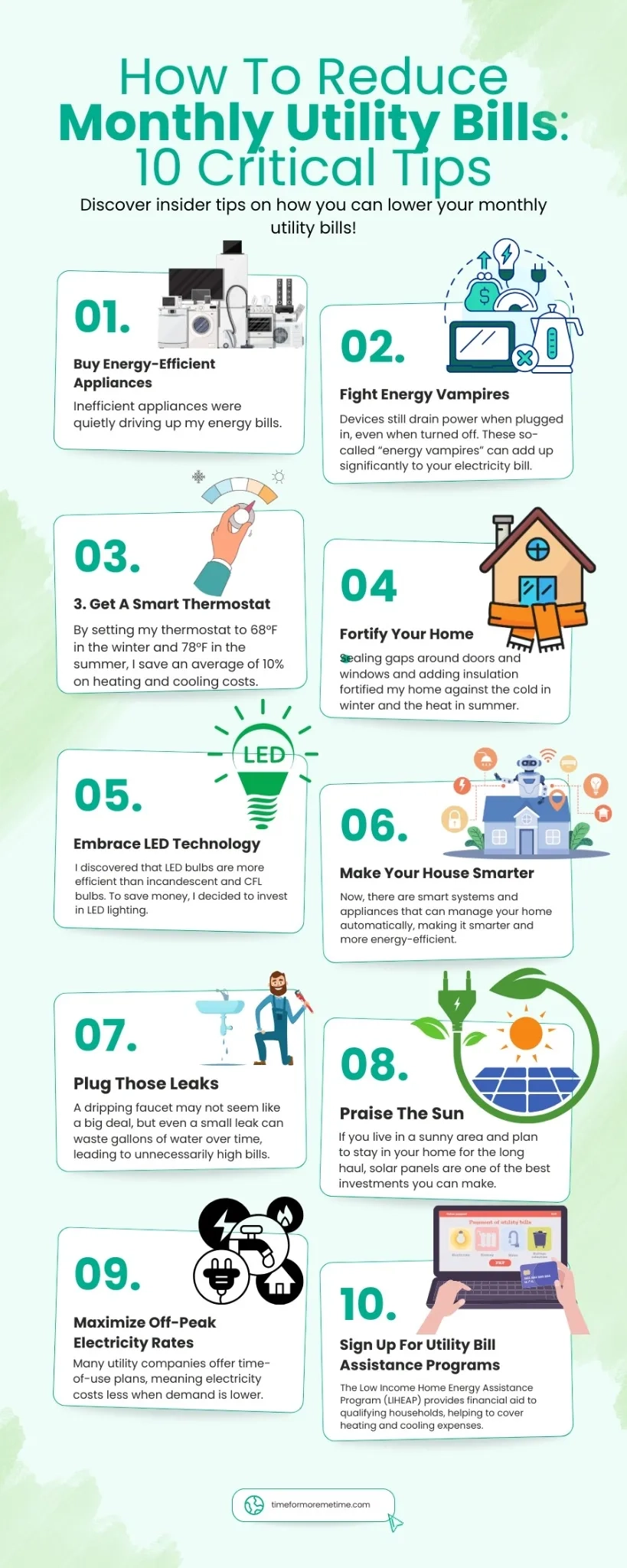
For families, this engineering translates into predictable, remarkably low utility bills regardless of external weather shocks. When municipal energy grids face strain during extreme heatwaves or winter polar vortexes, a LEED home maintains its internal climate with minimal mechanical intervention. The reliance on fossil fuels plummets, insulating households from volatile utility price hikes and reducing their personal carbon footprint without requiring sacrifices in daily comfort.
Beyond the Utility Bill: Health, Biology, and the Indoor Sanctuary
While energy savings capture headlines, the most profound impact of a LEED-certified home is biological. Modern humans spend roughly ninety percent of their lives indoors, making the domestic environment the primary determinant of chemical and biological exposure. Conventional building materials—from particleboard subfloors to vinyl flooring and synthetic carpets—frequently off-gas formaldehyde, phthalates, and other semi-volatile organic compounds that accumulate in household dust.
LEED certification aggressively restricts these invisible hazards. Paints, sealants, and primers must meet strict low-VOC thresholds. Composite wood products must be certified as ultra-low-emitting formaldehyde (ULEF) or no-added formaldehyde. For families with children, asthmatics, or individuals with chemical sensitivities, these specifications are life-changing. Pediatric respiratory issues, chronic headaches, and unexplained fatigue often trace back to poor indoor air quality in conventional homes.
Moisture management is another invisible battleground where LEED standards protect family well-being. Mold and mildew thrive in poorly detailed wall assemblies, releasing spores that trigger allergic reactions and respiratory distress. LEED protocols mandate rigorous moisture control measures, including capillary breaks, waterproof membranes, and proper flashing details that keep liquid water out of the building envelope.
Furthermore, acoustic comfort is heavily emphasized in residential LEED scoring. By incorporating advanced insulation, triple-pane windows, and sound-dampened interior wall assemblies, certified homes create a quiet indoor sanctuary. In an era defined by urban noise pollution and constant digital stimulation, acoustic isolation provides a measurable boost to mental health, sleep quality, and cognitive recovery for both adults and children.
Navigating the Process: How a Home Earns Its Green Credentials
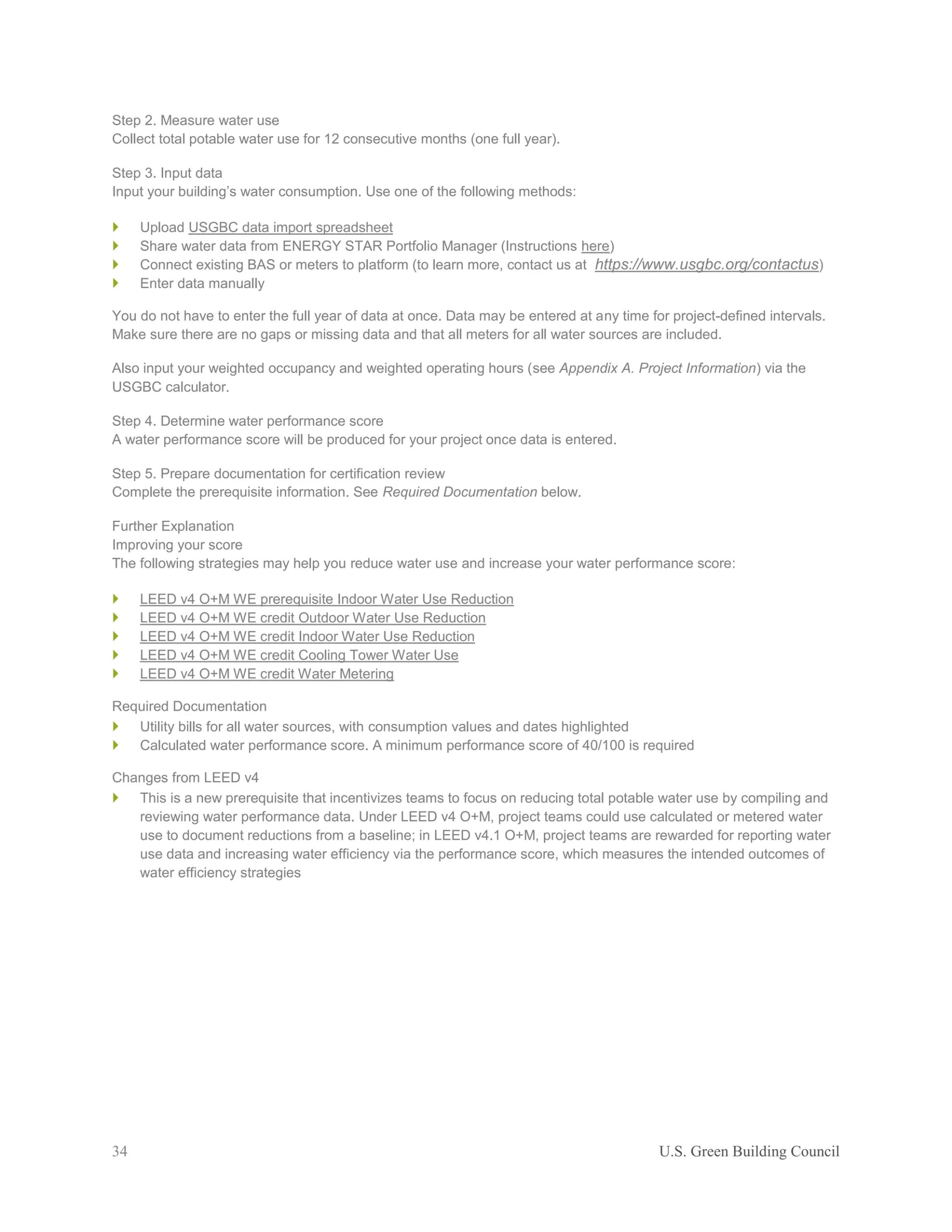
Transforming a blueprint or an existing house into a certified LEED home requires a disciplined, multi-stage choreography involving architects, general contractors, and independent third-party verification specialists. Unlike voluntary self-assessments, LEED relies on rigorous independent verification. A certified Green Rater must step foot on the job site multiple times during construction to inspect framing, duct sealing, and insulation before the walls are closed up.
The journey toward certification follows a clear, structured progression that requires deliberate planning from day one:
- Step 1 (Integrated Project Planning): Assemble the design and construction team early to establish target certification levels—Certified, Silver, Gold, or Platinum—and align structural goals with budget realities.
- Step 2 (Site Selection & Contextual Design): Evaluate the property’s orientation for passive solar gain, assess proximity to public transit, and implement strict erosion and sedimentation controls to protect local topsoil during excavation.
- Step 3 (Envelope & Systems Engineering): Design high-performance thermal barriers, specify energy-star rated appliances, HVAC systems, and water-efficient plumbing fixtures, and plan the mandatory ventilation layout.
- Step 4 (Material Selection & Procurement): Source regionally manufactured, recycled, or certified sustainably harvested materials while auditing all adhesives, paints, and finishes for chemical safety compliance.
- Step 5 (On-Site Verification & Testing): Conduct mandatory mid-construction and final inspections, including blower door air leakage testing and duct blaster tests, culminating in the formal submission of documentation to the USGBC for final rating issuance.
Skipping any single phase can jeopardize the entire project score. Because LEED operates on a point system across various environmental categories, teams must strategically choose where to earn points based on regional climate, budget, and architectural style. A home in the arid American Southwest might rack up water efficiency points through rainwater catchment systems and native landscaping, while a home in the Pacific Northwest might focus heavily on advanced timber framing, daylighting, and thermal mass.
Avoiding the Traps: Common Pitfalls and Practical Workarounds
Building or buying green is not without its hurdles. The green building sector attracts its share of marketing hype, and well-meaning families can easily stumble into costly missteps if they approach the process without clear guidance and experienced representation. Recognizing these obstacles ahead of time saves both financial capital and emotional energy.
Navigating residential sustainability demands a clear-eyed view of what can go wrong during design, construction, and post-occupancy phases:
- Pitfall 1 (The Greenwashing Trap): Believing marketing claims from manufacturers labeling products as "eco-friendly" without certified third-party backing. Workaround: Demand verifiable environmental product declarations (EPDs) and look for recognized standards like GREENGUARD Gold or FSC certification.
- Pitfall 2 (Value Engineering Cuts): Allowing general contractors to swap out specified high-performance materials for cheaper alternatives during budget crunches. Workaround: Establish a strict contract clause requiring written approval and energy-modeling re-verification for any material substitutions.
- Pitfall 3 (Ignoring Contractor Experience): Hiring a traditional builder with zero experience in tight-envelope construction or LEED documentation protocols. Workaround: Partner exclusively with builders who hold specific credentials like LEED AP Homes or have a verifiable portfolio of certified residential projects.
- Pitfall 4 (Neglecting Post-Occupancy Tuning): Assuming the home will run efficiently without user education or mechanical system calibration. Workaround: Insist on a comprehensive homeowner walkthrough and manual detailing how to operate ventilation systems, smart thermostats, and water shut-offs.
- Pitfall 5 (Over-Engineering the Budget): Chasing LEED Platinum status by incorporating excessively expensive technology with long or negative return-on-investment timelines. Workaround: Focus on passive design fundamentals—orientation, insulation, and air sealing—before spending heavily on active technological gimmicks.
By addressing these pitfalls proactively, families can bypass the frustration of inflated construction budgets and ensure their sustainable investment delivers the exact performance promised on paper.
The Broader Horizon: Resiliency, Asset Value, and Generational Impact
When evaluating the long-term value of a LEED-certified home, financial markets are beginning to tell a compelling story. Real estate data consistently demonstrates that high-performance, certified green homes command a resale premium and sell faster than their conventional counterparts. As municipal building codes tighten and the effects of climate disruption intensify, properties equipped to handle extreme weather events while maintaining low operating costs represent a safer, more liquid asset class.
Resiliency is rapidly becoming the ultimate metric of home value. A LEED home designed with durable fiber-cement siding, impact-resistant roofing, advanced moisture barriers, and provisions for solar battery backup is inherently better equipped to weather environmental shocks. When community power grids fail or local water restrictions tighten, a resilient household continues to function safely, protecting the family’s physical security alongside their financial investment.
Beyond economics, choosing a sustainable home acts as a powerful educational touchstone for children. Growing up in an environment where energy consumption is visibly monitored, water is conserved with intention, and indoor air is clean shapes a child’s worldview regarding resource stewardship. Sustainability ceases to be an abstract lecture about polar ice caps and becomes an intuitive, everyday understanding of how human habitation can harmonize with natural systems.
This generational perspective shifts the entire conversation around homeownership. It transforms a house from a temporary pit stop or a speculative financial instrument into a permanent anchor of health, stability, and ecological responsibility. Families are discovering that building or buying green is not about restriction or asceticism; it is an upgrade in the quality of daily life, offering deeper comfort, better health, and lasting peace of mind.
Actionable Frameworks for Families Entering the Green Housing Market
For families ready to translate sustainability concepts into concrete action, a strategic roadmap is essential. Whether embarking on a custom ground-up build, purchasing a pre-owned certified home, or planning a deep-energy retrofit of an existing property, success depends on disciplined execution and clear priorities.
The following framework provides a structured approach for households navigating the green housing landscape:
- Audit Your Baseline: Before touring properties or drafting architectural briefs, list your family’s specific health needs, utility budget constraints, and geographical must-haves to determine what level of LEED certification aligns with your lifestyle.
- Build the Right Team: Interview architects, general contractors, and real estate agents who possess verifiable credentials in green building, ensuring everyone speaks the language of thermal envelopes and indoor air quality.
- Prioritize Passive Over Active: Invest your capital first in superior insulation, high-performance windows, air sealing, and optimal solar orientation before allocating funds to luxury tech gadgets or oversized solar arrays.
- Insist on Commissioning: Require comprehensive testing of all mechanical systems, including HVAC balancing, duct leakage testing, and ventilation rate checks, before closing the deal or making final construction payments.
- Embrace Maintenance Literacy: Treat your home as a high-performance machine by scheduling routine filter replacements for your ERV, inspecting moisture seals annually, and monitoring indoor humidity and air quality metrics.
Adopting this structured mindset turns the overwhelming world of green building into manageable, logical phases. Every decision becomes a deliberate step toward creating a sanctuary that protects both the natural environment and the people you love.
The bricks, beams, and wiring of our homes quietly shape the texture of our daily existence. Long after the moving boxes are unpacked and the novelty of a new address fades, the structural realities of the building continue to work in the background—either safeguarding our health or slowly eroding it, either consuming municipal resources wastefully or operating in quiet harmony with the local ecosystem.
Decoding LEED certification reveals that sustainable living is not about perfection or ideological compliance. It is an engineering and design commitment to common sense: building structures that keep us warm without burning holes in our wallets, breathing fresh air without inviting outdoor toxins inside, and standing resilient against an unpredictable climate future.
As we look toward the housing market of the future, the artificial divide between "green building" and "good building" is rapidly dissolving. Quality construction and environmental stewardship are becoming one and the same. For families stepping onto this path, the choice to prioritize a certified, high-performance home is an investment in generational health, financial stability, and a more grounded, conscious way of living.