Ever walked into a public restroom, sat completely still for a minute, and suddenly found yourself plunged into pitch-black darkness? You wave your arms around like a stranded castaway until the lights click back on. It is a hilarious yet frustrating experience we have all had. For years, our buildings relied on basic gadgets that needed you to move like a maniac just to prove you existed. But if you look around in 2026, things have quietly changed.
The sensors hidden in our ceilings and walls have become incredibly smart. They do not just wait for you to walk past anymore; they actually know you are there even if you are just sitting on the couch breathing. It feels almost like magic, but the physics behind it is absolutely wild. Let us pull back the curtain on how these modern marvels actually track our presence without ever invading our privacy.
The Classic Heat Watchers
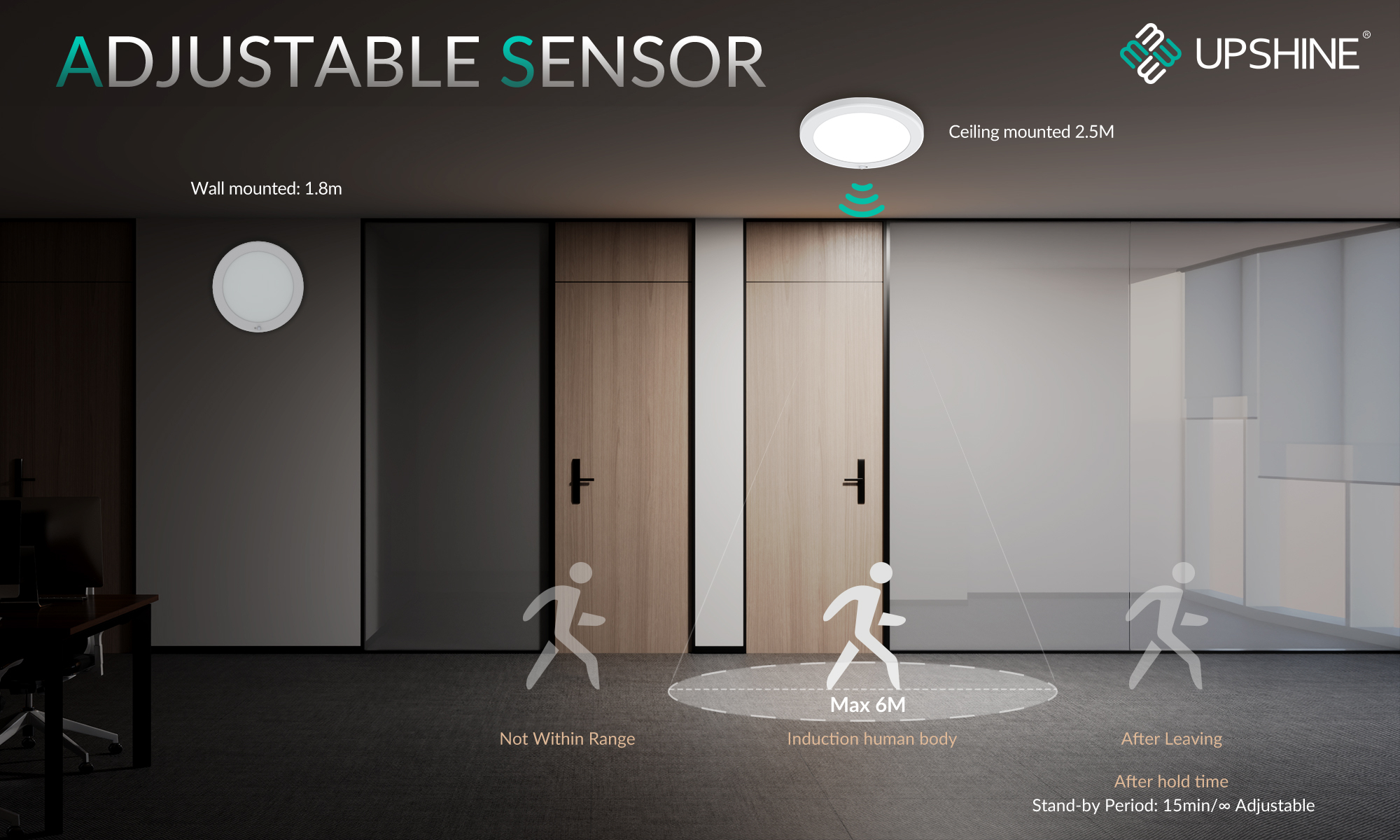
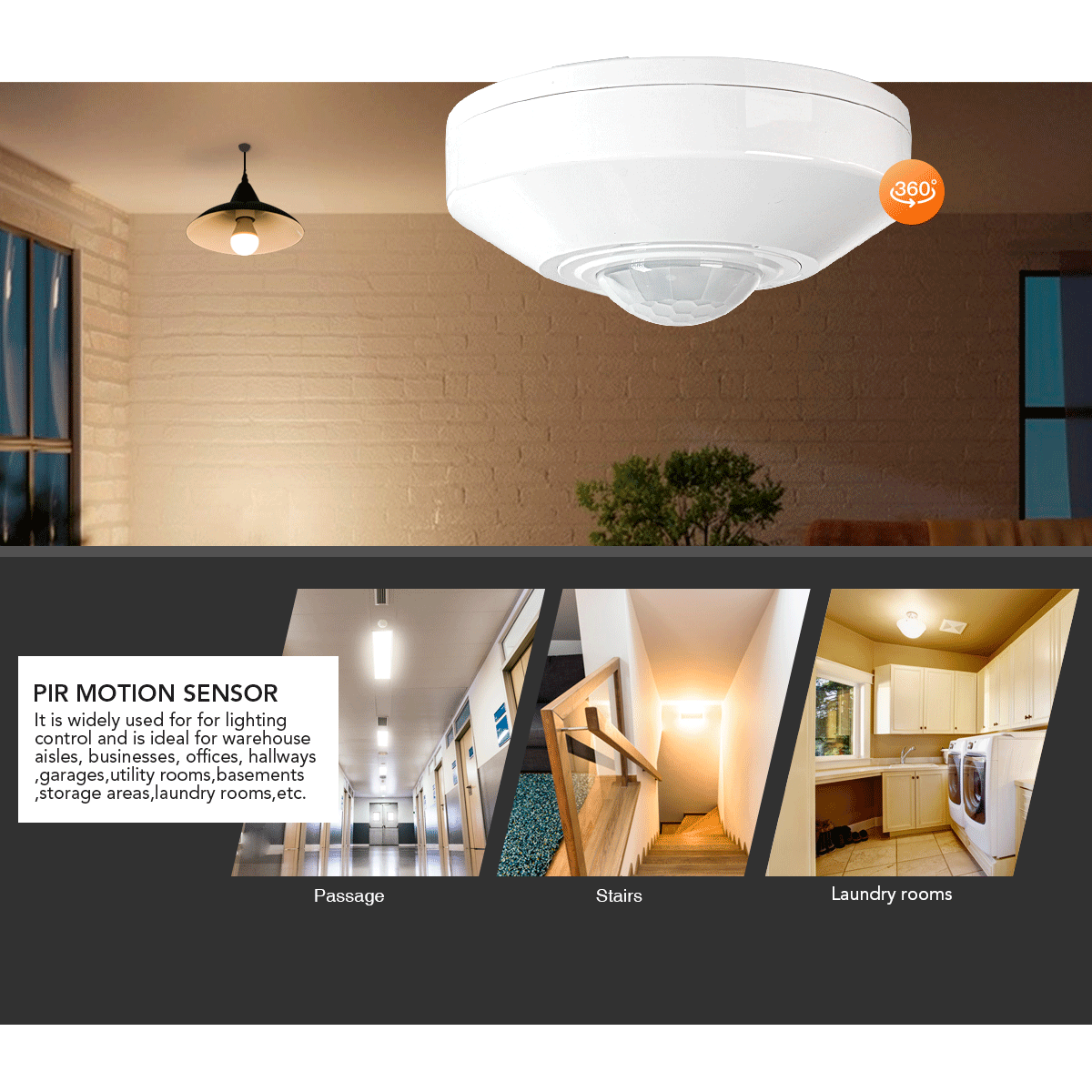
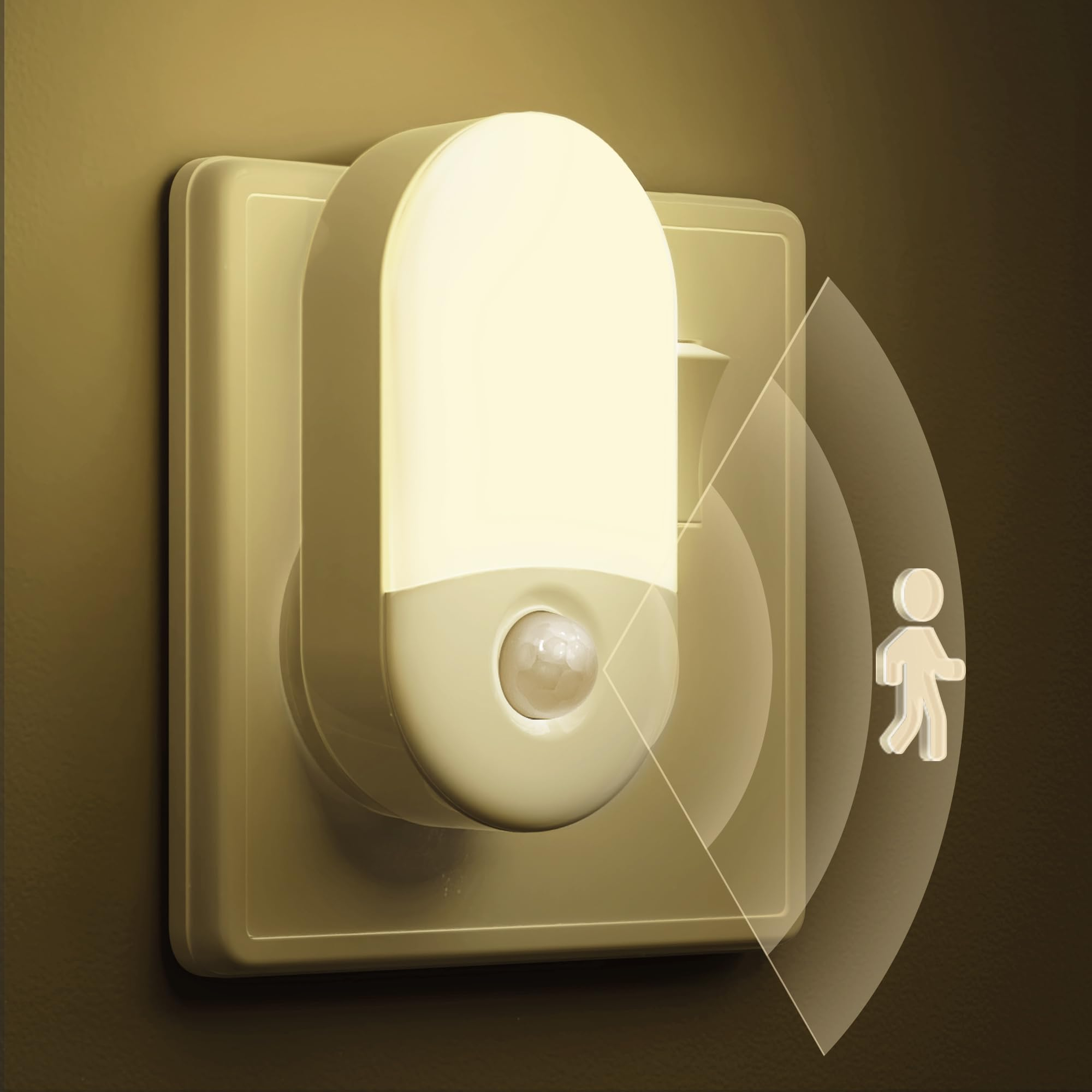
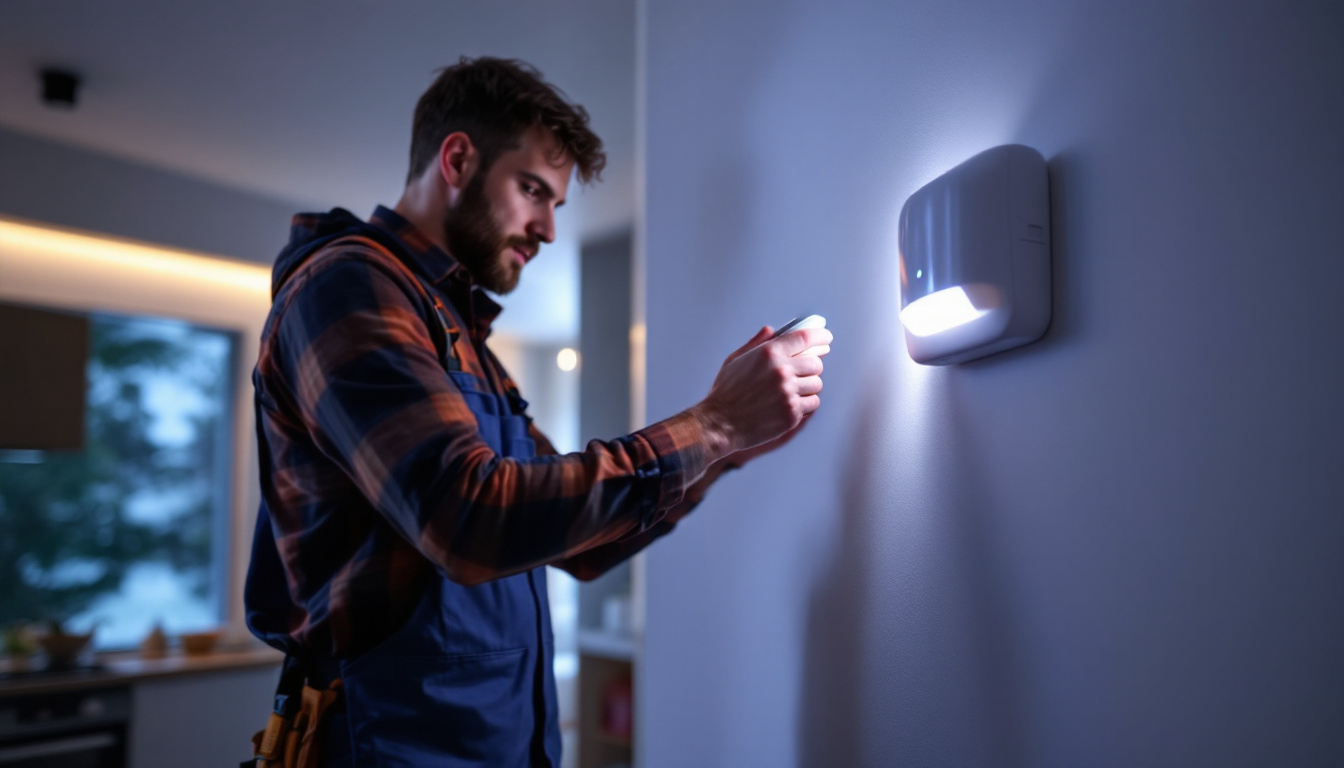
For a long time, the undisputed king of the hallway was the Passive Infrared sensor, or PIR for short. These are the little plastic boxes with the textured, gemstone-like lenses you see in every office corridor. They do not actually emit anything at all. Instead, they act like tiny, specialized thermal cameras that are constantly watching for heat.
Every single one of us is a walking, breathing radiator emitting infrared radiation. When you walk into a room, the PIR sensor notices a sudden shift in the thermal landscape. The magical part is that textured lens, called a Fresnel lens. It breaks the room up into different optical zones. As you walk across the room, you step from one zone to another, and the sensor sees your heat signature "blink" across its grid.
But here is the catch—if you stop moving, your heat signature stays in one spot. The sensor stops seeing a change and assumes the room is empty. That is exactly why the lights go out on you when you are reading quietly.
The Micro-Radar Revolution
Fast forward to 2026, and the game has completely changed thanks to something called mmWave radar. This is the exact same tech used in advanced automotive safety systems, but shrunk down to the size of a postage stamp. Unlike the old passive heat watchers, these sensors are active broadcast stations.
An mmWave sensor sends out incredibly tiny, high-frequency radio waves, usually around 24GHz or 60GHz. These waves travel at light speed, bounce off everything in the room, and fly back to the sensor. By analyzing the reflected signals using a math trick called Frequency Modulated Continuous Wave (FMCW), the sensor builds a highly accurate spatial map of the room.
The crazy part? It can measure things down to sub-millimeter precision. It doesn’t care if you are sitting perfectly still working at a computer. It can detect the tiny, fraction-of-an-inch movement of your chest rising and falling as you breathe. Some advanced units like the Aqara FP300 can even pick up your heartbeat from across the room.
Seeing Through the Drywall
Because mmWave sensors use radio waves instead of light or heat, they have some pretty mind-blowing superpowers. For starters, radio waves can easily pass right through light materials like curtains, plastic, and even standard drywall.
This means interior designers are thrilled because they can completely hide the sensors inside the walls or behind decorative panels. You don’t have to look at ugly plastic boxes anymore. Plus, they do not get fooled by a sudden blast of hot air from an HVAC vent, which used to cause old PIR sensors to freak out and trigger false alarms.
However, having radar vision does come with a few quirky challenges. If a sensor is cranked up to maximum sensitivity, it might mistake a fluttering curtain or a spinning ceiling fan for a human being. Engineers have to write clever code to help the sensor differentiate between a human breathing and a robot vacuum cleaner buzzing across the floor.
The Stealthy Wireless Sniffers
Another fascinating technology taking over modern buildings in 2026 is passive wireless sensing, sometimes called RF sniffing. Think about it: almost everyone walking into a building today carries a smartphone, a smartwatch, or a tablet. All of these devices are constantly whispering to the world using Wi-Fi and Bluetooth Low Energy (BLE) signals.
Modern commercial occupancy systems can listen to these ambient radio frequencies. They don’t log your personal data or track who you are—that would be a major privacy nightmare. Instead, they just count the number of unique, anonymous signal beacons bouncing around the space.
It is an incredibly smart way to monitor massive public areas like university libraries, hotel lobbies, or airport terminals. Property managers can instantly see where crowds are gathering without installing a single camera.
The Rise of the Light-Wave Detectors
Have you ever thought about the fact that your smart light bulbs could be spying on your movement? Not with cameras, mind you, but through the wireless network they use to talk to each other. New tech like Philips Hue’s MotionAware system uses the existing Zigbee smart home network to detect motion.
When you install multiple smart bulbs in a room, they create an invisible mesh network of radio waves. When you walk through the room, your physical body disrupts and scatters those radio signals. The light bulbs notice this tiny disturbance in the signal strength and say, "Hey, someone just walked past!"
This is a massive breakthrough because it removes the need to buy separate battery-powered motion sensors. Your existing lights simply double as the occupancy detection network.
The Brilliant Brains in the Ceiling
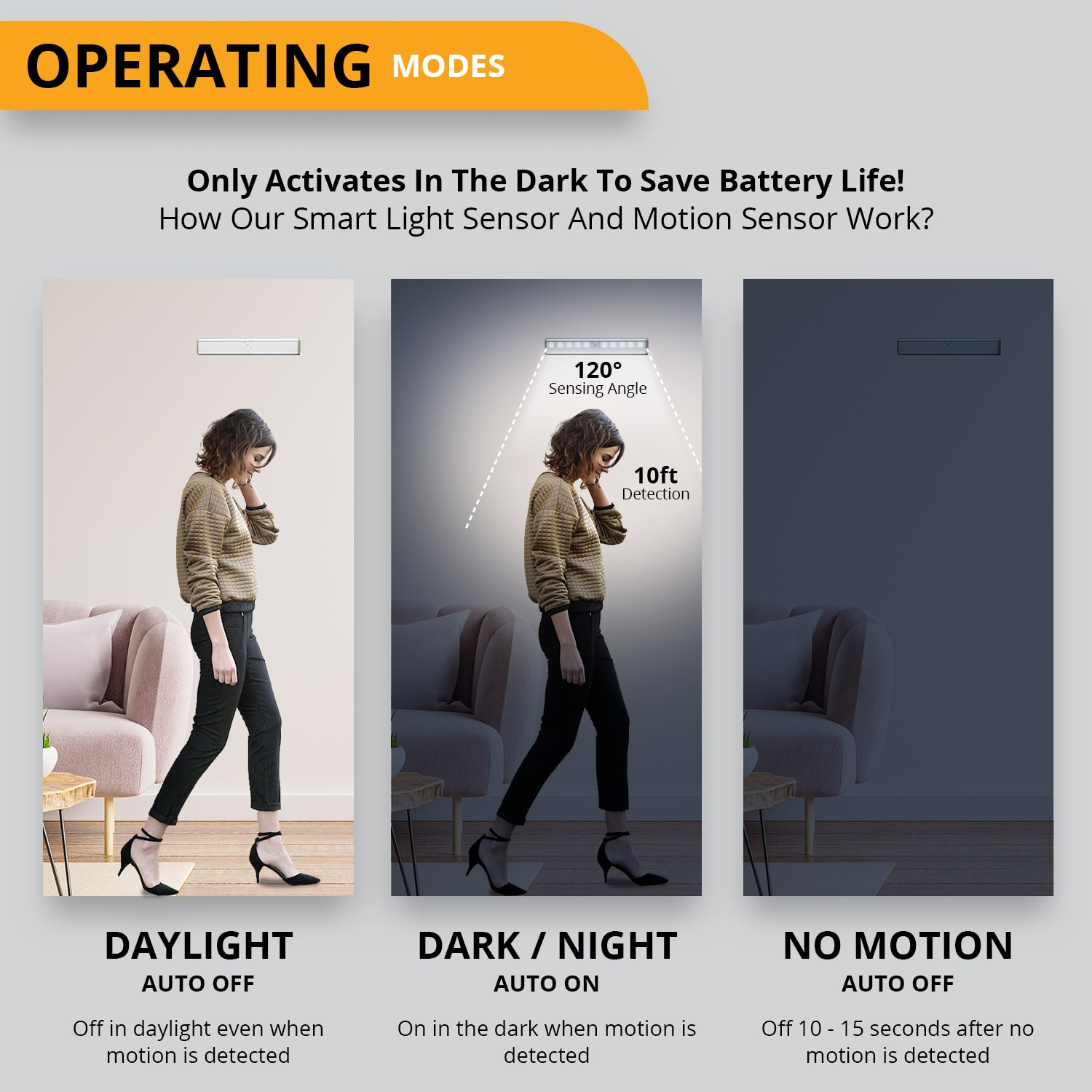
The real magic happens when you combine these different technologies together. Many modern sensors hitting the market now are "dual-tech" or even triple-tech devices. They pack a PIR sensor, an mmWave radar, and an ambient light sensor into one single housing.
To save power, the sensor leaves the power-hungry radar asleep and lets the low-energy PIR sensor watch the room. The moment you walk in, the PIR sensor instantly clicks the lights on and wakes up the mmWave radar. The radar then takes over, tracking your micro-movements to make sure the lights stay on while you are sitting still.
On top of that, built-in artificial intelligence helps the sensor learn the daily patterns of the room. It recognizes that nobody is usually in the conference room at 2 AM, so it turns down its sensitivity to avoid false triggers from the building’s heating system.
We have come a long way from the days of wildly waving our hands in the dark. Modern occupancy sensing has shifted from merely tracking "motion" to truly understanding "presence." By blending the physics of heat, radar, and wireless signals, our spaces are becoming much more intuitive.
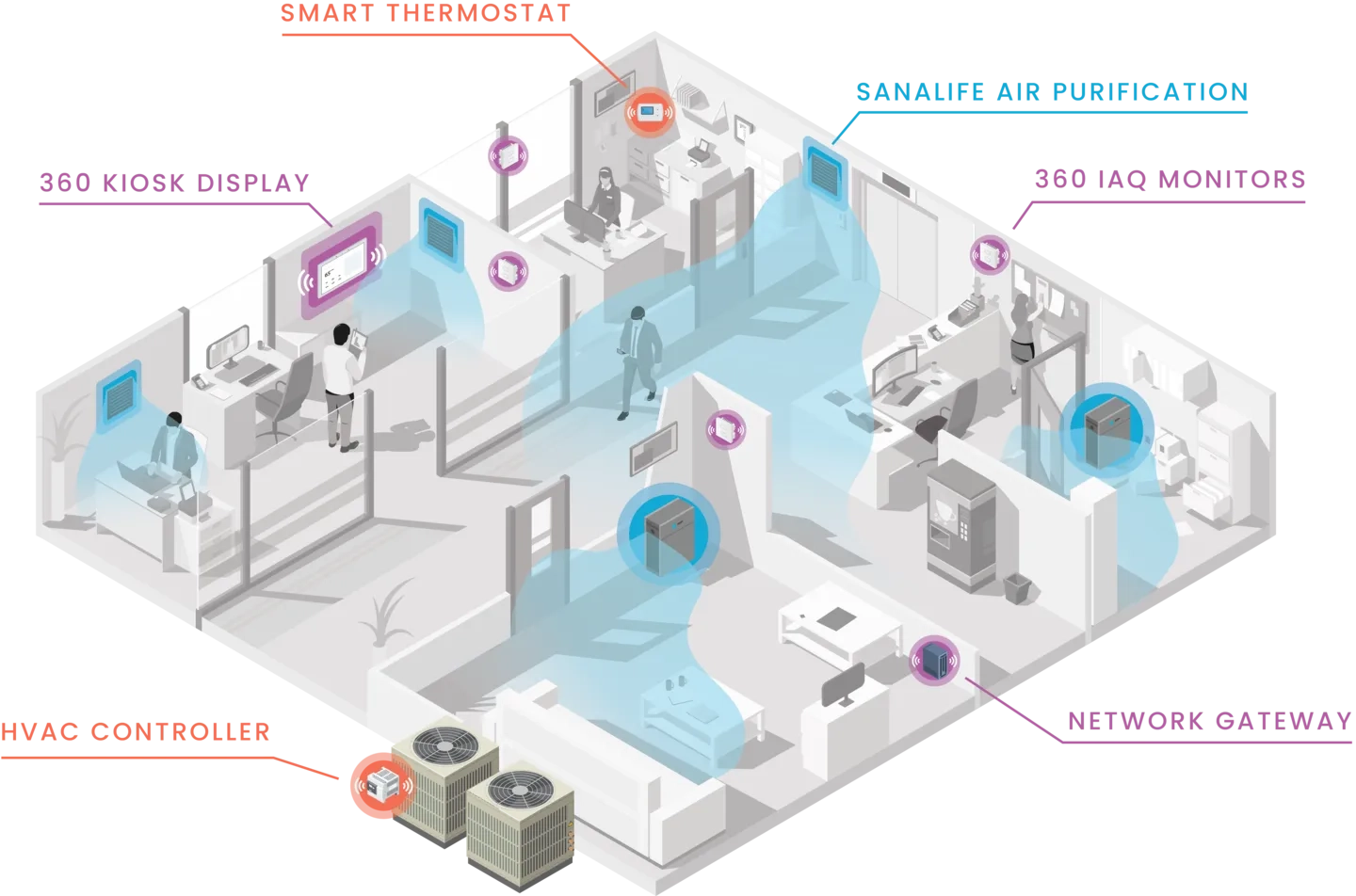
Not only does this save a massive amount of electricity—cutting lighting and HVAC bills by up to 24%—but it also makes our lives vastly more comfortable. The next time you walk into a room and the lights instantly adjust to your favorite setting, take a second to appreciate the invisible symphony of radio waves and thermal tracking happening right above your head.