Have you ever walked into a room and instantly noticed that heavy, musty smell that lingers in the air? It is the kind of hidden nuisance that creeps up on us when we least expect it, turning our cozy sanctuaries into places of worry. We all want our living spaces to be safe havens for our families, yet invisible moisture issues often threaten that peace.
Building or updating a house to stand strong against dampness is not just about keeping walls dry. It is about crafting a lasting environment where you can breathe easy. By looking at how moisture moves through a building envelope, we can take charge and design places that naturally repel dampness.
Starting From the Ground Up During Construction
Long before the first coat of paint goes on the walls, the battle against humidity begins right on the job site. Contractors and builders must store all vulnerable materials off the bare ground and safely beneath waterproof tarps or heavy plastic sheeting. Rain caught early on raw lumber or drywall sets the stage for hidden spores to grow before the structure is even finished.
Taking these early steps saves countless headaches down the road. Protecting your supplies from unexpected storms ensures that your framing starts its life clean and completely dry. It is a simple habit, but it makes all the difference for long-term health.
Directing Water Away With Smart Site Grading
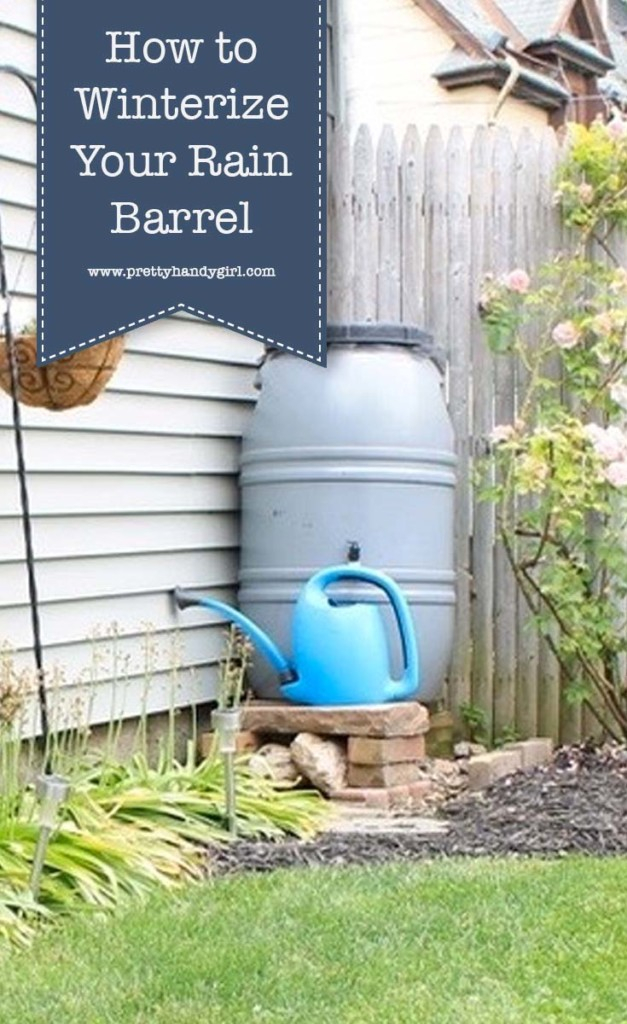
Water always follows the path of least resistance, and gravity ensures it heads straight toward your foundation if you are not careful. Installing proper gutters equipped with reliable leaf-catching screens is a fantastic first step. These gutters should feed directly into solid in-ground pipes that carry rainwater far away from the exterior walls.
Grading the soil to slope downward away from the house keeps puddles from forming near your base. When the earth around your home pushes moisture outward rather than pooling it inward, you eliminate the main source of basement dampness. Simple drainage adjustments keep your foundation secure and dry.
Implementing a Robust Vapor Barrier
A well-designed vapor barrier acts like a sturdy raincoat for your entire building. These specialized membranes stop moisture from penetrating the outer envelope of walls, floors, and roofs. Specifying continuous, high-quality barriers helps lock humidity out of places it does not belong.
Without these protective layers, indoor air can meet cold exterior surfaces and condense into liquid droplets inside your cavities. Trapped moisture quickly breeds hidden fungal growth that eats away at structural integrity. Investing in a solid barrier protects your investment from the inside out.
Choosing Resilient Materials and Hypoallergenic Techniques
Traditional building products like standard paper-faced drywall act like a sponge when exposed to damp air. Switching to modern alternatives, such as glass-mat gypsum boards or specialized concrete forms, removes the food source that spores love to feed on. These smart material choices create an environment that is naturally resistant to decay.
Hypoallergenic construction methods go hand in hand with these material upgrades. Using non-toxic sealants and breathable finishes keeps your indoor air pure while blocking allergen buildup. Your home becomes a true sanctuary for anyone prone to sensitivities.
Mastering Ventilation and Airflow Control
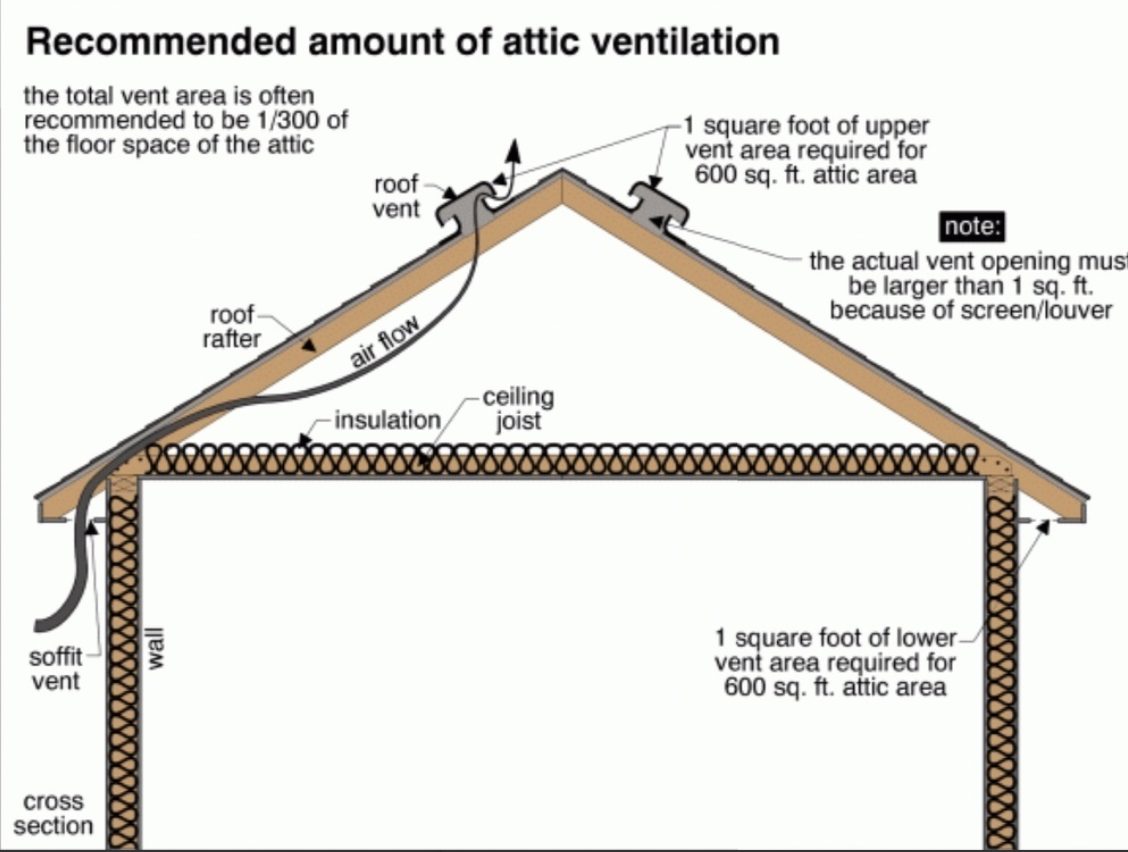
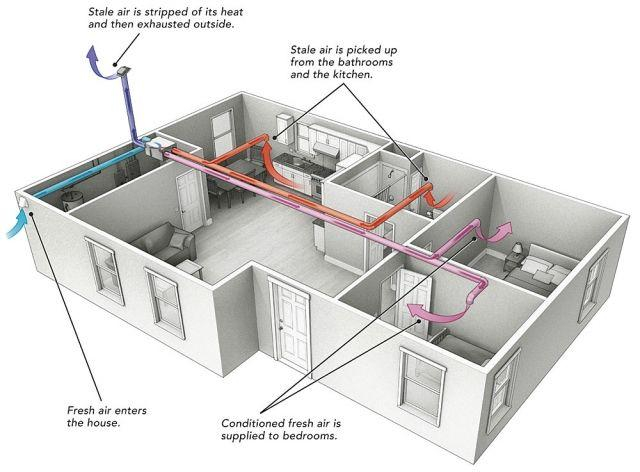
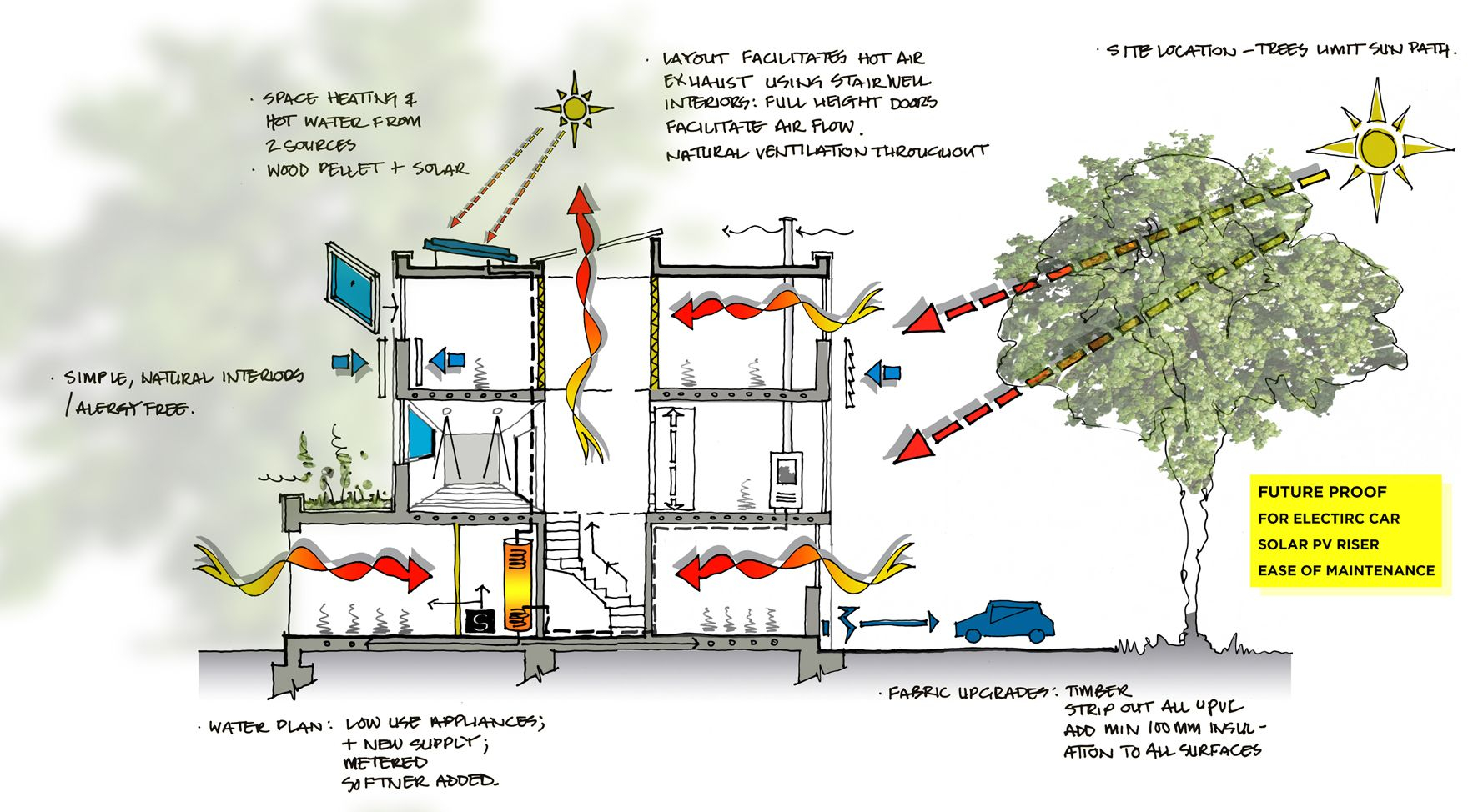
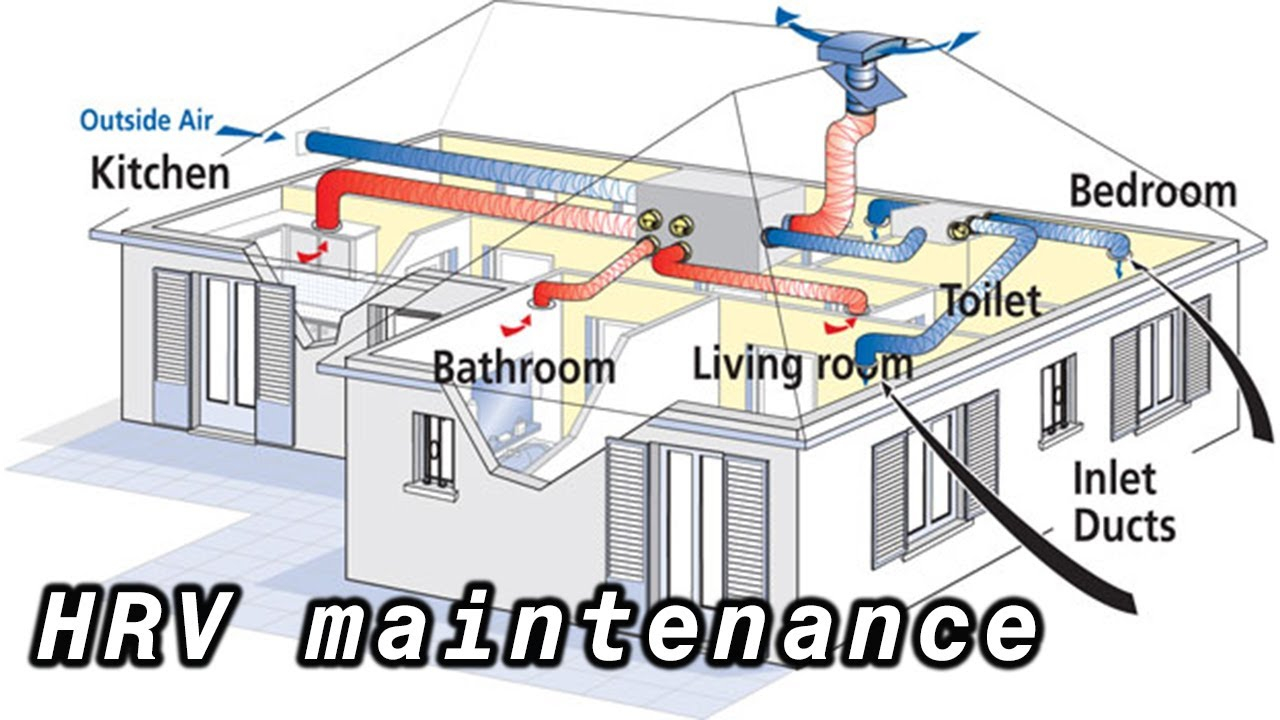
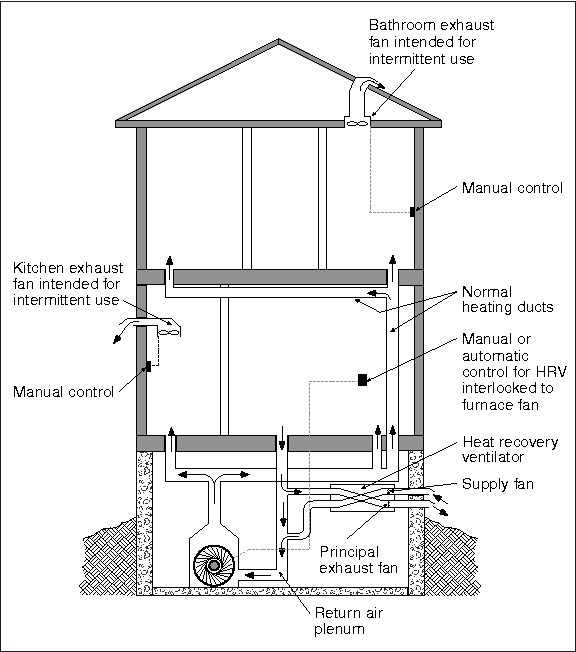
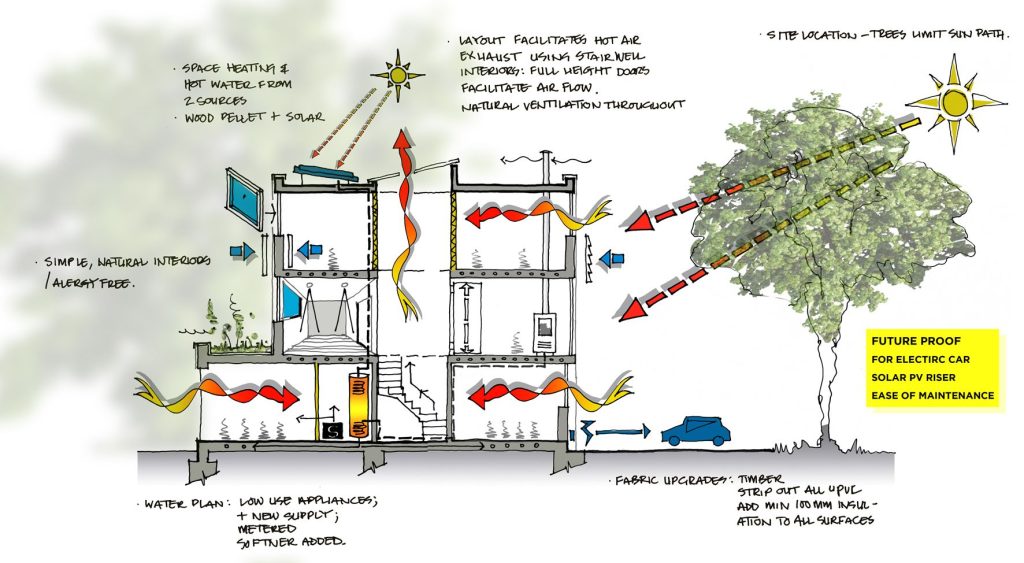
A tightly sealed house is great for energy efficiency, but it can trap stale, humid air if you do not manage the airflow. Proper ventilation systems constantly exchange indoor air with fresh outdoor breezes, keeping humidity levels balanced. Running exhaust fans in high-moisture zones like bathrooms and kitchens is mandatory for daily health.
Balancing your indoor climate prevents condensation from forming on cold windows and chilly corners. Fresh air circulation sweeps away stagnant pockets before dampness can take root. It keeps the atmosphere crisp and comfortable all year round.
Consulting with seasoned building science professionals can save you from costly trial and error. Experts who study hygrothermal performance understand how heat and moisture interact within specific regional climates. Their guidance helps tailor your construction plan to local weather patterns.
Leveraging proven advice from industry leaders ensures your building project meets high standards of durability. Blending practical engineering with thoughtful design gives you absolute peace of mind. You end up with a resilient structure built to handle whatever nature throws at it.
Creating a dry and healthy living space is an ongoing journey that blends smart material selection with daily mindfulness. When you prioritize proper drainage, continuous vapor barriers, and strategic airflow, you build a fortress against unwanted moisture.
Ultimately, taking these proactive steps means enjoying a cleaner, fresher environment for years to come. Your living space should always be a place of comfort and well-being. By focusing on prevention from the inside out, you secure a brighter, healthier future for everyone under your roof.