There is nothing quite like stepping onto a warm bathroom floor on a freezing January morning. It feels like pure luxury, right. Instead of blasting dry, noisy air through vents, radiant floor heating warms your home from the ground up, quiet as a mouse. No wonder so many homeowners are begging for it in 2026.
But behind those cozy toes lies a lot of complex engineering. When people come into an architectural firm demanding underfloor heating, they usually picture instant comfort. Architects, however, see the whole puzzle—the insulation, the structural load, and the mechanics. There are a few things we really wish you knew before making the leap.
It is Not an "Instant On" Kind of Comfort
Most of us are used to forced-air systems. You get chilly, you bump up the thermostat, and boom—warm air starts blowing in five minutes. Radiant heating does not work that way at all. It relies on something called thermal mass, which is a fancy way of saying it takes time for the heat to travel through your floors.
Think of it like baking a massive loaf of bread. You can’t rush it. Depending on how your system is built, it can take anywhere from a few hours to a whole day for the room to reach the perfect temperature. So, if you are the type of person who loves constantly messing with the thermostat throughout the day, this might drive you a bit bananas.
Your Choice of Flooring Dictates Everything
Here is a big reality check: you cannot just throw any old rug or wood plank over a radiant system and expect it to work perfectly. Solid thick hardwood, for example, can shrink, warp, or crack if it gets repeatedly heated from underneath. Plus, wood acts as a natural insulator, meaning it blocks the heat from reaching your feet.
- Tile and Stone: These are the undisputed champions. They conduct heat beautifully and hold onto it for a long time.
- Engineered Hardwood: A great alternative to solid wood since it handles temperature shifts way better.
- Thick Carpets: Generally a bad idea. They trap the warmth under the floor, rendering the system pretty inefficient.
The Big Split: Water vs. Electric
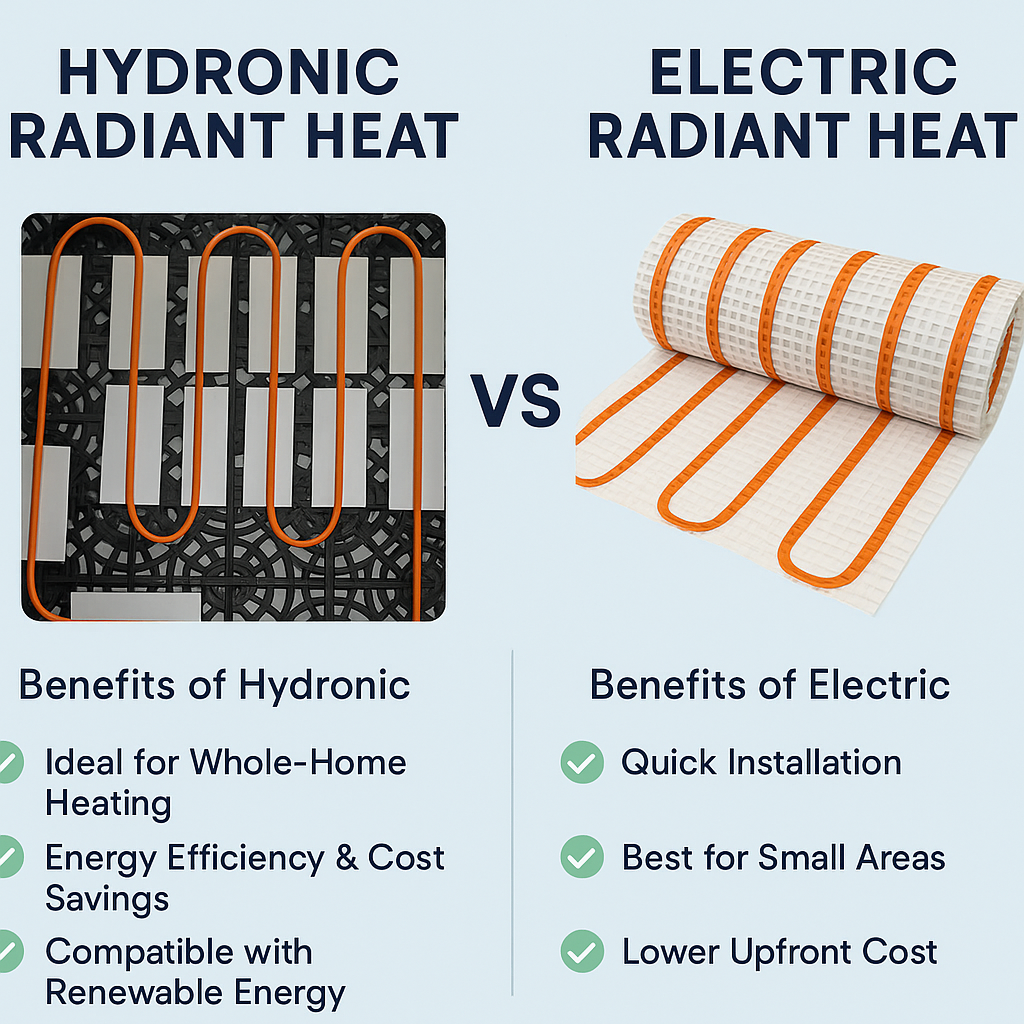
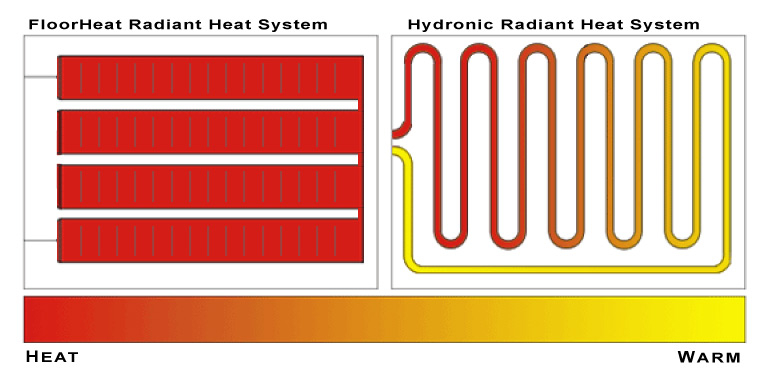
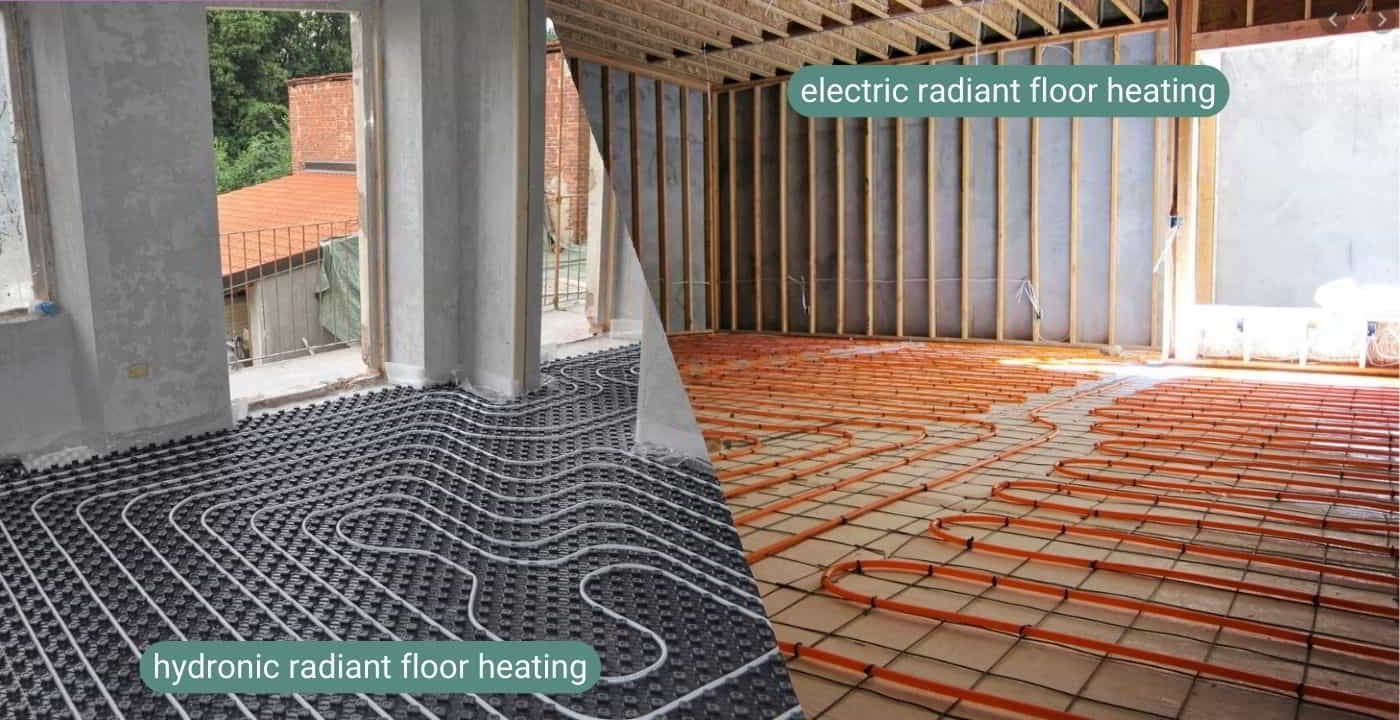
Architects always have to break down the two main types of systems for clients, because they serve completely different masters. You have hydronic systems, which pump warm water through flexible tubes, and electric systems, which use wires or heating mats.
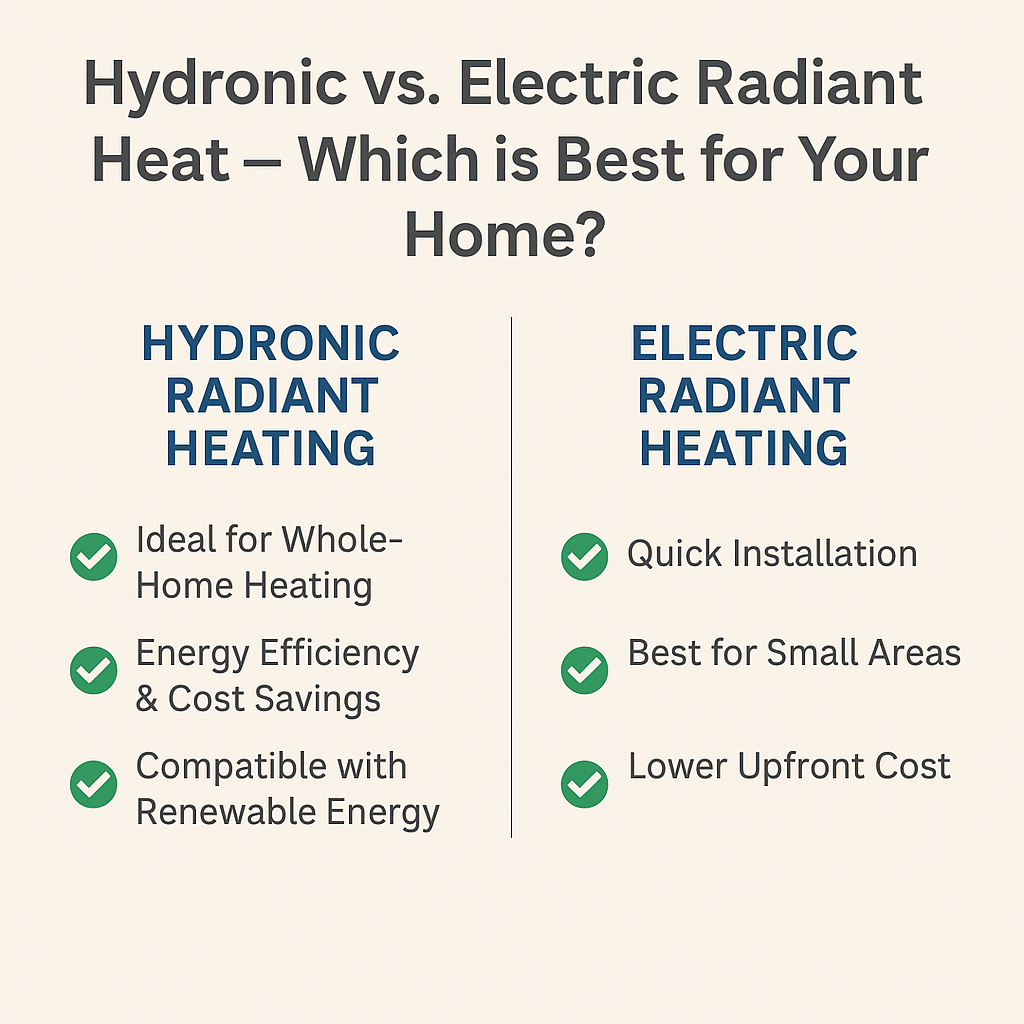
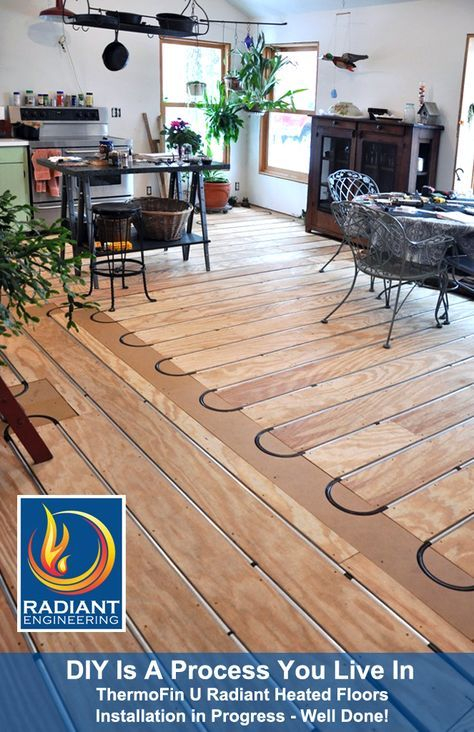
Hydronic setups are incredible for whole-house heating. They cost way less to run in the long term, especially if you hook them up to a modern solar setup or a heat pump. But they are thick and heavy, meaning they are usually best for new builds where you can pour a concrete slab over them. Electric systems are thin and cheap to install, making them perfect for a quick bathroom remodel, but your electricity bill will skyrocket if you try to heat a whole mansion with them.
Insulation is the Unsung Hero
Imagine turning on your heating system only to realize half the warmth is escaping down into the dirt beneath your house. Sounds terrible, right. That is exactly what happens if your subfloor insulation is sub-par.
Architects spend a lot of time obsessing over slab insulation. We need to make sure there is a solid barrier forcing the heat to travel up into your living space rather than down into the foundation. If you try to skimpon insulation costs during the installation phase, you will end up paying for it every single month on your utility bills.
Zoning Gives You Real Control
You don’t use every room in your house at the exact same time, so why heat them all equally. One of the coolest parts about underfloor heating is the ability to create separate zones. You can keep your master bedroom a bit cooler for sleeping while making sure the master bath is nice and toasty.
Designing these zones requires planning out the pipe layout and thermostat placement early in the design phase. It adds a bit of complexity to the initial build, but it saves an absolute ton of energy down the road. Plus, it keeps everyone in the family happy since nobody has to argue over a single thermostat.
Retrofitting is a Totally Different Beast
If you are building a custom home from scratch in 2026, adding radiant heat is a no-brainer. The pipes get laid down before the concrete is poured, and everything is clean and easy. But trying to add this to an existing 1920s bungalow. That is where things get messy and expensive.
Adding a water-based system to an old house usually means ripping out existing floors, raising the floor height by a couple of inches, and reinforcing the joists to handle the extra weight. It can throw off the alignment of your doors and stairs. For renovations, architects almost always recommend sticking to electric mats in specific rooms rather than tearing the whole house apart.
At the end of the day, radiant floor heating is an investment in how your home feels. It eliminates cold spots, gets rid of ugly baseboards or vents, and keeps dust from blowing around, which is a lifesaver for people with bad allergies.
But it comes with a premium upfront cost. Architects love this technology, but we also want homeowners to look at the big picture. Make sure to look at your budget honestly, choose your flooring materials wisely, and work with a contractor who knows exactly how to balance the system for your specific climate.