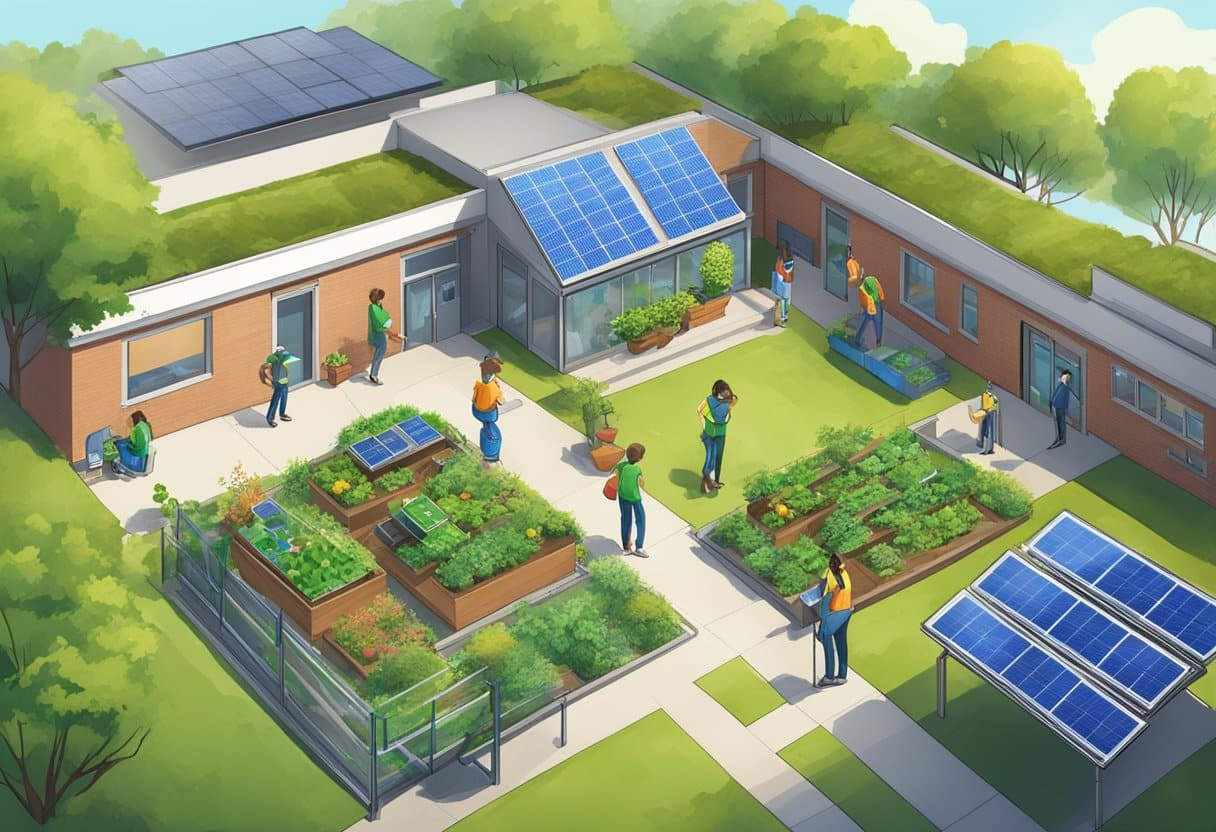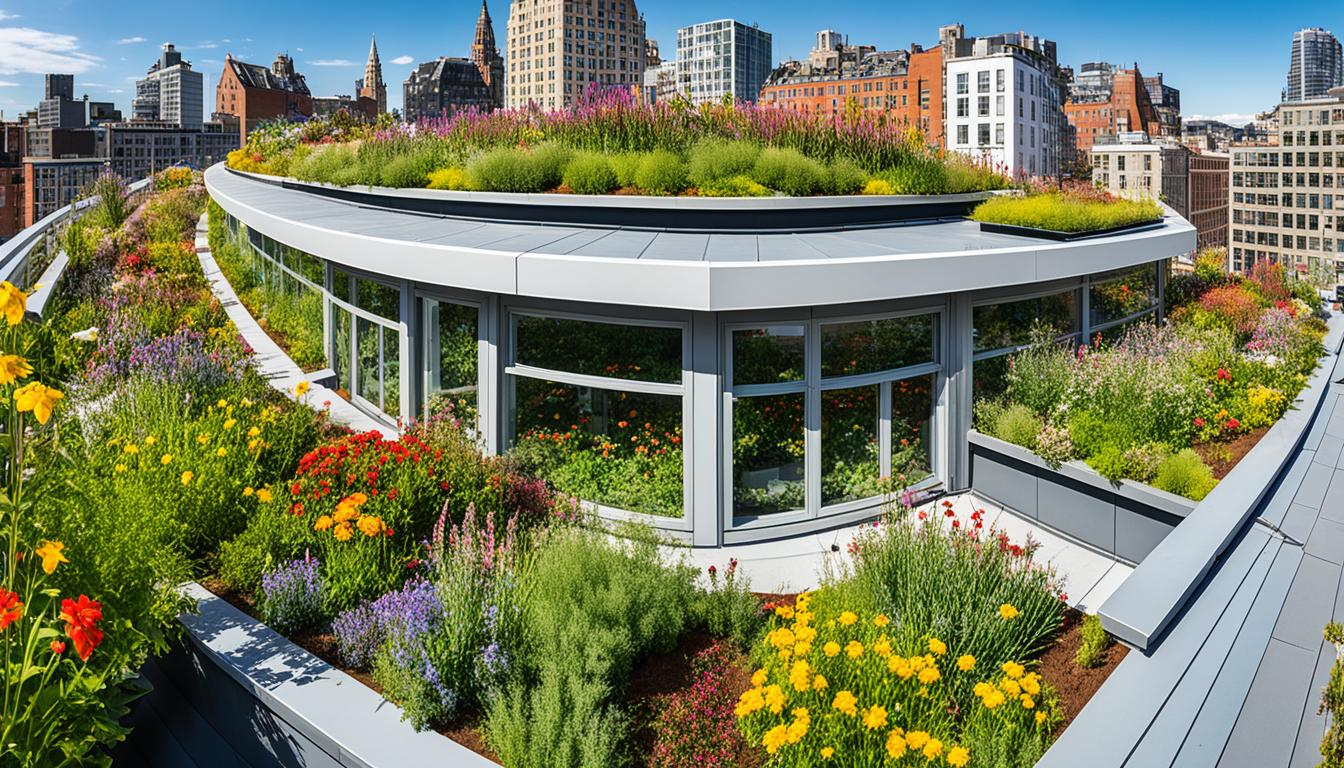
So, you’re standing in your backyard, looking up at that expanse of shingles baking in the sun. Maybe you’ve seen those lush, grassy rooftops in magazines or on vacation in Europe. They look magical. Like a secret garden floating above the noise of the city. But then you check your bank account, and reality hits hard. Is it worth it? Can you actually afford to turn your roof into a park?
It’s a question I hear all the time. People want to do the right thing for the planet, sure. But they also want to make sure they aren’t throwing money into a black hole. The sticker shock is real. We are talking about tens of thousands of dollars here. Not just a few hundred for some new shingles. But before you dismiss it as a luxury only for the ultra-rich, let’s dig into the numbers. Because the story isn’t just about what you pay today. It’s about what you save tomorrow. And honestly? The math might surprise you.
Breaking Down the Sticker Shock
Let’s rip the band-aid off first. How much does this actually cost? In 2026, the average price tag for a green roof installation sits somewhere between $10 and $35 per square foot. If you have a modest home, you’re likely looking at a total bill ranging from $15,000 to $70,000. Yeah, I know. That’s a lot of money. It’s enough to buy a nice car or take a really long vacation.
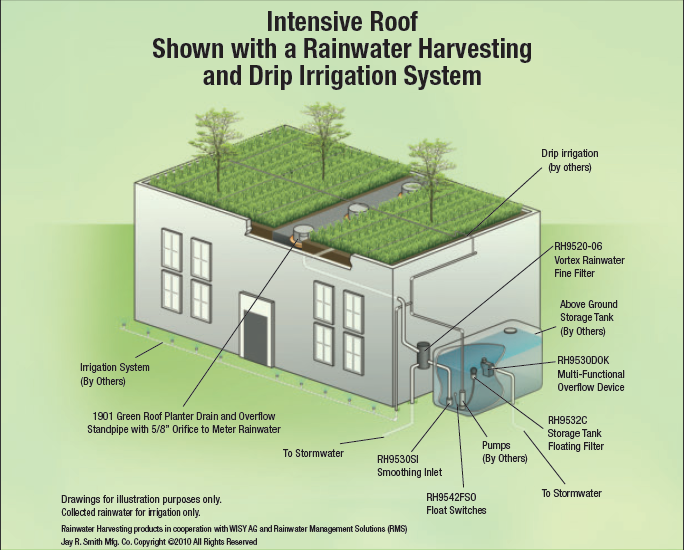
Why is it so pricey? Well, it’s not just dirt and plants. A living roof is a complex engineering system. You need a waterproof membrane that won’t leak when it rains. You need a root barrier so those happy little roots don’t eat through your ceiling. Then there’s the drainage layer, the filter fabric, the growing medium (which is special lightweight soil, not just dirt from your yard), and finally, the plants themselves. Plus, labor. Installing this stuff is heavy, delicate work. You can’t just toss bags of soil up there like shingles.
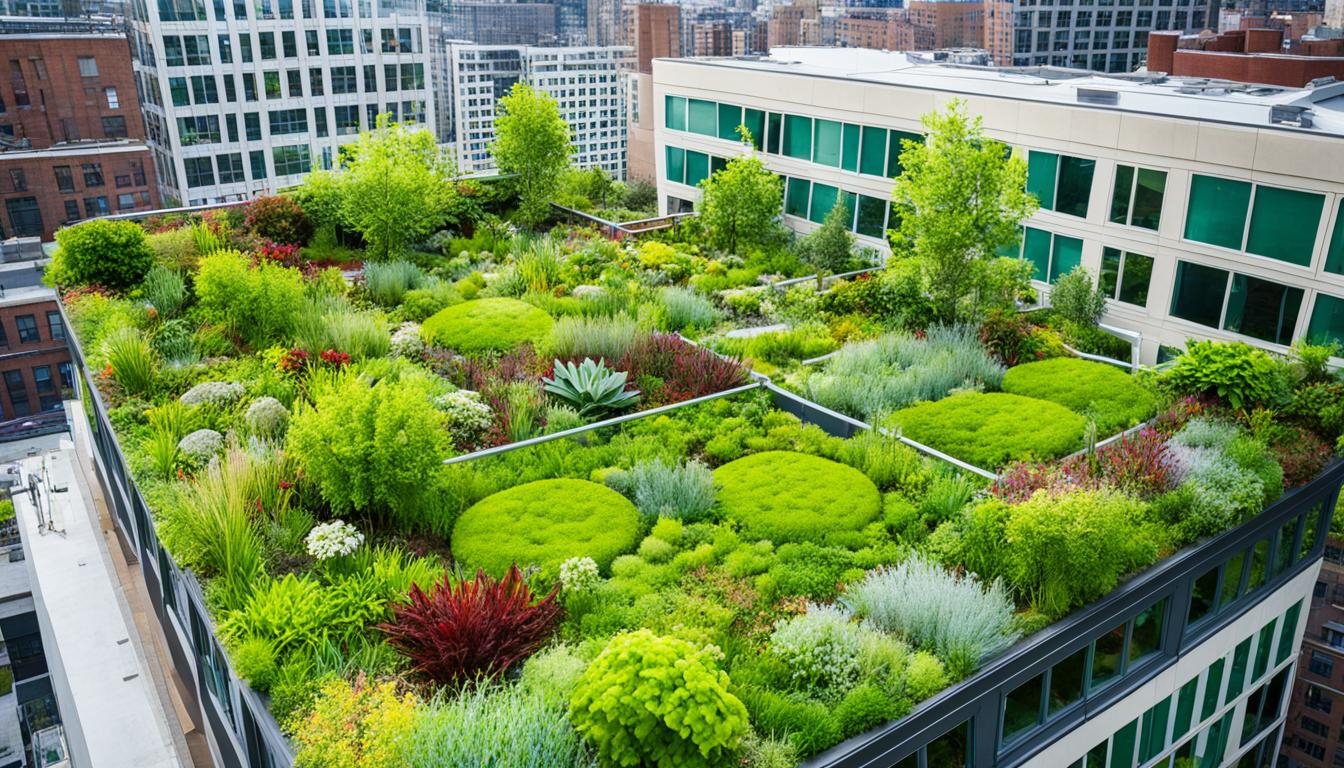
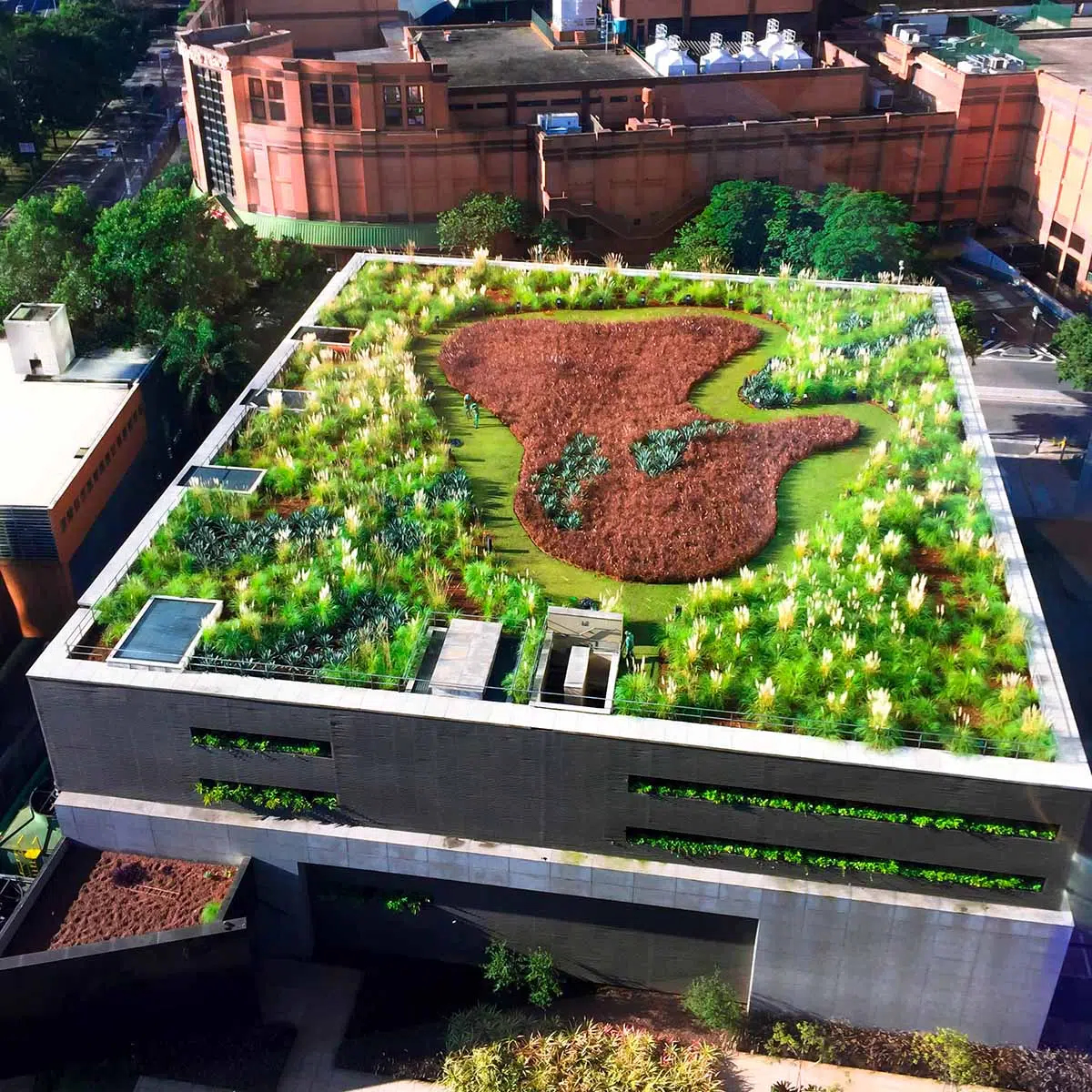
But here’s the thing. Not all green roofs are created equal. There are two main types: extensive and intensive. Extensive roofs are the cheaper option. They have shallow soil, usually sedums or mosses, and require very little maintenance. These are the ones hitting that lower end of the price spectrum. Intensive roofs? Those are the rooftop parks with trees, shrubs, and deep soil. They are incredibly expensive, often costing more than $35 per square foot, and require serious structural support. Most homeowners stick with extensive systems because they offer the best balance of cost and benefit without needing to reinforce their entire house frame.
The Hidden Factors That Drive Price Up
You might think, "Okay, my roof is 2,000 square feet, so I’ll just multiply by $20." Hold on. It’s rarely that simple. Several factors can swing that price wildly. First, access. If your roof is steep or hard to reach, contractors charge more. They might need cranes or special scaffolding to get the materials up there. A flat, easy-to-access roof is always cheaper to work on.
Then there’s the state of your current roof. You can’t just slap a green roof over old, crumbling shingles. The underlying structure needs to be sound. Often, you’ll need to replace the waterproofing layer entirely. If your home is older, you might even need a structural engineer to verify that your beams can hold the extra weight. Wet soil is heavy. Really heavy. Adding that load capacity isn’t free.
Don’t forget irrigation either. While extensive green roofs are drought-tolerant, they still need water to get established, and during hot summers, a little help keeps them alive. Installing a drip irrigation system adds to the upfront cost. It’s maybe a few thousand dollars, but it’s a line item people often overlook until they’re staring at the final invoice. So, when you’re budgeting, always add a 10-15% buffer for these unexpected site-specific challenges. It saves the heartache later.
What You Actually Save on Energy Bills
Now for the good part. The savings. Let’s talk about your air conditioning bill. In the summer, a conventional black asphalt roof absorbs heat like a sponge. It gets blazing hot, radiating that warmth down into your attic and living spaces. Your AC has to work overtime to fight it. A green roof, however, stays cool. The plants evaporate water, which cools the air around them. This is called evapotranspiration. It’s nature’s air conditioner.
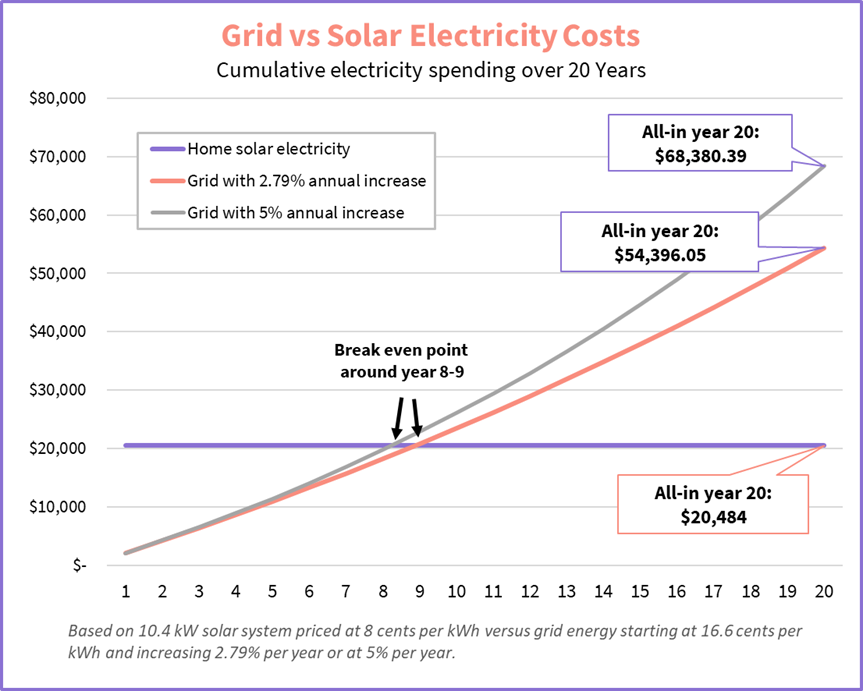
Studies show that green roofs can reduce cooling costs by anywhere from 10% to 30%, depending on your climate and insulation. In hotter regions, that savings is even higher. Imagine cutting your July electric bill by a third. Every year. Over ten years, that adds up to thousands of dollars kept in your pocket. It’s not immediate cash in hand, but it’s steady, reliable savings that offset that big initial investment.
In the winter, the benefits flip but remain useful. The soil and plant layers add extra insulation. They keep the heat inside your home rather than letting it escape through the roof. While the heating savings aren’t as dramatic as the cooling ones, every bit helps. Plus, because the temperature of the roof membrane stays more stable, it doesn’t expand and contract as much. This reduces wear and tear on the roofing materials themselves, leading to fewer repairs down the line. It’s a double win for your wallet and your comfort.
Longevity and Maintenance Reality Check
Here is a stat that blows people’s minds: a standard asphalt shingle roof lasts about 15 to 20 years. A well-installed green roof? It can last 40 to 50 years, sometimes longer. Why? Because the vegetation protects the waterproof membrane from UV rays, extreme temperature fluctuations, and physical damage from hail or debris. The membrane is basically shielded from the elements.
So, while you might pay double or triple upfront for a green roof, you won’t have to replace it twice in the same timeframe. If you factor in the cost of two conventional roof replacements over 40 years, the gap narrows significantly. You’re essentially pre-paying for your next roof upgrade. That’s a powerful way to look at the cost. It’s not an expense; it’s a long-term asset preservation strategy.
But let’s be real about maintenance. It’s not zero. You can’t just install it and forget it forever. Extensive green roofs need checking once or twice a year. You’ll need to pull out invasive weeds, check the drains to make sure they aren’t clogged with leaves, and maybe fertilize once in a while. If you have an irrigation system, you need to winterize it. It’s not mowing a lawn, but it’s not invisible either. Budget about $0.75 to $1.50 per square foot annually for professional maintenance if you don’t want to do it yourself. It’s a small price to pay to keep the system healthy and functioning.
Beyond the Bank Account: Environmental Wins
Money isn’t everything, right? There’s a huge value in knowing your home is helping the planet. Green roofs manage stormwater runoff. In cities, heavy rains overwhelm sewer systems, causing floods and pollution. A green roof absorbs rainwater, holding it in the soil and releasing it slowly. This reduces the strain on local infrastructure. Some municipalities even offer tax credits or rebates for this reason. Check your local laws in 2026; you might find free money waiting for you.
They also fight the "urban heat island" effect. Cities are hotter than rural areas because of all the concrete and asphalt. Green roofs cool the air around them, making neighborhoods more livable. And let’s not forget the bees and butterflies. In dense urban areas, a green roof can be a crucial habitat for pollinators. It’s a tiny sanctuary in the sky. Knowing you’re supporting biodiversity feels good. It adds a layer of personal satisfaction that doesn’t show up on a spreadsheet but matters deeply to many homeowners.
Plus, there’s the noise reduction. Soil and plants are great at absorbing sound. If you live near an airport, a highway, or just noisy neighbors, a green roof can dampen the din. It creates a quieter, more peaceful indoor environment. For people working from home or trying to sleep, that quiet is priceless. It improves your quality of life in a tangible, daily way. These soft benefits are hard to quantify, but they contribute to the overall value of your home and your happiness.
So, how do you know if it makes sense for you? It comes down to how long you plan to stay in your home. If you’re moving in two years, a green roof probably isn’t the best financial move. The resale value is increasing, but you likely won’t recoup the full installation cost immediately upon sale. Buyers appreciate it, but they might not pay a premium equal to what you spent.
However, if you plan to stay for 10, 15, or 20 years, the math works in your favor. Combine the energy savings, the avoided replacement costs of a conventional roof, and potential tax incentives, and the return on investment becomes positive. Use an online ROI calculator to plug in your specific numbers. Look at your current energy bills. Estimate your local climate impact. Factor in any local rebates.
Also, consider the intangible value. Do you love gardening? A green roof gives you a unique space to connect with nature without leaving your home. Do you care about sustainability? This is one of the most impactful changes you can make to your property. The "value" isn’t just dollars. It’s lifestyle. It’s pride. It’s knowing you’ve built something that lasts and heals rather than consumes. When you weigh those things, the cost feels less like a burden and more like an investment in the life you want to live.
In the end, going green on your roof is a commitment. It’s not a quick fix. It requires upfront capital and ongoing care. But the rewards are substantial. You save money on energy. You avoid frequent roof replacements. You help the environment. And you create a beautiful, living space above your head. As we move further into 2026, with energy prices fluctuating and climate concerns growing, the case for green roofs gets stronger every year. It’s not just about saving the planet. It’s about building a smarter, more resilient home for yourself. Take the time to crunch the numbers. Talk to local experts. Look at your long-term goals. You might just find that the view from the top is worth every penny.
[sps_html tag=”img” src=”https://cdn.northcarolinafinearchitecture.com/2026/05/the-role-of-green-roofs-in-promoting-urban-biodiversity-regarding-why-your-next-roof-should-be-a-living-ecosystem-in-2026.jpg” alt=”The Role Of Green Roofs In Promoting Urban Biodiversity regarding Why Your Next Roof Should Be a Living Ecosystem in 2026″ style=”width: 100%; height: auto;”]
[sps_html tag=”img” src=”https://cdn.northcarolinafinearchitecture.com/2026/05/intensive-roof-green-roof-green-roof-system-roofing-systems-with-green-roof-design.png” alt=”Intensive Roof | Green Roof, Green Roof System, Roofing Systems with Green Roof Design” style=”width: 100%; height: auto;”]
[sps_html tag=”img” src=”https://cdn.northcarolinafinearchitecture.com/2026/05/30-roof-types-and-styles-examples-and-illustrations-included-throughout-green-roof-design.jpg” alt=”30 Roof Types And Styles Examples And Illustrations Included throughout Green Roof Design” style=”width: 100%; height: auto;”]
[sps_html tag=”img” src=”https://cdn.northcarolinafinearchitecture.com/2026/05/all-you-need-to-know-about-green-roof-construction-inside-why-your-next-roof-should-be-a-living-ecosystem-in-2026.jpg” alt=”All You Need To Know About Green Roof Construction inside Why Your Next Roof Should Be a Living Ecosystem in 2026″ style=”width: 100%; height: auto;”]
[sps_html tag=”img” src=”https://cdn.northcarolinafinearchitecture.com/2026/05/living-roof-basics-efficient-beautiful-green-spaces-eco-house-for-green-roof-design.png” alt=”Living Roof Basics: Efficient, Beautiful, Green Spaces | Eco House … for Green Roof Design” style=”width: 100%; height: auto;”]