So, you’ve set up your sleek new urban vermireactor in your apartment or small balcony. You’ve got the wrigglers, the bedding, & a bucket full of kitchen scraps ready to go. But then a sudden heatwave hits, or maybe the winter chill creeps into your kitchen. Suddenly, your bin feels less like a thriving ecosystem and more like a high-stakes science experiment. How do you keep these little guys from staging a mass escape or, worse, turning into a soggy mess?
It’s all about finding that perfect, cozy middle ground. Managing an urban worm bin isn’t about rigid rules; it’s about listening to the subtle clues your ecosystem gives you. Let’s dive into how you can easily manage the climate inside your bin without needing a degree in ecology.
1. Getting the Basics Right: Why Worms Breathe Through Their Skin
To truly understand your vermireactor, you have to realize that worms don’t have lungs. They actually breathe directly through their moist skin. If their home gets too dry, they simply cannot absorb oxygen. On the flip side, if the bedding becomes a waterlogged swamp, they will suffocate from a lack of air pockets. It’s a delicate balance that directly impacts how fast they turn your leftover veggie scraps into pure garden gold.
In a confined urban space—whether it’s a plastic tote under your sink or a fabric bag on your balcony—environmental changes happen fast. A minor shift in room temperature can quickly alter the humidity inside a small bin. Keeping a close eye on their living conditions is the single best way to ensure your indoor herd stays active & hungry.
2. The Golden Ratio: Finding that Sweet Sponge Spot
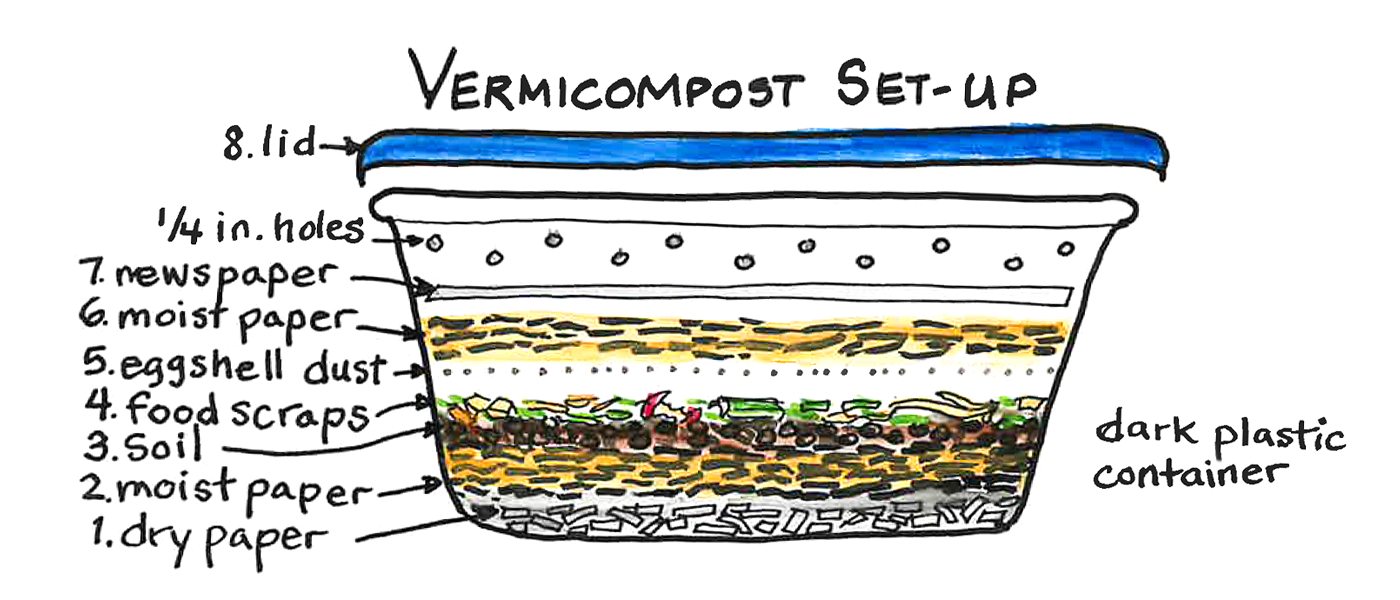
So, how wet is too wet? The absolute best rule of thumb is the classic "wrung-out sponge" test. When you pick up a handful of your bedding material, it should feel distinctly damp to the touch, but it shouldn’t be dripping. If you give it a firm squeeze, you should only see one or two drops of water slip through your fingers.
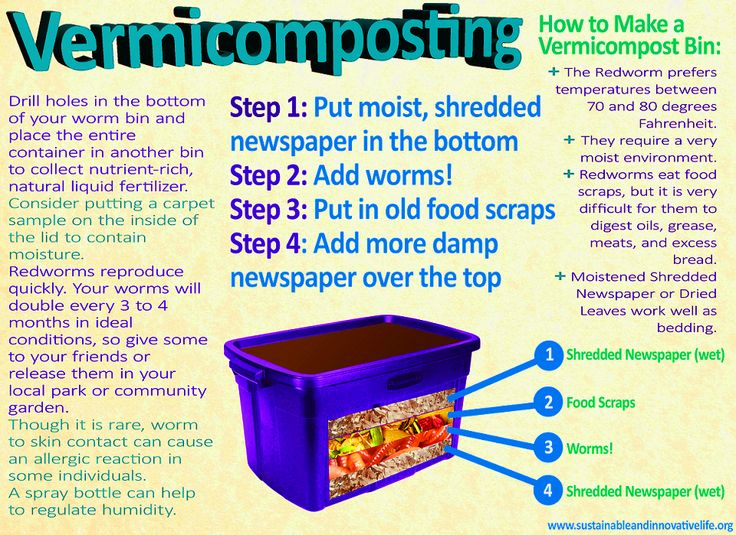
If your bin is looking a bit dry, don’t just dump a glass of water inside. That will create pockets of mud & drown out the air flow. Instead, grab a spray bottle and give the surface a gentle, fine misting with room-temperature water. If things have gone too far the other way and it’s looking soggy, shred up some clean cardboard or newspaper and mix it in to soak up the excess moisture.
3. Beating the Summer Heat: The Danger Zone
As we navigate through 2026, we are seeing some incredibly unpredictable weather patterns, & summer heatwaves can spell instant disaster for an urban worm bin. Composting worms like red wigglers thrive best when the bedding temperature stays between 55°F and 77°F. Once the internal core of your bin climbs past 85°F, your worms will stop eating and look for a way out.
When the room or balcony warms up, you have to act fast. Moving your vermireactor to the coolest part of your home—like a basement, a dark closet, or near an air conditioner—is your best defense. You can also freeze a plastic water bottle and bury it right into the bedding. It acts like a little air conditioning unit that the worms can huddle around when they feel too hot.
4. Keeping it Cozy When Winter Knocks
Cold weather brings a completely different set of challenges for the indoor composter. When temperatures drop below 50°F, a worm’s metabolism slows down dramatically. They won’t eat as much, they stop breeding, and your composting timeline stretches out. If the bedding actually freezes, you will lose your entire population.
If you keep your vermireactor on a balcony or in an unheated garage, winter is the time to bring them indoors. If that’s not an option, you need to insulate. Wrapping your bin in old blankets or bubble wrap helps retain the natural thermal mass. Another trick is to feed them slightly heavier layers of food scraps, as the natural decomposition process generates a tiny bit of ambient warmth. Just don’t overdo it, or you’ll run into a different problem entirely.
5. The Danger of Hot Composting in Small Spaces
A common mistake many beginners make is adding too much food at once. When a massive pile of kitchen scraps starts breaking down, it can trigger a miniature "hot compost" reaction. In a large outdoor pile, this is great. In a small urban vermireactor, it can literally cook your worms alive.
To avoid this, try pocket feeding. Instead of scattering food across the entire surface, bury your scraps in one specific corner of the bin. This leaves the rest of the reactor cool & comfortable. If that corner gets too hot from decomposition, the worms can easily migrate to the safer, un-fed side of the bin until things cool back down.
6. Real-Time Hacks for Busy Urbanites
Living in a fast-paced city means you don’t always have time to check your worm bin every single day. Thankfully, there are a few simple ways to automate peace of mind. Using high-quality bedding materials like coconut coir blended with shredded cardboard creates a natural buffer that resists rapid drying.
If you want to get a bit techy, keeping a simple compost probe thermometer nearby takes away all the guesswork. You can just slide it into the center of the bedding once a week to get an accurate reading. Remember, it’s the temperature inside the bedding that matters, not the temperature of the air in your room.
Balancing the climate of your urban vermireactor might sound intimidating at first, but it quickly becomes second nature. Once you know what to look for, a quick glance at your bin will tell you everything you need to know. Happy worms mean zero odors and an endless supply of nutrient-rich fertilizer for your houseplants or balcony garden.
Keep your bedding damp like a wrung-out sponge, shield them from extreme temperature spikes, and pay attention to how much food you throw in at one time. With just a little bit of care, your urban worm bin will run smoothly and efficiently all year long.