Step outside past midnight in any modern metropolitan area, look up, and you will see it: a dull, amber-orange dome hovering above the skyline. Generations ago, this expanse was a sharp, diamond-studded tapestry of the Milky Way, constellations, and distant galaxies. Today, it is a hazy ceiling of scattered photons. We live beneath an artificial twilight that never yields to true darkness, treating the night sky as an infinite canvas for stray light.
Most people dismiss this glowing haze as an aesthetic loss—a minor inconvenience for amateur astronomers who have to drive hours into remote wildernesses just to glimpse a nebula. But framing light pollution merely as an obstructed view of the cosmos misses a profound ecological and human crisis. We are flooding the biosphere with an invisible, omnipresent noise that disrupts ancient biological rhythms, scrambles migratory instincts, and silently erodes human health.
The consequences of this nocturnal illumination have caught up with us. As sprawling suburbs and high-density cities continue to expand, the artificial glow intensifies, washing out roughly eighty percent of the Milky Way for populations across the globe. Understanding this phenomenon requires looking past the streetlamps and examining the physics of the atmosphere, the behavioral biology of nocturnal species, and the architecture of our own homes.
The Physics and Everyday Sources of Modern Skyglow
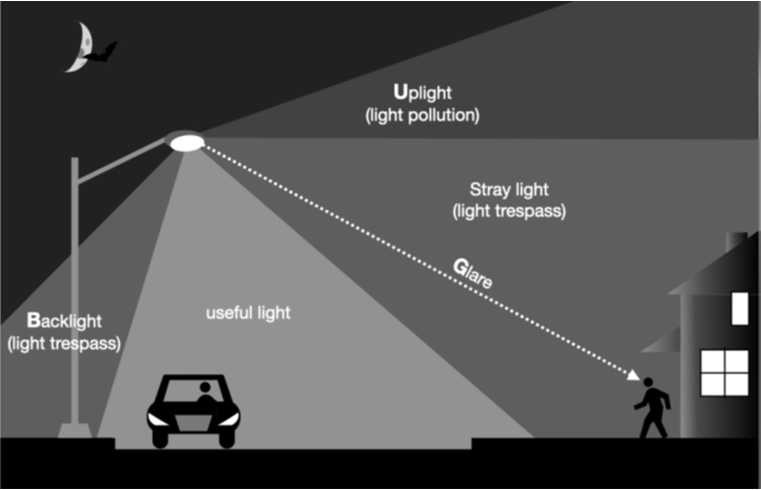
Skyglow is not a mysterious atmospheric phenomenon; it is the direct result of anthropogenic light mismanagement. When unshielded or poorly directed artificial light streams upward into the night sky, it collides with air molecules, water vapor, and aerosols—such as dust, smog, and particulate pollution. These particles scatter the light in all directions, creating a diffused, omnidirectional brightening that blankets entire regions. Rayleigh and Mie scattering transform individual misdirected bulbs miles away into a collective canopy of haze that drops a thick curtain over the stars.
For decades, conventional wisdom pointed the finger squarely at municipal streetlighting as the primary culprit behind this luminous fog. However, recent data upends that assumption. Landmark research published in Nature Cities by physicist Christopher Kyba revealed that illuminated private residential and commercial windows were the most frequently observed light source—accounting for more than forty-eight percent of counted light sources in specific urban studies—whereas traditional streetlights made up a fraction of that total. Every time we leave bright interior lights blazing against uncovered windows or install unshielded floodlights on residential exterior walls, we contribute directly to the orange dome looming over our neighborhoods.
The shift toward cheap, high-intensity Light Emitting Diodes (LEDs) over the last decade has paradoxically worsened the issue. While municipal leaders initially embraced LEDs for their energy efficiency and long operational lifespans, many early retrofits installed fixtures with high color temperature ratings—typically 4000K to 5000K. These cool-white LEDs emit a heavy dose of short-wavelength, high-energy blue light. Blue light scatters much more efficiently in the atmosphere than the warm, amber glow of legacy high-pressure sodium lamps, vastly expanding the geographic footprint of skyglow from a single urban center to engulf surrounding rural counties.
Unraveling the Ecological and Human Toll of Artificial Light at Night
The biological cost of this relentless illumination is staggering. Billions of years of planetary evolution forged life under a predictable binary rhythm: brilliant, active days and dark, restorative nights. Artificial light at night (ALAN) shatters this binary, triggering cascading failures across ecosystems. Migrating birds, which navigate using celestial cues, become disoriented by urban skyglow, spiraling off-course into skyscraper glass or exhausting their fat reserves circling brightly lit metropolitan zones until they drop from exhaustion.
Insect populations—the foundational bedrock of terrestrial food webs—face an equally grim fate. Nocturnal insects like moths, beetles, and lacewings are irresistibly drawn to artificial light sources. Instead of foraging or reproducing, they exhaust themselves circling bulbs until they die, or fall easy prey to predators that have learned to stake out streetlamps. This disruption translates into a catastrophic collapse in nocturnal pollination rates, which directly impacts agricultural yields and wild plant reproduction.
For humans, the implications hit closer to home, quite literally. Evolution programmed the human endocrine system to synthesize melatonin—a crucial hormone regulating circadian rhythms and immune function—exclusively in the absence of light. When skyglow filters through bedroom windows or city dwellers are constantly bathed in ambient nocturnal brightness, pineal gland production of melatonin plummets. Chronic circadian disruption is no longer viewed merely as a cause of grogginess; extensive medical literature links it to elevated risks of sleep disorders, metabolic imbalances, obesity, and even certain forms of hormone-sensitive cancers.
Actionable Steps to Mitigate Light Pollution at the Neighborhood and Municipal Scale
Reversing skyglow does not require plunging our cities into total, unsafe darkness. Modern lighting engineering proves that we can maintain safety, visibility, and economic vitality while drastically cutting down on wasted lumens. Combating light pollution requires a disciplined, multi-layered approach that addresses fixture design, color temperature, and operational timing.
- Step 1 (Perform a Residential Lighting Audit): Walk the perimeter of your property after dark to identify unshielded fixtures, bright floodlights aimed outward rather than downward, or interior lights streaming through uncurtained windows. Replace generic globes and uplighting with fully shielded fixtures that direct light strictly toward the ground where it is needed.
- Step 2 (Select Warm Color Temperatures): Transition outdoor bulbs to a maximum color temperature of 2700K (ideally 2200K or amber-spectrum LEDs). Lower Kelvin ratings emit vastly fewer short-wavelength blue photons, cutting atmospheric scattering and protecting both human melatonin production and local insect populations.
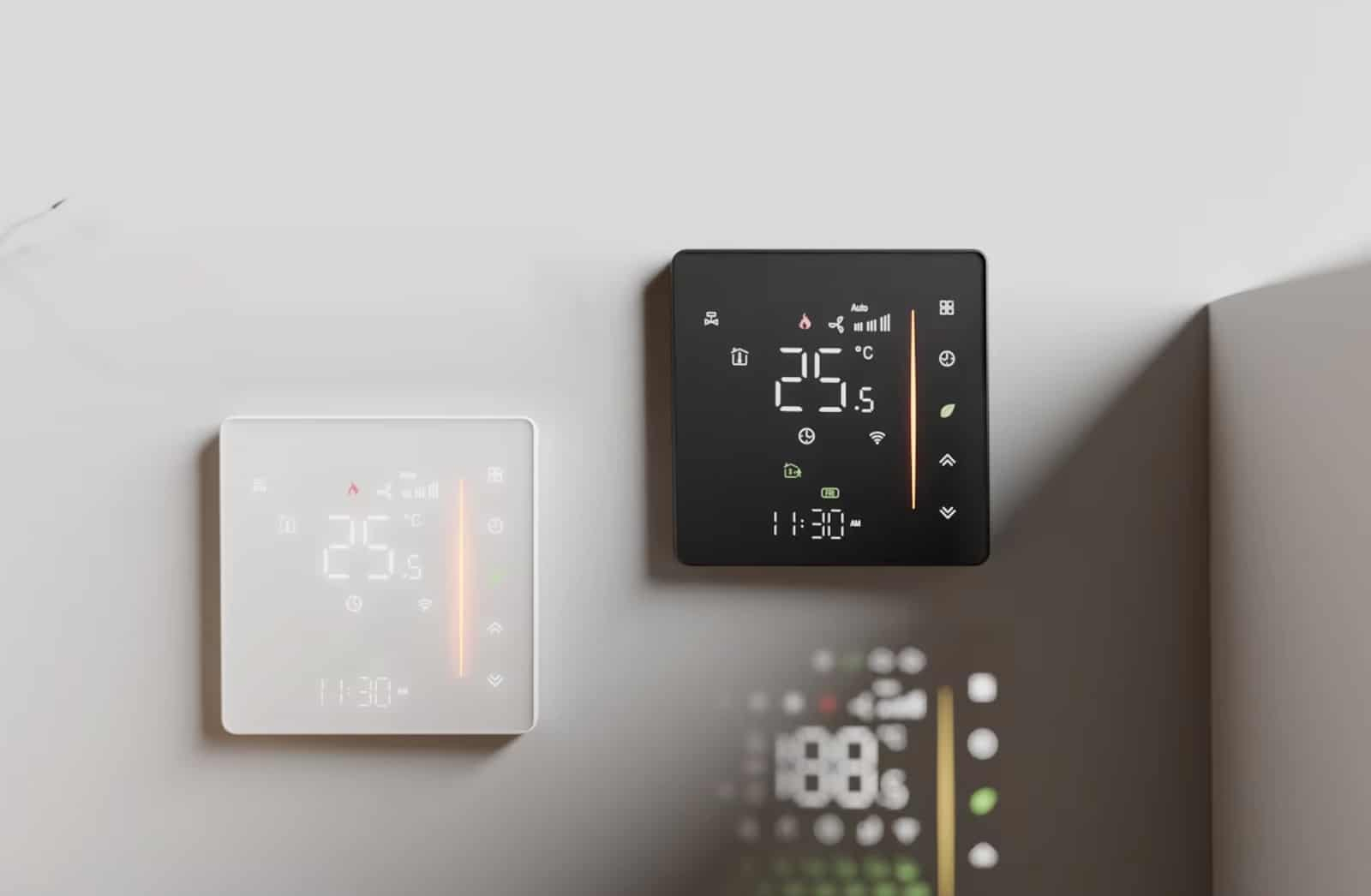
- Step 3 (Implement Smart Controls and Timers): Integrate motion sensors, photocells, and programmable timers into your outdoor lighting ecosystem. Exterior lights should never burn brightly at three o’clock in the morning when human activity has ceased; sensors ensure illumination only activates when genuine movement occurs.
- Step 4 (Engage Local Municipalities on Streetlight Retrofits): Attend city council or zoning board meetings to advocate for municipal adoption of Dark Sky compliant streetlighting. Urge officials to mandate fully shielded, downward-directed cut-off fixtures and to push back against overly bright, high-lumen commercial parking lot retrofits.
- Step 5 (Establish Neighborhood Dark Sky Pledges): Collaborate with homeowners associations and local community groups to adopt voluntary neighborhood lighting guidelines. Educate neighbors on the hidden costs of light trespass and demonstrate how targeted lighting actually improves nighttime visibility by reducing blinding glare.
Navigating Common Misconceptions and Pitfalls in Lighting Retrofits
Well-intentioned individuals and city planners often make critical missteps when attempting to address light pollution, accidentally exacerbating the very problems they hope to solve. Avoiding these frequent traps requires practical, field-tested workarounds.
- Pitfall 1 (Equating Higher Brightness with Higher Safety): Property owners frequently install ultra-high-lumen floodlights under the assumption that more light equals greater security. Deep practitioner workaround: Understand that glaring, ultra-bright lights create harsh shadows where intruders can hide, while blinding passing drivers and neighbors; instead, use lower-lumen, warmly colored, evenly distributed lighting that eliminates deep shadows and improves overall visibility.
- Pitfall 2 (Failing to Check Fixture Cut-Off Geometry): Purchasing fixtures labeled as "outdoor-rated" without verifying their optical distribution. Deep practitioner workaround: Look exclusively for International Dark-Sky Association (IDA) approved fixtures or those featuring a full cut-off design that emits zero percentage of light above the horizontal plane of the fixture.
- Pitfall 3 (Ignoring Interior Light Spill): Focusing entirely on exterior landscape lights while leaving large, unshaded windows blazing with high-intensity interior fixtures late into the night. Deep practitioner workaround: Install room-darkening shades or heavy curtains in bedrooms and street-facing living areas, and turn off unnecessary overhead lights when rooms are unoccupied.
- Pitfall 4 (Selecting Overly Cool LED Retrofits): Replacing old sodium lamps with cheap, high-efficiency 5000K daylight-white LEDs because they appear brighter on paper. Deep practitioner workaround: Always verify the Kelvin rating on packaging, insisting on warm white (2700K or lower) options that offer high energy efficiency without the aggressive blue-light spectrum that causes intense atmospheric skyglow.
- Pitfall 5 (Leaving Commercial Parking Lots Lit All Night): Permitting vast retail and business parking structures to remain fully illuminated at maximum intensity until dawn. Deep practitioner workaround: Advocate for ordinances requiring commercial properties to dim outdoor business and parking illumination by at least fifty percent within one hour of closing or after midnight.
The Broader Economic, Cultural, and Ecological Value of Preserving the Night
When communities make a concerted pivot toward dark sky preservation, the benefits extend far beyond seeing a few more constellations. Economically, light pollution represents a staggering waste of electrical power and municipal budget. Billions of dollars are literally burned into the atmosphere every year, illuminating empty skies, empty streets, and uninhabited spaces. Shifting toward targeted, efficient, low-wattage lighting delivers immediate, measurable reductions in municipal energy consumption and lower utility bills for private homeowners.
Culturally, the restoration of starry skies reconnects urban and suburban populations with an ancient human heritage. For millennia, the night sky served as humanity’s primary calendar, compass, and mythological foundation. Erasing the stars robs children of a profound sense of scale and cosmic wonder. Parks and rural towns that successfully preserve their dark skies increasingly tap into the growing global tourism market known as astro-tourism, drawing visitors eager to escape light-polluted urban cores to witness truly pristine nightscapes.
Ecologically, reducing skyglow acts as a healing balm for compromised ecosystems. Amphibians, bats, and nocturnal predators regain natural cover and hunting efficiency. Coastal marine life, including sea turtle hatchlings that rely on the dim horizon over the ocean to guide them to water rather than getting disoriented by brightly lit beachfront hotels, experience higher survival rates. Every shielded fixture and thoughtful lighting policy acts as a small but vital restoration project for the natural world.
Practical Frameworks for Sustained Community Action and Policy Change
Lasting victories against skyglow rarely happen by accident; they require structured advocacy, clear legislative frameworks, and persistent community engagement. Transforming a light-polluted municipality into a certified dark-sky haven involves a deliberate sequence of institutional steps.
- Baseline Documentation: Conduct a baseline assessment of local light pollution levels using community science platforms like Globe at Night or specialized pocket sky quality meters, documenting problem areas to present to local leadership.
- Model Lighting Ordinances: Work with local planning departments to draft or update municipal zoning codes, embedding model lighting ordinances that limit total lumens per acre, mandate full shielding, and set strict curfew hours for non-essential commercial lighting.
- Public Education Campaigns: Host community stargazing events, workshops, and school presentations to demonstrate the benefits of dark skies, showing residents that protecting the stars also protects their wallets, sleep, and local wildlife.
- Institutional Partnerships: Collaborate with local universities, nature centers, and amateur astronomy clubs to build broad coalitions that can lobby state and regional agencies for broader dark sky protections across state parks and highways.
The orange dome that blankets our modern cities is not an inevitable tax of technological progress. It is a design flaw—a symptom of an era that treated artificial light as an infinite resource with zero ecological consequence. We now possess the architectural tools, the scientific data, and the cultural momentum to redesign how we illuminate our world after dark.
Reclaiming the night sky does not mean retreating into the dark ages. It means choosing precision over waste, wisdom over excess, and stewardship over carelessness. By rethinking our outdoor fixtures, lowering our color temperatures, and demanding smarter municipal lighting codes, we can extinguish the artificial haze choking our atmosphere. In doing so, we quiet the biological noise confusing our ecosystems, protect our own sleep and health, and reopen the ancient window to the cosmos for the generations that follow.