The smell of brewing coffee usually masks the subtle, earthy aroma that has begun to define modern urban kitchens across metropolitan centers from Seattle to Berlin. Lift the lid of a contemporary countertop appliance that looks more like a high-end espresso machine or bread maker, and you will not find rotting garbage or swarms of fruit flies. Instead, you find a warm, dry batch of rich, coffee-ground-like amendment ready for a windowsill herb garden. This quiet transformation inside an eight-hundred-square-foot studio apartment represents a fundamental shift in how city dwellers interact with waste. No longer relegated to municipal green bins or messy backyard piles, organic management has moved indoors, powered by smart engineering and relentless design iteration.
For decades, the concept of composting in small-space living was treated as an exercise in compromise. Urbanites were forced to choose between managing leaky vermicomposting bins that required constant moisture monitoring, tolerating the pungent anaerobic fermentation of traditional Bokashi buckets, or giving up entirely and feeding their food scraps straight to the municipal landfill. These early attempts often ended with frustrated residents abandoning their bins after a single summer infestation of gnats or an unmanageable odor leak. The narrative suggested that composting was a rural or suburban privilege, an outdoor chore demanding acreage, piles of brown leaves, and a pitchfork.
The landscape shifted dramatically over recent years, culminating in the sophisticated technology defining the home sustainability market today. Manufacturers realized that to win over urban dwellers, tiny home occupants, and mobile vanlifers, they had to eliminate the variables of biology and replace them with precise thermal, mechanical, and microbial controls. Self-contained composting units arrived not as incremental upgrades, but as complete reimaginings of organic recycling. By integrating active heating elements, high-torque grinding blades, activated carbon filtration systems, and even smart sensors tracking moisture and volume, these appliances turned a historically messy backyard science into a clean, appliance-grade countertop convenience.
The Engineering Evolution Behind Modern Indoor Organic Management
To understand why self-contained composting units have captured the market, one must examine the engineering breakthroughs that separate them from primitive kitchen pails. Traditional composting relies heavily on a delicate ratio of carbon to nitrogen, aerobic bacterial activity, and time—often spanning three to six months. In a tight urban footprint, waiting months for a pile to break down is entirely impractical. Modern electric countertop units shorten this timeline to a matter of hours through thermal dehydration and mechanical pulverization. A high-wattage heating chamber gently bakes moisture out of coffee grounds, vegetable peels, and leftover proteins while internal steel augers reduce the total volume by up to ninety percent.
Simultaneously, the battle against odor has been won through advanced air-filtration chemistry. Early indoor bins struggled with volatile organic compounds escaping into living spaces, turning tiny apartments into olfactory nightmares. Contemporary units utilize multi-stage filtration systems featuring medical-grade activated carbon and titanium dioxide catalysts. These filters trap and neutralize sulfur compounds, amines, and fatty acids before air is exhausted into the room. The result is a completely sealed loop where food waste enters wet and malodorous, and exits dry, sterile, and virtually odorless.
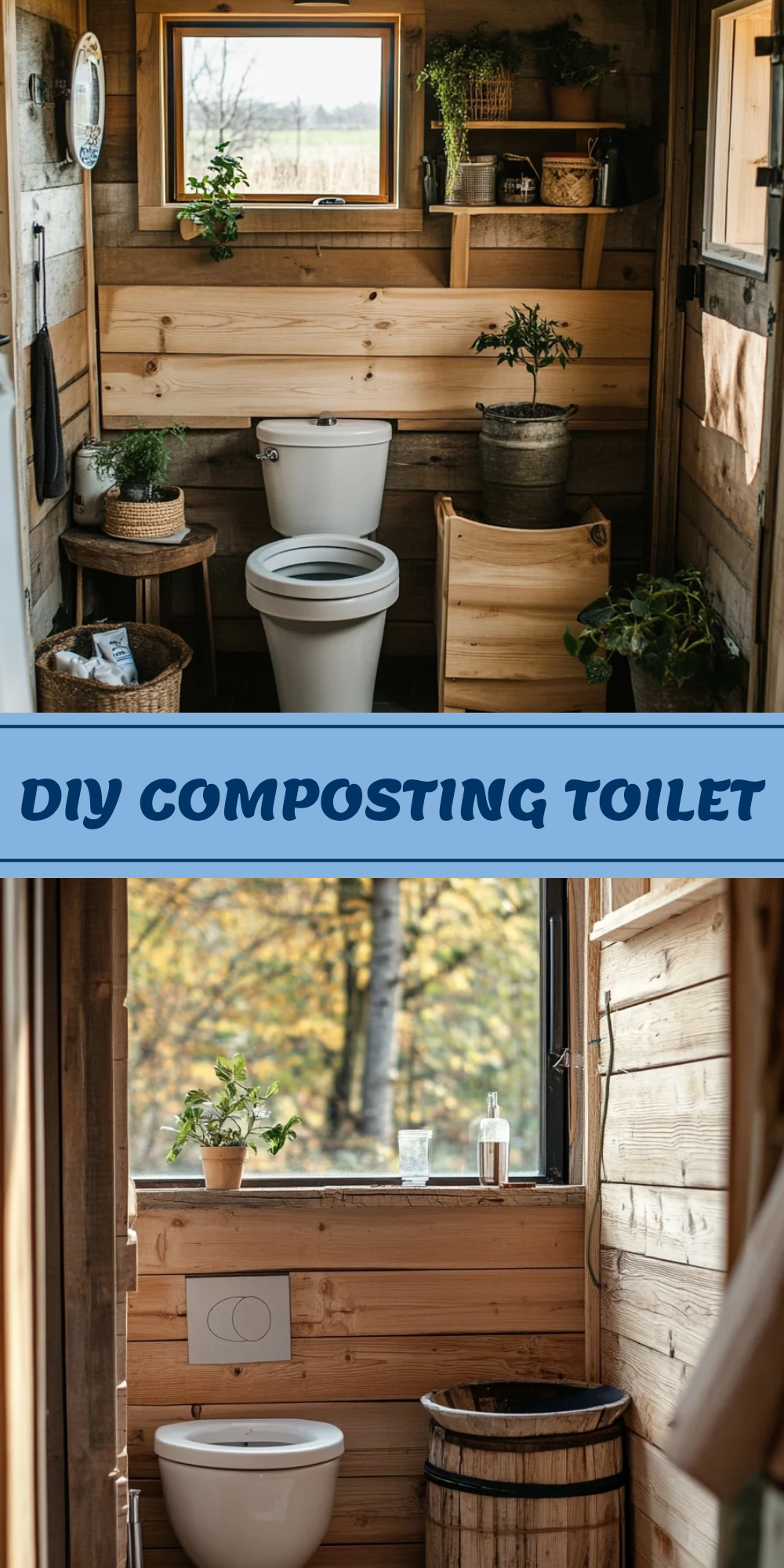
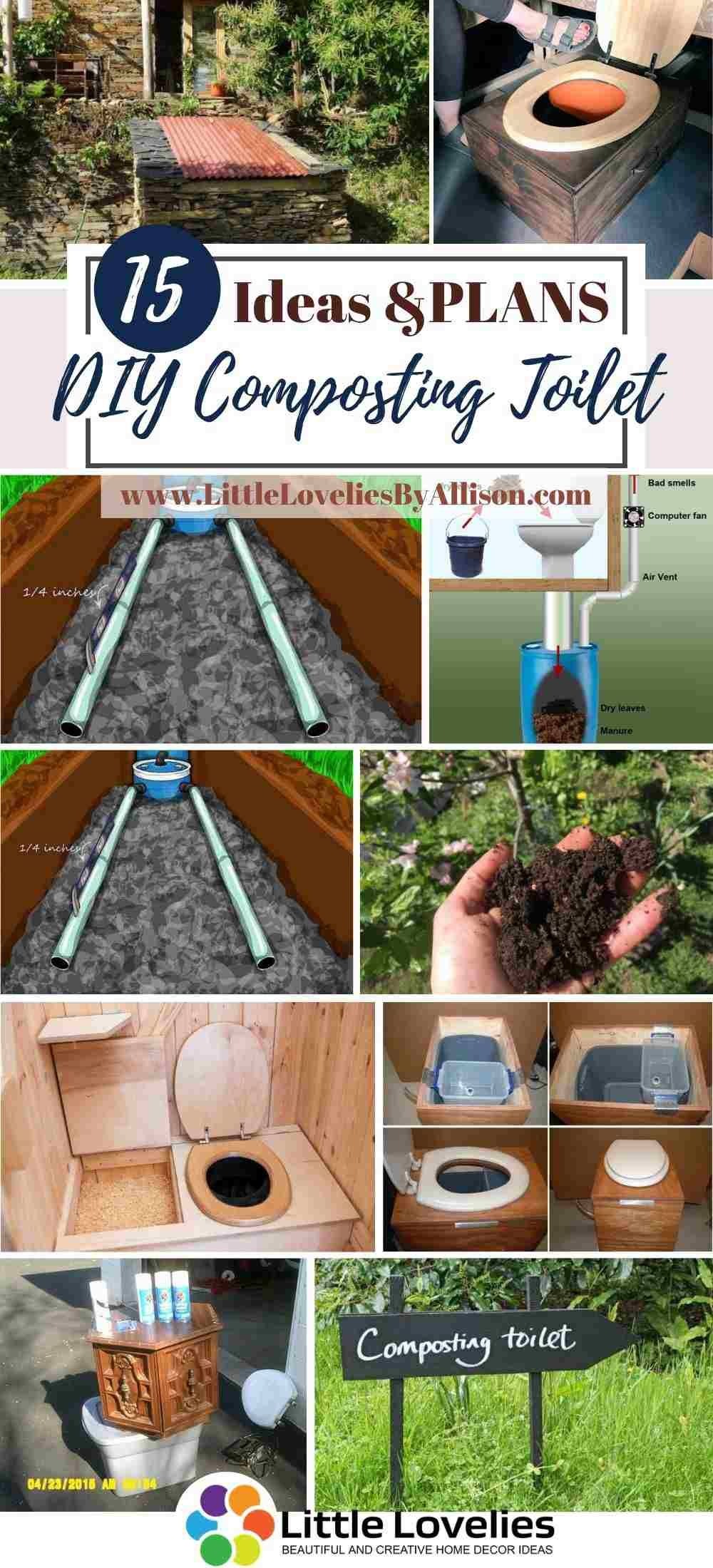
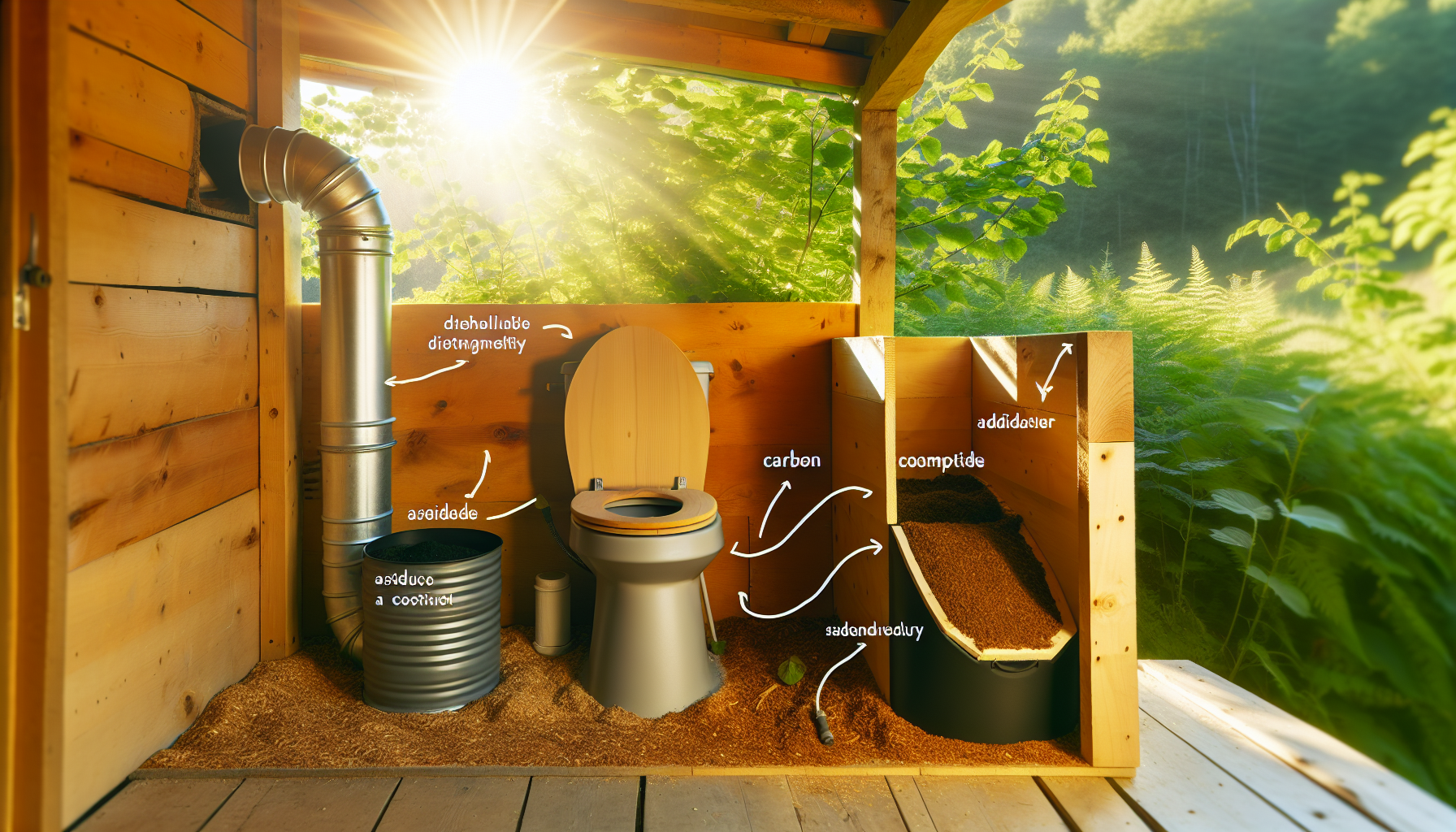
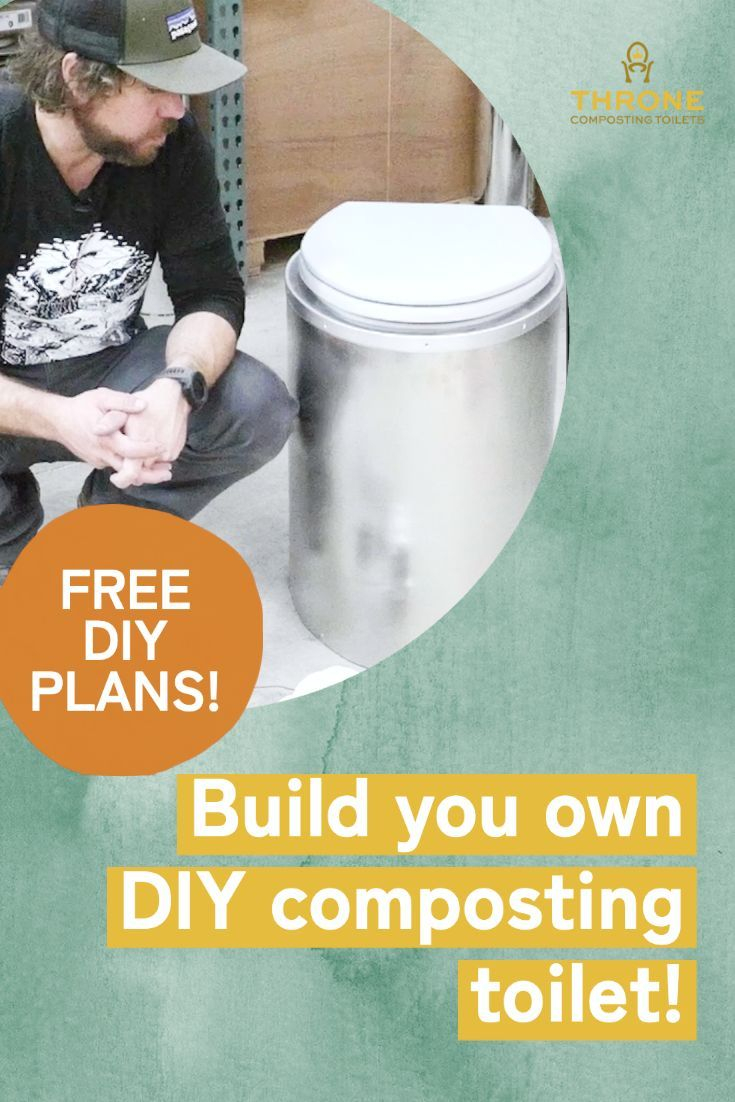
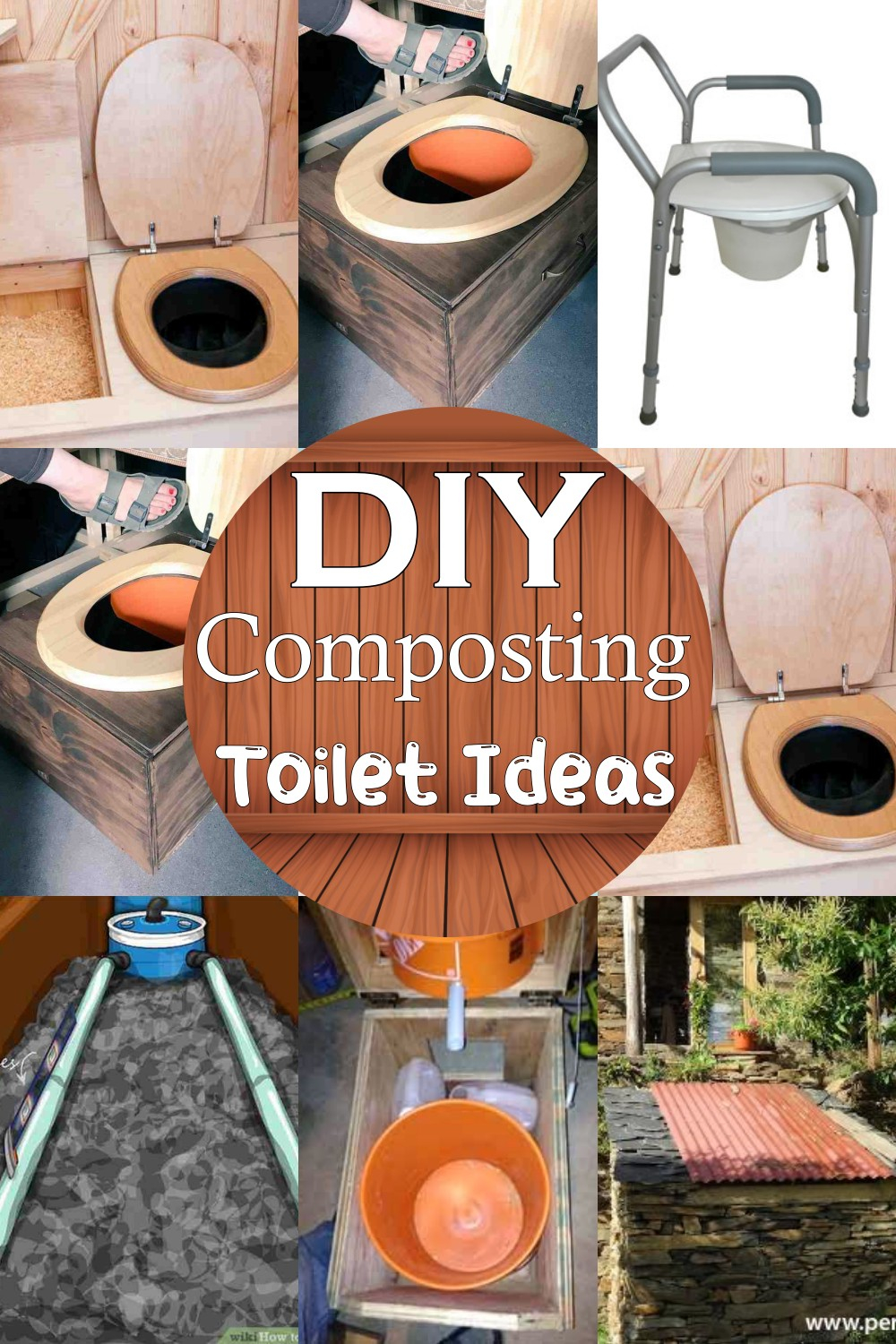
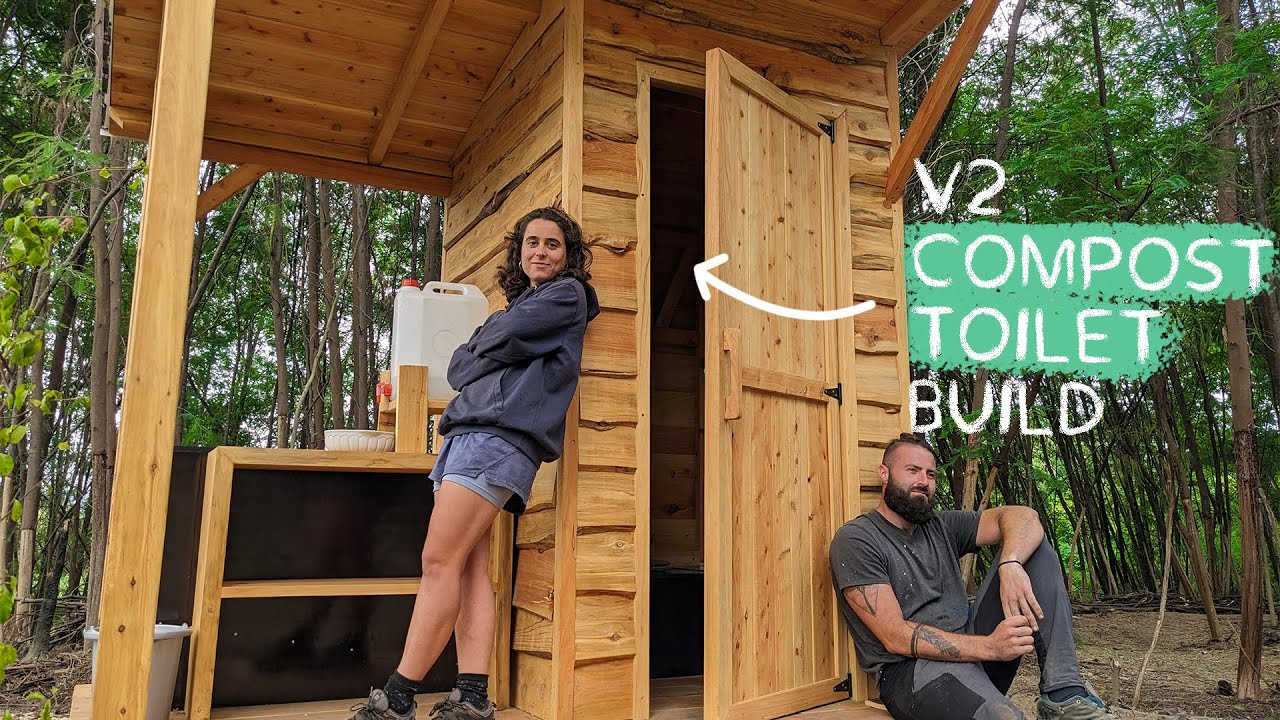
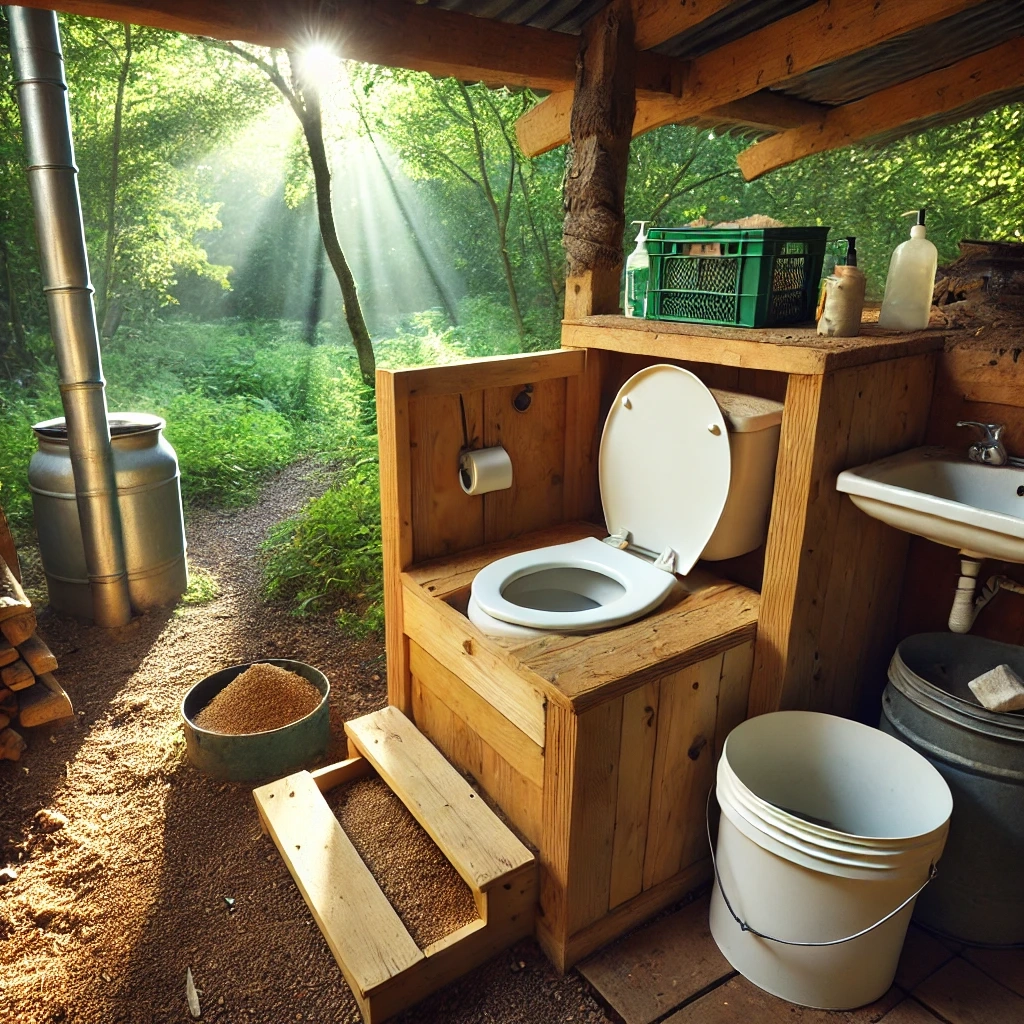
Beyond kitchen electrics, self-contained sanitation systems have revolutionized off-grid living and micro-housing. Self-contained composting toilets installed in tiny houses on wheels or remote cabins no longer resemble the rudimentary, foul-smelling outhouses of the past. Modern fixtures incorporate sophisticated urine-diverting technology to keep solids dry, high-velocity internal fans to eliminate humidity, and agitation mechanisms that aerate the compost pile with the turn of a crank. This precise separation of liquids and solids stops anaerobic breakdown in its tracks, proving that off-grid sanitation can match the comfort of traditional suburban plumbing without requiring a municipal sewer hookup or a massive black-water tank.
Data-Informed Sustainability and Urban Agriculture Integration
The integration of smart sensors into modern composting hardware has introduced a new paradigm of data-informed urban agriculture. Users no longer have to guess whether their organic waste is too acidic, too wet, or lacking in carbon. Connected systems utilize internal hygrometers, weight sensors, and microprocessors to monitor the degradation cycle in real time, synchronizing data to smartphone applications that suggest optimal balancing adjustments. This data transparency empowers apartment dwellers with zero yard space to understand the exact volume of carbon they are diverting from landfills and the precise nutrient profile of the soil amendments they are generating.
This closed-loop reality has breathed new life into balcony gardening and indoor hydroponics. The dry, nutrient-dense output of an electric composter is rarely raw, finished humus; rather, it is a concentrated pre-compost or soil amendment that integrates seamlessly with potting soil or acts as a slow-release fertilizer when cured properly. Urban gardeners mix these sterile, finely milled outputs into planter boxes, tomato pots, and windowsill containers, effectively feeding their next harvest with the scraps of their previous meals. The psychological satisfaction of this hyper-local loop bridges the cognitive disconnect between modern consumption and waste generation.
Furthermore, municipal waste management structures are feeling the downstream effects of this domestic revolution. As cities face escalating tipping fees and strict methane-reduction targets for landfills, decentralized urban composting acts as a pressure valve. When thousands of households process their food waste locally—whether through thermal dehydration units, balcony worm bins, or Bokashi fermentation systems—the weight and moisture content of municipal solid waste plummets. Cities are responding by offering rebates and incentives for residents purchasing certified self-contained units, recognizing that the most efficient waste processing facility is the one sitting directly on a kitchen counter.
Implementing Small-Space Composting Without Disrupting Your Daily Routine
Adopting a self-contained composting workflow in a compact living environment requires deliberate planning, strategic equipment placement, and an understanding of operational parameters. Whether you select an electric dehydrator, a sealed Bokashi system, or an odor-controlled worm bin for a small balcony, establishing a seamless daily rhythm prevents friction and ensures long-term success. The methodology must respect the physical constraints of your square footage while optimizing the biological or mechanical efficiency of the unit you choose.
- Step 1 (System Selection and Spatial Assessment): Evaluate your kitchen layout, power access, and daily food waste volume to choose between a rapid thermal electric composter, a fermenting Bokashi setup, or an outdoor-rated balcony bin. Ensure you have dedicated counter space near an electrical outlet or a well-ventilated corner.
- Step 2 (Source Separation Discipline): Set up a small, airtight temporary collection container on your counter or under the sink specifically for food scraps, ensuring household members understand what is permitted—such as vegetable trimmings and coffee grounds—versus what to exclude, like heavy grease, large bones, or plastic stickers.
- Step 3 (Cycle Management and Operation): Run your electric unit or layer your Bokashi bran according to the manufacturer’s fill thresholds. Avoid overloading thermal units past their designated capacity lines to prevent motor strain and incomplete dehydration cycles.
- Step 4 (Output Curing and Storage): Collect the finished output in a breathable container. If using a thermal dehydrator, remember that the resulting dry material is biologically active and requires a short curing phase mixed with native soil or potting mix before direct root contact to avoid nutrient shock to delicate plants.
- Step 5 (Maintenance and Filter Replacement): Inspect and replace activated carbon filters according to usage indicators—typically every three to six months—and periodically clean the interior grinding chamber with mild soap and warm water to prevent residue buildup and mechanical wear.
Navigating Common Pitfalls and Field-Tested Practitioner Workarounds
Even with advanced automation, small-space composting presents unique challenges that can frustrate newcomers if left unmanaged. Urban environments lack the buffering capacity of large yards, meaning minor operational errors can quickly manifest as localized odors, pest attraction, or equipment malfunctions. Understanding these common failure points and applying field-tested workarounds ensures your system runs smoothly and maintains domestic harmony.
- Pitfall 1 (Moisture Imbalance in Electric Units): Adding excessively wet items like watermelon rinds or citrus peels in bulk can overwhelm a thermal dehydrator, resulting in a sticky, gummy sludge rather than a dry powder. Workaround: Chop high-moisture scraps into smaller pieces and blot excess liquid with a paper towel or mix them with dry carbon sources like coffee filters and tea bags before loading the chamber.
- Pitfall 2 (Odor Leaks from Aging Carbon Filters): Neglecting scheduled filter changes leads to the saturation of activated carbon, allowing volatile organic odors to seep into the living space during operation. Workaround: Set a recurring calendar reminder based on your household’s cooking frequency to swap filters, and inspect the rubber gasket seals around the lid for micro-tears.
- Pitfall 3 (Pest Attraction Around Prep Stations): Leaving collection bins open on the counter while cooking invites fruit flies and gnats into the kitchen, even if the main composting unit is sealed. Workaround: Use a lidded, charcoal-filtered countertop pail for daily scrap collection and empty it into your primary composting unit every evening without fail.
- Pitfall 4 (Root Burn from Direct Application): Applying freshly dehydrated thermal output directly to potted houseplants under the assumption that it is finished compost can shock plant roots due to high localized nutrient concentration and temporary acidity. Workaround: Always cure thermal outputs in a 1:10 ratio with mature potting soil for at least two weeks before introducing it to houseplant root systems.
- Pitfall 5 (Mechanical Jams from Unsuitable Items): Forcing hard pits, large fruit stones, or fibrous corn husks into motorized countertop grinders can strain the internal transmission and trigger safety shutoffs or permanent motor damage. Workaround: Pre-cut fibrous materials or discard them entirely, adhering strictly to the manufacturer’s feedstock compatibility list.
The Broader Cultural and Economic Shifts of Decentralized Waste
The rapid adoption of self-contained composting units signifies a much deeper cultural re-evaluation of modern consumer habits. For generations, the prevailing infrastructure encouraged a linear, out-of-sight-out-of-mind approach to domestic waste: toss food scraps in the trash bag, tie it up, and let municipal trucks haul it away to a distant landfill. Bringing the decomposition process indoors forces a direct, daily confrontation with the sheer volume of organic matter a single household discards. This tactile feedback loop naturally alters purchasing behaviors, prompting residents to buy fresh produce more mindfully, utilize leftovers creatively, and reduce overall household waste at the source.
Economically, this shift decentralizes waste management responsibilities, transferring a portion of the processing load from municipal budgets to individual households. While high-end electric composters and advanced sanitation systems require an upfront capital investment, urban dwellers increasingly view them as essential kitchen appliances on par with dishwashers or blenders. The return on investment is realized not only in reduced garbage bag purchases and lower municipal waste fees, but also in the elimination of store-bought fertilizers and potting soil amendments for urban gardeners.
As material science and manufacturing efficiencies continue to improve, the accessibility of these systems is expanding beyond luxury market segments. Innovations in biodegradable internal components, more efficient brushless motors, and solar-compatible off-grid electronics are driving down production costs. This democratization ensures that sustainable organic management is no longer an exclusive perk of spacious suburban homesteads, but a standard utility available to anyone navigating the physical realities of high-density urban living.
Strategic Frameworks for Maximizing Small-Space Sustainability
To synthesize these insights into an actionable lifestyle framework, urban residents and small-space dwellers must approach sustainability as an integrated system rather than a collection of isolated chores. Success depends on aligning your equipment choice with your living situation, your daily cooking habits, and your ultimate goals for the output. Whether you manage a high-rise studio or an off-grid tiny cabin, following a structured methodology ensures that your composting efforts remain low-effort, high-reward, and entirely odorless.
- Framework Pillar 1 (Match Scale to Output): Audit your household’s daily vegetable and fruit consumption before purchasing hardware; select a capacity that handles your average two-day generation rather than your peak holiday cooking output to maintain optimal operating efficiency.
- Framework Pillar 2 (Embrace Hybrid Methodologies): Do not feel constrained to a single technology. Many urban practitioners pair an electric thermal dehydrator for wet kitchen scraps with a small Bokashi bin for fibrous materials, creating a balanced output profile.
- Framework Pillar 3 (Integrate Waste Reduction into Meal Prep): Treat scrap management as part of the cooking process itself. Chop, separate, and load scraps as you cook rather than letting waste accumulate on cutting boards or open counters.
- Framework Pillar 4 (Establish a Closed-Loop Utilization Plan): Identify your end-use destination before you start generating amendments. Whether feeding balcony planters, donating output to community garden drop-offs, or sharing with neighborly houseplant enthusiasts, having a clear outlet prevents accumulation backlogs.
The humble kitchen counter has quietly transformed into the frontline of the modern sustainability movement. By stripping away the biological volatility, unpleasant odors, and spatial demands that kept previous generations of urbanites from managing their own organic waste, self-contained composting units have rewritten the rules of small-space living. They prove that ecological consciousness does not require sprawling acreage or rustic inconvenience; it can exist seamlessly beside espresso machines and induction cooktops in the heart of the concrete jungle.
Looking forward, the integration of smart technology, advanced material science, and thoughtful industrial design will only accelerate this domestic revolution. As cities densify and off-grid living gains momentum, the ability to process our own waste locally and cleanly will shift from an alternative lifestyle choice to a fundamental expectation of modern home design. The scraps of today are no longer destined for a distant landfill; they are the literal foundation of tomorrow’s urban harvest, neatly packaged in an appliance that fits quietly in the corner of a room.