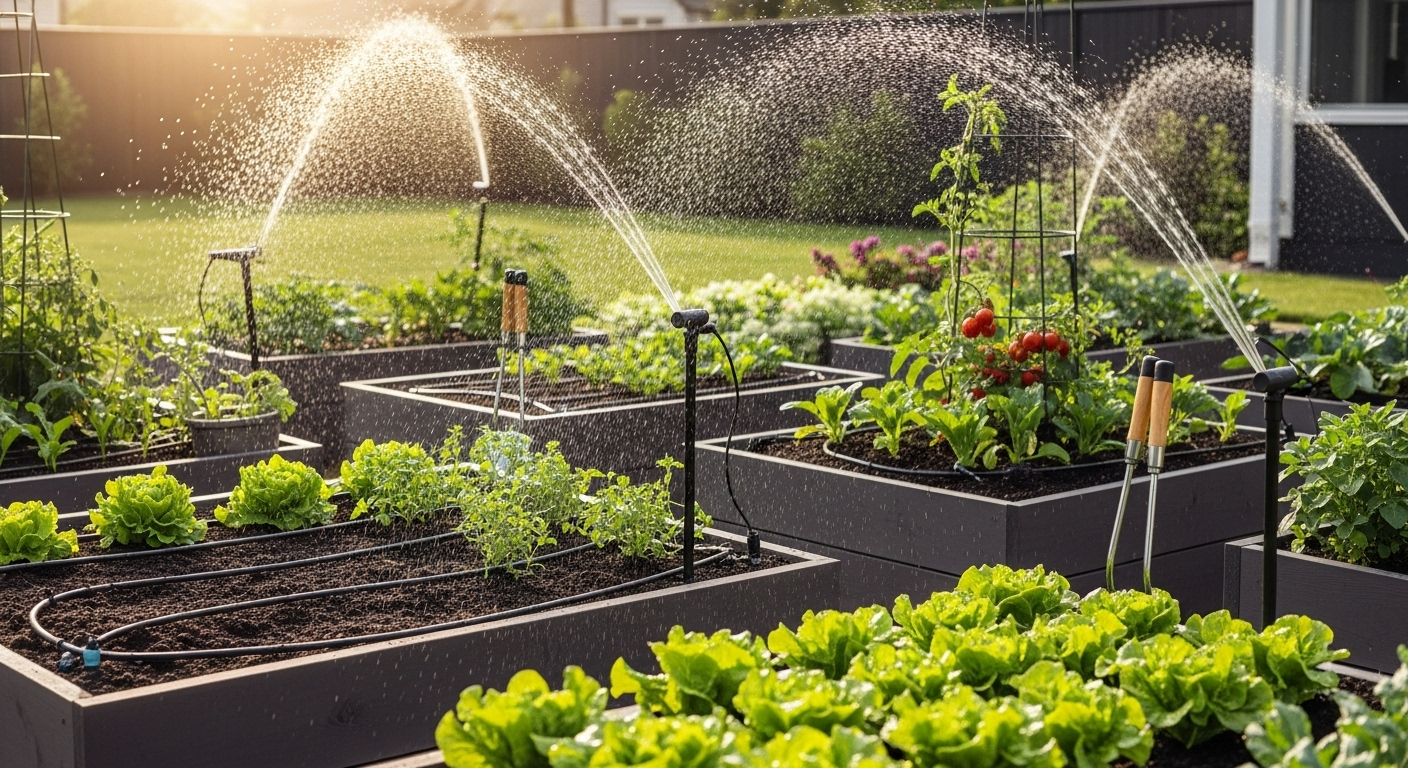
Imagine stepping into a house that doesn’t rely on the city grid to keep the taps flowing or the toilets flushing. It sounds like something out of a sci-fi flick, right. But heading into 2026, self-sustaining homes are no longer just an experimental dream for eccentric folks. They are becoming a practical reality for everyday families looking to shrink their environmental footprint and secure their peace of mind.
When you stop viewing a house as just a box to sit in, and start seeing it as a living, breathing ecosystem, everything changes. The old way of living is a one-way street: we pump precious water in from miles away, use it once, and then flush it out as pollution. A circular home flips that script completely. By closing the loops on our daily consumption, we can turn waste into resources and rainfall into our primary water supply.
Catching the Sky: The Magic of Rainwater Harvesting
Every single time a storm rolls through, gallons of pristine water hit your roof and vanish down the gutter. Why let that go to waste? In a self-sufficient setup, your roof is basically the starting point of your entire water supply. Smooth, non-toxic roofing materials like metal chanell the rain into gutters equipped with leaf guards, which stop the big debris before it even gets close to your storage tanks.
Once the water leaves the roof, it passes through a clever little device called a first-flush diverter. This handy tool isolates the very first few gallons of rain—the stuff that washes away dust and bird droppings—and dumps it out. The clean water that follows gets directed into big storage cisterns, which can be buried underground to stay cool or placed neatly beside the house.
Turning Rain into Pure Drinking Water
You might be wondering if it is actually safe to drink water that fell from the sky. The short answer is yes, absolutely, provided you have the right setup. Modern filtration systems have gotten incredibly efficient and easy to maintain without requiring harsh chemicals.
Typically, the water goes through a series of sediment filters to catch tiny particles of dirt. After that, it passes through a carbon filter to remove any weird tastes or odors. Finally, an ultraviolet (UV) light sterilizer zaps any remaining bacteria or viruses, making the water completely safe for drinking, cooking, and showering. It is often much cleaner than what comes out of a standard city pipe.
The Secret Life of Greywater Recycling
Did you know that nearly 30% of the water we use at home is wasted on flushing toilets or watering lawns? That is a lot of perfectly good liquid down the drain. This is where greywater recycling comes into play. Greywater is the relatively clean wastewater from your washing machines, bathroom sinks, and showers.
Instead of sending this water straight to the sewer, a circular home reroutes it. With a basic filtration and pumping setup, you can use that shower water to flush your toilets or irrigate your backyard fruit trees. It reduces your overall water demand instantly, giving that captured rainwater a whole second life before it ever leaves your property.
Natural Filtration and the Power of Plants
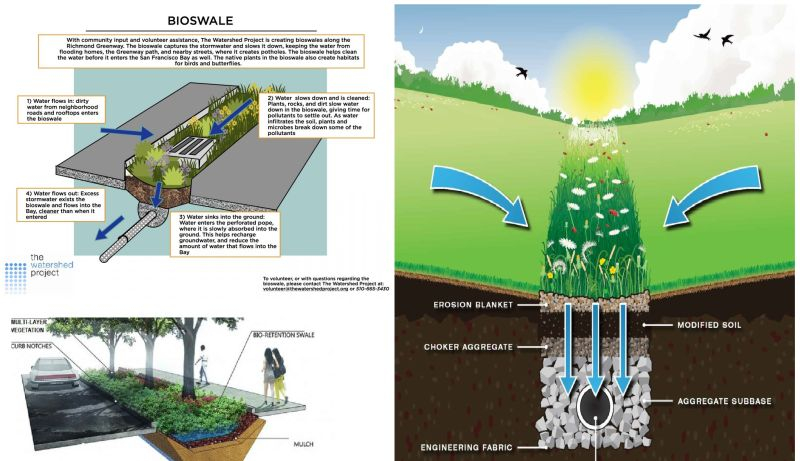
Nature has been cleaning water for millions of years, so why not use that design inside our homes? Some of the coolest modern eco-homes utilize indoor and outdoor plant wetlands to purify water. Earthship designs, for example, pump greywater into indoor planter beds where beautiful tropical plants feed on the nutrients in the water.
As the water trickles through the soil and plant roots, the microbes in the dirt naturally break down soap residues and organic bits. By the time the water filters through to the other side of the planter, it is clear and ready to be pumped to the toilets. It looks like a beautiful indoor garden, but it is actually a hard-working utility system.
Rethinking the Toilet with On-Site Waste Management
Let’s talk about the topic most people try to avoid: human waste. Standard septic systems work, but they can pollute groundwater if they leak. A truly green home looks at options like composting toilets or advanced on-site micro-treatment plants that treat waste safely without wasting gallons of drinking water.
High-tech composting systems keep liquids and solids separate, which completely eliminates the smell that people worry about. Over time, the solids break down into safe, nutrient-rich soil conditioner that can be used on decorative gardens. If you prefer a traditional flush, modern micro-septic systems use natural aerobic bacteria to treat blackwater on-site so cleanly that the output can be safely absorbed by the earth.
Closing the Loop with Kitchen Waste and Biogas
The waste management story doesn’t end in the bathroom. Food scraps and kitchen waste make up a huge chunk of what we throw away. In an eco-friendly household, these scraps never see a plastic trash bag. Instead, they go into a backyard compost bin or, even better, a small home biogas digester.
A biogas digester is basically an airtight container where kitchen scraps cook down naturally. As they decompose, they create methane gas. Instead of that gas escaping into the air as a pollutant, you trap it and pipe it right back into your kitchen stove. You are essentially cooking your dinner using the energy from yesterday’s leftovers.
Building a home that manages its own water and waste isn’t just about saving money on utility bills, though that is a pretty great perk. It is about resilience and changing our relationship with the planet. It forces us to notice how much we consume and teaches us to appreciate the natural cycles of rain and decomposition.
While retrofitting an old house to do all of this at once can feel overwhelming, you don’t have to do it overnight. You can start small by adding a rain barrel or putting in a greywater line for your garden. Every little loop we close brings us one step closer to living in harmony with the world around us.