Think about the last time you took a long, hot shower. You probably weren’t thinking about your utility bill, but that comforting steam actually carries a pretty heavy price tag. In most homes, heating water is the second-largest energy expense, right behind keeping the lights on and the air running. It is a silent budget killer that we just accept as a normal part of life.
But things are shifting quickly in 2026. A lot of families are tired of watching their hard-earned money go down the drain. They are looking up at their roofs and realizing there is a completely free energy source staring right back at them. Switching to the sun isn’t just for eco-warriors anymore; it has become a smart financial move.
The Shocking Bill Behind Your Daily Hot Shower
Have you ever actually looked at how much it costs to keep your water piping hot all day long. Traditional electric and gas tanks are constantly working in the background, reheating the same water over and over again even when you are asleep or at work. This continuous cycle gulps down energy like crazy, making up a massive chunk of your monthly electrical bill.
When you add up those monthly costs over a few years, the numbers become downright startling. A typical family can easily spend hundreds of dollars every single year just to fuel their standard water heater. It’s a continuous financial leak that most of us don’t even notice because it’s bundled into our regular utility statements.
The True Cost of Installing a Solar System
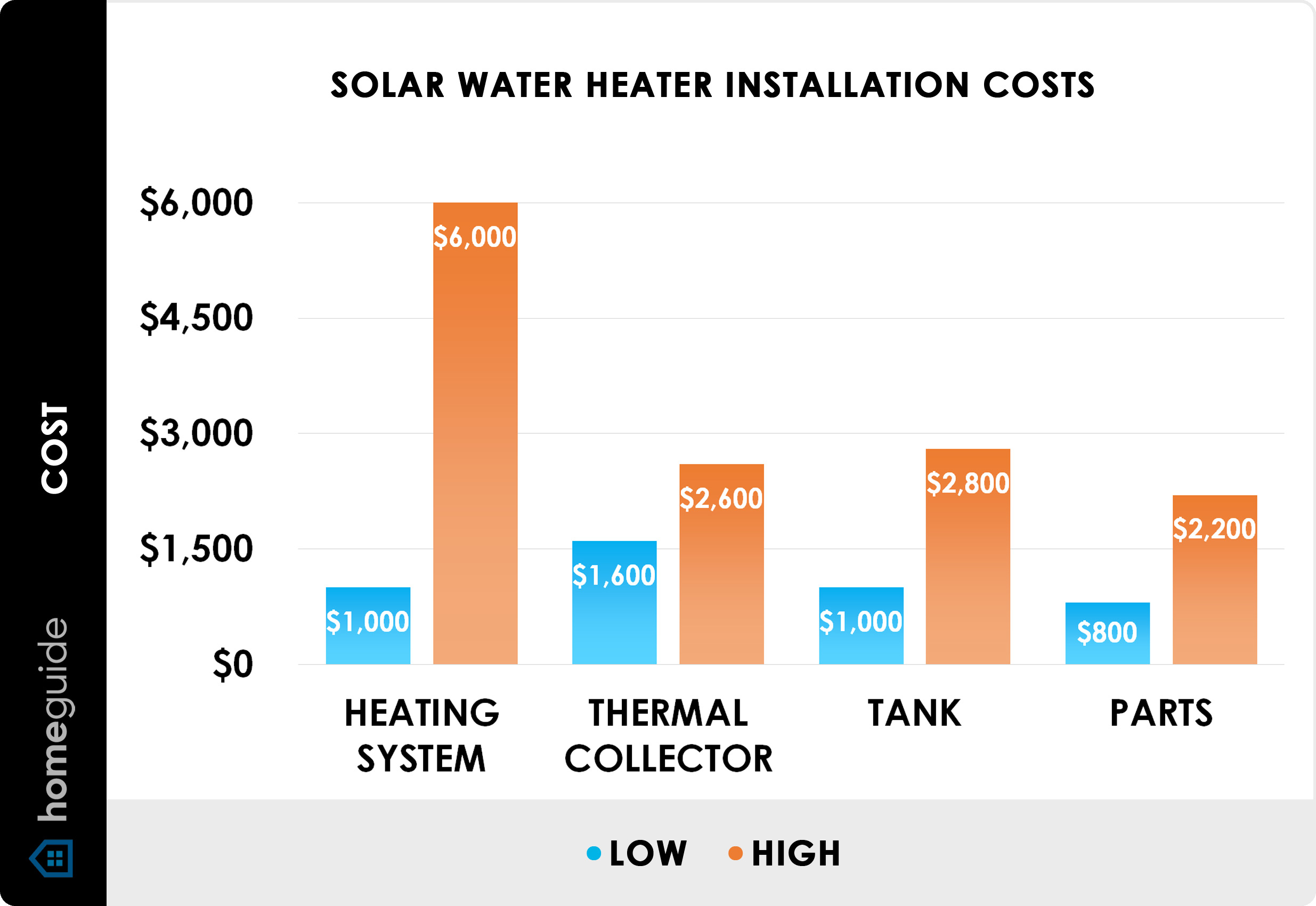
Let’s be completely honest: putting in a solar water heater is not cheap upfront. On average, a standard residential setup can run anywhere from $3,000 to $9,000 to purchase and install. For many families, seeing that initial price tag can cause a bit of sticker shock, especially when a regular old electric tank costs a fraction of that amount.
But here is where the story gets interesting. In 2026, federal tax credits and local utility rebates are slicing those prices down by 26% to 50%. That means your actual out-of-pocket expenses could drop significantly, landing somewhere between $1,500 and $6,600. Suddenly, that big scary investment looks a whole lot more manageable.
Crunching the Numbers on Long-Term Savings
So, what do you actually get for making that switch. For starters, a solar water heater can instantly slash your water heating bills by 50% to 80%. Imagine cutting one of your biggest utility expenses nearly in half overnight. That is real money staying right in your pocket every single month.
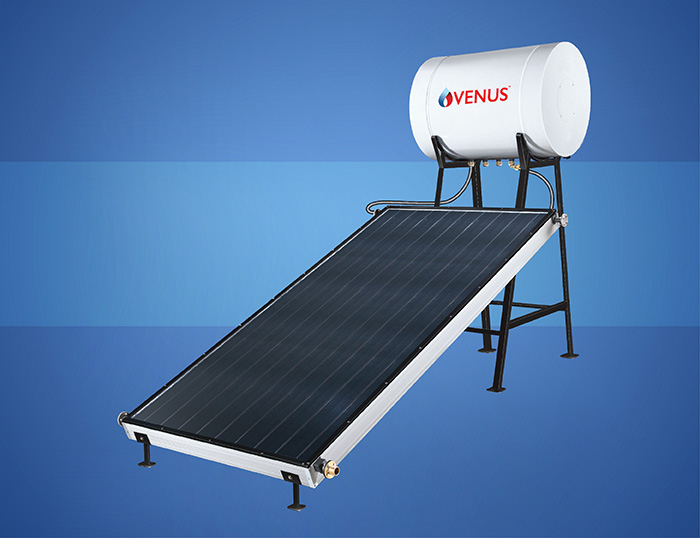
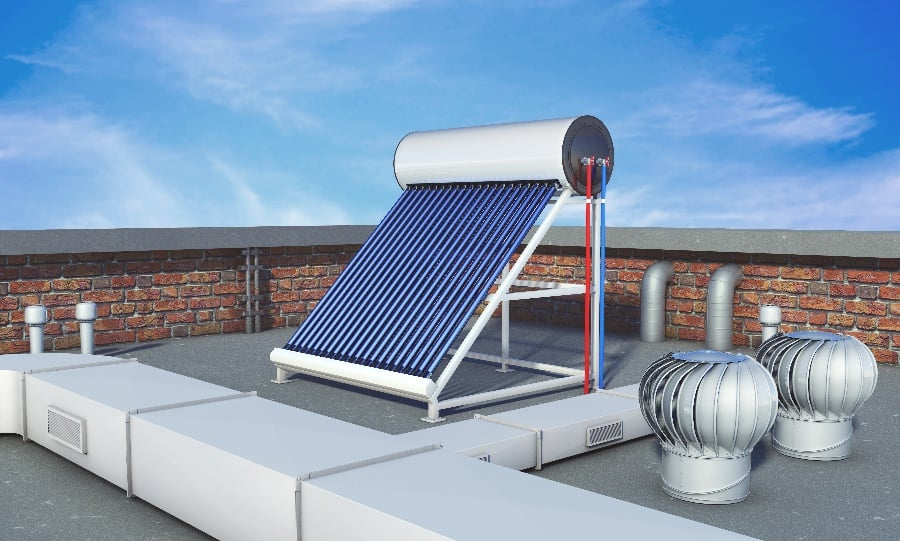
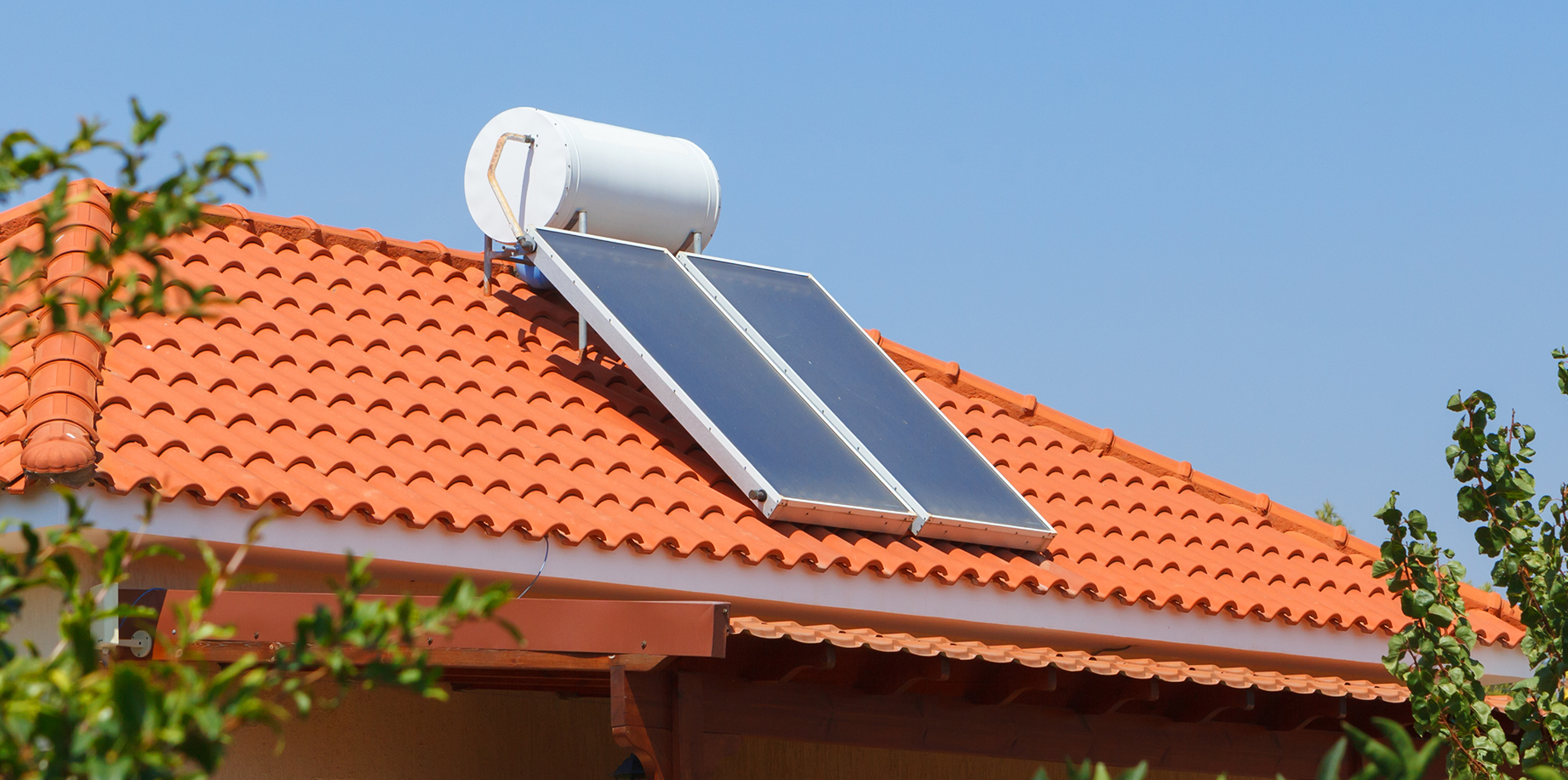
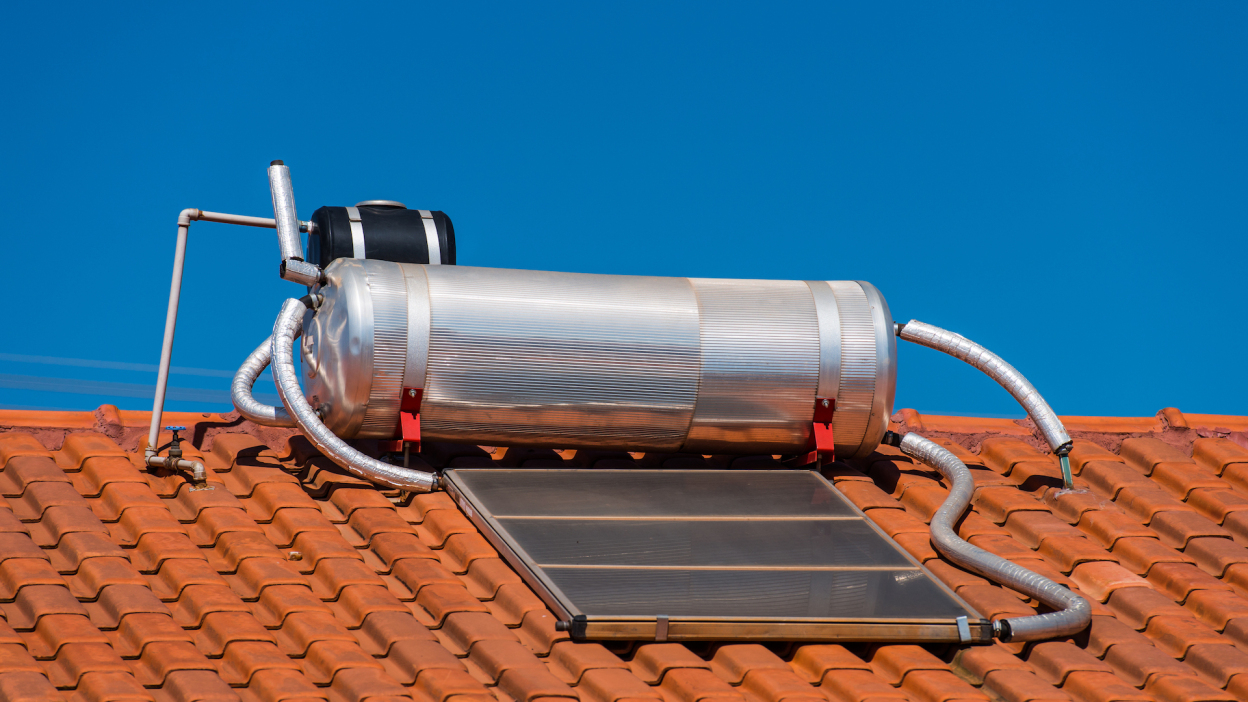
[Image of solar water heater system diagram]
Because of these massive monthly savings, most systems completely pay for themselves within 5 to 10 years. After you hit that payback sweet spot, the hot water you use is essentially free. Since these units are built to last for 25 years or more, you are looking at over a decade of pure profit on your investment.
Weather, Geography, and How Much Sun You Need
Now, you might be wondering if this even works if you don’t live in a place like sunny California or Florida. It’s a fair question. While it’s true that geographic location and your local solar resource play a big role in how well the system performs, modern technology has gotten incredibly efficient.
Even on cloudy days, advanced solar collectors can still trap diffused heat from the sky. Most systems also come with a conventional backup heater built right in, so you never have to worry about shivering through a freezing shower after a big storm. Your savings might vary depending on the local climate, but the financial benefits are still very real for most regions.
Active vs Passive: Choosing Your Setup
When you start looking at options, you’ll find out there are two main types of systems: active and passive. Active systems use pumps and controls to circulate water or a special heat-transfer fluid through the collectors. They cost a bit more to install but they are highly efficient and great for colder climates where freezing is a constant danger.
Passive systems, on the other hand, rely entirely on gravity and natural heat circulation. They don’t have any moving parts, which means they are incredibly reliable and require almost zero maintenance over their lifespan. They are usually cheaper upfront, making them a fantastic option for warmer areas where heavy freezes aren’t an issue.
Deciding to make the jump to solar hot water depends heavily on your unique situation. If you have a big family that goes through multiple loads of laundry and endless showers every day, your potential savings are going to be massive. The more hot water you use, the faster a solar system pays for itself.
It’s also worth checking out your local financing options and what kind of conventional fuel costs you are currently dealing with. If electricity prices in your area are skyrocketing, the argument for switching becomes even stronger. It is all about looking at your home’s current energy footprint and deciding if you want to keep renting your energy or start owning it.
Investing in a solar water heater is one of those rare decisions where doing the right thing for the planet lines up perfectly with doing the right thing for your wallet. It takes some planning and a bit of upfront cash, but the long-term payoff is incredibly hard to ignore.
As utility prices continue to fluctuate wildly, taking control of your own home energy is a beautiful thing. If you are tired of paying too much for comfort, it might just be time to let the sun do the heavy lifting for a change.