Rainwater does not merely fall upon a modern city; it strikes asphalt, bounces off glass towers, and races down concrete gutters carrying heavy loads of zinc, motor oil, and particulate rubber from tire wear. For decades, municipal civil engineers treated this fluid cascade as an existential threat to be whisked away as fast as gravity and concrete could manage. Storm sewers were designed like subterranean panic rooms, burying the problem beneath miles of subterranean piping and dumping untreated runoff straight into local creeks. The result was predictable: "flashy" urban streams that rise like sudden tsunamis during storms and run bone-dry during droughts, scouring away macroinvertebrates and leaving behind sterile channels of grey infrastructure.
Yet, a quiet revolution is playing out across progressive metropolitan landscapes. Landscape architects, urban hydrologists, and conservation biologists are rewriting the playbook, turning the sheer kinetic and volumetric energy of urban runoff against itself. Instead of fighting water with hard engineering, they are deploying nature-based solutions—bioretention cells, vegetated swales, and multi-tiered stormwater basins—that slow down, filter, and hold rainwater right where it falls. What began purely as flood mitigation has inadvertently triggered a biological boom. These engineered drainage systems are evolving into opportunistic wildlife corridors, offering isolated urban species the critical aquatic refuges, feeding grounds, and breeding sites they desperately need to survive in concrete jungles.
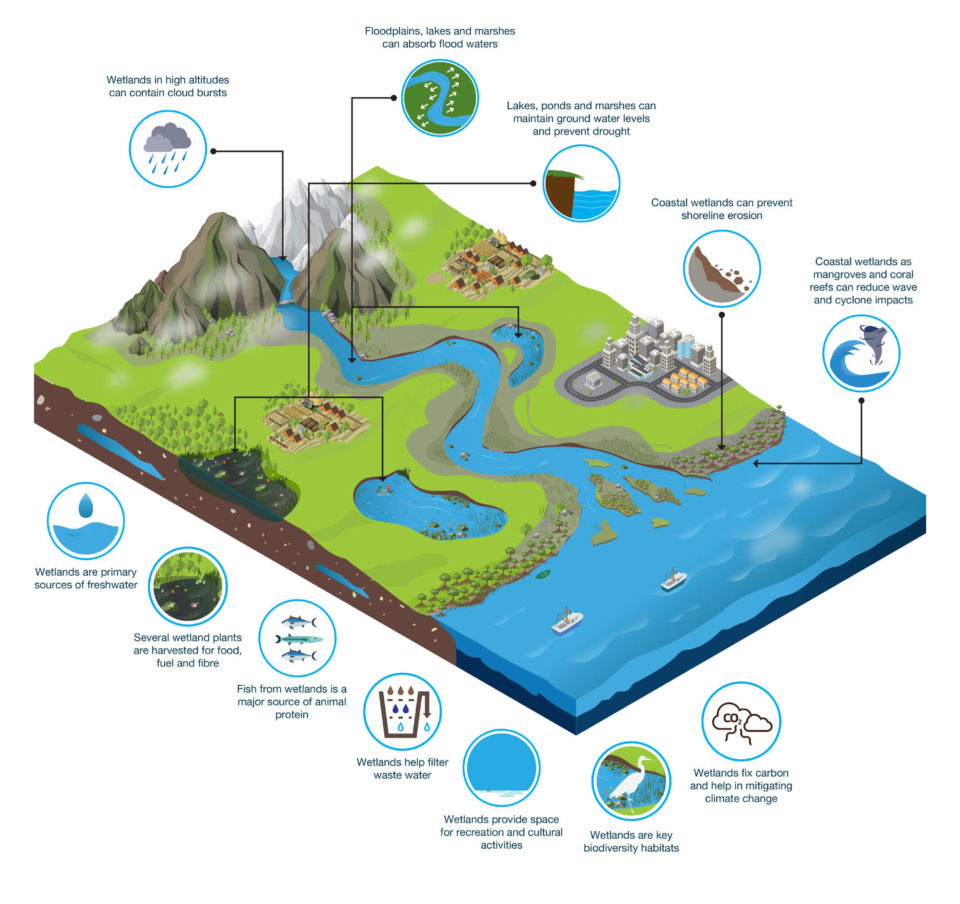
Unlocking the hidden potential of stormwater systems requires peering beneath the surface of traditional civil design to understand the intersection of hydrology, soil chemistry, and animal ecology. When a municipality constructs a standard dry detention basin, it often creates a biological desert—a turf-grass bowl that floods violently and bakes dry under the summer sun. But when that same basin is retrograded with a complex gradient of deep pools, emergent wetland benches, and native plant communities, it transforms into an ecological powerhouse. Amphibians find breeding sites free of predatory fish, migratory waterfowl discover crucial rest stops along fragmented flyways, and native pollinators utilize the surrounding upland buffers. The challenge for modern cities is no longer just managing stormwater volume; it is designing infrastructure that performs double duty as a functional ecosystem.
Deconstructing the Hydrological Engine Behind Urban Bioretention
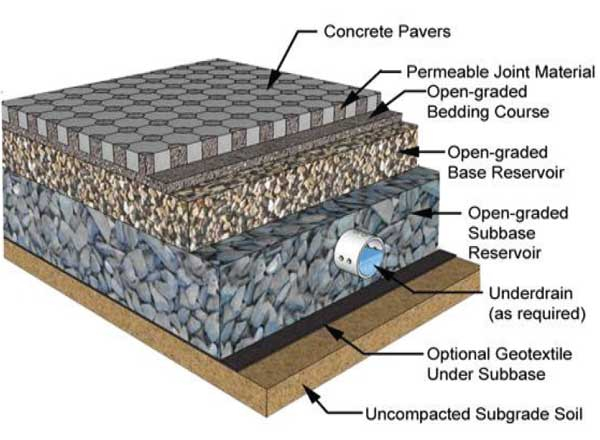
At the heart of any nature-based stormwater strategy lies the fundamental mechanics of infiltration, evapotranspiration, and biological filtration. Traditional stormwater management relies on impermeable surfaces that concentrate runoff velocity, carrying maximum contaminant loads directly into urban waterways. Conversely, bioretention systems—ranging from neighborhood rain gardens to large-scale urban wetlands—utilize specially engineered soil media to replicate natural forest floor hydrology. This media typically consists of a precise aggregate ratio: roughly 85 to 88 percent sand, combined with 8 to 12 percent fines, and 3 to 5 percent organic matter. This specific blend allows water to percolate rapidly enough to prevent standing mosquito vectors while retaining enough moisture and microbial life to break down dissolved pollutants.
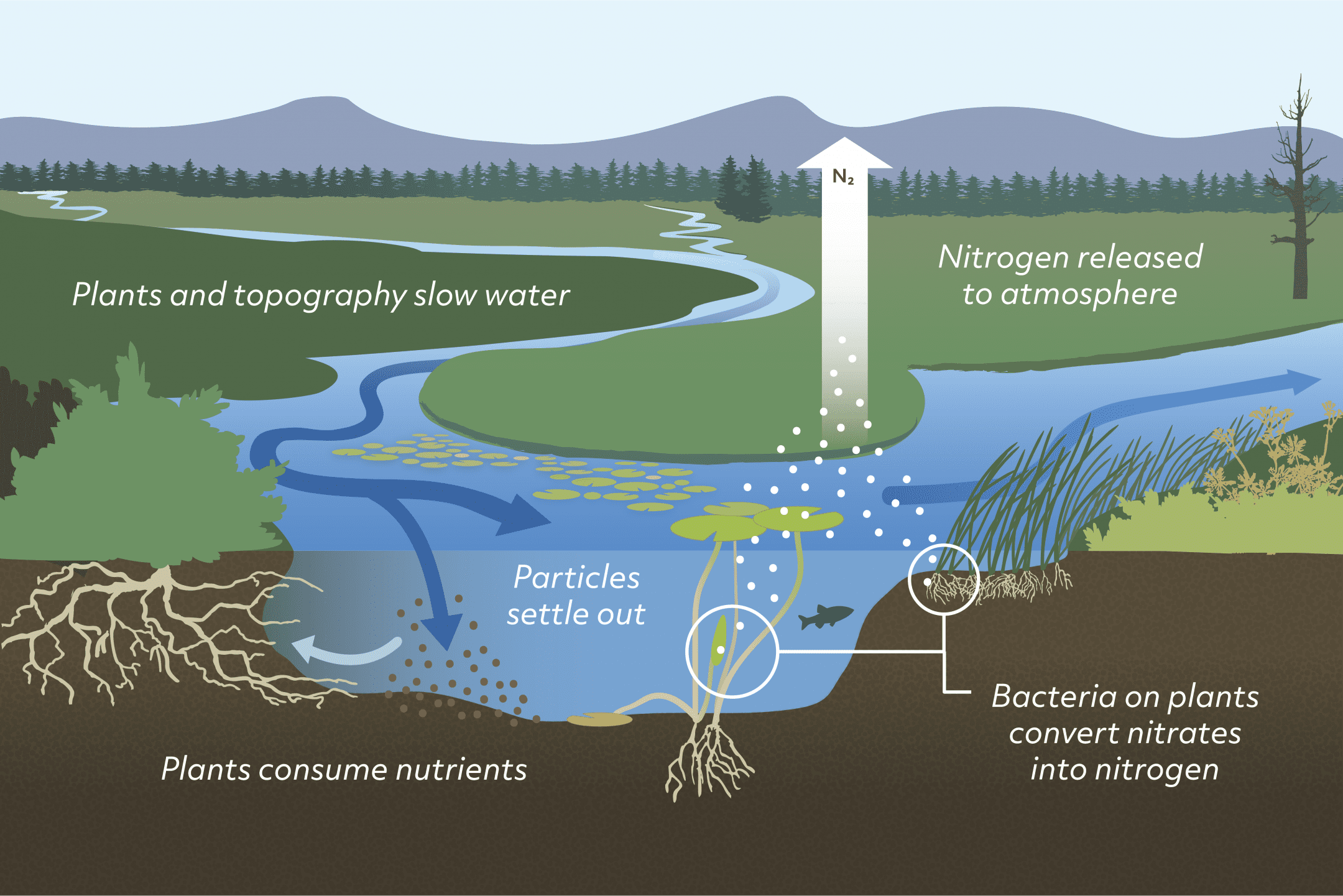
The biological wizardry occurs within the root zones of the vegetation planted in these systems. Plants such as switchgrass (Panicum virgatum), sedges (Carex spp.), and blue flag iris (Iris versicolor) do not just sit passively in the dirt; they pump oxygen down into the rhizosphere, fueling aerobic bacteria that degrade hydrocarbons and denitrify nitrates. Simultaneously, the physical structure of dense root networks stabilizes the soil matrix, preventing the erosion that chokes downstream aquatic habitats. When researchers monitor watersheds equipped with robust green street networks, they consistently find a dampening of peak flow rates and a stabilization of baseflows. This means that even weeks after a heavy downpour, clean water continues to seep slowly into local streams, preventing the devastating summer droughts that historically decimated urban fish populations.
Beyond water quality metrics, these engineered soils and plantings alter the microclimate of the immediate urban environment. Evapotranspiration from lush swales and bioretention cells cools ambient air temperatures, mitigating the urban heat island effect while capturing airborne particulate matter. For wildlife, this means the habitat is thermally buffered. Amphibians and reptiles sensitive to temperature extremes find cool, moist microhabitats tucked beneath perennial root masses and decomposing leaf litter. The engineering challenge is balancing these biological needs with strict hydraulic requirements; a bioretention cell must be able to drain completely within 24 to 48 hours to satisfy flood control mandates while still maintaining enough continuous moisture to support a permanent aquatic or semi-aquatic food web.
The Ecological Dynamics of Novel Urban Wetlands and Detention Ponds
Stormwater management ponds were never originally intended to be nature preserves. Built primarily to capture sediment and attenuate peak flood volumes during high-intensity storms, these artificial basins are textbook examples of novel ecosystems—human-made environments that have been colonized by wild species and now function independently of direct human cultivation. Studies tracking these ponds reveal a fascinating ecological reality: despite fluctuating water levels and potential pollutant spikes, stormwater ponds act as crucial stepping-stone habitats in landscapes heavily fragmented by asphalt and real estate development.
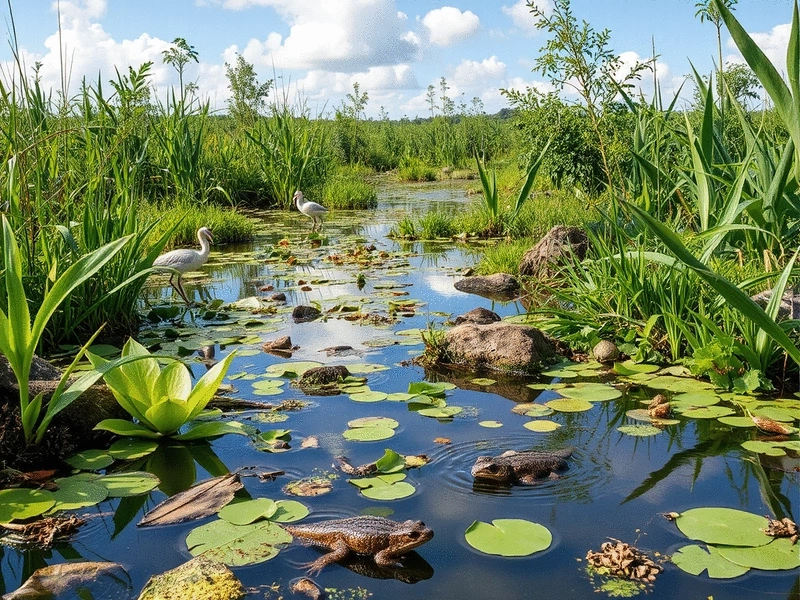
The value of these water bodies for biodiversity depends almost entirely on their structural zoning. Ponds featuring uniform, steep concrete or turf-grass slopes support very little life beyond a few opportunistic algae species and Canada geese. However, ponds designed with expansive semi-aquatic zones—characterized by gradual 4:1 or 6:1 slopes, shallow water benches, and structural complexity—become magnets for wildlife. These shallow shelves allow emergent macrophytes like cattails, bulrushes, and arrowhead to establish dense stands. These plant communities provide the physical architecture required for insect oviposition, amphibian egg attachment, and bird nesting. Dragonflies, damselflies, and a diverse array of aquatic beetles quickly colonize these zones, forming the foundation of a robust food web that scales upward to amphibians, reptiles, and migratory birds.
Furthermore, these ponds play a vital, underappreciated role in countering habitat fragmentation. Birds migrating along major flyways and amphibians dispersing through urban matrixes treat these scattered stormwater basins as a network of safe harbors. Research conducted in temperate urban zones demonstrates that species such as the smooth newt and the common toad frequently utilize small stormwater ponds for reproduction, completing their larval cycles despite the surrounding urban density. The key lies in maintaining ecological connectivity—ensuring that the overland paths between these ponds are lined with continuous green corridors rather than impermeable parking lots and six-lane highways, allowing juvenile animals to disperse safely into new territories.
Step-by-Step Methodology for Retrofitting Stormwater Basins into Wildlife Sanctuaries
Transforming a sterile, turf-grass stormwater detention basin into a thriving biological ecosystem requires a disciplined, multi-phase engineering and ecological approach. Facility managers and municipal planners must coordinate hydraulic performance with habitat creation to ensure flood protection standards are never compromised.
- Step 1 (Comprehensive Hydrological Audit): Begin by analyzing the basin’s historical inundation patterns, peak discharge rates, and sediment load capacity. Monitor how quickly water enters and drains during standard rain events, identifying areas prone to severe erosion or stagnant pooling that could become mosquito breeding grounds.
- Step 2 (Topographical Grading and Micro-Topography Creation): Reshape the basin floor to introduce structural diversity. Excavate a deeper permanent micro-pool at the outlet structure to retain water during dry spells for aquatic life, and grade wide, shallow shelves (ranging from 6 inches to 1 foot deep) around the perimeter to support emergent wetland vegetation.
- Step 3 (Soil Amendments and Organic Layering): Test the existing substrate for heavy metals, compaction, and nutrient imbalances. Amend compacted subsoils with compost and native topsoil mixes designed to support specialized wetland and riparian plant communities without leaching excess phosphorus into the water column.
- Step 4 (Strategic Native Planting and Zonation): Install native vegetation using a zoned approach based on moisture tolerance. Place deep-rooted emergent species (Typha latifolia, Scirpus spp.) in the lowest, wetest zones; install moisture-loving shrubs (Cornus sericea, Alnus incana) on the intermediate slopes; and establish drought-tolerant native grasses and wildflowers on the upland dry buffers.
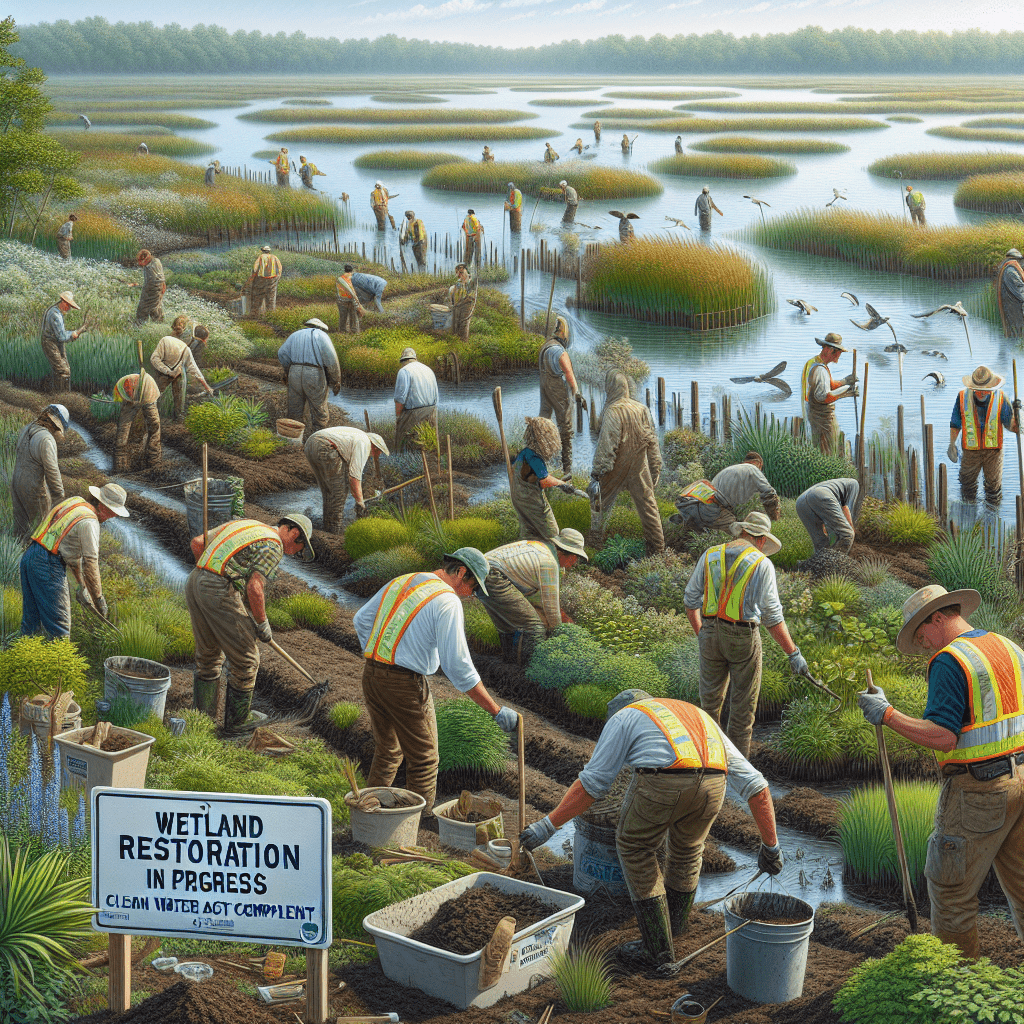
- Step 5 (Adaptive Management and Long-Term Maintenance): Establish an ongoing monitoring protocol to track water quality, check for invasive plant species like reed canary grass (Phalaris arundinacea) or purple loosestrife (Lythrum salicaria), and clear debris from outlet structures to maintain proper hydraulic function without disrupting nesting wildlife.
Navigating Common Pitfalls and Field-Tested Workarounds in Ecological Stormwater Design
Attempting to merge civil engineering with wildlife conservation is fraught with operational challenges. One of the most common pitfalls involves the unintended attraction of nuisance species. A poorly managed stormwater pond with open, un-vegetated turf banks immediately becomes an inviting lawn for hundreds of resident Canada geese, whose high nutrient excretion rates can trigger severe algal blooms and degrade water quality. The field-tested workaround is establishing a rigorous buffer of tall, dense native vegetation—at least 15 to 20 feet wide—around the entire perimeter of the pond. Geese rely on clear lines of sight to watch for predators; blocking their view with native shrubs and tall grasses deters them naturally without requiring chemical repellents or culls.
Another frequent misstep is the introduction of predatory fish, particularly stocking ornamental fish or allowing unauthorized game fish into small stormwater basins. While intended to control mosquitoes, these fish often decimate native amphibian populations by consuming egg masses and tadpoles. Furthermore, many stormwater ponds experience drastic dissolved oxygen drops during summer heatwaves, leading to massive fish kills that create severe odor and water quality complaints from nearby residents. The proven practitioner solution is to omit fish stocking entirely and instead rely on native macroinvertebrates—such as diving beetles, backswimmers, and dragonfly nymphs—along with native amphibians to provide natural biological mosquito control.
Nutrient loading represents a third major operational hazard. Urban runoff routinely carries high concentrations of lawn fertilizers and pet waste, loading stormwater basins with excess nitrogen and phosphorus. Without adequate biological uptake, this nutrient spike fuels explosive cyanobacteria blooms that deplete oxygen and poison aquatic life. To counter this, landscape architects must integrate forebays—small, isolated sediment drop-out zones at the primary inflow pipes. These forebays capture heavy grit, trash, and bound nutrients before they reach the main aquatic habitat, making routine mechanical cleanout straightforward and protecting the downstream ecosystem from chemical shock.
The Broader Economic, Social, and Climate Resilience Implications
The transition toward biodiverse stormwater infrastructure extends far beyond environmental idealism; it represents a profound economic and structural upgrade for modern municipalities. Traditional grey infrastructure—concrete pipes, underground detention vaults, and massive pumping stations—carries staggering capital costs and requires intensive, disruptive maintenance over its lifespan. In contrast, nature-based solutions utilize natural ecological processes that self-heal and self-regulate. As plants mature, their root systems expand, improving soil permeability and structural integrity over time rather than degrading like concrete and corrugated steel.
From an economic perspective, properties adjacent to well-maintained, ecologically vibrant stormwater wetlands command significantly higher real estate values. These features function as scenic community amenities rather than fenced-off industrial drainage ditches. Urban residents gain accessible green space for passive recreation, bird watching, and environmental education, which directly correlates with improved community mental health and reduced urban stress markers. Municipalities also realize substantial savings in flood damage repair and water treatment costs, as natural wetlands filter out heavy metals and trap sediments far more cost-effectively than mechanical wastewater facilities alone.
Climate change projections underscore the absolute necessity of these systems. As extreme weather events intensify, bringing higher-frequency, high-volume cloudbursts, rigid stormwater systems routinely fail, backing up raw sewage and flooding urban intersections. Resilient cities of the 21st century require sponge-like absorptive capacity distributed throughout their urban fabric. By turning parking lot islands, highway medians, and industrial parks into functional bioretention and wetland networks, cities create a decentralized defense grid against climate volatility, buffering against both sudden floods and prolonged droughts.
Actionable Frameworks for Municipalities, Developers, and Property Managers
Implementing effective urban stormwater habitats requires a collaborative shift in how cities write zoning codes, approve commercial developments, and manage public lands. Private developers and municipal leaders must move beyond minimum regulatory compliance to embrace regenerative site design.
- Integrate Ecological Performance Metrics: Update municipal stormwater ordinances to reward designs that maximize biodiversity indices alongside volumetric retention targets, moving away from sterile concrete detention basins as the default standard.
- Mandate Native Plant Specifications: Enforce landscape guidelines that prohibit invasive horticultural species in commercial and residential stormwater plans, requiring 100% native regional palettes tailored to local soil and hydrological conditions.
- Establish Community Science Monitoring Programs: Partner with local universities and citizen science groups to monitor water quality, amphibian populations, and bird migrations in urban stormwater facilities, fostering public stewardship and data collection.
- Design for Multi-Functional Public Spaces: Construct urban wetlands with elevated boardwalks, educational signage, and viewing platforms so that flood control infrastructure doubles as an immersive urban park.
- Implement Long-Term Endowment Funding: Require commercial developments to establish dedicated maintenance trusts specifically earmarked for the ecological upkeep of bioretention facilities and stormwater ponds, ensuring they do not degrade into neglected eyesores over time.
The asphalt and concrete grid that defines the modern city has long functioned as a wall between human society and the natural world. Every rainstorm acted as a reminder of this separation, washing the toxic byproducts of urban life into silent, degraded waterways. Yet, the evolution of stormwater management proves that our built environment does not have to remain a sterile monument to ecological destruction. By harnessing the basic laws of hydrology, soil science, and native ecology, we can turn the very force of urban runoff into a restorative tool.
When a red-winged blackbird nests in the dense sedges of a retrofitted urban rain garden, or a chorus of spring peepers echoes across a stormwater retention pond tucked between high-rise office buildings, it signals more than just an ecological victory. It represents a fundamental shift in urban design philosophy—a recognition that nature and the city are not mutually exclusive. As urban populations continue to grow and climate patterns become increasingly volatile, our survival depends on our willingness to let nature back into the grid, transforming utilitarian drainage into a thriving, resilient web of life.