Have you ever sat on your porch and noticed how quiet the yard feels lately. It’s not just your imagination. Our local patches of green are losing their buzz, and those bright, fluttering wings we used to see everywhere are getting harder to find. But here is the good news: your backyard, no matter how small, can change that.
Creating a butterfly garden isn’t just about making your outdoor space look like a living watercolor painting. In 2026, it has become a vital lifeline. By picking the right plants and making a few easy tweaks, you can build a safe haven that keeps these critical creatures thriving. Let’s dive into how you can make a real difference right outside your door.
Understanding What Pollinators Actually Need
To build a great sanctuary, we have to look at the world through a bug’s eyes. Butterflies are picky guests. They don’t just want pretty petals; they need food, water, and shelter from harsh winds. When we design with their entire life journey in mind, our yards transform from simple decorations into bustling ecosystems.
It helps to realize that pollinators need different things at different stages. A young caterpillar has a completely separate diet from a mature adult butterfly. If we only cater to the winged adults, we miss the whole point. We need to support them from the time they hatch until they fly.
The Secret of Host Plants versus Nectar Plants
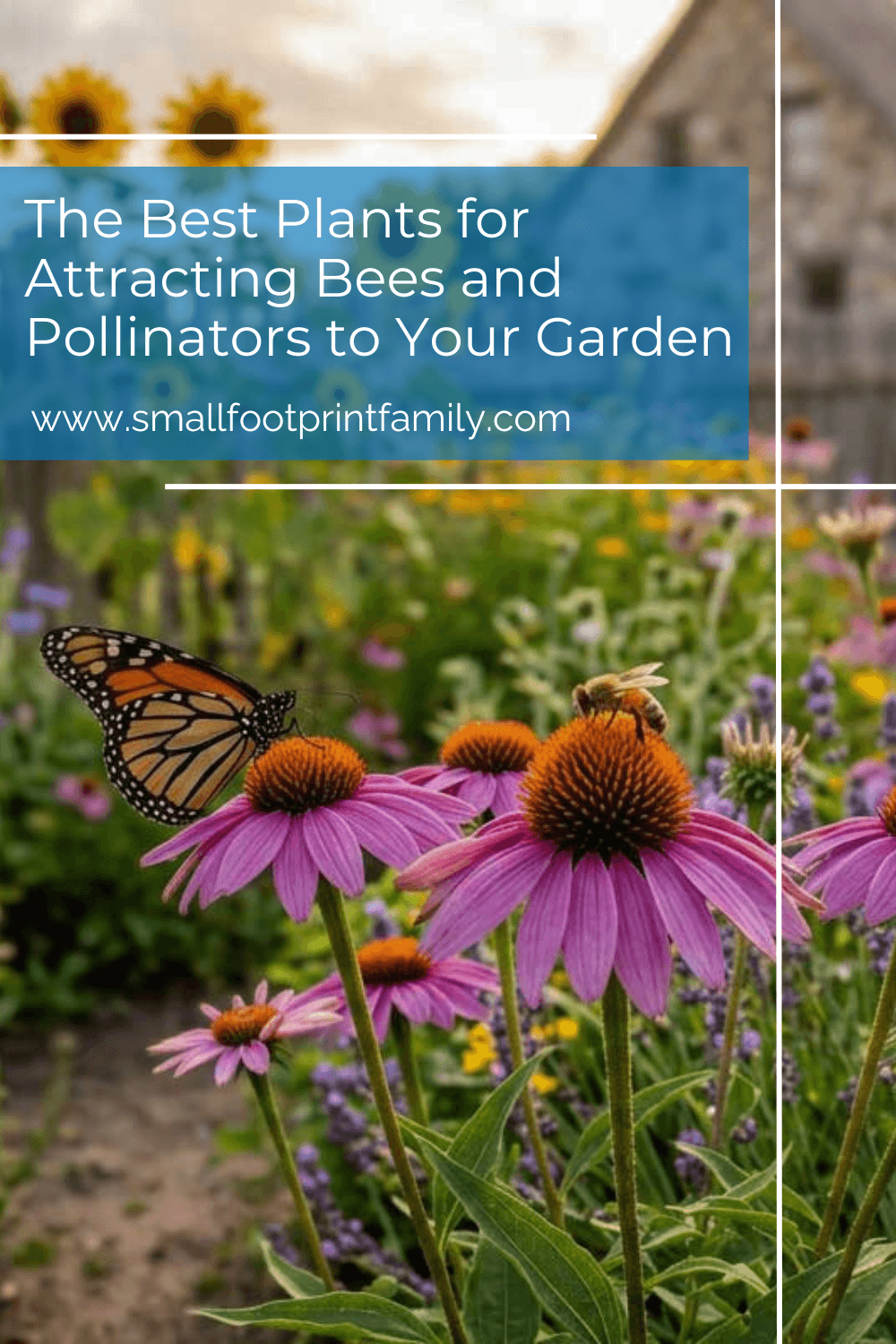
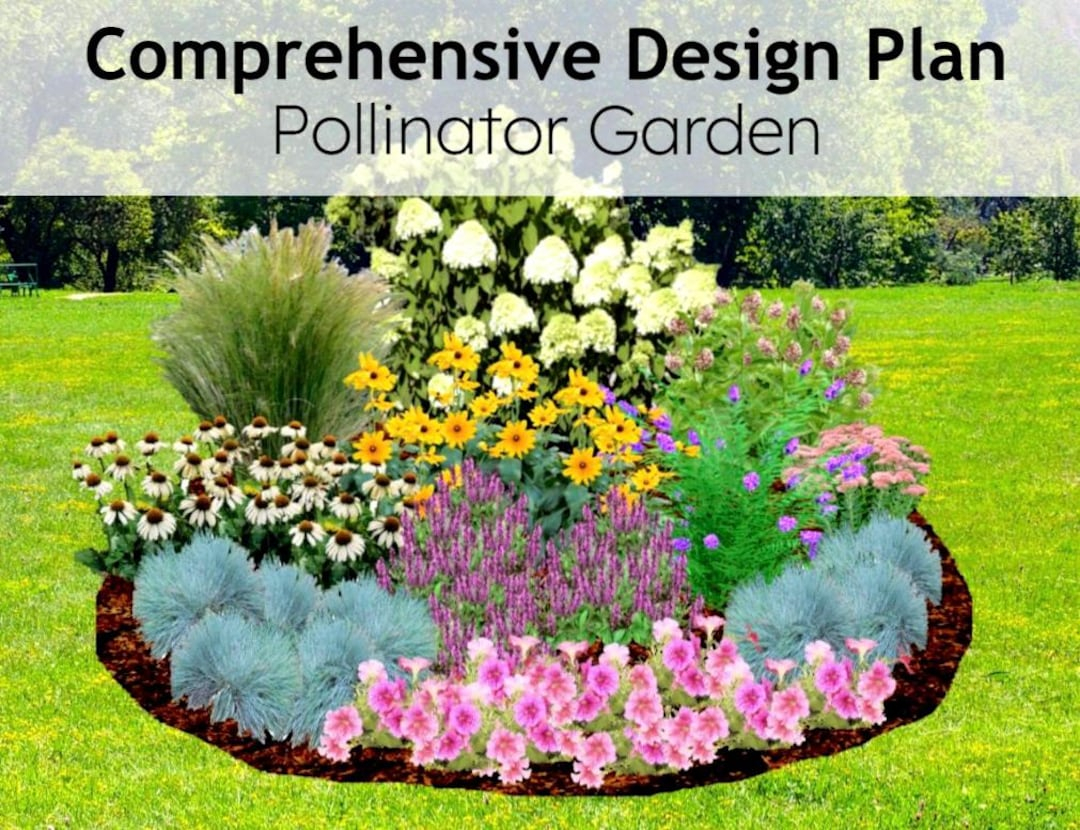
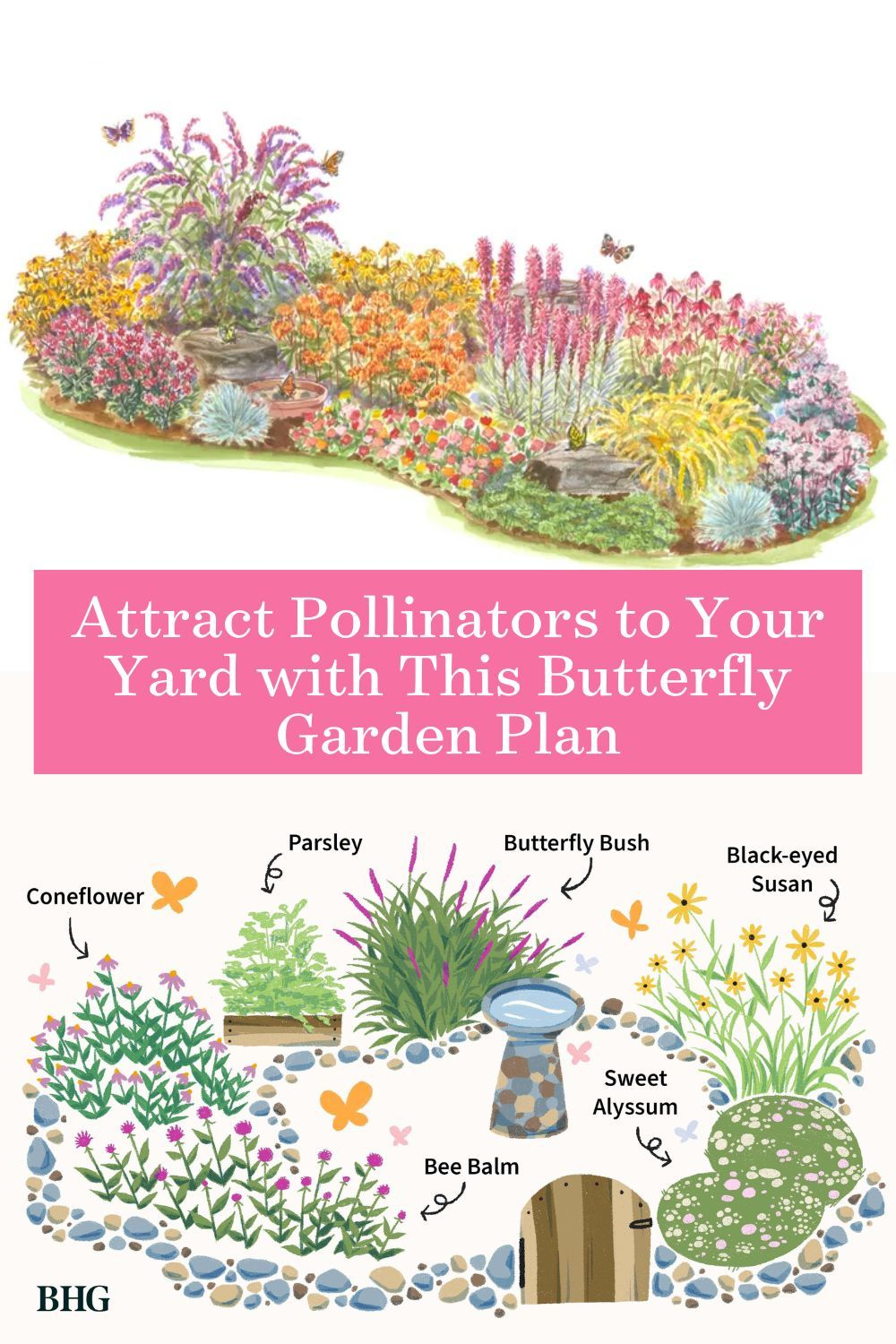
Here is where many well-meaning gardeners get tripped up. You need two distinct types of vegetation. First, you have nectar plants, which are the colorful, sugary fuel stations for adult flying insects. Think of purple coneflowers or vibrant black-eyed Susans. They provide the quick energy boost these insects need to keep moving.
Second, and perhaps more importantly, you need host plants. These are the specific greens where adult butterflies lay their eggs, and they serve as the exclusive food source for hungry caterpillars. For instance, Monarch caterpillars will only eat milkweed. If you don’t have host plants, you won’t have new generations of butterflies. It is as simple as that.
Designing for Continuous, Year-Round Color
Timing is everything when it comes to nature. A common mistake is planting a garden that blooms all at once in June, leaving the rest of the year barren. In 2026, shifting weather patterns mean insects are active longer, so your yard needs to provide sustenance from early spring all the way through late autumn.
Try grouping your flowers in large clusters rather than scattering them one by one. This makes it much easier for pollinators to spot the feast from high above. Mix early bloomers like bleeding hearts with mid-summer favorites like bee balm, and finish the season with late-blooming asters and goldenrod. This keeps the buffet open for months on end.
Creating Vital Sun Spots and Hydration Stations
Butterflies are cold-blooded creatures. They literally rely on the sun to warm up their wing muscles so they can take flight. Because of this, your garden should be placed in an area that gets at least six hours of direct sunlight every day. Placing a few flat, dark stones in sunny spots gives them a perfect place to rest and recharge.
Drinking water is another big requirement, but they can’t swim in deep birdbaths. Instead, they practice something called "puddling." You can easily mimic this by filling a shallow dish with sand and water, leaving just a few pebbles exposed on top. The butterflies will land on the damp sand to safely drink up water and crucial minerals.
Ditching the Chemicals for a Safer Yard
It sounds obvious, but you cannot have a thriving bug sanctuary if you are using chemical sprays meant to eliminate insects. Regular bug killers do not discriminate; they kill the good guys right along with the pests. Embracing a organic approach is absolutely essential if you want your yard to be truly safe.
Instead of reaching for a chemical bottle when aphids appear, try letting nature find its balance. Ladybugs and predatory birds will usually show up to handle the problem for you if you give them time. A slightly imperfect leaf simply means your garden is working as a living home.
Providing Shelter from the Elements
While we love seeing them out in the open, these fragile flyers need protection when the weather turns sour. Heavy downpours and strong gusts of wind can easily damage their wings. Incorporating some native shrubs, ornamental grasses, or a sturdy wooden fence creates a wonderful windbreak where they can hide out during storms.
Leaving a bit of natural debris in a quiet corner of the yard helps too. A small pile of fallen leaves or loose logs provides a cozy spot for various beneficial insects to over-winter. It turns out that being a lazy gardener in the autumn is actually one of the best things you can do for conservation.
Building a butterfly garden is one of the most rewarding projects you can take on. It combines the joy of watching vibrant, living gems flutter past your windows with the deep satisfaction of knowing you are actively repairing a small piece of our environment. Every single native flower you plant helps anchor a fragile local food web.
As you watch your new space come alive over the seasons, you’ll start noticing more than just butterflies. Bumblebees, songbirds, and other helpful creatures will quickly discover your oasis. By making conscious choices today, you create a beautiful legacy that protects our essential pollinators for years to come.