Remember when a "smart home" just meant having a few color-changing lightbulbs and a voice assistant that usually misunderstood your music requests? Those days are officially over. As we move through 2026, the conversation has shifted entirely. We are no longer just slapping gadgets onto existing walls. Instead, we are designing and constructing spaces that think, adapt, and look out for both your wallet and your well-being right from the start.
It is an exciting time to think about living spaces, but it can also feel a bit overwhelming. With utility bills fluctuating and climate patterns becoming more unpredictable, how do we actually create a home that keeps us cozy without breaking the bank. The secret lies beneath the surface—in the bones of the building, the brain of its network, and the clever ways modern systems talk to each other. Let’s dive into how to build or upgrade smarter from the ground up this year.
Beyond the Walls: The Hidden Infrastructure
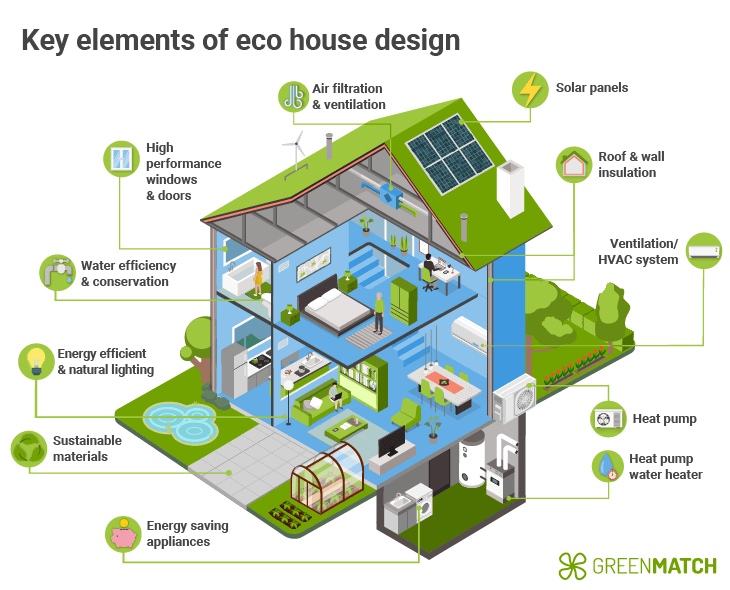
For a long time, people judged a house by its pretty kitchen countertops or the color of its exterior siding. But modern residential design is turning that idea inside out. Today, the true performance of a home depends heavily on what is hidden behind the drywall. We are talking about the plumbing, the core heating setups, and water conservation systems.
When you integrate these systems early on, magic happens. For example, installing smart water valves that can detect a microscopic leak and shut off the main water line automatically saves thousands in potential damages. It is all about setting up a physical foundation that works with technology, rather than fighting against it.
The AI Brain Meeting the Modern HVAC
The old way of heating and cooling was simple but incredibly wasteful. You got cold, you turned up the thermostat, the furnace blasted hot air until the room baked, and then it shut off. Today, static mechanical setups are being replaced by responsive environments powered by artificial intelligence.
These newer HVAC systems do not just wait for you to change the dial. They look at data. They check the local weather forecast, track when you usually come home, and even sense the humidity levels in the air. By making tiny, continuous adjustments, they keep your rooms perfectly comfortable while using a fraction of the energy.
Why a Strong Backbone Network Changes Everything
Here is a mistake a lot of people made over the last few years: they bought dozens of great smart gadgets but forgot about the network. Without a rock-solid, well-planned home network, those devices get isolated. Devices drop offline, commands get delayed, and frustration follows.
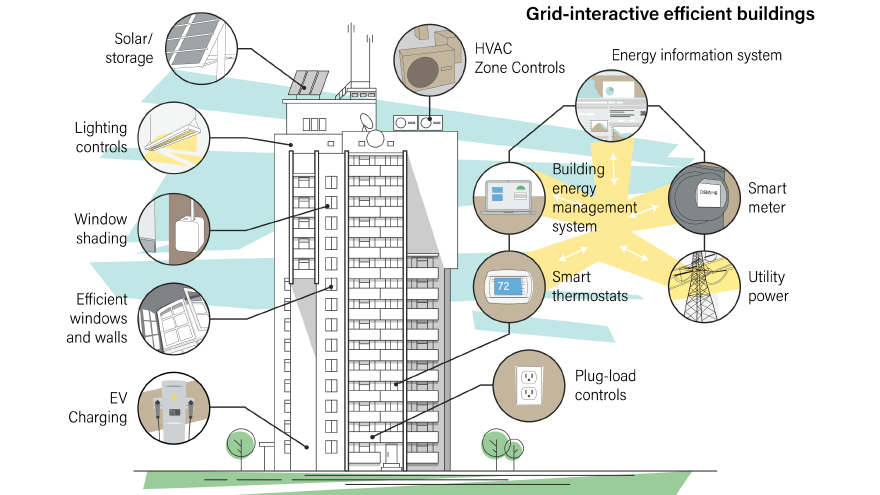
The homes that are truly winning in 2026 are built with automation in mind from day one. This means running proper wiring during construction or renovations and choosing platforms that are built to play nice together. When your sensors, blinds, and heaters are flawlessly connected, your home runs like a smooth machine.
It sounds like something straight out of a sci-fi movie, but "digital twin" technology is becoming highly practical for everyday residential properties. Essentially, it is a virtual copy of your home’s systems that runs in the background. This software uses data from tiny IoT sensors scattered around the house to track how energy moves through the space.
Why does this matter to you? It means your home can anticipate maintenance needs before something actually breaks. If an exhaust fan is working 10% harder than it should because of a clogged filter, the system