Have you ever walked into a house and just felt how stuffy or freezing it was, wondering why we build places that fight against nature instead of working with it.
For a long time, putting up a house meant grabbing whatever cheap stuff was close by and cranking up the heater or AC to fix the messy indoor climate. But things are shifting right now. Today, in 2026, the housing world is finally hitting a major turning point where building green isn’t just a fancy luxury for rich folks. It has turned into an absolute necessity for everyone trying to keep bills down and the planet safe.
The Big Shift to Whole Life Carbon Tracking
Building a house used to mean just looking at how much power it burned once you moved inside. Now, builders and everyday folks are finally waking up to a bigger picture called whole life carbon accounting. This fancy-sounding idea simply means counting up all the pollution caused by making, shipping, and putting up the building blocks themselves before anyone even turns on a light switch.
When you look at materials like concrete or steel, they leave a huge hidden footprint. In 2026, the industry is pivoting hard toward tracking that hidden baggage. By figuring out the total lifecycle of what we use to build walls and roofs, we can actually stop trapping high carbon levels right from the start.
Smart Tech Meets Passive Solar Design
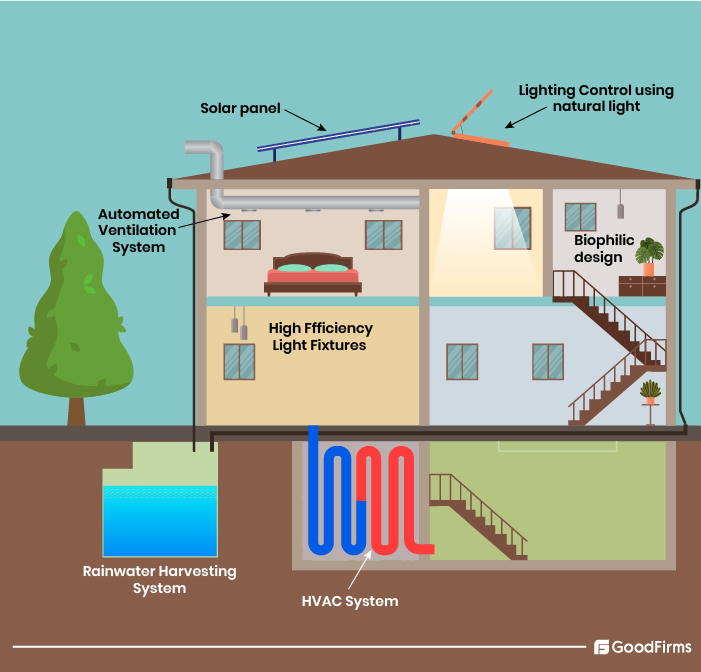
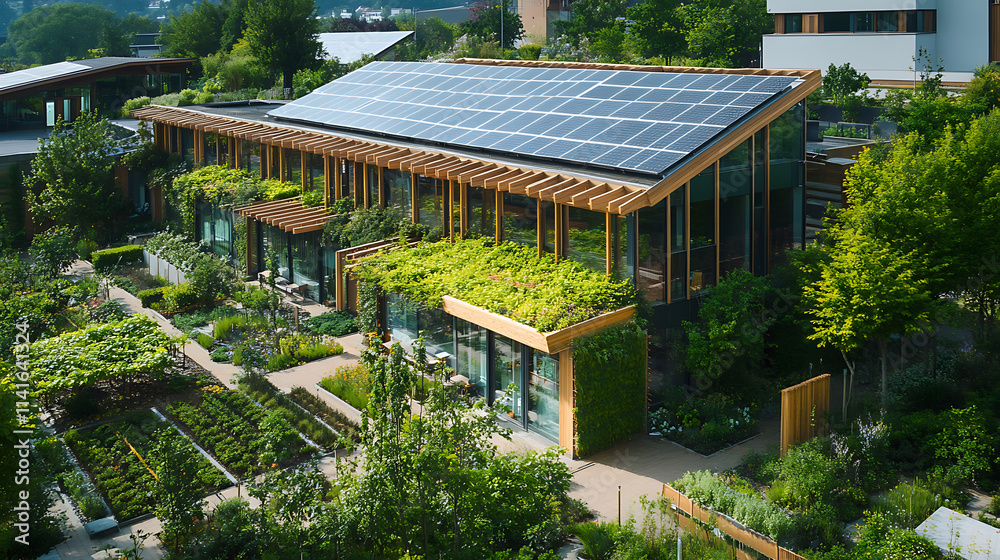
Remember when keeping a house warm meant just burning more gas. Nowadays, smart home tech and old-school passive solar design are teaming up in ways that feel almost like magic. Houses are now angled properly toward the sun to catch free warmth during chilly winter months while keeping cool shades working in the summer heat.
On top of smart placement, modern sensors and smart grids are running appliances only when renewable energy is cheap and plentiful. You do not have to micromanage your thermostat anymore because the house literally thinks for itself. It adjusts shutters and vents on its own to save you cash and keep rooms cozy.
Government Backing and Fresh Incentives
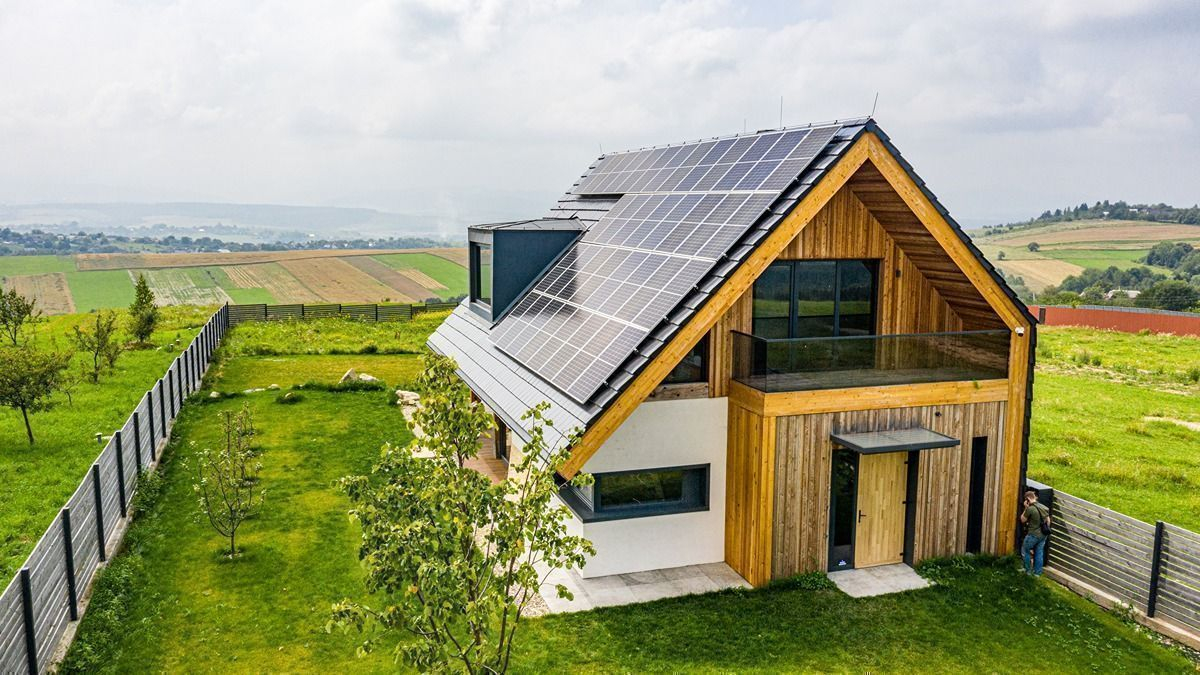
Let us be honest, trying out new green building methods used to hit a brick wall because of high upfront costs. Thankfully, governments are finally stepping up with serious financial pushes this year. Fresh tax breaks and local grants make choosing eco-friendly options a lot easier on regular wallets.
These programs are not just tiny discounts either. They cover substantial chunks of upgrading insulation, installing solar arrays, or putting in advanced heat pumps. Because of these helpful financial boosts, families who thought sustainable living was out of reach are finding it surprisingly doable.
Reimagining Insulation and Natural Materials
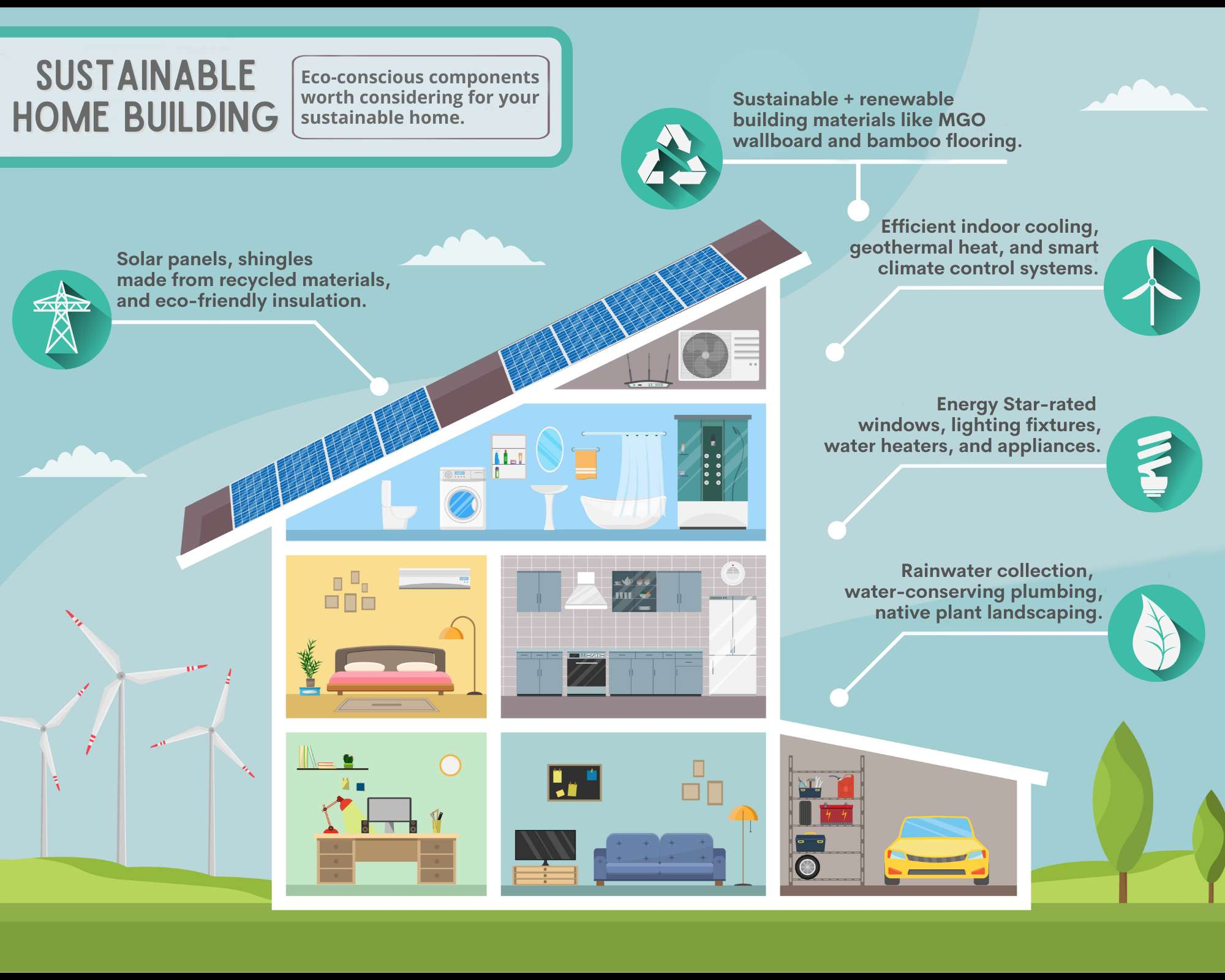
Insulation is getting a massive glow-up this year. Instead of itchy fiberglass that wears out over time, modern builds are turning toward renewable materials like hemp, cork, and recycled denim. These alternatives trap heat just as well while breathing naturally and cutting down on toxic indoor chemicals.
Better insulation means your furnace or AC unit barely has to break a sweat. When a house can hold its temperature naturally, your monthly utility bills drop dramatically. It is a win-win that keeps your living space comfortable without wasting precious electricity.
Water Conservation and Resilient Construction
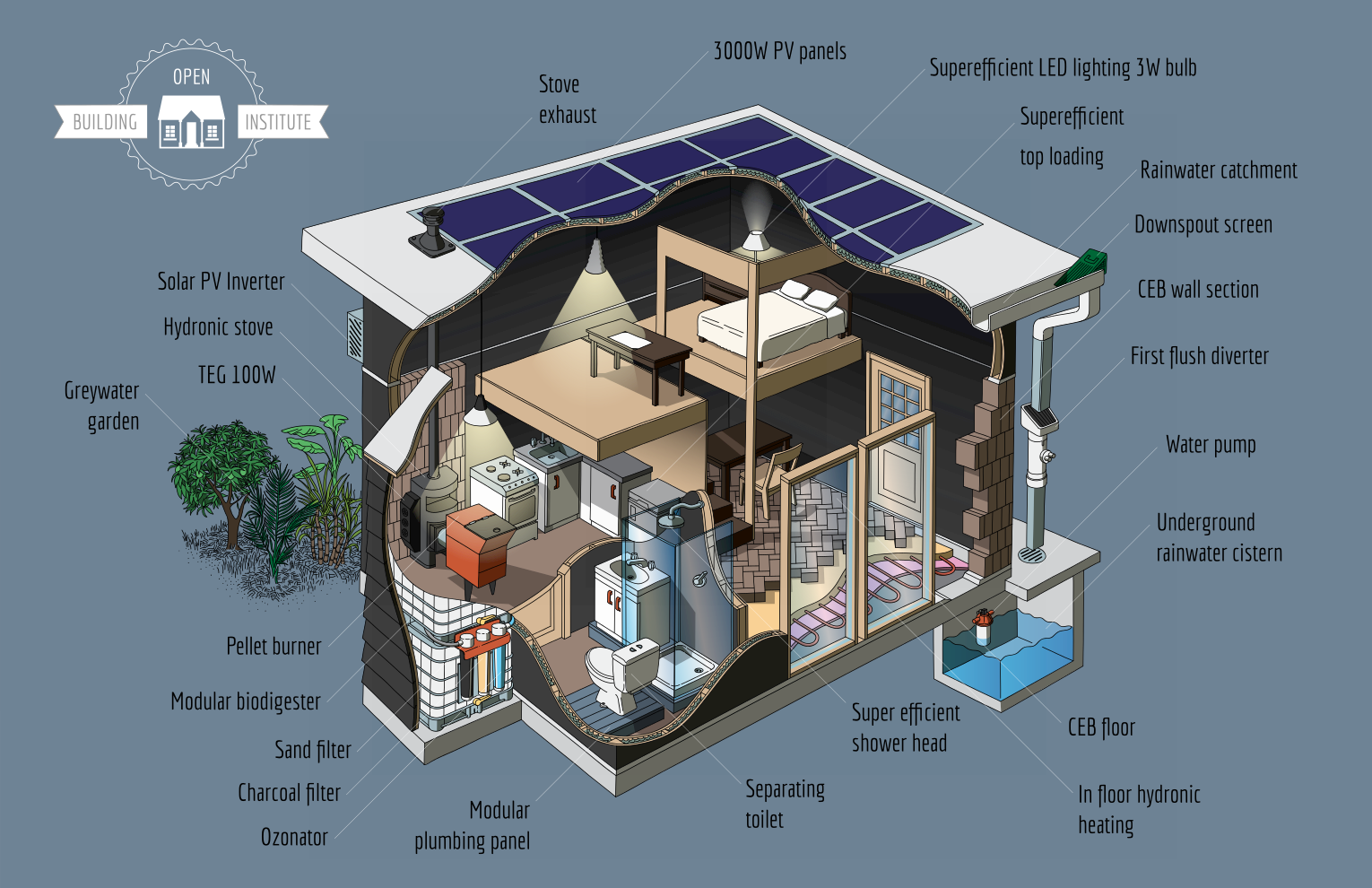
Climate shifts mean we are seeing crazier weather patterns everywhere, which makes tough, resilient construction a must-have. Modern green homes are coming equipped with smart rainwater capture systems and drought-friendly landscaping that handles heavy storms or dry spells like a champ.
Building tough also means structures last longer without needing constant repairs. When a home can stand up to heavy winds or floods using sustainable timber and reinforced frames, you save money and stress down the road. It brings real peace of mind knowing your shelter can weather whatever nature throws at it.
Building a custom home traditionally meant months of messy construction waste piling up in a neighborhood. Today, modular and prefab building methods are changing the game completely. Parts of the house are put together in controlled factory settings where waste is cut down to almost zero.
This method speeds up construction timelines and ensures every wall fits tightly together with zero air leaks. When builders bring these precise pieces to the site, the assembly is fast and clean. It proves that going green can actually save time and headaches instead of slowing everything down.
Building a sustainable home is no longer just a dreamy concept talked about by scientists in white coats. It has become a practical reality we can all touch and feel right now.
By embracing smart tech, cleaner materials, and thoughtful designs, we are shaping neighborhoods that respect both our wallets and the earth. The changes happening this year prove that everyday comfort and environmental care can finally live under the same roof.