The sky opens up without warning, dropping two inches of rain in forty-five minutes onto an asphalt parking lot. Within moments, water pools against the curbs, surges into storm drains, and carries motor oil, cigarette butts, and heavy metals straight into the local creek. We watch this happen from office windows or front porches, viewing it as a temporary weather nuisance. Yet this violent rush of runoff represents a systemic failure in how we handle the water cycle in our built environments.
For generations, the default engineering response to heavy rainfall was simple: get it off the property as fast as possible. Cities built massive underground networks of concrete pipes and deep catch basins designed to whisk stormwater away from buildings and dump it into the nearest natural waterway. This "pipe-and-convey" model treated rain like an unwanted waste product rather than a vital resource.
The consequences of this approach are now impossible to ignore. Urban streams are eroding from high-velocity surges, aquatic ecosystems are choking on washed-off pollutants, and municipal sewer systems are constantly overwhelmed during heavy storms. Shifting the paradigm requires abandoning the notion that stormwater management is exclusively the job of municipal engineers operating miles downstream. True resilience starts right at the surface, on every rooftop, driveway, patch of lawn, and commercial plaza where raindrops first make contact with the earth.
The Shift From Massive Gray Infrastructure to Decentralized Ground-Level Solutions
For decades, urban hydrology relied almost entirely on gray infrastructure—concrete gutters, subterranean storm sewers, and massive detention vaults designed to hold water temporarily before releasing it into overloaded municipal systems. While these structures are necessary for moving water out of high-density downtown cores, they suffer from a fatal flaw: they treat the symptom rather than the source. When every square foot of a watershed is paved over, water has nowhere to go but up into the streets or sideways into basements.
Modern water resources engineering recognizes that trying to out-engineer nature with concrete alone is a losing battle. The sheer volume of water generated by modern cities overwhelms even the most robust pipe networks. This realization has triggered a widespread pivot toward decentralized management, where water is captured, slowed down, filtered, and infiltrated right where it falls. Instead of concentrating runoff into massive, high-speed torrents, practitioners now focus on disconnecting impervious surfaces and mimicking pre-development hydrology.
This decentralized philosophy transforms how parcels of land are designed. A parking lot is no longer just a flat sheet of asphalt sloping toward a single drain; it becomes an active part of the watershed. By integrating permeable pavers, vegetated filter strips, and localized infiltration trenches, properties can absorb a significant percentage of annual rainfall on-site. This reduces peak discharge rates into municipal sewer systems and recharges depleted local aquifers, turning a potential flood hazard into a restorative ecological cycle.
How Urban Surfaces Alter the Natural Water Cycle and Trigger Flash Floods
To understand why ground-level management is so critical, look closely at what happens when rain meets the ground in a natural forest versus a suburban subdivision. In an undeveloped woodland, the forest canopy intercepts rainfall, while deep layers of organic matter, roots, and porous soil allow up to fifty percent of precipitation to infiltrate deeply into the groundwater table. Another forty percent returns to the atmosphere through evapotranspiration, leaving only a tiny fraction to become surface runoff.
Urbanization completely inverts this delicate balance. When developers strip away topsoil, compact the remaining earth with heavy machinery, and cover the landscape with roofs, asphalt, and concrete, the infiltration rate plummets to near zero. Up to ninety percent of rainfall in a heavily urbanized area becomes immediate surface runoff. This dramatic increase in volume and velocity alters watershed dynamics, turning gentle rain events into destructive flash floods that scour stream banks, destroy aquatic habitats, and wash accumulated pollutants into drinking water sources.
Beyond flooding, this lack of infiltration starves our underground aquifers. Subsurface water tables drop, reducing baseflows in local streams during dry summer months and causing land subsidence in certain regions. Managing stormwater at the surface is not merely about preventing puddles in a parking lot; it is a vital strategy for restoring the fundamental water balance of entire regional ecosystems.
Designing and Constructing Decentralized Stormwater Systems From the Ground Up
Implementing effective ground-level stormwater management requires a systematic approach that balances volume control with water quality treatment. Every site presents unique soil conditions, slopes, and spatial constraints that dictate the appropriate engineering intervention.
- Step 1 (Site Hydrological Assessment): Conduct thorough geotechnical testing to determine soil infiltration rates (measured in inches per hour), seasonal high water table levels, and bedrock depth across the property.
- Step 2 (Rooftop and Surface Disconnection): Route downspouts away from direct connections to storm sewers and direct them into rain gardens, cisterns, or vegetated swales to capture water at its highest elevation point.
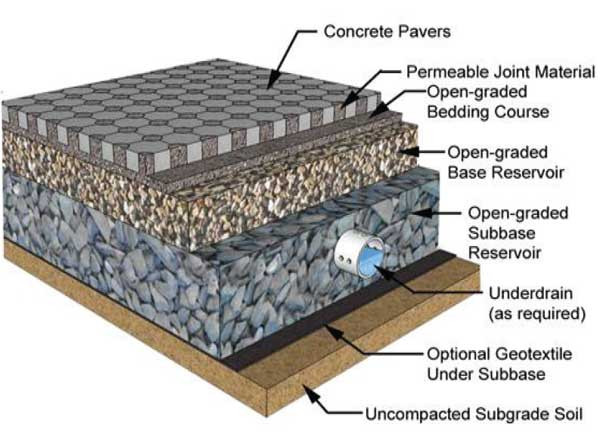
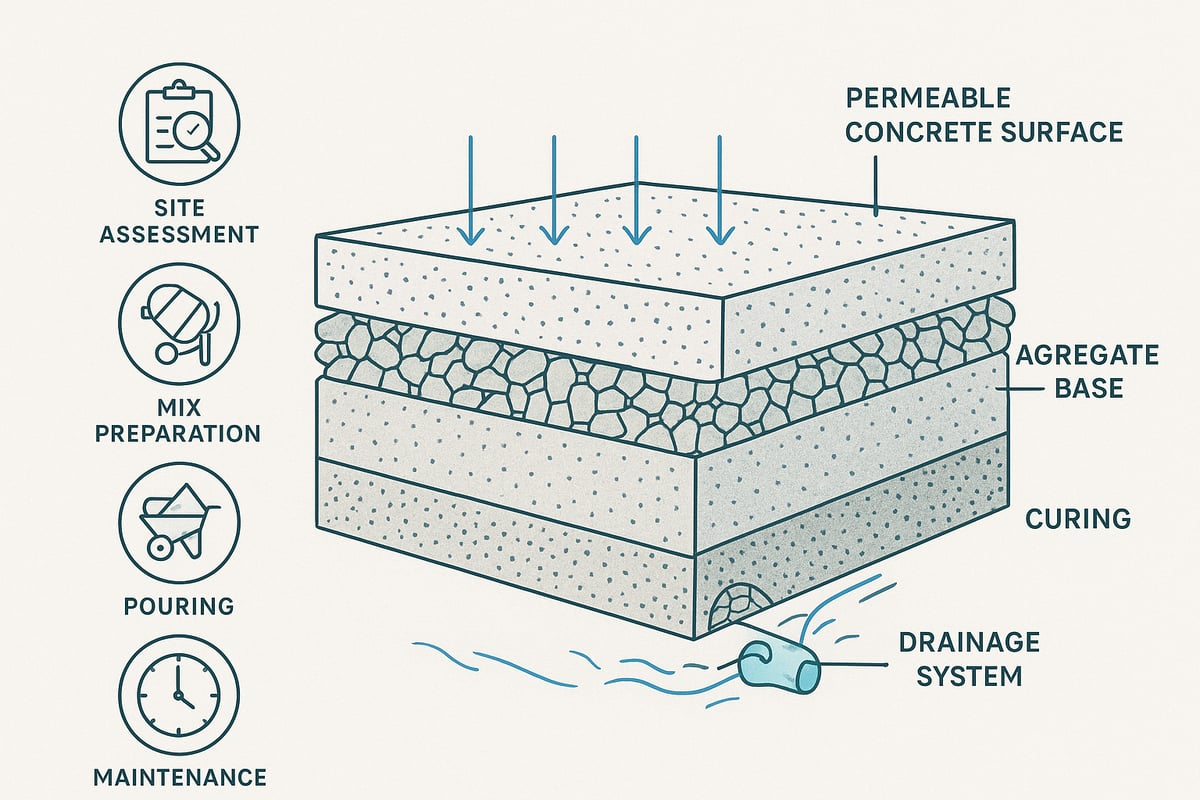
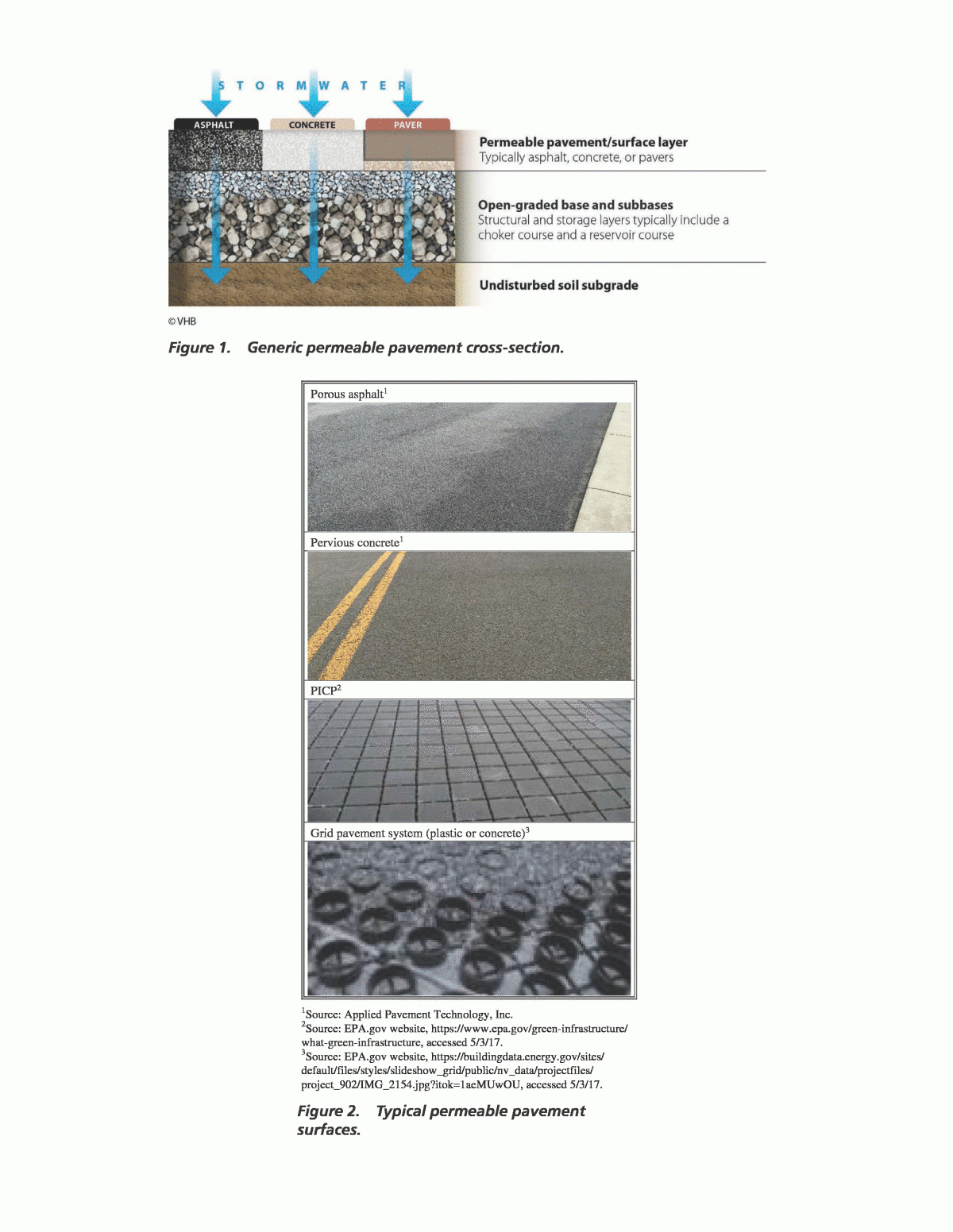
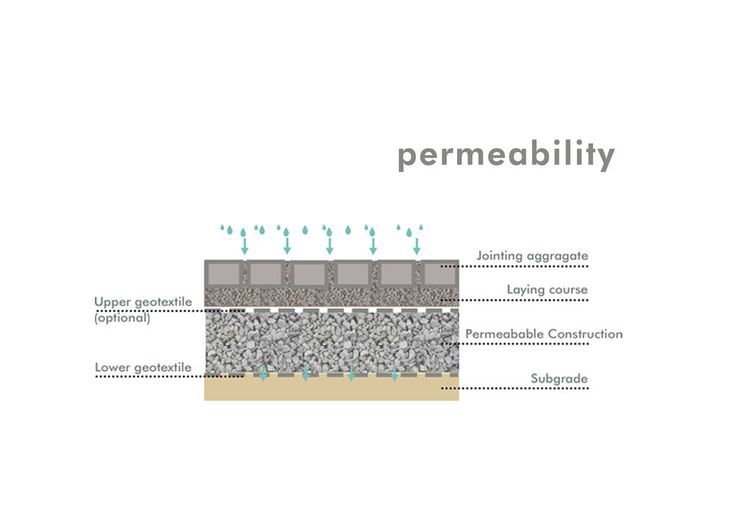
- Step 3 (Impervious Surface Modification): Replace traditional poured asphalt or dense concrete in low-traffic areas with permeable interlocking concrete pavers, porous asphalt, or reinforced turf grids that allow water to drain directly into an aggregate sub-base.
- Step 4 (Vegetated Bioretention Installation): Construct bioswales and rain gardens featuring engineered soil mixes, native deep-rooting plants, and underlying gravel storage layers to filter suspended solids and promote biological breakdown of hydrocarbons.
- Step 5 (Overflow and Monitoring Integration): Design controlled overflow structures, such as elevated catch basins or emergency spillways, to safely route extreme storm events without causing structural erosion or property flooding.
Common Pitfalls in Surface-Level Water Management and How to Avoid Them
Even the most well-intentioned green infrastructure projects can fail if practitioners overlook basic hydrological principles or neglect long-term maintenance requirements. Understanding these common missteps ensures that ground-level systems perform reliably for decades.
- Pitfall 1 (Ignoring Soil Compaction): Heavy construction equipment compresses subsoils, turning porous earth into a concrete-like barrier. Workaround: Always scarify and loosen subsoils before installing bioretention areas, and add organic compost to restore natural soil structure and microbial life.
- Pitfall 2 (Selecting Incompatible Plant Species): Planting delicate ornamentals in a bioswale that experiences both prolonged standing water and severe summer drought leads to high plant mortality. Workaround: Specify native, deep-rooted perennials and grasses specifically adapted to fluctuating moisture extremes.
- Pitfall 3 (Neglecting Sediment Pre-Treatment): Allowing untreated runoff laden with silt and debris to flow directly into a permeable paver sub-base or rain basin causes rapid clogging. Workaround: Install forebays, grass filter strips, or sediment traps upstream to capture heavy particulates before water enters the primary infiltration zone.
- Pitfall 4 (Improper Grading and Slope Design): Creating flat infiltration basins without proper positive drainage slopes can result in standing water that breeds mosquitoes and causes structural dampness near building foundations. Workaround: Maintain a minimum slope of one to two percent toward conveyance channels and ensure positive flow away from structures.
- Pitfall 5 (Zero Maintenance Commitment): Assuming green infrastructure is "set-it-and-forget-it" leads to weed invasion, trash accumulation, and clogged inlet pipes within a few seasons. Workaround: Establish a routine maintenance schedule that includes seasonal debris removal, mulch replenishment, and periodic inlet clearing.
The Broader Economic and Community Value of Resilient Watershed Design
Integrating stormwater management into the immediate landscape offers returns that extend far beyond regulatory compliance. Traditional gray infrastructure requires massive capital outlays for deep excavation, concrete pouring, and pipe installation, with maintenance costs that burden municipal budgets for generations. In contrast, green infrastructure at the parcel level often proves more cost-effective over its lifecycle, transforming sterile engineering liabilities into vibrant community assets.
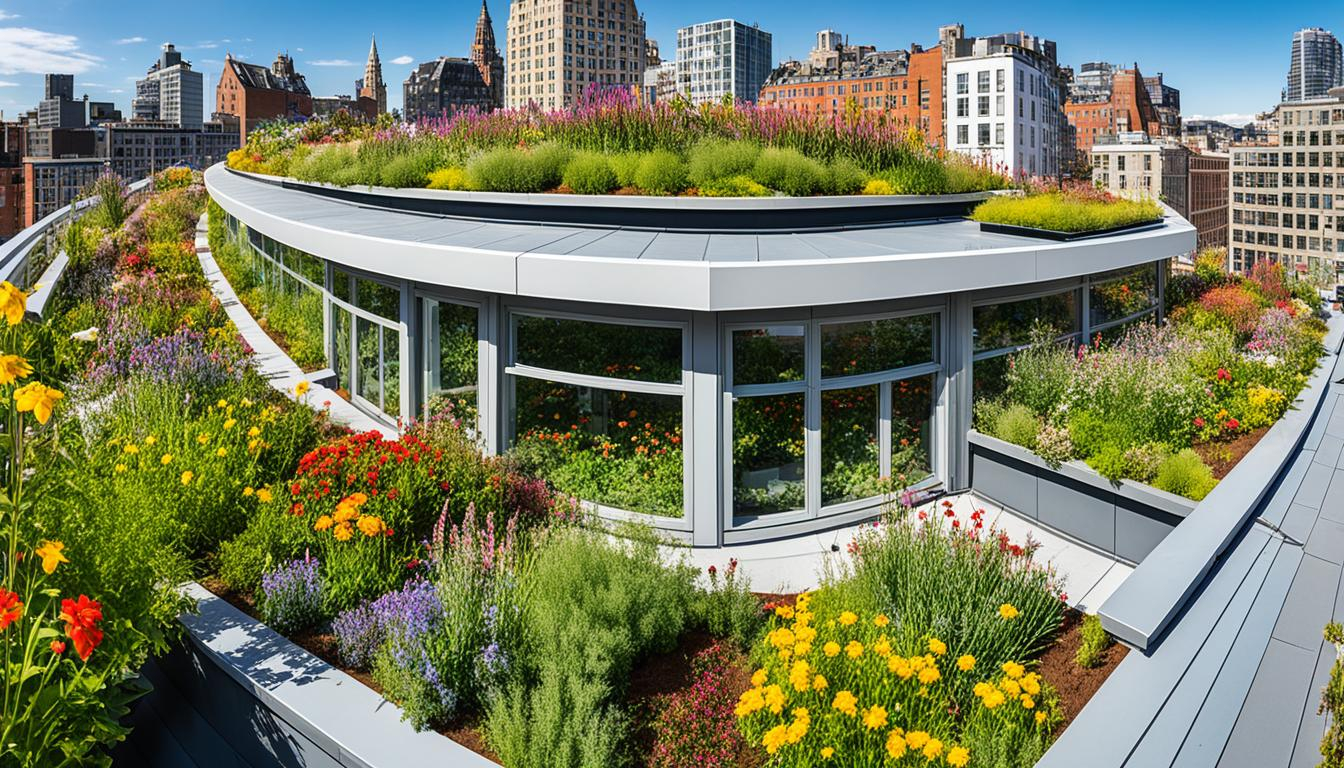
When parking lots feature bioswales instead of concrete islands, and commercial plazas utilize permeable paving stones, the entire microclimate of the property improves. Vegetated stormwater features reduce the urban heat island effect, lower ambient air temperatures, and provide crucial habitats for pollinators and urban wildlife. Furthermore, studies consistently show that commercial and residential properties incorporating attractive green stormwater infrastructure command higher property values and create more inviting, human-centric public spaces.
This approach also fosters a sense of ecological stewardship among property owners and occupants. When people can see water soaking into a rain garden rather than disappearing down a mysterious concrete drain, they develop a deeper connection to their local watershed. This grassroots awareness is essential for building long-term community resilience against changing climate patterns and increasing storm intensities.
Actionable Frameworks for Property Owners, Developers, and Municipal Planners
Translating modern stormwater principles into everyday practice requires alignment between regulatory frameworks, design professionals, and individual property owners. Too often, local zoning codes still mandate outdated, high-imperviousness standards that discourage innovative green design. Modernizing these codes is the first step toward widespread watershed health.
Developers and site designers must embrace an integrated site design philosophy from the earliest conceptual sketches. Instead of designing buildings and parking lots first and figuring out drainage as an afterthought, water management should drive the layout. By preserving existing natural drainage pathways, minimizing total site disturbance, and maximizing permeable surfaces, projects can drastically reduce the size and cost of required underground detention systems.
For existing property owners, retrofitting a home or business does not require a massive overhaul. Simple actions—such as installing rain barrels, disconnecting downspouts, replacing a concrete patio with permeable pavers, or converting a turf lawn into a native plant rain garden—collectively reduce municipal drainage loads. When multiplied across hundreds of thousands of individual parcels, these small, ground-level interventions create a massive, decentralized sponge that protects entire communities from flooding and pollution.
The way we manage rain is a direct reflection of our relationship with the natural world. For too long, our built environment has treated water as an enemy to be fought and banished through concrete conduits. Yet every storm reminds us of the futility of this approach, as overwhelmed sewers back up and polluted waters taint our natural rivers and lakes.
By shifting our focus right down to where our feet hit the ground, we can fundamentally rewrite this narrative. Modern stormwater management proves that the most powerful solutions are often the most integrated with nature itself. As we face an increasingly unpredictable climate future, adopting decentralized, ground-level water practices is no longer just an innovative design choice—it is an absolute necessity for sustainable, resilient communities.