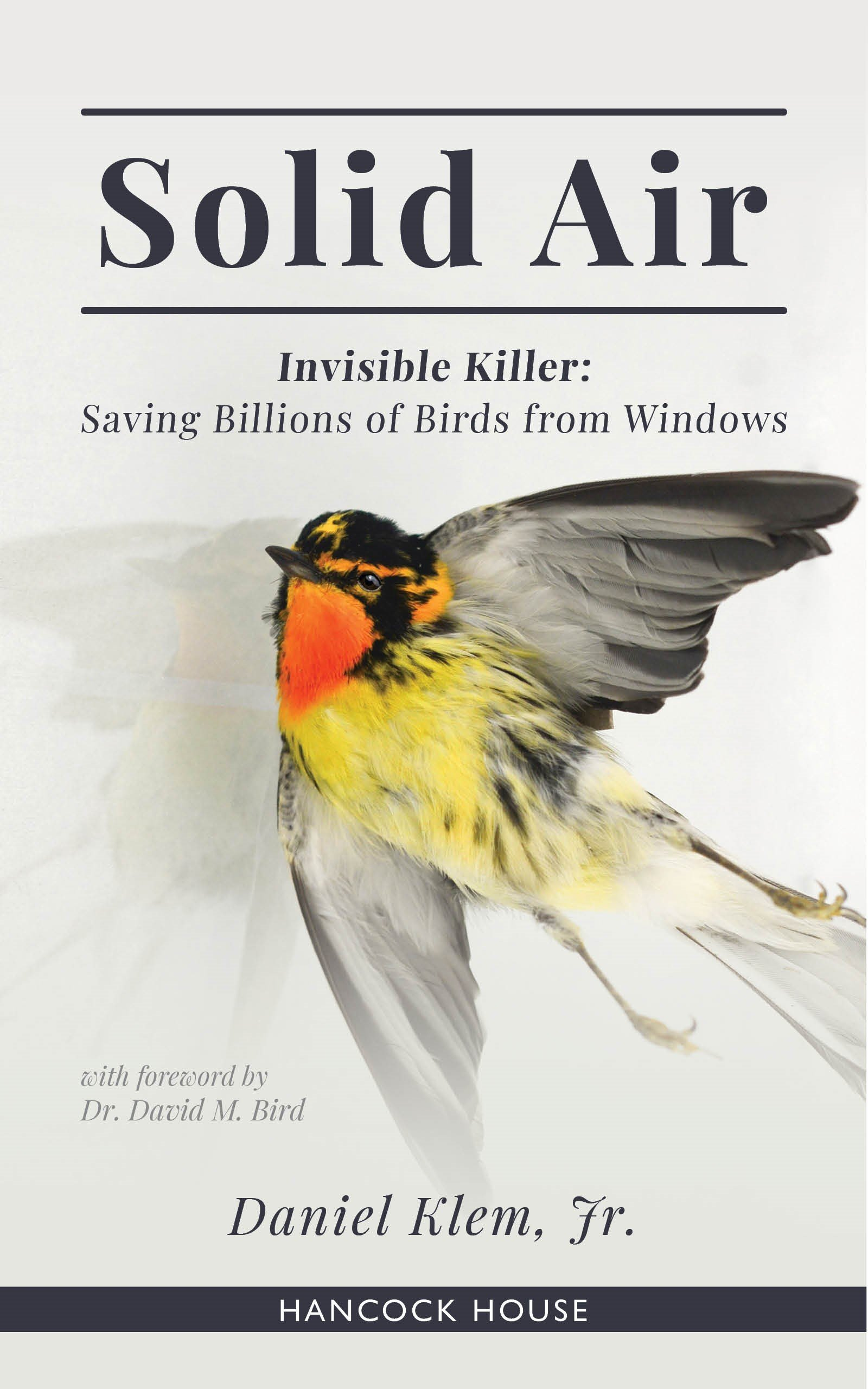
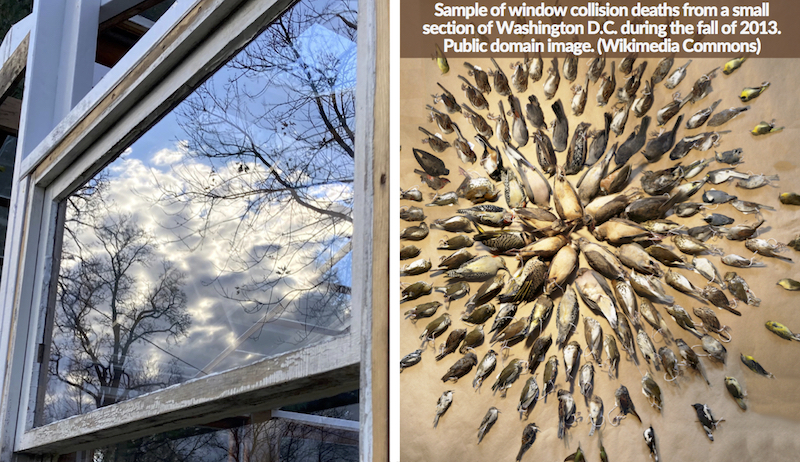
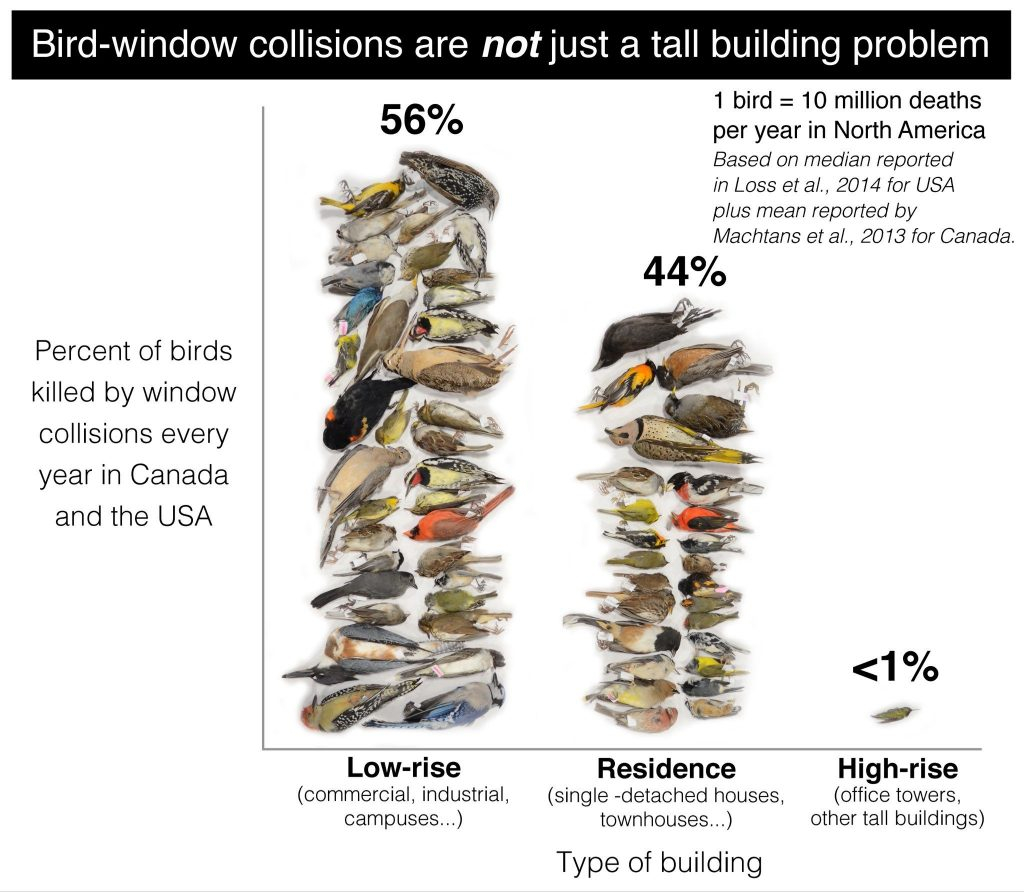
That soft thud against your window. You know the sound, don’t you. It’s a jolt to the heart, a stark reminder of a heartbreaking problem that often goes unseen. Every year, across the United States alone, over a billion birds perish due to collisions with glass. That’s a staggering number, isn’t it. It’s not just big city skyscrapers; it’s our homes, our offices, even small windows and interior atriums. But here’s the good news, the really important part: this isn’t a problem without answers. We can fix this.
It feels like a silent epidemic, doesn’t it. Birds, these incredible creatures that fill our lives with song and vibrant color, are navigating a world that’s increasingly full of invisible dangers. Glass, to them, isn’t a solid barrier. It’s either a continuation of the sky, reflecting trees and open space, or a clear path right through to what looks like more habitat on the other side. This optical illusion, this deceptive reflection, is the root cause of so much tragedy. But understanding the ‘why’ is our first step toward creating spaces where birds can truly thrive, free from such perilous encounters.
The Heartbreaking Reality: Why This Matters So Much
Think about it for a moment. That tiny bird you saw, perhaps a vibrant cardinal or a busy chickadee, was simply trying to go about its day, forage for food, or find a safe spot to rest. Then, an unforgiving pane of glass, an invisible wall, brought its journey to a sudden, devastating end. It’s not just a single bird here or there; it’s a massive, ongoing loss that deeply impacts avian populations. This isn’t just an ecological concern; it’s a moral one, a challenge to our shared stewardship of the natural world. The American Bird Conservancy and Audubon, among others, have championed this cause for years, highlighting the sheer scale of the issue and offering tangible solutions. It’s a collective responsibility, and it’s one we absolutely can address.
Understanding the Problem: Glass as a Deceptive Mirage
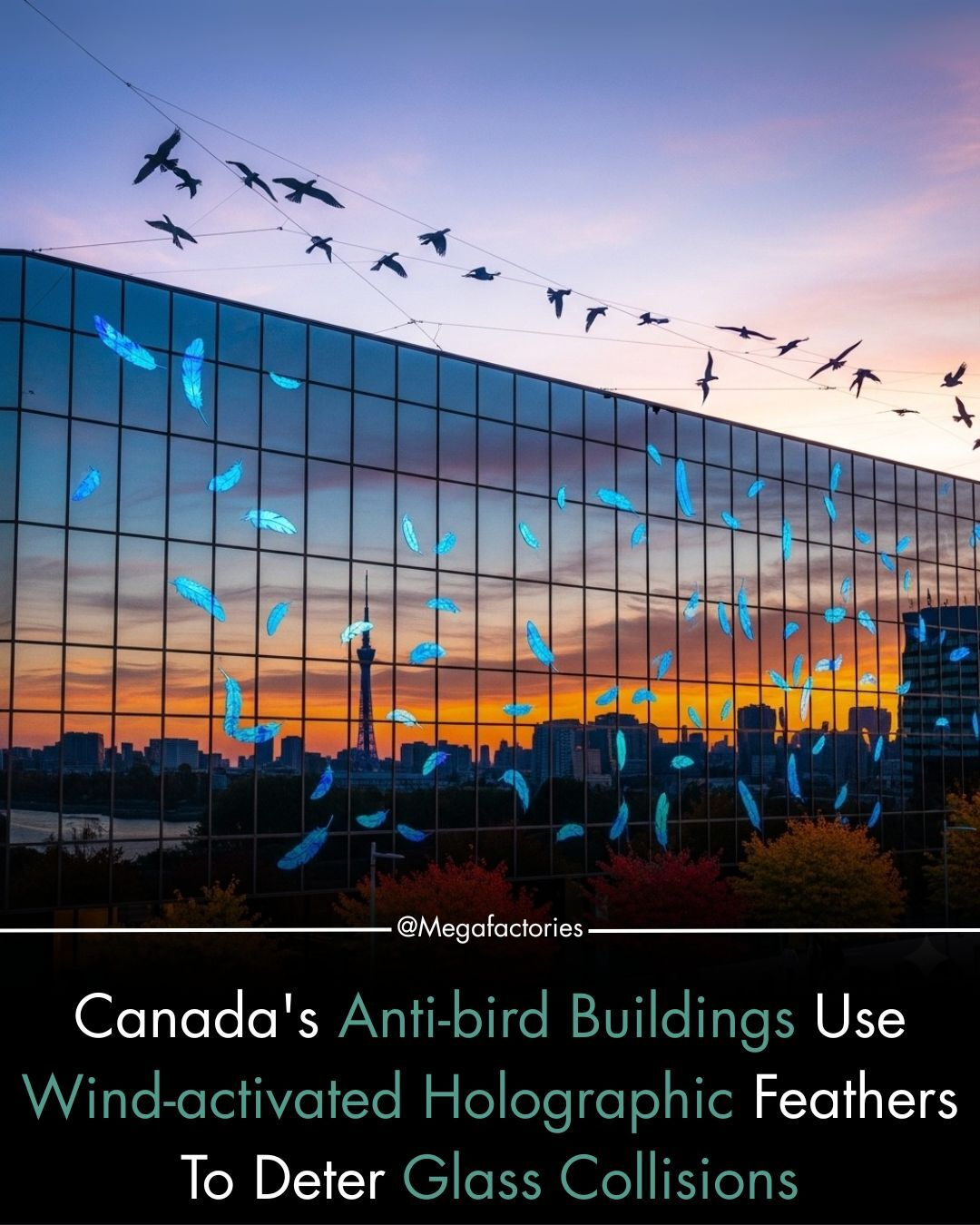
Birds perceive the world differently than we do. Their acute vision, while excellent for spotting tiny insects or distant predators, doesn’t always register transparent or reflective surfaces as solid objects. When they see a reflection of trees and sky in your window, they interpret it as an extension of their natural surroundings, a safe passage. When they see through a window to a potted plant or another window on the opposite side of a building, it appears to them as a clear flight path. This optical confusion is particularly dangerous during migratory periods, when birds are traveling long distances and may be disoriented by artificial light or unfamiliar environments. It’s a trick of the light, really, one that has deadly consequences for our feathered friends.
Simple Solutions for Homeowners: What You Can Do Today
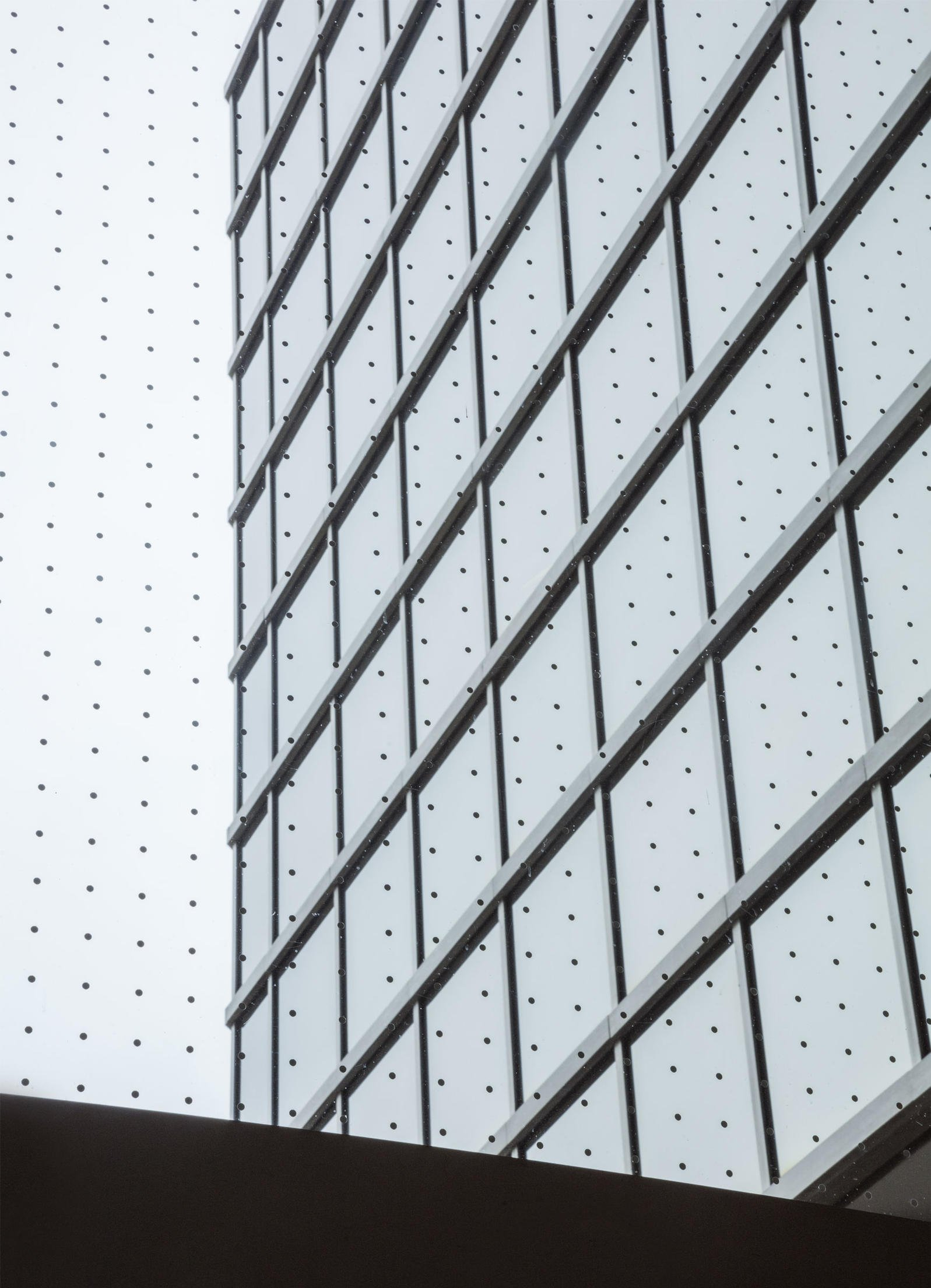
You don’t need to be an architect or a conservationist to make a real difference. As a homeowner, you have incredible power to protect birds right from your own dwelling. Many effective methods are simple, even DIY. One of the best strategies is to break up those deceptive reflections. Creating patterns on your glass surfaces is key. Think about using tapes, decals, or even tempera paint (it washes off!) to add visual cues. The crucial part is spacing: patterns need to be dense enough, with markings no more than 2 to 4 inches apart, to signal "barrier" to a bird.
Here are some quick, actionable tips for your home:
- Apply Window Film or Decals: There are many products specifically designed for bird safety, often featuring UV-reflective patterns that are visible to birds but less so to humans. ABC Birds has tested products that work.
- Install External Screens: Screens on the outside of your windows can soften reflections and absorb impact, making collisions less likely and less severe.
- Close Blinds or Curtains: Especially when you’re not home or at night, pulling your blinds or curtains shut can reduce reflections and the "see-through" effect.
- Relocate Indoor Plants: If birds can see plants through your window, they might try to fly toward them. Move them further inside.
- Strategic Feeder Placement: Placing bird feeders very close to your window (within 3 feet) can actually reduce collisions. Birds flying from a feeder at this distance won’t build up enough momentum to be seriously injured if they hit the glass. Conversely, feeders placed too far away can draw birds into a collision path.
Designing with Purpose: Architects and New Builds
For those shaping our built environments, the opportunity to prevent bird collisions starts at the drawing board. Incorporating bird-friendly measures from the outset is far more effective and often less costly than retrofitting later. In 2026, with growing awareness and advanced materials, there’s no excuse not to design with birds in mind. The U.S. Fish and Wildlife Service’s Bird-Friendly Building Toolkit offers superb guidance.
Key design principles include:
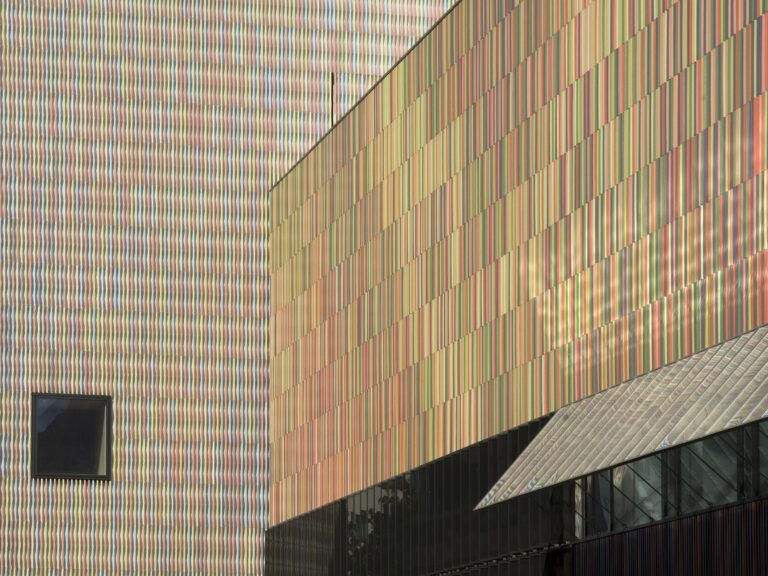
- Fritted Glass: This glass has ceramic patterns baked onto its surface, making it visible to birds.
- Angled Glass: Sloping windows downward can reflect the ground instead of the sky, making them less confusing.
- External Shading and Overhangs: These can reduce reflections and break up the appearance of continuous glass.
- Minimizing Glass: Where possible, reduce the overall amount of reflective glass, especially in areas known for high bird traffic or migratory pathways.
- Light Pollution Reduction: Thoughtful lighting design, especially during migratory seasons, is crucial. Downward-facing, shielded lights and turning off unnecessary lights at night can prevent disorientation.
Retrofitting and Renovations: Giving Old Buildings a New Lease on Life
What about existing structures. It’s not always about new builds; sometimes, it’s about transforming what’s already there. Many older buildings, designed without bird safety in mind, can be updated with relatively low-cost, high-impact solutions. Retrofitting glass can be a more efficient use of resources than long-term collision monitoring, which can be both time-consuming and expensive, as the FWS points out.
Consider these options for existing buildings:
- Window Films and Treatments: Applying bird-friendly films or patterned adhesive treatments to existing glass is a highly effective and often affordable solution.
- External Screens or Mesh: Adding external screens or even decorative mesh to windows can break up reflections and provide a physical barrier.
- Install Bird-Friendly Art: Large, visually interesting art installations or vertical elements on glass facades can serve a dual purpose, enhancing aesthetics and preventing collisions.
- Landscape Strategically: Planting trees or shrubs in front of problematic windows can help soften reflections and provide a natural buffer.
This isn’t just an individual battle; it’s a community endeavor. Organizations like Audubon and the American Bird Conservancy have mobilized citizen scientists and volunteers who log thousands of hours studying collisions and educating their communities. In places like Madison, Wisconsin, hundreds of volunteers have made a real difference, showcasing the power of collective action.
How can you get involved.
- Spread Awareness: Talk to your neighbors, friends, and local community groups about bird-window collisions and the simple steps they can take.
- Support Local Initiatives: Look for local bird-safe building movements or volunteer opportunities. Your city might have its own "Lights Out" program during migration.
- Advocate for Policy Changes: Encourage your local government to adopt bird-friendly building codes, especially for new construction and major renovations. The National Park Service, for instance, is already incorporating these measures into their own buildings.
- Participate in Citizen Science: Join groups that monitor collisions. Your observations can provide valuable data that helps inform better solutions.
The problem of bird-window collisions can feel overwhelming, can’t it. A billion birds. But when we break it down, when we realize the simple, effective steps we can take, both as homeowners and as those who design our built world, the path forward becomes clear. It’s about seeing our environment not just from a human perspective, but from a bird’s eye view. By understanding their world, and making small, thoughtful adjustments to ours, we can transform deadly deceptions into safe havens. Let’s commit, in 2026 and beyond, to making our windows visible, so our skies remain filled with the vibrant, vital life of birds. It’s a small change for us, but it means everything to them.