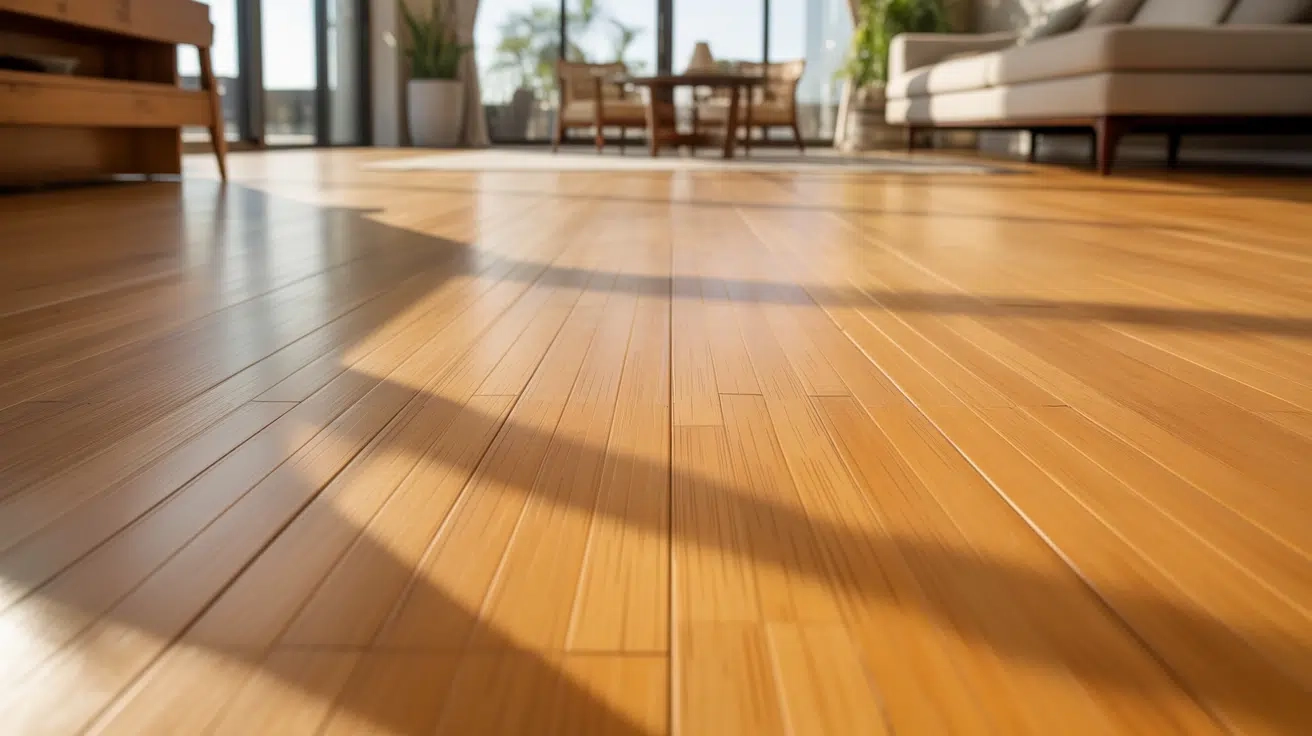
Remember when choosing a floor felt like picking between two slightly different shades of beige? Those days are long gone. Today, walking into a home tells a story about the people living there. And right now, in 2026, that story is increasingly being written with bamboo. It’s not just a trend anymore. It’s a shift. A real, tangible move away from the old ways of doing things toward something smarter, faster, and frankly, kinder to the planet.
You might still hear some folks whispering that bamboo is the "cheap alternative." Or that it’s not "real" wood. But if you haven’t looked at a high-end strand-woven plank lately, you’re missing out. The game has changed. We aren’t talking about those flimsy, scratch-prone boards from the early 2000s that dented if you looked at them wrong. We’re talking about engineering marvels that laugh in the face of dog claws and spilled wine. So, why is everyone still talking about bamboo? Let’s dig in.
The Speed of Nature vs. The Wait Game
Here’s the thing about trees. They’re slow. Really slow. If you want oak, maple, or walnut, you’re looking at decades. Sometimes a century or more. You cut down a hundred-year-old tree, and it’s gone. Forever. Sure, we plant new ones, but the gap is massive. That’s where bamboo steps in, quite literally, with swagger. It’s a grass. Not a tree. And it grows like crazy.
We’re talking three to five years to maturity. Think about that. While an oak sapling is barely figuring out how to stand up straight, a bamboo stalk is ready to be harvested, processed, and turned into a beautiful floor. This rapid renewal cycle means we aren’t stripping forests bare. We aren’t waiting generations for resources to replenish. For the eco-conscious homeowner—and let’s be honest, over 70 percent of us are thinking about sustainability these days—this isn’t just a nice bonus. It’s the main event.
It feels good, doesn’t it? Knowing that your beautiful, warm floor didn’t cost the earth its lungs. You get the aesthetic of rich, natural wood without the guilt of deforestation. It’s a small choice in your living room, but it ripples out. It supports farming practices that keep soil healthy and forests intact. In 2026, that kind of peace of mind is priceless.
Tougher Than It Looks (And Sounds)
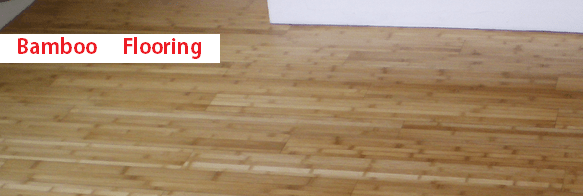
Let’s bust a myth right now. Bamboo is soft. Wrong. Well, natural bamboo is softer, sure. But nobody installs raw bamboo stalks on their floor. What you’re getting today is likely strand-woven bamboo. This process takes the fibers, shreds them, and compresses them under insane heat and pressure with resins. The result? A board that is denser and harder than most traditional hardwoods.
Check the Janka hardness scale if you don’t believe me. Brazilian Cherry, known for being tough as nails, sits around 2,350. Red Oak, the standard benchmark, is about 1,290. High-quality strand-woven bamboo? It often clocks in over 3,000. That’s not just harder. That’s in a different league. You can drop a fork. You can drag a chair (though please don’t). You can let the kids run wild with their toy trucks. It holds up.
This durability isn’t just about resisting dents, either. It’s about stability. Solid hardwood expands and contracts with humidity changes. It cups. It gaps. It warps. Bamboo, especially the engineered varieties, is far more stable. It handles the moisture swings of modern homes better than many traditional woods. For anyone living in a place with distinct seasons—or even just a humid summer—this means fewer headaches and less maintenance down the road. It just stays put.
The Look That Fits Everywhere
A few years ago, bamboo had a reputation for looking… well, specific. Lots of horizontal grains. A very "asian-inspired" vibe. Nothing wrong with that, but it didn’t fit every decor. Today? It’s a chameleon. Manufacturers have gotten incredibly clever with staining and processing techniques. You can get bamboo that looks like weathered gray driftwood. You can get it in deep, rich ebony tones that mimic walnut. You can even find wide-plank options that feel rustic and farmhouse-ready.
Designers and architects have caught on. They aren’t hiding bamboo anymore. They’re specifying it for high-end projects. Why? Because it offers a clean, modern line that hardwood sometimes struggles to achieve without costing a fortune. The grain patterns are subtle, allowing the color and texture to take center stage. It plays nice with minimalist interiors, but it also warms up cozy, cluttered spaces.
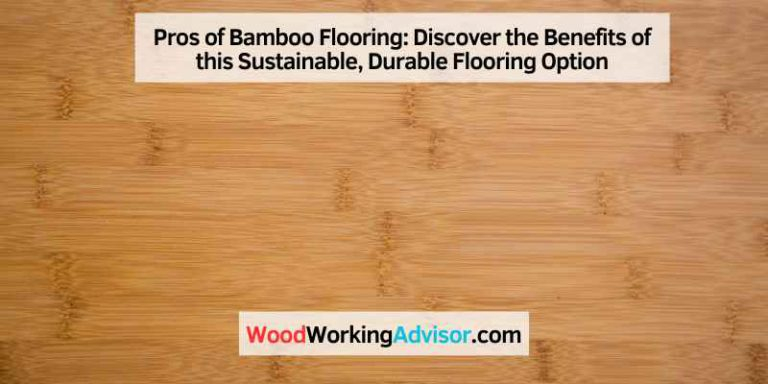
And let’s talk about consistency. With hardwood, you get knots. You get color variations from board to board. Some people love that character. Others find it chaotic. Bamboo offers a more uniform look. If you’re aiming for a sleek, seamless flow from room to room, bamboo delivers that continuity effortlessly. It’s predictable in the best way possible. You know exactly what you’re getting, and it looks stunning.
Wallet-Friendly Without Looking Cheap
Let’s be real. Money matters. Renovating a home is expensive. Flooring is one of the biggest line items. Exotic hardwoods like teak or mahogany can cost an arm and a leg. Even domestic oak prices have climbed steadily over the last few years. Bamboo, on the other hand, remains surprisingly affordable.
Because it grows so fast and is abundant, the raw material cost is lower. That savings gets passed down to you. You can often get a premium-grade bamboo floor for the same price—or less—than a mid-grade oak floor. And here’s the kicker: it doesn’t look cheaper. In fact, because of the tight grain and modern finishes, it often looks more expensive. It’s that sweet spot where budget meets luxury.
But it’s not just about the upfront cost. Think long-term. Remember that durability we talked about? A floor that doesn’t need refinishing every five years saves money. A floor that resists water damage better means fewer replacement costs if a pipe leaks. When you add up the lifespan and the low maintenance, the value proposition of bamboo becomes undeniable. It’s an investment that pays you back in both beauty and bank balance.
Installation and Upkeep Made Simple
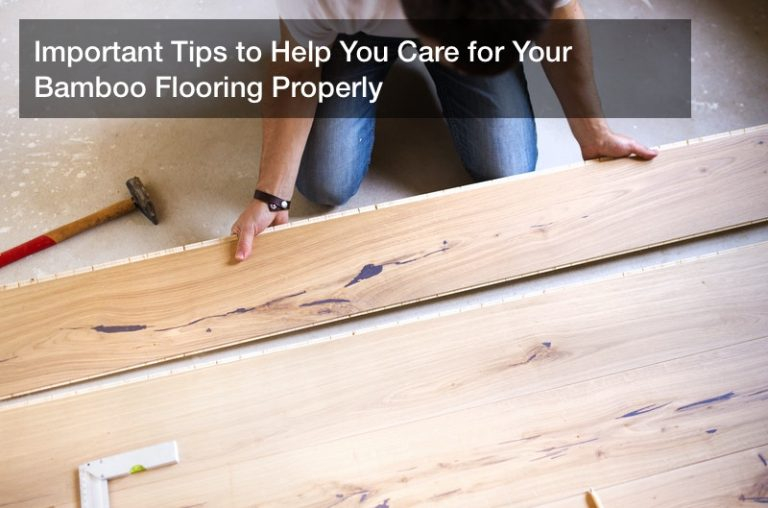
If you’ve ever lived through a hardwood installation, you know the drama. The acclimation period where the wood sits in your house for weeks. The nail-down methods that require special tools. The dust. Oh, the dust. Bamboo simplifies this. Many modern bamboo floors come as click-lock engineered planks. They float. No nails. No glue (usually). Just snap them together and you’re done.
This DIY-friendly nature is huge. It means you can save on labor costs if you’re handy. Or, if you hire a pro, the job goes faster. Less time means less money spent on installation. Plus, engineered bamboo can often be installed over existing subfloors, including concrete slabs, which opens up possibilities for basements or modern builds where solid hardwood just won’t work.
Maintenance is equally straightforward. Sweep it. Vacuum it. Damp mop it occasionally. That’s it. You don’t need special waxes or polishes. The factory finishes used in 2026 are tough, UV-cured layers that protect against stains and fades. Just avoid standing water, same as you would with any wood product. It’s forgiving. It’s easy. It lets you live your life without worrying about your floor.
So, where does this leave us in 2026? Hardwood isn’t dead. It never will be. There’s a romance to old-growth timber that bamboo can’t replicate. But for the majority of us—looking for strength, sustainability, style, and sense—bamboo is the clear winner. It answers the questions we’re asking today. How do we build beautiful homes without hurting the planet? How do we make our spaces durable enough for real life?
The technology has matured. The stigma has faded. What’s left is a product that performs. It’s harder than oak. It’s greener than maple. It’s cheaper than cherry. And it looks fantastic. Whether you’re renovating a vintage bungalow or building a new eco-pod, bamboo fits. It adapts. It endures.
Don’t let the old myths hold you back. Go look at some samples. Feel the weight of a strand-woven plank. See the depth of the stain. You might just find that the grass is indeed greener on the other side. Or rather, harder, smoother, and much more sensible. It’s time to let bamboo take its place. It’s earned it.
[sps_html tag=”img” src=”https://cdn.northcarolinafinearchitecture.com/2026/06/bamboo-flooring-know-about-durability-maintenance-advantages-and-bamboo-with-regard-to-beyond-the-hype-understanding-the-real-lifespan-and-maintenance-of-bamboo-floors.png” alt=”Bamboo Flooring Know About Durability Maintenance Advantages And Bamboo … with regard to Beyond the Hype Understanding the Real Lifespan and Maintenance of Bamboo Floors” style=”width: 100%; height: auto;”]
[sps_html tag=”img” src=”https://cdn.northcarolinafinearchitecture.com/2026/06/staining-bamboo-floors-a-complete-guide-to-refinishing-and-enhancing-in-bamboo-flooring-design.jpg” alt=”Staining Bamboo Floors: A Complete Guide To Refinishing And Enhancing … in Bamboo Flooring Design” style=”width: 100%; height: auto;”]
[sps_html tag=”img” src=”https://cdn.northcarolinafinearchitecture.com/2026/06/how-to-take-care-of-bamboo-floors-10-easy-steps-2026-inside-bamboo-flooring-design.jpg” alt=”How To Take Care Of Bamboo Floors | 10 Easy Steps (2026) inside Bamboo Flooring Design” style=”width: 100%; height: auto;”]
[sps_html tag=”img” src=”https://cdn.northcarolinafinearchitecture.com/2026/06/care-and-maintenance-of-bamboo-flooring-clsa-flooring-guide-regarding-bamboo-flooring-design.jpg” alt=”Care And Maintenance Of Bamboo Flooring – Clsa Flooring Guide regarding Bamboo Flooring Design” style=”width: 100%; height: auto;”]
[sps_html tag=”img” src=”https://cdn.northcarolinafinearchitecture.com/2026/06/how-to-clean-bamboo-floors-the-right-way-a-house-in-the-hills-regarding-beyond-the-hype-understanding-the-real-lifespan-and-maintenance-of-bamboo-floors.webp” alt=”How To Clean Bamboo Floors The Right Way - A House In The Hills regarding Beyond the Hype Understanding the Real Lifespan and Maintenance of Bamboo Floors” style=”width: 100%; height: auto;”]