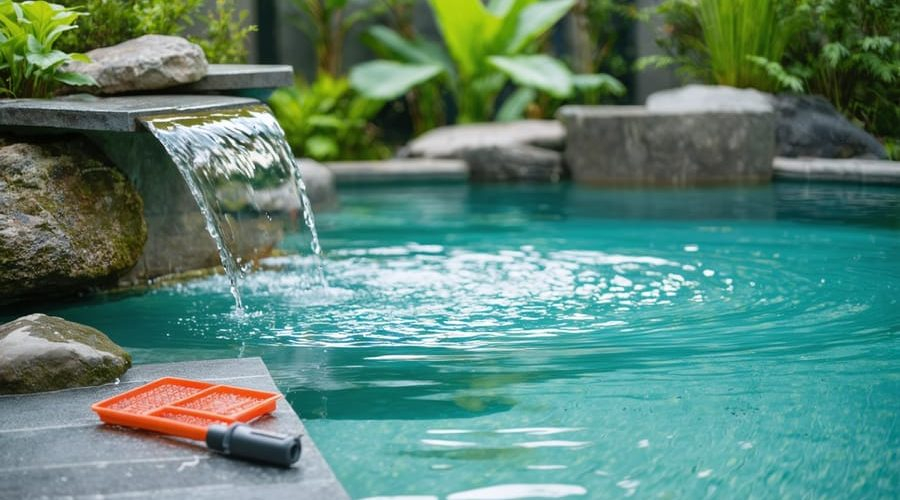
You’ve seen the pictures. Maybe it was on Instagram, or perhaps you walked past a neighbor’s yard and just stopped dead in your tracks. The water is glass-still, reflecting the sky. Bright orange koi glide like living jewels beneath lily pads. It looks peaceful. It looks easy. It looks like the perfect escape from the noise of modern life.
But here is the thing nobody tells you in those glossy magazines. That tranquility? It is earned. It is built on hours of planning, a fair bit of sweat, and sometimes, a surprising amount of money. I have talked to dozens of homeowners over the last few years who started with a dream and ended with a muddy hole in their backyard they didn’t know how to fill. Or worse, a sparkling pond that became a full-time job they never signed up for.
So, before you pick up a shovel or call a contractor, let’s take a breath. Let’s talk about what it actually takes. Not the sales pitch, but the real deal. Whether you want a high-tech koi sanctuary or a wild, naturalistic wetland, getting it right starts with knowing what you are getting into. And trust me, knowing is half the battle.
The Great Debate: Koi Tank vs. Natural Garden
First things first. You need to decide what kind of water feature you actually want. This sounds obvious, but it is where most people mess up. They try to mix two very different worlds. On one hand, you have the koi pond. This is basically an outdoor aquarium. It is engineered for clarity. You want to see every scale on every fish. To do this, you need heavy filtration, pumps running 24/7, and often, a bottom drain to suck up waste. It is high maintenance, but the payoff is crystal clear water and vibrant fish.
On the other hand, there is the naturalistic water garden. This is less about control and more about ecology. You aren’t trying to make the water look like tap water. You are trying to mimic a swamp, a bog, or a slow-moving stream. The water might be a bit tea-colored (which is actually healthy for plants). You rely on plants to do the filtering, not expensive UV sterilizers. Frogs, dragonflies, and native fish are the stars here, not imported koi.
Why does this distinction matter? Because koi are messy. Really messy. They dig. They eat plants. If you put koi in a natural garden, they will turn your carefully curated ecosystem into a mud bath within weeks. Conversely, if you build a sterile, high-filtration koi pond, most native plants won’t thrive because the water is too clean and the flow is too strong. You have to pick a lane. In 2026, we are seeing a big shift toward naturalistic designs because people are tired of the energy bills associated with running massive pumps. But if you love koi, you have to commit to the tech.
Location, Location, and Sunlight
Where you put the pond is almost as important as how you build it. I cannot stress this enough. Do not just pick the prettiest spot. Pick the smartest spot. You need to think about sunlight. Most aquatic plants, especially water lilies, need at least six hours of direct sun. If you plop your pond under a huge oak tree, your plants will fail. And if your plants fail, your algae will take over. It is a simple equation.
However, too much sun can be a problem too. In the hotter summers we are seeing lately, a pond in full blast sunlight can get uncomfortably warm for fish. Koi prefer cooler water. So, aim for a balance. Morning sun and afternoon shade is often the sweet spot. Also, look up. Are there trees nearby? Leaves falling into the pond in autumn are a nightmare. They rot, release nutrients, and cause algae blooms. If you must have trees, plan for a netting system in the fall. It is extra work, but it saves your water quality.
Then there is the issue of utilities. Before you dig, you need to know where your gas, electric, and water lines are. Hitting a gas line is not just expensive; it is dangerous. Call your local utility marking service. It is free and it is the law in most places. Also, think about access. You will need to get electricity to the pump. You will need a water source to top off evaporation. If your pond is in the farthest corner of your yard, running trench lines for power and water can double your installation cost. Keep it accessible. You will thank yourself later when you are cleaning filters or adding water during a dry spell.
The Hidden Costs of Installation
Let’s talk money. It is the awkward part, but it is necessary. Many people budget for the excavation and the liner. They forget everything else. A basic DIY small pond might cost a few hundred dollars. But a proper koi pond? That is a different beast. In 2026, materials costs have stabilized somewhat after the spikes of the early 2020s, but labor is still pricey.
For a medium-sized koi pond (say, 10×15 feet), you are looking at several thousand dollars if you hire pros. Why? Because you need robust filtration. We are talking biological filters, mechanical filters, UV clarifiers, and powerful pumps. You also need a high-quality liner. Do not skimp here. Cheap liners crack in the winter sun or get punctured by rocks. EPDM rubber liners are the gold standard. They last decades. Concrete is another option, but it is prone to cracking if the ground shifts and it is much more expensive to fix.
Then there are the "nice-to-haves" that become "must-haves." Skimmers to catch debris before it sinks. Bottom drains to remove sludge. Automatic top-off systems so the water level stays constant. These add up. And don’t forget the fish themselves. High-quality koi are not cheap. A single show-quality fish can cost hundreds. Even decent pet-store koi add up when you buy a group.
If you go the naturalistic route, the costs shift. You spend less on pumps and filters, but more on plants. A fully planted pond needs density to work. You aren’t buying three lily pads; you are buying thirty, plus marginal plants, oxygenators, and bog plants. It adds up. But the long-term operating cost is lower because you aren’t running huge pumps. It is a trade-off. Upfront cost vs. ongoing cost. Know your budget, and then add twenty percent for surprises. There are always surprises.
Filtration and Water Chemistry Basics
Water quality is the heartbeat of your pond. If the water is bad, the fish die. It is that simple. But what makes water "good"? It is not just about being clear. Clear water can still be toxic. You need to understand the nitrogen cycle. Fish poop and decaying leaves produce ammonia. Ammonia is deadly. Beneficial bacteria live in your filter and convert ammonia into nitrites, and then into nitrates. Nitrates are less harmful and are actually food for your plants.
This is why biological filtration is key. You need surface area for these bacteria to live. Bio-balls, lava rock, or specialized mats inside your filter box provide this home. If you kill these bacteria (by using harsh chemicals or cleaning the filter too aggressively with tap water), your pond crashes. The water turns cloudy, smells bad, and fish get sick. This is called "New Pond Syndrome," and it happens when people rush to add fish before the bacteria colony is established. Patience is vital. It can take four to eight weeks for a new pond to cycle properly.
In recent years, we have seen smarter technology enter the market. Smart pumps that adjust flow based on temperature. App-controlled dosing systems for beneficial bacteria. While cool, remember that technology fails. Power goes out. Pumps break. Always have a backup plan. A simple air pump on a battery backup can keep fish alive during a summer power outage when oxygen levels drop. Don’t rely solely on the app. Test your water regularly. Simple test strips are cheap and tell you if your ammonia or pH is off. Catching a problem early saves fish.
Choosing the Right Plants and Fish
Plants are not just decoration. They are workers. In a naturalistic pond, they are the primary filtration system. In a koi pond, they are often prey, but they still help shade the water and compete with algae for nutrients. You need a mix. Submerged plants (oxygenators) like hornwort or anacharis absorb nutrients directly from the water column. Floating plants like water lettuce or duckweed shade the surface, keeping the water cool and blocking sunlight that algae needs. Marginal plants like iris, cattails, and rushes grow in the shallow edges and provide habitat for wildlife.
Be careful with invasive species. In many parts of the US and Europe, plants like yellow flag iris or certain types of millet are illegal to plant because they escape into local waterways and choke out native ecosystems. Check your local regulations. Stick to native plants where possible. They are adapted to your climate, require less care, and support local bees and butterflies. It is a win-win.
As for fish, koi are the celebrities, but they are not the only option. Goldfish are hardier, cheaper, and come in beautiful varieties like shubunkins and comets. They are great for beginners. If you go natural, consider native minnows or sunfish. They are tough, colorful, and part of your local ecology. Avoid mixing species that don’t get along. And please, do not release pet store fish into the wild. It is illegal and ecologically disastrous. Start with a small number of fish. You can always add more later. Overstocking is the fastest way to ruin water quality. Remember, fish grow. That cute two-inch koi will be twelve inches in a few years. Plan for their adult size.
Here is the truth no one wants to hear. Ponds need work. They are not "install and forget" features. If you ignore a pond, it becomes a mosquito breeding ground and a green slime pit. But the amount of work depends on your design. A heavily filtered koi pond needs weekly checks. You need to clean pre-filters, check pump flows, and test water parameters. You might need to vacuum the bottom occasionally if you don’t have a bottom drain.
A naturalistic pond is lower maintenance but still requires attention. You need to trim back dead foliage in the fall. You might need to thin out aggressive plants so they don’t take over. You will need to remove fallen leaves. But you won’t be scrubbing filters every week. The key is consistency. Spending fifteen minutes a week checking your pond is better than spending fifteen hours once a year fixing a disaster.
Winter is a special challenge. In colder climates, you cannot let your pond freeze solid. Fish need oxygen. You need to keep a hole in the ice. A floating de-icer or a bubbler works well. Do not break the ice with a hammer; the shockwaves can stun or kill fish. Also, stop feeding fish when the water temperature drops below 50°F (10°C). Their digestion slows down, and uneaten food rots. In spring, wake up the pond slowly. Clean out winter debris, restart pumps, and wait for the water to warm before feeding heavily.
It sounds like a lot. And it is. But for many people, the routine is meditative. Checking the water, watching the fish, tending the plants. It connects you to the seasons. It forces you to slow down. If you view maintenance as a chore, you will resent it. If you view it as part of the experience, it becomes rewarding. Just go in with your eyes open. Know what you are signing up for.
So, where does this leave you? Ready to dig? Hopefully, you feel a bit more prepared. Building a pond is a journey. It is messy, complex, and sometimes frustrating. But it is also incredibly rewarding. There is a magic in sitting by the water at dusk, listening to the frogs, watching the koi glide by. It brings a piece of nature into your daily life.
The key is to start small, plan big, and be patient. Don’t rush. Learn as you go. Talk to other pond owners. Join online forums. Read up on local plants. And remember, every pond is unique. What works for your neighbor might not work for you. Trust your instincts, respect the ecology, and enjoy the process. The water is waiting.
[sps_html tag=”img” src=”https://cdn.northcarolinafinearchitecture.com/2026/06/diy-outdoor-water-garden-intended-for-seasonal-care-tips-to-keep-your-outdoor-water-feature-crystal-clear-year-round.jpg” alt=”Diy Outdoor Water Garden intended for Seasonal Care Tips to Keep Your Outdoor Water Feature Crystal Clear Year Round” style=”width: 100%; height: auto;”]
[sps_html tag=”img” src=”https://cdn.northcarolinafinearchitecture.com/2026/06/transform-your-water-feature-with-smart-outdoor-lighting-simple-expert-inside-outdoor-water-feature-design.jpeg” alt=”Transform Your Water Feature With Smart Outdoor Lighting (Simple Expert … inside Outdoor Water Feature Design” style=”width: 100%; height: auto;”]
[sps_html tag=”img” src=”https://cdn.northcarolinafinearchitecture.com/2026/06/how-to-keep-your-fountain-water-clean-and-clear-year-round-with-outdoor-water-feature-design.png” alt=”How To Keep Your Fountain Water Clean And Clear Year-Round with Outdoor Water Feature Design” style=”width: 100%; height: auto;”]
[sps_html tag=”img” src=”https://cdn.northcarolinafinearchitecture.com/2026/06/aluminium-round-water-pool-with-fountain-water-features-in-the-garden-inside-seasonal-care-tips-to-keep-your-outdoor-water-feature-crystal-clear-year-round.jpg” alt=”Aluminium Round Water Pool With Fountain | Water Features In The Garden … inside Seasonal Care Tips to Keep Your Outdoor Water Feature Crystal Clear Year Round” style=”width: 100%; height: auto;”]
[sps_html tag=”img” src=”https://cdn.northcarolinafinearchitecture.com/2026/06/keep-your-water-feature-crystal-clear-with-these-expert-maintenance-throughout-seasonal-care-tips-to-keep-your-outdoor-water-feature-crystal-clear-year-round.jpeg” alt=”Keep Your Water Feature Crystal Clear With These Expert Maintenance … throughout Seasonal Care Tips to Keep Your Outdoor Water Feature Crystal Clear Year Round” style=”width: 100%; height: auto;”]