Ever stepped out onto your patio or into your backyard and felt… nothing? Maybe it was just a slab of concrete, a patch of grass, or some generic furniture that looked like it came straight from a warehouse sale. It happens. We spend so much time curating our indoor spaces, picking out the perfect rug or that one weird lamp we love, but the outside often gets left behind. It’s just "out there." But what if it wasn’t? What if your outdoor area felt like a true extension of your living room, a place where you actually wanted to hang out, read a book, or have friends over for drinks?
It doesn’t take a massive renovation or a bottomless bank account to fix this. In fact, some of the best changes are the smallest ones. Adding warmth and personality is less about buying expensive new structures and more about layering in things that feel like you. Whether you have a tiny balcony in the city or a sprawling backyard in the suburbs, the principles are the same. You want comfort. You want style. And you want it to feel lived-in, not like a showroom display that no one is allowed to touch.
Let’s be real, life is busy. You don’t have time for complicated projects that drag on for months. You want results. Good news: adding character to your outdoor space can be done in a weekend, or even an afternoon. It’s about smart choices, thoughtful details, and understanding how light, texture, and color work together. By 2026, we’ve seen a huge shift towards treating outdoor areas as genuine "rooms." They aren’t just for grilling burgers anymore. They are sanctuaries. Let’s dive into how you can make yours feel that way, without losing your mind or your savings.
Layering Textiles for Instant Comfort
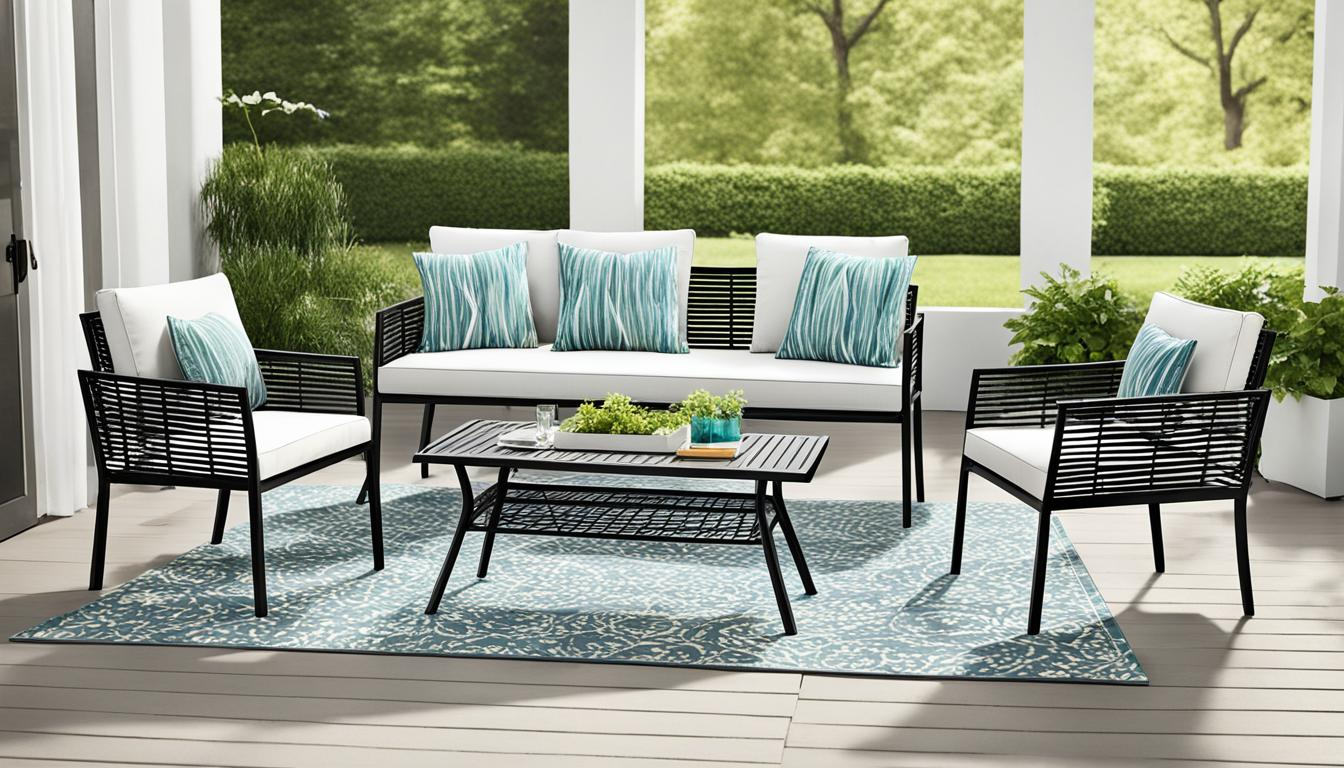
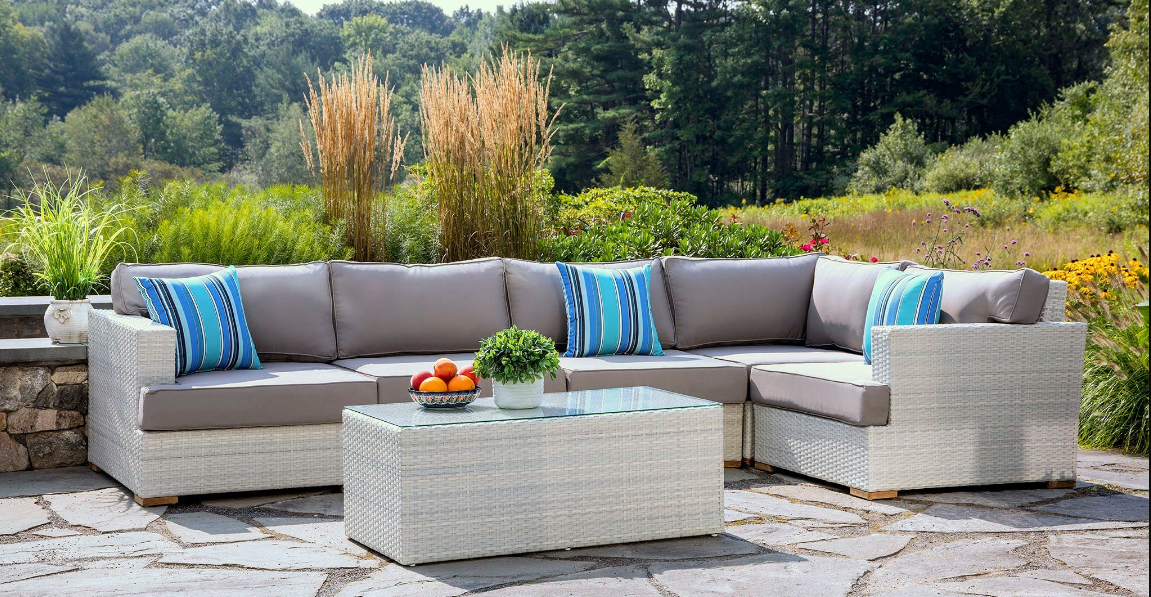
Think about your indoor living room. It probably has rugs, throw pillows, and maybe a cozy blanket draped over the arm of the sofa. Why should outside be any different? One of the fastest ways to kill the sterile vibe of a patio is to add softness. Hard surfaces like wood, metal, and stone are great for durability, but they can feel cold and uninviting. Textiles bridge that gap. Start with outdoor-rated pillows. This isn’t just a suggestion; it’s a necessity. You need fabrics that can handle rain, sun, and the occasional spilled drink. Look for solution-dyed acrylics. They resist fading and mold, which means they’ll look good for years, not just one season.
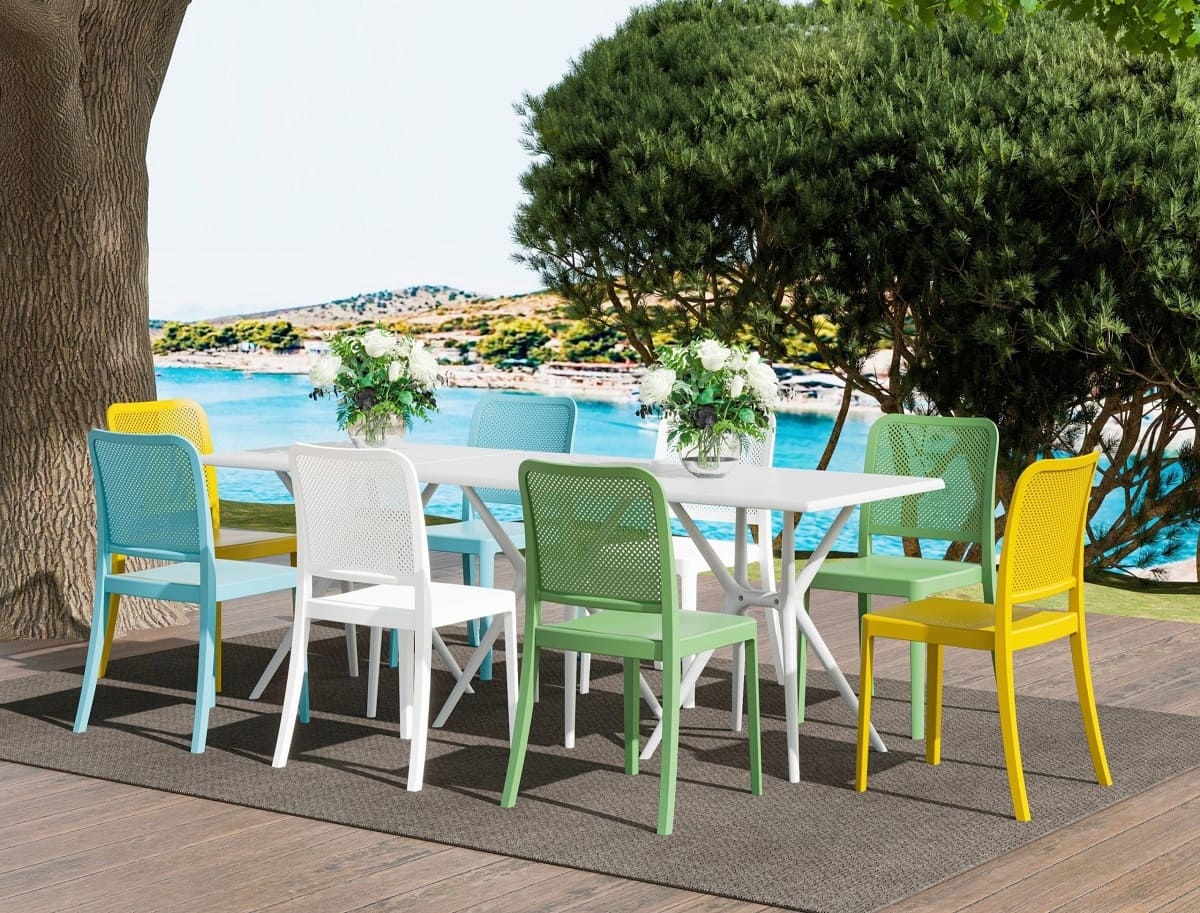
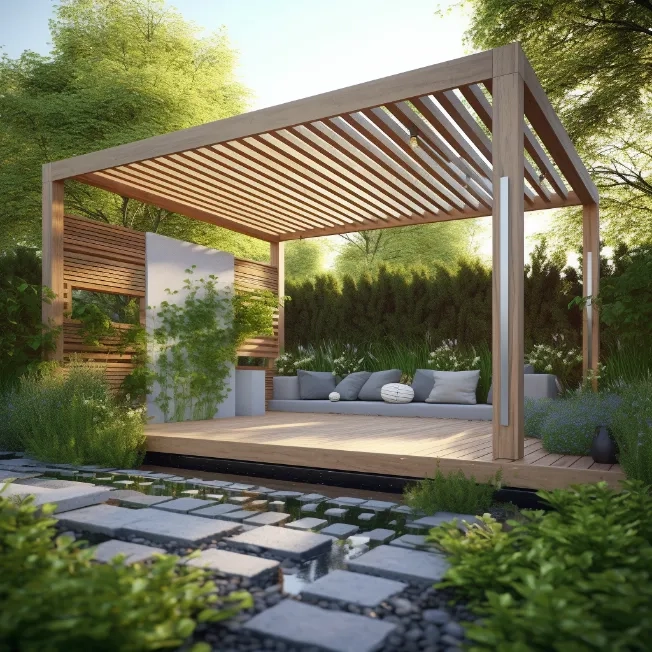
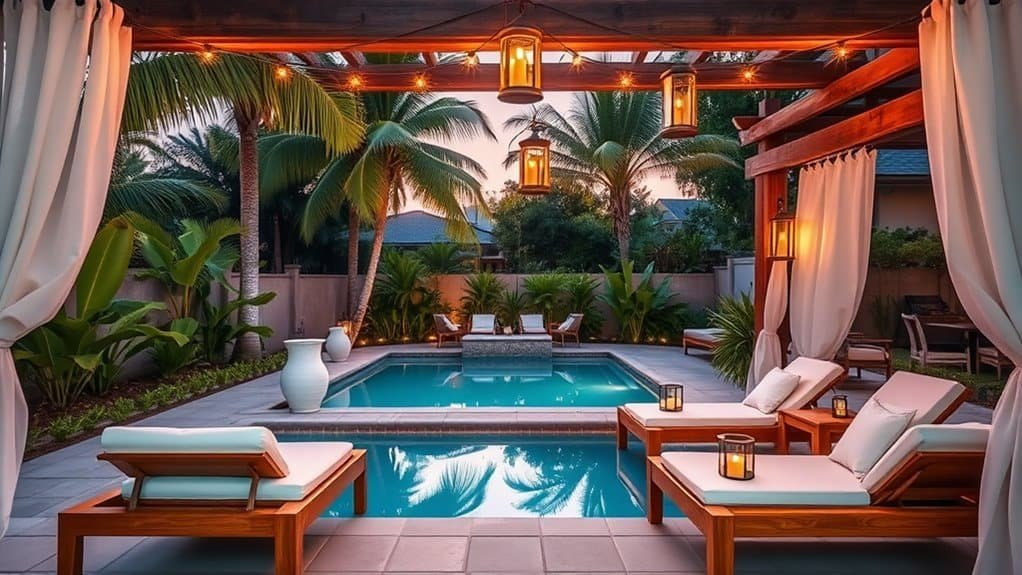
Don’t be afraid to mix patterns and colors. If your furniture is neutral—say, a beige wicker set or grey aluminum chairs—this is your chance to go wild. Pick pillows with bold geometric prints, vibrant florals, or even quirky illustrations that reflect your hobbies. A trio of mismatched pillows can add more personality than a whole new sofa set. And don’t stop at seat cushions. If you have a pergola or a covered porch, consider hanging an outdoor curtain or two. They add privacy, sure, but they also soften the hard lines of the structure and move with the breeze, creating a dynamic, airy feel.
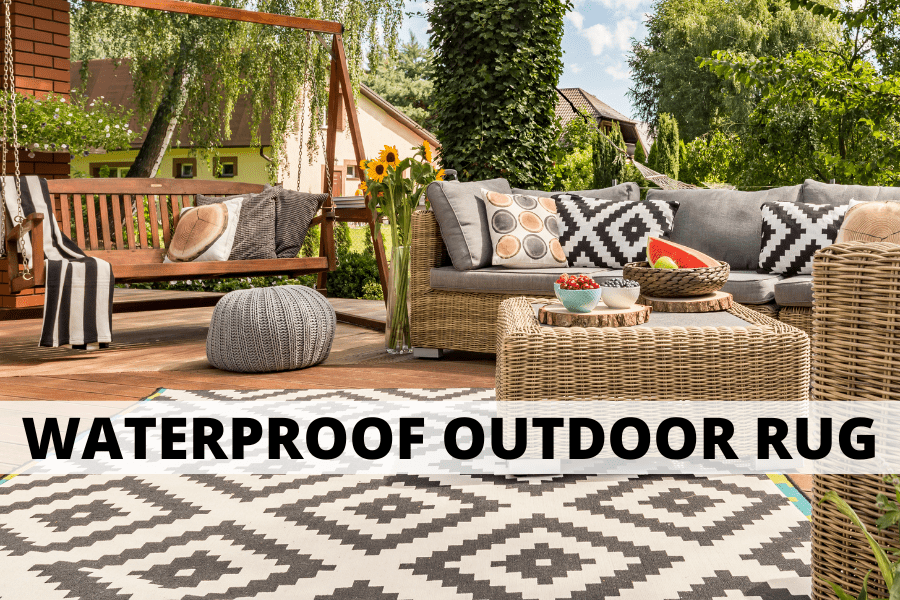
Rugs are another game-changer. Yes, outdoor rugs exist, and they’ve come a long way. They define the space, making it feel like a distinct "room" rather than just an open yard. Place a rug under your dining table or seating area to anchor the furniture. It adds warmth underfoot, which is surprisingly important when you’re barefoot on a cool evening. Just make sure to pick one that drains well so it doesn’t get soggy. The key here is layering. Combine a durable base rug with softer, washable throws on the chairs. It creates depth. It invites people to sit down and stay awhile. Who doesn’t want that?
Lighting That Sets the Mood
Lighting is arguably the most underrated element in outdoor design. During the day, your space might look fine, but once the sun goes down, it can disappear into darkness or, worse, be flooded by harsh, security-style floodlights. Neither is welcoming. The goal is to create pools of light that guide the eye and create intimacy. In 2026, smart lighting options are more affordable and easier to install than ever before. You don’t need an electrician to run new wires for every little bulb. Solar-powered path lights are a fantastic, low-effort way to line the edges of your patio or walkway. They provide a gentle glow that helps guests navigate without blinding them.
String lights are a classic for a reason. They work. Draping them overhead creates a canopy of stars, instantly making the space feel magical. But don’t just hang them haphazardly. Think about the shape. Zig-zag them across a pergola, wrap them around tree trunks, or outline the perimeter of your deck. The type of bulb matters too. Edison-style bulbs give off a warm, amber glow that feels nostalgic and cozy. Avoid cool white LEDs if you want warmth; they can feel clinical, like a hospital corridor. You want golden hour vibes, all night long.
For a more modern touch, consider lanterns or LED candles on tables and side surfaces. These add height and variation to your lighting scheme. Battery-operated flameless candles are safe and convenient, eliminating the worry of wind blowing out a real flame or wax dripping on your nice table. You can group them in clusters for impact. Another trendy option is uplighting plants. Placing a small spotlight at the base of a large shrub or tree draws attention to the greenery and adds drama to the background. It makes your garden feel alive at night. Remember, lighting isn’t just about seeing; it’s about feeling. The right glow makes people relax. It signals that this is a place to unwind.
Bringing Nature Closer with Greenery
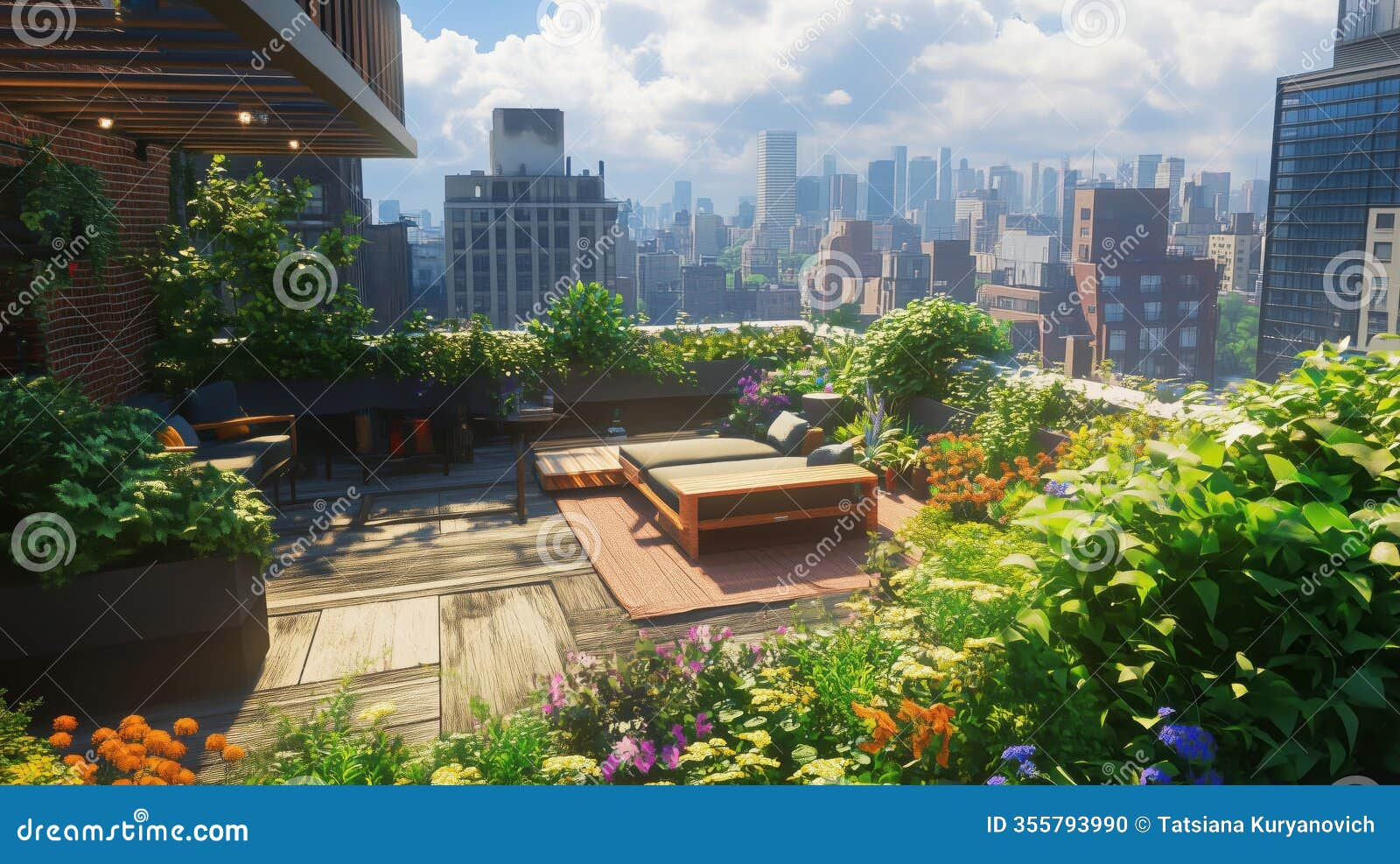
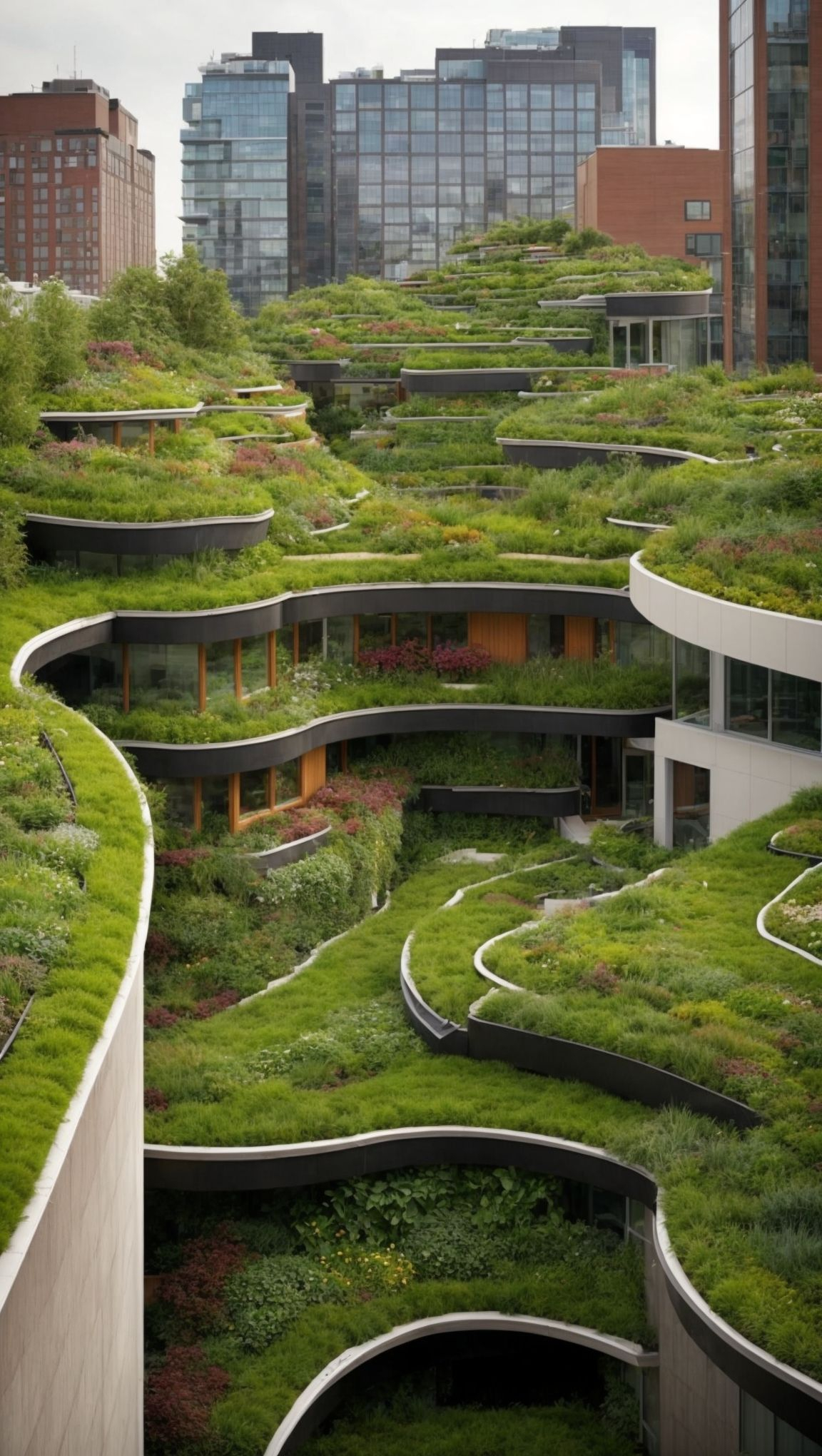
Plants are the soul of any outdoor space. Without them, it’s just furniture and hardscape. But simply sticking a potted plant in the corner isn’t enough. You want to create layers of greenery that feel intentional and lush. Start with variety. Mix tall, structural plants like ornamental grasses or small trees with trailing vines and low-growing ground covers. This creates visual interest at different eye levels. If you have a small balcony, vertical gardening is your best friend. Hanging baskets, wall-mounted planters, or trellises with climbing jasmine or ivy can turn a blank wall into a living tapestry. It saves floor space while maximizing the green factor.
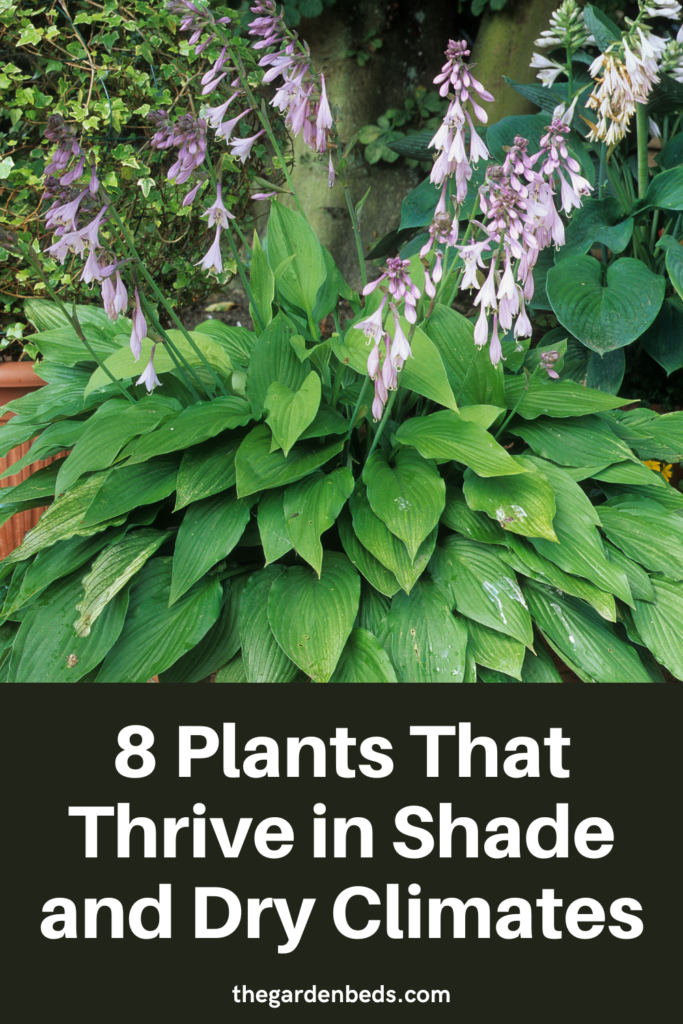
Choose plants that thrive in your specific climate and light conditions. There’s no point in buying a shade-loving fern if your patio bakes in the afternoon sun. Succulents and lavender are great for hot, dry spots, while hostas and ferns love the shade. Native plants are also a smart choice. They require less water and maintenance, and they support local pollinators like bees and butterflies. Watching a butterfly land on your flowers adds a little bit of magic to your day. It connects you to the environment in a tangible way. Plus, native gardens often look more natural and less manicured, which fits the relaxed vibe we’re going for.
Don’t forget about scent. Fragrant plants like jasmine, gardenia, or mint can transform the sensory experience of your outdoor room. Imagine sitting outside in the evening, sipping tea, and catching a whiff of fresh mint or sweet jasmine. It’s incredibly soothing. Herbs are particularly useful because they’re functional too. Having basil, rosemary, or thyme within arm’s reach of your grill or outdoor kitchen makes cooking outside a joy. It blurs the line between landscaping and utility. Group pots of different sizes and materials together for a curated look. Terracotta, ceramic, and woven baskets add texture even before the plants grow in. The goal is to make it feel like nature has gently taken over, not that you’ve forced it into submission.
Personal Touches and Artistic Flair
Your outdoor space should tell your story. It shouldn’t look like it was copied from a catalog. This is where personal touches come in. Art isn’t just for indoors. Weather-resistant sculptures, metal wall art, or even a colorful mosaic can serve as focal points. Hang a large piece of outdoor-safe art on a fence or exterior wall to draw the eye. It breaks up large, blank surfaces and adds a splash of color or intrigue. If you’re crafty, consider DIY projects. Painted stones, handmade wind chimes, or repurposed items like old ladders used as plant stands can add unique character. These items have history. They have soul.
Mirrors are another clever trick. An outdoor-rated mirror placed strategically can reflect light and greenery, making a small space feel larger and brighter. It creates an illusion of depth. Just be careful with placement; you don’t want to blind anyone with reflected sunlight. Position it to capture a nice view of your garden or a particularly lovely plant. You can also incorporate items that reflect your hobbies. Love reading? Create a dedicated nook with a comfortable chair and a small side table for books. Love music? Set up a weather-proof speaker system or display vintage instruments as decor. These details signal to guests what you value and enjoy.
Collections can also be displayed outside. Do you have a collection of vintage bottles, colorful tiles, or ceramic birds? Arrange them on shelves or along a windowsill. It’s a conversation starter. It shows that you’ve thought about this space. In 2026, there’s a big trend towards "maximalist" outdoors, where more is more. Don’t be afraid to clutter a little, as long as it’s curated clutter. Mix old and new. Pair a sleek modern chair with a rustic, weathered wooden table. The contrast creates tension and interest. It feels collected over time, not bought in a single shopping trip. That’s the essence of personality. It’s imperfect. It’s real.
Creating Zones for Different Activities
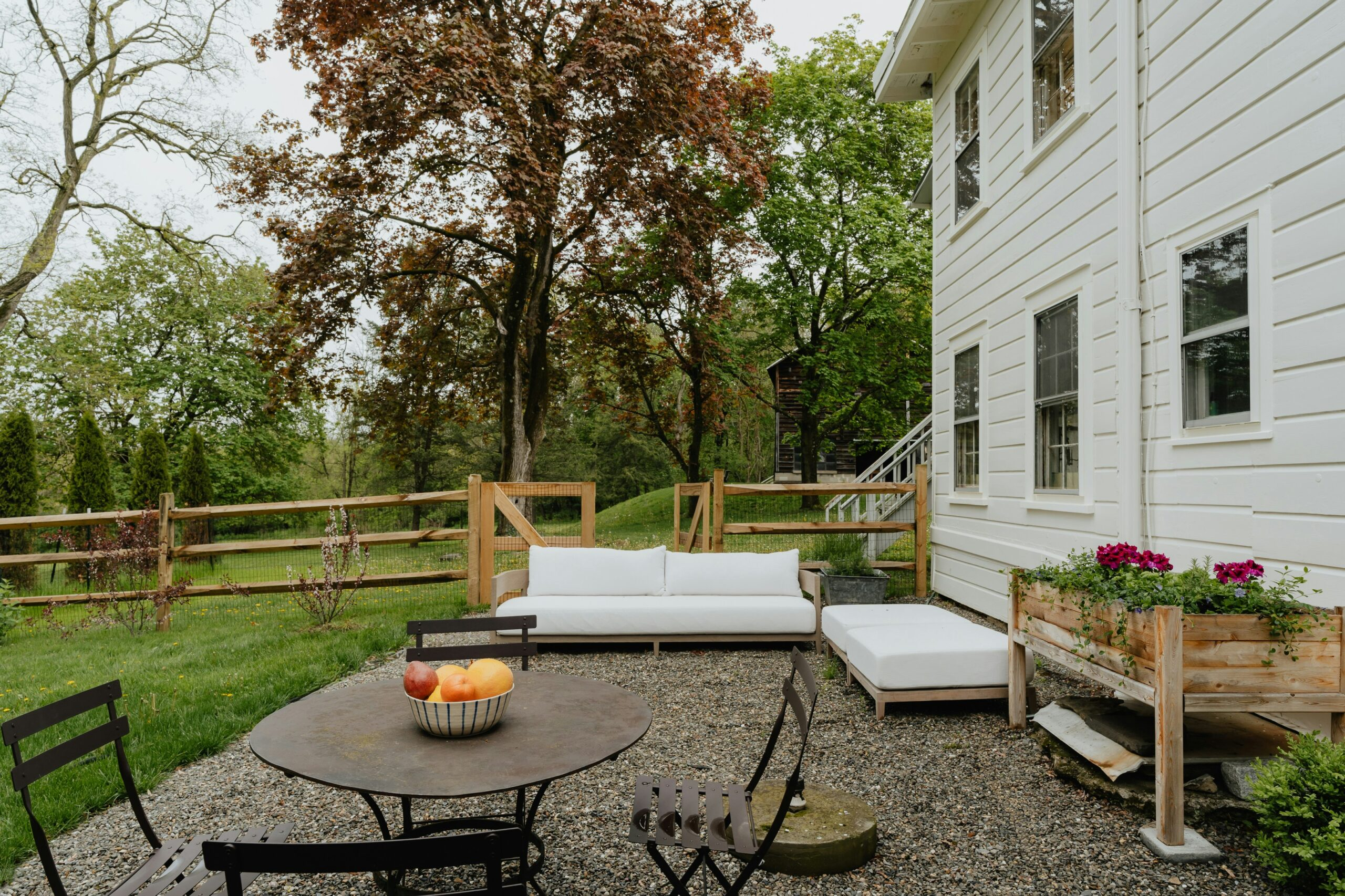
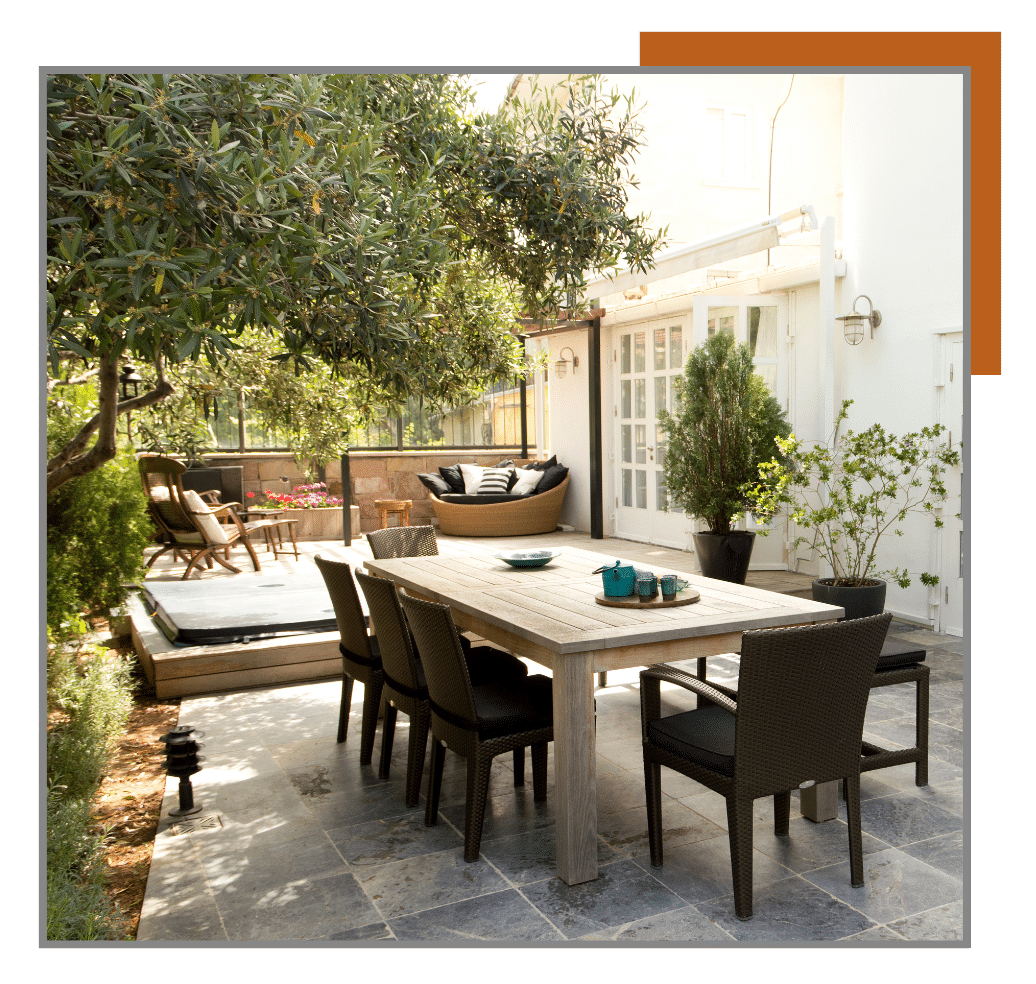
One common mistake in outdoor design is treating the entire area as one big blob. Instead, think about how you use the space. Do you eat outside? Do you lounge? Do you garden? Do you play games? Creating distinct zones helps organize the flow and makes the area feel more functional and inviting. For example, separate your dining area from your lounging area. Use a rug to define the dining zone, and perhaps a different type of flooring or a change in elevation to mark the lounge spot. This psychological separation helps people understand how to use each part of the yard.
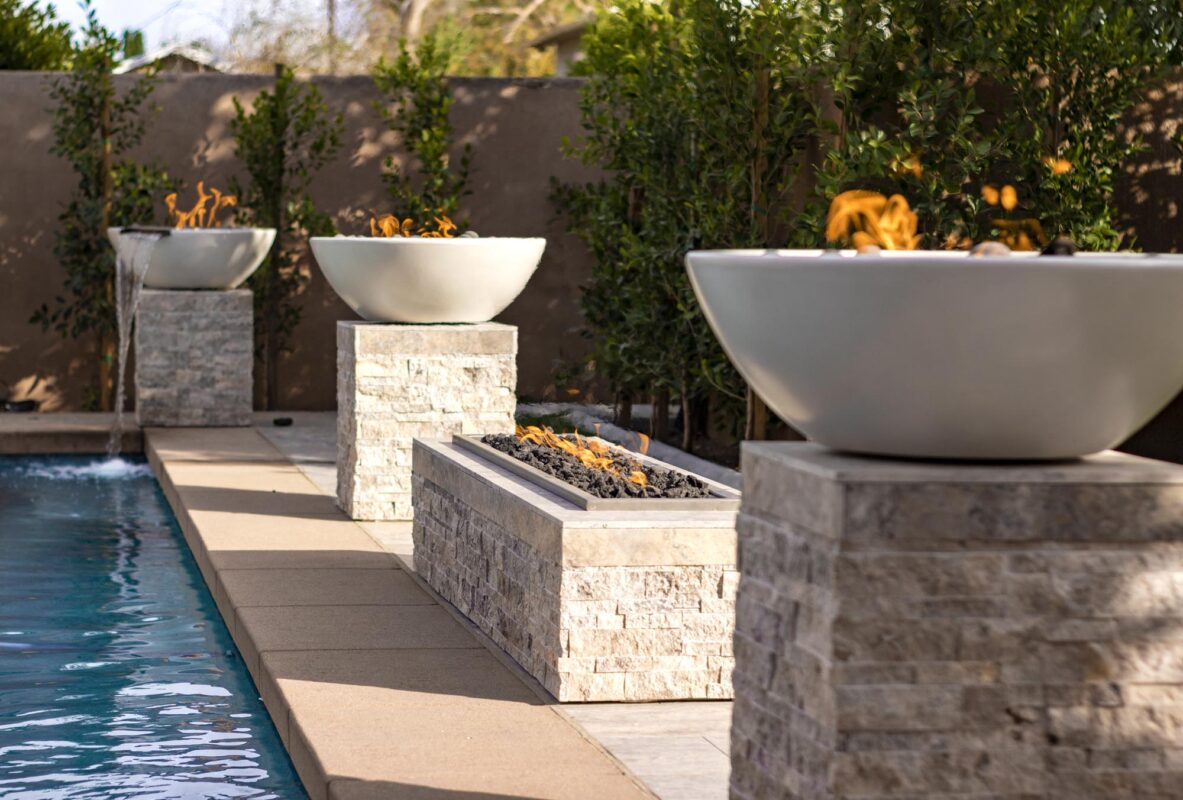
If you have a large family or often host groups, consider adding a fire pit area. This naturally becomes a gathering spot. Surround it with comfortable, durable seating that encourages conversation. Keep the seating close enough so people don’t have to shout, but far enough to be safe from the heat. For smaller spaces, multi-functional furniture is key. A bench with storage underneath can hold cushions or gardening tools. A table that can expand or contract allows you to accommodate different group sizes. Flexibility is crucial. You want the space to adapt to your needs, not the other way around.
Privacy is also part of zoning. If you’re lounging, you might want more seclusion. Use tall plants, screens, or outdoor curtains to create a visual barrier from neighbors or the street. This makes the space feel like a retreat. On the other hand, your dining area might be more open to encourage social interaction with people inside the house or in other parts of the yard. Think about the sun’s path too. Place your morning coffee spot where it catches the early light, and your evening lounge area where it’s shaded from the setting sun or protected from wind. Thoughtful placement enhances comfort. It shows you’ve considered the human experience, not just the aesthetics.
You don’t need to spend a fortune to make a big impact. Some of the most effective changes are nearly free. Start with what you have. Can you repaint your existing furniture? A fresh coat of paint in a bold color can completely transform a tired set. Sand it down, prime it, and paint it with outdoor-grade enamel. It’s a weekend project that yields huge results. Or, reupholster cushions instead of replacing them. If the frames are solid, new fabric is all you need. Look for sales on outdoor fabric or use drop cloths for a rustic, industrial look that’s cheap and durable.
Thrifting is another goldmine. Check local flea markets, garage sales, or online marketplaces for unique pieces. An old wooden crate can become a side table. A vintage door can be turned into a headboard for an outdoor daybed. The key is to see potential. Clean things up, seal wood surfaces, and get creative. DIY planters are also easy and cheap. Use galvanized buckets, tin cans, or even old boots as quirky pots. Paint them, add drainage holes, and fill them with soil. It adds whimsy. It shows you don’t take yourself too seriously.
In 2026, sustainability is huge. Repurposing materials isn’t just budget-friendly; it’s eco-conscious. Use reclaimed wood for shelving or raised garden beds. It adds texture and history. You can also make your own decor. Macramé plant hangers are easy to learn and add a bohemian touch. Hand-painted signs with welcoming messages or funny quotes add personality. The imperfections in handmade items are what make them charming. They prove a human made them. Don’t strive for perfection. Strive for expression. A slightly crooked shelf or a hand-painted rock garden tells a story. It invites connection. And isn’t that what an outdoor living area is really about? Connecting with others, and with yourself.
So, where do you start? Pick one thing. Maybe it’s buying a few colorful pillows. Maybe it’s hanging some string lights. Maybe it’s moving a pot plant from the garage to the patio. Small steps add up. Over time, your outdoor space will evolve. It will become a reflection of your life, your tastes, and your memories. It won’t be perfect, and that’s okay. In fact, that’s better. It will be warm. It will be welcoming. And it will be yours. Enjoy the process. Enjoy the outdoors.
[sps_html tag=”img” src=”https://cdn.northcarolinafinearchitecture.com/2026/06/a-guide-for-choosing-the-best-all-weather-outdoor-furniture-within-the-essential-guide-to-creating-weather-resistant-outdoor-rooms-for-year-round-use.png” alt=”A Guide For Choosing The Best All-Weather Outdoor Furniture within The Essential Guide to Creating Weather Resistant Outdoor Rooms for Year Round Use” style=”width: 100%; height: auto;”]
[sps_html tag=”img” src=”https://cdn.northcarolinafinearchitecture.com/2026/06/5-features-for-a-dream-outdoor-living-space-inside-outdoor-room-design.png” alt=”5 Features For A Dream Outdoor Living Space inside Outdoor Room Design” style=”width: 100%; height: auto;”]
[sps_html tag=”img” src=”https://cdn.northcarolinafinearchitecture.com/2026/06/best-weather-resistant-patio-furniture-at-vonda-tong-blog-within-outdoor-room-design.jpg” alt=”Best Weather Resistant Patio Furniture At Vonda Tong Blog within Outdoor Room Design” style=”width: 100%; height: auto;”]
[sps_html tag=”img” src=”https://cdn.northcarolinafinearchitecture.com/2026/06/best-waterproof-outdoor-rug-and-water-resistant-outdoor-rugs-daneila-with-regard-to-outdoor-room-design.png” alt=”Best Waterproof Outdoor Rug And Water Resistant Outdoor Rugs - Daneila … with regard to Outdoor Room Design” style=”width: 100%; height: auto;”]
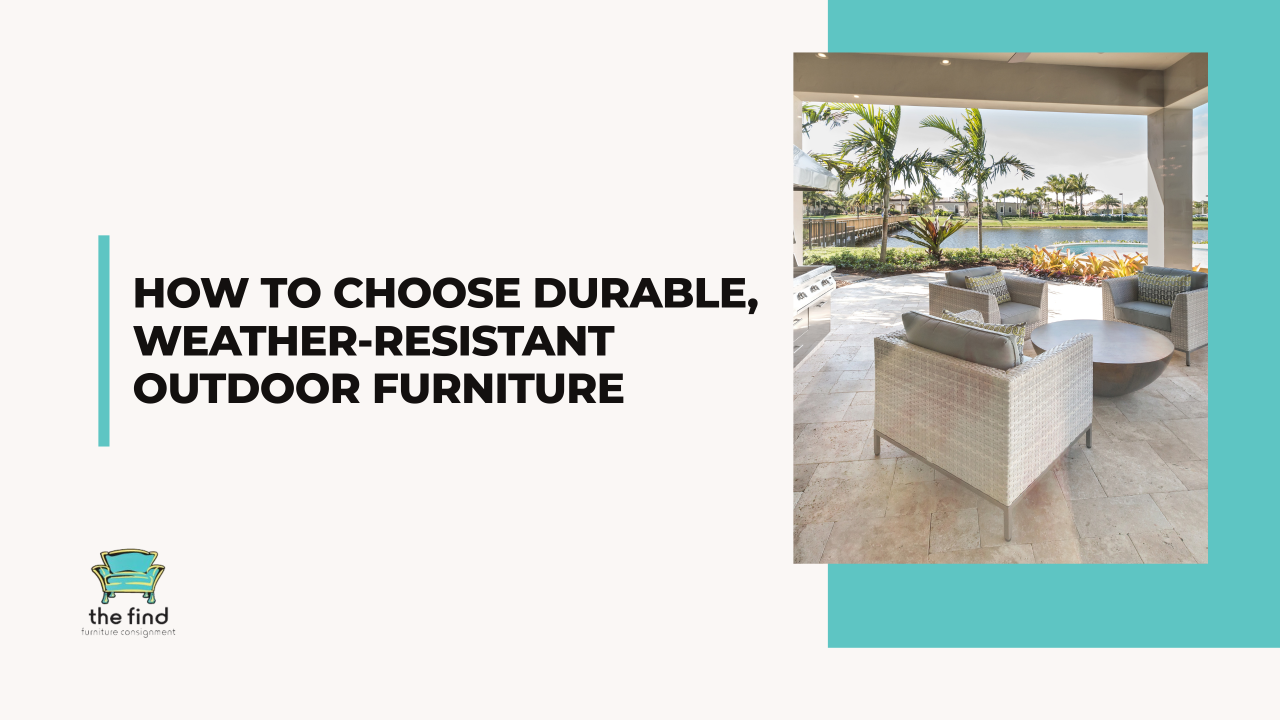
[sps_html tag=”img” src=”https://cdn.northcarolinafinearchitecture.com/2026/06/how-to-choose-durable-weather-resistant-outdoor-furniture-pertaining-to-outdoor-room-design.png” alt=”How To Choose Durable, Weather-Resistant Outdoor Furniture pertaining to Outdoor Room Design” style=”width: 100%; height: auto;”]