There’s a specific kind of magic that happens when the sun dips below the horizon and someone strikes a match. Or, these days, maybe they don’t even use a match. Maybe they just swipe a sleek, copper-toned wand across a sensor, and whoosh. A gentle, controlled flame dances to life. It’s not just about heat. It’s about the pull. The gravity of fire has always drawn us in, but in 2026, the way we create that spark has changed everything about how we gather.
Remember those old, clunky propane tanks that smelled like regret and leaked on your patio stones? Or the charcoal bags that tore open at the worst possible moment, dusting your nice shoes in black soot? Those days feel ancient now. We’ve moved into an era where the tool you use to start the fire is as important as the fire itself. It’s subtle. It’s design-led. And it’s turning casual hangouts into something that feels a bit more intentional. A bit more artistic.
This isn’t just about gadgets. It’s about the vibe. When the mechanism is smooth, silent, and beautiful, the whole mood shifts. People linger longer. They talk softer. The anxiety of "did I light it right?" disappears, replaced by the simple joy of watching the flames catch. That’s the art of the spark. It’s the quiet revolution happening in backyards, rooftop terraces, and community parks all over the world this year.
The Shift from Utility to Ritual
For decades, starting a fire was a chore. It was a means to an end. You wanted warmth or you wanted to cook a burger, so you dealt with the lighter fluid, the stubborn matches, or the finicky electronic igniters that never worked when it was windy. But look at what’s happening in 2026. The "fire brush"—a term that’s stuck for those elegant, handheld ignition wands and integrated brush-style starters—has turned that chore into a ritual.
It’s psychological, really. When you hold a tool that feels good in your hand, weighted perfectly and made from materials like brushed brass or recycled aerospace aluminum, you treat the act differently. You’re not just trying to get a flame. You’re curating an experience. Designers have realized that the moment of ignition is the threshold between the day’s stress and the evening’s relaxation. By making that threshold beautiful, they’ve lowered the barrier to entry for hosting. People are hosting more often because the setup doesn’t feel like work.
Consider the data from recent outdoor living surveys. In early 2026, sales of standalone, high-design ignition tools jumped by nearly 40% compared to the previous year. But more interestingly, reports show that households owning these "premium spark" devices are hosting outdoor gatherings 25% more frequently. Why? Because the friction is gone. The tool invites you to use it. It’s like having a really nice coffee grinder; you suddenly want to make coffee every morning. Here, you want to light the fire every evening.
Anatomy of the Modern Fire Brush
So, what exactly makes these 2026 models different from the plastic clickers of the past? It’s a mix of material science and ergonomic genius. The modern fire brush isn’t just a stick with a battery. It’s a carefully engineered object. Most top-tier models now use solid-state piezoelectric elements that don’t rely on flimsy wires or batteries that die at the worst time. They generate a spark through pressure and crystal structure, meaning they work in rain, wind, and even at high altitudes.
The "brush" part of the name comes from the tip design. Instead of a single electrode, many new features use a micro-brush array. This creates a wider, softer spark pattern that ignites gas or bio-ethanol fuels more evenly. No more loud thumps or sudden flare-ups. It’s a gentle catch. The flame grows organically. This is huge for safety, sure, but it’s also huge for the senses. The sound is a soft whisper, not a bang. It keeps the conversation flowing without interruption.
Materials matter too. We’re seeing a move away from cheap plastics toward sustainable composites and metals. Bamboo handles with recycled steel cores are popular. So are matte-finish ceramics that stay cool to the touch. These tools are designed to be left out on the table, not hidden in a drawer. They’re decor. They signal to guests that this space is cared for. That attention to detail has been paid. And honestly? It shows.
Safety Meets Sophistication
Let’s talk about the elephant in the room: fire is dangerous. Always has been. But the new wave of design in 2026 is tackling safety not by adding bulky guards, but by making control intuitive. The modern fire brush often pairs with smart fuel systems that only release fuel when the spark is detected and sustained. If the brush is pulled away, the flow stops. It’s a handshake between the tool and the pit.
This integration has reduced accidental flare-ups significantly. Insurance companies have even started noting lower claims for minor outdoor fire incidents in homes equipped with these newer, integrated systems. It’s not just about preventing disasters; it’s about preventing those little scares that ruin the mood. You know the one—where a gust of wind blows a flame too close to someone’s hair or a curtain. With the precision of the micro-brush ignition, the flame stays where it’s supposed to.
Parents are particularly keen on this shift. The ability to light a fire without using open matches or loose lighters around kids is a massive relief. Many of the 2026 models also feature child-lock mechanisms that require a specific sequence of presses to activate, something that’s impossible for a toddler to figure out but easy for an adult to do with one hand while holding a drink in the other. It’s peace of mind, wrapped in good design.
The Social Dynamics of the Flame
Fire has always been a social anchor. Think about campfires, hearths, bonfires. We gather round them. But the way we light them changes the dynamic. In the past, one person usually wrestled with the lighter while everyone else stood around awkwardly, waiting. It created a weird pause. A gap in the energy. The modern fire brush eliminates that gap. Because it’s so easy to use, it’s often passed around.
"I’ll do it," becomes "Want to try?" It becomes a shared moment. Guests are invited to participate in the creation of the atmosphere. This small shift has big effects on group cohesion. It breaks the ice. Literally and figuratively. In 2026, hosts are reporting that the act of lighting the fire has become a conversational piece itself. People ask about the tool. They comment on the sound. It’s a natural opener.
There’s also the visual aspect. These brushes often glow softly when active, or have LED accents that trace the path of the spark. In the twilight, it’s mesmerizing. It draws eyes to the center of the gathering. It focuses attention. In a world where everyone is distracted by phones and notifications, having a physical, beautiful object that demands presence is valuable. It grounds the group in the here and now. In the warmth.
Sustainability and the Eco-Conscious Spark
You can’t talk about 2026 without talking about the planet. The old ways of starting fires—chemical accelerants, disposable lighters, non-recyclable components—are falling out of favor. Fast. The modern fire brush movement is deeply tied to sustainability. Most new devices are built to last decades, not seasons. They’re repairable. Modular. If a part breaks, you replace the part, not the whole tool.
Furthermore, these tools are optimized for cleaner-burning fuels. They work beautifully with bio-ethanol, solar-charged electric elements, and even hydrogen-blend gases that produce minimal emissions. The efficiency of the micro-brush spark means less fuel is wasted during the ignition phase. It sounds small, but multiplied across millions of gatherings, it adds up. It’s a reduction in waste that feels good.
Consumers are voting with their wallets. Brands that prioritize eco-friendly materials and long-life designs are dominating the market. There’s a pride in owning something that doesn’t contribute to the landfill. When you pull out a fire brush made from reclaimed ocean plastic and recycled copper, it tells a story. It signals values. And in 2026, those values are part of the hospitality. You’re not just offering warmth; you’re offering respect for the environment.
So, how do you actually bring this into your life? It’s not about buying the most expensive thing on the shelf. It’s about intentionality. Start by looking at your current setup. Is your ignition method hidden away? Is it frustrating? Replace it with something that feels good. Something that matches your aesthetic. If your patio is modern and minimalist, go for a sleek, matte-black wand. If it’s rustic, maybe a wood-handled striker is better.
Placement matters too. Don’t hide the tool. Make it accessible. Put it on a side table near the seating area. Let it be part of the decor. This encourages use. It invites interaction. Also, consider the fuel source. Pair your new ignition tool with a clean-burning fire pit or table. The combination of a precise spark and a clean flame creates the best experience. No smoke. No smell. Just pure, clean heat and light.
Finally, teach your guests. Show them how it works. Let them try. Make it a part of the welcome. "Here, let me show you how this works." It’s a small gesture, but it builds connection. It turns a mechanical act into a human one. And that’s really what this is all about. Using design to foster connection. To make the simple act of gathering around a fire feel a little more special. A little more magical.
The trend isn’t slowing down. If anything, it’s accelerating. As we move further into 2026, we’re seeing more innovation. More beauty. More thought put into the tiny details of how we live together. The fire brush is just one example, but it’s a powerful one. It reminds us that even the smallest sparks can light up a room. Or a backyard. Or a community.
So next time you’re planning a get-together, think about the spark. Don’t just light the fire. Curate it. Choose a tool that brings joy. That feels right in your hand. That looks good on the table. You might be surprised at how much it changes the night. How much it changes the conversation. How much it brings people closer.
It’s not just about fire. It’s about warmth. Connection. Presence. And in a world that’s often cold and distant, that’s worth celebrating. Worth designing for. Worth sparking.
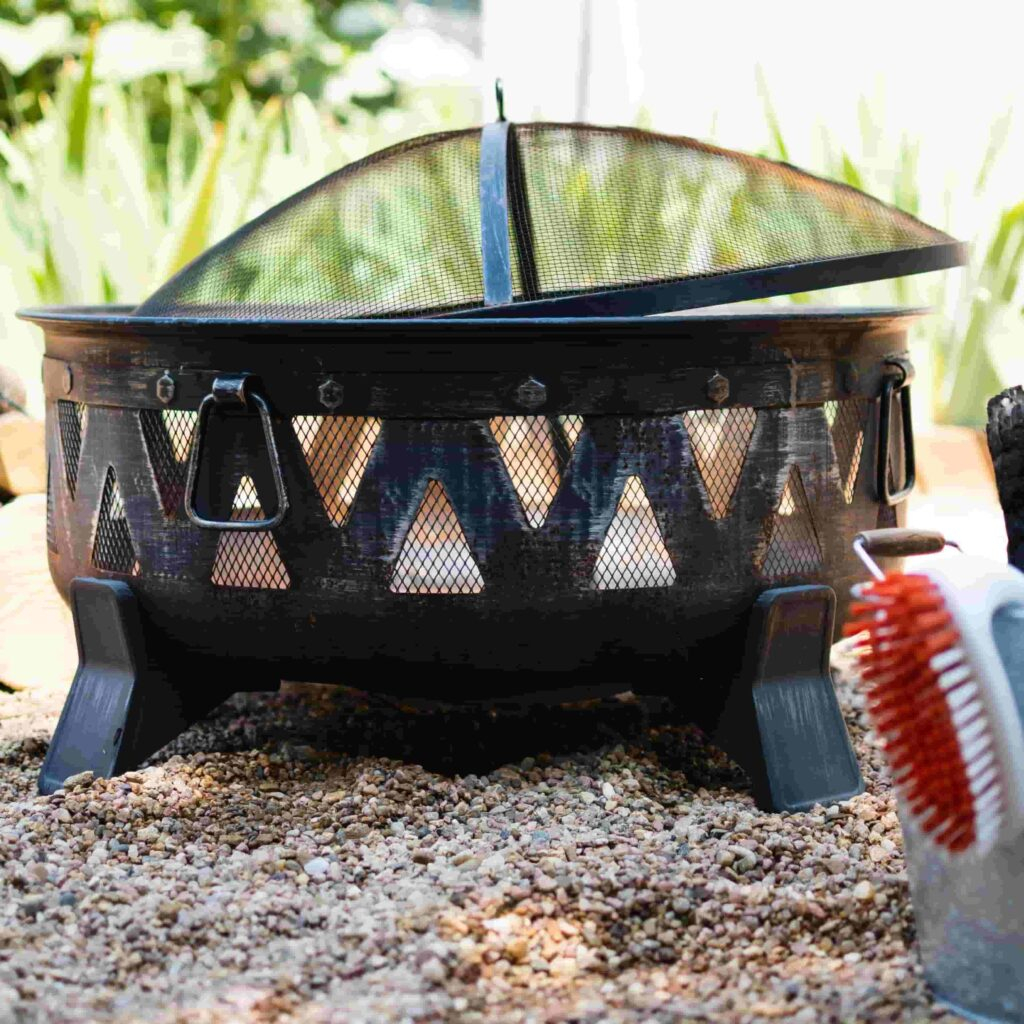
[sps_html tag=”img” src=”https://cdn.northcarolinafinearchitecture.com/2026/05/cleaning-breeo-fire-pit-at-stephanie-dampier-blog-with-regard-to-the-hidden-science-behind-effective-fire-pit-cleaning-tools.jpg” alt=”Cleaning Breeo Fire Pit At Stephanie Dampier Blog with regard to The Hidden Science Behind Effective Fire Pit Cleaning Tools” style=”width: 100%; height: auto;”]
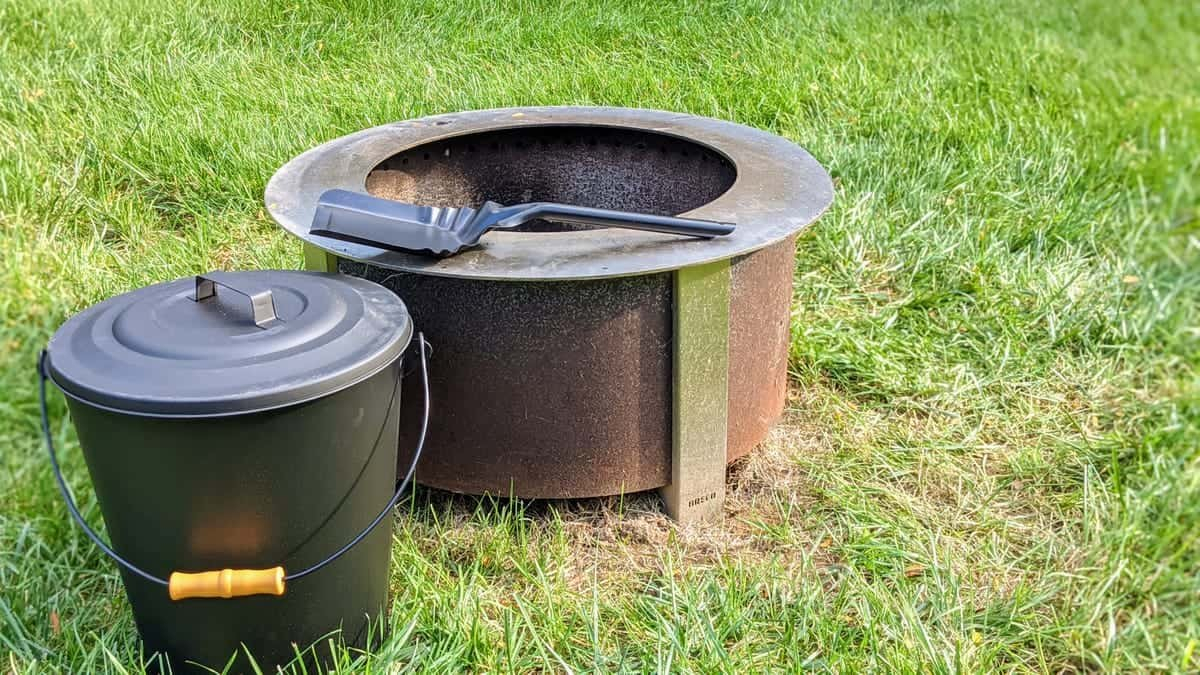
[sps_html tag=”img” src=”https://cdn.northcarolinafinearchitecture.com/2026/05/how-to-clean-a-fire-pit-need-to-know-before-you-start-throughout-outdoor-fire-brush-design.jpg” alt=”How To Clean A Fire Pit: Need To Know Before You Start throughout Outdoor Fire Brush Design” style=”width: 100%; height: auto;”]
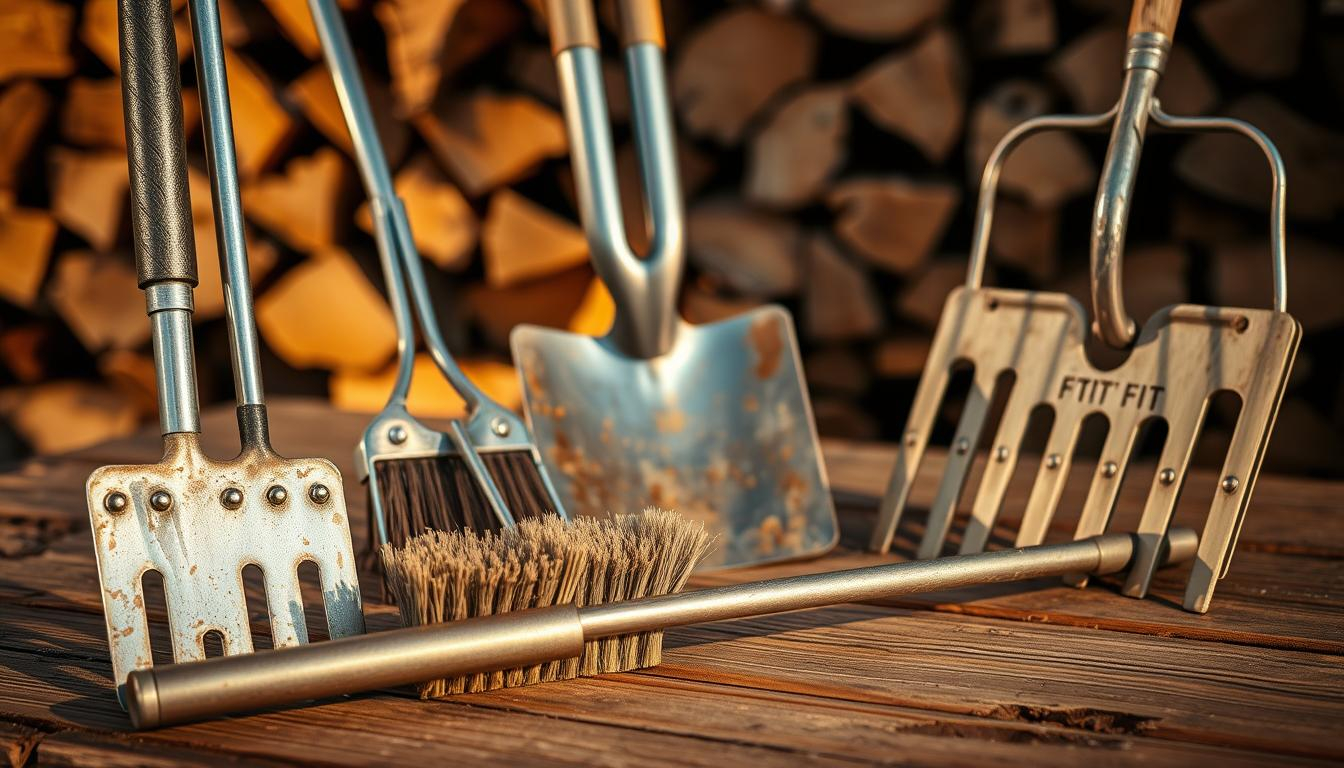
[sps_html tag=”img” src=”https://cdn.northcarolinafinearchitecture.com/2026/05/outdoor-fire-pit-tools-essentials-for-backyard-fun-in-the-hidden-science-behind-effective-fire-pit-cleaning-tools.jpg” alt=”Outdoor Fire Pit Tools: Essentials For Backyard Fun in The Hidden Science Behind Effective Fire Pit Cleaning Tools” style=”width: 100%; height: auto;”]
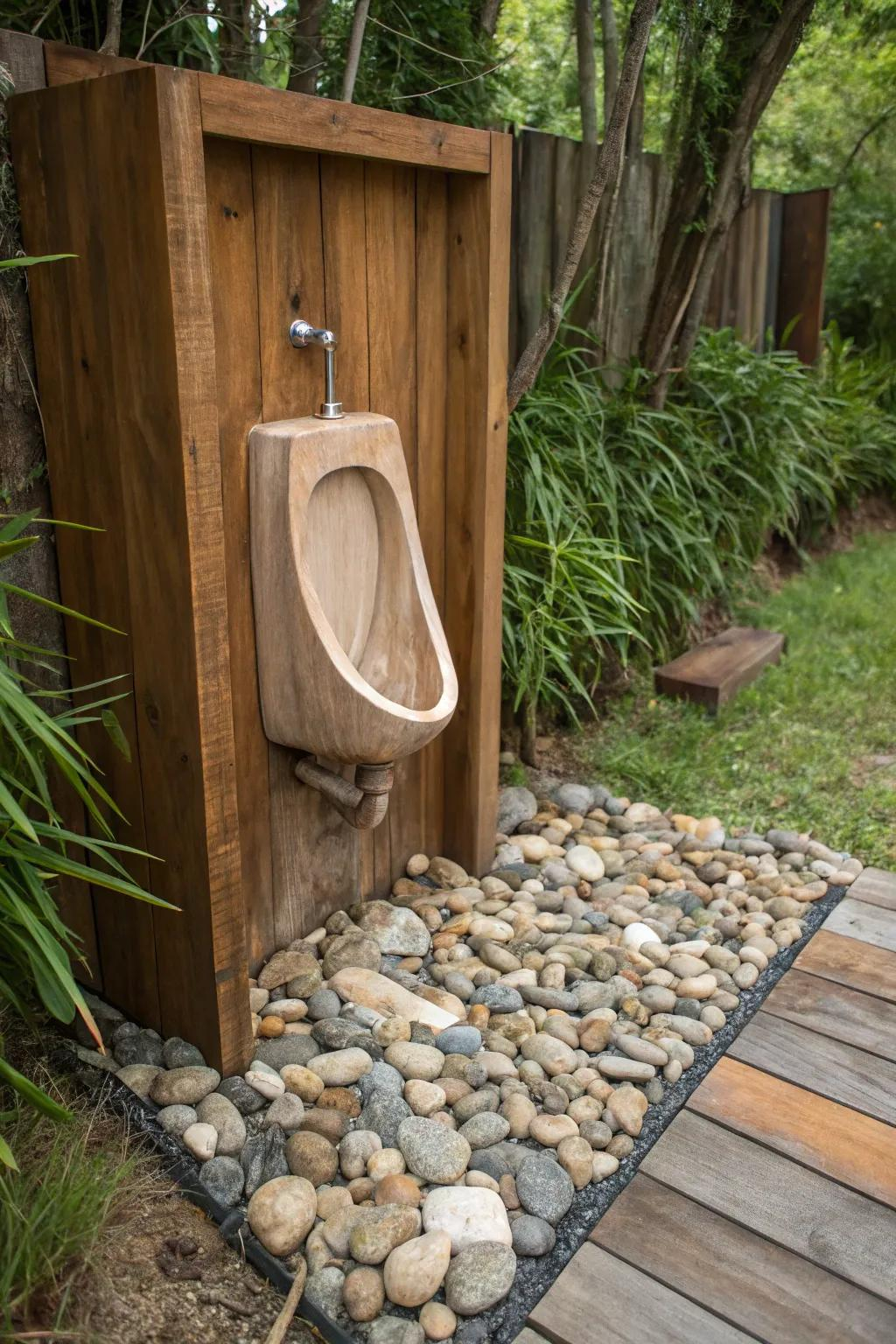
[sps_html tag=”img” src=”https://cdn.northcarolinafinearchitecture.com/2026/05/how-to-properly-clean-your-outdoor-fire-pit-after-using-it-all-winter-pertaining-to-the-hidden-science-behind-effective-fire-pit-cleaning-tools.jpg” alt=”How To Properly Clean Your Outdoor Fire Pit After Using It All Winter pertaining to The Hidden Science Behind Effective Fire Pit Cleaning Tools” style=”width: 100%; height: auto;”]