Ever walk past that weird, awkward triangle of grass in the back of your yard and just… ignore it? You’re not alone. Most of us treat our yard corners like the junk drawer of the outdoors. It’s where the hose gets tangled, where the dog digs a hole that never quite fills in, or where nothing grows because the fence blocks all the sun. We stare at it, sigh, and keep walking. But what if that neglected patch was actually the best spot in your entire property?
It’s time to stop seeing corners as limitations and start seeing them as opportunities. In 2026, the trend isn’t about sprawling, expensive renovations anymore. It’s about intimacy. It’s about carving out small, purposeful nooks that feel like a hug. Turning an unused corner into a functional outdoor living room doesn’t require a massive budget or a degree in landscape architecture. It just requires a shift in perspective. You have the space. You just need the vision.
Let’s be honest, life is hectic. We spend so much time indoors, staring at screens, that stepping outside should feel like a relief, not a chore. By transforming those dead zones into cozy retreats, you’re not just landscaping. You’re creating a sanctuary. A place to read with your morning coffee. A spot for a quiet conversation with a friend. Or maybe just a place to sit and watch the rain fall without getting wet. These small spaces pack a huge emotional punch. They remind us to slow down. And honestly? We could all use a bit more of that.
Why Corners Are Actually Design Goldmines
Most people think corners are problematic. They’re hard to mow around. They collect leaves. They feel enclosed. But from a design standpoint, corners are gift-wrapped potential. Think about it. A corner naturally provides two walls. In interior design, we pay good money for built-in shelving and defined spaces. Out here, you get that for free. The existing fence lines or house walls give you immediate structure. You don’t have to build four walls to create a "room." You already have two. This makes the space feel secure and private, which is exactly what you want for a relaxing lounge area.
Privacy is the secret sauce of any great outdoor room. When you’re in the middle of a big, open lawn, you can feel exposed. Neighbors might see you. The street noise feels closer. But tuck yourself into a corner, surround yourself with some tall plants or a trellis, and suddenly, the world shrinks down to just you and your immediate surroundings. It creates a psychological boundary. It signals to your brain that this is a different zone. A place to decompress. This sense of enclosure is why corner conversions often feel more luxurious than larger, open patios. It’s intimate. It’s personal.
Plus, corners are efficient. In 2026, sustainability and smart resource use are top priorities for homeowners. Using an existing footprint means less concrete, less lumber, and less disruption to the local ecosystem. You’re working with what’s there. This approach aligns perfectly with the modern desire for low-impact living. You aren’t clearing out a forest to build a deck. You’re revitalizing a forgotten scrap of land. It’s a small act, but it feels good. It respects the land while enhancing your daily life. And let’s face it, a smaller project is way less overwhelming. You can actually finish it.
Defining the Floor: Hardscape and Foundation Choices
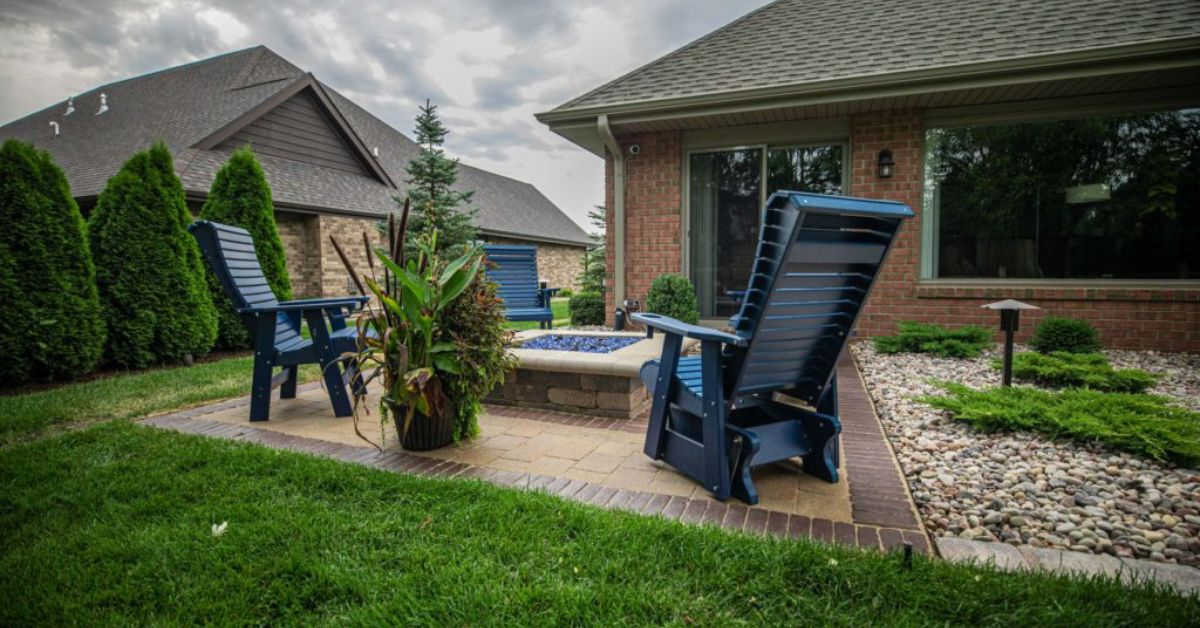
Before you buy a single cushion, you need to deal with the ground. You can’t put a nice sofa on mud. Well, you can, but you’ll regret it by Tuesday. The foundation sets the tone for the whole space. For corner projects, you have some fantastic, flexible options that don’t break the bank. Gravel is having a major moment right now. It’s permeable, which helps with drainage (a huge plus in corners where water often pools), and it’s incredibly easy to install. You just lay down some landscape fabric, add a frame, and pour the stone. Done. It looks chic, especially with darker gray or crushed granite tones.
If gravel feels too rustic for your vibe, consider pavers or flagstone. You don’t need to pave the whole corner. Sometimes, just creating a small pad for the furniture is enough. This "floating" look keeps the space feeling light and airy. It also allows you to keep some greenery around the edges, softening the hardscape. In recent years, we’ve seen a surge in modular paving systems. These are interlocking tiles that sit on top of the grass or dirt. They’re perfect for renters or anyone who wants a non-permanent solution. You can lay them down in a weekend and lift them up if you move. Talk about flexibility.
Don’t forget about levelness. Corners often have slight slopes or uneven terrain due to years of soil settling. Take the time to level your base. It doesn’t have to be perfect, but your chair legs shouldn’t wobble. Use sand to adjust the height of pavers or compact the gravel base thoroughly. This step is boring, I know. Nobody wakes up excited to tamp down dirt. But it’s the difference between a professional-looking space and a DIY disaster. A solid foundation ensures your furniture stays stable and your space remains usable year after year. It’s the unsung hero of outdoor design.
Building Walls: Privacy and Vertical Interest
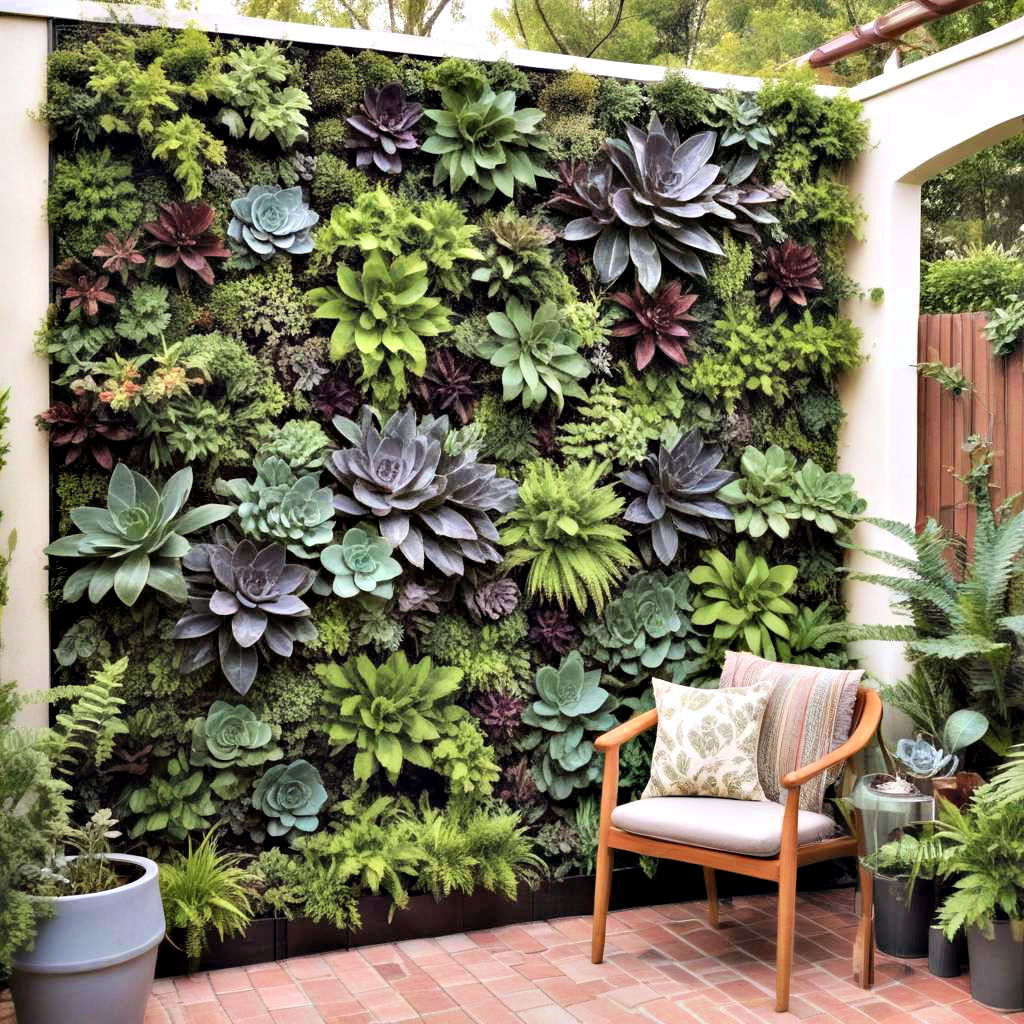
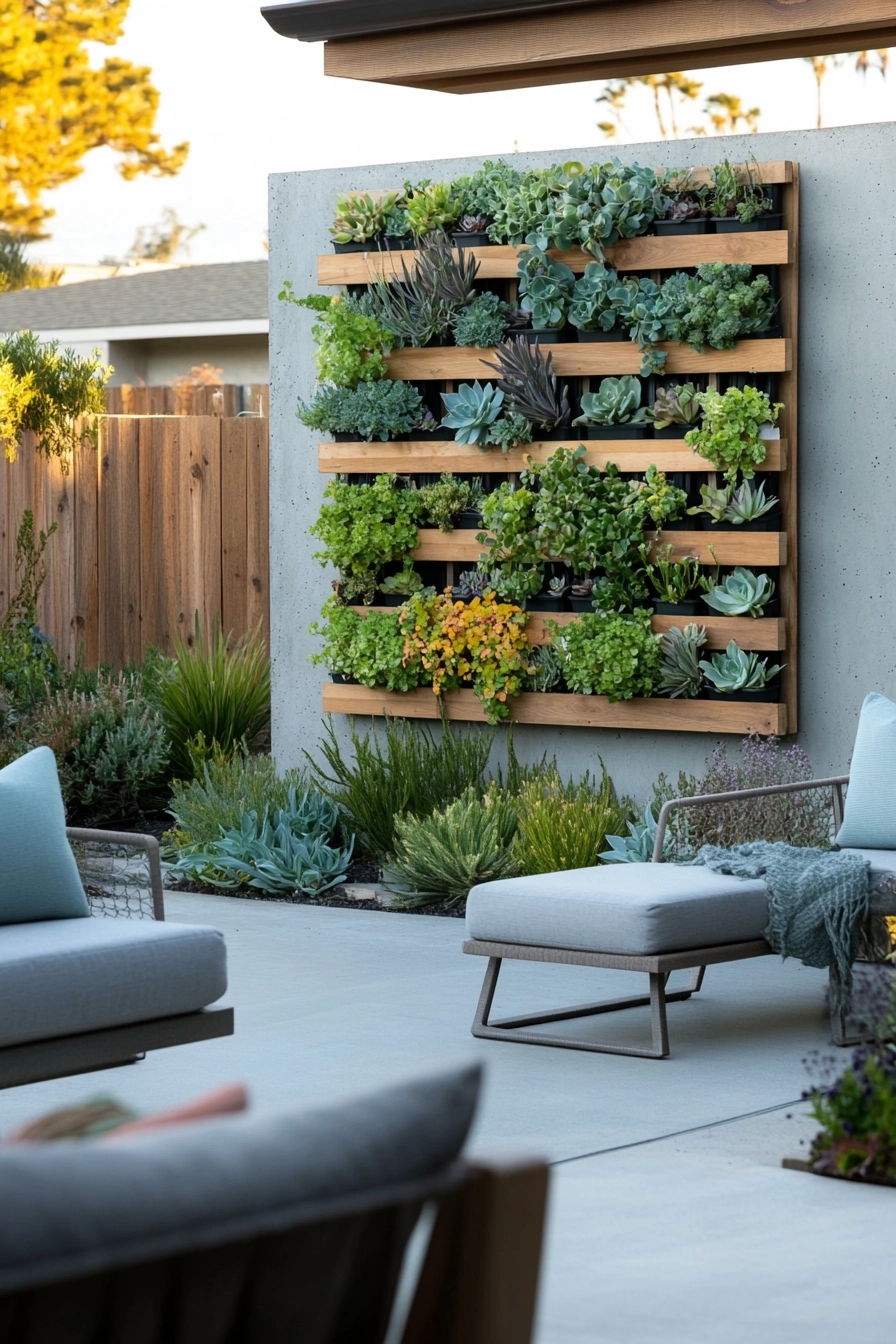
Now that you have a floor, let’s talk about walls. Remember, you already have two. But they’re probably ugly. Chain link fences, weathered wood, or blank siding aren’t exactly conducive to relaxation. You need to soften these boundaries. This is where vertical gardening shines. Trellises are your best friend here. Attach a wooden or metal trellis to the existing fence and grow climbing vines. Jasmine, clematis, or even fast-growing ivy can turn a harsh barrier into a living, breathing wall. Not only does it look beautiful, but it also absorbs sound. That traffic noise? Muted. The neighbor’s barking dog? Dampened.
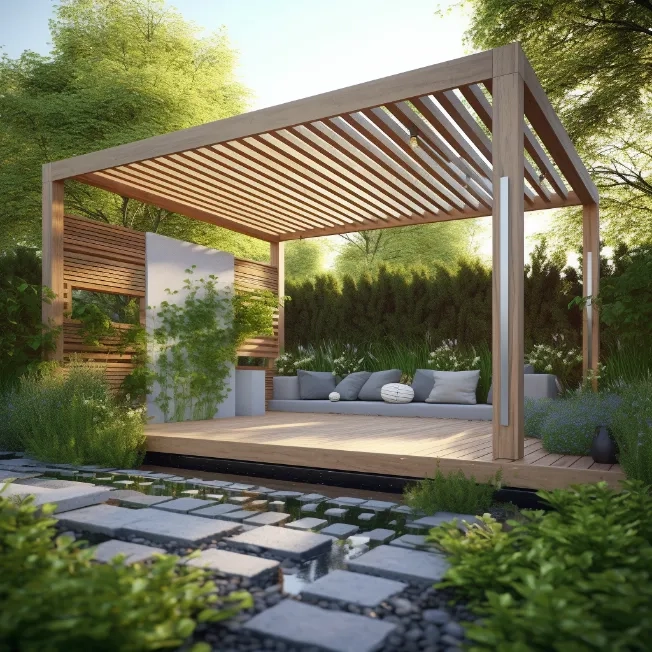
If you’re not into maintenance-heavy plants, consider slat screens. Wooden or composite slats arranged horizontally or vertically create a modern, clean look. They provide privacy without blocking all the light and air flow. This is crucial for small corners. You don’t want to feel like you’re in a box. You want to feel enveloped, not trapped. In 2026, sustainable composites made from recycled plastics are widely available and look remarkably like real wood. They won’t rot, warp, or need staining. Just hose them off once in a while. Easy peasy.
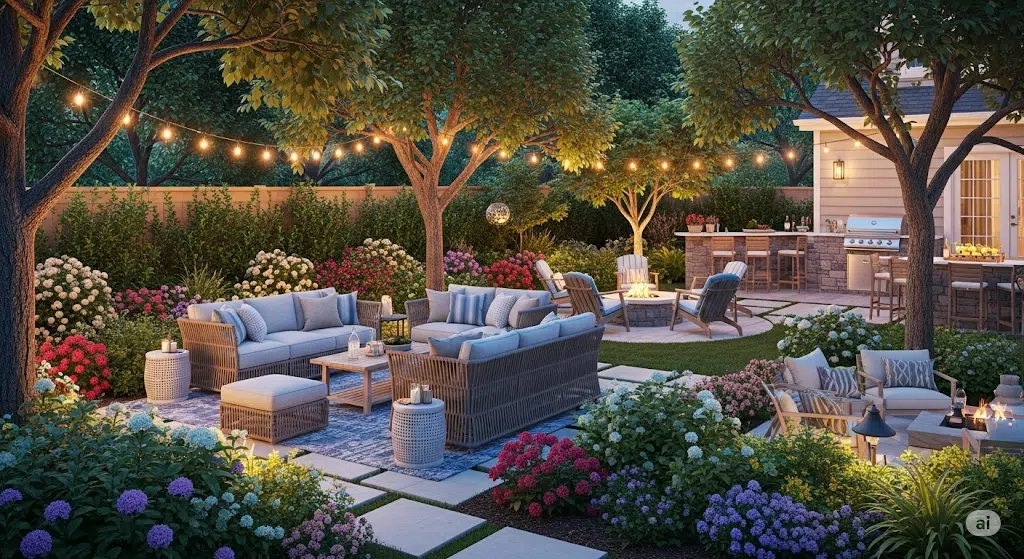
Lighting plays a huge role in defining these vertical spaces too. String lights draped across the corner create a ceiling effect. It draws the eye up and makes the space feel finished. Solar-powered path lights tucked into the planters at the base of your walls add depth and safety. Avoid harsh floodlights. You want warmth. Soft, amber glows. Think of it as setting the mood for a dinner date, even if you’re just eating takeout alone. The right lighting transforms the corner from a daytime utility zone into an evening escape. It extends the usability of your new room well into the night.
Furnishing for Comfort and Durability
Here’s the fun part. Picking the stuff you actually sit on. But hold on. Don’t just drag your old indoor couch out there. It’ll mold. Instead, look for materials built for the elements. Wicker resin, teak, aluminum, and powder-coated steel are the gold standards. They withstand rain, sun, and temperature swings. In 2026, we’re seeing a lot of modular outdoor seating. These are pieces you can rearrange based on your needs. Want a lounger for sunbathing? Snap two pieces together. Want a U-shaped conversational pit? Rearrange them. This versatility is key for small corners where space is at a premium.
Cushions matter. A lot. Hard plastic chairs are fine for dining, but for a living room vibe, you need plushness. Look for cushions with quick-dry foam and fade-resistant fabrics. Sunbrella and similar brands have come a long way. The textures are softer, more inviting. And don’t skimp on pillows. Throw pillows add color, pattern, and extra comfort. They’re the easiest way to change the look of your space with the seasons. Swap out bright florals for summer and warm earth tones for autumn. It keeps the space feeling fresh without buying new furniture.
Scale is everything. In a corner, oversized furniture will make the space feel cramped and chaotic. Measure your area carefully. A loveseat and two small side tables often work better than a massive sectional. Leave room to walk. Leave room for plants. If the corner is really tiny, consider built-in bench seating along the fences. This saves floor space and creates a custom, integrated look. Add a small, round coffee table in the center. Round shapes help soften the angular nature of the corner. They guide the eye smoothly around the space. It’s a small trick, but it makes a big difference in flow.
Adding Life: Plants and Greenery Strategies
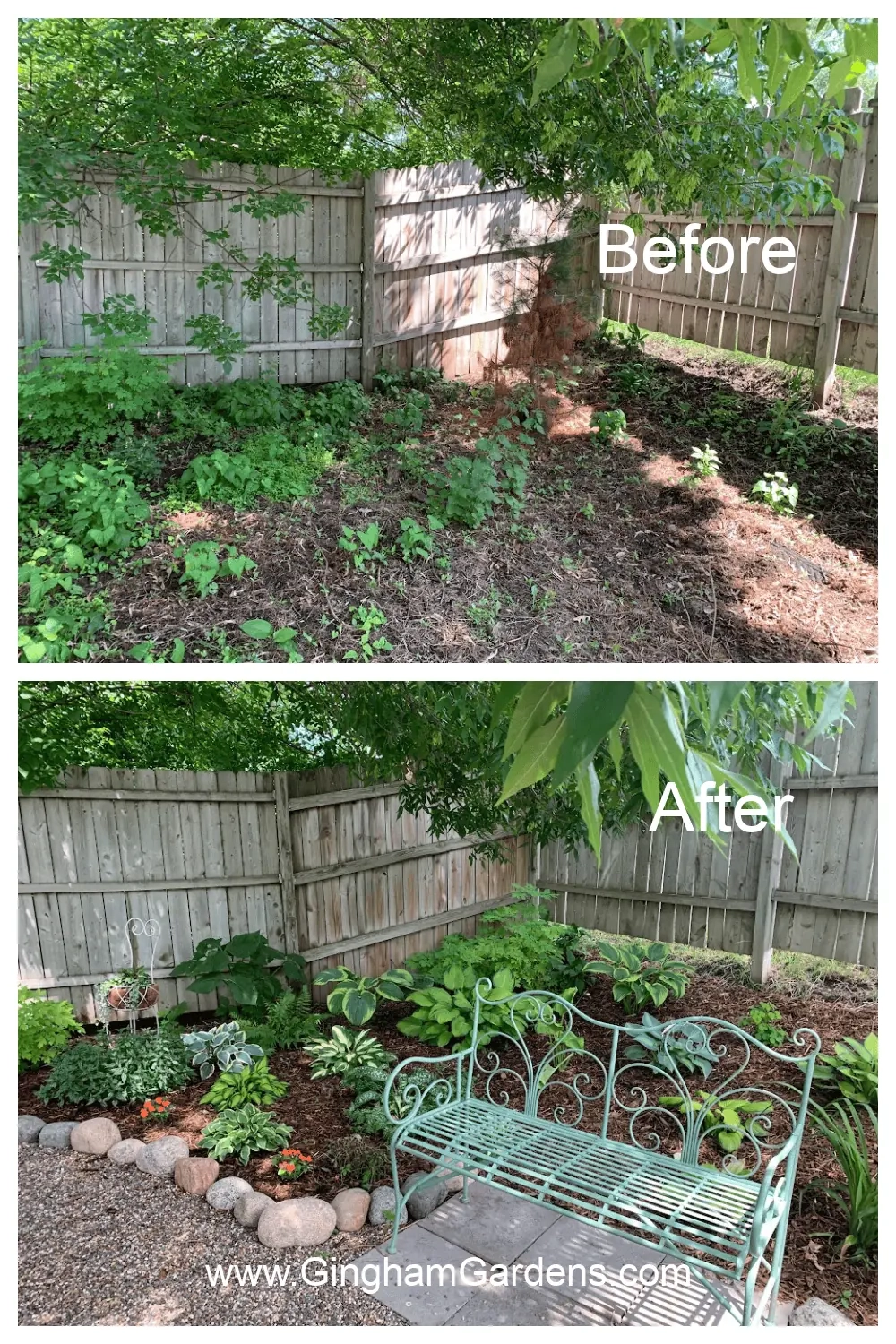
A room without plants is just a storage unit. Greenery brings soul to your outdoor living space. In a corner, you have a unique microclimate. It might be shadier or windier than the rest of the yard. Choose plants that thrive in those specific conditions. Ferns, hostas, and astilbes love shade. Lavender and rosemary love sun. Don’t fight the site. Work with it. Layer your planting. Put taller plants in the back corners to enhance privacy. Use medium-height shrubs to fill the middle ground. And spillers like creeping thyme or trailing petunias can cascade over the edges of pots or raised beds.
Containers are your secret weapon. They allow you to control the soil quality and move plants around if needed. In 2026, lightweight fiberglass and resin pots are popular because they’re easy to move and don’t crack in winter. Group pots in odd numbers—threes or fives—for a more natural, visually appealing arrangement. Mix heights and textures. A tall ornamental grass next to a bushy hydrangea creates visual interest. Don’t be afraid to edit. If a plant isn’t working, swap it out. Gardening is an experiment.
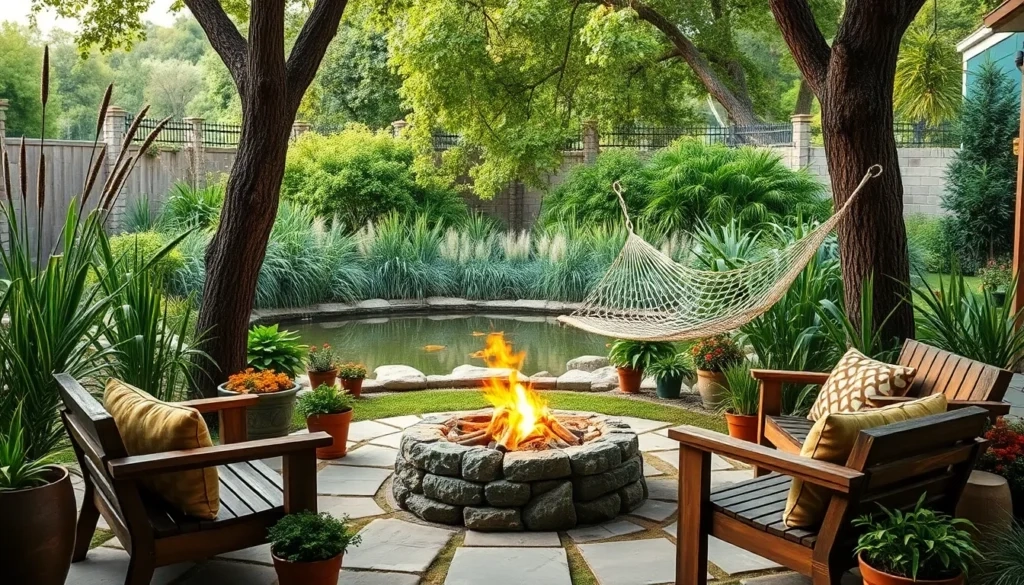
Consider edibles too. Herbs are perfect for corner gardens. They smell amazing, which adds another sensory layer to your experience. Imagine brushing against a rosemary bush as you sit down with your book. Or picking fresh mint for your evening tea. It connects you to the space in a tangible way. Even a small strawberry planter can bring joy. The goal is to engage all the senses. Sight, yes. But also smell, touch, and taste. This holistic approach makes the corner feel alive. It becomes a place you want to nurture, not just occupy.
You’ve got the floor, the walls, the furniture, and the plants. Now, make it yours. This is where personality shines. Add an outdoor rug. Yes, they exist, and they anchor the space beautifully. It defines the "living room" area within the larger yard. Choose a pattern that complements your cushions. Add a small side table for your drink. Maybe a lantern with a candle for flickering light. These small details signal that this space is for living, not just looking.
Weather protection is a practical must-have. Even in a corner, rain happens. A small market umbrella or a retractable awning can extend the usability of your space. In 2026, we’re seeing more stylish, compact pergolas with adjustable louvers. They offer shade when you want it and sun when you don’t. If budget is tight, a simple canvas canopy tied to the fence works wonders. It adds a bohemian, relaxed vibe. Don’t overlook storage either. A waterproof deck box can hide cushions when not in use, keeping them dry and extending their life. It also keeps the space clutter-free.
Finally, think about sound. A small water feature, like a bubbling fountain, can mask neighborhood noise and add a calming auditory backdrop. Or, if you prefer music, a small, weather-resistant Bluetooth speaker can set the tone. Jazz in the evening. Acoustic folk in the afternoon. The soundscape shapes the mood just as much as the visuals. Curate it intentionally. This corner is your retreat. Make it reflect who you are. Whether it’s minimalist and zen or colorful and eclectic, let it be a true extension of your home’s heart.
So, where do you start? Look at that corner again. Really look at it. Stop seeing the weeds and the wasted space. See the potential. See the quiet mornings. The lazy afternoons. The intimate evenings. You don’t need a massive overhaul. You just need to begin. Lay some gravel. Hang some lights. Plant something green. Sit down. Breathe. And enjoy the space you’ve claimed. It’s waiting for you.
[sps_html tag=”img” src=”https://cdn.northcarolinafinearchitecture.com/2026/06/modern-landscaping-ideas-that-transform-yards-into-stylish-functional-in-transforming-overgrown-yards-into-beautiful-functional-outdoor-living-areas.jpg” alt=”Modern Landscaping Ideas That Transform Yards Into Stylish, Functional … in Transforming Overgrown Yards Into Beautiful Functional Outdoor Living Areas” style=”width: 100%; height: auto;”]
[sps_html tag=”img” src=”https://cdn.northcarolinafinearchitecture.com/2026/06/how-to-tame-an-overgrown-garden-gingham-gardens-within-outdoor-landscape-design.webp” alt=”How To Tame An Overgrown Garden - Gingham Gardens within Outdoor Landscape Design” style=”width: 100%; height: auto;”]
[sps_html tag=”img” src=”https://cdn.northcarolinafinearchitecture.com/2026/06/from-jungle-to-joy-transforming-an-overgrown-yard-into-a-magical-haven-pertaining-to-transforming-overgrown-yards-into-beautiful-functional-outdoor-living-areas.jpeg” alt=”From Jungle To Joy: Transforming An Overgrown Yard Into A Magical Haven … pertaining to Transforming Overgrown Yards Into Beautiful Functional Outdoor Living Areas” style=”width: 100%; height: auto;”]
[sps_html tag=”img” src=”https://cdn.northcarolinafinearchitecture.com/2026/06/24-genius-before-and-after-front-yard-makeovers-from-ugly-overgrown-to-inside-transforming-overgrown-yards-into-beautiful-functional-outdoor-living-areas.jpeg” alt=”24 Genius Before And After Front Yard Makeovers From Ugly Overgrown To … inside Transforming Overgrown Yards Into Beautiful Functional Outdoor Living Areas” style=”width: 100%; height: auto;”]
[sps_html tag=”img” src=”https://cdn.northcarolinafinearchitecture.com/2026/06/small-yard-ideas-transforming-your-outdoor-space-into-a-sanctuary-with-transforming-overgrown-yards-into-beautiful-functional-outdoor-living-areas.webp” alt=”Small Yard Ideas: Transforming Your Outdoor Space Into A Sanctuary with Transforming Overgrown Yards Into Beautiful Functional Outdoor Living Areas” style=”width: 100%; height: auto;”]