You know that feeling when you’re sprinting down the field, ready to make a sharp cut, and your foot just… slides? It’s frustrating. It breaks your rhythm. For a split second, you aren’t thinking about the game; you’re thinking about not falling on your face. We’ve all been there. Whether you’re a weekend warrior playing pickup soccer or a semi-pro athlete pushing for that extra edge, that micro-moment of instability matters.
For years, we blamed our cleats. Or the turf. Or maybe our own lack of agility. But what if the problem wasn’t the shoe itself, but what was happening inside it? Enter the grip sock. It looks simple enough—just a sock with some rubbery dots on the bottom. But don’t let the humble appearance fool you. There is a surprising amount of complex physics and material science woven into those fibers. In 2026, this isn’t just a trend anymore; it’s a fundamental shift in how we understand the interface between the human body and athletic footwear.
Let’s pull back the curtain. We’re going to look past the marketing hype and dive into the actual mechanics. Why do they work? Is it just placebo? And more importantly, how can understanding this help you move better, safer, and faster? Grab a coffee (or your pre-workout), and let’s get into the nitty-gritty.
The Friction Factor: More Than Just Sticky Dots
At its core, the magic of an anti-slip sock is all about friction. Specifically, it’s about managing two different types of friction at once. You have the friction between your foot and the sock, and the friction between the sock and the inner sole of your shoe. Traditional socks, especially those made from smooth synthetic blends, can act like a lubricant when things get sweaty. Your foot slides around inside the shoe like a block of ice on a hot pan. This is bad news for performance.
Grip socks solve this by introducing high-friction materials, usually silicone or specialized rubber compounds, directly onto the fabric. These aren’t just random blobs, though. The placement is strategic. By increasing the coefficient of friction between the sock and the shoe’s insole, the sock effectively locks your foot in place. This creates a unified system. Instead of your foot fighting against the shoe to stay stable, your foot and the shoe move as one single unit. It’s a subtle change, but the biomechanical impact is huge.
Think of it like this: if you’re trying to push a heavy box across the floor, you need good traction under your own feet. If you’re slipping, you can’t generate force. The same applies inside your cleat. When your heel doesn’t lift or slide forward upon impact, all that energy you’re generating from your calves and quads goes directly into the ground, not into adjusting your balance. Recent studies in sports podiatry have highlighted that this reduction in internal slippage can improve reaction times by milliseconds. In elite sports, milliseconds are the difference between gold and silver.
Material Science: The Engineering Inside the Weave
It’s not just about the grippy bits on the bottom. The fabric itself plays a massive role in the equation. Modern grip socks in 2026 are marvels of textile engineering. They often use a blend of moisture-wicking synthetics like polyester and nylon, mixed with elastane for compression. Why does this matter? Because sweat is the enemy of friction. A wet surface reduces grip, plain and simple. By pulling moisture away from the skin and allowing it to evaporate through the breathable mesh zones, the sock maintains its structural integrity and grip capability throughout the match.
The manufacturing process has evolved significantly too. Early versions of grip socks had pads that would peel off after a few washes. Today, techniques like heat-transfer bonding and integrated knitting ensure that the grip elements are durable and flexible. They move with the foot, stretching and contracting without losing their adhesive properties. This durability is crucial because inconsistent grip can be worse than no grip at all. If one part of the sock slips and another sticks, you create uneven pressure points that can lead to blisters or even ankle rolls.
Another key aspect is the compression element. Many high-end grip socks offer graduated compression, which supports the arch and improves blood flow. This isn’t just for comfort; it reduces muscle vibration during high-impact activities. Less vibration means less fatigue. When you combine this muscular support with the mechanical stability of the grip pads, you get a sock that actively contributes to endurance. It’s a holistic approach to foot care that goes beyond just stopping slips.
Biomechanics and Power Transfer: The Kinetic Chain
Let’s talk about power. In athletics, power is force multiplied by velocity. To generate maximum force, you need a stable base. If your foot is sliding inside your shoe, you are leaking energy. This concept is known as power transfer efficiency. When you plant your foot to change direction or shoot, you want 100% of that muscular effort to translate into movement. Grip socks minimize the energy loss caused by internal friction adjustments.
Consider the kinetic chain—the sequence of body segments involved in a movement. It starts from the ground up. If the connection between your foot and the shoe is loose, the instability travels up the chain. Your ankle has to work harder to stabilize. Then your knee. Then your hip. This compensatory movement not only wastes energy but also increases the risk of injury. By securing the foot, grip socks allow the larger muscle groups to do their job without being hindered by micro-instabilities at the foundation.
Research backed by NIH and sports medicine experts suggests that this stability leads to more precise movements. In sports like tennis or basketball, where lateral cuts are frequent, the ability to trust your footing allows for more aggressive play. Athletes report feeling more "connected" to the ground. This isn’t just a feeling; it’s a measurable improvement in proprioception—your body’s ability to sense its position in space. When you know exactly where your foot is, you can move with greater confidence and precision.
Injury Prevention: Stability Saves Ankles and Knees
One of the most compelling reasons to switch to grip socks isn’t even about performance—it’s about staying healthy. Ankle sprains are among the most common injuries in sports involving running and jumping. Many of these injuries occur when the foot shifts unexpectedly inside the shoe, causing the ankle to roll over. By locking the foot in place, grip socks reduce the likelihood of this internal shifting. It’s a preventive measure that acts as a first line of defense.
But it’s not just ankles. Blisters are a notorious plague for athletes. They happen when there is repetitive friction between the skin and the sock. Paradoxically, by adding grip to the outside of the sock, you reduce friction on the inside. Since the sock moves with the foot rather than rubbing against it, the skin stays intact. Fewer blisters mean fewer missed training sessions. It’s a small benefit that adds up over a long season.
Furthermore, the improved alignment can help with knee health. When the foot is unstable, the tibia (shinbone) can rotate excessively, putting strain on the ACL and meniscus. While grip socks aren’t a cure-all for knee issues, they contribute to better overall lower-limb alignment. For recreational athletes who might not have the perfect form of a pro, this added stability can be a game-changer for longevity in the sport. It’s about protecting your body so you can keep playing the games you love.
The Psychological Edge: Confidence in Every Step
We can’t ignore the mental side of sports. Performance is as much psychological as it is physical. There’s a concept called "self-efficacy," which is basically your belief in your ability to succeed. When you trust your gear, you play differently. If you’re constantly worried about slipping, you hesitate. You hold back. You don’t commit fully to that tackle or that sprint. Grip socks remove that doubt.
This boost in confidence can lead to a positive feedback loop. You feel more stable, so you move more aggressively. You move more aggressively, so you perform better. You perform better, so your confidence grows. It’s subtle, but many athletes describe a sense of "freedom" when wearing high-quality grip socks. They feel lighter, more responsive. This mental clarity allows them to focus on strategy and skill execution rather than worrying about their footing.
In 2026, with the mental game receiving more attention than ever, this psychological benefit is significant. Coaches are increasingly looking at every variable that can give their players a mental edge. Knowing that your foundation is solid allows you to take risks that you might otherwise avoid. It’s the difference between playing not to lose and playing to win. And honestly, isn’t that what we’re all out there for?
Choosing the Right Gear: What to Look For in 2026
So, you’re convinced. You want to try grip socks. But walking into a store or browsing online can be overwhelming. Not all grip socks are created equal. In 2026, the market is flooded with options, ranging from cheap knockoffs to high-tech performance wear. Here’s what you need to look for to ensure you’re getting the real deal. First, check the grip pattern. It should cover the heel and the ball of the foot, the two main contact points. Sparse or poorly placed grips won’t do much.
Next, look at the material composition. You want a blend that offers both moisture-wicking and compression. Avoid cotton-heavy blends, as they retain water and lose their shape. Look for terms like "breathable mesh" and "arch support." Also, consider the fit. Grip socks should fit snugly, almost like a second skin. If they’re too loose, they’ll bunch up, creating new pressure points. If they’re too tight, they’ll restrict blood flow. Most brands offer size charts based on shoe size, so measure carefully.
Finally, think about your specific sport. Soccer players might prefer a thinner sock that fits easily into tight-fitting cleats. Basketball players might want something with more cushioning for impact absorption. Runners might look for lightweight options with minimal bulk. There’s no one-size-fits-all solution. It’s worth experimenting with a few different brands to see what feels best for your unique foot shape and activity level. Remember, the best technology is the one you forget you’re wearing because it just works.
It’s easy to overlook socks. They’re hidden. They’re mundane. But as we’ve seen, they play a critical role in the complex machinery of athletic performance. The science behind anti-slip technology is robust, blending physics, material engineering, and biomechanics to create a tangible advantage. It’s not magic, and it’s not just a placebo. It’s a smart application of scientific principles to solve a common problem.
Whether you’re chasing a championship or just trying to enjoy a pain-free jog, the benefits are clear. Better power transfer, reduced injury risk, and increased confidence. These aren’t just buzzwords; they’re real outcomes that can change how you experience your sport. In a world where we’re constantly looking for the next big innovation, sometimes the most effective changes are the ones that happen right under our noses. Or rather, under our feet.
So, the next time you lace up, take a second to think about what’s happening inside that shoe. Are you sliding, or are you locked in? Are you leaking energy, or are you channeling it? Making the switch to quality grip socks might just be the simplest, most effective upgrade you make this year. Give it a try. Your feet—and your game—will thank you.
[sps_html tag=”img” src=”https://cdn.northcarolinafinearchitecture.com/2026/05/ppt-ice-cleats-for-shoe-powerpoint-presentation-free-download-id-for-stop-sliding-inside-your-cleats-with-these-design-insights.jpg” alt=”Ppt - Ice Cleats For Shoe Powerpoint Presentation, Free Download - Id … for Stop Sliding Inside Your Cleats with These Design Insights” style=”width: 100%; height: auto;”]
[sps_html tag=”img” src=”https://cdn.northcarolinafinearchitecture.com/2026/05/best-indoor-soccer-shoes-stop-sliding-around-the-pitch-intended-for-tape-design.png” alt=”Best Indoor Soccer Shoes: Stop Sliding Around The Pitch intended for Tape Design” style=”width: 100%; height: auto;”]
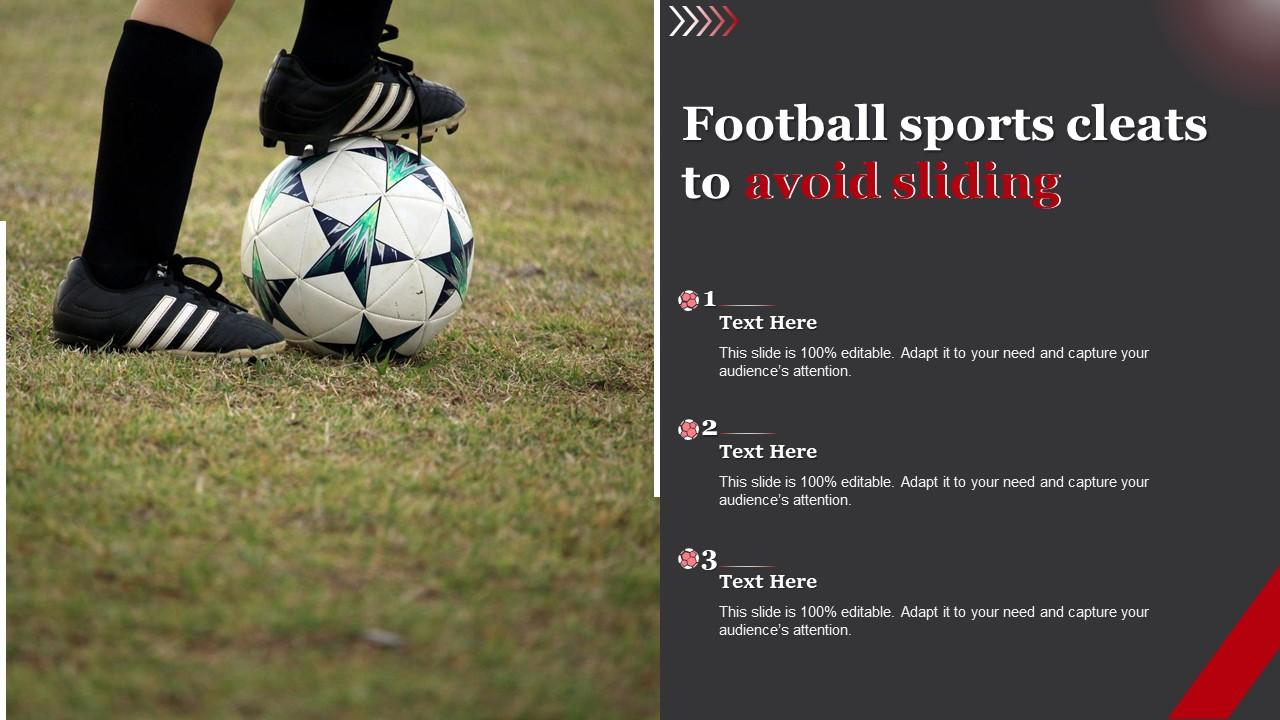
[sps_html tag=”img” src=”https://cdn.northcarolinafinearchitecture.com/2026/05/football-sports-cleats-to-avoid-sliding-ppt-sample-intended-for-stop-sliding-inside-your-cleats-with-these-design-insights.jpg” alt=”Football Sports Cleats To Avoid Sliding Ppt Sample intended for Stop Sliding Inside Your Cleats with These Design Insights” style=”width: 100%; height: auto;”]
[sps_html tag=”img” src=”https://cdn.northcarolinafinearchitecture.com/2026/05/how-to-stop-foot-from-sliding-forward-in-shoes-kalkal-within-tape-design.jpg” alt=”How To Stop Foot From Sliding Forward In Shoes? - Kalkal within Tape Design” style=”width: 100%; height: auto;”]
[sps_html tag=”img” src=”https://cdn.northcarolinafinearchitecture.com/2026/05/how-to-stop-shoes-from-sliding-on-floor-intended-for-stop-sliding-inside-your-cleats-with-these-design-insights.jpeg” alt=”How To Stop Shoes From Sliding On Floor intended for Stop Sliding Inside Your Cleats with These Design Insights” style=”width: 100%; height: auto;”]