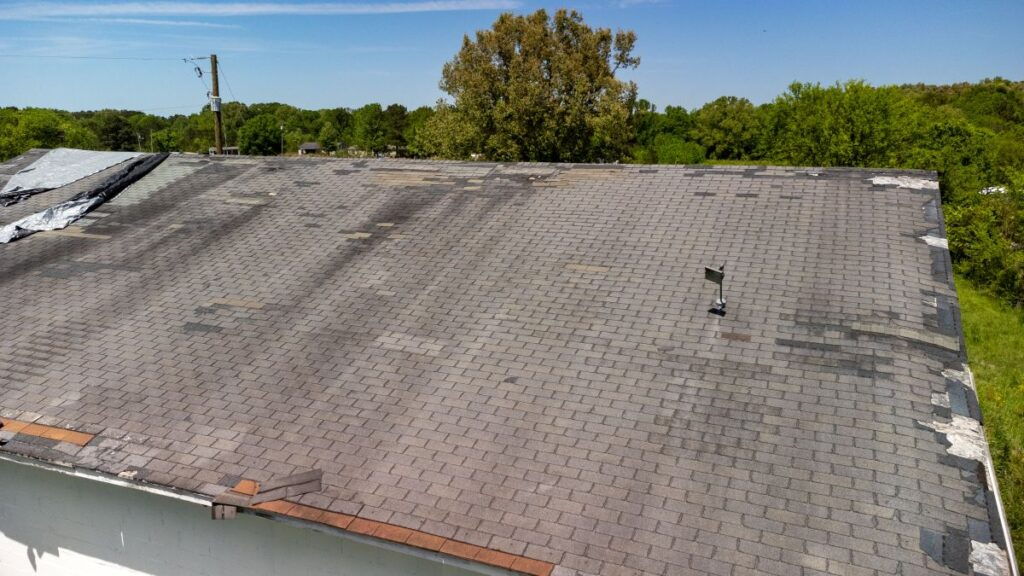
You stand in your driveway, squinting up at your house. What do you see? Probably rows of shingles. Maybe some moss if it’s been a wet winter. Perhaps a few leaves stuck in the gutter. It’s natural. We are visual creatures. We look at the big, obvious surfaces. We judge the book by its cover, or in this case, the home by its shingles.
But here’s the thing. That view from the driveway is a lie. Or at least, it’s an incomplete truth.
While you’re worrying about whether that one shingle looks a bit curled, water might be quietly seeping into your attic through a tiny, invisible gap somewhere else entirely. It’s not the shingles failing you. It’s something smaller. Something quieter. Something most people don’t even know the name of until their ceiling starts to sag.
Let’s talk about flashing. It’s the unglamorous, metallic skeleton key to keeping your home dry. And chances are, you’ve never given it a second thought. Until now.
The Shingle Distraction
We have been conditioned to think of roofs as just shingles. It’s the marketing, mostly. When you see ads for roofing companies, they show pristine, colorful asphalt tabs. They talk about "30-year warranties" and "impact resistance." It’s easy to understand. It’s tangible. You can touch a shingle. You can see it blow off in a storm.
So, when a homeowner thinks, "I need to check my roof," they grab a pair of binoculars and scan for missing tiles. They look for granules in the downspout. They worry about algae stains. These are valid concerns, sure. Shingles do the heavy lifting of shedding the bulk of rain and snow. But they aren’t waterproof. Not really. They are water-shedding. There is a difference.
Think of shingles like an umbrella. They keep you dry in a steady rain. But if the wind blows hard, or if water comes from the side, or if there’s a gap in the handle, you’re still getting wet. Shingles rely on gravity. They rely on overlapping layers to guide water down and off. But gravity doesn’t work everywhere. It doesn’t work where two planes meet. It doesn’t work around a chimney. It doesn’t work in a valley where water rushes fast and furious.
This is where the distraction becomes dangerous. By focusing solely on the shingles, we miss the joints. We miss the intersections. We miss the places where the roof meets the vertical walls of your house. These are the weak points. These are the entryways for moisture. And protecting them isn’t the job of a shingle. It’s the job of flashing.
Meet the Unsung Hero: What Is Flashing?
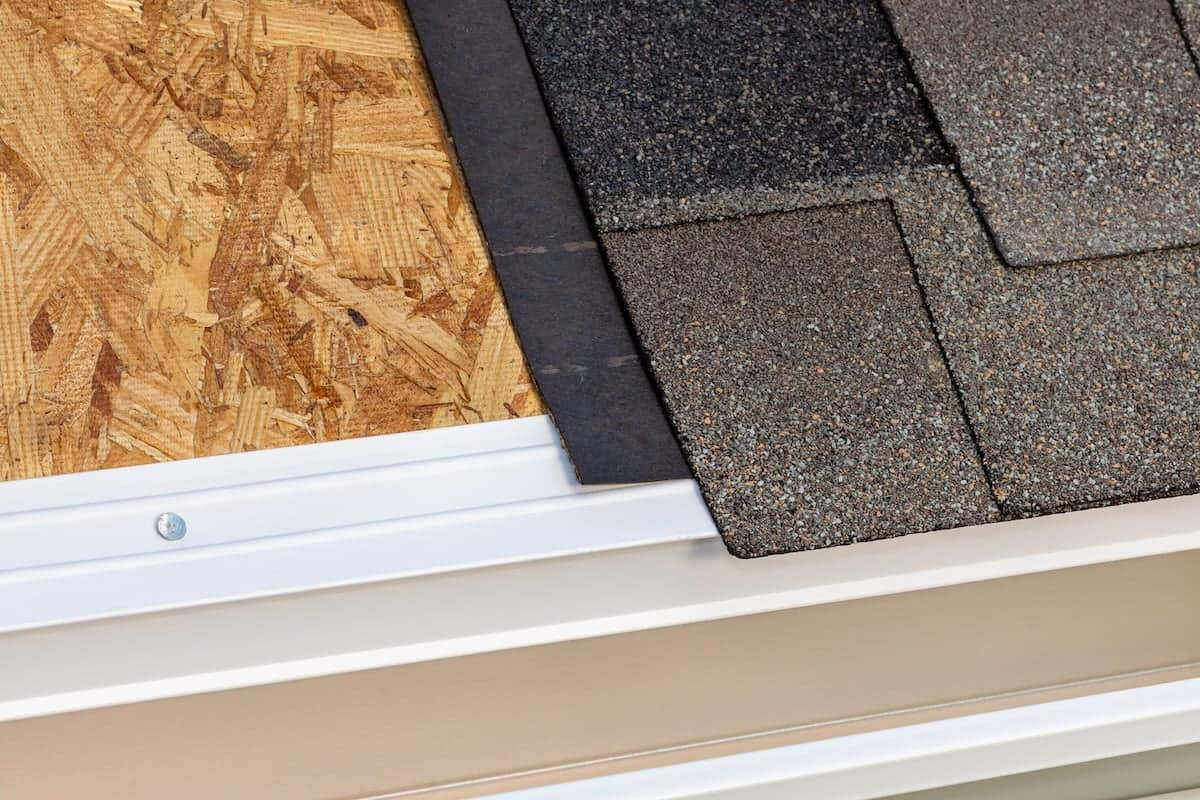
Flashing is thin pieces of impermeable material—usually metal like aluminum, copper, or galvanized steel—that prevent water from penetrating the building envelope at joints or angles. It’s the sealant. The gasket. The bridge between different parts of your roof structure.
Imagine your roof is a puzzle. The shingles are the main pieces. But where the puzzle pieces don’t quite fit together snugly—like where a skylight pokes through, or where the roof slopes down into a wall—you need tape to hold the seams tight. That tape is flashing.
It’s installed in key areas:
- Valleys: The V-shaped troughs where two roof slopes meet. Water funnels here in huge volumes.
- Chimneys and Vents: Anywhere a pipe or structure pierces the roof deck.
- Walls and Dormers: Where the horizontal roof meets a vertical wall.
- Eaves and Rakes: The edges of the roof, often hidden behind the fascia.
Without flashing, water would simply flow right under the shingles. It would soak into the wood decking below. It would rot the rafters. It would mold the insulation. It would stain your drywall. Flashing directs that water back onto the shingles, where it can safely slide off the roof.
It’s a simple concept. But execution is everything. In 2026, we see more complex roof designs than ever before. More dormers. More skylights. More solar panel mounts. Each of these additions creates a new potential leak point. Each one requires precise flashing. And yet, it’s the part most likely to be rushed, cheapened, or ignored during installation.
Why It Goes Wrong (And Why It’s Expensive)
So, if flashing is so important, why do we neglect it? Partly because it’s hidden. Good flashing is often tucked under shingles or sealed with tar. You can’t see it from the ground. Out of sight, out of mind.
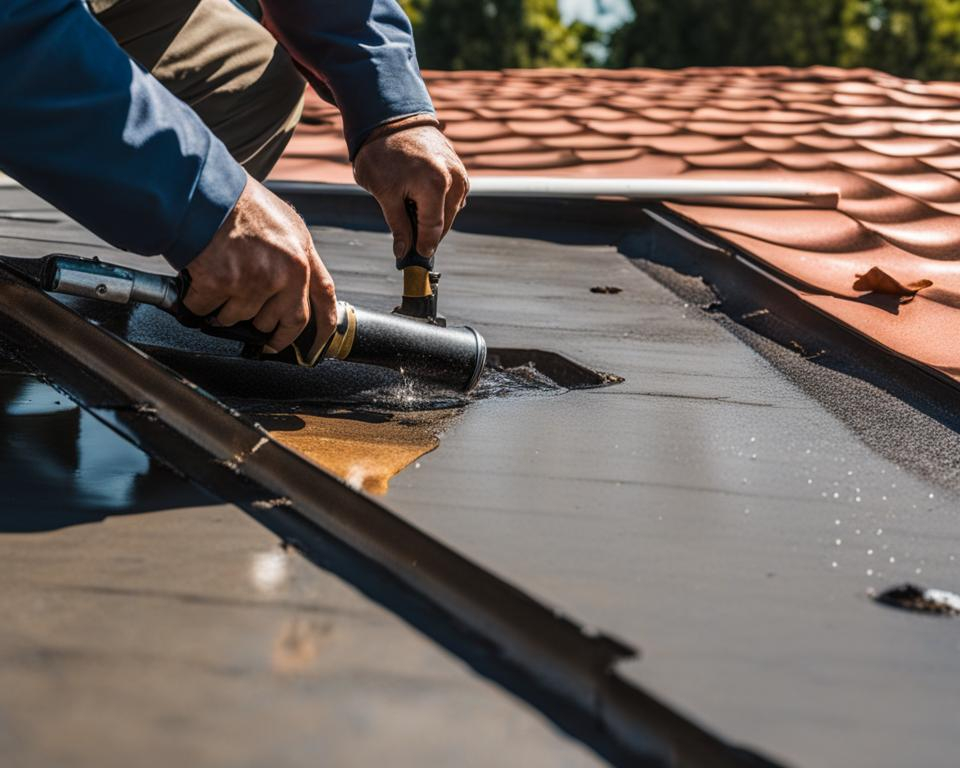
But there’s another reason. Cost cutting. When homeowners get quotes for a new roof, they often compare bottom-line numbers. Contractor A says $15,000. Contractor B says $12,000. You go with B. But what did B skip? Maybe they used cheaper, thinner metal for the flashing. Maybe they used "step flashing" incorrectly. Maybe they relied too much on roofing cement (tar) instead of proper mechanical sealing.
Tar dries out. It cracks. It shrinks. In five years, that neat black bead of sealant around your chimney is a brittle, cracked mess. Water finds those cracks. It’s inevitable.
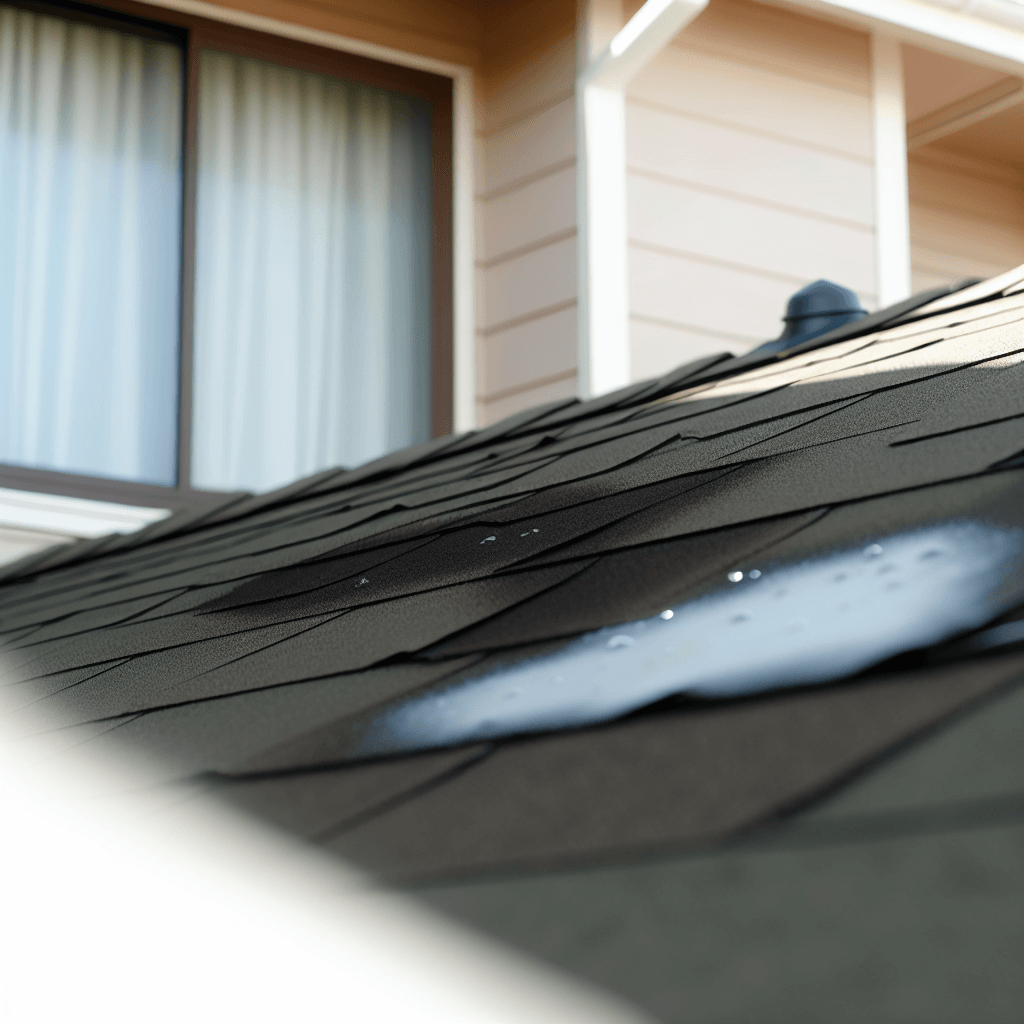
The cost of ignoring this is staggering. A small leak around a vent pipe might seem minor. A few drops on the insulation. No big deal, right? Wrong. Water travels. It doesn’t stay put. It runs along rafters. It pools in low spots. By the time you see a brown stain on your ceiling, the damage inside the wall cavity could be extensive.
We’re talking about:
- Structural Rot: Compromised wood framing that costs thousands to repair.
- Mold Remediation: Health hazards that require professional cleanup.
- Insulation Replacement: Wet insulation loses its R-value and needs to be torn out.
- Interior Damage: Ruined drywall, paint, and flooring.
A $500 flashing repair today can prevent a $15,000 restoration job tomorrow. It’s the classic penny wise, pound foolish scenario. And it happens every single day.
The Invisible Signs: How to Spot Flashing Failure
Since you can’t always see the flashing, how do you know if it’s failing? You have to become a detective. You have to look for the clues water leaves behind.
First, check your attic. Grab a flashlight and go up there after a heavy rain. Look for streaks of water on the underside of the roof deck. Look for dark stains around chimneys or vents. Smell the air. Does it smell musty? Like old books or damp earth? That’s the scent of mold and rot. It’s the smell of failure.
Second, look at your interior walls. Specifically, look at the corners where walls meet ceilings. Look around windows on the top floor. Look at the ceiling directly below any roof valleys. Yellowish-brown rings are the hallmark of water intrusion. They might start small, the size of a coin. Don’t ignore them. They will grow.
Third, inspect the exterior closely. If you have a safe way to get on a ladder (please prioritize safety), look at the metal around your chimney. Is it rusted? Is it pulled away from the brick? Is the caulking cracked? Look at the valleys. Are there piles of debris stuck there? Debris holds water against the flashing, accelerating corrosion.
Also, pay attention to your energy bills. This sounds weird, but wet insulation is terrible at regulating temperature. If your attic is damp, your AC works harder in summer and your heater works harder in winter. A sudden spike in utility costs without a change in habits can sometimes point to hidden moisture issues.
The Installation Trap: What to Watch For in 2026
If you’re planning a roof replacement or repair soon, you need to be proactive. Don’t just let the crew show up and nail down shingles. Ask questions. Specifically, ask about the flashing.
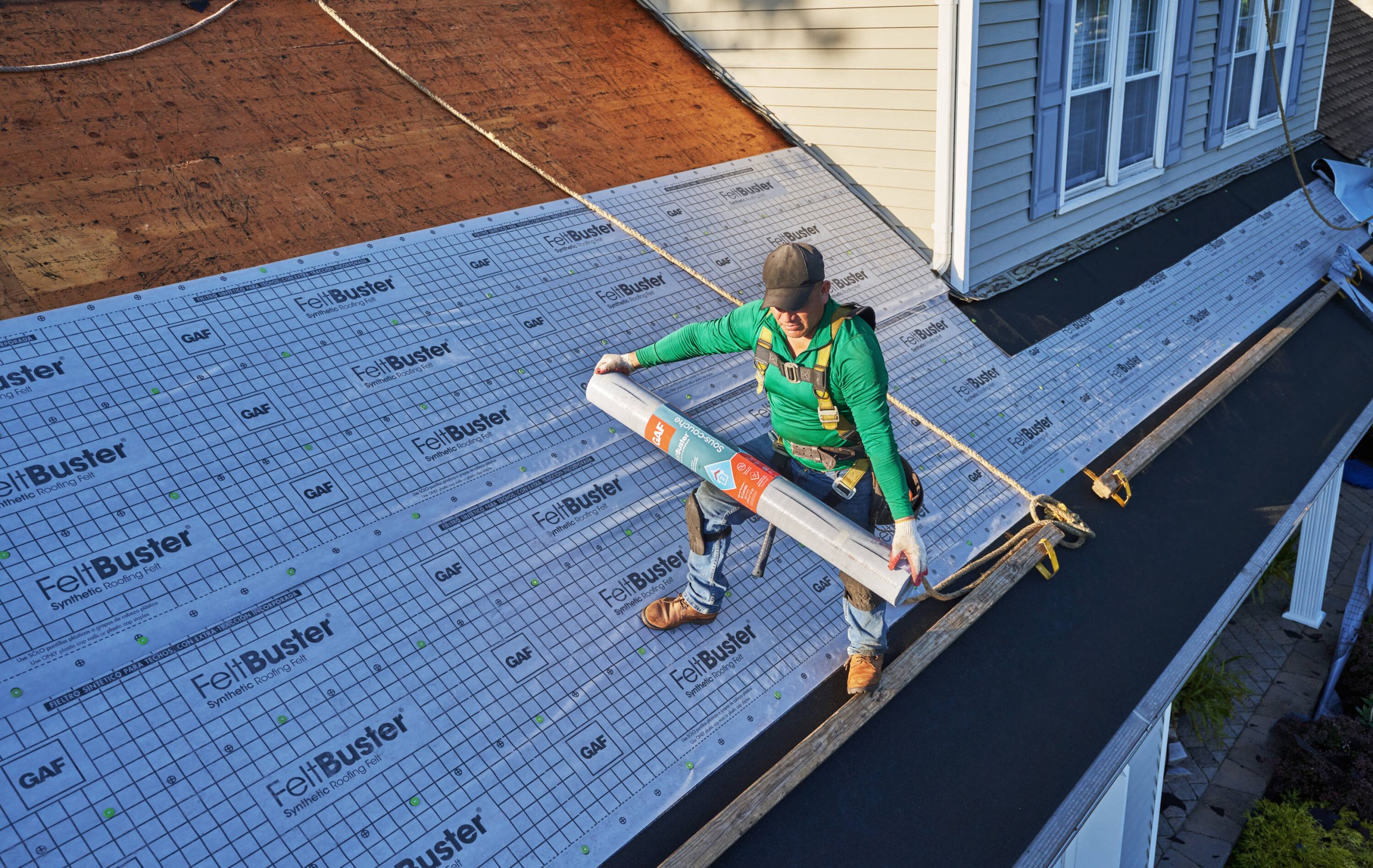
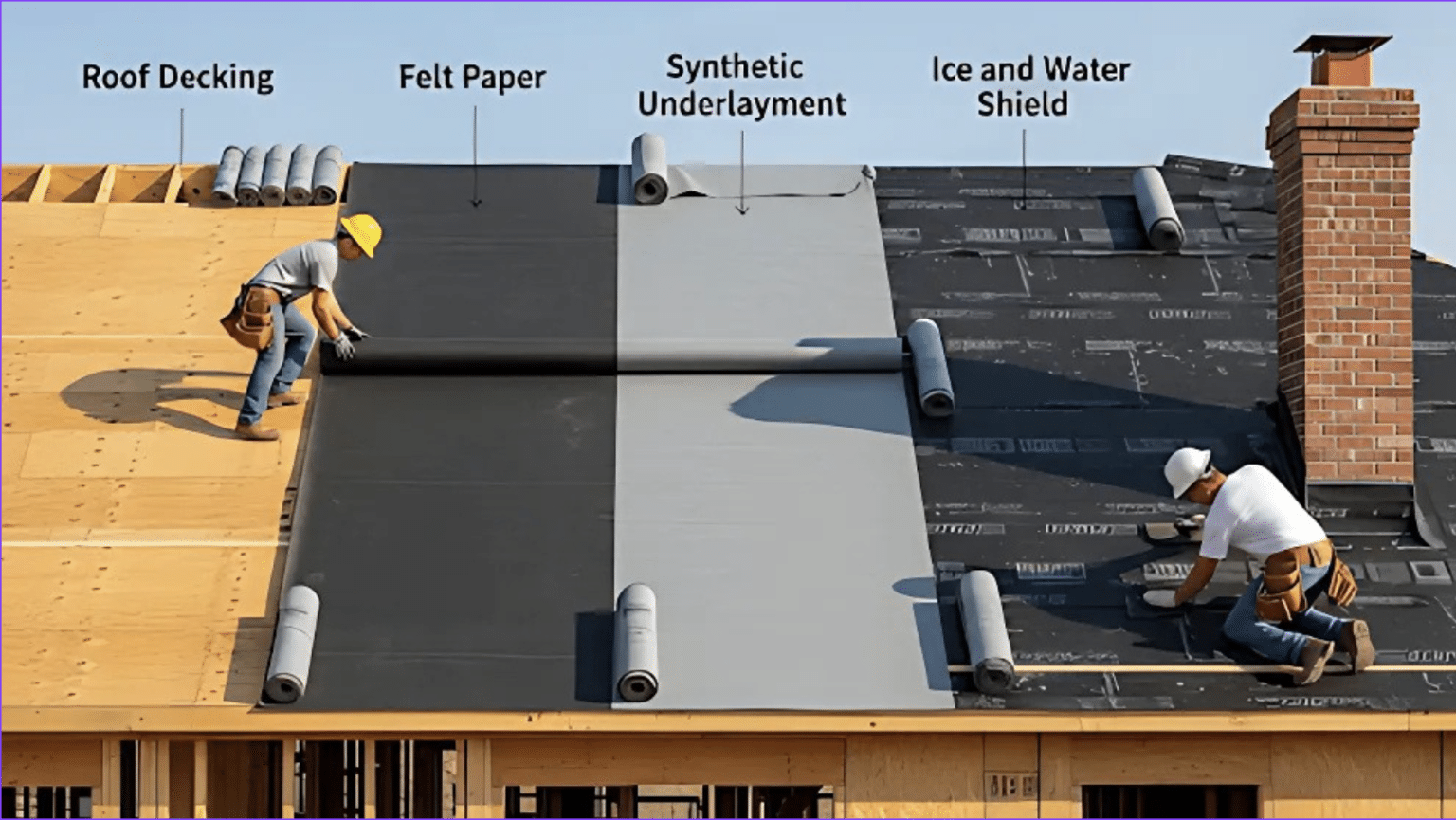
In recent years, building codes have tightened. In many regions, ice and water shields (a sticky, rubberized membrane) are now required under the flashing in valleys and eaves. This is a good thing. It adds a second layer of protection. But not all contractors use it consistently. Ask if they are using self-adhering underlayment in critical areas.
Ask about the material. Copper is the gold standard. It lasts forever and develops a nice patina. But it’s expensive. Aluminum is common and good, but it can corrode if it touches certain types of treated wood or masonry without proper separation. Galvanized steel is okay, but it will eventually rust. Avoid anything that looks flimsy or thin.
Watch how they handle the corners. Proper step flashing involves weaving individual L-shaped pieces of metal under each shingle course. It’s labor-intensive. Some lazy installers try to use one long piece of bent metal or rely entirely on caulk. This is a recipe for disaster. Caulk is not a substitute for proper mechanical flashing. It’s a backup, not the primary defense.
If you’re adding solar panels, be extra vigilant. Every mount is a hole in your roof. The flashing around these mounts must be integrated perfectly with the existing roof system. Poor solar installation is becoming one of the leading causes of roof leaks in 2026. Don’t let your green energy upgrade turn into a water damage nightmare.
Maintenance Myths and Realities
There’s a myth that roofs are "install and forget." People think, "I put on a new roof in 2015, so I’m good for 20 years." Nope. Roofs are dynamic systems. They expand and contract with temperature changes. They settle. Trees grow branches that scrape against them. Wind lifts edges.
You don’t need to climb on your roof every month. That’s dangerous and unnecessary. But you should do a visual check twice a year. Spring and Fall are ideal.
Clean your gutters. Clogged gutters cause water to back up under the shingles and behind the fascia flashing. This is a silent killer. It rots the edge of your roof deck from the inside out. Keep the water flowing away from your house.
Trim your trees. Branches rubbing against flashing can wear through the metal over time. They also drop leaves and pine needles, which trap moisture.
And finally, hire a pro for a detailed inspection every 3-5 years. A trained eye can spot loose flashing, lifted sealant, or early signs of corrosion that you’d miss. It’s a small fee for peace of mind. Think of it like going to the dentist. You don’t wait for a tooth to fall out before you brush. Don’t wait for your ceiling to collapse before you check your flashing.
We spend so much time curating the look of our homes. We pick paint colors. We choose landscaping. We agonize over kitchen countertops. But the thing that keeps all of that dry and safe is hidden in plain sight.
Flashing isn’t sexy. It won’t win any design awards. Your neighbors won’t compliment you on your beautiful step flashing. But it is the difference between a cozy, dry home and a costly, stressful disaster.
So, the next time you stand in your driveway looking at your roof, shift your gaze. Don’t just look at the shingles. Think about the seams. Think about the chimneys. Think about the valleys. Respect the metal strips that hold the line against the storm.
Take action. Check your attic. Clean your gutters. Ask the right questions when hiring a contractor. Protect the protector. Because in the end, a roof is only as strong as its weakest link. And for most of us, that link is flashing. Don’t let it be the thing that breaks.
[sps_html tag=”img” src=”https://cdn.northcarolinafinearchitecture.com/2026/06/uncover-the-mystery-guide-to-finding-a-leak-in-your-roof-intended-for-roof-underlayment-design.jpg” alt=”Uncover The Mystery: Guide To Finding A Leak In Your Roof intended for Roof Underlayment Design” style=”width: 100%; height: auto;”]
[sps_html tag=”img” src=”https://cdn.northcarolinafinearchitecture.com/2026/06/roof-anatomy-for-the-foundation-of-a-strong-home-the-martinnest-regarding-the-hidden-layer-that-saves-your-roof-from-leaks-in-2026.png” alt=”Roof Anatomy For The Foundation Of A Strong Home - The Martinnest regarding The Hidden Layer That Saves Your Roof From Leaks in 2026″ style=”width: 100%; height: auto;”]
[sps_html tag=”img” src=”https://cdn.northcarolinafinearchitecture.com/2026/06/roof-underlayment-the-unsexy-layer-that-saves-your-house-flex-house-in-the-hidden-layer-that-saves-your-roof-from-leaks-in-2026-scaled.jpg” alt=”Roof Underlayment: The Unsexy Layer That Saves Your House - Flex House … in The Hidden Layer That Saves Your Roof From Leaks in 2026″ style=”width: 100%; height: auto;”]
[sps_html tag=”img” src=”https://cdn.northcarolinafinearchitecture.com/2026/06/7-roof-layers-explained-for-homeowners-regarding-roof-underlayment-design.jpeg” alt=”7 Roof Layers Explained For Homeowners regarding Roof Underlayment Design” style=”width: 100%; height: auto;”]
[sps_html tag=”img” src=”https://cdn.northcarolinafinearchitecture.com/2026/06/roof-leak-detection-how-professionals-find-hidden-leaks-for-roof-underlayment-design.jpg” alt=”Roof Leak Detection: How Professionals Find Hidden Leaks for Roof Underlayment Design” style=”width: 100%; height: auto;”]