Ever drive down a highway and notice that smooth, seamless ride? You probably don’t think about the tiny steel bars hidden beneath your tires. But those little cylinders are working overtime. They’re the unsung heroes of concrete pavement, holding slabs together while letting them expand and contract with the weather. It’s a delicate balance. Get it wrong, and you get bumps, cracks, and costly repairs. Get it right, and the road lasts for decades.
We often take infrastructure for granted. Yet, the science behind it has undergone a quiet revolution. What started as rough guesses in the early 20th century has become a precise engineering discipline. By 2026, we aren’t just throwing steel into concrete and hoping for the best. We’re using sophisticated models, alternative materials, and data-driven designs. This journey from simple intuition to complex computation is fascinating. And it all starts with one name: Friberg.
The Early Days and Friberg’s Breakthrough
Before the 1940s, building concrete roads was somewhat of a black art. Engineers knew they needed something to transfer weight from one slab to another at the joints. Without it, the edges would crack under the pressure of heavy trucks. But how big should these bars be? How far apart? Nobody really had a solid answer. It was mostly trial and error. Some used huge bars, others used tiny ones. The results were mixed, to say the least.
Then came B.F. Friberg. In 1938 and later in his seminal 1940 paper, he changed the game. Friberg didn’t just guess. He looked at the physics. He analyzed how dowels reacted to loads using equations derived from the work of Timoshenko and Westergaard. His big insight? The concrete around the dowel matters just as much as the steel itself. He realized that the bearing strength of the concrete against the dowel was the critical factor. If the concrete crushed, the joint failed. Simple, right? But nobody had spelled it out like that before.
Friberg also emphasized two key things that still hold true today: increase the diameter and decrease the spacing. He showed experimentally that bigger bars distributed the load better. Closer spacing meant less stress on any single point. This wasn’t just theory; it was backed by lab tests. His work gave engineers a roadmap. For the first time, they could calculate what they needed instead of just guessing. It was a huge leap forward. And while his methods seem basic now, they laid the foundation for everything that followed.
Refining the Model: Marcus and the Focus on Bearing
Friberg opened the door, but others walked through it to refine the details. In 1951, H.L. Marcus, working with the Navy, took a closer look at load-carrying capacity. He forced the industry to focus even more intently on bearing stress. Why? Because that’s where the failure usually starts. When a truck wheel hits a joint, the dowel bends. That bending pushes against the concrete. If the pressure is too high, the concrete crumbles. The dowel might be fine, but the hole it sits in becomes oval-shaped and loose.
This era was about tightening up the math. Engineers realized that shear and bending stresses in the steel were important, but bearing stress in the concrete was the bottleneck. Marcus’s work helped clarify how much load a dowel could actually handle before the surrounding material gave way. It shifted the conversation from "is the steel strong enough?" to "is the concrete support adequate?" This subtle shift changed how designers approached the problem. They started paying more attention to the quality of the concrete mix and how well it was compacted around the bars.
It wasn’t just about numbers on a page either. Practical issues started coming to light. People noticed that if the dowels weren’t aligned perfectly during construction, they didn’t work as well. A skewed dowel binds the joint, preventing it from opening and closing with temperature changes. This leads to cracking. So, while the theoretical models were getting better, the real-world application highlighted new challenges. The gap between perfect lab conditions and messy construction sites was becoming apparent. And bridging that gap would require more than just better equations.
The Mechanistic-Empirical Revolution
Fast forward a few decades, and computers entered the chat. By the late 20th and early 21st centuries, we moved into the era of mechanistic-empirical (M-E) design. This sounds fancy, but it’s basically a combo of physics-based models and real-world data. Instead of relying solely on old-school formulas, engineers began using software like ILLI-SLAB. These tools could simulate how a entire pavement system behaved under traffic. It wasn’t just about one dowel anymore; it was about how thousands of them worked together over years of use.
Tabatabaie and other researchers introduced modifications to Friberg’s original ideas. They accounted for things like loss of support beneath the slab and the actual stiffness of the base layer. Friberg had assumed certain ideal conditions. M-E design admitted that roads are built on dirt, gravel, and imperfect bases. The soil moves. Water gets in. The support isn’t uniform. By adding these empirical adjustments—based on observing real roads—the predictions became much more accurate. We could finally predict faulting, that annoying step-up at joints that causes bumps.
This approach also allowed for optimization. Engineers could tweak variables in a simulation before pouring a single yard of concrete. Want to see what happens if you use 1.5-inch dowels instead of 1.25-inch? Run the model. Want to change the spacing from 12 inches to 10 inches? Check the results. This saved money and improved performance. It turned pavement design from a static rulebook into a dynamic engineering process. By 2026, this is standard practice. We don’t just build roads; we simulate their entire lifecycle first.
Material Innovations Beyond Steel
For most of history, dowels were made of steel. It’s strong, it’s cheap, and it’s familiar. But steel has a weakness: it rusts. When deicing salts seep into joints, corrosion can swell the dowel, cracking the concrete from the inside out. This led to a search for alternatives. Enter fiber-reinforced polymer (FRP) composites. These materials, often made from glass or carbon fibers embedded in resin, don’t corrode. Ever. In environments with heavy salt use, like northern states or coastal areas, this is a massive advantage.
But switching materials isn’t a simple swap. FRP behaves differently than steel. It’s lighter, which helps with handling, but it’s also less stiff. This affects how it transfers load. Engineers had to re-evaluate the design parameters. A fiberglass dowel might need to be thicker than a steel one to do the same job. Recent studies, including those referenced by the FHWA, have been crucial in determining structural equivalency. They’ve shown that with the right dimensions, FRP can perform just as well, if not better, in terms of longevity.
There’s also been experimentation with shapes. Round bars are standard, but what about square or flattened ends? Some innovations focus on improving the bond or reducing stress concentrations. The goal is always the same: maximize load transfer while minimizing damage to the concrete. By 2026, we see a mix of materials on our highways. Steel is still king for general use, but FRP is gaining ground in specific, high-corrosion zones. It’s a testament to how far we’ve come. We’re no longer stuck with one solution. We have a toolkit.
Optimization of Placement and Dimensions
It’s not just what you use, but where you put it. One of the biggest lessons learned over the years is that location matters immensely. Friberg hinted at it, but modern tools have proven it. The "critical dowel"—the one directly under the wheel load—takes the brunt of the force. But the dowels next to it help share the burden. If the spacing is too wide, the critical dowel gets overwhelmed. Too narrow, and you’re wasting money without gaining much benefit. Finding that sweet spot is key.
Current guidelines emphasize precision in placement. Dowels need to be parallel to the surface and to each other. Even a small deviation can cause binding. Modern construction uses specialized machinery to insert dowels into fresh concrete or place them on chairs before pouring. Laser guidance and GPS technology help ensure accuracy. This reduces the human error factor. It’s a far cry from the days when workers eyeballed the alignment. The result? Joints that open and close freely, reducing stress and extending pavement life.
Dimension optimization goes hand in hand with placement. We now know that longer isn’t always better. There’s an optimal length where the dowel effectively transfers load without causing excessive bending stresses. Studies on optimal dowel length show that beyond a certain point, adding length yields diminishing returns. Instead, focusing on diameter and spacing provides better value. This nuanced understanding allows engineers to design cost-effective systems. They can specify exactly what’s needed for the expected traffic load, avoiding over-engineering.
So, where do we stand today? In 2026, dowel design is a mature, sophisticated field. We’ve moved from Friberg’s foundational equations to complex, computer-aided simulations that account for nearly every variable. We use mechanistic-empirical methods to predict performance decades into the future. We have material choices that suit different environments, from corrosive coastal roads to heavy-load industrial zones. And we have construction techniques that ensure these designs are implemented correctly.
Yet, challenges remain. Traffic loads are getting heavier. Electric vehicles, with their concentrated battery weight, present new stress patterns. Climate change is bringing more extreme temperature swings, causing greater expansion and contraction. Engineers are constantly adapting. Research continues into smart dowels—sensors embedded in the bars that can monitor stress and health in real-time. Imagine knowing exactly when a joint needs maintenance before it fails. That’s the next frontier.
The evolution from Friberg to now is a story of incremental progress. Each generation of engineers stood on the shoulders of the last. They took the basics, tested them, broke them, and fixed them. Today’s smooth highways are the result of that collective effort. It’s easy to overlook the humble dowel bar. But next time you’re driving on a concrete road, remember the science beneath your wheels. It’s a blend of history, physics, and innovation. And it’s keeping you moving smoothly, mile after mile.
In the end, good design is invisible. You don’t notice it until it’s gone. The fact that we rarely think about dowels is a testament to their success. From the early experiments of the 1930s to the high-tech models of 2026, the goal has always been the same: create a road that lasts. And thanks to the evolution of dowel design, we’re better at it than ever before. The journey isn’t over, but the path ahead is certainly smoother.
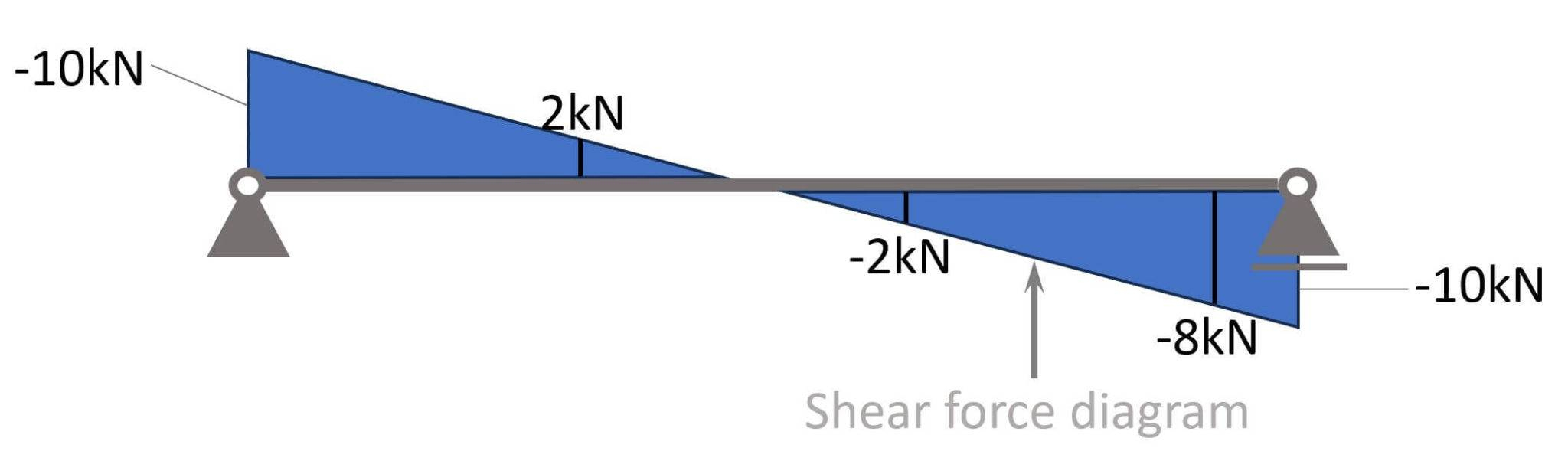
[sps_html tag=”img” src=”https://cdn.northcarolinafinearchitecture.com/2026/05/understand-shear-forces-an-engineering-explanation-structural-basics-regarding-what-modern-engineers-know-about-shear-dowels-that-you-dont.jpg” alt=”Understand Shear Forces [An Engineering Explanation] - Structural Basics regarding What Modern Engineers Know About Shear Dowels That You Don't” style=”width: 100%; height: auto;”]
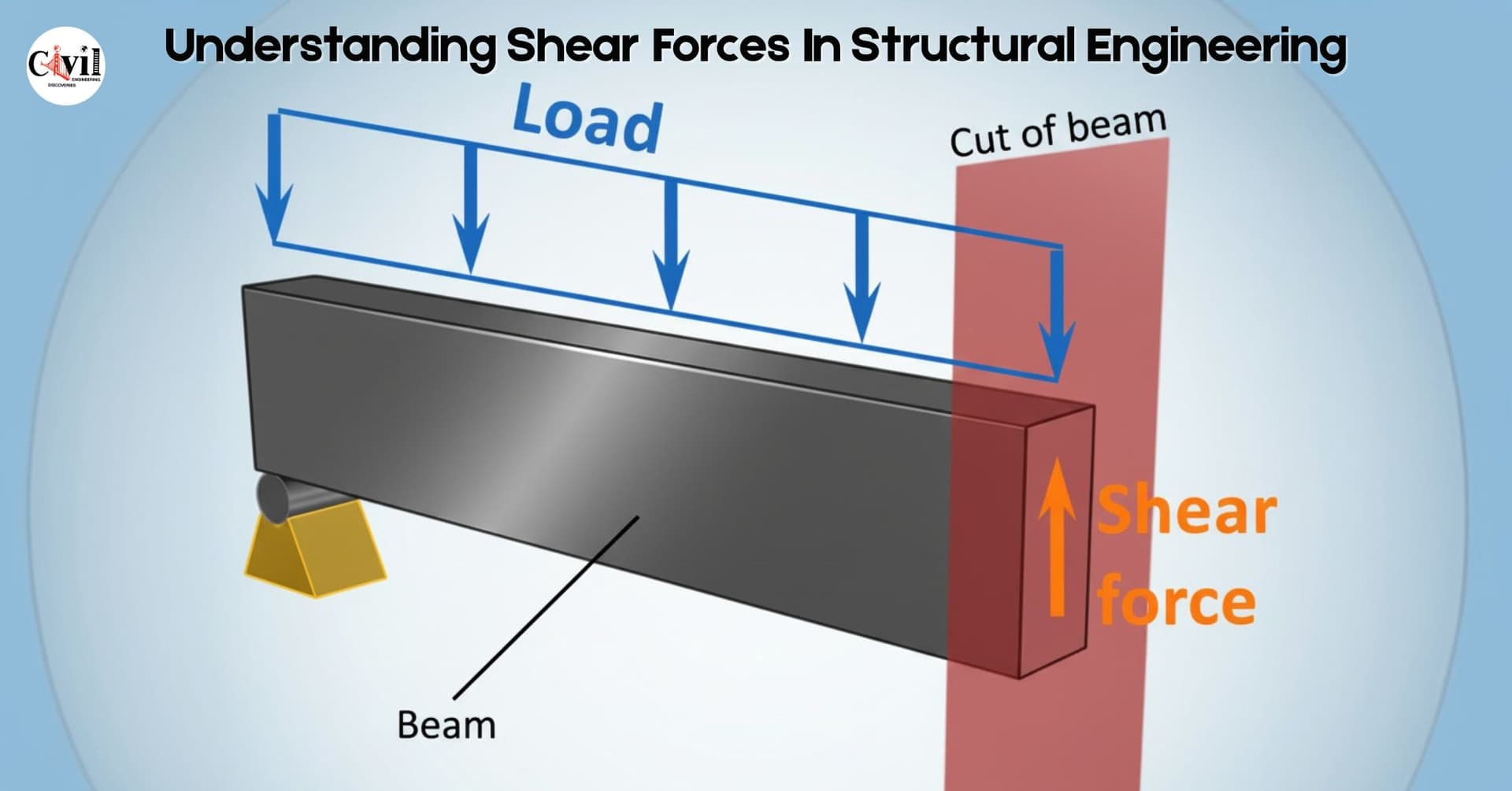
[sps_html tag=”img” src=”https://cdn.northcarolinafinearchitecture.com/2026/05/understanding-shear-forces-in-structural-engineering-a-comprehensive-intended-for-what-modern-engineers-know-about-shear-dowels-that-you-dont.jpg” alt=”Understanding Shear Forces In Structural Engineering: A Comprehensive … intended for What Modern Engineers Know About Shear Dowels That You Don't” style=”width: 100%; height: auto;”]
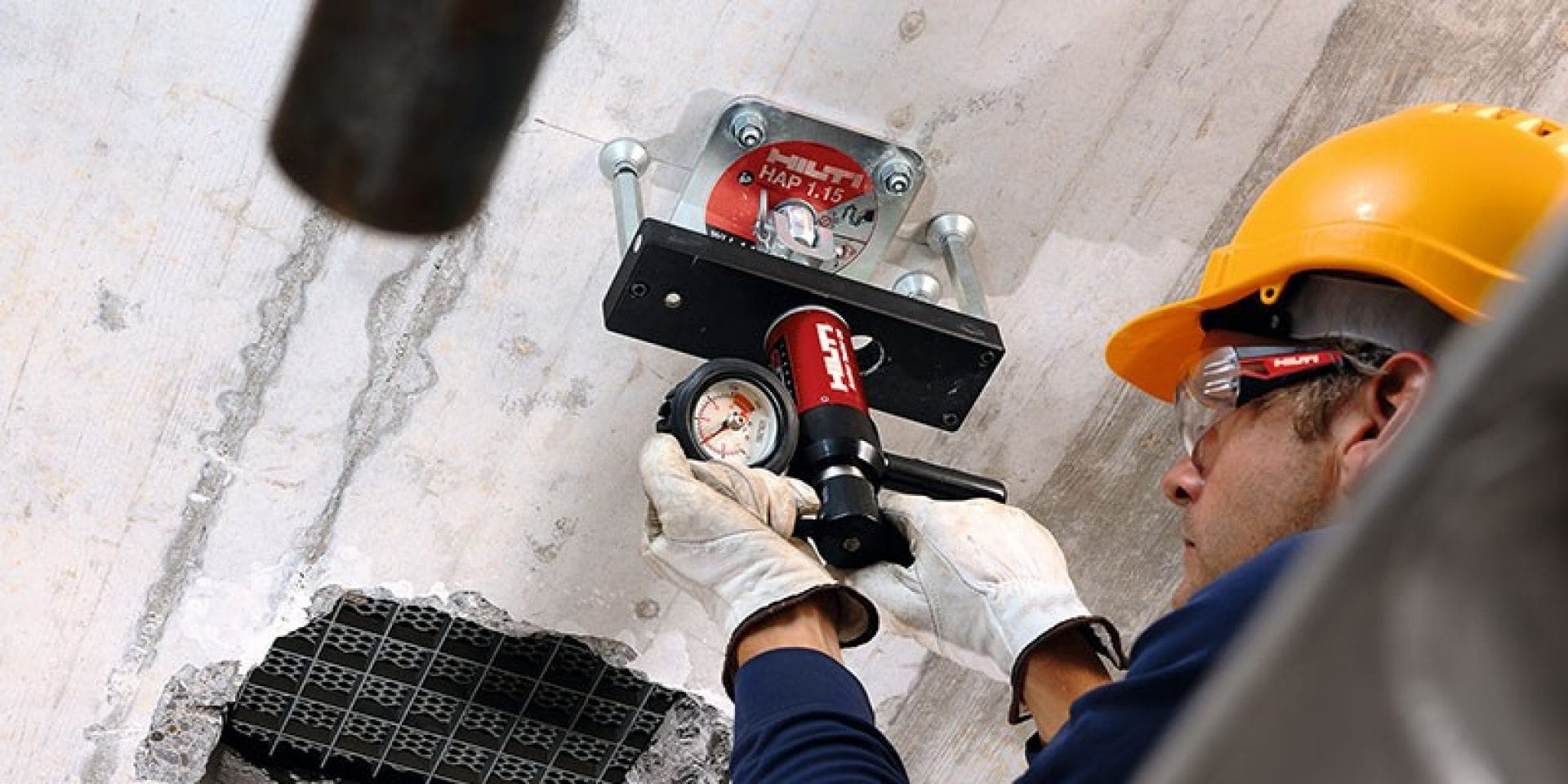
[sps_html tag=”img” src=”https://cdn.northcarolinafinearchitecture.com/2026/05/shear-dowels-hilti-philippines-with-what-modern-engineers-know-about-shear-dowels-that-you-dont.jpg” alt=”Shear Dowels - Hilti Philippines with What Modern Engineers Know About Shear Dowels That You Don't” style=”width: 100%; height: auto;”]
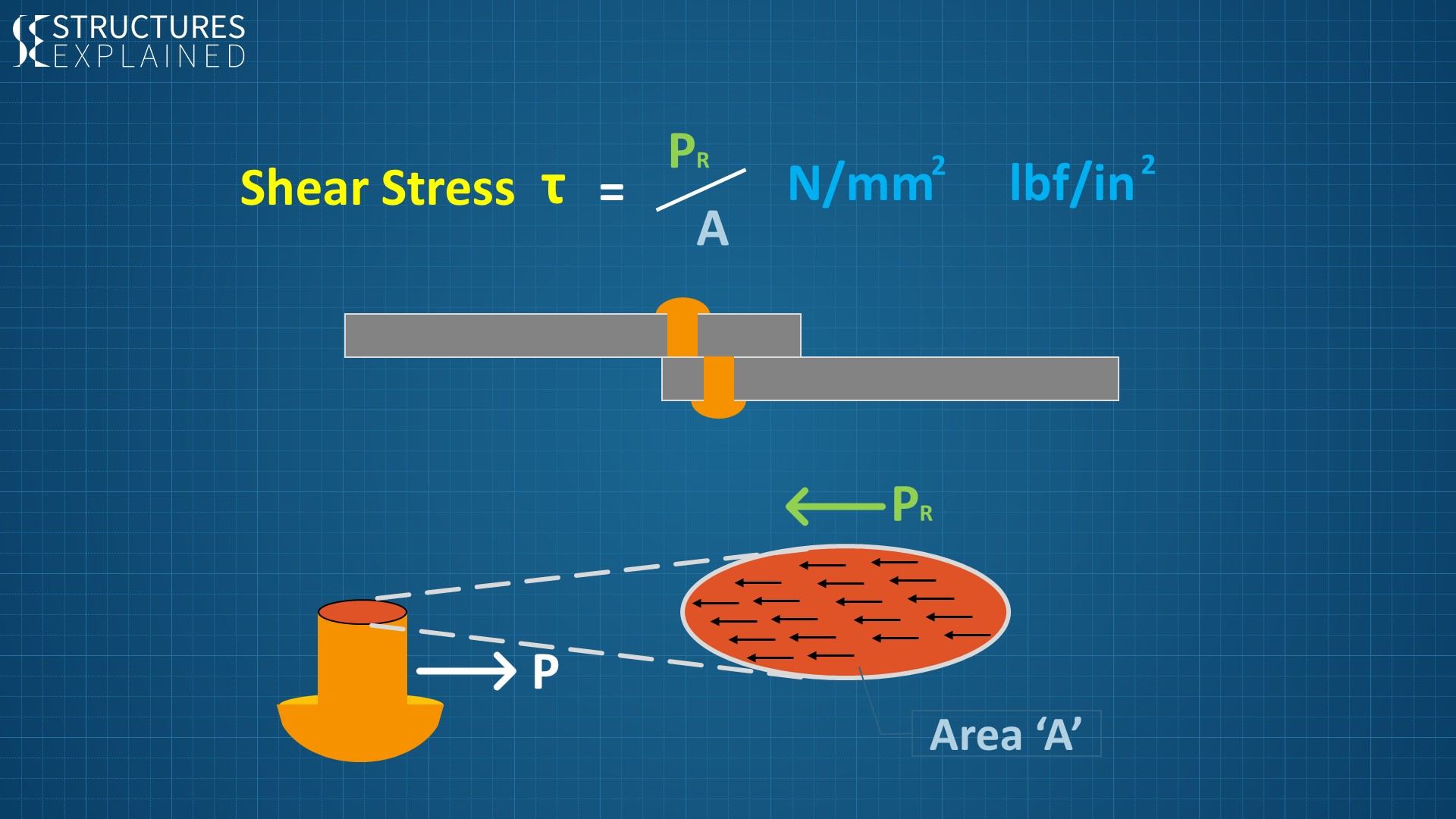
[sps_html tag=”img” src=”https://cdn.northcarolinafinearchitecture.com/2026/05/shear-strength-of-shear-stress-equations-and-applications-dynf-with-regard-to-dowel-joint-design.jpg” alt=”Shear Strength Of , Shear Stress Equations And Applications – Dynf with regard to Dowel Joint Design” style=”width: 100%; height: auto;”]
[sps_html tag=”img” src=”https://cdn.northcarolinafinearchitecture.com/2026/05/shear-dowels-pdf-building-materials-building-engineering-within-what-modern-engineers-know-about-shear-dowels-that-you-dont.jpg” alt=”Shear Dowels | Pdf | Building Materials | Building Engineering within What Modern Engineers Know About Shear Dowels That You Don't” style=”width: 100%; height: auto;”]