You climb the pull-down stairs, expecting a bit of warmth. Instead, you get hit with a wall of heat so thick it feels like opening a pizza oven. It’s disorienting. You know you paid for insulation. You saw the trucks. You saw the fluffy white stuff being pumped in. So why does it feel like you’re standing inside a sauna?
It’s frustrating. Really frustrating. You did the "right" thing by adding insulation, yet your energy bills are still sky-high, and the upstairs bedrooms are unbearable. This isn’t just bad luck. It’s a specific, solvable physics problem that most homeowners miss because they focus on the wrong part of the equation.
The truth is, insulation alone can’t save you. In fact, without the right airflow, that insulation might be trapping heat rather than stopping it. Let’s dig into why this happens and how to fix it for good.
The Misconception About Insulation
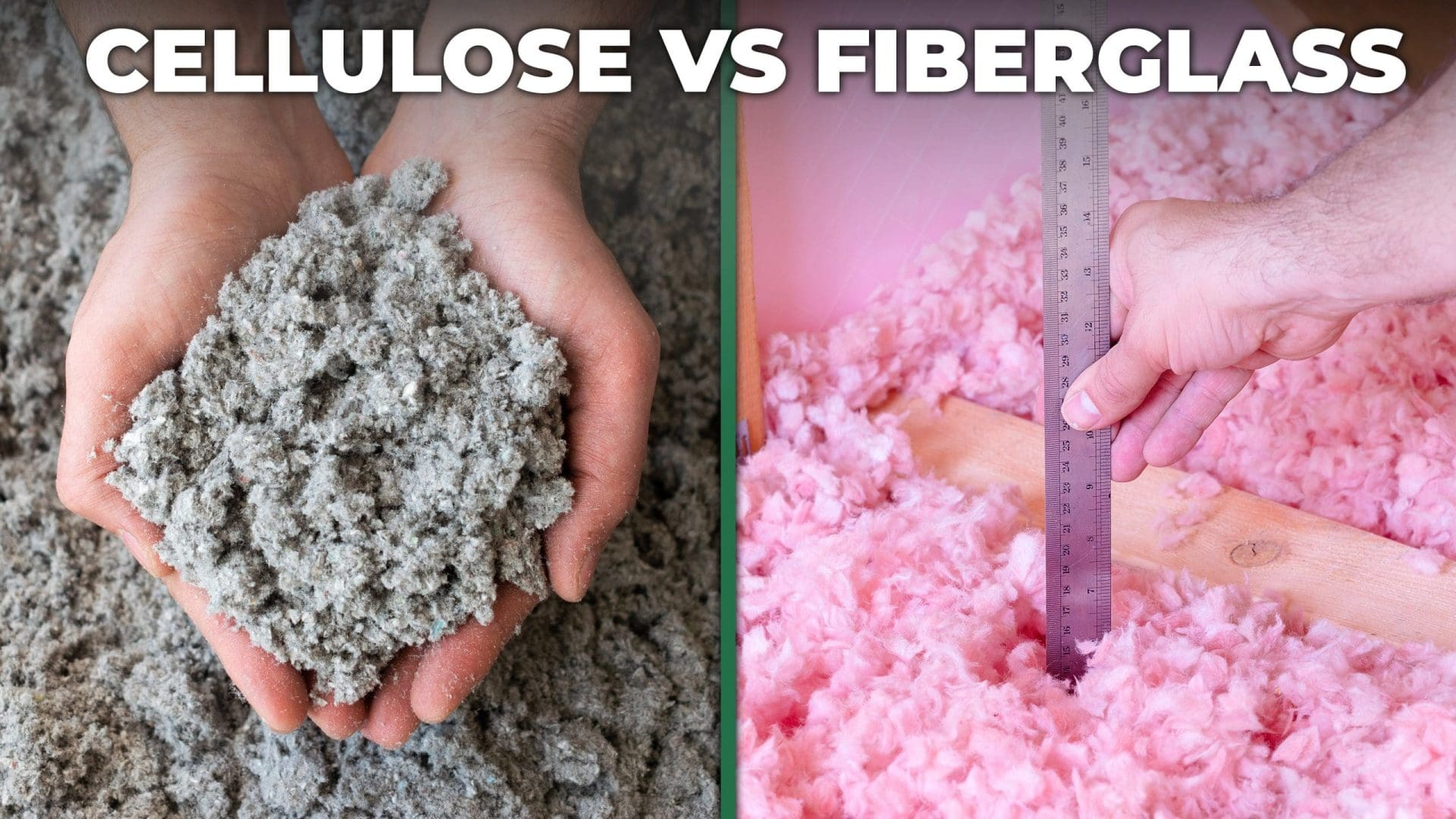
Most people think of insulation as a shield. They imagine it blocks heat like a fortress wall. But insulation doesn’t block heat; it slows it down. Think of it like a thermos. A thermos keeps coffee hot not by creating cold, but by slowing the transfer of heat. In your attic, blown-in cellulose or fiberglass does the same thing. It resists the flow of heat from the hot attic into your cool living space.
But here’s the catch. Insulation does nothing to stop the sun from heating up your roof deck. On a July afternoon in 2026, your shingles can reach temperatures of 150 degrees or more. That heat radiates into the attic space. If that heat has nowhere to go, it builds up. It stagnates. The air in your attic becomes superheated.
When you add more insulation to a poorly ventilated attic, you’re essentially wrapping your house in a warm blanket while leaving a heater running inside. The insulation keeps the heat from escaping downward, yes, but it also traps the radiant heat coming from the roof. The result? An attic that feels like an oven, regardless of how many inches of R-value you have installed.
Ventilation Is the Missing Half
If insulation is the brake, ventilation is the gas pedal for cooling. Or rather, it’s the exhaust fan. Proper attic ventilation creates a chimney effect. Cool air enters through soffit vents at the eaves, moves up along the roof deck, and exits through ridge vents or gable vents at the top. This constant flow carries away the heat before it can build up.
Without this airflow, the hot air just sits there. It bakes your roof sheathing. It warms up your insulation. And eventually, that heat radiates down through the ceiling drywall. Many homes built in the 90s and early 2000s have inadequate ventilation. They might have a few static vents, but not enough intake air. This imbalance stops the chimney effect dead in its tracks.
In recent years, building codes have tightened, requiring better balance between intake and exhaust. But if your home hasn’t been updated, you’re likely stuck with an outdated system. Adding more insulation without fixing the ventilation is like putting a lid on a boiling pot. The pressure—and the heat—has to go somewhere.
Common Blown-In Insulation Mistakes
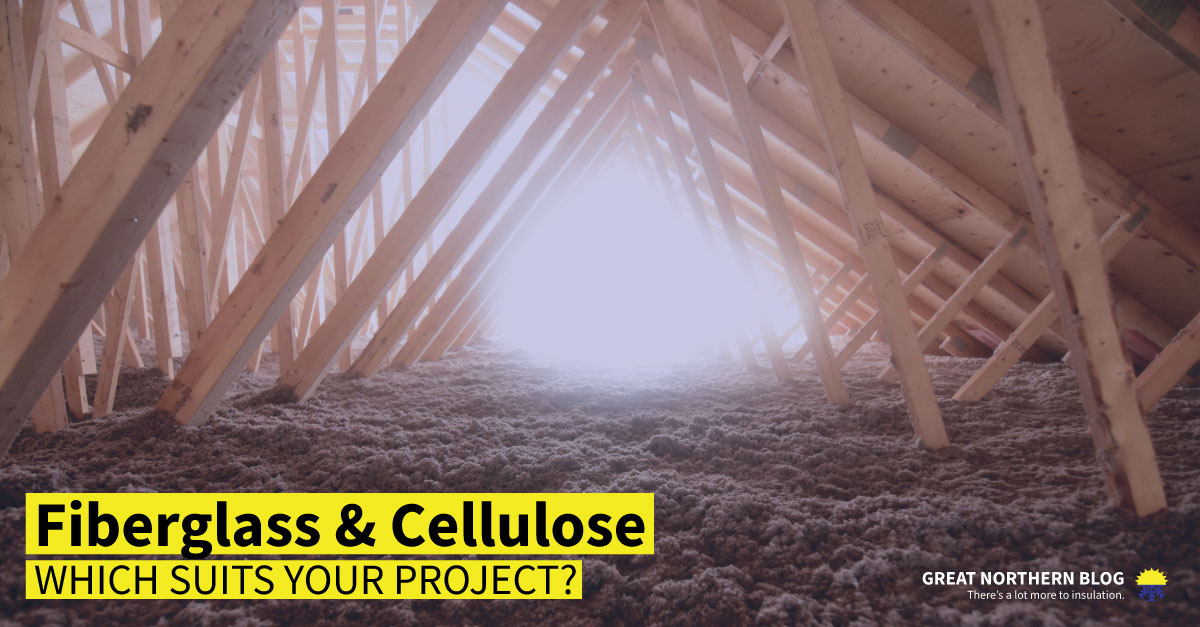
Blown-in insulation is popular because it’s fast and fills nooks and crannies well. But it’s often installed incorrectly. One of the biggest issues we see in 2026 is blocked soffit vents. When installers pump in loose-fill material, it’s easy for the insulation to drift over the soffit baffles. If those vents are covered, fresh air can’t enter the attic.
Another common problem is uneven coverage. Blown-in insulation settles over time. If it wasn’t installed to the correct density initially, you might have thin spots. These spots create thermal bridges where heat slips through easily. You might have 12 inches of insulation in one corner and only 4 inches in another. The average might look good on paper, but the reality is patchy protection.
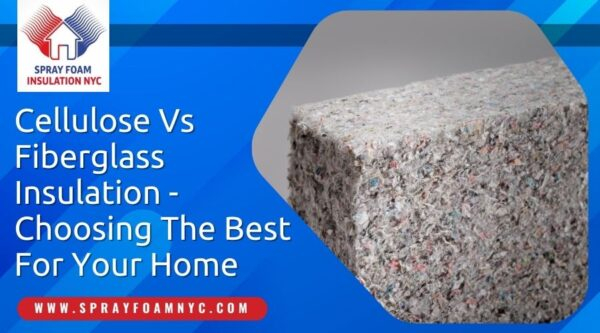
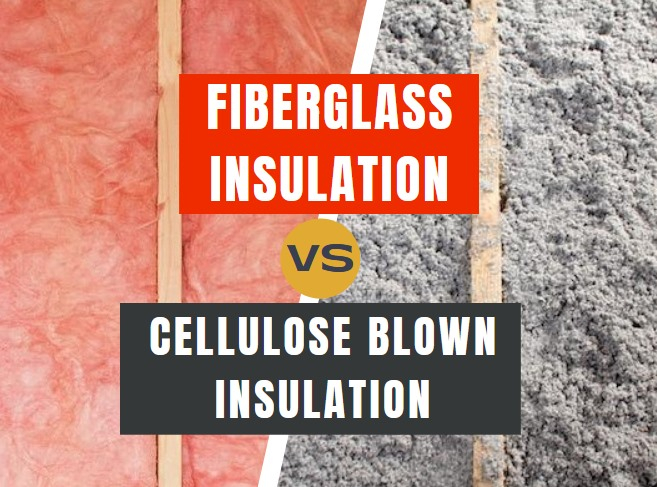
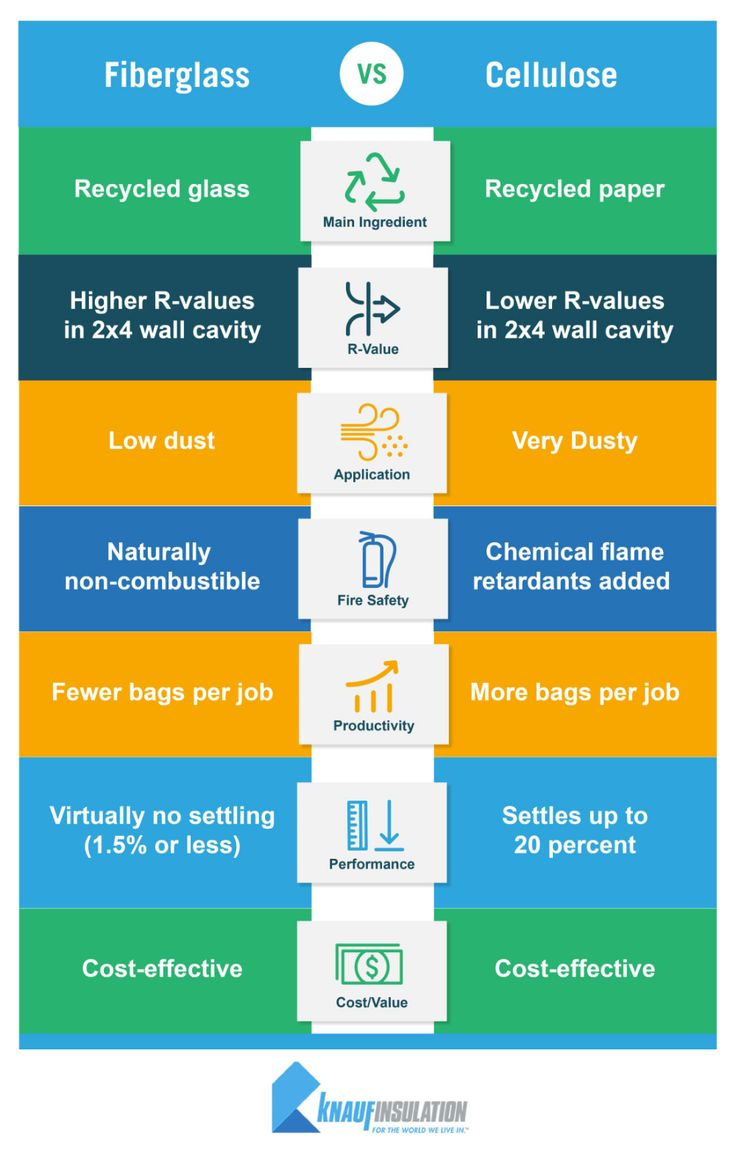
Also, consider the type of material. Cellulose is great for fire resistance and eco-friendliness, but it can absorb moisture if the attic isn’t dry. Wet insulation loses its R-value dramatically. Fiberglass doesn’t absorb water, but it can sag if not properly supported. Both materials need a dry, well-ventilated environment to perform as advertised. If your attic is humid, your insulation is working harder than it should.
The Roof Deck Heat Trap
Your roof is the first line of defense against the sun. Dark shingles absorb massive amounts of solar energy. This heat transfers directly to the roof deck—the plywood or OSB underneath. If the attic isn’t ventilated, that heat has no escape route. It radiates downward, warming everything it touches.
This is why some homeowners try radiant barriers. These are reflective foils stapled to the roof deck. They reflect radiant heat back toward the roof, preventing it from entering the attic space. While not a substitute for ventilation, they can help reduce the heat load. However, they must be installed correctly with an air gap to work. If they’re buried under insulation, they’re useless.
In hotter climates, the roof deck temperature can exceed the ambient air temperature by 50 degrees or more. This extreme heat differential drives the need for robust ventilation. Without it, the attic becomes a heat sink, storing energy all day and releasing it slowly at night. This is why your house stays hot even after the sun goes down.
Signs Your Attic Ventilation Is Failing
How do you know if your ventilation is the problem? There are clear signs. First, check your energy bills. If they’re high despite good insulation, heat is likely bypassing your system. Second, feel the upstairs rooms. If they’re significantly hotter than the downstairs, heat is radiating through the ceiling.
Look for physical clues too. Ice dams in winter are a huge red flag. They form when heat escapes into the attic, melts snow on the roof, and refreezes at the eaves. This indicates warm air is leaking into the attic space. In summer, look for warped roof shingles or excessive granule loss. These signs suggest the roof deck is overheating.
Another sign is moisture. If you see mold on the roof sheathing or rust on nail heads, your attic is too humid. Poor ventilation traps moisture from daily activities like showering and cooking. This moisture reduces the effectiveness of insulation and can lead to structural damage. A simple test is to use a thermometer. On a sunny day, the attic temperature should be within 10-20 degrees of the outside air. If it’s 30 or 40 degrees hotter, you have a ventilation problem.
So, what can you do? Start by inspecting your soffit vents. Make sure they aren’t blocked by insulation. Install baffles if they’re missing. These cardboard or plastic chutes keep the insulation back and allow air to flow freely from the soffits into the attic. This is a cheap and effective fix.
Next, evaluate your exhaust vents. Do you have enough ridge venting? If not, consider adding more. Static vents can work, but they’re less efficient than continuous ridge vents. In some cases, powered attic fans might help, but be careful. They can create negative pressure and pull conditioned air out of your house if not balanced properly. Most experts in 2026 recommend passive ventilation first.
Seal air leaks from your living space into the attic. Use caulk or foam to seal around light fixtures, plumbing stacks, and chimneys. This prevents warm, moist air from entering the attic in the first place. Finally, consider a radiant barrier if you live in a hot climate. Combined with proper ventilation and insulation, it can make a noticeable difference in comfort.
Fixing an oven-like attic isn’t about doing one big thing. It’s about balancing the system. Insulation, ventilation, and air sealing work together. Ignore one, and the whole system suffers. Take the time to assess each part. Your comfort—and your wallet—will thank you.
The next time you climb into your attic, don’t just look at the insulation. Look at the airflow. Feel the temperature. Check the vents. Understanding the relationship between these elements is the key to solving the mystery of the hot attic. It’s not magic. It’s physics. And once you get it right, your home will feel like a sanctuary, not a sauna.
[sps_html tag=”img” src=”https://cdn.northcarolinafinearchitecture.com/2026/05/blown-in-cellulose-insulation-vs-fiberglass-batts-glass-designs-for-how-to-choose-between-cellulose-and-fiberglass-for-your-blown-in-project.jpg” alt=”Blown In Cellulose Insulation Vs Fiberglass Batts - Glass Designs for How to Choose Between Cellulose and Fiberglass for Your Blown-In Project” style=”width: 100%; height: auto;”]
[sps_html tag=”img” src=”https://cdn.northcarolinafinearchitecture.com/2026/05/comparison-between-fiberglass-vs-cellulose-blown-insulation-in-how-to-choose-between-cellulose-and-fiberglass-for-your-blown-in-project.jpg” alt=”Comparison Between Fiberglass Vs Cellulose Blown Insulation … in How to Choose Between Cellulose and Fiberglass for Your Blown-In Project” style=”width: 100%; height: auto;”]
[sps_html tag=”img” src=”https://cdn.northcarolinafinearchitecture.com/2026/05/what-is-the-difference-between-cellulose-and-fiberglass-insulation-pertaining-to-how-to-choose-between-cellulose-and-fiberglass-for-your-blown-in-project.jpg” alt=”What Is The Difference Between Cellulose And Fiberglass Insulation … pertaining to How to Choose Between Cellulose and Fiberglass for Your Blown-In Project” style=”width: 100%; height: auto;”]
[sps_html tag=”img” src=”https://cdn.northcarolinafinearchitecture.com/2026/05/blown-in-cellulose-vs-fiberglass-insulation-compare-fiberglass-pertaining-to-how-to-choose-between-cellulose-and-fiberglass-for-your-blown-in-project.jpg” alt=”Blown In Cellulose Vs Fiberglass Insulation Compare | Fiberglass … pertaining to How to Choose Between Cellulose and Fiberglass for Your Blown-In Project” style=”width: 100%; height: auto;”]
[sps_html tag=”img” src=”https://cdn.northcarolinafinearchitecture.com/2026/05/cellulose-insulation-vs-fiberglass-blown-in-gas-furnace-with-blown-insulation-design.jpg” alt=”Cellulose Insulation Vs Fiberglass Blown In | Gas Furnace with Blown Insulation Design” style=”width: 100%; height: auto;”]