Late October is the quiet deadline of the gardening year in most of the United States: the window between leaf drop and hard freeze is when shrubs either bank the reserves that carry them to spring or quietly run dry. Winter kills landscape shrubs less by absolute cold than by drying out — and the fix is mostly work you do before the ground freezes, not after damage appears. Cold-hardy plants still lose water through leaves and needles all winter in a process called transpiration, and water loss is greatest during strong winds and mild, sunny weather; once the ground freezes, the roots’ water supply is cut off, and foliage that transpires faster than it drinks desiccates and browns (UNH Extension). Broadleaf evergreens like rhododendrons are hit hardest because they carry large leaves through the whole winter. Here is the protection checklist, in the order the season gives it to you.
Start by triaging the yard, because not every shrub needs the same level of defense. First-winter plantings top the list: their root systems are still small, which is exactly why UNH Extension singles out newly planted trees and shrubs as the priority for mulching (UNH Extension). Next come the broadleaf evergreens — rhododendrons, mountain laurel, boxwood — whose foliage keeps transpiring all winter, and the columnar arborvitae and yews that combine wind exposure with deer pressure. Established deciduous shrubs with tough winter buds generally need nothing beyond fall watering and a clean mulch ring. Spending your October hours where the risk actually lives beats blanket-treating every plant on the property.
Keep Watering Until the Ground Freezes
It feels wrong to water shrubs in sweater weather, but fall soil moisture is the single biggest lever. UNH Extension’s guidance is to provide about one inch of rainfall or supplemental irrigation per week, applied deeply enough to moisten the soil to a depth of eight to ten inches at least once a week, continuing until freezing temperatures arrive (UNH Extension). The reason is root math: in fall, when air temperature drops below soil temperature, shoot growth stops but roots keep developing until soil dips below about 40°F. Every week of deep watering in that window builds the root system that has to supply the foliage all winter.
Burlap Screens and Wraps, Placed With the Wind in Mind
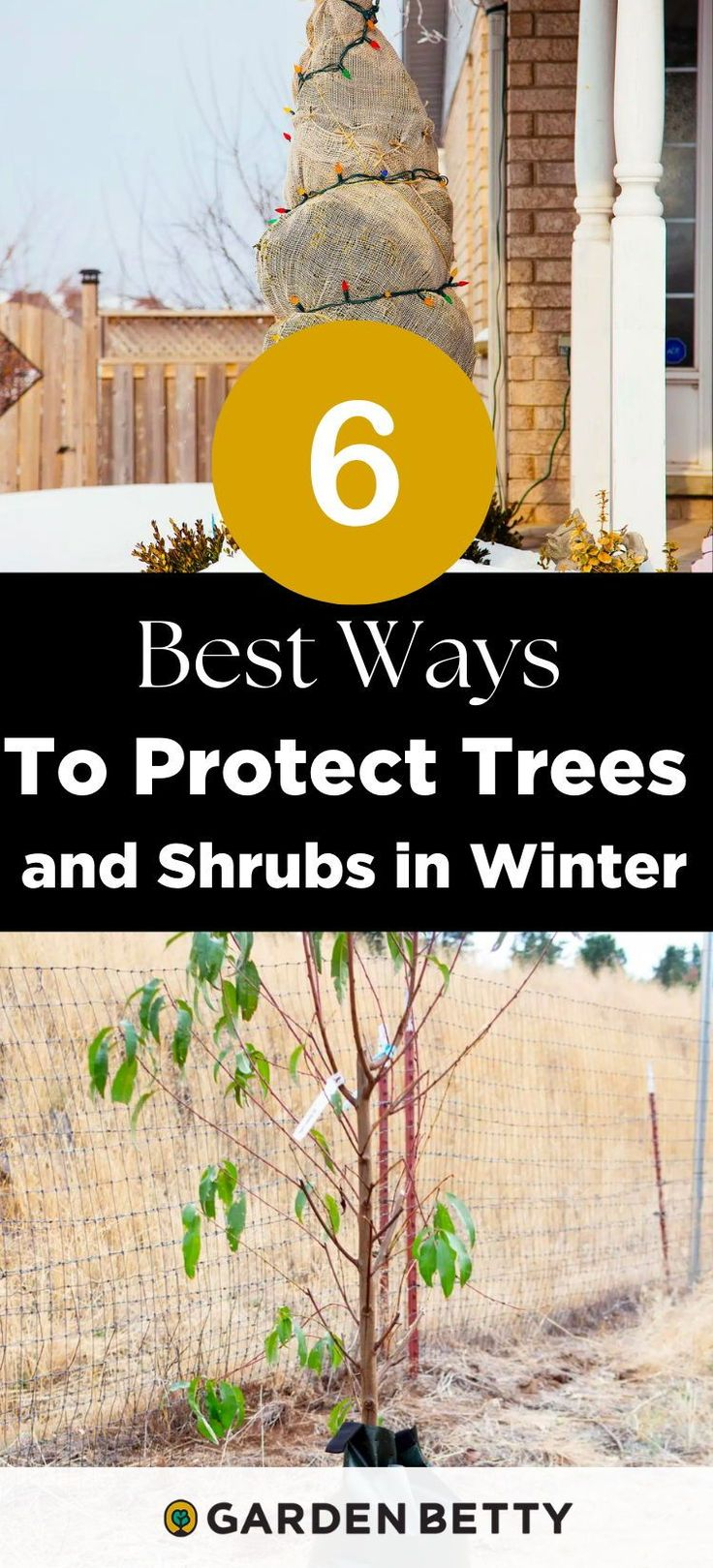
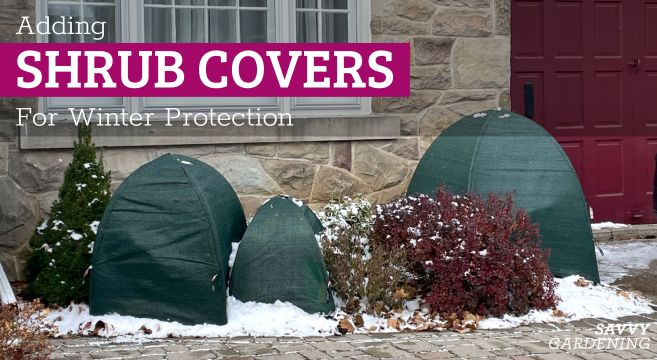
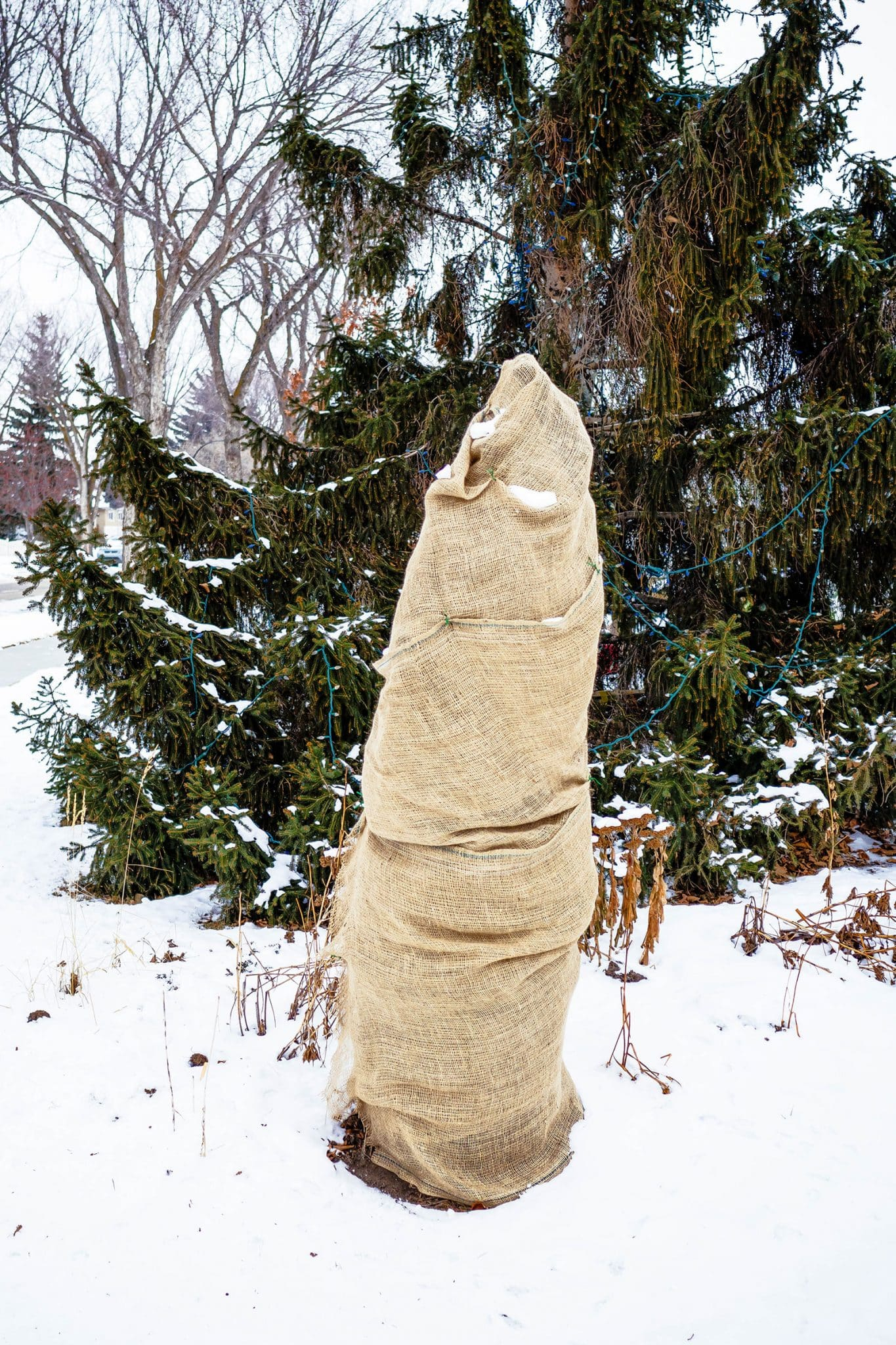
Physical protection works when it interrupts wind, not when it smothers the plant. Erect windbreaks of burlap or canvas on frames, and place them on the side of the prevailing winds — a screen on the wrong side does almost nothing (UNH Extension). Columnar evergreens such as arborvitae, whose upright growth takes snow load and winter burn badly, can be wrapped completely in burlap. One rule is absolute: never substitute black plastic. Plastic causes extreme temperature swings that damage the tissue you are trying to protect. As a side benefit, UNH notes that burlap-wrapped plants are less likely to be browsed by deer — the wrap works double duty.
Anti-Desiccants Only Work With Tight Timing
Anti-desiccant sprays can genuinely reduce winter moisture loss, but timing decides the outcome. Most products should be applied when temperatures are around 40–50°F, with thorough coverage of all foliage — plants lose water through both upper and lower leaf surfaces, so spray both (UNH Extension). Do not spray early: applying before the plant is fully dormant can trap excess water in the leaves, where it freezes and ruptures cells. Wait until the evergreen is fully dormant in late fall, and follow the product label for dilution and reapplication intervals.
Mulch the Roots, Then Defend Against Deer
Snow cover is actually good insulation for roots, which means winters with little snow are the dangerous ones for recently planted shrubs. Since snow cover cannot be guaranteed, apply at least two inches of woodchips or straw over the root zone, taking care not to pile mulch against the trunk itself; remove the extra depth in spring once the ground begins to thaw (UNH Extension). For deer pressure, fencing is the most effective protection but often impractical; fear-based repellents (putrescent egg solids, predator urine products) perform best among sprays, and ordinary bar soap or garlic sticks hung on branches can carry occasional-pressure gardens. Whatever you use, start in mid-to-late fall — repellents work by breaking the deer’s habit of visiting, and habits form early (UNH Extension).
Plan Spring Repair — and a Better Winter Next Year
Even careful protection cannot fully prevent injury in a severe winter, so inspect shrubs in early spring before pruning: wait until new growth shows the true extent of winter burn before cutting, because browned foliage often masks live wood beneath. For the long game, the cheapest winter protection is plant placement. Plant broadleaf evergreens on the north, northeast, or east side of buildings or behind windbreaks where they escape both prevailing winds and early-morning winter sun, and choose species hardy for your zone without coddling (UNH Extension). Thin-barked young maples and cherries face a related winter threat on their southwest side — sunscald and frost cracking — which we cover separately in our fall tree guard guide. This Old House’s landscape contractors make the same framing for the whole yard: take proactive steps before the frigid temperatures, heavy snow, and drying winds arrive, because evergreens stay vulnerable all winter (This Old House).