Fall landscaping preparations across North America typically focus on raking leaves, planting spring bulbs, and cutting back perennials. However, one of the most critical yet frequently overlooked seasonal tasks is protecting young and thin-barked trees from the severe physiological stresses of winter. During sunny winter days followed by freezing nights, unprotected residential trees often suffer devastating structural injuries known as sunscald and frost cracking. Understanding why these cold-weather injuries happen and applying the correct protective trunk guards before winter sets in is essential for preserving valuable landscape investments.
Why Winter Temperature Swings Cause Sunscald and Frost Cracks
Sunscald and frost cracks are distinct winter injuries driven by extreme temperature fluctuations rather than absolute cold temperatures. In arboriculture, sunscald is frequently referred to as “southwest injury” because it almost exclusively develops on the south and southwest faces of tree trunks.
During clear winter days in the northern hemisphere, the low angle of the sun shines intensely on the southern side of exposed trunks, warming the bark and underlying cambium cells significantly above ambient air temperatures. As documented by research horticulturists at Colorado State University Extension, this sunny warmth causes the living cells in the trunk tissue to temporarily lose their winter dormancy and become active. When the sun rapidly dips behind the horizon or a cloud bank blocks solar exposure, trunk temperatures drop precipitously below freezing within minutes. The active, unhardened plant cells rupture, freeze, and die. The resulting damage appears the following spring as sunken, discolored, or peeling strips of dead bark that expose the inner sapwood to wood-boring insects, fungal decay, and bacterial pathogens.
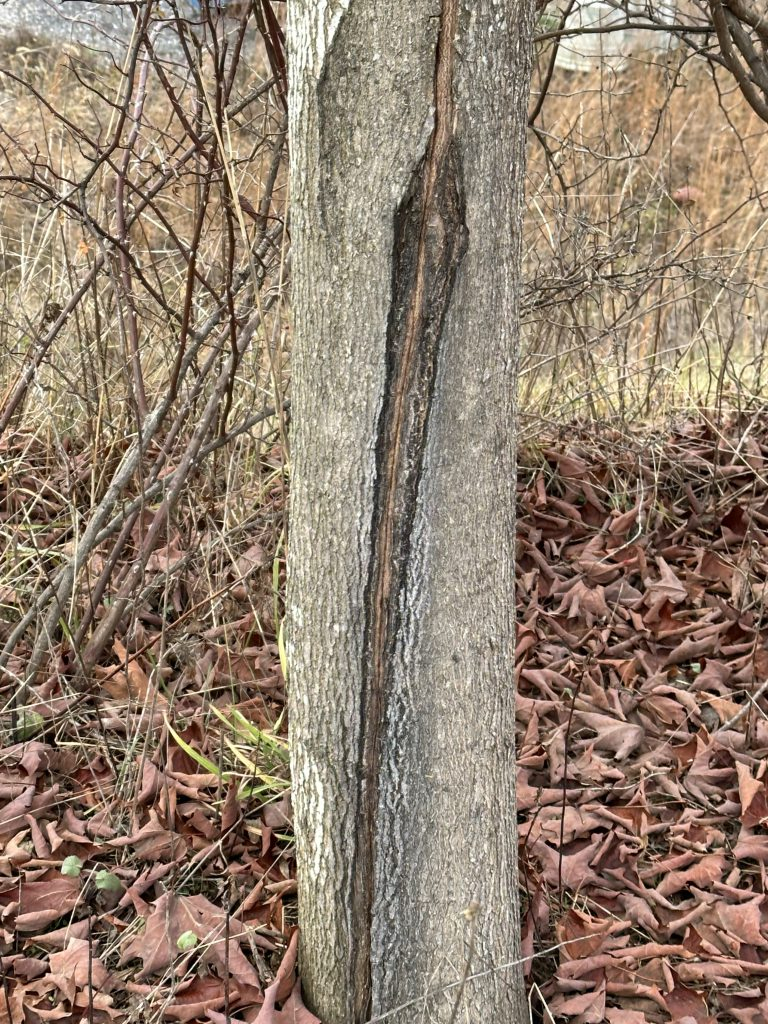
Frost cracking, by contrast, occurs when the rapidly chilling outer bark shrinks much faster than the warmer internal wood core. This thermal contraction creates intense physical tension that causes the trunk to split vertically with an audible snap. While healthy mature trees can often compartmentalize vertical frost cracks over time, young trees with thin bark can suffer permanent structural weakness or complete girdling.
Identifying High-Risk Thin-Barked Tree Species in Residential Landscapes
Not every tree in your landscape requires winter wrapping. Mature hardwood trees with thick, deeply furrowed, or corky bark—such as mature bur oaks, mature black walnuts, and established hickories—possess natural insulation that buffers internal cells against rapid temperature changes. Protective wrapping is strictly necessary for:
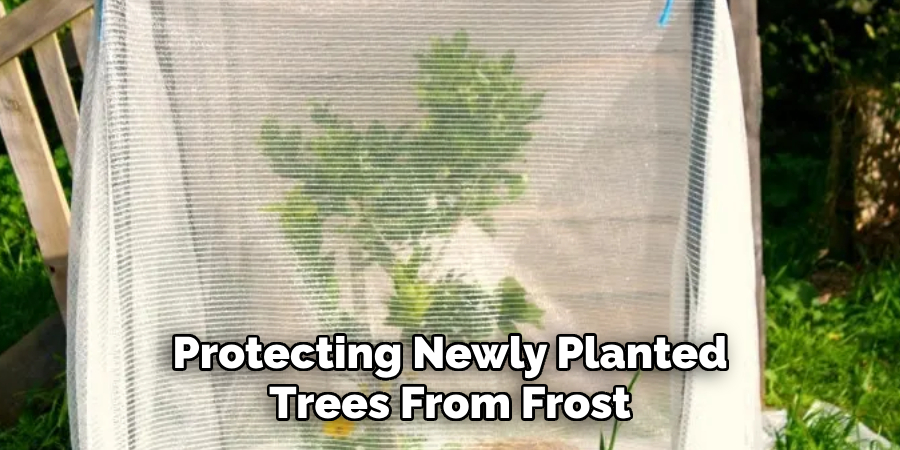
- Newly Planted Trees: Any sapling planted within the last one to three years, before the root system has fully established and the bark has thickened.
- Thin-Barked Ornamental Species: Species naturally characterized by smooth, delicate bark throughout their youth, including sugar maples, red maples, lindens, crabapples, flowering cherries, plums, birch, ginkgo, and eastern redbud.
- Pruned or Transplanted Trees: Specimen trees that recently had their lower branches limbed up, or trees moved from a shaded nursery setting to an open, sunny southern exposure where the trunk receives direct midday winter sun for the first time.
Choosing Between White Tree Wrap and Rigid Protective Guards
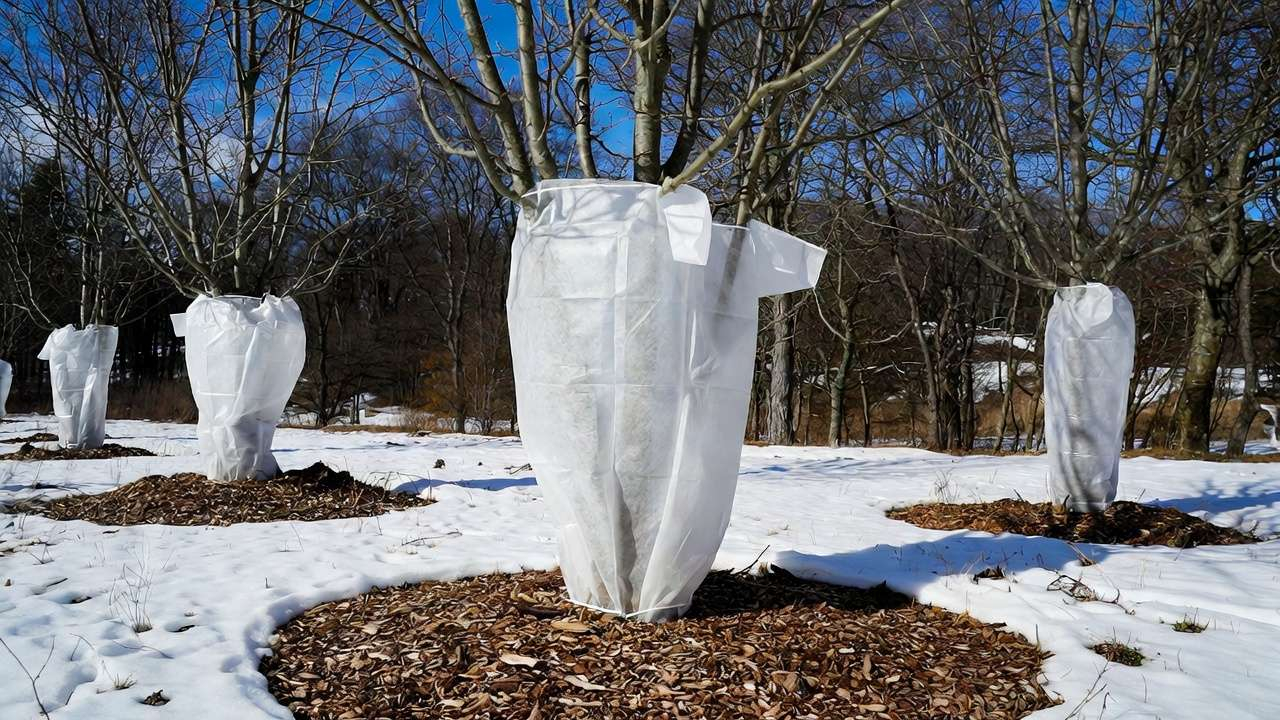
Selecting the proper material is essential because using improper wraps can cause more damage than the cold itself. According to tree protection recommendations from University of Minnesota Extension, tree wraps and guards must always be light-colored or white. White surfaces actively reflect intense winter sunlight, keeping trunk temperatures cool, steady, and dormant throughout the day.
Homeowners have two reliable options depending on their landscape priorities:
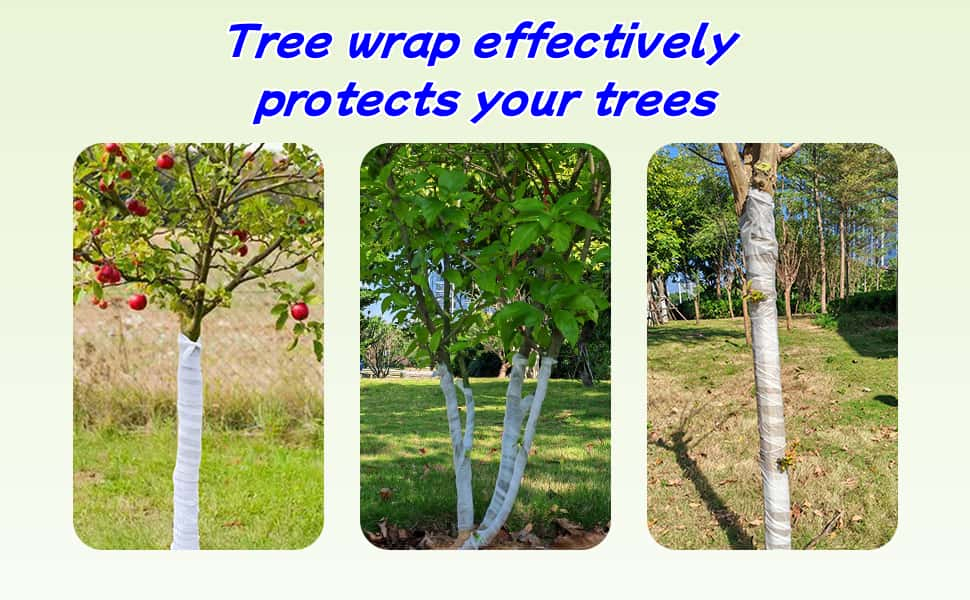
- White Crepe-Paper Tree Wrap: Commercial tree-wrapping paper features a crinkled, elastic texture that sheds rain while allowing the trunk to breathe. It stretches slightly to accommodate natural stem expansion and conforms snugly to tapering trunks. Never use dark brown craft paper, asphalt-impregnated paper, black roofing felt, or burlap; dark materials absorb heat and exacerbate sunscald injury.
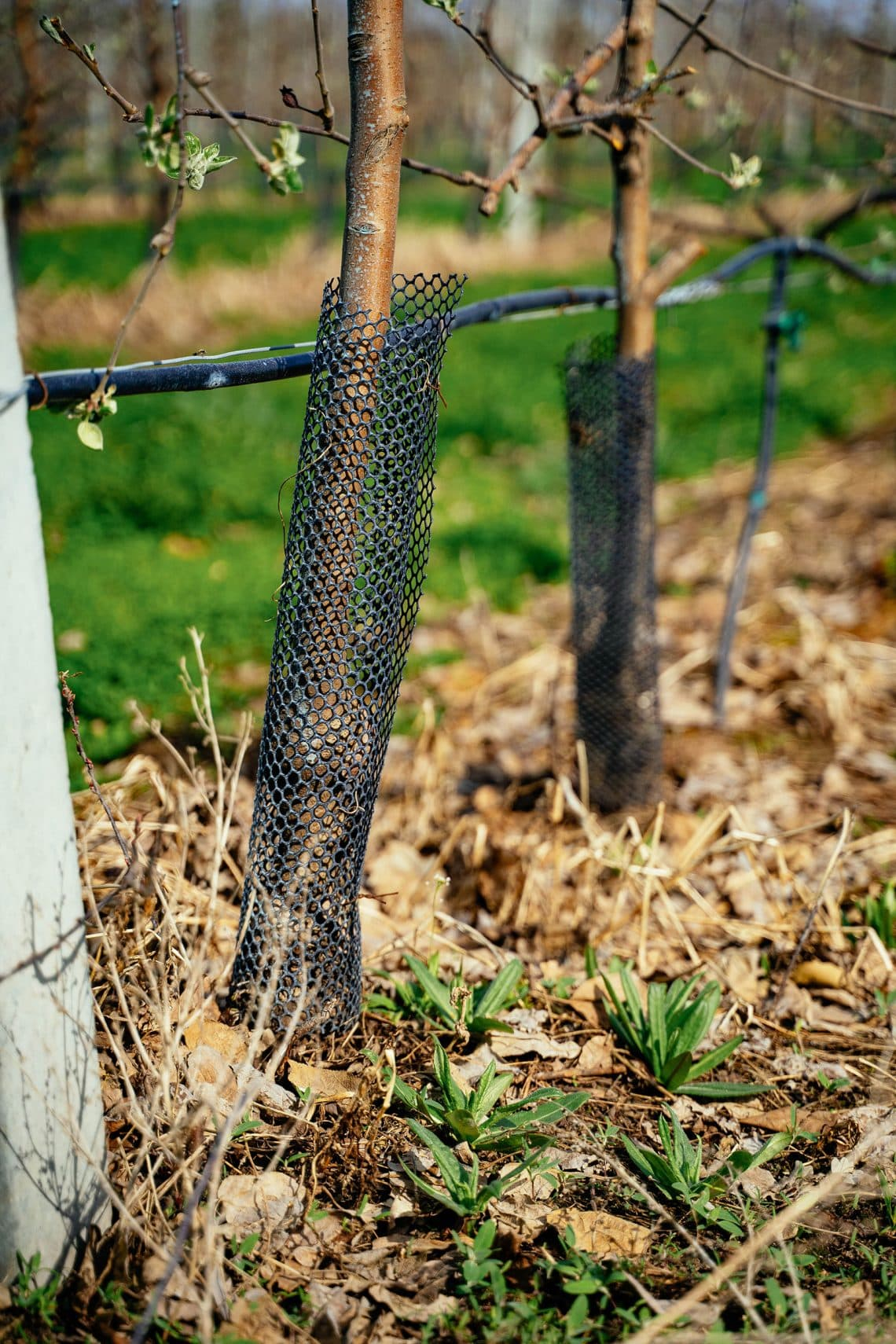
- Rigid White Plastic Spiral or Mesh Guards: Pre-formed white plastic coils and slit tubes are simple to install and provide double duty: they reflect solar radiation while also creating a physical barrier against hungry winter wildlife. Voles, field mice, and rabbits frequently gnaw tender bark near the snowline during midwinter food shortages, completely girdling young trunks. Rigid guards should feature ventilation perforations to prevent excessive moisture buildup against the bark.
Correct Fall Installation Timing and Wrapping Technique
Timing and proper technique ensure maximum protection without harboring pests or trapping decay organisms:
- Time Installation for Late Autumn: Install tree wrap or guards in late fall (typically late October through November, depending on your hardiness zone), after trees have fully dropped their foliage and entered winter dormancy, but before the first prolonged sub-freezing daytime weather arrives.
- Start at Ground Level: Begin wrapping at the soil line at the base of the trunk. If you have active rodent populations, ensure the bottom edge of rigid guards extends slightly below the mulch line or soil level to prevent burrowing voles from reaching root collars.
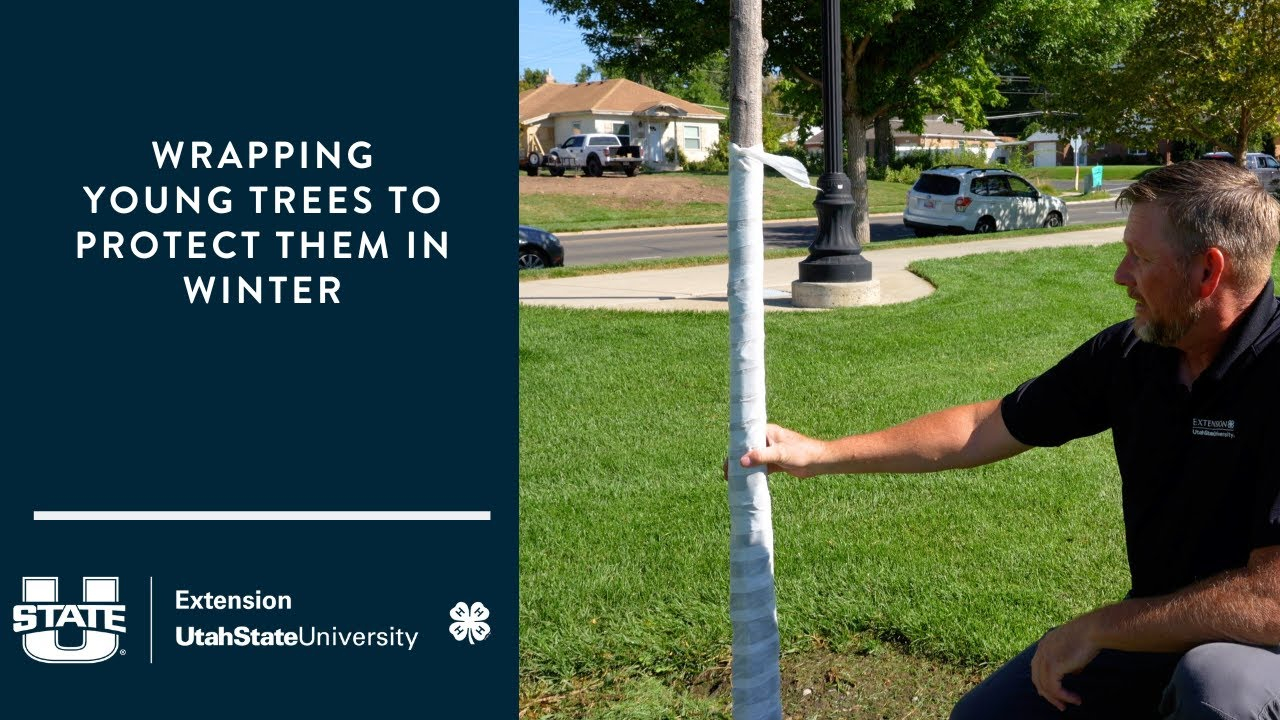
- Wrap Upward with Overlap: Spiral the paper wrap upward toward the first lateral branch, overlapping each tier by approximately one-third of its width. This shingle-like overlap sheds runoff water and prevents moisture from accumulating beneath the paper layers.
- Fasten Without Damaging Bark: Secure the top of the wrap near the lowest branch using weather-resistant masking tape wrapped around the paper itself, or staple the wrap to itself. Never drive staples, nails, or tacks directly into living tree bark, and never use tightly bound wire that could strangle trunk tissue.
Spring Removal and Ongoing Trunk Health Inspection
One of the most damaging mistakes a homeowner can make is leaving winter tree wrap on throughout the growing season. Protective wraps are exclusively a cold-season management tool. As soon as the final hard frosts pass in early to mid-spring (typically mid-April across most temperate zones), remove all paper wraps and plastic guards immediately.
Leaving wraps on during warm spring and summer weather creates a dark, humid microclimate that traps moisture against the bark, softening tissue and inviting fungal infections, canker diseases, boring insects, and earwigs. Furthermore, as the sapling grows rapidly in spring, forgotten wraps can girdle the expanding trunk, cutting off vital nutrient flow between leaves and roots.
Upon removing the wrap in spring, inspect the southwest trunk face for any cracks or discolored patches. If minor sunscald has occurred, allow the tree to heal naturally; do not apply wound dressings, tar, or paint, which seal in harmful microorganisms and delay natural callus wood formation. Re-apply fresh white wrap the following autumn until the tree reaches mature bark thickness, ensuring your ornamental trees thrive for decades to come.