The human brain registers visual data from a passing vehicle in less than three seconds. During that fleeting window, a property’s exterior is either a forgettable blur of green grass and concrete or a carefully orchestrated visual statement that commands attention. Driving through suburban cul-de-sacs or urban neighborhoods in 2026, the contrast is stark. Some homes feel stagnant, weighed down by overgrown foundation shrubs planted in the Reagan era. Others pulse with deliberate architectural rhythm—clean hardscape lines, striking structural foliage, and lighting profiles that extend design dominance well into the night.
Curb appeal is not an accidental stroke of luck; it is a calculated manipulation of line, color, texture, and light. When homeowners invest in high-impact landscaping, they are rarely just buying plants. They are purchasing a psychological anchor, a visual handshake that communicates pride of ownership, design literacy, and spatial intention before a guest even steps onto the porch. Achieving this transformation requires abandoning generic nursery impulse buys in favor of a rigorous, design-forward approach that treats the front yard as the primary facade of the entire residential structure.
Historically, the American front yard evolved as an open-air public gallery, a tradition rooted in the sprawling lawns of nineteenth-century pastoral estates. Over the decades, this concept devolved into uniform turfgrass grids paired with predictable boxwood hedges hugging the foundation. Modern landscape architecture rejects this passive approach. Today’s high-impact methodologies treat the outdoor space as a seamless extension of interior architecture. Sustainable materials, low-maintenance structural grasses, and dramatic vertical focal points now replace the relentless cycle of seasonal mowing, weeding, and chemical intervention.
This shift reflects a broader cultural pivot toward outdoor spaces that offer maximum visual return on investment with minimal cognitive friction. Property values respond aggressively to these changes. Real estate analyses consistently confirm that strategic exterior upgrades deliver some of the highest financial yields of any home renovation project. Yet, the true value lies beyond the appraisal form. Pulling into a driveway framed by intentional design alters your daily state of mind, turning the threshold between the outside world and your personal sanctuary into a genuine moment of transition.
The Architectural Psychology of Front Yard Focal Points and Visual Gravity
Every compelling landscape operates under the laws of visual gravity. Without a designated focal point, the human eye wanders aimlessly across a yard, registering clutter rather than composition. Creating visual gravity means establishing an undisputed anchor—a specimen tree, an oversized architectural boulder, or a striking piece of hardscape—that commands the viewer’s gaze the moment they turn the corner. This anchor acts as the heavy mass in a visual equation, around which all secondary and tertiary elements must balance.
Consider the classic mistake of scattering small, isolated flower beds across an expansive lawn. Each bed competes for attention, creating visual noise. High-impact design consolidates energy. By placing a mature specimen tree—such as a multi-stem birch, a weeping Japanese maple, or an upright columnar hornbeam—in an asymmetrical yet balanced position relative to the home’s primary entrance, you create an instant anchor. Grounding this tree with a generous, dark-mulched or river-rock basin creates negative space, giving the eye a place to rest before it tracks toward the front door.
Texture and scale dictate whether this focal point succeeds or fails. Scale involves the relationship between the plant material and the vertical mass of the house. A single dwarf shrub looks lost against a two-story colonial facade, whereas a robust, ten-foot ornamental grass or an architectural evergreen establishes immediate conversational scale. Texture introduces contrast: pairing the fine, needle-like foliage of a blue spruce with the broad, glossy leaves of a boxwood or the architectural blades of New Zealand flax creates tactile tension. When sunlight hits these contrasting surfaces at varying angles throughout the day, the landscape shifts dynamically without requiring a single seasonal flower change.
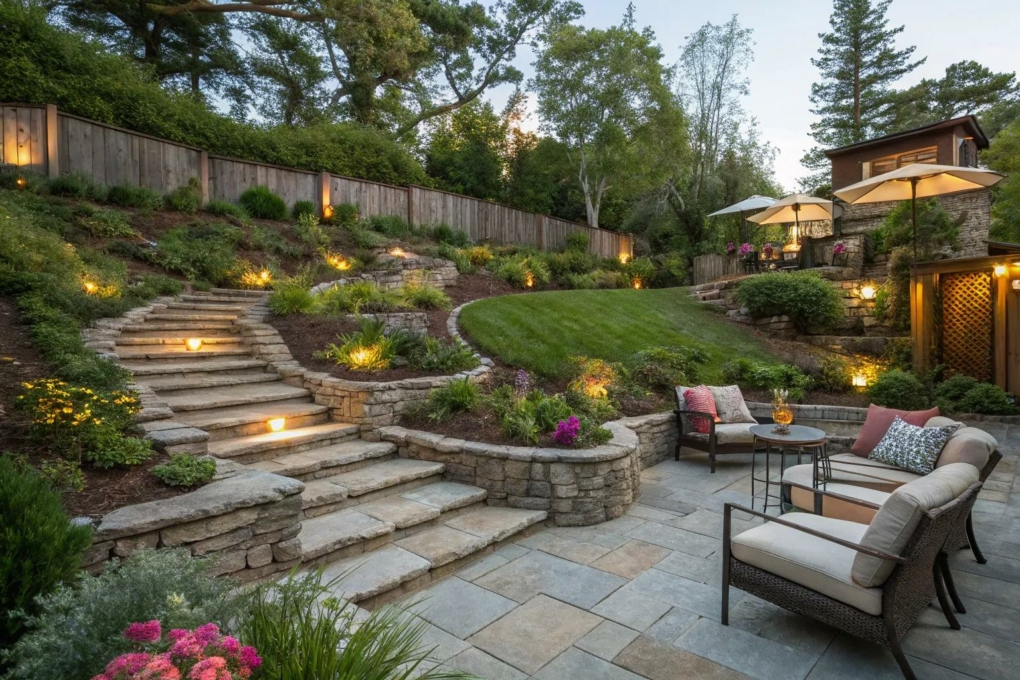
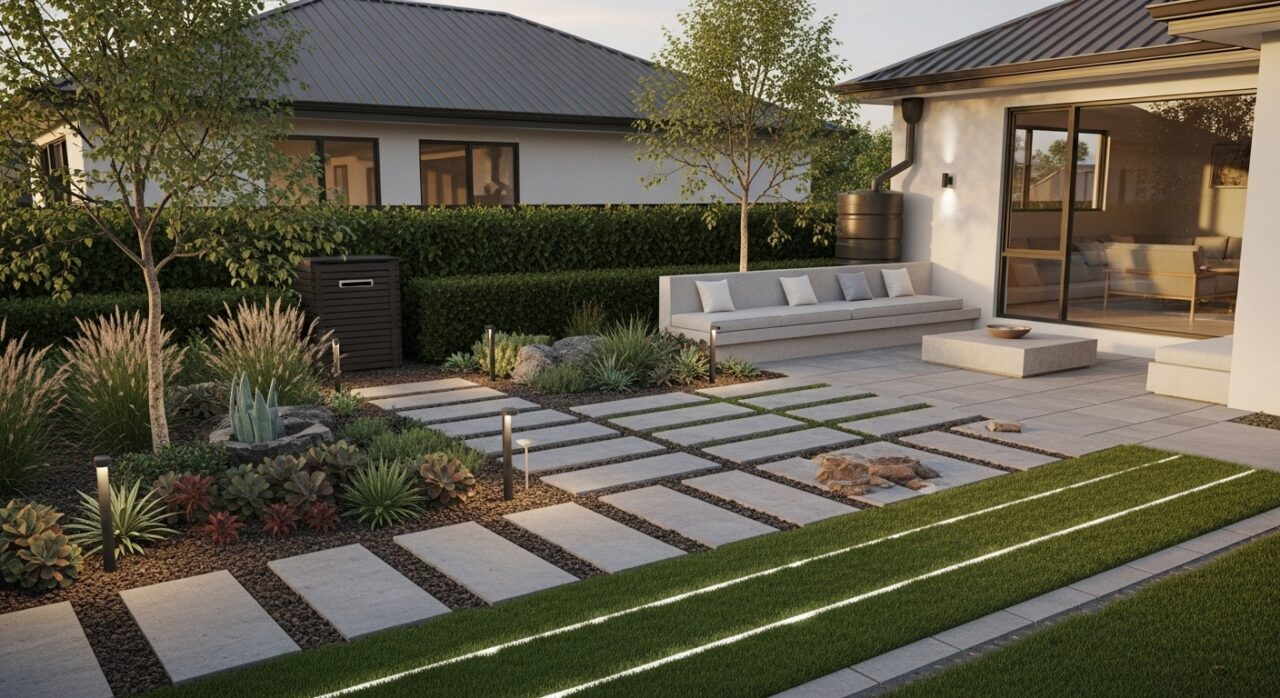
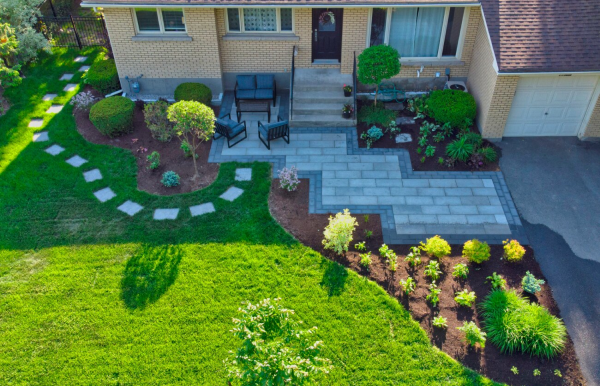
Furthermore, framing the entrance relies on the principle of leading lines. Hardscape pathways, low retaining walls, and tiered planting beds should act as physical arrows guiding the observer’s eye directly toward the front door. If your walkway is a straight, uninspired concrete slab poured in 1970, your landscape is fighting an uphill battle. Overlaying that concrete with oversized pavers, bluestone flagstones, or permeable interlocking pavers instantly upgrades the tactile experience of arrival. When the walkway widens as it approaches the porch, it psychologically welcomes the visitor, expanding the perceived hospitality of the home.
Layering Plant Zones for Depth, Dimension, and Year-Round Structural Integrity
A common trap in amateur landscaping is planting everything at the same height or lining up shrubs like soldiers along the foundation wall. This flat, two-dimensional approach drains all depth from the yard. High-impact landscaping requires a disciplined, three-tier planting strategy that separates vegetation into distinct ecological and visual zones: foundation anchors, mid-layer perennials, and seasonal highlights.
The first layer consists of anchoring structural shrubs situated closest to the home’s foundation. These should be evergreen or possess strong winter branching characteristics to ensure the house never looks abandoned during the dormant months. Upright yews, dwarf conifers, or neatly pruned boxwoods work exceptionally well here, bridging the gap between the rigid architecture of the house and the organic fluidity of the yard. Crucially, these foundation plants must be selected based on their mature size, avoiding the constant hedge-trimming war that occurs when fast-growing shrubs outgrow their space and block windows.
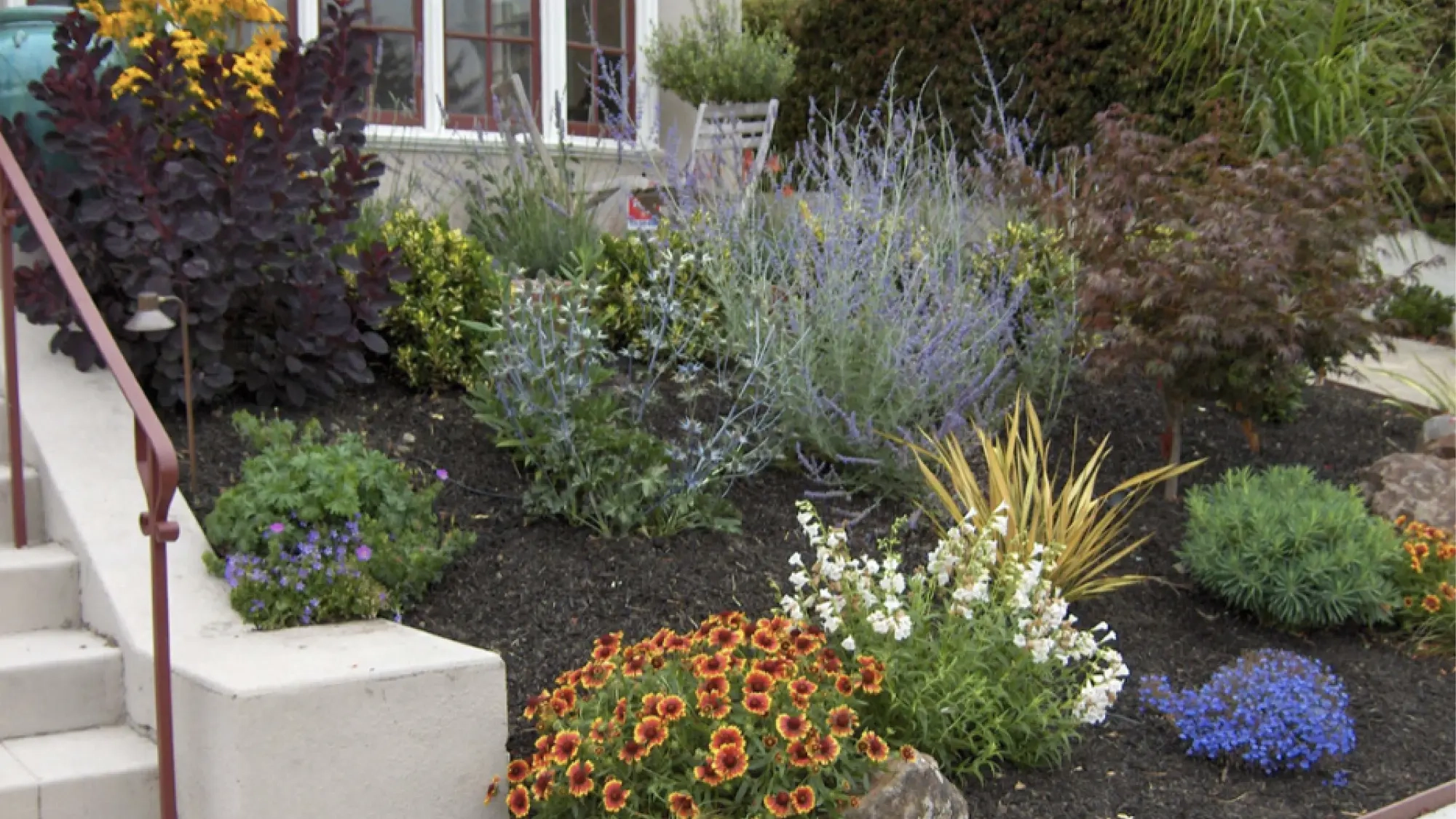
Moving outward from the foundation brings you to the mid-layer, where perennials and ornamental grasses provide movement, seasonal color transitions, and texture. This zone is the workhorse of your curb appeal. Incorporating varieties like Russian sage, purple coneflower, feather reed grass, and catmint introduces a naturalistic, matrix-style planting approach that catches the wind and creates soft, swaying motion visible from the street. This movement is a powerful psychological trigger; human eyes are hardwired to notice motion, and a yard that gently ripples in the breeze immediately feels alive and vibrant.
The final, outermost layer handles seasonal punctuation and boundary definition. Low-growing groundcovers—such as creeping thyme, sweet woodruff, or blue fescue—act as living mulch, suppressing weeds while forming a clean edge against the turf or walkway. Layering these zones creates a rolling wave of foliage that steps down gradually from the house to the street. This terraced visual transition eliminates the jarring drop-offs common in poorly planned yards, giving the entire property an established, estate-like presence regardless of its actual square footage.
Step-by-Step Implementation Framework for Immediate Visual Transformation
Executing a high-impact landscaping overhaul without a roadmap often leads to decision fatigue, wasted materials, and a disjointed final product. Transforming your front yard from pedestrian to extraordinary requires a systematic, phased approach that prioritizes structural changes before investing in softscape details.
- Step 1 (Site Audit and Drainage Mapping): Walk your property during a heavy rainstorm to identify pooling water, soil compaction zones, and natural sightlines from the street, ensuring your redesign accounts for practical hydrology before aesthetic choices are made.
- Step 2 (Hardscape and Edge Definition): Cut crisp, deep-v trenches along all lawn-to-bed borders and install heavy-duty aluminum or steel landscape edging, followed by laying the foundation for any new pathways, boulder placements, or retaining walls.
- Step 3 (Soil Amelioration and Bed Preparation): Strip existing weeds, test your soil pH, and amend the earth with high-grade organic compost and aged manure, ensuring a nutrient-dense, loose root zone that will support rapid establishment.
- Step 4 (Structural and Specimen Placement): Plant your primary focal points—such as trees and large evergreen shrubs—while they are still in their containers, shuffling them around to test sightlines from the street before digging permanent holes.
- Step 5 (Mass Planting and Mulching): Fill in the mid-layers and groundcovers in dense, naturalistic drifts rather than solitary rows, finishing the entire bed with a three-inch blanket of dark, double-shredded hardwood bark or black-dyed mulch to lock in moisture and create high-contrast visual framing.
Adhering to this sequence prevents the classic regret of planting delicate perennials only to crush them later while hauling heavy pavers or digging holes for major shrubs. By front-loading the heavy labor and structural planning, the final planting phase becomes a creative, highly rewarding experience that yields instant gratification.
Avoiding Critical Design Traps and Navigating Field-Tested Workarounds
Even with the best intentions, homeowners frequently fall into well-documented landscaping traps that undermine their curb appeal investment. Recognizing these missteps early saves considerable time, money, and aesthetic embarrassment.
- Pitfall 1 (Overplanting for Instant Gratification): Planting too densely to fill space immediately results in overcrowded plants fighting for light and root space within three years. Workaround: Space plants according to their mature width specifications, using premium mulch or low-cost annuals as temporary fillers while perennials grow into their permanent footprint.
- Pitfall 2 (Ignoring Seasonal Collapse): Designing a yard that looks phenomenal in May but turns into a barren wasteland of brown stalks by November. Workaround: Ensure at least 40% of your plant palette consists of evergreens, winter-interest bark (like red twig dogwood), or persistent seed heads that hold architectural value through the snow season.
- Pitfall 3 (Neglecting Scale and Proportion): Placing tiny, decorative elements in a massive front yard, making them look like lost toys. Workaround: Follow the rule of visual mass; if an accessory or rock is smaller than a basketball, cluster it in odd numbers or replace it with a bolder, single statement piece.
- Pitfall 4 (Neglecting the Edge): Spending thousands on rare plants while leaving a ragged, overgrown edge where the lawn meets the driveway or flower bed. Workaround: Invest in a half-moon edger or motorized stick edger; a razor-sharp, vertical edge instantly elevates even the most modest planting scheme to look professionally maintained.
- Pitfall 5 (Color Chaos): Planting every color of the rainbow in a chaotic, disorganized splash that confuses the eye and cheapens the overall design. Workaround: Stick to a disciplined three-color palette (e.g., deep green, rich purple foliage, and white blooms) to create a sophisticated, high-end visual rhythm.
Navigating these pitfalls requires discipline. It is always better to scale back the complexity of a design and execute it flawlessly than to attempt an overly ambitious layout that requires unsustainable maintenance or results in visual clutter.
The Broader Impact of Sustainable, Low-Maintenance Curb Appeal Trends
Landscape design in 2026 is deeply influenced by the realities of climate resilience, water conservation, and the rising demand for low-maintenance living. High-impact landscaping is no longer synonymous with endless weekend hours spent behind a lawnmower or wrestling with a garden hose. Modern property owners increasingly favor sustainable ecosystems that look manicured while requiring minimal artificial inputs.
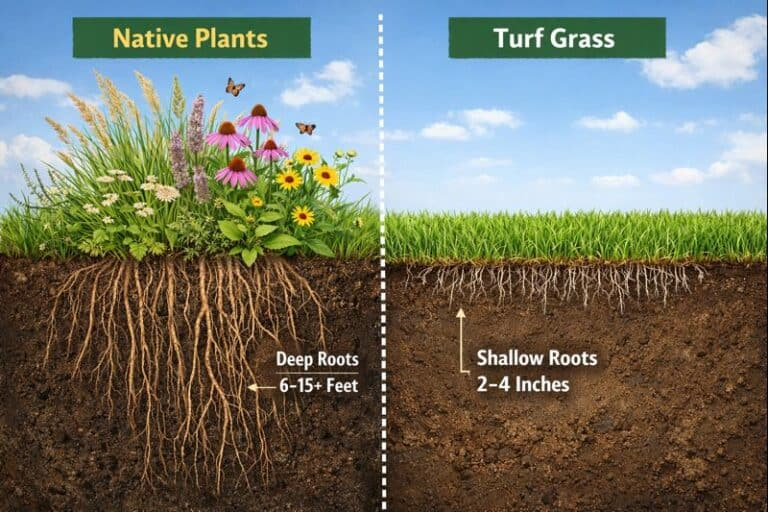
Native plants and drought-tolerant xeriscaping have moved from niche environmental practices to mainstream luxury design choices. Deep-rooting native perennials and ornamental grasses not only survive regional dry spells without supplemental irrigation, but they also develop a complex underground network that prevents soil erosion and improves local groundwater filtration. When viewed from the street, a landscape dominated by lush, drought-resistant native grasses communicates a sophisticated awareness of contemporary environmental standards.
Furthermore, the economic return on high-impact, low-maintenance landscaping is substantial. Real estate studies consistently indicate that professional, water-wise landscaping can increase a property’s overall market value by up to fifteen percent. Buyers are actively factoring exterior maintenance overhead into their purchasing decisions. A yard designed with automated drip irrigation, weed-suppressing mulch layers, and slow-growing native specimens presents itself as a turnkey asset rather than a weekend chore list.
This shift also redefines our relationship with urban and suburban wildlife. Integrating pollinator-friendly perennials—such as native coneflowers, milkweed, and penstemon—brings localized biodiversity right to the front sidewalk. The subtle hum of pollinators and the flash of migratory birds add an invisible, multisensory layer of high impact that static, chemical-dependent lawns can never replicate. Sustainable design proves that ecological responsibility and high-end aesthetic luxury are not mutually exclusive; rather, they are mutually reinforcing.
Strategic Recommendations for Maximizing Visual Return on Investment
Translating design theory into an actionable blueprint requires prioritizing projects based on their immediate visual impact relative to their cost and effort. Not all landscaping upgrades are created equal, and knowing where to deploy your capital ensures maximum street-level transformation.
The highest-yielding intervention is almost always the cleanup and definition of structural boundaries. Before spending a dime on new plants, invest in comprehensive bed edging, weed eradication, and a fresh layer of premium, dark mulch. This single weekend project provides an instant, dramatic contrast that makes the entire property look cared for and intentional.
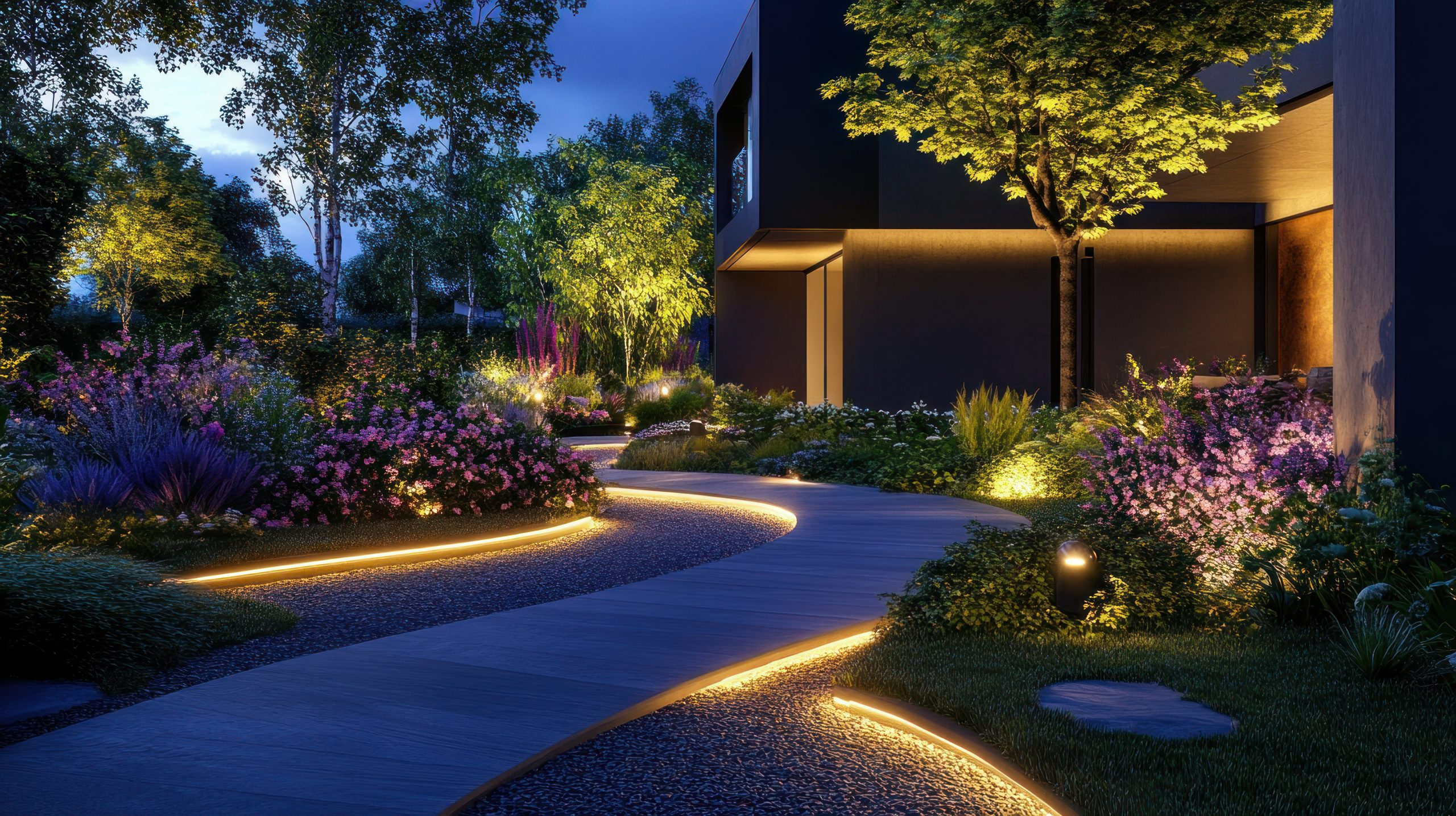
Next, focus your lighting strategy. Exterior illumination is the ultimate force multiplier for curb appeal, extending your home’s visual impact well into the night. Uplighting a magnificent specimen tree, washing the home’s primary facade with warm LED sconces, and embedding low-voltage path lights along the walkway completely alters the evening aesthetic. A dark, unlit house disappears into the night; a thoughtfully illuminated property commands presence and provides an undeniable sense of security and luxury.
Finally, invest in statement containers at the entry point. Large, architectural planters—crafted from cast stone, weathering steel, or durable fiberglass—flanking the front door act as punctuation marks for your entire design. Because these containers are elevated and close to eye level, they offer a localized canvas for high-impact seasonal color changes without requiring you to tear up permanent garden beds.
By anchoring your front yard with structural focal points, layering your plantings with disciplined intent, and maintaining razor-sharp edges, you transform your property from a passive patch of land into a striking visual statement. Curb appeal is the physical manifestation of pride, and when executed with precision, it changes how you experience your home every single day.
The journey toward a striking, eye-catching front yard is ultimately an exercise in intentionality. In a world saturated with visual noise, a well-designed landscape offers a moment of calm clarity for anyone passing by. It signals that behind the threshold lies a space cared for with thought, discipline, and creativity.
As you stand at the curb and assess your own property, remember that transformation does not happen overnight, nor does it require bulldozing your entire yard. It begins with a single decisive choice—defining an edge, planting an anchor tree, or upgrading a walkway. Take that first step with confidence, and let your landscape speak before you ever open the front door.