The breath catches, the nervous system shifts instantly from a state of low-grade modern friction to hyper-focused clarity, and within ninety seconds, the internal chatter goes entirely silent. That visceral shock of sub-50-degree water has officially moved out of elite athletic training facilities and into the residential architectural mainstream. Modern homeowners are no longer just building pools for weekend lounging; they are carving out deliberate wellness zones designed around contrast therapy, stress resilience, and physiological recovery.
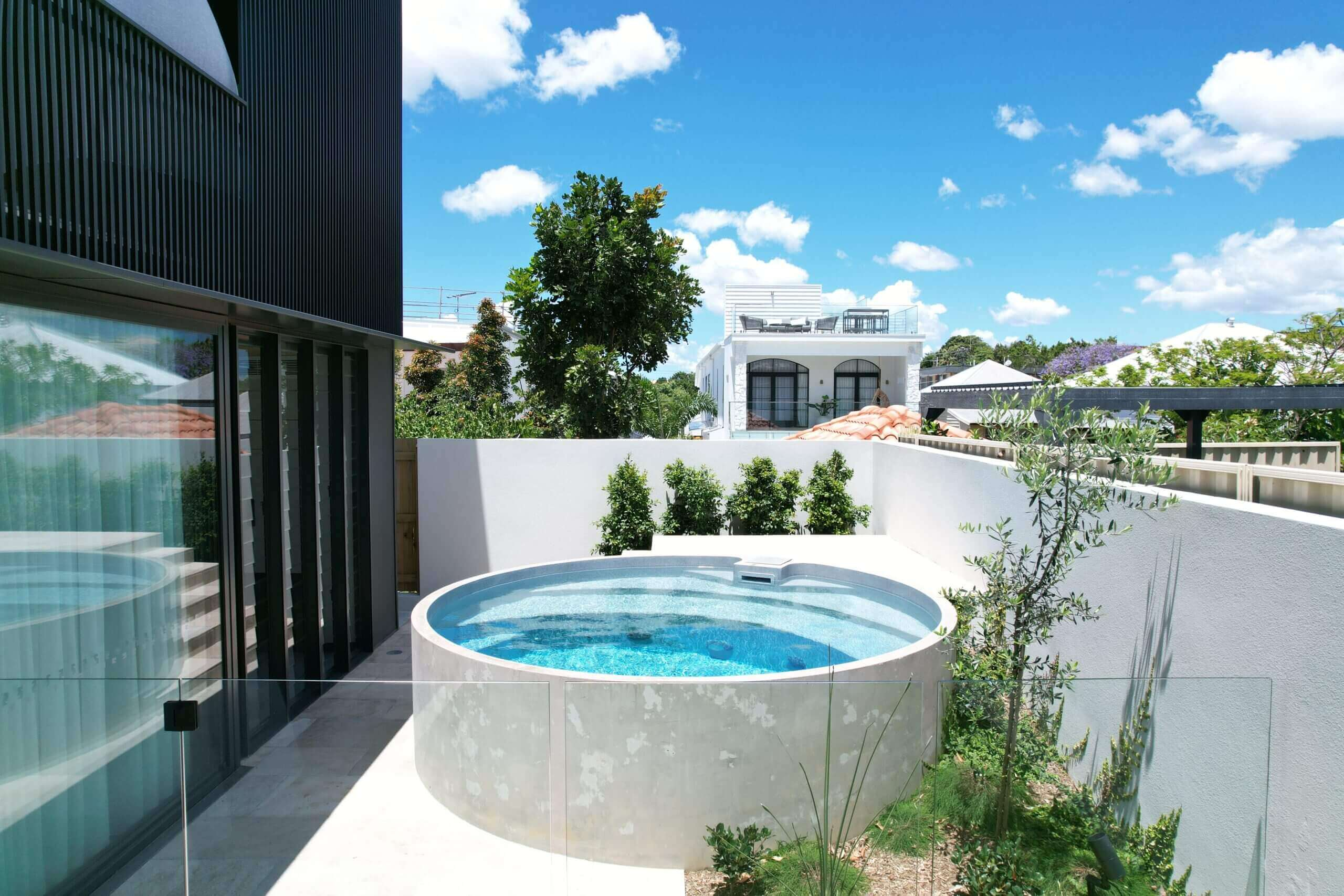
Yet, dropping a glorified horse trough filled with bagged ice into the middle of a manicured lawn misses the mark entirely. Building a true backyard oasis requires a delicate marriage of hydraulic engineering, landscape architecture, and behavioral psychology. If the setup looks sterile, clinical, or difficult to access, the daily habit dissolves. Conversely, when a custom cold plunge pool is seamlessly woven into your outdoor living environment—flanked by natural stone, architectural plantings, and perhaps a high-heat traditional sauna—it transforms from a piece of recovery equipment into a transformative ritual space.
This shift in residential design reflects a broader cultural pivot toward functional longevity and active recovery. Driven by a growing body of clinical evidence supporting cold water immersion for metabolic health, inflammatory regulation, and mood elevation, architects are seeing an unprecedented surge in demand for high-impact wellness spaces in compact urban backyards as well as sprawling rural estates. Achieving a seamless execution demands a firm grasp of everything from mechanical chillers and sanitary filtration to sightlines, drainage, and user flow.
The Architectural Anatomy of Residential Cold Therapy Zones
Designing a permanent cold therapy installation begins with understanding the physical environment required to keep water pristine, chilled, and structurally sound year-round. Unlike a standard swimming pool that relies on sun exposure and basic chlorine tablets, a dedicated cold plunge demands aggressive refrigeration units, specialized micro-filtration systems, and robust thermal insulation. The structural shell itself can range from high-grade stainless steel and marine-grade aluminum to custom-tiled concrete and acrylic molds, each presenting distinct aesthetic and thermal retention profiles.
Water temperature is the non-negotiable variable in cold therapy efficacy. While casual enthusiasts might tolerate water in the upper fifties, true physiological adaptation—specifically norepinephrine spikes and mitochondrial activation—generally requires temperatures hovering between 38°F and 48°F. Achieving this reliably, especially during peak summer months in arid or humid climates, requires a commercial-grade inline chiller capable of pulling heat out of the water rapidly. Positioning this mechanical heart requires careful planning; the compressor units generate audible decibel levels and ambient heat, meaning they must be housed in ventilated, sound-damped utility rooms or discreetly tucked behind architectural screening.
Beyond the machinery, the immediate physical footprint dictates how often the plunge will actually be used. Ergonomics play a massive role in the user experience. A plunge pool that is too deep creates an intimidating entry barrier, while one that is too shallow forces awkward postures that disrupt the meditative breathing required to manage the cold shock response. Most expert fabricators recommend a depth that allows an average-to-tall adult to submerge to the shoulders in a seated or semi-reclined position, usually around 30 to 36 inches of water depth. Integrated interior benches and wide, tactile entry steps ensure that entering and exiting the water remains safe even when motor control is temporarily compromised by cold-induced vasoconstriction.
Micro-Climate Integration and Sensory Landscape Design
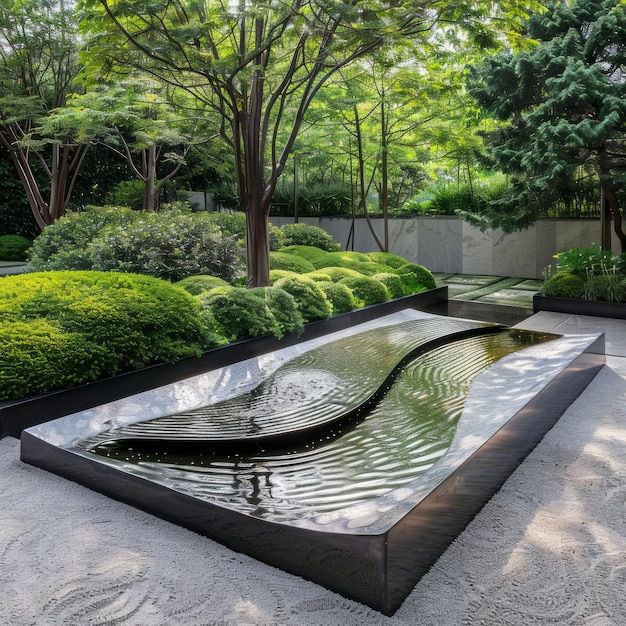
A cold plunge pool should never feel like an afterthought dropped onto a concrete slab. The surrounding landscape architecture acts as a psychological framing device, softening the intense sensory experience of the water with organic textures, living greenery, and strategic lighting. When designing the surrounding zone, the goal is to create a micro-climate that balances exposure and privacy, allowing the bather to transition mentally from the stresses of daily life into an inward-focused state of calm.
Hardscaping materials must be chosen with wet-foot safety and thermal comfort in mind. Smooth concrete and polished stone turn treacherous when splashed with cold pool water, making textured bluestone, flamed granite, or sustainably harvested thermally modified wood (such as Lunawood or Kebony) superior choices for decking and coping. These materials offer high slip-resistance and maintain a comfortable tactile feel under bare feet. Planting palettes around the wellness zone should lean into sensory engagement; aromatic evergreens like dwarf conifers, eucalyptus, and boxwoods release subtle scents when brushed against, while layered ornamental grasses provide gentle movement and visual screening from neighboring properties.
Lighting design sets the emotional tone, particularly for early morning or evening routines. Harsh, direct floodlights completely undermine the restorative ambiance. Instead, incorporate low-glare, warm-kelvin LED strip lighting integrated beneath bench seating, step risers, or coping overhangs to create a floating, ethereal effect. Uplighting architectural trees or specimen plantings creates a protective canopy feel, cocooning the bather and drawing the eye upward into the night sky, which reinforces the meditative, grounding nature of the contrast therapy ritual.
Step-by-Step Methodology for Designing Your Backyard Wellness Oasis
Executing a flawless cold plunge installation requires a synchronized approach between landscape designers, mechanical contractors, and wellness consultants. Skipping a phase in this sequence invariably leads to costly retrofits, code violations, or an operational layout that discourages daily use.
- Step 1 (Site Selection & Behavioral Mapping): Map out how you move through your outdoor space, ensuring the plunge is located within a 15-to-20-second barefoot walk from your back door or, ideally, immediately adjacent to an outdoor sauna or shower.
- Step 2 (Utility & Mechanical Engineering): Coordinate with licensed electricians and plumbers to run dedicated 220V power lines for high-capacity chillers, alongside reliable water supply lines and proper drainage channels to handle splash-out and backwash.
- Step 3 (Structural Shell & Sub-Base Construction): Excavate and pour a reinforced concrete pad capable of supporting thousands of pounds of water weight, then set your custom or pre-fabricated plunge shell, ensuring proper leveling and insulation.
- Step 4 (Filtration, Sanitization & Chiller Integration): Install closed-loop plumbing featuring high-flow circulation pumps, ozone or UV-C sanitization systems to minimize heavy chemical use in cold water, and your primary refrigeration chiller.
- Step 5 (Landscape Integration & Surrounds): Finish the surrounding deck, install slip-resistant coping, position privacy screening, plant therapeutic vegetation, and program low-voltage atmospheric lighting to complete the sanctuary.
Navigating Common Design Pitfalls and Engineering Blind Spots
Even high-end landscape projects can fall victim to specific operational oversights that compromise the longevity and usability of a cold therapy installation. Anticipating these engineering hurdles saves thousands of dollars in maintenance headaches down the road.
- Pitfall 1 (Undersized Chiller Units): Relying on residential aquarium coolers or cheap aftermarket units that burn out under heavy ambient summer heat. Workaround: Always calculate total water volume and select a commercial-grade chiller rated for at least 30% more capacity than your pool volume requires.
- Pitfall 2 (Poor Drainage and Standing Water): Neglecting runoff management around the plunge zone, resulting in icy puddles or stagnant water accumulation on surrounding decking. Workaround: Incorporate hidden linear trench drains and slope all surrounding hardscaping away from the immediate seating areas.
- Pitfall 3 (Over-Reliance on Harsh Chlorine Chemistry): Treating cold water like a hot tub by dumping massive amounts of chlorine, which wreaks havoc on skin and ruins the organic sensory experience. Workaround: Utilize primary UV-C sterilization and ozone generators to destroy pathogens, keeping chemical sanitizer requirements exceptionally low.
- Pitfall 4 (Ignorance of Thermal Bridging): Failing to properly insulate the exterior shell of the plunge pool, forcing the chiller to run constantly and driving up monthly energy bills. Workaround: Insulate all structural walls and plumbing lines with closed-cell spray foam or rigid extruded polystyrene boards before finishing the exterior cladding.
- Pitfall 5 (Isolating the Plunge from the Daily Flow): Tucking the plunge away in a distant corner of a large yard because it looked nice on a blueprint, making it a chore to access. Workaround: Place the wellness zone directly into the primary traffic flow of your daily outdoor lifestyle, prioritizing accessibility above all else.
The Synergy of Contrast: Pairing Plunges with Saunas and Meditation Spaces
The ultimate evolution of backyard wellness design relies on the physiological power of contrast. Entering a sub-50-degree plunge pool yields profound benefits on its own, but alternating that acute cold exposure with deep, radiant heat creates an entirely different tier of physical and mental invigoration. This ancient practice—whether styled as a Nordic sauna cycle, a Roman bathhouse ritual, or a modern biohacking station—forces the cardiovascular system through a dynamic workout of rapid vasodilation and vasoconstriction.
Architecturally, this means designing the cold plunge as one half of a synchronized spatial dialogue. Placing a glass-front cedar barrel sauna or a custom modular hot-and-cold station directly opposite the plunge pool creates a powerful visual and functional axis. Bathers step out of the intense, dry heat of the wood-fired or infrared sauna, take three measured steps across thermally modified decking, and slide immediately into the bracing embrace of the cold water.
To complete the therapeutic loop, integrate a quiet meditation pocket nearby—perhaps a cantilevered timber platform, a built-in daybed with weather-resistant linen cushions, or a recessed stone fire pit area. This transition space allows the bather to re-warm naturally, practice box breathing, or simply sit in silence while the body recalibrates. By thoughtfully zoning your landscape into active heat, acute shock, and passive integration areas, your backyard ceases to be a passive outdoor living room and becomes a comprehensive, holistic wellness clinic.
Maximizing Longevity, Return on Investment, and Sustainable Operation
Investing in a high-end custom cold plunge pool is a substantial capital expenditure, making long-term durability and resource efficiency critical components of the design phase. Modern eco-conscious homeowners expect wellness infrastructure that minimizes energy waste and water consumption, proving that luxury and sustainability can coexist seamlessly in residential architecture.
Selecting materials that withstand extreme thermal cycling is the first line of defense. Stainless steel and marine-grade aluminum shells do not crack under freeze-thaw conditions, outlasting traditional acrylic and outperforming standard concrete in seismic or shifting soil zones. Furthermore, incorporating insulated thermal covers equipped with secure, wind-resistant locking straps prevents heat intrusion during summer heatwaves and keeps debris out of the water, slashing mechanical run times and lowering baseline energy consumption.
From a real estate valuation perspective, wellness amenities are rapidly capturing the attention of discerning homebuyers. High-impact outdoor living spaces that feature integrated saunas, plunge pools, and thoughtfully curated landscape architecture command a significant premium in contemporary suburban and urban markets. Buyers are increasingly evaluating properties through the lens of lifestyle optimization—asking not just how a home looks, but how it actively supports their mental and physical well-being. By treating the cold plunge pool as a permanent, architecturally integrated feature rather than a portable appliance, you secure both immediate health dividends and long-term property value.
The integration of cold therapy plunge pools into residential landscape architecture marks a permanent departure from purely decorative backyards toward purposeful, health-centric design. We are witnessing the maturation of a movement where our living spaces actively participate in our physical and psychological resilience. When built with precision engineering, mindful ergonomics, and deep sensory awareness, a cold plunge ceases to be a mere exercise in discomfort. It becomes a sanctuary.
Stepping into that chilled water each morning strips away the distractions of a hyper-connected world, leaving behind only the steady rhythm of the breath and the undeniable clarity of a body fully awake. By thoughtfully designing these spaces today, we create the personal infrastructure necessary to navigate tomorrow with strength, focus, and enduring vitality. The ultimate wellness oasis is not a distant destination reserved for luxury resorts; it is waiting right outside your back door, exactly one step away.