Smoke curls lazily from the mouth of a domed brick oven, carrying the unmistakable fragrance of charred oak, bubbling fior di latte, and blistered dough. On a patio just thirty feet from a suburban back door, a heavy aluminum peel slides under a leopard-spotted pie, hoisting it out of a 900-degree inferno in less than sixty seconds. This is no longer the exclusive domain of commercial pizzeria owners in Naples or Brooklyn. Over the last few seasons, high-temperature outdoor cooking has experienced a massive shift, turning standard backyards into genuine culinary hubs.
For decades, backyard entertaining meant standing over a smoking gas grill flipping burgers while guests mingled far away from the action. Today, the patio has evolved into an interactive open-air kitchen. Gathering around a roaring pizza oven changes the entire dynamic of hosting. Friends sip wine while watching fresh dough stretch, toppings assemble, and pies bake to crisp perfection right in front of them. It recreates the electric, communal energy of a neighborhood trattoria, all without leaving your property line.
Achieving this authentic experience requires more than simply buying a metal box and setting it on a picnic table. The physics of Neapolitan pizza demand extreme thermal performance—floors running at 750°F to 850°F and dome temperatures soaring past 900°F. Balancing this raw power with patio safety, spatial ergonomics, fuel logistics, and aesthetic design is an art form. Whether you are working with a compact concrete slab or designing a sprawling outdoor kitchen island, building a functional, beautiful pizza setup takes deliberate planning.
The Architectural Anatomy of Authentic High-Heat Pizza Ovens
Understanding what makes a true Neapolitan-style pizza possible starts with thermodynamics. Traditional indoor kitchen ovens max out around 550°F—a temperature that bakes a pizza in eight to twelve minutes, resulting in a dry, pale crust. True Neapolitan pizza relies on intense, radiant heat bouncing off a low masonry dome combined with aggressive conductive heat from a dense refractory stone floor. This cooks the dough in sixty to ninety seconds, locking in moisture while leaving the characteristic charred spots on the crust.
Choosing the right hardware means navigating three primary fuel categories, each dictating a different backyard workflow. Wood-fired ovens offer the ultimate romance, imparting a subtle smoke flavor and reaching unmatched thermal ceilings, though they require fire management skills and seasoned hardwood storage. Gas-powered (propane or natural gas) ovens provide instant ignition, pinpoint temperature control, and zero ash cleanup, making mid-week dinner parties effortless. Hybrid models offer the best of both worlds, letting you burn gas for convenience or toss in hardwood chunks for that classic aroma.
Beyond fuel, the structural material of the oven dictates its heat retention and warmup times. Traditional refractory brick and cast-ceramic ovens hold heat for hours, allowing you to bake bread, roast meats, and simmer cast-iron dishes long after the pizzas are gone. Conversely, stainless steel, double-walled insulated portable ovens heat up in as little as fifteen minutes, catering to spontaneous Friday night cravings. Evaluating your lifestyle against these mechanical realities ensures your investment matches your cooking habits.
Designing the Ultimate Patio Layout for Workflow and Safety
Integrating a high-heat cooking appliance into an existing patio layout requires careful zoning. Unlike a standard grill that can be pushed into a corner, an outdoor pizza oven demands a dedicated culinary workstation. You need a landing zone for stretching dough, spaces for bowls of San Marzano tomato sauce, fresh mozzarella, and basil leaves, and a spot to rest finished pies before slicing. Cramping these stations leads to dropped dough and kitchen chaos.
Safety clearance is the non-negotiable foundation of any outdoor kitchen design. Refractory and metal ovens generate immense radiant heat, meaning combustible materials like wooden deck railings, vinyl siding, or low-hanging patio overhangs must be kept at a safe distance specified by the manufacturer. Non-combustible base materials—such as reinforced concrete, stone veneer, slate, or stainless steel counters—provide a stable, fireproof foundation that handles stray embers and heavy equipment weight without flinching.
Ergonomics dictate how much you will actually use your setup. The ideal counter height for a pizza preparation station is typically around 36 inches, keeping your wrists neutral as you stretch and top dough. Position your oven at a height where you can comfortably monitor the pie inside without awkwardly bending down or peering upward. Surrounding the cooking zone with ambient lighting, comfortable bar seating, and perhaps a fresh herb garden featuring sweet basil and oregano completes the functional trifecta of utility, safety, and atmosphere.
Step-by-Step Methodology for Building Your Trattoria Setup
- Step 1 (Site Selection and Safety Audit): Map out your patio layout, ensuring adequate clearance from building structures, overhead trees, and combustible furniture. Verify that the ground or countertop can support the dead weight of the oven, which can range from 50 pounds for portable units to over 1,000 pounds for modular brick masonry kits.
- Step 2 (Hardware and Fuel Selection): Choose an oven type based on your culinary ambitions and local regulations. If your neighborhood restricts wood smoke, opt for a high-output natural gas or propane burner system that can still saturate stone floors with intense radiant heat.
- Step 3 (Building the Prep and Landing Zones): Construct or arrange prep counters flanking the oven. Keep the prep station to one side for raw dough management and the landing station on the other for cooked pizza removal, minimizing cross-contamination and streamlining the cooking rhythm.
- Step 4 (Thermal Management and Curing): If installing a masonry or cast-ceramic oven, execute the initial slow-curing fires to drive out residual moisture and prevent cracking. For every session, allow 30 to 45 minutes of preheating to thoroughly saturate the cooking deck with heat before launching your first pie.
- Step 5 (Tooling and Accessory Integration): Outfit your station with professional-grade tools: a perforated aluminum peel for launching, a small round wooden or metal turning peel for managing the pie mid-bake, an infrared thermometer to verify floor temps, and a brass-bristle brush to clear ash between bakes.
Navigating Common Pitfalls and Field-Tested Workarounds
- Pitfall 1 (Thermal Shock and Cracking): Building a roaring inferno in a cold masonry oven causes rapid thermal expansion, leading to catastrophic cracks in the refractory stone. Workaround: Always follow a strict curing schedule for new ovens, and start every cooking session with a small, gradual kindling fire, slowly ramping up heat over an hour.
- Pitfall 2 (Sticking Dough on the Peel): Nothing ruins a pizza night faster than a wet dough ball fusing to the wooden peel, creating a toppings avalanche inside the oven. Workaround: Dust your peel generously with a 50/50 mix of semolina flour and fine semolina or rice flour, which acts like ball bearings under the dough, and assemble the pizza quickly right before launching.
- Pitfall 3 (Burned Bottoms and Raw Tops): A raging floor can char the underside of your crust in seconds while leaving the cheese unmelted if the dome isn’t hot enough. Workaround: Use an infrared thermometer to check that floor and dome temperatures are balanced; if the floor is too hot, sweep the embers aside or let the stone cool slightly before launching.
- Pitfall 4 (Inadequate Counter Space): Trying to stretch dough, hold ingredients, and manage tools on a tiny bistro table leads to spilled flour and stressed hosts. Workaround: Utilize modular rolling utility carts or drop-leaf prep tables that expand your surface area during peak cooking hours and tuck away when not in use.
- Pitfall 5 (Smoke and Ventilation Issues on Covered Patios): Installing an oven under a covered patio without proper exhaust management traps thick smoke and soot against your ceiling. Workaround: Install a stainless steel flue extension that routes exhaust safely past your patio roofline, or keep wood-fired setups strictly in open-air zones.
Cultivating the Complete Sensory Environment for Outdoor Dining
A true Neapolitan trattoria engages all five senses, extending far beyond the food on the plate. Recreating that magic on your patio means curating the atmospheric details that transport guests straight to the Amalfi Coast. Lighting plays a massive role; ditch harsh floodlights in favor of warm, string bistro lighting, flickering candlelight on weathered wooden tables, and the amber glow radiating from the mouth of the pizza oven itself.
Soundscape is another subtle yet powerful design element. Low-volume Italian acoustic jazz, vintage mandolin tunes, or the gentle rustling of patio potted olive trees provide a calming backdrop to the crackle of burning oak. Pairing your culinary setup with a nearby beverage station—featuring chilled Italian sodas, crisp white wines like Fiano or Greco di Tufo, and classic negronis—encourages guests to linger around the cooking area rather than retreating indoors.
Finally, consider planting living sensory cues around the perimeter of your patio. Terracotta pots filled with cascading rosemary, trailing thyme, Italian flat-leaf parsley, and Genovese basil not only supply fresh garnishes for your pies but release earthy aromas warmed by the afternoon sun. These thoughtful touches bridge the gap between a simple cooking appliance and an immersive backyard sanctuary.
Strategic Recommendations for Long-Term Outdoor Entertaining Success
Investing in an outdoor pizza setup pays dividends over years of gatherings, provided you approach maintenance and menu planning with intention. Rather than treating pizza night as a chaotic, stressful sprint, establish a relaxed workflow that lets you enjoy the company of your guests. Pre-ball your dough twenty-four hours in advance, allowing it to cold-ferment in the refrigerator for optimal flavor and digestibility, and set out pre-preportioned bowls of toppings in a stainless steel condiment station.
Maintenance keeps your investment performing like new season after season. Stainless steel portable ovens require occasional exterior wiping with specialized cleaners and periodic interior burn-offs to incinerate residual grease. Masonry ovens need protection from harsh winter freezing cycles with breathable, waterproof covers, preventing moisture from getting trapped inside the porous bricks and expanding during a freeze.
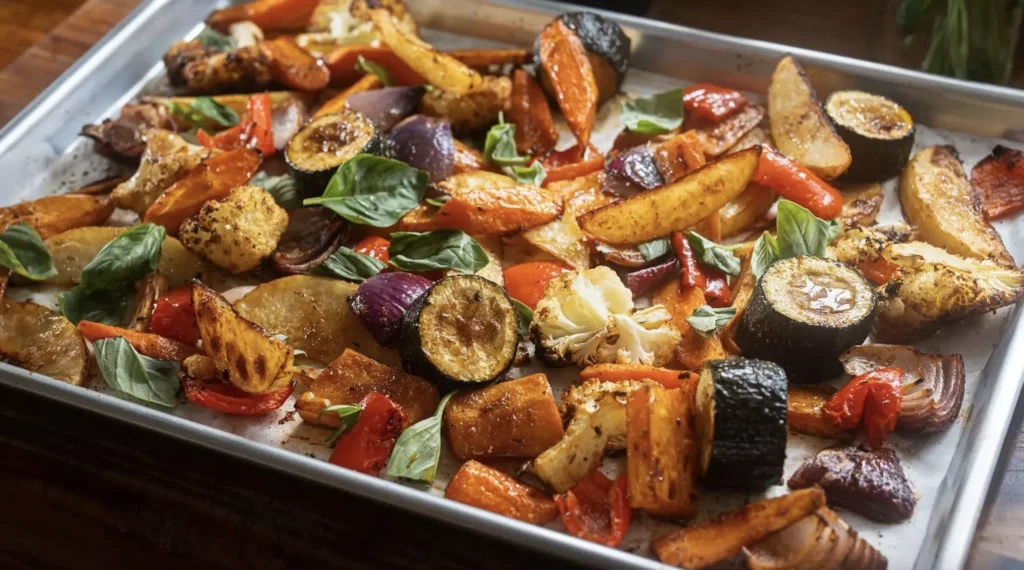
Expand your culinary repertoire beyond Friday night pepperoni pies. High-heat stone ovens excel at roasting whole fish with olive oil and lemon, baking blistered cast-iron skillets of shashshuka, caramelizing root vegetables, and baking rustic loaves of sourdough. By treating your patio setup as a versatile outdoor hearth rather than a single-use novelty, you unlock an entire dimension of open-air gastronomy.
Transforming an ordinary patio into a personal Neapolitan trattoria represents a shift in how we experience our living spaces. It strips away the sterile isolation of indoor kitchen counters and replaces it with fire, smoke, flour, and shared laughter under the open sky. The crackle of hardwood, the rising scent of yeast and char, and the satisfying crunch of a perfectly blistered crust turn routine weekends into memorable celebrations.
As outdoor cooking continues to evolve, the backyard is no longer just an extension of the house—it is the primary destination for hospitality. By investing in the right equipment, respecting the thermodynamic rules of high-heat baking, and designing a functional, beautiful patio layout, you create a permanent venue for connection. Gather your ingredients, stoke the flames, and welcome your guests to the best table in town.