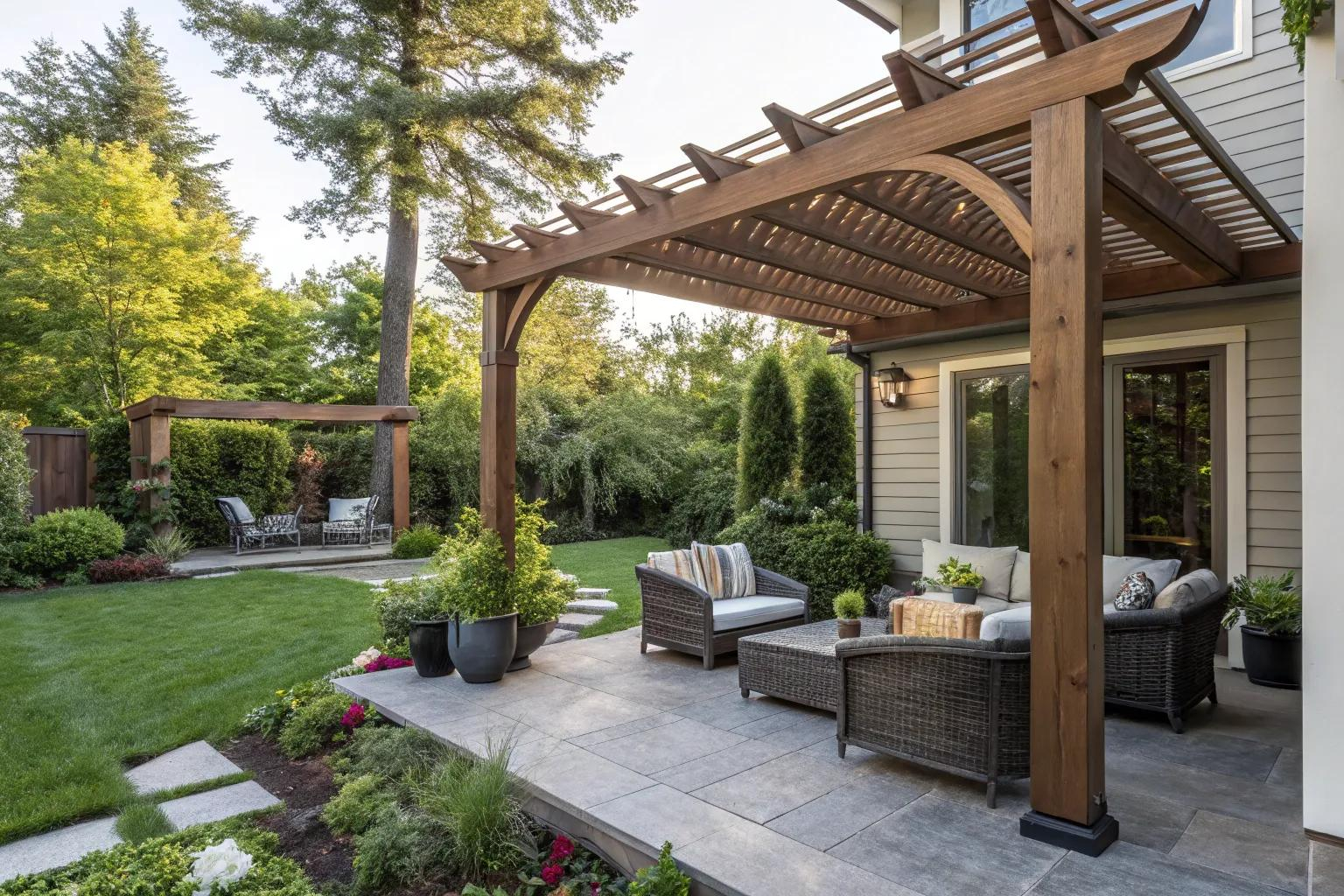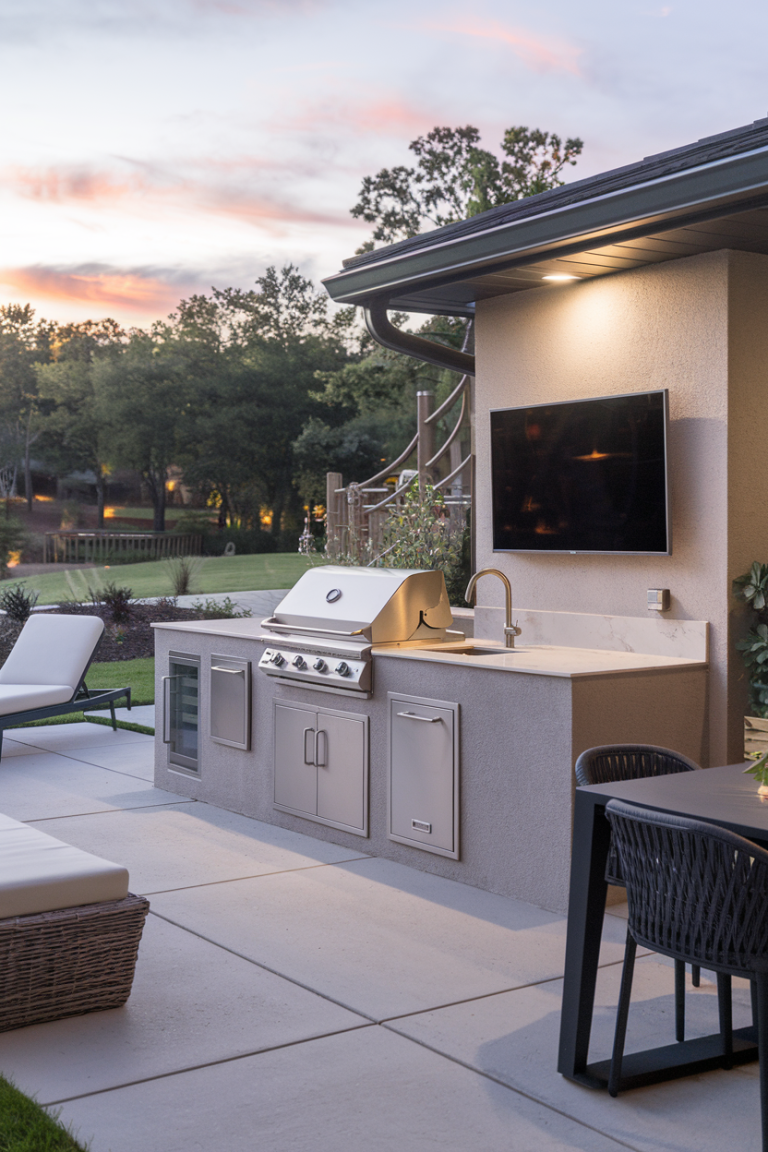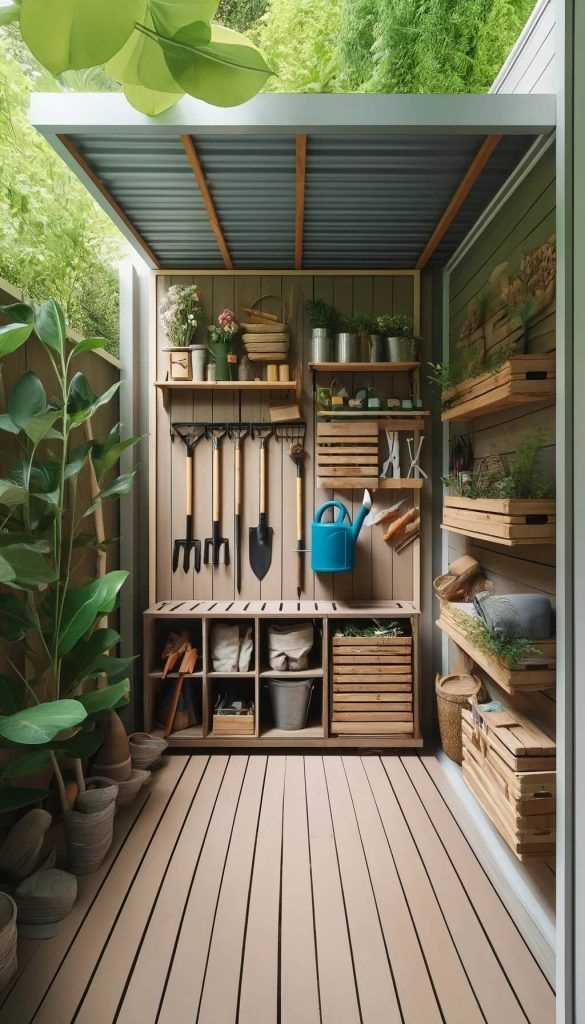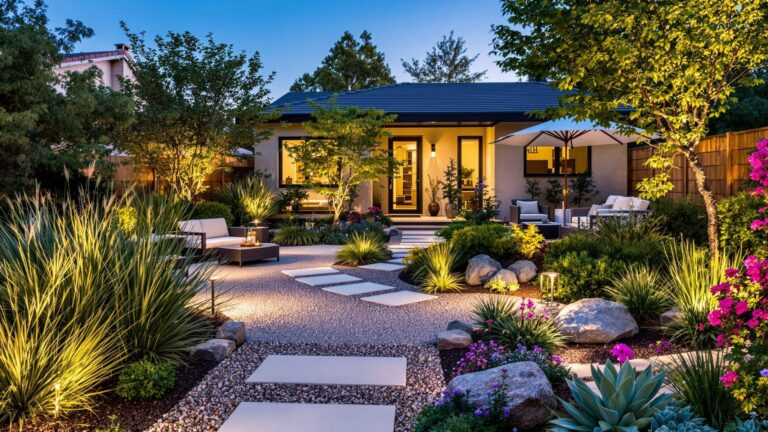
You know that one spot on your porch? The one where you keep piling up empty plant pots or that weird wicker chair nobody sits in anymore. It’s just… there. Taking up space. Maybe it’s a sharp angle near the front door, or perhaps it’s that awkward gap between two support columns at the back. For years, we’ve ignored these dead zones. But here’s the thing: they are actually gold mines. In 2026, as our homes become more multifunctional than ever, the line between indoor comfort and outdoor fresh air is blurrier. We aren’t just stepping outside to check the mail; we are living out there.
Nearly 70 percent of homeowners admit they have at least one unused corner gathering dust. That is a lot of wasted potential. Imagine swapping that clutter for a sanctuary. A place where the morning coffee tastes better because the light hits it just right. A spot where you can finally finish that novel that’s been sitting on your nightstand since last winter. It doesn’t require a massive renovation budget or a contractor. It just needs a little vision and some smart choices. Let’s talk about how to turn those forgotten angles into the coziest part of your home.
Assessing the Space and Weather Reality
Before you buy a single cushion, you have to look at your porch with honest eyes. Not every corner is created equal. Is it covered? Does rain splash in when the wind blows from the north? These questions matter because they dictate everything else. If your corner is fully exposed to the elements, you are playing a different game than someone with a deep, sheltered veranda. Start by watching the space for a few days. Notice where the sun travels. You want a spot that gets gentle morning light but isn’t baking hot by noon. Or maybe you prefer the moody shade of the afternoon. Either way, knowing the light patterns helps you decide if you need heavy drapes or just a simple umbrella.
Then, consider the floor. Is it concrete? Wood? Stone? This affects how you anchor your nook. On wood, you might worry about moisture trapping under rugs. On concrete, it might feel cold and hard without proper layering. Measure the dimensions precisely. It’s tempting to guess, but guessing leads to buying a chair that blocks the walkway or a bookshelf that looks cramped. Sketch it out on paper if you have to. Visualize the flow. You want to feel enclosed, hugged by the space, not squeezed into it. The goal is intimacy, not confinement. If the corner feels too open, think about using tall plants or a trellis to create a visual wall. This tricks the eye into feeling more secure and secluded.
Choosing Furniture That Lasts and Comforts
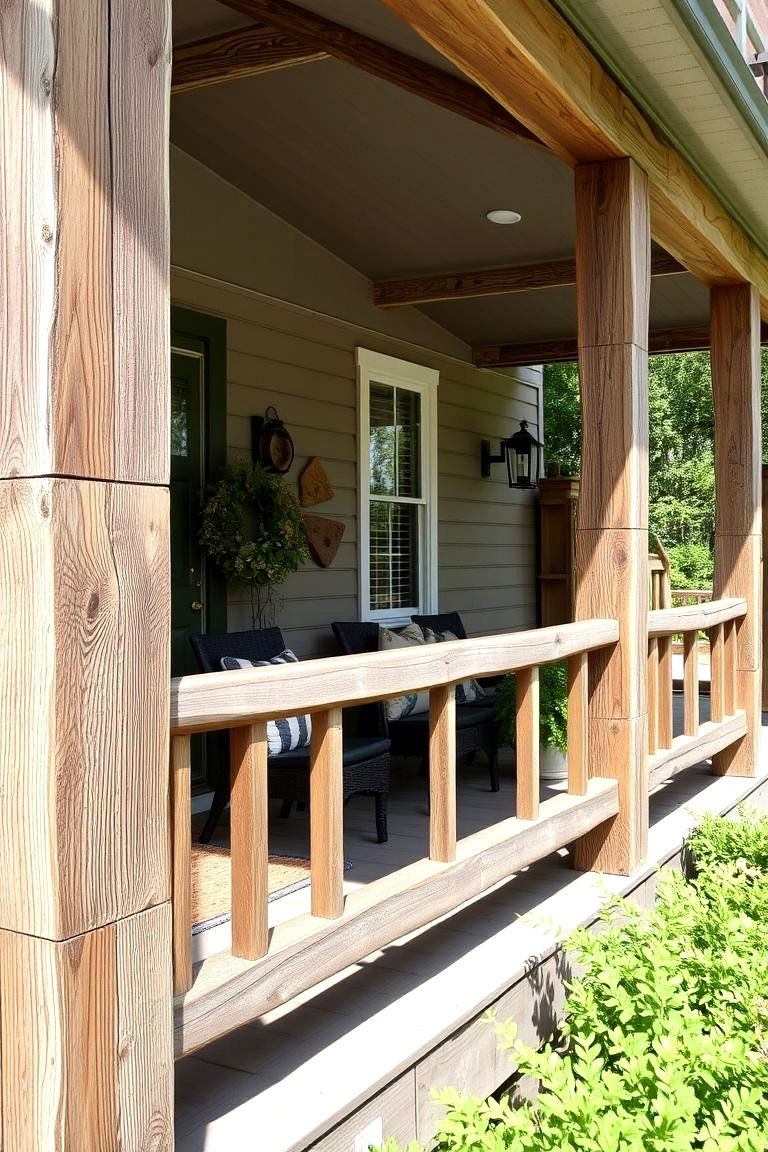
The heart of any reading nook is the seat. You cannot skimp here. If it’s not comfortable, you won’t sit there. Period. But outdoor comfort is tricky. Indoor plush sofas rot in the rain. So, what’s the solution? Look for materials designed for the outdoors but styled for the indoors. Teak, eucalyptus, and all-weather wicker are classics for a reason. They breathe, they dry quickly, and they age beautifully. In 2026, we are seeing a huge rise in high-performance fabrics that feel like cotton or linen but repel water and resist fading. Don’t settle for scratchy polyester. Touch the fabric. Sit in the chair. Stay there for ten minutes. If you start shifting around, it’s not the one.
For tight corners, scale is everything. A massive sectional will overwhelm a small porch angle. Instead, opt for a compact armchair with a matching ottoman. The ottoman is key—it lets you stretch out, changing your posture as you read. If space is really tight, consider a hanging egg chair or a suspended swing. These draw the eye upward, making the corner feel larger while providing a cozy, cocoon-like experience. Just make sure the ceiling structure can handle the weight. Safety first. Also, think about side tables. You need a surface for your tea, your glasses, and your book. A small, sturdy stool or a wall-mounted shelf works wonders in narrow spaces. Keep it within arm’s reach. Convenience is what keeps you in the nook.
Layering Textures for Ultimate Coziness
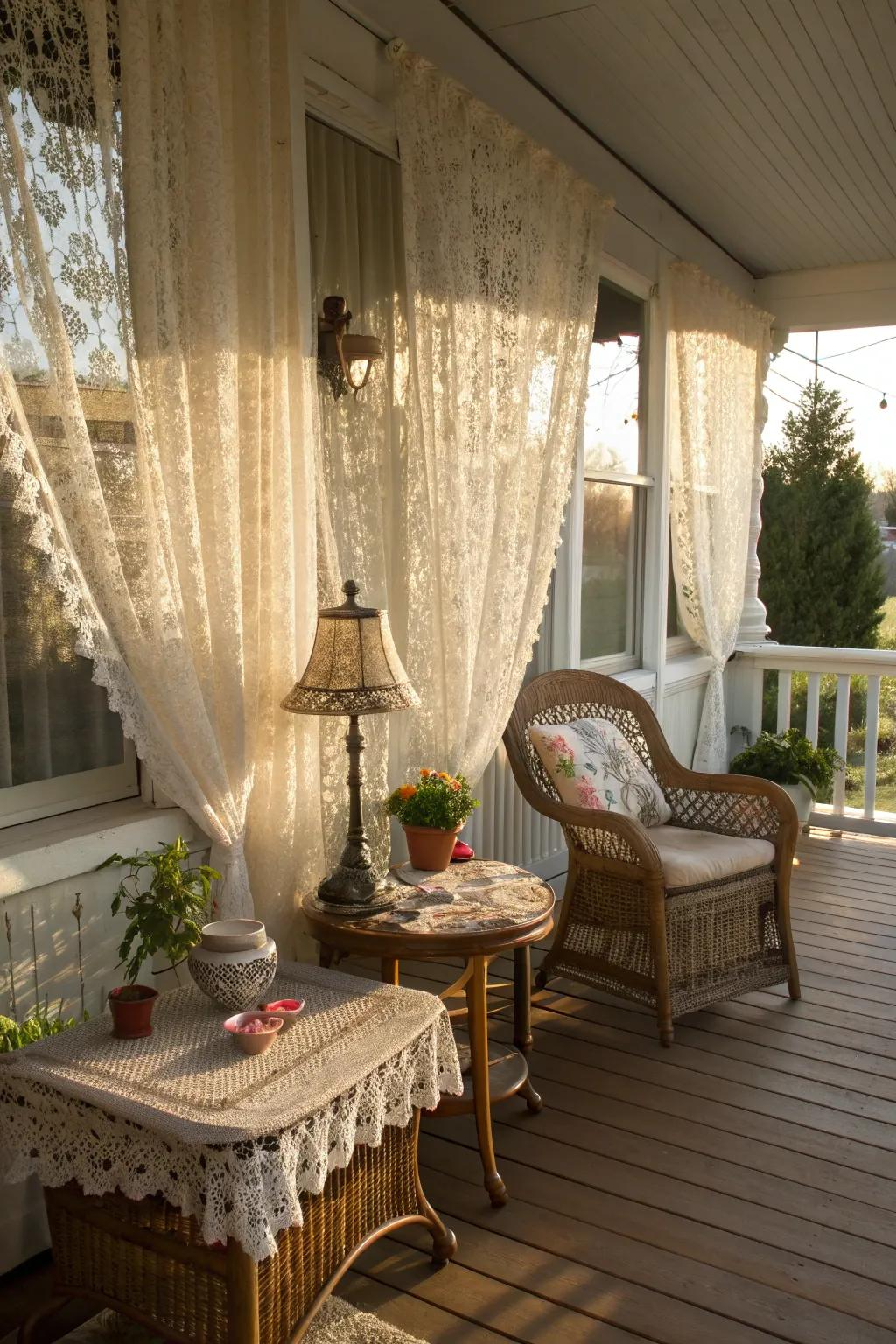
Here is where the magic happens. A chair is just a chair until you add layers. Textiles soften the hard edges of outdoor living. Start with an outdoor-rated rug. It defines the space and adds warmth underfoot. Look for polypropylene or bamboo silk blends—they are durable and easy to hose down. Next, pillows. Lots of them. Mix sizes and shapes. A lumbar pillow supports your back, while a square one invites you to lean. Use covers that are easy to remove and wash. Because let’s be real, pollen and dust happen.
Don’t forget the throw blanket. Even in summer, evenings can get chilly. A lightweight, breathable throw adds texture and security. Drape it casually over the arm of the chair. It makes the space look lived-in and welcoming. When choosing colors, look at your surroundings. If your porch faces a garden, earthy greens and terracottas blend seamlessly. If you’re in an urban setting, crisp whites and navy blues create a sharp, modern contrast. The trend in 2026 is toward biophilic design—bringing nature in. So, think organic tones. Avoid anything too neon or synthetic looking. You want the nook to feel like an extension of the landscape, not a plastic intrusion. And please, avoid perfect symmetry. A slightly messy, layered look feels more human and relaxing.
Lighting the Way for Evening Reads
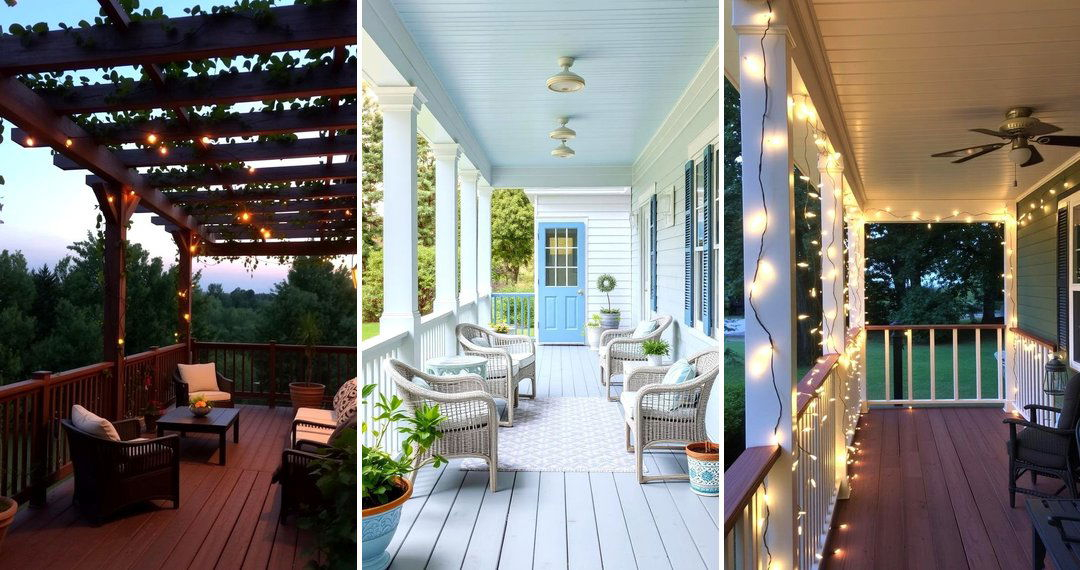
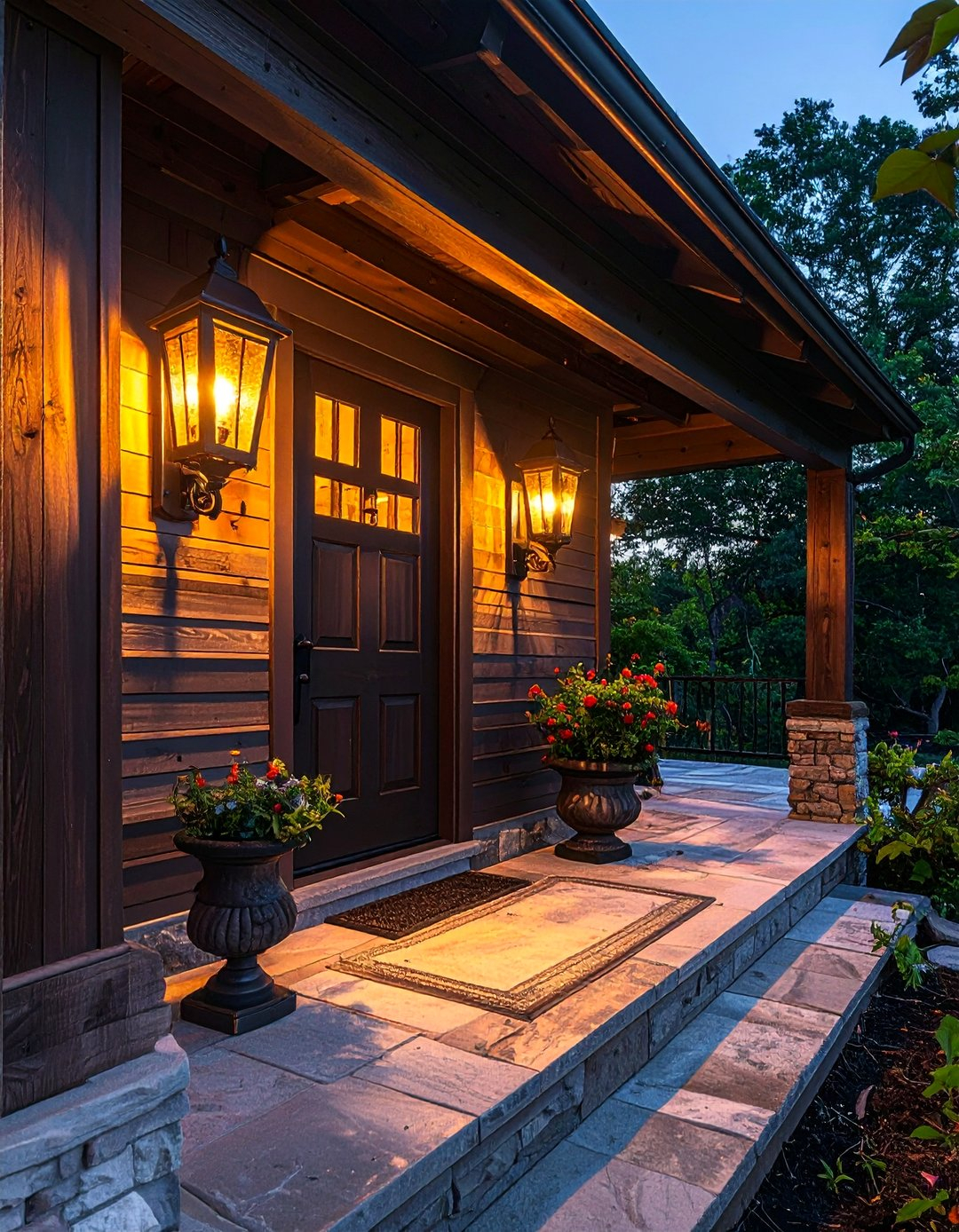
Daylight is great, but what about when the sun goes down? Good lighting transforms your nook from a daytime spot to an evening retreat. Overhead porch lights are often too harsh and bright. You want soft, ambient glow. String lights are a classic choice for a reason. Draping them loosely around the corner creates a canopy of stars. But don’t stop there. Add a floor lamp rated for outdoor use. There are some beautiful rechargeable LED lamps available now that look like traditional table lamps but are completely cordless. This gives you flexibility. You can move the light exactly where you need it.
Candles are another option, but be careful with wind. Flameless LED candles with flickering effects are a safer, more practical alternative. Place them on your side table or shelves. The warm color temperature is crucial. Stick to bulbs labeled "warm white" or "soft white" (around 2700K). Cool white light feels clinical and keeps you awake. Warm light signals to your brain that it’s time to relax. If you have a nearby outlet, consider installing a dimmer switch. Being able to lower the light intensity as the night deepens adds a layer of sophistication. It’s these small details that make the space feel intentional. Remember, shadows are your friend. They create depth and mystery. Don’t try to light up every corner. Let some areas stay dark.
Adding Greenery and Personal Touches
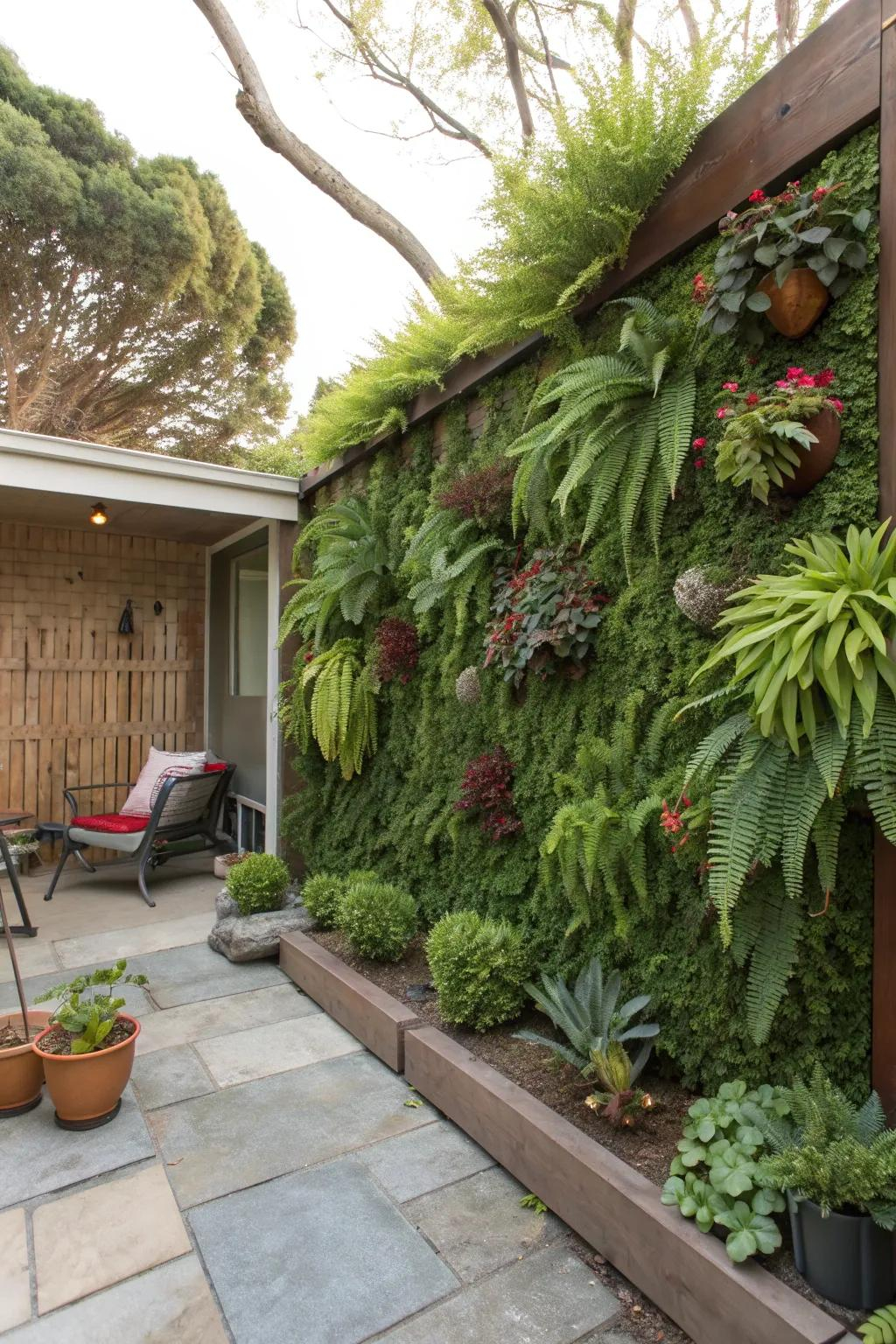
A reading nook without life feels sterile. Plants are the easiest way to breathe life into a corner. Choose varieties that thrive in your specific light conditions. Ferns love shade. Succulents love sun. Hanging baskets save floor space and add vertical interest. Large potted trees, like olive or citrus, can act as natural screens, blocking the view of the street or neighbors. This enhances the feeling of privacy. In 2026, sustainable gardening is big, so consider native plants that require less water and care. They connect you to your local ecosystem. Plus, the scent of jasmine or lavender can make your reading experience multisensory. Smell triggers memory and emotion. Why not make your nook smell amazing?
Personal touches make the space yours. Maybe it’s a small wind chime that tinkles softly in the breeze. Or a piece of art protected in a weatherproof frame. Shelves are great for displaying books, but also for showing off small treasures—a sea shell from a vacation, a ceramic bird. These items tell your story. They make the nook feel curated, not catalog-bought. Don’t overcrowd it, though. Leave some breathing room. The eye needs places to rest. If you have a wall, consider a mural or a bold paint color. An accent wall can define the nook visually, separating it from the rest of the porch. It’s like creating a room without walls. Just ensure the paint is exterior-grade. You don’t want it peeling after one rainstorm.
Creating the nook is step one. Keeping it inviting is step two. Outdoor spaces demand more attention than indoor ones. Establish a simple routine. Shake out cushions weekly. Sweep the rug. Wipe down the table. It doesn’t take long, but it prevents buildup of grime and mold. In humid climates, consider bringing cushions inside during heavy rain storms. Even "waterproof" fabrics can eventually develop mildew if they stay damp for too long. Storage boxes are your best friend here. Get ones that match your decor. They hide the clutter when you’re not using the nook and protect your soft goods.
Seasons change, and your nook should too. In spring, add fresh flowers and lighter fabrics. Summer calls for cooling mists fans or extra shade. Autumn is all about warmer throws and pumpkins. Winter might mean stripping it down to the basics if you live in a cold climate, or adding heated blankets and wind barriers if you’re brave. Adapting the space keeps it fresh and functional year-round. It also prevents wear and tear. By rotating your textiles and plants, you extend their life. Think of your nook as a living entity. It breathes with the seasons. Respect that rhythm. And don’t be afraid to swap things out. If a plant dies, replace it. If a pillow fades, retire it. The nook should always feel vibrant and cared for.
So, there you have it. Transforming that unused corner isn’t just about decorating. It’s about claiming space for yourself. In a world that moves fast, having a dedicated spot to slow down is a radical act. It doesn’t have to be perfect. It doesn’t have to be expensive. It just has to be yours. Start small. Move a chair. Add a light. See how it feels. You might find that this tiny slice of your porch becomes the most important room in your house. After all, the best stories aren’t just found in books. They’re lived in the quiet moments we carve out for ourselves. Go ahead. Make that corner count.
[sps_html tag=”img” src=”https://cdn.northcarolinafinearchitecture.com/2026/05/rustic-front-porch-lights-enhance-curb-appeal-with-timeless-charm-throughout-blending-vintage-charm-with-modern-durability-for-timeless-porch-appeal.jpg” alt=”Rustic Front Porch Lights: Enhance Curb Appeal With Timeless Charm throughout Blending Vintage Charm with Modern Durability for Timeless Porch Appeal” style=”width: 100%; height: auto;”]
[sps_html tag=”img” src=”https://cdn.northcarolinafinearchitecture.com/2026/05/14-inspiring-sun-porch-ideas-for-cozy-spaces-with-regard-to-outdoor-porch-design.jpg” alt=”14+ Inspiring Sun Porch Ideas For Cozy Spaces with regard to Outdoor Porch Design” style=”width: 100%; height: auto;”]
[sps_html tag=”img” src=”https://cdn.northcarolinafinearchitecture.com/2026/05/timeless-pictures-of-farmhouse-porches-rustic-charm-and-relaxed-living-in-blending-vintage-charm-with-modern-durability-for-timeless-porch-appeal.jpeg” alt=”Timeless Pictures Of Farmhouse Porches: Rustic Charm And Relaxed Living in Blending Vintage Charm with Modern Durability for Timeless Porch Appeal” style=”width: 100%; height: auto;”]
[sps_html tag=”img” src=”https://cdn.northcarolinafinearchitecture.com/2026/05/24-elegant-victorian-porch-design-ideas-for-timeless-charm-for-blending-vintage-charm-with-modern-durability-for-timeless-porch-appeal.jpg” alt=”24 Elegant Victorian Porch Design Ideas For Timeless Charm for Blending Vintage Charm with Modern Durability for Timeless Porch Appeal” style=”width: 100%; height: auto;”]
[sps_html tag=”img” src=”https://cdn.northcarolinafinearchitecture.com/2026/05/timeless-rustic-porch-railings-elevate-your-porch-with-craftsmanship-regarding-blending-vintage-charm-with-modern-durability-for-timeless-porch-appeal.jpg” alt=”Timeless Rustic Porch Railings: Elevate Your Porch With Craftsmanship … regarding Blending Vintage Charm with Modern Durability for Timeless Porch Appeal” style=”width: 100%; height: auto;”]