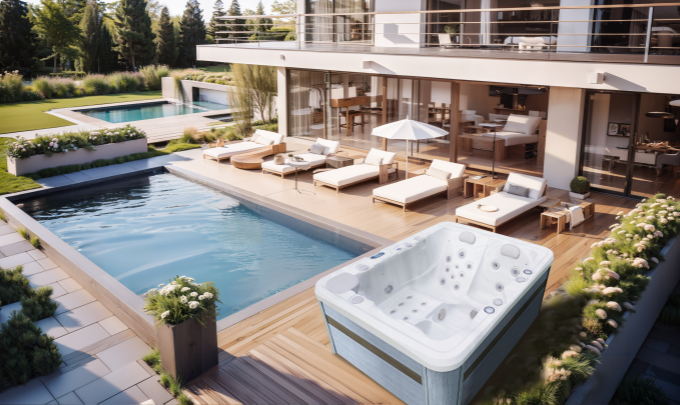
There is something almost magical about slipping into warm water under the open sky. The steam rises, the muscles unknot, and for a moment, the noise of the world just… stops. But let’s be honest. That magic evaporates pretty fast if you feel like you’re on display. Or if the only light source is a harsh floodlight that makes you squint. Creating a true sanctuary isn’t just about buying the tub. It’s about curating the space around it. It’s about feeling safe, seen only by those you choose, and bathed in light that soothes rather than assaults.
You might think you need a massive budget or a landscape architect to pull this off. You don’t. What you really need is a bit of intention. In 2026, the trend isn’t toward over-the-top luxury displays. It’s toward intimate, personal retreats. People are craving spaces that feel like a hug. A place where privacy isn’t an afterthought, but the foundation. And lighting? It’s the paintbrush that sets the mood. Get these two elements right, and your hot tub stops being just an appliance. It becomes the heart of your home’s outdoor life.
So, where do you start? It can feel overwhelming. Do you plant trees? Hang strings of bulbs? Build a fence? The answer is usually a mix of all three. But the order matters. And the details matter even more. This guide walks you through the essentials. No jargon. No sales pitch. Just real, practical advice to help you build a space you’ll actually use. Because what’s the point of a hot tub if you’re too self-conscious to relax in it? Let’s dive in.
The Psychology of Seclusion
Privacy is often misunderstood as just blocking views. But it’s deeper than that. It’s about psychological safety. When you know you aren’t being watched, your body relaxes on a cellular level. Your shoulders drop. Your breathing slows. This is why "seclusion" is a better word than just "privacy." Seclusion implies a protective embrace. It’s the difference between standing behind a thin curtain and being wrapped in a thick blanket. One feels temporary and fragile. The other feels solid and secure.
In recent years, designers have shifted away from tall, imposing fences that can make a yard feel like a cage. Instead, the focus is on layered screening. Think of it like dressing in layers. You might have a base layer of dense shrubbery. Then a mid-layer of a decorative lattice or screen. And maybe a top layer of climbing vines or overhead pergola beams. This approach does two things. First, it blocks sightlines from multiple angles—ground level, second-story windows, and even aerial drones, which are becoming more common in 2026. Second, it creates depth. A flat fence is boring. A layered garden is intriguing. It draws the eye inward, toward the water, rather than outward toward the boundary.
Consider the "feel" of the barrier too. Hard materials like wood or metal reflect sound and can create echoes. Soft materials like plants absorb sound. If your neighbors are close, planting a buffer of evergreen shrubs doesn’t just hide you. It dampens the chatter and splashing, making your soak quieter and more peaceful. It’s a subtle shift, but it changes the entire experience. You aren’t just hidden. You are insulated. And that insulation allows for true vulnerability. You can laugh loudly. You can sit in silence. You can just be.
Natural Barriers That Breathe
Plants are the original privacy solution. They’re alive. They change with the seasons. They soften hard edges. But not all plants are created equal for hot tub zones. You need species that are dense, relatively low-maintenance, and tolerant of humidity and temperature fluctuations. Bamboo is a classic choice, but be careful. Clumping bamboo is your friend. Running bamboo will take over your entire yard and possibly your neighbor’s. In 2026, sustainable gardening is huge, so opting for native evergreens is both eco-friendly and effective. Think Arborvitae, Holly, or Boxwood. They stay green year-round, ensuring your privacy doesn’t vanish in winter.
Timing is everything though. Plants take time to grow. If you need immediate coverage, don’t rely solely on saplings. Mix in some instant gratification. Large potted plants placed strategically around the tub deck can fill gaps while your permanent landscaping matures. Use tall ornamental grasses like Miscanthus or Pampas grass (check local invasiveness rules first). They sway in the wind, adding movement and sound, which further masks any neighborhood noise. Plus, they look stunning when backlit.
Don’t forget the vertical space. Trellises with fast-growing climbers like Jasmine, Honeysuckle, or Clematis can create a living wall in just one season. The added bonus? Scent. Imagine soaking in warm water, surrounded by the fragrance of night-blooming Jasmine. It elevates the sensory experience beyond just sight. It engages smell, which is directly linked to memory and emotion. Suddenly, your hot tub isn’t just a place to get clean or soothe sore muscles. It’s a sensory destination. Just ensure the plants aren’t dropping leaves or pollen directly into the water filter. A little planning goes a long way.
Architectural Screens and Structures
Sometimes nature needs a helping hand. Or maybe you live in a climate where plants struggle. That’s where architectural elements come in. Modern privacy screens have come a long way from the basic wooden slat fence. Today, you can find laser-cut metal panels, composite wood screens that resist rot, and even glass panels that block wind without blocking light. The key is to match the material to your home’s aesthetic. If your house is modern and sleek, a horizontal cedar slat screen or a black metal mesh looks intentional. If your home is rustic, a reclaimed wood fence or a stone wall fits better.
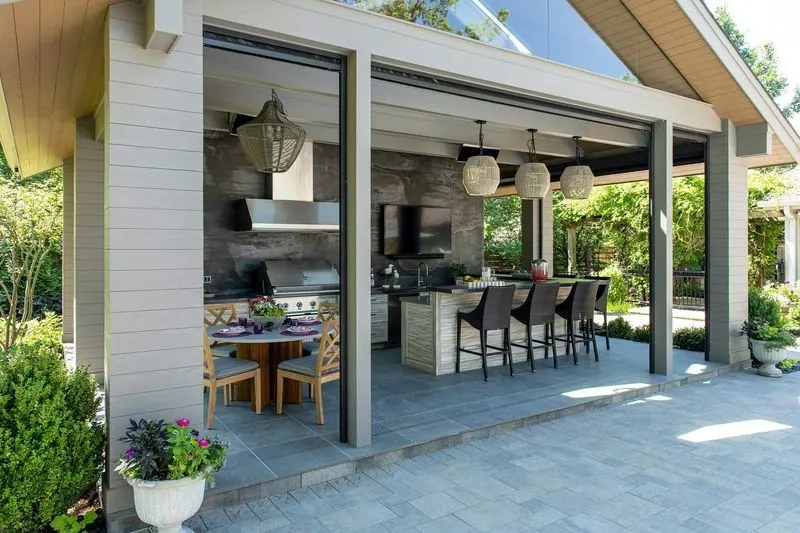
Pergolas and gazebos are another fantastic option. They provide overhead privacy, which is often overlooked. Neighbors on higher ground or second-story decks can look down into your yard. An open-roof pergola breaks up that line of sight without making the space feel dark or enclosed. Add a retractable canopy or shade cloth, and you have control over sunlight and visibility. In 2026, smart pergolas with motorized louvers are becoming more accessible. You can adjust the angle of the slats with an app, controlling both light and privacy instantly. It’s luxurious, yes, but also incredibly practical.
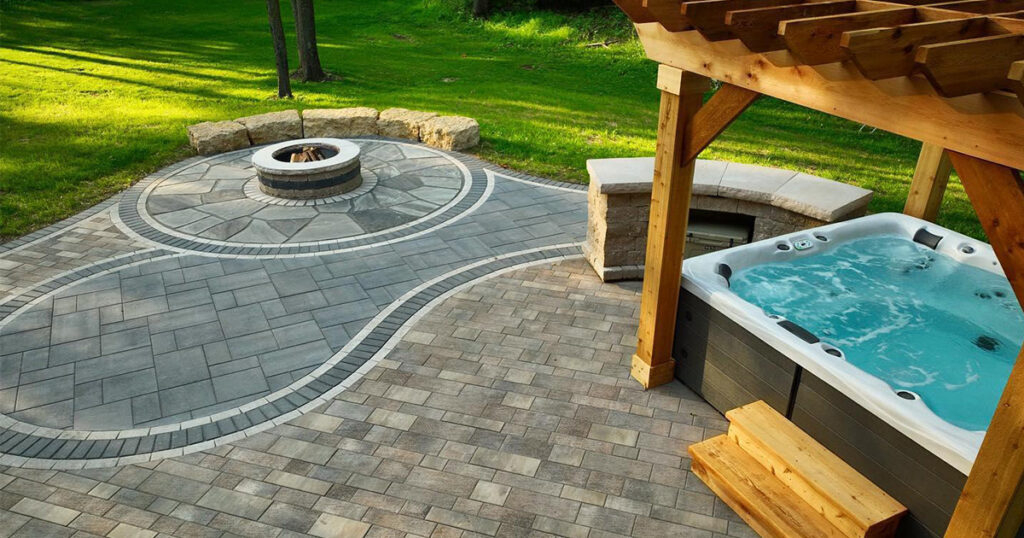
Deck integration is crucial here. Don’t just plonk a screen next to the tub. Build it into the deck structure. A wraparound bench with a high back acts as both seating and a privacy barrier. Built-in planters at the base of a screen soften the look and add greenery. The goal is cohesion. When the privacy features feel like part of the architecture, rather than an add-on, the space feels larger and more designed. It feels like a room outdoors. And just like indoors, you want the walls to feel sturdy and the corners to feel safe. Avoid sharp corners facing the seating area if possible. Curved screens or angled layouts create a more welcoming, embracing geometry.
Layering Light for Mood and Safety
Lighting is where many people go wrong. They install one bright overhead light and call it a day. The result? A clinical, interrogation-room vibe. Not exactly relaxing. The secret to great hot tub lighting is layering. You need three types: ambient, task, and accent. Ambient light is the general glow. It should be soft and diffuse. Think string lights draped overhead, or low-voltage path lights around the perimeter. Task lighting is for safety. You need to see where you’re stepping when you get in and out. Low-level step lights on the deck stairs or rim lighting on the tub itself work perfectly. Accent lighting highlights features. Uplighting a tree, or grazing a textured wall with light, adds drama and depth.
Color temperature matters immensely. Stick to warm whites (2700K to 3000K). Cool whites (4000K+) feel sterile and energetic. They keep you awake. Warm light mimics sunset and firelight, signaling to your brain that it’s time to wind down. In 2026, LED technology has advanced to the point where you can get incredibly rich, warm tones that are also energy-efficient. Avoid colored LEDs unless you’re going for a specific party vibe. Red, blue, and green lights can look cheap and dated quickly. Stick to warm white for a timeless, spa-like feel. If you want color, use it sparingly. Maybe a single underwater light that cycles slowly, but keep the surrounding landscape lighting neutral.
Placement is key. Never shine light directly into anyone’s eyes. Glare is the enemy of relaxation. Shield your light sources. Use fixtures with hoods or baffles. Place lights low to the ground. Uplighting trees from the base creates beautiful shadows and patterns without blinding anyone. Downlighting from a pergola beam can mimic moonlight if done subtly. The goal is to see enough to be safe, but not enough to read a book. You want pools of light and areas of shadow. Shadow is just as important as light. It creates mystery. It lets the mind wander. A uniformly lit space feels flat and uninteresting. Embrace the dark.
Smart Controls and Energy Efficiency
It’s 2026. Everything is smart. And for good reason. Convenience drives usage. If you have to walk out to the shed to flip a switch, you won’t use the hot tub as often. If you can dim the lights, change the color, or turn on the pump from your phone while you’re still inside finishing a chapter of your book, you’ll use it every night. Smart lighting systems allow you to create scenes. "Soak Mode" might dim the lights to 20% and turn on the underwater LEDs. "Party Mode" might brighten the perimeter lights and turn off the accents. "Safety Mode" turns everything to 100% brightness for cleaning or late-night exits.
Energy efficiency isn’t just about saving money. It’s about sustainability. LED lights use a fraction of the energy of old halogen bulbs. Solar-powered path lights have improved dramatically in recent years. They’re brighter, last longer, and hold a charge better even in cloudy weather. For a hot tub zone, however, hardwired low-voltage systems are usually more reliable. You don’t want your lights flickering or dying in the middle of winter. But consider solar for accent pieces that aren’t critical for safety. A few solar-powered lanterns on a side table can add charm without any wiring hassle.
Integration with your hot tub’s own systems is also worth exploring. Many modern spas have built-in lighting controls that sync with external smart home hubs like HomeKit, Alexa, or Google Home. This means you can set routines. "Goodnight" could turn off the house lights, lock the doors, and dim the hot tub lights to a faint glow. It creates a seamless transition from day to night. Just be mindful of security. Ensure your smart devices are on a secure network. You don’t want hackers controlling your lights. Keep firmware updated. Use strong passwords. Tech should simplify your life, not complicate it with worry.
A beautiful space is a maintained space. Lighting fixtures get dirty. Lenses cloud over. Bulbs burn out. Make a checklist. Twice a year, spring and fall, wipe down your light fixtures. Check for water intrusion. Replace any flickering bulbs immediately. It’s a small task, but it keeps the space looking cared for. Trim your plants regularly. Overgrown branches can block light paths or scratch against screens. In autumn, clear fallen leaves from deck crevices and light wells. Wet leaves decompose and can stain wood or clog drains. A clean space feels more inviting. It signals that this is a place of respect.
Seasonal adjustments are vital for year-round enjoyment. In summer, you might want more shade and less light. In winter, you want maximum warmth and glow. Consider swapping out lightweight summer curtains for heavier, insulated winter covers on your pergola. Change the bulbs in your lanterns to a slightly warmer tone in winter to combat the cold blue light of short days. If you have potted plants, move tender ones indoors or wrap them in burlap. Protect your investment. A hot tub sanctuary shouldn’t be a fair-weather friend. It should be a refuge in all seasons.
Finally, listen to the space. Spend time in it. Notice what feels off. Is that one light too bright? Does that bush block the view of the stars you love? Adjust. Your needs will change. Your family will grow. Your tastes will evolve. The beauty of a well-designed outdoor room is its flexibility. Unlike a kitchen remodel, you can move a planter or swap a light fixture with minimal cost and effort. Keep the foundation solid—good privacy, good layers of light—and let the details breathe and change. That’s how a space becomes truly yours.
Creating your outdoor hot tub sanctuary is a journey, not a destination. It starts with the desire for peace. It grows through thoughtful choices about what hides you and what reveals you. It shines through the careful placement of light that guides and comforts. By focusing on seclusion, natural and architectural barriers, layered lighting, smart convenience, and ongoing care, you build more than a backyard feature. You build a retreat. A place where the world falls away. Where you can reconnect with yourself, with loved ones, with the simple joy of being warm and safe under the sky. Start small. Plant one tree. Hang one string of lights. See how it feels. Then add another layer. Before you know it, you’ll have created something truly special.
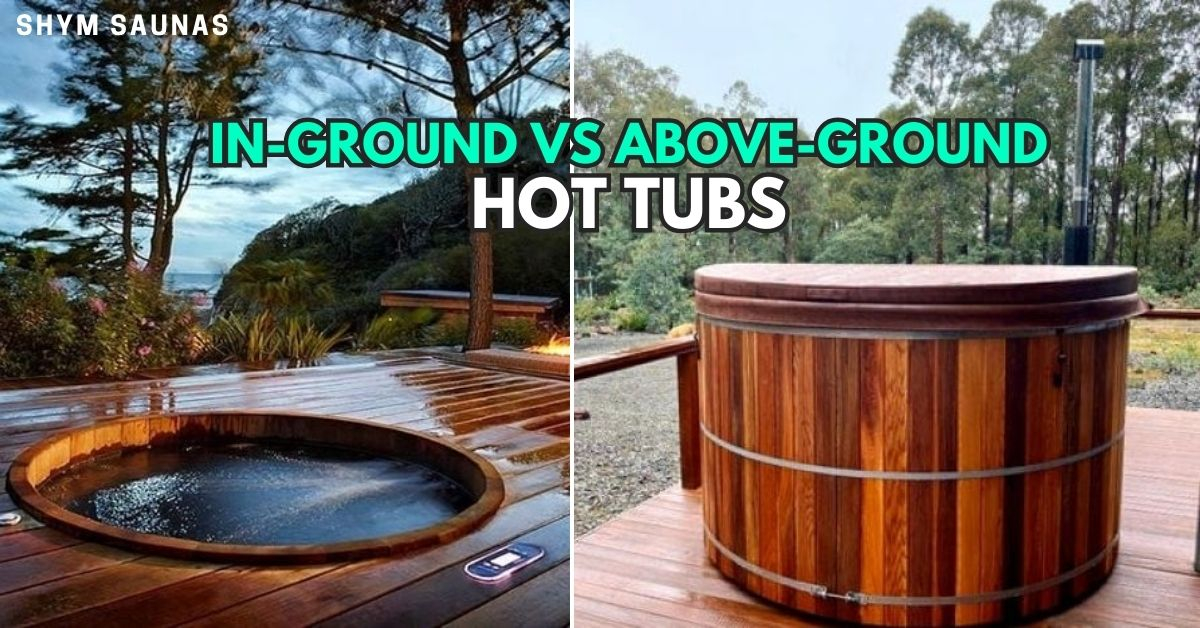
[sps_html tag=”img” src=”https://cdn.northcarolinafinearchitecture.com/2026/05/inground-vs-above-ground-hot-tubs-which-is-better-inside-outdoor-hot-tub-design.jpg” alt=”Inground Vs Above Ground Hot Tubs: Which Is Better? inside Outdoor Hot Tub Design” style=”width: 100%; height: auto;”]
[sps_html tag=”img” src=”https://cdn.northcarolinafinearchitecture.com/2026/05/13-hot-tub-rules-for-guests-how-to-enjoy-soaking-in-a-hot-tub-in-outdoor-hot-tub-design.webp” alt=”13 Hot Tub Rules For Guests: How To Enjoy Soaking In A Hot Tub in Outdoor Hot Tub Design” style=”width: 100%; height: auto;”]
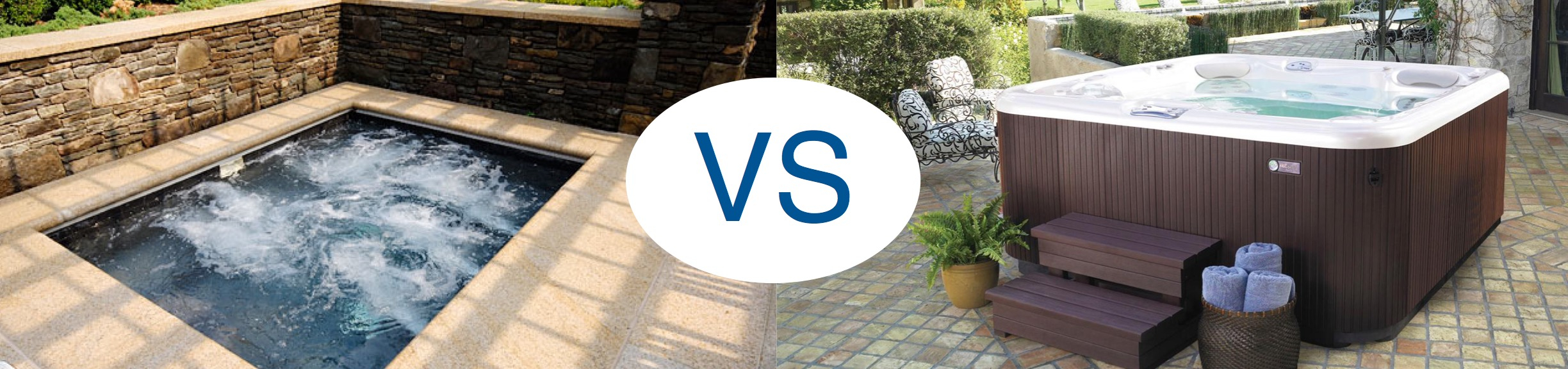
[sps_html tag=”img” src=”https://cdn.northcarolinafinearchitecture.com/2026/05/above-ground-hot-tub-vs-in-ground-which-is-better-lovia-within-in-ground-versus-above-ground-hot-tubs-and-which-style-fits-your-lifestyle-best.png” alt=”Above-Ground Hot Tub Vs In-Ground: Which Is Better? - Lovia within In-ground versus above-ground hot tubs and which style fits your lifestyle best” style=”width: 100%; height: auto;”]
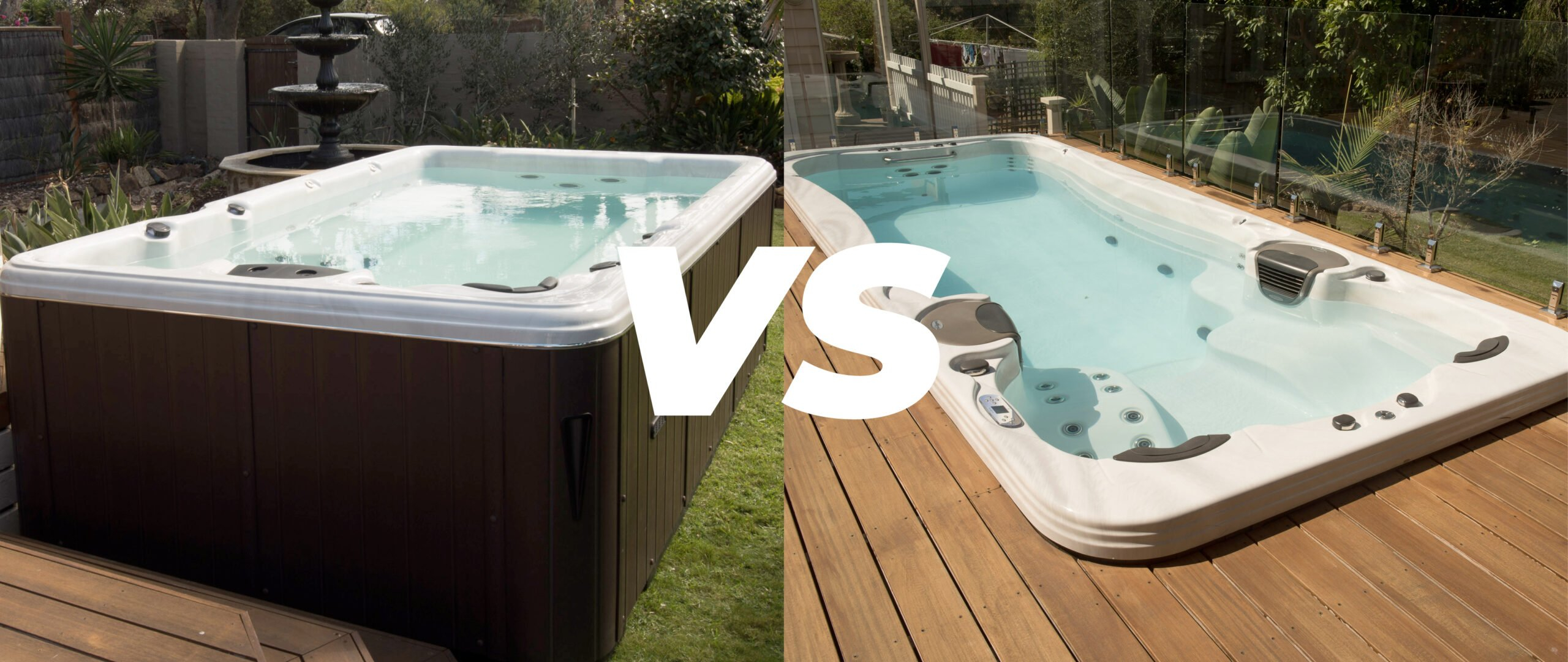
[sps_html tag=”img” src=”https://cdn.northcarolinafinearchitecture.com/2026/05/choosing-between-above-ground-hot-tubs-vs-in-ground-spas-inside-outdoor-hot-tub-design.jpg” alt=”Choosing Between Above-Ground Hot Tubs Vs. In-Ground Spas inside Outdoor Hot Tub Design” style=”width: 100%; height: auto;”]
[sps_html tag=”img” src=”https://cdn.northcarolinafinearchitecture.com/2026/05/above-ground-hot-tub-ideas-to-transform-your-backyard-backyard-planning-inside-in-ground-versus-above-ground-hot-tubs-and-which-style-fits-your-lifestyle-best.jpg” alt=”Above-Ground Hot Tub Ideas To Transform Your Backyard | Backyard Planning inside In-ground versus above-ground hot tubs and which style fits your lifestyle best” style=”width: 100%; height: auto;”]