Ever looked out over the gray sprawl of the city and wished for a splash of green? You’re not alone. For years, urban dwellers have stared at empty rooftops, seeing only wasted potential. But what if that flat, sun-baked expanse could become your personal spice rack? Imagine stepping out after a long day, the noise of traffic fading into a distant hum, and snipping fresh basil for your dinner or plucking mint for a evening tea. It’s not just a dream anymore. It’s a tangible, aromatic reality waiting to happen.
City living often feels like a trade-off. You get the culture, the convenience, and the energy, but you sacrifice space. Especially green space. Yet, the rooftop remains one of the most underutilized assets in modern architecture. In 2026, the trend isn’t just about having a garden; it’s about curating an experience. It’s about blending function with aesthetics. A well-designed herb garden doesn’t just feed you; it transforms the way you see your home and the skyline beyond it. Why let that space collect dust when it could be thriving with life?
The beauty of herbs is their resilience. They don’t need acres of land. They don’t even need deep soil. What they need is light, drainage, and a bit of love. Whether you have a sprawling penthouse terrace or a cozy balcony nook, there is a layout that fits. This guide walks you through turning that bare concrete into a lush, flavorful retreat. We’ll look at how to arrange your plants, choose the right containers, and create a space that feels less like a chore and more like a sanctuary. Let’s dig in.
Choosing the Right Herbs for High-Altitude Growing
Not all plants are created equal, especially when they’re thirty stories up. The conditions on a rooftop are unique. It’s windier. It’s hotter in the summer and colder in the winter. The sun hits harder because there are no trees to filter it. So, picking the right herbs is the first step to success. You want varieties that can handle a bit of neglect and a lot of sunshine. Mediterranean herbs are the undisputed champions here. Rosemary, thyme, oregano, and lavender thrive in these dry, sunny conditions. They are tough, woody, and smell incredible when the breeze picks up.
On the other hand, soft herbs like basil, cilantro, and parsley need a bit more protection. They wilt faster in the wind and burn quicker in the direct midday heat. If you want to grow these, you’ll need to place them in spots that get some afternoon shade or use taller plants to shield them. Chives are a great middle ground; they are hardy, come back every year, and add a nice purple pop of color when they bloom. In 2026, many urban gardeners are also experimenting with perennial herbs like sage and mint. Mint, however, is invasive. Always keep it in its own pot, or it will take over your entire garden within a single season.
Think about how you cook, too. There’s no point in growing twenty different types of thyme if you only ever use basil. Start with the "kitchen staples." A simple trio of basil, rosemary, and chives covers a huge range of meals. Once you get comfortable, you can expand. Maybe add some lemon balm for teas or spicy arugula for salads. The key is to start small. A few healthy plants are better than a dozen struggling ones. Check the hardiness zones for your specific city, as microclimates on rooftops can vary wildly from street level.
Smart Container Choices for Wind and Weight
Let’s talk about pots. On a rooftop, your container is more than just a vessel; it’s an anchor. Wind is the silent killer of rooftop gardens. A gust that barely ruffles your hair on the ground can knock over a lightweight plastic pot on the tenth floor. That’s why weight matters. Terracotta and ceramic are beautiful, but they can crack in freezing temperatures if they aren’t frost-proof. Concrete and fiberglass are excellent choices because they are heavy enough to stay put but durable enough to last. Plus, they look sleek and modern against the urban backdrop.
Size is another critical factor. Herbs have shallow roots, so you don’t need massive planters for individual plants. However, grouping them together in larger troughs or window boxes helps retain moisture. Soil dries out much faster on a rooftop due to the wind and heat exposure. A larger volume of soil acts as a buffer, keeping the roots cool and damp for longer. Look for containers with good drainage holes. Nothing kills an herb faster than sitting in soggy soil. If you’re worried about water damaging your roof surface, use saucers or elevate the pots on feet to allow air circulation underneath.
Modular systems are gaining popularity in 2026 for good reason. These are interlocking units, often 12-inch squares, that let you customize your layout. You can start with four units and expand to twelve as your confidence grows. They are perfect for shifting needs. Maybe you want more basil in the summer and more root vegetables in the fall. Modular designs adapt to your space seamlessly. Just ensure whatever system you choose is rated for outdoor use and UV resistance. Cheap plastic will brittle and crack under the relentless sun, leaving you with a mess of broken shards and dead plants.
Layout Strategies: From Minimalist to Lush
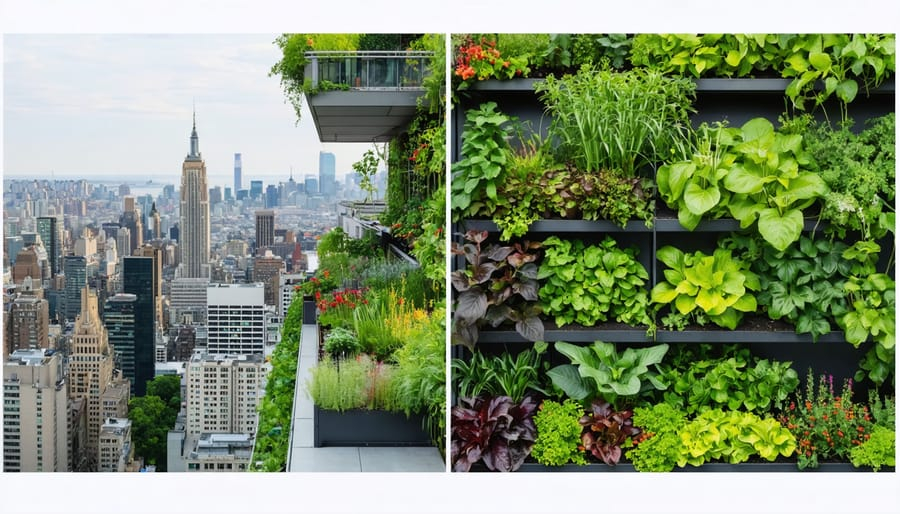
How you arrange your herbs changes everything. It affects how much sun they get, how easy they are to harvest, and how the space feels to you. For small balconies or narrow ledges, vertical gardening is your best friend. Wall-mounted planters, hanging baskets, or tiered stands allow you to grow upwards rather than outwards. This frees up floor space for a chair or a small table. Imagine a living wall of trailing thyme and cascading oregano behind your seating area. It creates a green curtain that softens the hard lines of the city buildings around you.
If you have a bit more room, consider the "zoning" method. Group your herbs by their water and light needs. Put the drought-tolerant rosemary and lavender on the sunniest, windiest side. Place the thirstier basil and parsley in the shadier, more protected corner. This makes watering easier and prevents you from accidentally drowning your rosemary while trying to keep your basil alive. You can also create visual interest by varying heights. Put tall plants like fennel or large rosemary bushes in the back, medium-height plants like sage in the middle, and low-growing creeping thyme in the front. This layering adds depth and makes the garden look fuller.
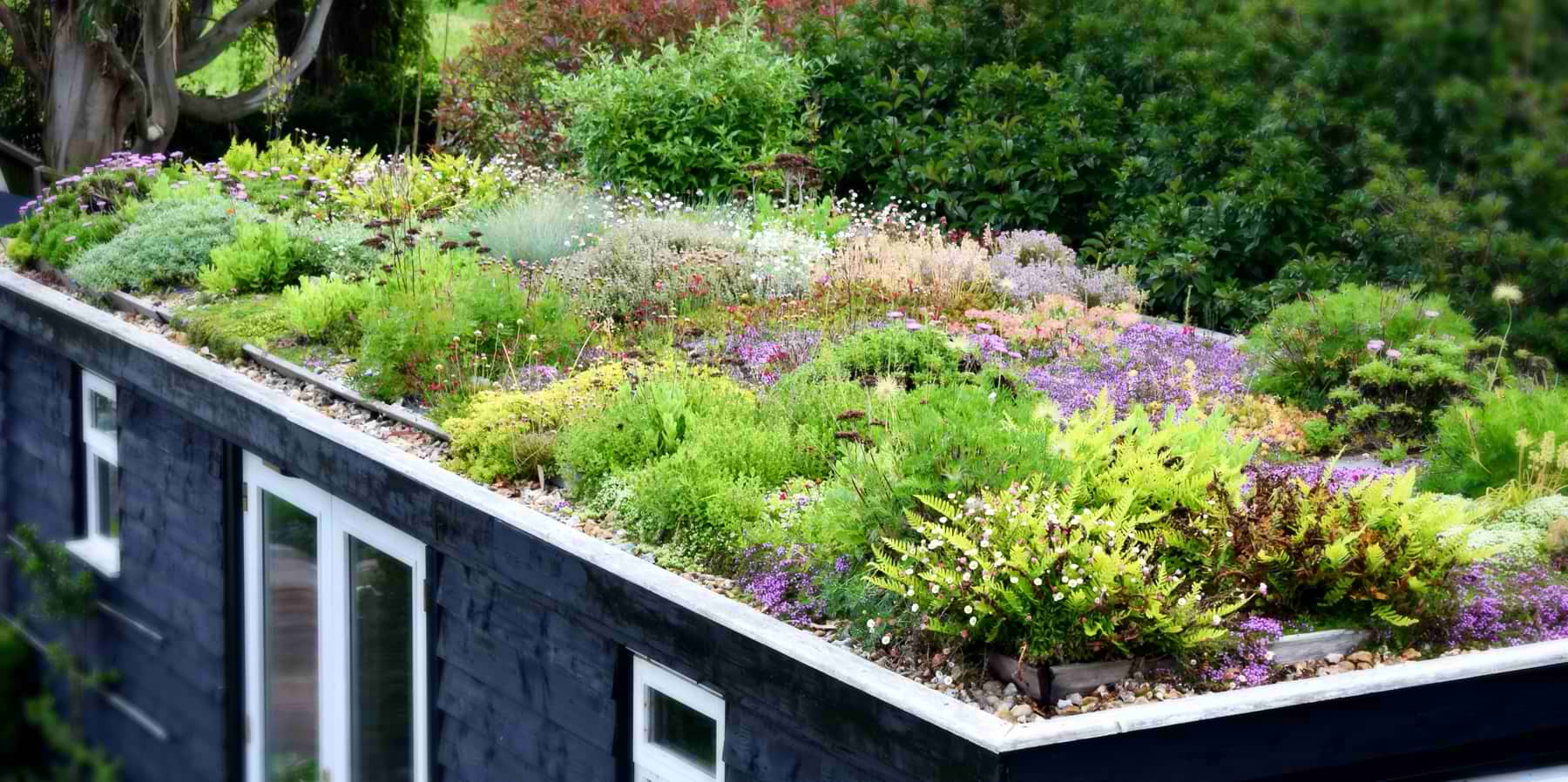
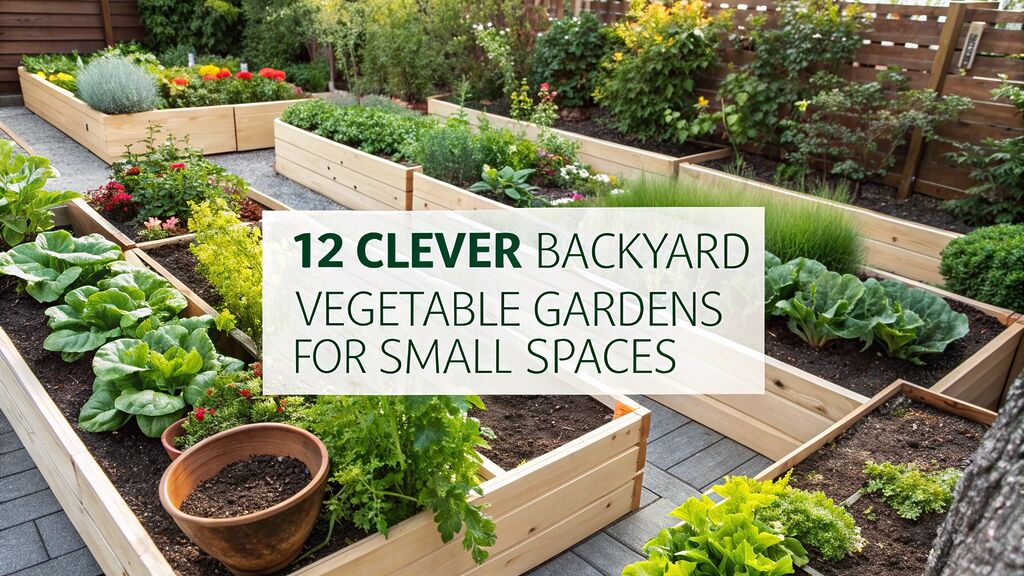
For those who love a structured look, geometric layouts work wonders. Use square or rectangular planters arranged in a grid pattern. This minimalist approach feels very contemporary and fits well with modern architecture. You can even use the paths between the pots as design elements, filling them with gravel or stone pavers. On the other hand, if you prefer a wilder, cottage-garden vibe, mix different textures and colors. Combine the silver leaves of lamb’s ear with the deep green of basil and the purple spikes of lavender. Let them spill over the edges of their pots. The goal is to create a space that feels inviting, not just functional.
Soil, Water, and the Hidden Challenges
Rooftop gardening has its quirks. The biggest challenge? Water management. As mentioned, wind and sun evaporate moisture rapidly. You might need to water your plants twice a day in the peak of summer. Drip irrigation systems are a game-changer here. They deliver water directly to the roots, reducing waste and ensuring consistent hydration. Many modern systems in 2026 are solar-powered and can be controlled via smartphone apps, letting you monitor soil moisture levels remotely. If you’re not ready for tech, self-watering pots are a great alternative. They have a reservoir at the bottom that wicks water up as the plant needs it.
Soil quality is equally important. Never use garden soil from the ground in your rooftop containers. It’s too heavy, compacts easily, and may contain pests or diseases. Instead, use a high-quality potting mix designed for containers. Look for mixes that include perlite or vermiculite, which improve drainage and aeration. You can also mix in some compost to provide nutrients. Herbs are generally light feeders, but they do appreciate a boost during the growing season. A slow-release organic fertilizer added in spring will keep them happy without the risk of burning the roots.
Don’t forget about wind protection. While some herbs like the breeze, strong gusts can break stems and dry out leaves. Installing a simple windbreak can make a huge difference. This doesn’t have to be a solid wall, which can create turbulence. A permeable screen, like a lattice with climbing plants or a mesh fabric, slows the wind down without blocking it completely. You can also use taller, sturdier plants as natural windbreaks for the more delicate herbs. Pay attention to how the wind moves across your roof throughout the day. Adjust your layout accordingly to protect your most vulnerable plants.
Creating a Sensory Retreat in the Sky
A rooftop herb garden is more than just a source of ingredients; it’s a sensory experience. Think about the smells. The pungent aroma of rosemary when you brush past it. The sweet scent of blooming basil. The sharp, clean smell of mint. These scents can transform your rooftop into a peaceful escape from the city below. Add some flowering herbs like lavender or chamomile to attract bees and butterflies. Watching pollinators work among your plants adds a layer of life and movement that feels worlds away from the concrete jungle.
Comfort is key to making the space usable. If you can’t relax in your garden, you won’t spend time there. Add a comfortable chair or a small bench. Make sure it’s positioned to catch the best views or the gentlest breeze. Consider adding some ambient lighting for the evenings. Solar-powered string lights or lanterns can create a magical atmosphere as the sun sets. The glow of the lights against the dark sky and the silhouette of the city creates a stunning backdrop for evening dinners or quiet reflection.
Sound plays a role, too. The rustling of leaves in the wind can be soothing. You might even add a small water feature, like a tabletop fountain, to mask the noise of traffic. The sound of trickling water combined with the scent of herbs creates a spa-like environment. Keep the space tidy. Deadhead spent flowers and trim back leggy growth. A well-maintained garden feels more inviting and reduces the risk of pests. Remember, this is your sanctuary. Treat it with care, and it will reward you with peace and flavor.
Gardening is a year-round commitment, even on a rooftop. In spring, it’s time to clean up. Remove any dead plants from the winter. Refresh the top layer of soil with new compost. Check your containers for cracks or damage. This is also the best time to plant new herbs or divide existing ones that have become too crowded. As summer arrives, focus on watering and harvesting. Regular harvesting encourages plants to grow bushier and produce more leaves. Don’t be shy; snip those stems!
Autumn is a transition period. Some herbs, like basil, will die back with the first frost. Others, like rosemary and thyme, are perennials and will survive the winter if protected. In colder climates, you might need to wrap sensitive pots in burlap or bring them indoors. Mulching the soil surface with straw or leaves can help insulate the roots. Winter is a time for planning. Look at what worked and what didn’t. Did your mint take over? Did your basil burn in the July sun? Use these lessons to adjust your layout for the next year.
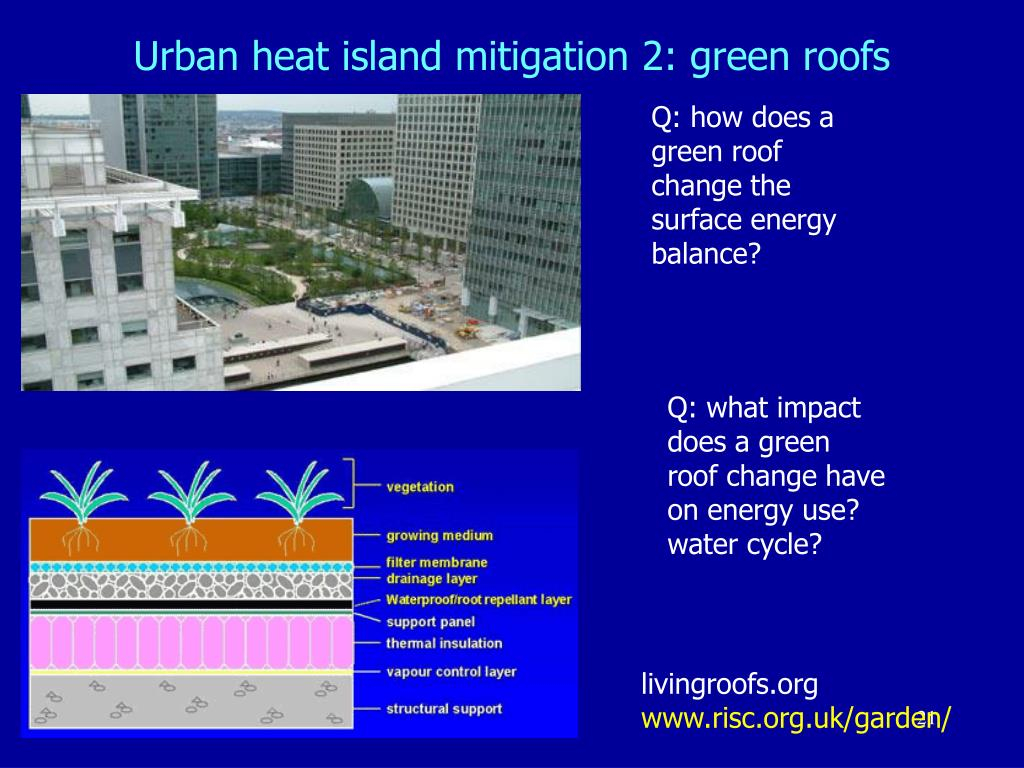
In 2026, sustainability is a major focus. Consider collecting rainwater if your building allows it. Use organic pest control methods instead of harsh chemicals. Compost your kitchen scraps to create nutrient-rich soil for your plants. By adopting these practices, you’re not just growing herbs; you’re contributing to a greener, more sustainable city. Rooftop gardens help reduce the urban heat island effect, manage stormwater runoff, and provide habitats for wildlife. Your small patch of green is part of a larger movement.
So, where do you start? Look at your rooftop. Really look at it. Notice the sun patterns. Feel the wind. Imagine the smell of fresh thyme in the air. You don’t need a big budget or a degree in horticulture. You just need a few pots, some soil, and a willingness to try. Start with three herbs you love to eat. Give them a good home. Watch them grow. Before you know it, you’ll be standing on your roof, looking out at the city, with a handful of fresh basil in your hand. And it’ll taste like victory.
[sps_html tag=”img” src=”https://cdn.northcarolinafinearchitecture.com/2026/06/green-roofs-and-living-walls-transforming-urban-spaces-sustainably-regarding-outdoor-herb-roof-design.jpg” alt=”Green Roofs And Living Walls: Transforming Urban Spaces Sustainably regarding Outdoor Herb Roof Design” style=”width: 100%; height: auto;”]
[sps_html tag=”img” src=”https://cdn.northcarolinafinearchitecture.com/2026/06/green-roofs-and-living-walls-transforming-urban-spaces-sustainably-for-outdoor-herb-roof-design.jpg” alt=”Green Roofs And Living Walls: Transforming Urban Spaces Sustainably for Outdoor Herb Roof Design” style=”width: 100%; height: auto;”]
[sps_html tag=”img” src=”https://cdn.northcarolinafinearchitecture.com/2026/06/urban-gardening-transforming-city-spaces-into-food-growing-havens-pertaining-to-transforming-urban-spaces-with-creative-outdoor-herb-roof-designs.jpeg” alt=”Urban Gardening: Transforming City Spaces Into Food-Growing Havens … pertaining to Transforming Urban Spaces with Creative Outdoor Herb Roof Designs” style=”width: 100%; height: auto;”]
[sps_html tag=”img” src=”https://cdn.northcarolinafinearchitecture.com/2026/06/green-roofs-and-vertical-gardens-in-urban-design-in-2025-green-in-transforming-urban-spaces-with-creative-outdoor-herb-roof-designs.jpg” alt=”Green Roofs And Vertical Gardens In Urban Design In 2025 | Green … in Transforming Urban Spaces with Creative Outdoor Herb Roof Designs” style=”width: 100%; height: auto;”]
[sps_html tag=”img” src=”https://cdn.northcarolinafinearchitecture.com/2026/06/plant-communities-on-my-green-roof-herbidacious-in-transforming-urban-spaces-with-creative-outdoor-herb-roof-designs.jpg” alt=”Plant Communities On My Green Roof – Herbidacious in Transforming Urban Spaces with Creative Outdoor Herb Roof Designs” style=”width: 100%; height: auto;”]